

In Bhakti Yoga, the path of devotion, we learn that God is not only the Supreme Truth, but also the Supreme Beloved. The heart longs not merely to understand God, but to love God, serve God, remember God, and live in relationship with God.
Among the many sacred moods of love described in the Bhakti tradition, mādhurya-rasa is considered especially intimate and exalted. The Sanskrit word mādhurya means “sweetness,” and rasa means “spiritual taste,” “relationship,” or “flavor of love.” Mādhurya-rasa refers to the sweet, loving mood in which the soul relates to Krishna as the divine beloved.
This subject is beautiful, but it is also very deep. It is not something to approach casually, intellectually, or sentimentally. It is a sacred realm of divine love revealed in scriptures such as the Śrīmad-Bhāgavatam, Bhagavad-gītā, and the writings of great Bhakti saints like Śrī Rūpa Goswāmī, Śrī Sanātana Goswāmī, and Śrīla Jīva Goswāmī.
This guide is offered with humility. It is not meant to reduce mādhurya-rasa into a concept or technique. Rather, it is an invitation to approach this sacred subject with reverence, patience, guidance, and a sincere heart.
Whether you are new to Bhakti Yoga or have been chanting and practicing for many years, you are welcome here. The path of devotion is open to all people, from all backgrounds. We begin wherever we are, and we take one sincere step toward God.
Understanding Rasa in Bhakti Yoga
What Does Rasa Mean?
In everyday language, rasa can mean “juice,” “taste,” or “essence.” In Bhakti Yoga, rasa means the spiritual flavor of a loving relationship with the Divine.
The Bhakti scriptures teach that the soul is naturally connected to Krishna, the all-attractive Supreme Person. That connection is not dry or impersonal. It is full of feeling, exchange, service, and love.
In Bhakti-rasāmṛta-sindhu, Śrī Rūpa Goswāmī explains that devotional love matures into different rasas, or sacred relationships. These are not imaginary moods. They are eternal spiritual realities awakened in the purified heart.
The Main Devotional Relationships
The Bhakti tradition often describes five primary devotional rasas:
- Śānta-rasa – peaceful reverence for God
- Dāsya-rasa – serving God as a devoted servant
- Sakhya-rasa – friendship with God
- Vātsalya-rasa – parental affection for God
- Mādhurya-rasa – loving God as the divine beloved
Each rasa is complete and beautiful. There is no need to imitate another person’s spiritual mood or try to force a higher realization. Bhakti grows naturally through sincere practice, grace, and purification.
Mādhurya-rasa is often described as the most intimate because it includes the sweetness of complete self-giving love. Yet intimacy with God is never ordinary, material, or selfish. It is pure devotion, free from exploitation and ego.
Why Reverence Matters
When we hear about Krishna’s loving exchanges with the gopīs—the cowherd maidens of Vṛndāvana—especially Śrīmatī Rādhārāṇī, the greatest devotee of Krishna, we may feel awe, curiosity, or even confusion.
This is natural.
The Bhakti scriptures present these pastimes as the highest expressions of divine love, but they also caution us to approach them carefully. Just as we would not enter a sacred temple with muddy shoes, we should not enter these topics with a restless, lusty, or casual mind.
Respecting mādhurya-rasa means recognizing its holiness.
What Mādhurya-rasa Is—and What It Is Not
Mādhurya-rasa Is Pure Divine Love
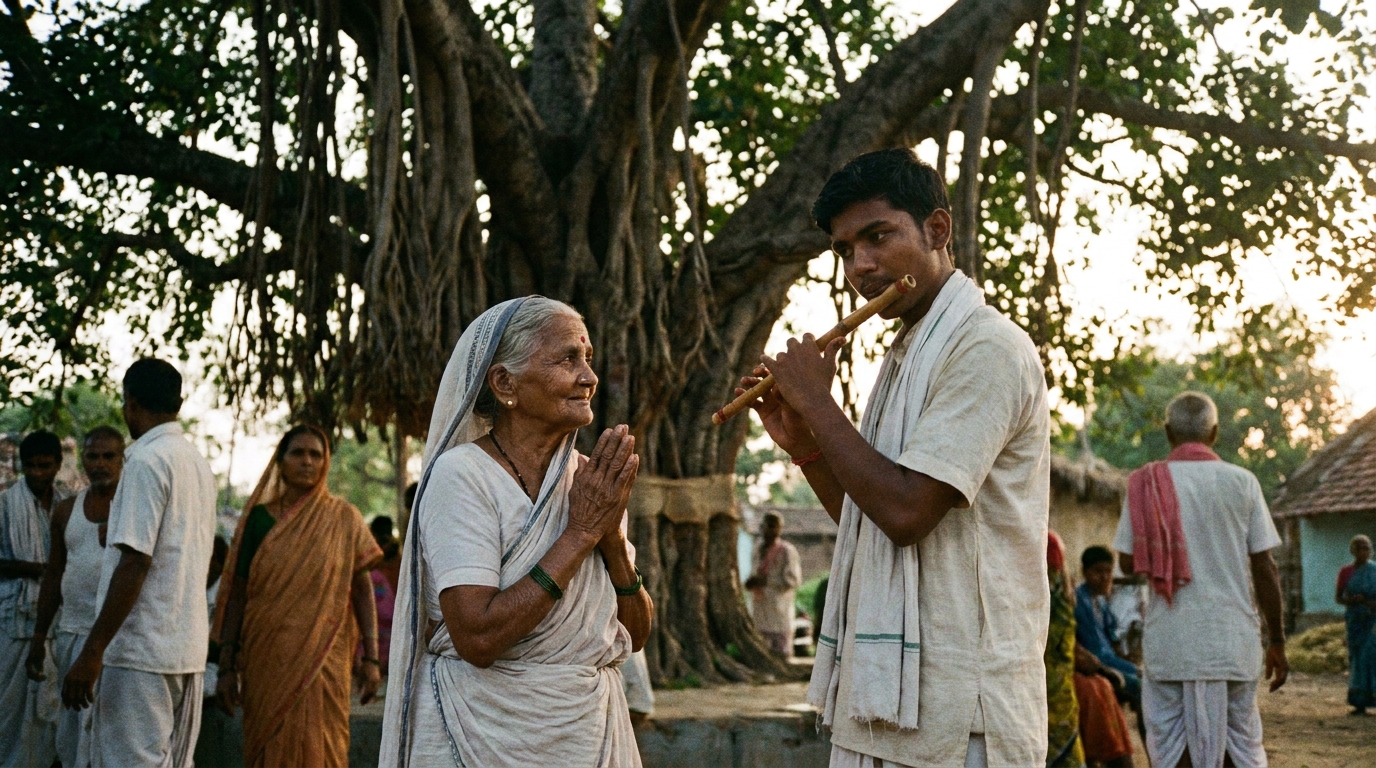
Mādhurya-rasa is not material romance projected onto God. It is not a symbol for ordinary attraction. It is not emotional fantasy. It is the pure love of the soul for Krishna, completely free from selfish desire.
In material relationships, love is often mixed with need, fear, control, expectation, or insecurity. But in pure Bhakti, the devotee wants only Krishna’s happiness. The self is offered in loving service.
Śrīmatī Rādhārāṇī, the supreme example of devotion, embodies this perfect love. Her only desire is to please Krishna. Her love is so pure that the great saints meditate on even a particle of her devotion.
It Is Not Lust
One of the most important distinctions in Bhakti Yoga is the difference between prema and kāma.
Prema means pure love for God.
Kāma means selfish desire or lust.
Śrī Caitanya Mahāprabhu, the great teacher and golden avatāra of divine love, explained this distinction through the teachings of the Goswāmīs. Lust asks, “How can I enjoy?” Love asks, “How can I serve?”
This difference is essential.
When Krishna’s intimate pastimes are misunderstood through the lens of material desire, the heart becomes confused. But when they are heard from realized devotees, with humility and faith, they can gradually purify the heart.
The Śrīmad-Bhāgavatam describes Krishna’s rāsa-līlā, His sacred dance with the gopīs, in the Tenth Canto. Yet the Bhāgavatam first guides us through many teachings about surrender, creation, dharma, devotion, saintly character, and detachment. This structure itself teaches us something: we must be prepared to hear the most intimate topics.
It Is Not Imitation
Respecting mādhurya-rasa means we do not imitate the emotions or behavior of perfected devotees.
In Bhakti, imitation is different from aspiration. We may sincerely aspire to love Krishna purely. We may honor the mood of the great devotees. But we should not pretend to have realizations we do not yet possess.
True spiritual life is honest. We can pray, “Krishna, I am not pure, but I want to serve You. Please guide me. Please cleanse my heart.”
This humble prayer is more pleasing than trying to appear advanced.
Check out our latest articles at https://thebhaktihouse.org/blog.
The Scriptural Foundation of Mādhurya-rasa
The Śrīmad-Bhāgavatam: The Ripened Fruit of Devotion
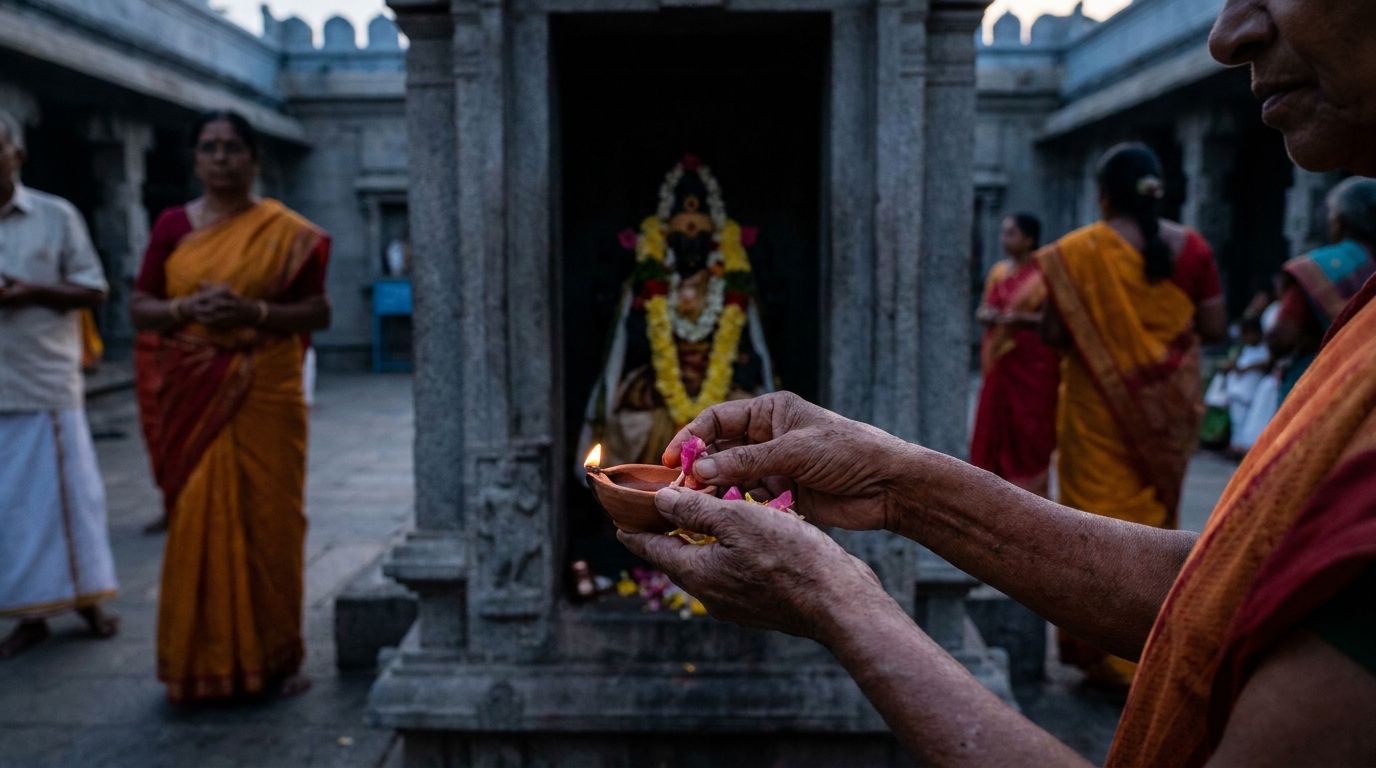
The Śrīmad-Bhāgavatam, also known as the Bhāgavata Purāṇa, is one of the most beloved scriptures in the Bhakti tradition. It is described as the “ripened fruit” of Vedic wisdom because it reveals the sweetness of loving devotion to Krishna.
In the Tenth Canto, the Bhāgavatam describes Krishna’s childhood and youth in Vṛndāvana, including His loving exchanges with the residents of that sacred land. The gopīs’ love is presented as the highest example of surrender.
They leave behind social expectations, personal comfort, and even concern for their own reputation—not for selfish enjoyment, but because their hearts are completely captured by Krishna. Their love is total, fearless, and pure.
Still, these passages require careful hearing. Great teachers advise that we approach them through the guidance of guru, sādhu, and śāstra.
Guru means spiritual teacher.
Sādhu means saintly person or sincere devotee.
Śāstra means sacred scripture.
Together, these three help us understand spiritual truth safely and deeply.
Bhagavad-gītā: The Foundation of Surrender
Before we can properly honor the highest expressions of love, we must practice the foundations of devotion. In the Bhagavad-gītā, Krishna teaches:
“Always think of Me, become My devotee, worship Me, and offer your homage unto Me.”
— Bhagavad-gītā 18.65
This simple instruction contains the heart of Bhakti Yoga.
To respect mādhurya-rasa, we begin by remembering Krishna, chanting His names, offering our food, serving others, and living with integrity. These daily practices purify the mind and soften the heart.
Krishna also says:
“Abandon all varieties of dharma and simply surrender unto Me. I shall deliver you from all sinful reactions. Do not fear.”
— Bhagavad-gītā 18.66
Surrender is the doorway to real intimacy with God. We do not force our way into sacred love. We surrender and allow grace to lead us.
The Teachings of Śrī Caitanya Mahāprabhu
Śrī Caitanya Mahāprabhu came to share the chanting of the holy names and the mood of deep love for Krishna. He taught that in this age, the most accessible spiritual practice is nāma-saṅkīrtana, the congregational chanting of God’s names.
The Hare Krishna mahā-mantra is especially cherished:
Hare Krishna Hare Krishna
Krishna Krishna Hare Hare
Hare Rama Hare Rama
Rama Rama Hare Hare
“Hare” calls out to the divine energy of the Lord, especially Śrīmatī Rādhārāṇī. “Krishna” means the all-attractive one. “Rama” means the source of spiritual joy.
Through chanting, the heart becomes cleansed. The holy name gradually awakens our natural relationship with God. We do not need to artificially imagine spiritual intimacy. We simply chant sincerely and allow the name to reveal truth in time.
The Importance of Purification
The Heart as a Sacred Space
Bhakti Yoga teaches that the heart is like a mirror. When it is covered by dust—anger, envy, greed, lust, pride, and distraction—we cannot clearly see ourselves or God. Through chanting, prayer, study, and service, that mirror becomes clean.
Śrī Caitanya Mahāprabhu’s first instruction in the Śikṣāṣṭakam says that chanting the holy name cleanses the mirror of the heart.
This is very practical. We may notice that when we chant regularly, we become more patient. We become less reactive. We feel more grateful. We begin to see others as souls, not objects for our enjoyment.
This purification is part of respecting mādhurya-rasa. We do not rush toward the highest topics while neglecting the cleansing of the heart.
From Self-Centeredness to Service
The movement from lust to love is the movement from taking to giving.
In daily life, this may look simple:
We listen more carefully.
We speak more gently.
We serve without needing praise.
We forgive more quickly.
We offer our talents to God.
We see our relationships as opportunities to practice compassion.
These are not small things. They are the building blocks of devotion.
If someone wants to understand divine love but does not practice kindness, humility, or self-control, the understanding remains theoretical. Bhakti is lived in the heart, the home, the kitchen, the workplace, and the community.
Honesty About Our Conditioning
Respecting mādhurya-rasa also means being honest about our own conditioning. Most of us carry wounds, desires, attachments, and misunderstandings around love. Many of us have experienced relationships shaped by fear, disappointment, or longing.
Bhakti does not shame us for being human. Instead, it invites us to bring everything into the healing light of Krishna’s presence.
We can pray:
“Dear Lord, please help me understand love rightly. Please heal what is wounded in me. Please purify my desires so I can serve You and others with a clean heart.”
This kind of prayer is powerful. It opens the door to grace.
Practical Ways to Respect Mādhurya-rasa
Chant the Holy Names with Humility
The safest and most powerful way to approach the mysteries of divine love is through the holy name.
Chanting is not merely repetition. It is relationship. It is calling out. It is allowing the heart to be held by God.
You can begin simply:
Set aside a few minutes each day.
Chant the Hare Krishna mantra softly or aloud.
Listen to each word.
When the mind wanders, gently return.
Offer the practice as a prayer.
There is no need to perform. The holy name meets us where we are.
Hear from Authentic Sources
Because mādhurya-rasa is subtle and sacred, we should hear from trustworthy teachers in a recognized Bhakti lineage. Authentic teachers do not sensationalize Krishna’s intimate pastimes. They guide students toward humility, service, chanting, and moral clarity.
When studying scripture, it is helpful to begin with foundational texts and guidance:
- Bhagavad-gītā for understanding the soul, God, karma, yoga, and surrender
- Śrīmad-Bhāgavatam for deepening devotion and hearing Krishna’s pastimes
- Nectar of Devotion for understanding the science of Bhakti-rasa
- Lives and teachings of saints such as Śrī Caitanya Mahāprabhu, the Six Goswāmīs, and later ācāryas
An ācārya is a teacher who teaches by both words and example.
Avoid Casual or Sensual Interpretations
Krishna’s pastimes with the gopīs should never be treated as ordinary romantic stories. They should not be used for entertainment, flirtation, or personal fantasy.
This does not mean we must be afraid of these topics. It means we treat them with the same respect we would offer to something profoundly holy.
If a person is new to Bhakti, it may be best to focus first on chanting, service, Bhagavad-gītā, and Krishna’s childhood pastimes. In time, with guidance, deeper topics may be approached naturally.
Practice Service in Community
Bhakti grows through sevā, or loving service. Service protects us from becoming self-absorbed in our own spiritual imagination.
We can serve in many ways:
Cooking and offering food to Krishna
Helping with kīrtan, or devotional chanting
Cleaning the temple or sacred space
Welcoming newcomers
Supporting spiritual gatherings
Sharing prasāda, sanctified food
Offering professional skills in service
Caring for those who are struggling
Service makes devotion real. It grounds the heart.
Mādhurya-rasa is the height of selfless love. Therefore, every act of humble service is a step toward understanding love more deeply.
Healthy Boundaries and Spiritual Maturity
Sacred Topics Require Emotional Responsibility
Because mādhurya-rasa involves the language of love, longing, and intimacy, it can stir deep emotions. This is why spiritual maturity is important.
A healthy Bhakti community does not pressure people into advanced topics. It does not use sacred language to manipulate emotions. It does not confuse spiritual intimacy with inappropriate human boundaries.
Real devotion increases respect, clarity, compassion, and integrity.
If someone uses the language of Bhakti to excuse harmful behavior, exploitation, secrecy, or lack of accountability, that is not devotion. The path of love must be protected by truth.
Honoring Human Relationships
Respecting mādhurya-rasa also helps us honor human relationships properly. Spiritual love does not make us careless with family, marriage, friendship, or community responsibilities.
The gopīs’ love is transcendental. It cannot be used to justify neglecting our duties or causing harm to others. Rather, their love teaches us the intensity of surrender, the purity of devotion, and the complete offering of the heart to Krishna.
For practitioners, this means we live responsibly. We speak truthfully. We care for others. We keep appropriate boundaries. We do not spiritualize selfishness.
Do Not Compare Your Path
Every soul has a unique relationship with Krishna. Some devotees feel drawn to serving God with reverence. Some are drawn to friendship. Some love the mood of servant-hearted devotion. Some feel nourished by parental affection toward baby Krishna. Some may one day be guided toward deeper appreciation of mādhurya-rasa.
There is no need to compare.
In Bhakti, sincerity matters more than spiritual ambition. A simple offering made with love can be more pleasing to Krishna than a grand display of knowledge.
As Krishna says in the Bhagavad-gītā:
“If one offers Me with love and devotion a leaf, a flower, fruit, or water, I will accept it.”
— Bhagavad-gītā 9.26
This verse is wonderfully inclusive. Anyone can offer something. Anyone can love. Anyone can begin.
The Role of Śrīmatī Rādhārāṇī
The Supreme Devotee
To speak of mādhurya-rasa without honoring Śrīmatī Rādhārāṇī would be incomplete. She is the supreme devotee of Krishna, the personification of pure love, compassion, and devotion.
In the Bhakti tradition, Rādhārāṇī is not seen as separate from God in an ordinary way. She is Krishna’s own internal spiritual energy, the full expression of divine love. Through her grace, the soul can approach Krishna.
Many devotees pray to Rādhārāṇī for mercy because she is tender-hearted. She understands the longing of the soul. She helps us approach Krishna not with pride, but with humility.
Approaching Through Prayer
We may not understand the depth of Rādhā and Krishna’s love, but we can pray sincerely:
“Śrīmatī Rādhārāṇī, please teach me how to serve Krishna. Please bless me with humility. Please help me chant with sincerity. Please guide my heart toward pure devotion.”
Such prayer is not artificial. It is simple and beautiful.
We do not need to claim advanced realization. We can stand at the doorway of divine love and ask to become servants of the servants of the Lord.
Servant of the Servants
A cherished mood in Bhakti is dāsa-dāsa-anudāsa, meaning “the servant of the servant of the servant.” This mood protects the heart.
Rather than thinking, “I am advanced,” we pray, “Let me serve those who serve Krishna.” This humility brings us closer to the real spirit of Vṛndāvana, the sacred land of Krishna’s intimate pastimes.
The highest love is never proud. The closer one comes to Krishna, the more humble one becomes.
Common Misunderstandings About Mādhurya-rasa
“Is This Just Mythology?”
Some readers may come from academic, interfaith, or secular backgrounds and wonder whether these teachings are symbolic stories or literal spiritual realities.
Bhakti welcomes sincere inquiry.
In the devotional tradition, Krishna’s pastimes are understood as eternal spiritual realities revealed through scripture and realized by saints. At the same time, even those who are still exploring faith can receive practical wisdom from these teachings: love should be selfless, devotion should purify the heart, and the deepest longing of the soul is for divine connection.
You do not have to understand everything immediately. Bhakti grows through practice and experience.
“Should I Meditate on These Pastimes?”
For most practitioners, the safest meditation is the holy name, the form of Krishna, service to the Lord, and foundational scriptures. Meditation on intimate pastimes should be done only under proper guidance and when the heart is mature.
There is no loss in waiting. In fact, patient practice deepens real appreciation.
The holy name contains all of Krishna’s pastimes. By chanting sincerely, we are already connected to the full spiritual reality, even if we do not yet perceive it.
“What If I Feel Drawn to These Topics?”
If you feel drawn to mādhurya-rasa, receive that attraction with gratitude and humility. Then ground it in practice.
Chant regularly.
Study carefully.
Serve devotees.
Seek guidance.
Live ethically.
Avoid sensationalism.
Pray for purity.
A sacred attraction should make us more humble, not more restless. It should increase our desire to serve, not to consume.
Bringing the Teaching Into Daily Life
Love Becomes Practical
Respecting mādhurya-rasa is not only about how we read scripture. It affects how we live.
If divine love is the highest truth, then our daily choices matter. How we speak matters. How we treat the vulnerable matters. How we use our time matters. How we respond when no one praises us matters.
Bhakti Yoga invites us to turn ordinary life into an offering.
We can begin the day with prayer.
We can chant while walking or driving.
We can cook with devotion.
We can offer our work to Krishna.
We can pause before reacting in anger.
We can end the day with gratitude.
These small practices prepare the heart for deeper love.
Chanting as the Heart of the Path
At The Bhakti House, the practice of chanting is central because it is simple, profound, and open to everyone. You do not need wealth, status, scholarship, or a perfect past to chant.
The holy name is merciful.
You can chant in joy or sadness. You can chant with faith or with questions. You can chant when your heart feels open, and you can chant when your heart feels dry.
The name of Krishna is not different from Krishna. When we chant, we are in divine company.
Service as Love in Motion
Love becomes real through service.
If we say we want divine love but do not want to serve, our love remains incomplete. Service teaches us to move beyond the ego. It helps us discover joy in giving.
Even a small service done with sincerity can transform the heart.
In Bhakti, no offering is insignificant when it is given with love.
A Gentle Path Forward
Begin with Humility
Mādhurya-rasa is the sweetest and most intimate realm of Bhakti, but we approach it best by becoming simple-hearted.
Humility does not mean thinking we are worthless. It means recognizing that divine love is a gift. It means being honest about our need for grace. It means allowing ourselves to be taught.
The heart that says, “Please guide me,” is already blessed.
Trust the Process of Bhakti
Bhakti Yoga is not rushed. It is organic, relational, and grace-filled. Just as a flower opens naturally in the sunlight, the heart opens through steady practice.
Chanting, prayer, service, scripture, community, and compassionate living all nourish spiritual growth.
We do not need to demand advanced realization. We can trust Krishna’s timing.
Let Love Purify Everything
The goal of respecting mādhurya-rasa is not distance from love, but purified love. We do not reject the heart. We offer it.
All our longing, tenderness, grief, hope, and desire for connection can be brought to Krishna. In His presence, the heart becomes healed and redirected toward its eternal purpose.
The soul is made for love. Bhakti Yoga teaches us how to love in the deepest way.
Everyone Is Welcome to Take One Sincere Step
Mādhurya-rasa is a sacred treasure of the Bhakti tradition. To respect it is to honor its purity, its depth, and its divine source. We approach it not with entitlement, but with reverence. Not with imitation, but with prayer. Not with restlessness, but with steady practice and humble service.
Wherever you are on your spiritual journey, you are welcome. You may be new to Krishna, returning after many years, exploring from another tradition, or simply curious about the path of devotion. There is room for you here.
Begin simply.
Chant one round, or chant one mantra. Offer one prayer. Read one verse. Serve one person. Bring one honest longing before God.
Krishna sees the heart. Śrīmatī Rādhārāṇī is merciful. The path of Bhakti is filled with grace.
Everyone is welcome to take one sincere step toward God today.
FAQs
What is Mādhurya-rasa?
Mādhurya-rasa is a concept in Hindu philosophy and devotional literature that refers to the relationship between a devotee and the divine as that of a lover and the beloved. It is characterized by feelings of sweetness, intimacy, and love.
How is Mādhurya-rasa approached with respect?
Approaching Mādhurya-rasa with respect involves understanding and honoring the sacred nature of the relationship between the devotee and the divine. This includes cultivating a deep sense of reverence, humility, and devotion in one’s approach to the concept.
What are some ways to show respect when approaching Mādhurya-rasa?
Some ways to show respect when approaching Mādhurya-rasa include engaging in sincere and heartfelt devotional practices, such as prayer, meditation, and chanting. Additionally, showing respect involves following the ethical and moral guidelines set forth in the tradition, and treating the concept with reverence and humility.
Why is it important to approach Mādhurya-rasa with respect?
Approaching Mādhurya-rasa with respect is important because it acknowledges the sacred and intimate nature of the relationship between the devotee and the divine. By showing respect, one honors the depth and significance of this spiritual connection and fosters a sense of reverence and devotion.
How can one deepen their understanding and practice of Mādhurya-rasa with respect?
One can deepen their understanding and practice of Mādhurya-rasa with respect by studying the teachings and literature of the tradition, seeking guidance from knowledgeable practitioners or spiritual teachers, and engaging in sincere and dedicated devotional practices with a sense of reverence and humility.

