
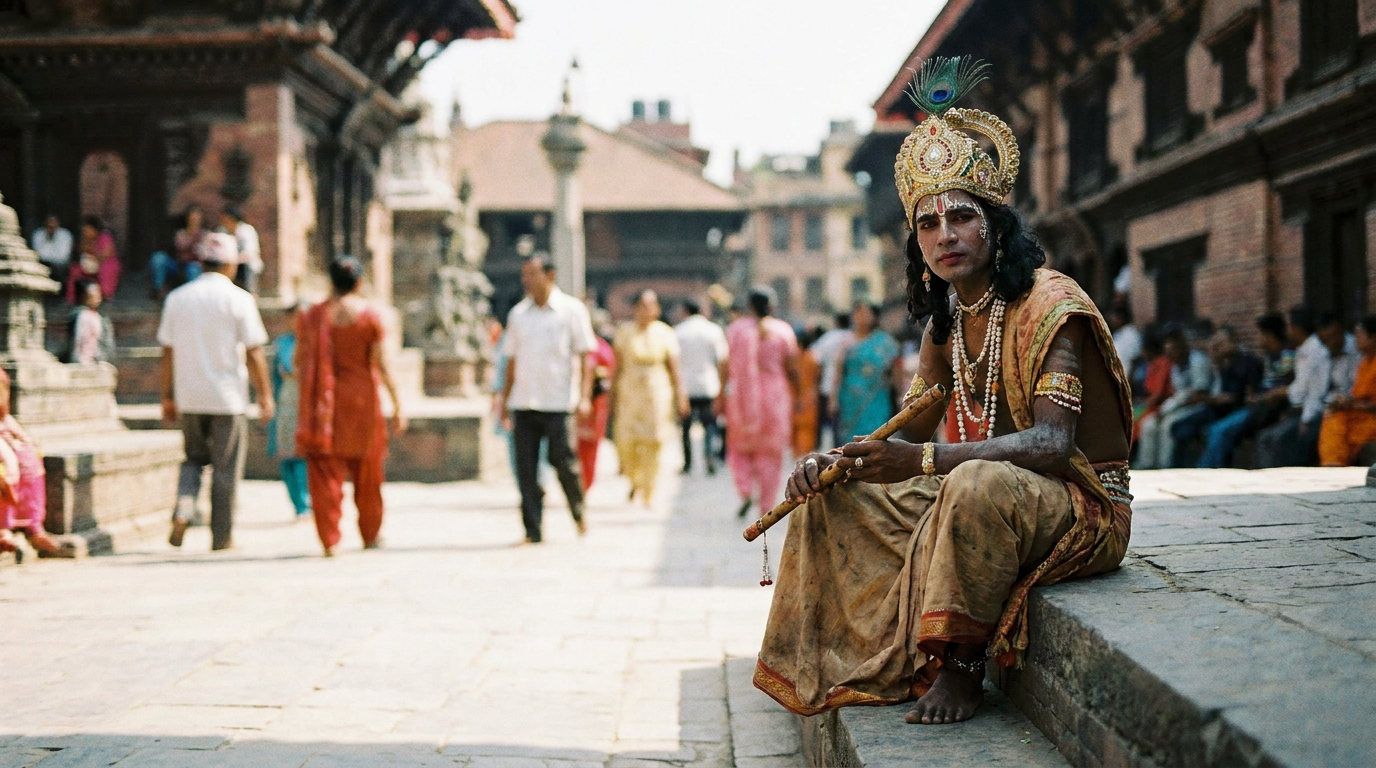
Remembering Krishna is the heart of Bhakti Yoga, the path of loving devotion. In Sanskrit, Krishna means “the all-attractive one.” He is described in the Bhakti scriptures as the Supreme Person, the source of all beauty, wisdom, compassion, and joy. To remember Krishna means to gently bring the mind, heart, and life back into relationship with Him.
This remembrance is not meant to be heavy, forced, or complicated. It is an act of love.
Just as we naturally remember someone dear to us throughout the day, Bhakti Yoga invites us to gradually make Krishna dear to our heart. We may remember Him through sacred sound, prayer, service, scripture, nature, community, or simple gratitude.
In the Bhagavad-gita, Krishna says:
“Always think of Me, become My devotee, worship Me, and offer your homage unto Me.”
— Bhagavad-gita 18.65
This is one of the most beautiful invitations in all of yoga. Krishna is not asking for perfection. He is asking for the heart.
Remembering Krishna means learning to live with sacred awareness: “I am not alone. I am loved. My life can be offered. Every moment can become a doorway back to God.”
Why Remembering Krishna Matters
The mind is always remembering something. It remembers worries, plans, hurts, hopes, responsibilities, and desires. Bhakti Yoga does not deny this. It simply teaches us how to spiritualize the mind by giving it the most nourishing object of remembrance: Krishna.
The Mind Needs a Loving Center
Many people today feel scattered. We move from task to task, screen to screen, and emotion to emotion. Even when the body is resting, the mind may still be running.
Remembering Krishna gives the heart a center.
In the Bhagavad-gita, Krishna describes the mind as restless and difficult to control. Arjuna, the great warrior and student of Krishna, honestly admits:
“The mind is restless, turbulent, obstinate, and very strong.”
— Bhagavad-gita 6.34
Krishna does not shame Arjuna for this. Instead, He teaches practice and detachment. In Bhakti Yoga, one of the most powerful practices is remembrance through love.
When the mind wanders, we gently bring it back. Not with frustration, but with affection.
“Krishna, I am here. Please help me remember You.”
Remembrance Purifies the Heart
In Bhakti tradition, the heart is compared to a mirror. Over time, the mirror becomes covered by dust: fear, envy, pride, resentment, and forgetfulness. Chanting, prayer, and loving service gradually cleanse this mirror so we can see ourselves and God more clearly.
The Sri Siksastakam, a sacred prayer of Sri Chaitanya Mahaprabhu, begins by glorifying the chanting of Krishna’s names as the process that cleanses the heart.
This cleansing is not about becoming someone else. It is about uncovering who we truly are: eternal souls, beloved by God, meant to love and be loved.
Remembering Krishna Brings Peace
Krishna remembrance does not remove every challenge from life. But it changes how we meet those challenges.
When we remember Krishna, we begin to feel guided. We begin to see meaning in our struggles. We become less controlled by fear and more anchored in faith.
This peace is not passive. It is living, active, and devotional. It gives us strength to serve, forgive, continue, and grow.
The Foundation: Hearing and Chanting
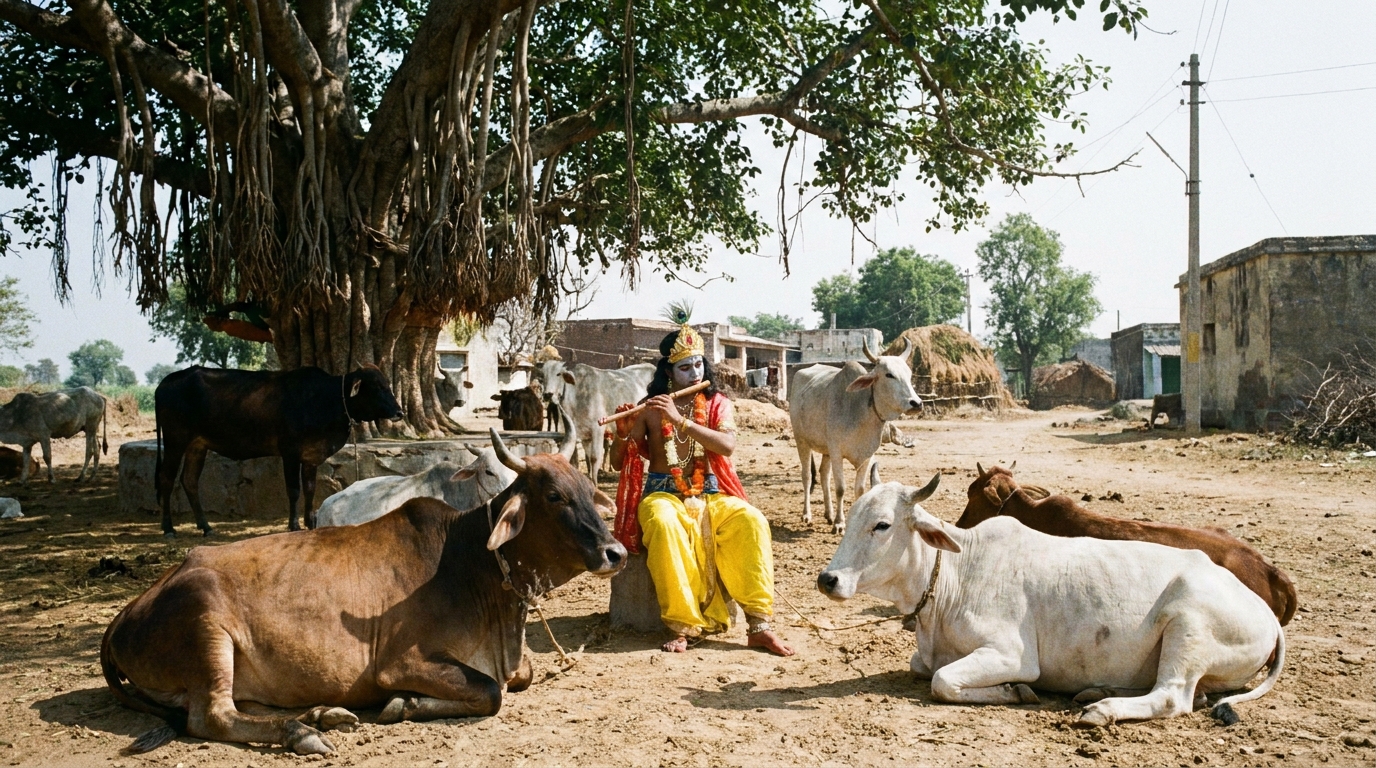
In Bhakti Yoga, remembering Krishna begins with hearing and chanting. These are simple, accessible practices that anyone can begin, regardless of background, culture, age, or level of experience.
Hearing About Krishna
Hearing is one of the most important spiritual practices. In Sanskrit, it is called shravanam, which means “hearing.” We hear about Krishna through sacred texts, devotional songs, spiritual teachers, and sincere devotees.
The Srimad-Bhagavatam, one of the central scriptures of Bhakti Yoga, describes nine practices of devotion. The first two are hearing and chanting. This is significant because love grows through attention.
When we hear about Krishna’s qualities—His kindness, playfulness, courage, sweetness, and compassion—the heart naturally becomes attracted.
You might begin by hearing:
- The Bhagavad-gita
- The Srimad-Bhagavatam
- Kirtan, or devotional chanting
- Talks by sincere Bhakti teachers
- Stories of Krishna’s pastimes
- Reflections from devotees living the path
Even a few minutes of sacred hearing each day can shift the atmosphere of the mind.
Chanting Krishna’s Names
Chanting is central to Bhakti Yoga. In Sanskrit, mantra means “that which delivers the mind.” A mantra is sacred sound that helps lift the mind from anxiety and reconnect it with divine presence.
The most widely practiced mantra in the Bhakti tradition is the Maha Mantra, meaning “the great mantra”:
Hare Krishna Hare Krishna
Krishna Krishna Hare Hare
Hare Rama Hare Rama
Rama Rama Hare Hare
These names are not ordinary sounds. They are understood to be spiritually alive, non-different from Krishna Himself. When we chant Krishna’s names, we are calling out to God with love.
“Hare” refers to the divine energy of the Lord, especially Srimati Radharani, the embodiment of pure devotion. “Krishna” means the all-attractive Supreme Person. “Rama” means the source of spiritual joy.
A simple meaning of the mantra is:
“O Lord, O divine energy of the Lord, please engage me in Your loving service.”
Japa: Personal Meditation With Mantra
Japa is the practice of softly chanting a mantra, often on beads. Many Bhakti practitioners chant the Maha Mantra daily on a strand of 108 beads, known as japa mala.
If you are new, you do not need to begin with a large number. You can start with one round, five minutes, or even one sincere repetition.
The key is sincerity.
Sit comfortably. Take a breath. Hold the beads if you have them, or simply chant with attention. Listen to each word. When the mind wanders, gently return to the sound.
This is remembrance in practice.
Kirtan: Chanting Together
Kirtan is call-and-response chanting, usually with music. It is joyful, communal, and deeply healing. In kirtan, one person leads the mantra, and others respond. The mood is not performance. It is prayer.
You do not need a “good voice” to participate. You only need a willing heart.
Kirtan reminds us that spiritual life is not meant to be lonely. We remember Krishna together. We support each other through sound, presence, and shared devotion.
Please visit our website for more information on our articles: articles.
Remembering Krishna Throughout the Day
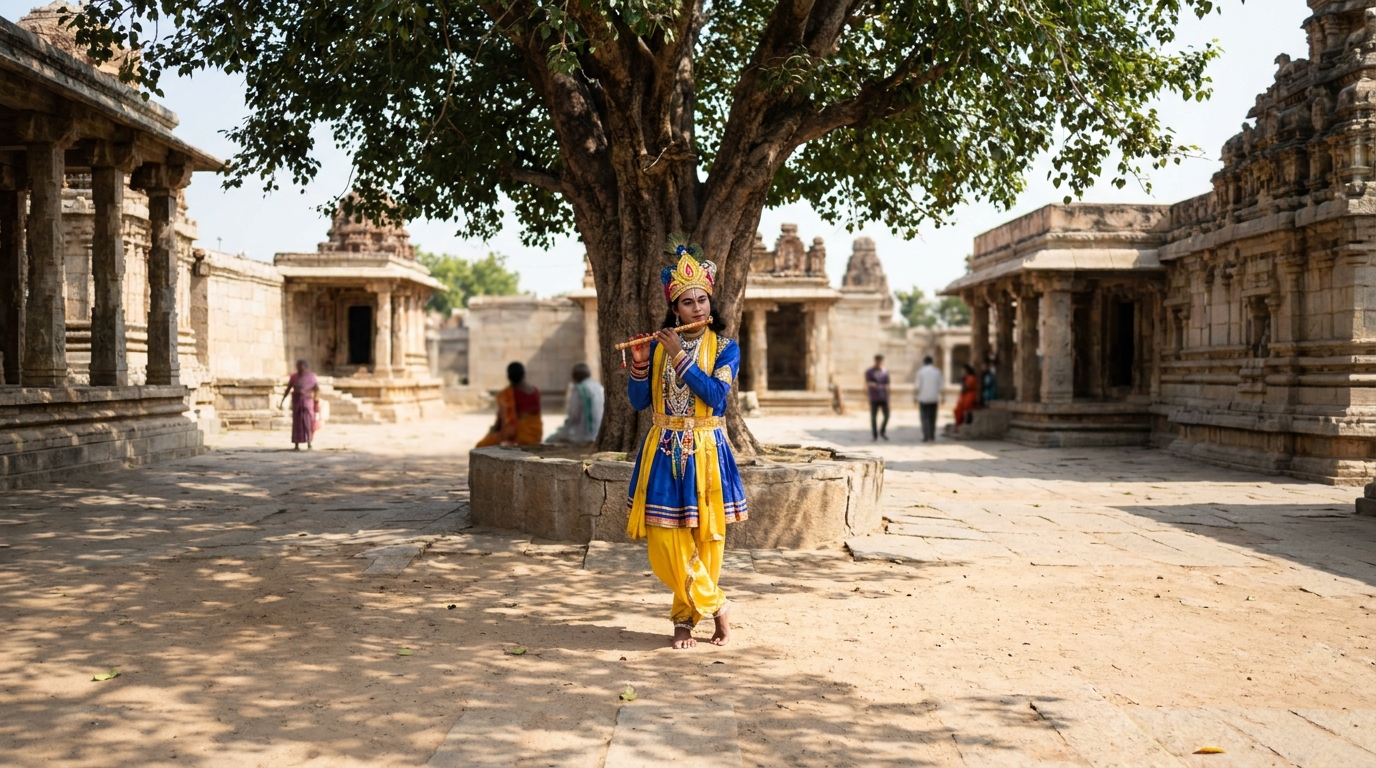
A complete guide to remembering Krishna must include daily life. Bhakti Yoga is not only for temples, retreats, or quiet mornings. It is meant to enter the kitchen, workplace, car, classroom, family room, and heart.
Begin the Morning With Intention
The morning is a sacred doorway. Before the demands of the day begin, we can turn toward Krishna.
A simple morning prayer might be:
“Dear Krishna, thank You for this day. Please help me remember You. Please guide my thoughts, words, and actions. May I serve with love.”
Even if your morning is busy, pause for one moment. Offer the day. This small act can change everything.
You may also keep a small sacred space in your home with a picture of Krishna, a candle, flowers, scripture, or prayer beads. This creates a visual reminder that your home is also a place of devotion.
Offer Your Food
In Bhakti Yoga, food can become a sacred offering. Krishna says in the Bhagavad-gita:
“If one offers Me with love and devotion a leaf, a flower, a fruit, or water, I will accept it.”
— Bhagavad-gita 9.26
This verse is deeply merciful. Krishna does not ask for something expensive or grand. He asks for love.
Before eating, you can pause and offer your food:
“Dear Krishna, please accept this offering. May this nourish me for loving service.”
Food offered to Krishna is called prasadam, which means “mercy.” By honoring prasadam, we remember that nourishment is a gift from God.
Work as Service
Many people wonder, “How can I remember Krishna when I have so many responsibilities?”
Bhakti Yoga teaches that work can become worship when offered with devotion. This does not mean we must change our job. It means we can change our consciousness.
Whether you are caring for children, writing emails, cleaning, studying, teaching, cooking, building, healing, or serving customers, you can inwardly offer your effort:
“Krishna, may this be for You.”
This is karma-yoga touched by bhakti: action offered to God with love.
Use Daily Reminders
The mind forgets easily, so loving reminders help.
You might:
- Set a gentle alarm for prayer
- Keep a mantra card nearby
- Listen to kirtan while driving
- Place sacred art in your home
- Read one verse before sleep
- Chant while walking
- Keep prayer beads in your bag
- Say “Thank You, Krishna” throughout the day
These small practices gradually create a devotional rhythm.
End the Day With Gratitude
Before sleeping, take a few moments to review the day with Krishna.
You may ask:
- Where did I feel guided today?
- Where did I forget?
- What am I grateful for?
- What do I need to surrender?
- How can I serve better tomorrow?
Then offer everything—successes, mistakes, joys, and burdens.
“Krishna, I did my best today. Please accept whatever was good, forgive my shortcomings, and help me remember You tomorrow.”
This humble reflection softens the heart.
Remembering Krishna Through Scripture
Sacred scripture is not only information. In Bhakti Yoga, scripture is association. When we read with sincerity, we enter the company of saints, sages, and Krishna Himself.
The Bhagavad-gita: Krishna’s Personal Guidance
The Bhagavad-gita is a conversation between Krishna and Arjuna on a battlefield. Arjuna is overwhelmed, confused, and morally torn. Krishna speaks timeless wisdom to guide him.
This setting is important. Krishna does not teach only in a peaceful forest or quiet monastery. He teaches in the middle of crisis.
That means the Gita is for real life.
When we read the Bhagavad-gita, we learn how to remember Krishna in difficulty, decision-making, relationships, work, and spiritual practice.
A practical way to begin:
- Read one verse each day
- Reflect on one phrase
- Ask, “How can I live this today?”
- Pray for understanding
Even one verse, sincerely received, can become a companion for the whole day.
The Srimad-Bhagavatam: Hearing Krishna’s Beauty
The Srimad-Bhagavatam is a vast devotional scripture filled with teachings, prayers, and divine stories. It especially reveals Krishna’s loving pastimes—His childhood in Vrindavan, His friendships, His protection of devotees, and His sweet exchanges with those who love Him.
These stories are not mythology in the ordinary sense. For devotees, they are sacred revelations of Krishna’s eternal nature and relationships.
Hearing them awakens spiritual affection. We begin to understand that God is not only powerful and majestic, but also intimate, playful, and deeply loving.
The Teachings of Sri Chaitanya Mahaprabhu
Sri Chaitanya Mahaprabhu appeared in India over 500 years ago and widely shared the chanting of Krishna’s holy names. He taught that in this age, the simplest and most powerful way to remember God is through nama-sankirtana, the congregational chanting of the holy names.
Nama means “name,” and sankirtana means “chanting together.”
His gift was radical and compassionate: spiritual love is available to everyone. Not only scholars, monks, or priests. Everyone.
No matter one’s background, mistakes, doubts, or social position, the holy name can be chanted. Krishna can be remembered. The heart can awaken.
Obstacles to Remembering Krishna
It is natural to face obstacles. Forgetfulness is part of the human condition. Bhakti Yoga is not about pretending we are already pure. It is about honestly continuing.
Distraction
Distraction is common. During chanting or prayer, the mind may run everywhere. This does not mean you are failing.
Each time you return to Krishna, that return is an offering.
Think of a child learning to walk. The parent does not reject the child for falling. The parent celebrates each attempt. Similarly, Krishna sees our effort with kindness.
Try chanting a little more slowly. Listen carefully. Pray before beginning:
“Krishna, please help me hear Your names.”
Doubt
Doubt may arise: “Is Krishna really hearing me? Am I doing this right? Is this path for me?”
Doubt can become healthy when it leads us to sincere inquiry. Bhakti is not blind sentiment. It invites thoughtful exploration, personal experience, and guidance from sincere practitioners.
Bring your doubts into prayer. Discuss them with trusted devotees. Study scripture. Give the practices time to work in the heart.
Faith in Bhakti often grows like a sunrise—gradually, beautifully, and with increasing warmth.
Guilt or Unworthiness
Some people feel, “I am not spiritual enough to remember Krishna.”
But remembrance is not a reward for the perfect. It is medicine for the sincere.
Krishna is known as bhava-grahi janardana, the Lord who accepts the essence of our feeling. He sees the heart behind the offering.
A small prayer with humility can be more powerful than an impressive ritual done with pride.
Come as you are. Krishna is not surprised by your struggles. He is lovingly waiting for your turning.
Inconsistency
Many people begin with inspiration and then lose rhythm. This is normal.
Instead of becoming discouraged, begin again. Spiritual life is made of many beginnings.
If you missed your morning practice, chant in the afternoon. If you forgot all day, pray at night. If you have been away for weeks or years, return today.
The door of Bhakti is always open.
Practical Ways to Deepen Krishna Remembrance
Remembering Krishna grows through practice, mercy, and association. Here are practical ways to deepen your connection.
Create a Simple Daily Sadhana
Sadhana means “spiritual practice.” It is a daily structure that helps us remember what matters most.
A beginner-friendly sadhana may include:
- 5–15 minutes of chanting
- One verse from the Bhagavad-gita
- A short prayer
- Offering food
- One act of service
Keep it realistic. Consistency is more important than intensity.
As your taste grows, you can naturally increase.
Associate With Devotees
In Sanskrit, sadhu-sanga means “association with saintly people” or sincere spiritual practitioners. Our hearts are shaped by the company we keep.
When we spend time with people who are trying to love Krishna, we gain strength. We hear reminders. We see examples. We feel encouraged.
This association may happen through:
- Temple gatherings
- Bhakti House programs
- Kirtan nights
- Study groups
- Online classes
- Personal friendships
- Service projects
Spiritual community helps transform remembrance from an isolated effort into a shared journey.
Serve With Love
Seva means “service.” In Bhakti Yoga, service is love in action.
Service may be simple:
- Preparing food for others
- Cleaning a sacred space
- Welcoming guests
- Helping with kirtan
- Supporting a spiritual community
- Listening compassionately
- Sharing wisdom
- Caring for the earth
- Offering your skills for Krishna’s purpose
Service protects the heart from self-centeredness. It helps us remember, “My life is not only for me. My gifts can be offered.”
Practice Prayer Honestly
Prayer does not need to be poetic. It needs to be real.
You can pray:
“Krishna, I do not know how to love You, but I want to learn.”
“Please help me remember You.”
“Please guide me.”
“Please protect me from pride.”
“Please let me serve.”
“Thank You for not giving up on me.”
Honest prayer opens the heart. It turns theology into relationship.
Remember Krishna in Nature
Krishna says in the Bhagavad-gita that He is the taste of water, the light of the sun and moon, and the ability in all people. This means the world can become a place of remembrance when seen with spiritual vision.
When you drink water, remember: “Krishna is the taste.”
When you see sunlight, remember: “This light comes from Him.”
When you hear birds, feel wind, smell flowers, or see the night sky, let your heart say, “Krishna, Your artistry is everywhere.”
This is not imagination. It is sacred perception.
The Mood of Remembering Krishna
The external practices of Bhakti are important, but the inner mood gives them life. Remembering Krishna is not mechanical. It is relational.
Humility
Humility means seeing ourselves truthfully: dependent on grace, yet deeply loved by God.
In Bhakti, humility is not self-hatred. It is freedom from pretending. We can admit, “I need help. I need mercy. I am learning.”
This mood makes the heart soft and receptive.
Gratitude
Gratitude is a powerful doorway to remembrance. Every gift can lead us back to the Giver.
Try saying throughout the day:
“Thank You, Krishna.”
Thank You for this breath.
Thank You for this meal.
Thank You for this chance to serve.
Thank You for this lesson.
Thank You for carrying me.
Gratitude turns ordinary moments into sacred moments.
Dependence
To remember Krishna is to remember that we are not the ultimate controllers. This can be difficult, but also deeply relieving.
We do our best, act responsibly, and offer the results.
Krishna teaches in the Bhagavad-gita:
“Abandon all varieties of dharma and simply surrender unto Me. I shall deliver you from all sinful reactions. Do not fear.”
— Bhagavad-gita 18.66
Surrender does not mean giving up life. It means giving life to Krishna. It means trusting that God’s love is greater than our fear.
Love
Ultimately, remembrance is about love. Not fear. Not pressure. Not spiritual achievement.
Bhakti means devotion, loving service, or participation in divine love. The goal of remembering Krishna is to awaken prema, pure love of God.
This love is already within the soul, but it is covered. Through chanting, hearing, prayer, service, and grace, that love begins to shine again.
Remembering Krishna in Difficult Times
It is often in hardship that remembrance becomes most real.
When life is painful, we may not feel inspired. We may feel tired, confused, or broken. In those moments, the practice can become very simple.
Just call out.
“Krishna.”
Even one name, spoken through tears, is powerful.
When You Feel Anxious
Place your hand on your heart. Breathe gently. Chant softly:
Hare Krishna Hare Krishna
Krishna Krishna Hare Hare
Hare Rama Hare Rama
Rama Rama Hare Hare
Let the sound hold you. You do not have to solve everything in that moment. Just be with Krishna’s names.
When You Feel Alone
Remember that Krishna is called Paramatma, the Supreme Soul present in the heart of every living being. He is nearer than the nearest.
You may not always feel His presence, but Bhakti teaches that He never leaves.
Speak to Him as a friend.
“Krishna, I feel alone. Please help me feel Your presence. Please send me good association. Please teach me how to trust You.”
When You Make Mistakes
Spiritual growth includes honesty and repair. If you act in a way you regret, do not run away from Krishna. Run toward Him.
Offer your regret. Ask forgiveness. Make amends where needed. Learn. Continue.
Krishna’s mercy is not an excuse to remain careless, but it is the strength to begin again.
A Simple Daily Practice for Remembering Krishna
If you are wondering where to begin, here is a gentle daily practice. You can adjust it according to your life.
Morning: Offer the Day
Before checking your phone, pause.
Say:
“Dear Krishna, please let me remember You today. May my thoughts, words, and actions be pleasing to You.”
Chant the Maha Mantra for a few minutes.
Midday: Pause and Reconnect
Take one mindful break.
Drink water and remember Krishna as the taste of water. Offer one short prayer. If possible, listen to a kirtan or read one verse.
Meals: Offer With Love
Before eating, offer your food with gratitude.
“Krishna, please accept this. Thank You for Your mercy.”
Honor the meal as prasadam.
Evening: Reflect and Surrender
Before sleeping, review your day.
Thank Krishna for three things. Offer one struggle. Ask for guidance.
End with chanting or a simple prayer.
This practice may seem small, but small sincere steps are powerful. Bhakti grows through daily affection.
Everyone Can Remember Krishna
One of the most beautiful truths of Bhakti Yoga is that everyone is welcome.
You do not need to be born into a certain culture. You do not need to know Sanskrit. You do not need to have everything figured out. You do not need to be perfect, pure, or advanced.
You can begin from wherever you are.
Krishna consciousness is not a label. It is a living relationship with God. It is the soul turning toward its eternal friend.
The holy names are available to all. Prayer is available to all. Service is available to all. Love is available to all.
At The Bhakti House, this mood is central: come as you are, and take one sincere step. Sit with us in kirtan. Ask questions. Chant softly. Share prasadam. Read a verse. Offer a prayer. Serve in some small way. Let your heart be nourished.
Remembering Krishna is a complete path because it includes the whole person: mind, body, heart, voice, relationships, work, food, home, and daily life. Nothing needs to be outside of devotion. Everything can become connected to Krishna through love.
May your remembrance be gentle and steady. May chanting bring peace to your mind. May prayer open your heart. May service give meaning to your gifts. May scripture guide your steps. May community strengthen your journey.
And may Krishna, the all-attractive Lord, become more and more present in your thoughts, your words, and your life.
Everyone is welcome to begin. Today, take one sincere step toward God—one mantra, one prayer, one offering, one act of service—and trust that Krishna lovingly receives it.
FAQs
What is the significance of Krishna in Hinduism?
Krishna is considered the eighth incarnation of Lord Vishnu and is a central figure in Hinduism. He is revered as a supreme deity and is known for his teachings in the Bhagavad Gita.
What are the main teachings of Krishna in the Bhagavad Gita?
In the Bhagavad Gita, Krishna imparts spiritual wisdom and guidance to the warrior Arjuna, emphasizing the importance of duty, righteousness, and devotion to God.
What are some popular stories and legends associated with Krishna?
Krishna is known for his playful and mischievous nature as a child, his heroic deeds as a young prince, and his divine love for Radha. The stories of his childhood, such as the lifting of Govardhan hill and the killing of demons like Kansa, are widely celebrated.
How is Krishna worshipped in Hinduism?
Krishna is worshipped through various rituals, prayers, and devotional practices, including singing bhajans (devotional songs), performing puja (ritual worship), and observing festivals like Janmashtami and Holi.
What are some important temples and pilgrimage sites associated with Krishna?
Some of the most famous temples dedicated to Krishna include the ISKCON temples in India and around the world, the Dwarkadhish Temple in Dwarka, and the Banke Bihari Temple in Vrindavan. Pilgrimage sites associated with Krishna’s life include Mathura, Vrindavan, and Kurukshetra.

