
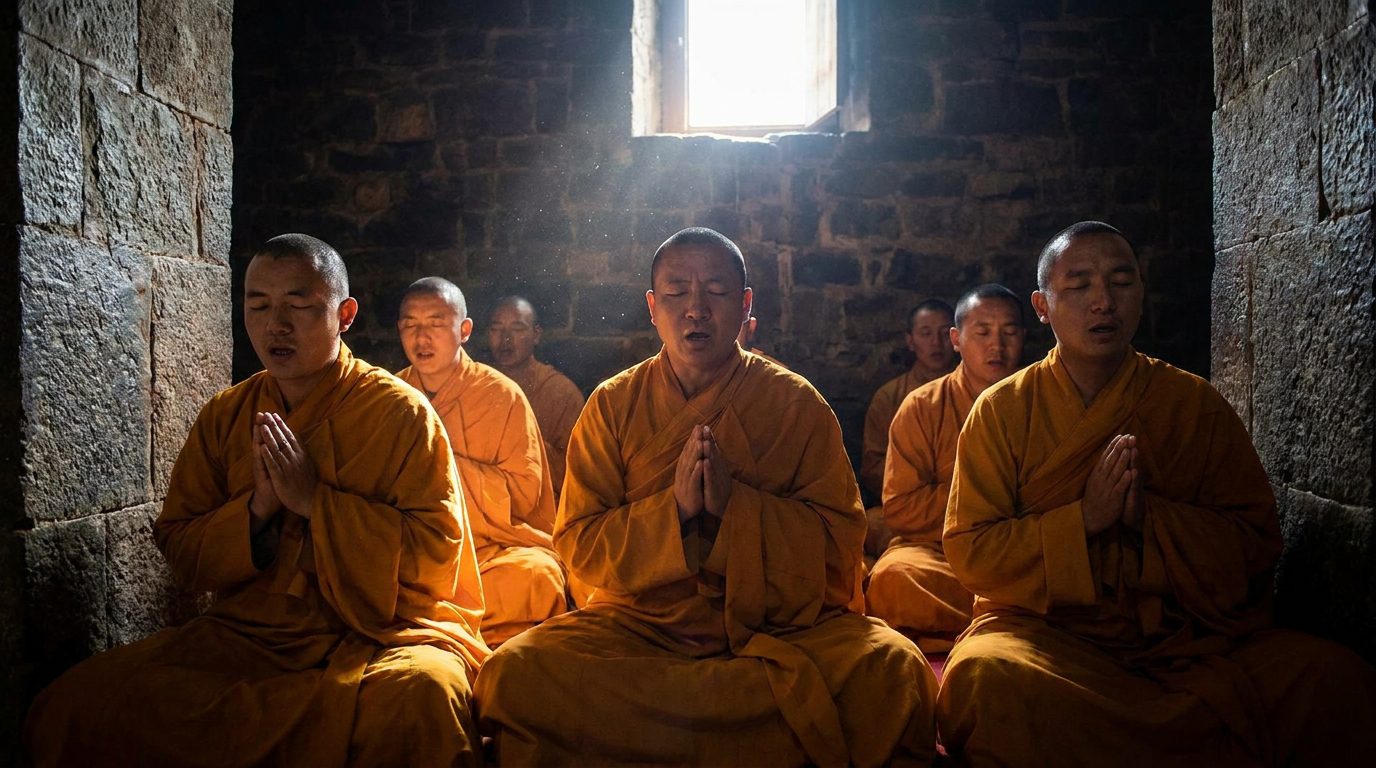
There is a sacred sound that can meet us wherever we are.
It can meet us in the morning before the world becomes loud. It can meet us in the car, in the kitchen, on a walk, or in a quiet corner of the heart. It can meet us when we feel joyful and grateful, and it can also meet us when we feel tired, distracted, doubtful, or far from God.
In the Bhakti Yoga tradition, that sacred sound is the holy name of the Divine.
Bhakti means “devotion” or “loving service.” Yoga means “connection.” So Bhakti Yoga is the path of reconnecting with God through love. One of the most beautiful and accessible practices of Bhakti Yoga is chanting—repeating the names of God with sincerity, humility, and affection.
Pure chanting is not about having a perfect voice, a perfect mind, or a perfect life. It is about turning toward God with the heart we have today.
Pure chanting means calling out to God without selfish motives, with a sincere desire to remember, serve, and love the Divine.
In Sanskrit, chanting is often called kirtan when it is sung together, and japa when it is softly repeated as a personal meditation, often on prayer beads. Both are sacred practices in Bhakti Yoga. Both help bring the heart closer to God.
The word mantra comes from two Sanskrit roots: man, meaning “mind,” and tra, meaning “to free” or “to protect.” A mantra is a sacred sound vibration that helps free the mind from fear, distraction, and forgetfulness of God.
One of the most widely chanted mantras in the Bhakti tradition is the Maha Mantra, which means “the great mantra”:
Hare Krishna Hare Krishna
Krishna Krishna Hare Hare
Hare Rama Hare Rama
Rama Rama Hare Hare
This mantra is a prayer. It asks the Divine energy, addressed as Hare, to engage us in loving service to Krishna, “the all-attractive Lord,” and Rama, “the source of spiritual joy.”
Pure chanting is not mechanical sound. It is prayerful sound. It is the soul reaching toward its eternal home.
Chanting Is a Relationship, Not a Performance
Sometimes people worry, “Am I doing it right?” or “Do I need to be Hindu?” or “What if I do not know Sanskrit?”
The heart of chanting is sincerity. Sacred sound is not limited by nationality, culture, background, or religious label. The holy name is for every soul.
In Bhakti Yoga, we understand that God is personal and loving. Chanting is a way of calling upon that loving presence. Just as a child’s imperfect call still reaches the heart of a parent, our humble chanting reaches God.
Pure Does Not Mean Perfect
Pure chanting does not mean we never get distracted. It means we keep returning.
The mind may wander. The voice may crack. The emotions may come and go. But each time we return to the holy name, we are practicing devotion.
Pure chanting grows gradually. It begins with willingness. It deepens through consistency. It becomes sweeter through humility and grace.
The Power of Sacred Sound in Bhakti Yoga
In ordinary life, sound affects us deeply. A kind word can heal. A harsh word can wound. Music can move us to tears. A familiar voice can bring comfort.
If ordinary sound has such power, spiritual sound has even greater power. Sacred sound carries divine presence.
In the Bhakti scriptures, the holy name of God is described as non-different from God. This means that when we chant the names of the Divine with sincerity, we are directly associating with God through sound.
The Padma Purana describes the holy name as fully spiritual and filled with divine consciousness. This is not just poetry. It is an invitation to experience chanting as living contact with the Divine.
Sound That Cleanses the Heart
The Bhagavad-gita teaches that the mind can be our friend or our enemy, depending on how it is trained. Many of us know what it feels like when the mind becomes restless, anxious, critical, or overwhelmed.
Chanting gently retrains the mind.
Instead of forcing the mind into silence, we give it something sacred to rest upon. We place the holy name on the tongue and in the ear. Over time, the heart becomes clearer.
In the Sri Siksastakam, eight beautiful prayers attributed to Sri Chaitanya Mahaprabhu, the first verse says that chanting the holy names cleanses the mirror of the heart. This image is so practical. Our heart is like a mirror, but it becomes covered by dust—stress, pride, fear, resentment, selfish desire, and forgetfulness of God.
Chanting does not create something artificial. It uncovers what is already there: the soul’s natural love for God.
Sound That Awakens Love
The goal of Bhakti Yoga is not simply peace of mind, though peace may come. It is not just stress relief, though chanting can be deeply calming. The highest goal is prema, pure love of God.
Prema is love without selfishness. It is love that wants to serve, remember, and please the Divine. It is love that expands compassion toward all living beings.
Sacred sound awakens this love because the holy name carries the presence of the beloved Lord. When we chant, we are not just repeating syllables. We are entering a relationship.
Why the Holy Name Is So Accessible
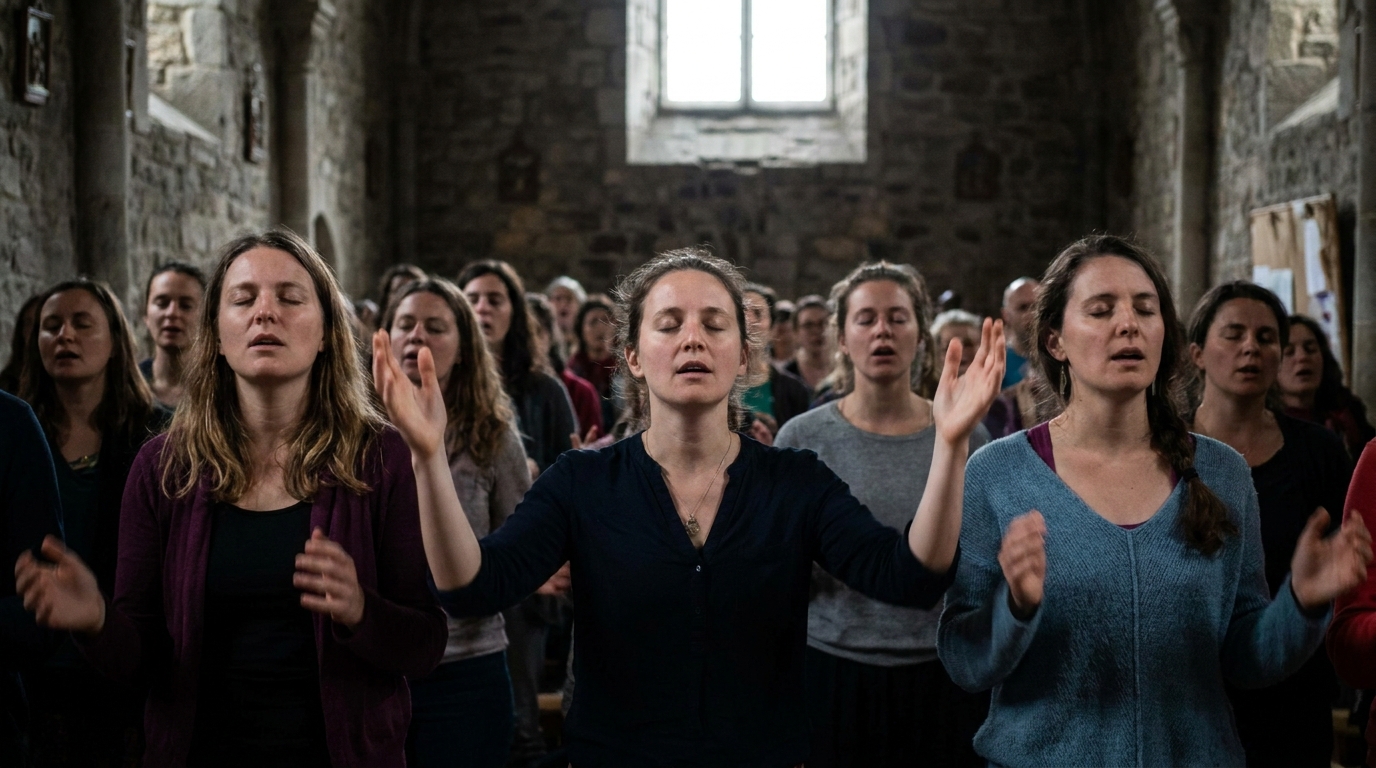
One of the great gifts of Bhakti Yoga is that chanting can be practiced by anyone.
You do not need to be wealthy. You do not need to be scholarly. You do not need to live in a monastery. You do not need to wait until your life is perfectly peaceful.
You can begin today.
The Bhagavad-gita explains that God receives even a leaf, a flower, fruit, or water when offered with devotion. This shows the heart of Bhakti: God is looking for love, not luxury.
Chanting is like offering a flower made of sound.
You Can Chant Anywhere
You can chant while sitting quietly at home. You can chant while walking. You can chant softly before sleep. You can join group kirtan and sing with others. You can chant on beads as a daily meditation.
Sacred sound travels with us.
For many people, this is deeply encouraging. Spiritual life does not have to remain separate from daily life. The holy name can enter the ordinary moments and make them sacred.
You Can Begin With One Mantra
If you are new to chanting, you may begin with the Maha Mantra or another name of God that feels meaningful and reverent to you.
In the Bhakti tradition, names such as Krishna, Rama, Govinda, Gopala, and Hari are cherished. Each name reveals a beautiful quality of the Divine.
Krishna means “the all-attractive one.”
Rama means “the source of joy.”
Govinda means “the one who gives pleasure to the senses, the cows, and the land.”
Gopala means “the loving protector.”
Hari means “the one who removes suffering and illusion.”
These are not just names. They are doorways into remembrance.
Check out our latest posts at https://thebhaktihouse.org/blog.
The Difference Between Mechanical Chanting and Prayerful Chanting
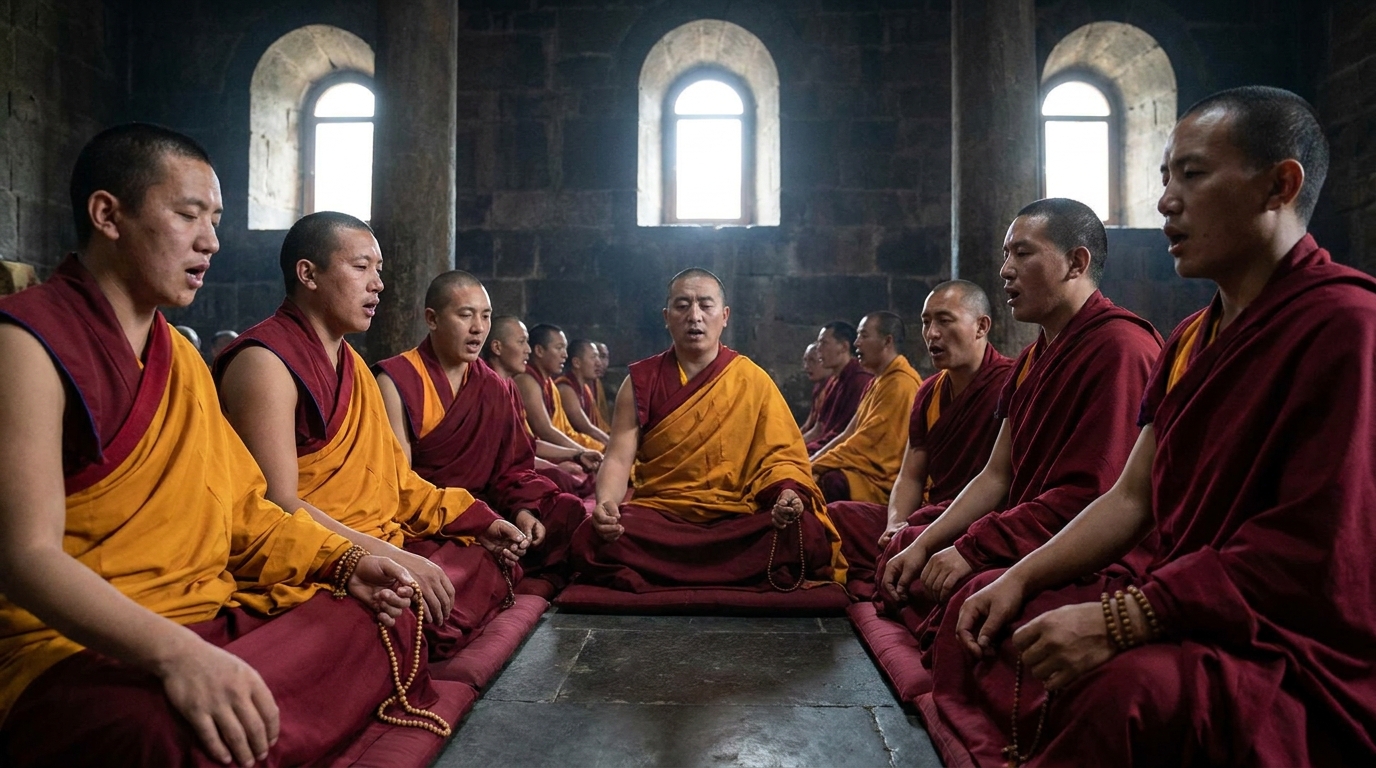
Most of us begin with some level of mechanical chanting. That is natural. The mind is used to moving quickly from one thought to another.
We may say the mantra while thinking about our responsibilities, our relationships, our worries, or our plans. Still, we should not become discouraged. Even imperfect chanting is spiritually powerful.
At the same time, Bhakti Yoga invites us to move from routine sound toward prayerful sound.
Mechanical Chanting
Mechanical chanting means the mouth is moving, but the heart is not very present.
This may happen when we rush, when we chant only to “finish,” or when we treat the mantra like a task instead of a relationship.
Mechanical chanting can still help us, especially if we are trying sincerely. But over time, we want to bring more attention, humility, and longing into the practice.
Prayerful Chanting
Prayerful chanting means we remember, “I am calling out to God.”
We may pray inwardly, “Please let me hear Your name. Please let me serve You. Please help me remember You. Please soften my heart.”
This kind of chanting becomes personal. It becomes a conversation of the soul.
Even if we do not feel deep emotion, we can bring intention. Intention is powerful. The heart follows what we repeatedly offer.
Hearing Is the Secret
In japa meditation, teachers of Bhakti often emphasize hearing the mantra.
The tongue chants, and the ears receive. This simple act brings the wandering mind back to the present moment.
When we truly hear the holy name, chanting becomes more than repetition. It becomes meditation. The sound enters the heart.
How to Practice Pure Chanting in Daily Life
Pure chanting grows through regular, sincere practice. It does not require dramatic changes all at once. Small steps, taken with devotion, can transform a life.
Create a Simple Sacred Space
It can help to choose a clean and peaceful place for chanting. You might place a candle, sacred image, scripture, flowers, or prayer beads nearby.
This does not need to be elaborate. The purpose is to remind the mind: “This time is for God.”
If you live with family, roommates, or a busy schedule, your sacred space may be very simple. Even one quiet chair can become a place of devotion.
Choose a Daily Time
Morning is especially helpful because the mind is fresh and the day has not fully begun. But the best time is the time you will actually keep.
You may begin with five minutes. You may chant one round on beads. You may sing one kirtan. You may repeat the Maha Mantra softly before checking your phone.
Consistency matters more than quantity in the beginning.
A small daily offering, made sincerely, can open the heart.
Use Prayer Beads for Japa
Japa beads help us stay focused. A traditional strand often has 108 beads, with one larger bead called the Krishna bead or guru bead. Practitioners chant one mantra on each bead, moving gently around the strand.
The beads are not magical objects. They are devotional tools. They give the hands something sacred to do and help the mind remain connected.
If you do not have beads yet, you can still chant. The holy name is complete in itself.
Join Kirtan With Others
Kirtan is devotional singing, often in a call-and-response style. One person leads, and others respond. Instruments such as harmonium, mridanga drum, kartals, guitar, or simple clapping may be used.
Kirtan has a special power because hearts come together in shared prayer. We may arrive carrying many different emotions, but the chanting gradually unites us in sacred sound.
For many people, kirtan is their first taste of Bhakti Yoga. It feels joyful, welcoming, and deeply human.
Bring Chanting Into Service
Bhakti is not only what we do in meditation. It is how we live.
Chanting becomes deeper when we also practice seva, which means “service.” Seva is loving action offered for God and the well-being of others.
We can serve by cooking with love, caring for family, helping at a temple or spiritual community, feeding others, listening compassionately, sharing wisdom, cleaning, teaching, or simply being kind.
When chanting and service come together, spiritual life becomes whole. The name enters the heart, and the heart expresses itself through love.
Common Obstacles in Chanting
Every sincere practitioner faces obstacles. This does not mean we are failing. It means we are being invited to grow.
Bhakti Yoga is gentle, but it is also honest. Chanting reveals the condition of the heart so that healing can begin.
Distraction
Distraction is very common. The mind may wander again and again.
Instead of becoming frustrated, we can return to the sound with patience. Each return is an act of devotion.
We can also reduce avoidable distractions by chanting before phone use, choosing a quieter space, or setting a clear intention before beginning.
Dryness
Sometimes chanting feels sweet. Other times it feels dry.
Dryness does not mean chanting has stopped working. A seed grows underground before we see the sprout. In the same way, the holy name may be working within the heart even when we do not feel immediate emotion.
During dry periods, humility is important. We can pray, “Please help me keep chanting, even when I cannot feel Your presence clearly.”
This prayer itself is beautiful.
Pride
Spiritual pride can quietly enter any practice. We may think, “I chant more than others,” or “I understand more,” or “I am advanced.”
Pure chanting asks us to become humble.
In the Sri Siksastakam, Sri Chaitanya Mahaprabhu teaches that one should chant the holy name in a humble state of mind, feeling lower than a blade of grass, more tolerant than a tree, and ready to offer respect to others without demanding respect for oneself.
This does not mean unhealthy self-hatred. It means spiritual softness. It means we stop trying to place ourselves at the center and allow God to be the center.
Offenses to the Holy Name
Bhakti scriptures speak about nama-aparadha, or offenses to the holy name. Aparadha means “that which takes us away from devotion.”
This topic can sound heavy, but the heart of it is simple: we should chant with respect, sincerity, and care.
We avoid criticizing sincere devotees, treating sacred sound as ordinary, using chanting as an excuse to harm others, or chanting only for selfish gain.
If we make mistakes, we do not give up. We keep chanting and ask for forgiveness. The holy name is merciful.
Pure Chanting and Inner Transformation
The fruits of chanting often appear gradually.
We may notice that we become a little more patient. A little less reactive. A little more grateful. A little more aware of God’s presence. A little more willing to serve.
These small changes are precious.
From Noise to Remembrance
Modern life is full of noise. Notifications, opinions, advertisements, and worries compete for the mind.
Chanting gives us a sacred center.
It does not always remove our responsibilities, but it changes how we carry them. We begin to remember: “I am not alone. I belong to God. My life can be offered.”
This remembrance is one of the great gifts of Bhakti Yoga.
From Self-Centeredness to Service
The conditioned mind often asks, “What can I get?” Bhakti gradually teaches the heart to ask, “How can I serve?”
Chanting the holy name softens selfishness because we come into contact with divine love. And divine love naturally wants to flow outward.
We begin to see others not as objects for our enjoyment or obstacles to our plans, but as souls—beloved parts of God.
From Fear to Trust
Fear comes when we feel separate, unsupported, or uncertain. Chanting helps restore trust.
The Bhagavad-gita offers a deeply comforting teaching: those who remember God with devotion are never lost. Krishna assures that He carries what His devotees lack and preserves what they have.
This does not mean life becomes free from difficulty. It means we are guided, held, and accompanied through difficulty.
The holy name becomes a shelter.
The Scriptural Foundation of Chanting
Bhakti Yoga is both deeply personal and rooted in sacred wisdom. Chanting is not a modern invention. It is praised throughout the Bhakti scriptures.
Bhagavad-gita: Remembering God With Love
In the Bhagavad-gita, Krishna invites us to always think of Him, become His devotee, worship Him, and offer homage to Him. This is not a demand for external show. It is an invitation into loving remembrance.
Chanting helps us remember God throughout the day. The mind needs a place to rest, and the holy name gives us the most sacred resting place.
Srimad Bhagavatam: Hearing and Chanting
The Srimad Bhagavatam, one of the central texts of Bhakti, repeatedly glorifies hearing and chanting about the names, forms, qualities, and activities of the Lord.
Hearing and chanting are described as purifying for the heart. They awaken devotion and help us move beyond material confusion.
This is very practical. What we hear shapes what we love. When we regularly hear sacred sound, sacred stories, and spiritual truth, our desires begin to change.
Sri Chaitanya Mahaprabhu: The Gift of the Holy Name
Sri Chaitanya Mahaprabhu, a great saint and divine teacher in the Bhakti tradition, spread the chanting of the holy names widely. He taught that in this age, chanting is the most accessible and powerful spiritual practice.
His movement was full of singing, dancing, humility, scripture, compassion, and deep devotion. He welcomed people from many backgrounds and showed that love of God is the true wealth of the soul.
The path of chanting is therefore not narrow or cold. It is generous, joyful, and full of mercy.
Bringing the Mood of Pure Chanting Into Community
At The Bhakti House, sacred sound is not only a practice; it is a way of gathering.
People come from different cultures, spiritual histories, questions, and life experiences. Some have chanted for years. Some are hearing the Maha Mantra for the first time. Some know many Sanskrit words. Some know none.
Everyone is welcome.
Chanting Together With Respect
In community kirtan, we practice listening as much as singing. We listen to the mantra, to the leader, to one another, and to the presence of God in the room.
No one needs to impress anyone. The beauty of kirtan is not in performance, but in shared offering.
When many voices come together with sincerity, the atmosphere becomes spiritually nourishing.
Making Space for Beginners
Bhakti Yoga is most beautiful when it is shared with kindness.
If someone is new, we can help them feel comfortable. We can explain Sanskrit terms simply. We can offer a mantra card. We can invite them to sing, listen, clap, or simply receive.
Sacred sound does not pressure the heart. It invites the heart.
Letting Chanting Shape How We Treat Others
If we chant God’s names but remain harsh, proud, or uncaring, we should gently look within. The holy name is asking to enter not only our meditation time, but our speech, relationships, and choices.
Pure chanting teaches us to speak more kindly, forgive more readily, serve more joyfully, and honor the divine spark in every being.
This is how chanting becomes embodied Bhakti.
A Simple Practice for Today
If you would like to begin or renew your chanting practice, here is a simple way.
Sit
Find a quiet place. Sit comfortably. Let the body settle.
You do not have to force the mind to become empty. Just become present.
Breathe
Take a few gentle breaths. Offer this moment to God.
You may pray, “Please help me chant with sincerity.”
Chant
Repeat the Maha Mantra slowly:
Hare Krishna Hare Krishna
Krishna Krishna Hare Hare
Hare Rama Hare Rama
Rama Rama Hare Hare
Let your ears hear each word. If the mind wanders, return with kindness.
Offer
After chanting, pause for a moment.
Offer your day, your worries, your hopes, and your service to God. Ask to be guided in love.
Even five sincere minutes can become a doorway.
The Mercy of the Holy Name
The holy name is merciful because it does not wait for us to become qualified.
It purifies as we chant. It teaches as we listen. It strengthens as we continue. It comforts as we surrender.
We may come to chanting with doubts, wounds, habits, and confusion. Still, the holy name welcomes us. God is not far away from the sincere heart.
Pure chanting is the journey from sound to presence, from practice to relationship, from longing to love.
And this journey is open to everyone.
Wherever you are starting from, you are welcome. You do not need to have everything figured out. You can begin with one mantra, one prayer, one song, one act of service, one sincere step.
May sacred sound bring peace to your mind, softness to your heart, and remembrance of the loving Lord who is always near.
Everyone is welcome to take one sincere step toward God today.
FAQs
What is pure chanting?
Pure chanting refers to the practice of repeating sacred words, phrases, or mantras in a focused and intentional manner. It is often used as a form of meditation or spiritual practice in various religious traditions.
What are the benefits of pure chanting?
Pure chanting is believed to have a variety of benefits, including promoting relaxation, reducing stress and anxiety, improving focus and concentration, and fostering a sense of inner peace and well-being. It is also thought to have spiritual and transformative effects.
How is pure chanting practiced?
Pure chanting can be practiced in a variety of ways, depending on the specific tradition or individual preference. It may involve repeating a specific mantra or sacred phrase, using beads or a rosary to keep track of repetitions, and focusing on the sound and vibration of the words.
What are some common mantras used in pure chanting?
There are numerous mantras used in pure chanting, each with its own significance and purpose. Some common mantras include “Om” or “Aum,” “Om Namah Shivaya,” “Hare Krishna,” and “Om Mani Padme Hum,” among others.
Is pure chanting associated with a specific religion or spiritual tradition?
Pure chanting is practiced in various religious and spiritual traditions, including Hinduism, Buddhism, Sikhism, Jainism, and certain forms of Christianity and Islam. It is also used in secular contexts as a form of mindfulness and meditation.

