

Opening the Heart to Bhāva
There is a sacred tenderness that awakens when the heart begins to remember God—not only as an idea, a tradition, or a distant power, but as the beloved center of our life. In the language of Bhakti Yoga, this deepening spiritual emotion is called bhāva.
The Sanskrit word bhāva can be understood as a devotional mood, a heartfelt spiritual feeling, or an awakened state of loving connection with the Divine. It is not ordinary emotion, though it may move through tears, joy, longing, gratitude, humility, or peace. Bhāva is the heart becoming spiritually alive.
In Bhakti Yoga, the yoga of love and devotion, bhāva is a precious stage on the path toward pure love of God, known as prema. But bhāva is not something we can force, perform, or manufacture. It is a gift of grace. At the same time, the wisdom of the Bhakti tradition teaches that we can prepare the soil of the heart so this gift may grow.
Just as a gardener cannot command a seed to sprout, but can water the earth, remove weeds, and offer sunlight, we can cultivate habits, attitudes, and spiritual practices that make the heart receptive. This article is an invitation to gently prepare the heart for bhāva through chanting, prayer, service, humility, sacred study, and sincere daily devotion.
Wherever you are beginning from—curious, faithful, wounded, hopeful, uncertain, or already walking a spiritual path—you are welcome here. Bhakti is not reserved for a certain background, culture, or level of knowledge. Bhakti begins wherever the heart turns sincerely toward God.
Understanding Bhāva in the Bhakti Tradition

Bhāva is one of the most beautiful and profound concepts in Bhakti Yoga. It points to a stage where devotion becomes natural, heartfelt, and deeply personal. Rather than practicing spirituality only out of duty, fear, or habit, the devotee begins to feel a living connection with the Divine.
Bhāva as a Spiritual Awakening of Love
In everyday life, we often use the word “feeling” to describe changing emotions. We may feel happy in the morning, anxious by afternoon, and peaceful in the evening. These feelings come and go according to circumstances.
Bhāva is different. It is not simply an emotional mood. It is a spiritual awakening of the heart. It arises when the soul begins to experience relationship with God as real, intimate, and meaningful.
In the Bhakti scriptures, especially texts like the Bhakti-rasāmṛta-sindhu by Śrīla Rūpa Gosvāmī, bhāva is described as an early ray of pure love of God. It is compared to the first light of dawn before sunrise. The full sunrise is prema—complete divine love—but bhāva is the gentle golden light that announces its coming.
This means that bhāva is both tender and powerful. It may show itself as a longing to chant God’s names, a softness toward all living beings, a desire to serve, a deep attraction to hearing sacred teachings, or tears that arise not from sadness but from spiritual remembrance.
Bhāva Is Grace, Not Performance
One of the most important things to understand is that bhāva cannot be imitated. Sometimes spiritual seekers may think that deep devotion must look a certain way—tears, raised hands, dramatic expressions, or intense emotion. But true bhāva is not performance. It is not about how spiritual we appear to others.
Authentic bhāva may be very quiet. It may look like a person sitting humbly in prayer. It may look like someone washing dishes in a temple kitchen with love. It may look like a mother softly chanting while caring for her child, or a student pausing before a busy day to remember God.
Bhāva is known by its fruits: humility, compassion, steadiness, sincerity, and a deeper desire to please the Divine. If our practice makes us proud, harsh, or eager to be admired, we are being invited to return to the basics of the heart.
A Universal Invitation to Deep Connection
Although the word bhāva comes from the Sanskrit language and is preserved in the Bhakti tradition of India, the longing it describes is universal. Every soul carries a desire for loving connection, meaning, and belonging. Many traditions speak of a heart awakened by divine love.
In Bhakti Yoga, we are given simple and practical ways to nurture this awakening. We chant sacred names. We offer food, work, words, and time. We pray honestly. We keep spiritual company. We serve others. We remember that God is not far away.
Bhāva grows in the heart that is becoming sincere.
Preparing the Inner Soil Through Humility
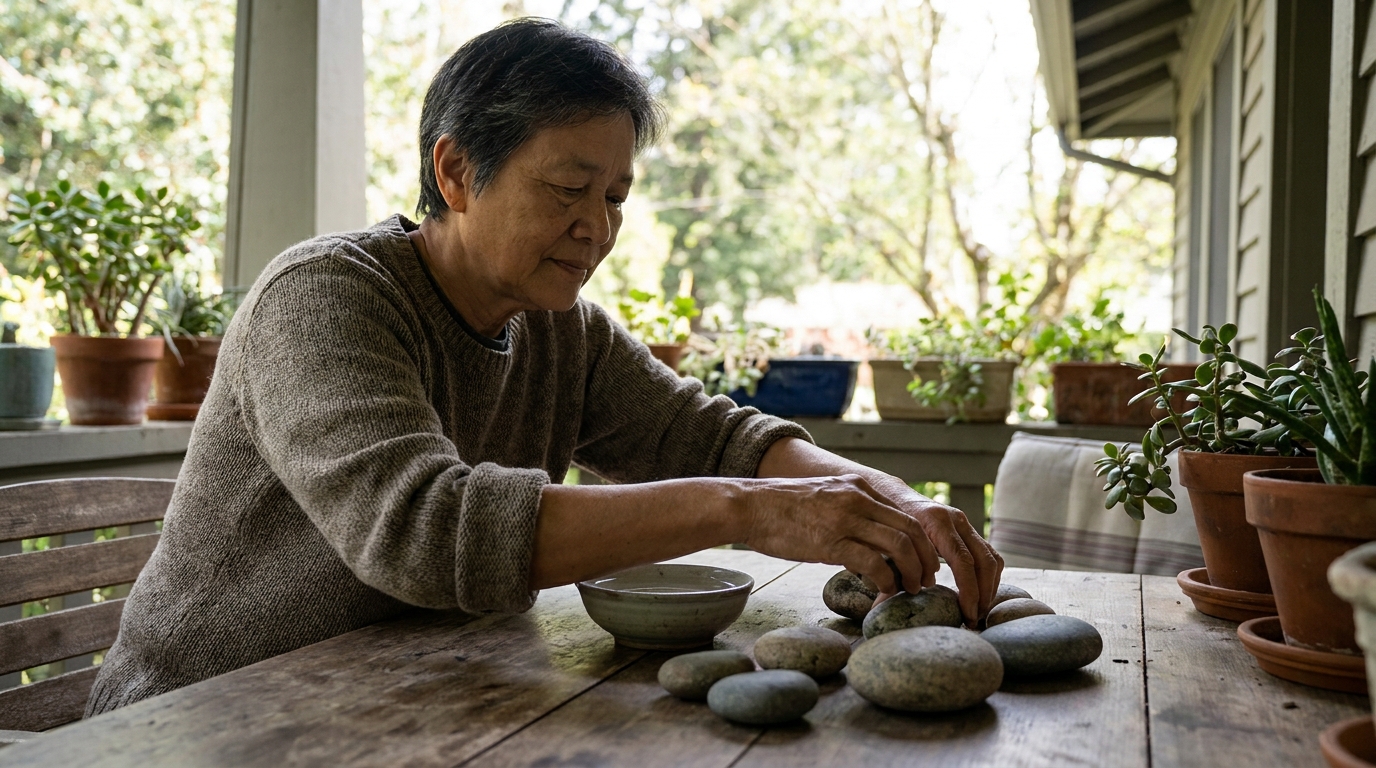
Before deep devotion can blossom, the heart often needs softening. Humility is one of the most important qualities in Bhakti Yoga because love cannot easily flow through a heart hardened by pride, control, or self-importance.
Humility does not mean thinking we are worthless. It means seeing ourselves truthfully: we are beloved souls, dependent on divine grace, learning how to love again.
Becoming Teachable Before God
A humble heart is a teachable heart. It can say, “I do not know everything. Please guide me.” This simple prayer opens a doorway.
In the Bhagavad-gītā, one of the central scriptures of Bhakti Yoga, Śrī Krishna teaches that spiritual wisdom is received through humility, sincere inquiry, and service. In Bhagavad-gītā 4.34, He advises approaching spiritual truth with reverence, questions, and a serving mood. This reminds us that spiritual life is not a conquest of the intellect alone. It is a transformation of the whole being.
To become teachable before God, we can begin each day with a short offering:
“Dear Lord, please guide my thoughts, words, and actions today. Help me remember You. Help me serve with love.”
This prayer does not require elaborate language. It only requires sincerity.
Releasing the Need to Control the Journey
Many seekers become discouraged when spiritual experiences do not come quickly. We may chant for some time and wonder why the heart is still restless. We may pray and still feel distracted. We may serve and still find ego rising within us.
This is normal. The heart has been shaped by many impressions, habits, and wounds. Spiritual growth takes time. Preparing for bhāva means learning patience with the process.
A gardener does not dig up the seed every day to check if it is growing. In the same way, we do not need to constantly measure our devotion. We can simply keep watering the heart through steady practice.
The Sanskrit word sādhana means spiritual practice or disciplined means toward a sacred goal. Sādhana is not meant to be dry or mechanical, but it may require steadiness even when we do not feel inspired. Over time, sincere practice purifies the heart and makes it more receptive to grace.
Practicing Honest Self-Reflection
Humility also includes the courage to look within. What blocks my love? Where do I seek recognition? Where am I holding resentment? Where have I forgotten God?
This reflection should not become self-hatred. Bhakti is not about condemning ourselves. It is about bringing everything into the light of divine compassion.
A simple evening reflection can help:
- Where did I remember God today?
- Where did I forget?
- Did my words bring kindness or harm?
- Was I able to serve someone?
- What can I offer into God’s care before I sleep?
These questions gently cleanse the heart. They help us live awake.
Discover a wealth of knowledge by exploring our insightful articles. Our articles cover a wide range of topics to enhance your understanding. Stay informed and inspired by reading our latest articles.
Chanting as a Pathway to Spiritual Feeling
Among all the practices of Bhakti Yoga, chanting the names of God is especially powerful for preparing the heart for bhāva. The Sanskrit word kīrtan means devotional singing or glorification, often done in community. Japa means soft, meditative repetition of a mantra, often counted on beads.
A mantra is a sacred sound vibration that helps focus the mind and awaken spiritual consciousness. In Bhakti, mantras often include divine names, because the name of God is understood to carry God’s presence.
The Sacred Power of the Divine Name
The Bhakti scriptures teach that God’s names are not ordinary sounds. They are spiritually potent. When chanted with sincerity, the divine name cleanses the heart and awakens devotion.
One widely practiced mantra in the Bhakti tradition is the mahā-mantra, meaning “great mantra”:
Hare Krishna Hare Krishna
Krishna Krishna Hare Hare
Hare Rama Hare Rama
Rama Rama Hare Hare
The names Krishna and Rama refer to the all-attractive and all-joyful Supreme Lord. “Hare” addresses the divine energy of the Lord, often understood as a call to be engaged in loving service. A simple way to understand the prayer is: “O Lord, O divine energy of the Lord, please engage me in Your loving service.”
A person does not need to be born into any particular culture to chant. The holy name is a gift for everyone. We can chant softly in the morning, sing with others, repeat the mantra while walking, or whisper it in difficult moments.
Chanting With Attention and Affection
To prepare the heart for bhāva, it helps to chant not only with the mouth but with the heart. This does not mean we will always feel deep devotion. Often the mind wanders. That is part of being human.
When the mind wanders, we gently return to the sound. We do not need to become angry with ourselves. Each return is an offering.
Here are a few ways to deepen chanting:
- Sit in a clean, peaceful place if possible.
- Begin with a short prayer for sincerity.
- Listen carefully to each name as you chant.
- Avoid rushing.
- When distracted, return kindly.
- Offer the chanting for purification, not achievement.
Chanting becomes sweeter when we approach it as a relationship. We are not merely repeating syllables. We are calling out to the Divine Person, asking to be remembered, healed, and engaged in love.
Kīrtan and the Healing of the Heart
Kīrtan, chanting together, has a unique power. Many people experience that when voices join in sacred sound, the heart becomes lighter. We may arrive burdened and leave feeling cleansed. We may not understand every philosophical point, yet the soul recognizes something familiar.
In the Śrīmad-Bhāgavatam, a beloved Bhakti scripture, hearing and chanting about God are presented as central practices for purifying the heart. The Bhāgavatam teaches that divine sound helps remove what is troubling within and awakens loving devotion.
For modern seekers, kīrtan can be a refuge. In a world filled with noise, sacred sound gives us a place to rest. It invites us to stop performing, stop pretending, and simply sing.
Prayer That Opens the Heart
Prayer is the language of dependence, gratitude, longing, and love. It can be formal or spontaneous, spoken or silent, joyful or tearful. In Bhakti Yoga, prayer is not only asking God to change our circumstances. It is asking God to transform our hearts.
Learning to Speak Honestly With God
Sometimes we think prayer must sound polished. But God is not impressed by poetry without sincerity. A simple, honest prayer may be more powerful than eloquent words spoken without heart.
We can pray:
“Please help me remember You.”
“Please soften my heart.”
“Please teach me how to love.”
“Please forgive my forgetfulness.”
“Please let me serve today.”
These prayers prepare the heart for bhāva because they turn us away from self-centered living and toward loving relationship.
If we are struggling, we can bring that too. “I feel distant. I feel dry. I feel doubtful. Still, I want to come closer.” This honesty is not a failure of faith. It can be the beginning of deeper faith.
Praying Through Gratitude
Gratitude is a doorway to devotion. When we begin noticing the gifts in our life—breath, food, friendship, sunlight, scripture, forgiveness, the chance to begin again—the heart naturally softens.
A simple gratitude practice can be deeply devotional. Each day, name three things you are grateful for and offer them back to God:
“Thank You for this meal. Thank You for the people who helped bring it to me. Thank You for the strength to keep going.”
This practice trains the heart to see life as sacred. Over time, gratitude becomes remembrance.
Praying for the Welfare of Others
Bhāva is not selfish spirituality. As devotion deepens, the heart becomes more compassionate. We begin to feel that every living being is connected to God.
Praying for others expands the heart. We can pray for family, friends, strangers, those who suffer, and even those with whom we struggle. This does not mean ignoring healthy boundaries or pretending harm is acceptable. It means wishing that all souls may be guided, healed, and connected to divine love.
A heart that prays for others becomes less narrow. It becomes more like a vessel for grace.
Service as Love in Action
In Bhakti Yoga, love is not only something we feel. Love is something we live. The Sanskrit word sevā means service offered with devotion. Sevā can be done in a temple, home, workplace, community, or anywhere we offer our energy for God’s pleasure and the benefit of others.
Transforming Daily Duties Into Offerings
Many people wonder how to practice Bhakti while living busy lives. The good news is that Bhakti is not limited to a meditation cushion or sacred gathering. It can enter the kitchen, office, classroom, garden, car, and family home.
The Bhagavad-gītā teaches the principle of offering our work to God. Krishna encourages us to act without selfish attachment and to dedicate our actions to Him. This transforms ordinary life into spiritual practice.
Cooking can become an offering. Caring for children can become sevā. Doing honest work can become worship. Cleaning a space can become devotion. Speaking kindly can become prayer in motion.
Before beginning a task, we can pause and say:
“May this be for You. May this serve Your children. May this purify my heart.”
This small shift changes the inner quality of our action.
Serving Without Seeking Recognition
Service prepares the heart for bhāva when it is offered without demand for praise. This is not always easy. The ego wants to be seen, thanked, and appreciated. When recognition does not come, we may feel hurt.
These moments are spiritual opportunities. They reveal where our love is still mixed with expectation. Rather than becoming discouraged, we can pray, “Please help me serve more purely.”
Hidden service is especially powerful. Doing something kind that no one notices can soften the ego. It teaches the heart to find joy in God’s awareness rather than public approval.
Compassionate Service to Living Beings
Bhakti deepens when we see all beings as belonging to God. This vision naturally leads to compassion. Feeding others, caring for the vulnerable, listening to someone in pain, protecting animals, honoring the earth, and offering kindness in daily interactions can all be expressions of devotion.
The Īśopaniṣad, a sacred wisdom text, teaches that everything belongs to the Divine. When we live with this awareness, we become caretakers rather than exploiters. Service becomes a way of honoring God’s presence in all life.
Preparing for bhāva means allowing devotion to reshape how we treat others.
Sacred Study and Remembrance
The heart needs nourishment. Just as the body needs food, the inner life needs sacred sound, wisdom, and remembrance. In Bhakti Yoga, hearing from scripture and saintly teachers is essential because it helps us understand who God is, who we are, and how love can be restored.
Hearing With the Heart
The Sanskrit word śravaṇam means hearing. In Bhakti, hearing about God’s names, qualities, activities, and teachings is a primary practice. This hearing is not only academic. It is relational.
When we hear sacred teachings with humility, they enter the heart. They challenge our illusions, comfort our pain, and awaken longing for deeper connection.
The Bhagavad-gītā, Śrīmad-Bhāgavatam, and other Bhakti texts are not meant to remain on a shelf. They are living guides. Even reading one verse a day, with reflection, can gradually change the direction of our life.
A helpful approach is:
- Read a small passage.
- Ask, “What does this reveal about God?”
- Ask, “What does this reveal about my heart?”
- Ask, “How can I practice this today?”
This makes scripture practical and personal.
Remembering God Throughout the Day
The Sanskrit word smaraṇam means remembrance. Bhāva grows when remembrance becomes woven into daily life.
We can remember God in simple ways:
- Chant while walking.
- Offer food before eating.
- Keep a small sacred image or verse nearby.
- Pause before sending a difficult message.
- Thank God when something beautiful appears.
- Repeat a mantra before sleep.
These small acts may seem simple, but they gradually create a devotional atmosphere in the heart. Spiritual life is shaped by what we repeatedly remember.
Keeping Company That Nourishes Devotion
The Sanskrit term sādhu-saṅga means the association of sincere spiritual practitioners or saintly people. In Bhakti Yoga, spiritual company is considered essential. The people we spend time with influence our desires, values, and habits.
Good spiritual company does not mean being around perfect people. It means being around those who sincerely want to remember God, chant, serve, grow, and live with integrity.
Community helps us continue when we feel weak. It reminds us that we are not walking alone. Through kīrtan, shared meals, study, and service, the heart becomes encouraged.
If you do not yet have a local community, you can begin with online classes, recorded kīrtans, scripture groups, or even one sincere friend who supports your spiritual growth. God can guide you to nourishing association step by step.
Purifying the Heart From Obstacles
To prepare for bhāva, we must also become aware of what covers the heart. The Bhakti tradition often speaks of purification, not as rejection of ourselves, but as removing the layers that hide our natural love.
Working Gently With Desire and Distraction
The mind is often restless. It runs toward pleasure, fear, comparison, memory, and planning. Rather than being shocked by this, we can recognize it as part of the human condition.
Bhakti offers a positive process. Instead of merely trying to suppress desire, we redirect desire toward the Divine. We engage the senses in sacred ways: ears in hearing kīrtan, tongue in chanting and honoring blessed food, hands in service, eyes in seeing sacred images, mind in remembrance.
This is practical spirituality. The heart becomes purified not by hatred of the world, but by learning to connect everything to God.
Letting Go of Offenses and Harshness
Bhakti scriptures place great emphasis on avoiding offenses, especially toward devotees and sincere seekers. This means we should be careful with criticism, envy, gossip, and contempt.
A harsh heart struggles to receive bhāva. If we constantly judge others, we may become spiritually dry. This does not mean we abandon discernment. Healthy discernment is necessary. But we can speak truth with humility and compassion rather than superiority.
A helpful prayer is:
“Please help me see others as Your beloved children. Please protect me from pride. Please help me honor the sincerity in others.”
When we make mistakes, we can apologize, correct ourselves, and continue. Bhakti is a path of mercy.
Healing Through Forgiveness and Surrender
Many hearts carry pain. Sometimes the journey toward deep spiritual connection includes grief, disappointment, betrayal, or loss. Preparing for bhāva does not mean pretending we are not hurt.
Forgiveness in Bhakti does not always mean immediate reconciliation or denying harm. It means gradually releasing the burden of hatred into God’s hands. It means asking the Divine to heal what we cannot heal alone.
The Sanskrit word śaraṇāgati means surrender. In Bhakti, surrender is not passive defeat. It is the loving decision to place ourselves in God’s care. We do our part, act responsibly, and trust that divine grace is guiding us beyond what we can see.
Sometimes the prayer of surrender is very simple:
“I cannot carry this alone. Please hold me.”
This too prepares the heart for bhāva.
Living Bhakti in a Modern World
We live in a time of speed, noise, and constant stimulation. Many people feel disconnected—from themselves, from others, from nature, and from God. Bhakti Yoga offers a way to live with sacred connection even in the middle of modern responsibilities.
Creating a Simple Daily Devotional Rhythm
A daily rhythm does not need to be complicated. In fact, simple and steady practice is often more transformative than occasional intensity.
A beginner-friendly daily Bhakti rhythm might include:
- A short morning prayer.
- Ten minutes of mantra chanting.
- Reading one verse or paragraph of scripture.
- Offering food with gratitude.
- One act of service or kindness.
- Evening reflection and prayer.
As devotion grows, these practices may naturally expand. But the heart is nourished by consistency.
It is better to chant sincerely for a few minutes every day than to attempt too much and become discouraged. Bhakti is not a competition. It is a relationship.
Bringing Devotion Into Relationships
Our relationships are a major field of spiritual practice. It is easy to feel peaceful alone, but our patience, humility, and compassion are tested with others.
We can practice Bhakti in relationships by:
- Listening more deeply.
- Speaking truth kindly.
- Forgiving small irritations.
- Serving without keeping score.
- Remembering that each person is a soul.
- Praying before difficult conversations.
When we see relationships as opportunities to serve and grow, daily life becomes a sacred classroom.
Finding God in Ordinary Moments
Bhāva is not limited to temples or formal practice. As the heart softens, ordinary moments become filled with remembrance. A sunrise may become a prayer. A shared meal may become grace. A difficult day may become an invitation to depend on God more deeply.
This is the beauty of Bhakti: it gradually reveals that God has been near all along.
Signs the Heart Is Becoming Prepared
Because bhāva is subtle and sacred, we should be cautious about claiming it for ourselves. Still, the Bhakti tradition describes qualities that show the heart is becoming purified and receptive.
Growing Taste for Spiritual Practice
One sign is increased attraction to chanting, hearing, prayer, and service. Practices that once felt difficult may begin to feel nourishing. We may look forward to kīrtan or feel comforted by the holy name.
This taste is called ruci in Sanskrit, meaning spiritual liking or relish. Ruci often develops before deeper bhāva. It is a sign that the heart is becoming healthier.
Softness, Compassion, and Humility
Another sign is softness toward others. We become less interested in proving ourselves and more interested in serving. We may feel compassion more readily. We may become more aware of our dependence on grace.
This humility is not weakness. It is spiritual strength. A soft heart can receive divine love.
Longing for a Deeper Relationship With God
Perhaps the most beautiful sign is longing. Not a restless dissatisfaction with life, but a sacred yearning: “I want to know You. I want to love You. I want to live for You.”
In Bhakti, longing is not seen as emptiness alone. It is evidence that the soul remembers its eternal relationship with the Divine. This longing itself is a blessing.
Taking One Sincere Step Toward God
Preparing the heart for bhāva is not about becoming impressive. It is about becoming sincere. It is about making room for God in the inner chambers of our life.
We prepare through chanting the divine names, offering honest prayer, serving with humility, studying sacred wisdom, keeping nourishing company, and bringing devotion into daily actions. We prepare by letting the heart be softened, purified, and guided.
Bhāva is a gift, and gifts are received with open hands. Our part is to keep turning toward the Divine with patience and love.
If you feel inspired, begin today with one sincere step. Chant one mantra. Offer one prayer. Read one sacred verse. Serve one person. Forgive one small hurt. Say thank you to God. Sit quietly and ask to be guided.
No matter your background, your past, your doubts, or your current struggles, you are welcome on the path of Bhakti. The door of divine love is open. Take one humble step toward God, and trust that God is already taking many steps toward you.
FAQs
What is Bhāva in the context of spiritual practice?
Bhāva refers to the intense emotional state experienced during deep meditation or devotion in Hinduism and other Indian spiritual traditions. It is often described as a state of divine love, ecstasy, or spiritual emotion.
How can one prepare their heart for experiencing Bhāva?
Preparing the heart for Bhāva involves practices such as regular meditation, chanting of mantras, selfless service (seva), cultivating virtues like compassion and humility, and developing a strong connection with a chosen deity or spiritual figure.
Why is it important to cultivate a pure and loving heart for Bhāva?
A pure and loving heart is considered essential for experiencing Bhāva because it allows for a deeper connection with the divine. Cultivating virtues like love, compassion, and humility helps to remove obstacles and purify the heart, making it more receptive to spiritual experiences.
Can anyone experience Bhāva, or is it reserved for advanced spiritual practitioners?
While Bhāva is often associated with advanced stages of spiritual practice, it is believed that anyone with sincere devotion and a pure heart can experience moments of Bhāva. The intensity and duration of the experience may vary depending on one’s spiritual maturity and practice.
What are some signs that the heart is opening up to Bhāva?
Signs that the heart is opening up to Bhāva may include increased feelings of love and compassion towards others, a deep sense of inner peace and contentment, heightened sensitivity to beauty and spiritual truths, and a stronger connection to the divine during meditation or prayer.

