
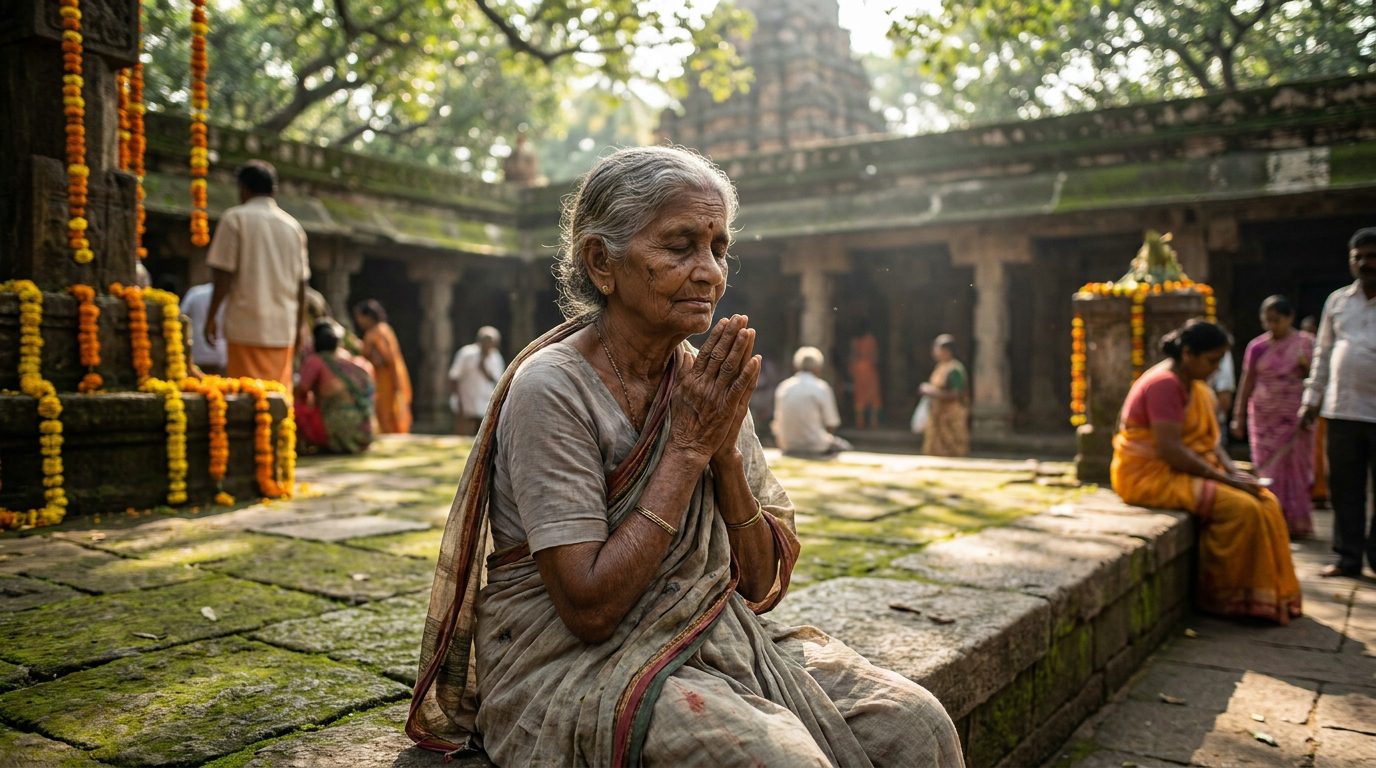
Understanding Prema as Pure Love of God
Prema is one of the most beautiful words in the language of Bhakti Yoga. In simple terms, prema means pure love of God. It is not ordinary affection, emotional excitement, or a temporary feeling that comes and goes. Prema is the soul’s natural love awakened fully—love that is selfless, steady, joyful, humble, and completely centered on the Divine.
In the Bhakti tradition, God is not understood only as a distant power or abstract energy, but as the Supreme Person—infinitely loving, compassionate, beautiful, and present in every heart. Different traditions may call the Divine by different names: Krishna, Rama, Vishnu, Narayana, Radha-Krishna, God, Allah, the Lord, the Beloved. Bhakti Yoga welcomes sincere seekers from all backgrounds and invites us to approach God through love.
The Sanskrit word bhakti means devotion or loving service. Bhakti Yoga is the path of reconnecting with God through heartfelt practices such as chanting sacred names, prayer, meditation, service, study of sacred wisdom, and living with compassion. Prema is considered the mature fruit of this path—the highest expression of devotion.
The great Bhakti scriptures teach that every soul is already spiritual by nature. We are not trying to manufacture love for God artificially. Rather, we are uncovering what is already within us. Like the sun hidden behind clouds, prema is present in the heart, but it may be covered by fear, pride, distraction, pain, and forgetfulness. Through sincere devotional practice, those coverings gradually become lighter, and the heart begins to shine.
In the Bhagavad-gita, Sri Krishna says, “Always think of Me, become My devotee, worship Me, and offer your homage unto Me” (Bhagavad-gita 18.65). This is not a command of control, but an invitation of love. Krishna is calling the soul back into relationship. He is saying, in essence, “Remember Me. Come close. I am here.”
Prema is that closeness fully awakened.
Divine Compassion and the Heart of Bhakti Yoga
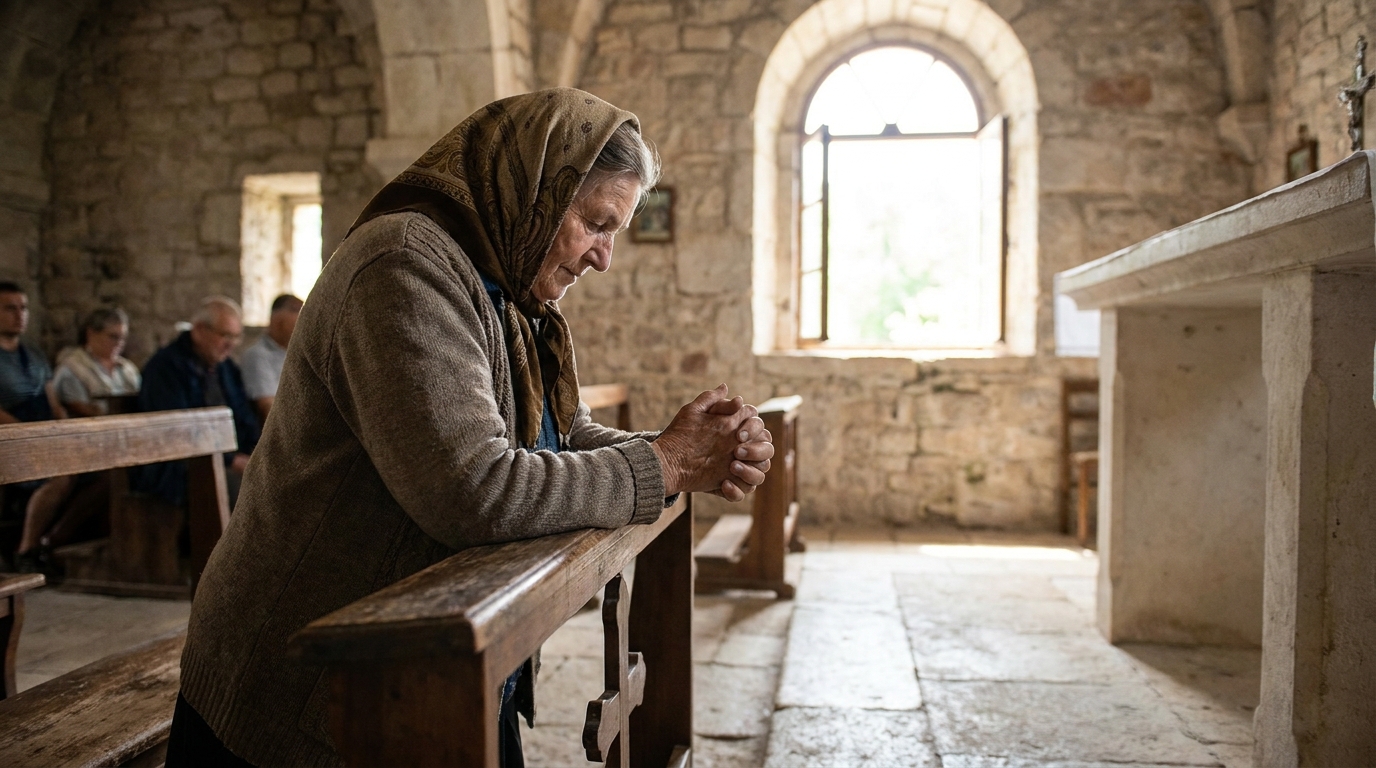
At the center of Bhakti Yoga is divine compassion. God’s love is not limited, narrow, or reserved only for the spiritually advanced. The Lord sees every living being with deep care. No one is too fallen, too broken, too late, or too ordinary to receive grace.
Grace means kindness freely given. In Sanskrit, one word often used is kripa, meaning mercy or compassionate blessing. Bhakti teaches that spiritual growth is not based only on personal effort. Yes, we practice. We chant. We pray. We serve. We make choices that nourish the soul. But above all, we depend on grace.
This is deeply comforting. Many people come to spiritual life carrying wounds. Some feel unworthy. Some feel distant from God. Some have made mistakes and wonder if they can begin again. Bhakti Yoga gently says: yes, you can begin again. Right now. With one sincere prayer. With one sacred name. With one humble act of service.
Grace Meets Us Where We Are
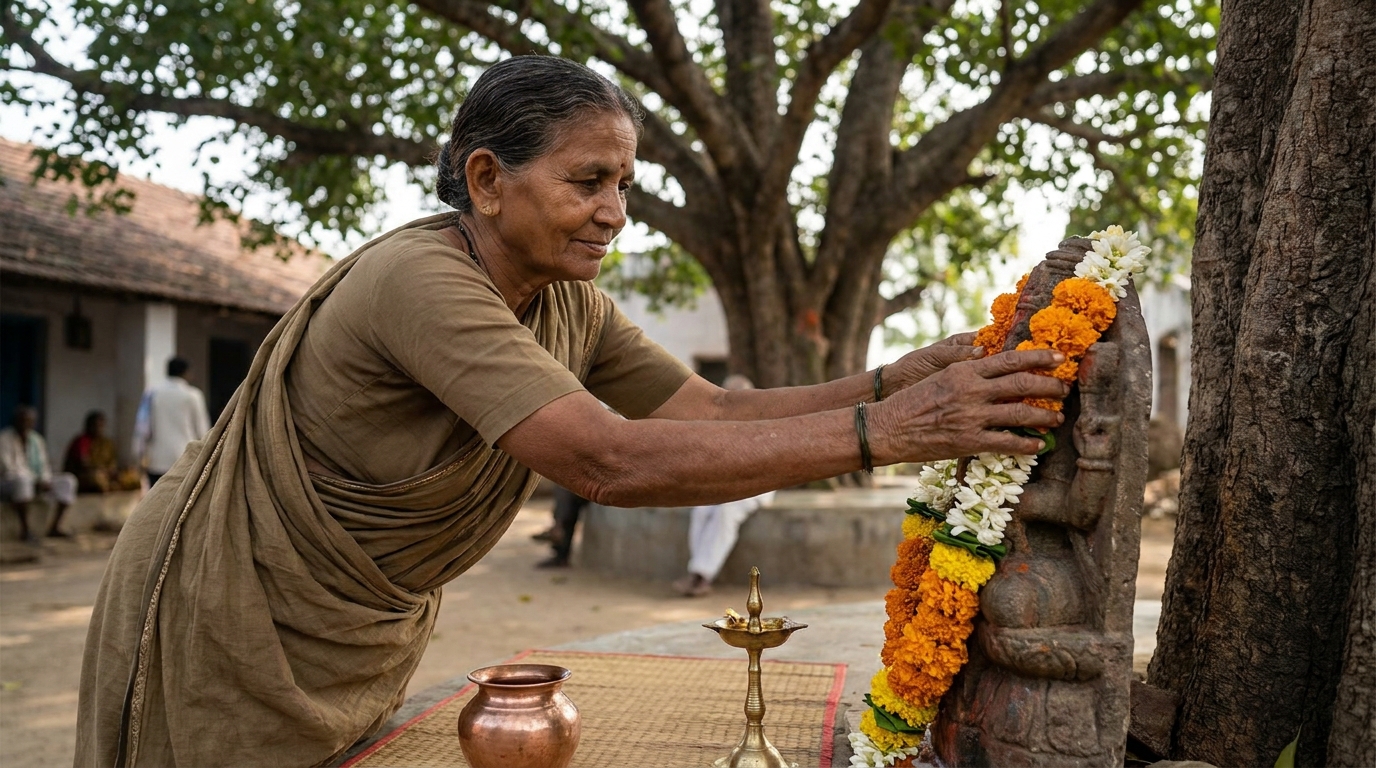
Divine compassion does not demand perfection before offering love. In the Bhagavad-gita (9.26), Krishna says, “If one offers Me with love and devotion a leaf, a flower, fruit, or water, I will accept it.” This verse is simple and revolutionary. God is not asking for wealth, status, scholarship, or outward greatness. He is asking for love.
A leaf, a flower, fruit, or water—these are things most people can offer. But the real offering is the heart. When we offer something with sincerity, however small it may seem, God receives it.
This gives hope to everyone. A busy parent can offer a simple prayer while cooking. A student can chant softly before an exam. A person struggling with grief can whisper God’s name through tears. A worker can dedicate the labor of the day as service. A seeker from any background can sit quietly and say, “Dear Lord, please guide me.”
In Bhakti, nothing sincere is wasted.
Compassion Expands Through the Devotee
As we receive divine compassion, we gradually learn to share it. Prema is not sentimental spirituality that remains only in private meditation. Pure love of God naturally overflows into kindness toward others.
The Srimad Bhagavatam, one of the great scriptures of Bhakti, describes advanced devotees as compassionate to all living beings. Why? Because they see every person, animal, and creature as connected to God. They understand that every soul is sacred.
This vision can transform daily life. We begin to ask: How can I speak more gently? How can I forgive more deeply? How can I serve without needing recognition? How can I honor the Divine presence in someone who thinks differently than I do?
Prema softens the heart. It makes us brave enough to love.
The Difference Between Ordinary Love and Prema
Most of us have experienced love in some form—family love, friendship, romance, loyalty, care for community, love for nature. These forms of love can be beautiful and meaningful. Bhakti Yoga does not reject them. Instead, it helps us understand their spiritual source.
All love comes from God. The love we experience in this world is like a small reflection of the soul’s eternal relationship with the Divine. But because our hearts are often mixed with insecurity, expectation, ego, and fear, worldly love can become fragile. We may love someone, but also want control. We may give, but secretly expect something back. We may care deeply, but become wounded when our desires are not fulfilled.
Prema is different. Prema is pure love. It seeks the happiness of the Beloved. It is not based on taking, but on offering. It does not rise and fall according to convenience. It is steady because it is rooted in the eternal soul and the eternal Lord.
Love Without Possessiveness
In ordinary consciousness, love often becomes possessive: “You are mine, and you must fulfill me.” In prema, the mood becomes, “I am Yours. Please let me serve You.” This shift is the heart of Bhakti.
This does not mean we neglect ourselves or accept unhealthy relationships. True spiritual love includes wisdom, dignity, and healthy boundaries. But internally, prema frees us from the constant hunger to be the center. We become willing to place God in the center.
When God is in the center, relationships become purified. We begin to love others not as objects for our enjoyment, but as souls entrusted to God’s care. This brings tenderness and respect into our families, friendships, communities, and service.
The Joy of Giving the Heart
The saints of the Bhakti tradition often describe prema as both intense and sweet. It is intense because the soul longs for God deeply. It is sweet because that longing is filled with trust and affection.
In the stories of Krishna in Vrindavan, found in the Srimad Bhagavatam, we see the highest expressions of love in the residents of Vrindavan. The cowherd boys love Krishna as their dearest friend. Mother Yashoda loves Him as her child. The gopis, the devoted cowherd maidens, love Him with complete self-giving devotion. Srimati Radharani, Krishna’s greatest devotee, embodies the highest prema—love so pure that it exists only for Krishna’s happiness.
These sacred stories are not ordinary mythology or entertainment. They reveal the spiritual truth that God desires loving relationship. The Absolute Truth is not cold or impersonal. The Supreme is full of beauty, playfulness, affection, and reciprocal love.
For the practitioner, these teachings invite us to make our own hearts more personal in spiritual life. We are not just seeking peace. We are seeking relationship with the Divine.
I recently discovered a website with insightful articles on mindfulness and meditation. The articles provide practical tips for incorporating spirituality into daily life. If you’re interested in personal growth, these articles are a must-read.
Chanting the Holy Names as a Path to Prema
One of the most accessible and powerful practices in Bhakti Yoga is chanting the holy names of God. In Sanskrit, this is called nama-sankirtana—the congregational chanting of divine names. Nama means name, and sankirtana means chanting together or glorifying aloud.
The Bhakti tradition teaches that God’s names are not ordinary sounds. The holy name carries divine presence. When we chant sincerely, we are not merely repeating syllables; we are calling out to the Lord.
A widely practiced mantra in the Bhakti tradition is the Hare Krishna maha-mantra:
Hare Krishna Hare Krishna
Krishna Krishna Hare Hare
Hare Rama Hare Rama
Rama Rama Hare Hare
Maha-mantra means “great mantra.” Mantra means a sacred sound that helps free the mind. “Hare” addresses the divine energy of the Lord, especially understood by many Bhakti teachers as Srimati Radharani, the compassionate feminine aspect of divine love. “Krishna” means the all-attractive Lord. “Rama” means the Lord who gives spiritual joy.
A simple meaning of the mantra is: “O Lord, O divine energy of the Lord, please engage me in Your loving service.”
Chanting With Sincerity, Not Performance
Chanting is not about musical talent or religious identity. It is about sincerity. Some people chant beautifully with instruments in a temple or gathering. Others chant quietly while walking, driving, cooking, or sitting in the early morning. Some chant on beads, a practice called japa, where the mantra is repeated prayerfully one bead at a time.
The important thing is to listen and call out with the heart. Even if the mind wanders, we gently return. Even if we feel dry, we continue with humility. Even if we do not understand everything, the holy name works gradually.
Bhakti scriptures praise chanting as especially powerful in this age, when people are often distracted, anxious, and overwhelmed. Chanting gives the mind a sacred resting place. It cleanses the heart, awakens remembrance, and invites grace.
From Sound to Relationship
At first, chanting may feel like a practice we do. Over time, it becomes a relationship we enter. The holy name begins to feel like shelter. We may notice that anger softens, gratitude increases, and our desire to serve becomes stronger.
This is the beginning of inner transformation. The goal is not simply to become calm, although calmness may come. The deeper goal is to awaken love. The holy name carries us from scattered thought to sacred remembrance, from loneliness to companionship with God, from self-centeredness to devotion.
The great saint Sri Chaitanya Mahaprabhu, who spread the chanting of Krishna’s names widely, taught that the holy name cleanses the mirror of the heart. When the mirror is dusty, we cannot see clearly. When it is cleansed, we begin to see who we truly are: eternal servants and beloved parts of God.
Prayer, Humility, and Opening to Grace
Prayer is the language of a heart turning toward God. It may be formal or spontaneous, spoken aloud or silent. It may be full of gratitude, longing, confession, surrender, or simple honesty.
In Bhakti Yoga, prayer is not about impressing God. God already knows us completely. Prayer is about opening ourselves. It is an act of relationship.
We can pray, “Please help me remember You.”
We can pray, “Please make my heart kinder.”
We can pray, “Please guide me through this difficulty.”
We can pray, “Please let me serve.”
We can even pray, “I do not know how to pray, but I want to come closer.”
Such prayers are powerful because they are sincere.
Humility as Spiritual Strength
Humility is essential for prema. But humility does not mean self-hatred or weakness. True humility means living in truth. We recognize that everything we have—our breath, talents, opportunities, relationships, and spiritual longing—is a gift. We are dependent on grace at every moment.
Sri Chaitanya Mahaprabhu gave a famous instruction for chanting the holy name:
“One should chant the holy name of the Lord in a humble state of mind, thinking oneself lower than a blade of grass, more tolerant than a tree, free from the desire for honor, and ready to offer respect to others.”
This teaching is profound and practical. If we want to chant with love, we cannot hold tightly to pride. If we demand constant recognition, the heart becomes restless. But when we practice honoring others, tolerating difficulties, and releasing the need to be praised, the holy name enters more deeply.
Humility makes space for God.
Surrender as Trust
Another important Sanskrit word is saranagati, meaning surrender or taking shelter. Surrender can sound frightening if we think it means losing ourselves. But in Bhakti, surrender means trusting the One who loves us most.
A child resting in the arms of a loving parent is not diminished. The child is protected. In the same way, the soul becomes truly free when it takes shelter of God.
This surrender grows gradually. We may begin by offering a few minutes each day. Then we offer our food, our work, our relationships, our struggles, and our hopes. Eventually, we pray, “My Lord, let my life be used in Your service.”
That prayer is the doorway to prema.
Service as Love in Action
Bhakti is not only something we feel. It is something we live. The Sanskrit word seva means service. In devotional life, seva means offering our time, energy, skills, and heart for the pleasure of God and the welfare of others.
Service may happen in a temple, church, home, school, workplace, street, hospital, garden, kitchen, or online community. It may be visible or hidden. What makes it spiritual is the intention: “I offer this to God.”
Cooking can become seva. Cleaning can become seva. Listening to someone with compassion can become seva. Teaching, singing, caring for children, helping elders, feeding guests, supporting a spiritual community, protecting nature, and encouraging a friend can all become offerings.
Serving Without Expectation
The Bhagavad-gita teaches the beauty of action offered without selfish attachment. Krishna encourages Arjuna to work with devotion, offering the results to Him. This does not mean becoming passive. It means acting wholeheartedly while remembering that the ultimate outcome belongs to God.
In daily life, this is very practical. We can do our duties with care, but release the need to control everything. We can serve others, but not demand applause. We can give generously, but not become bitter if unnoticed.
This mood purifies the heart. It turns ordinary life into sacred practice.
Seeing Every Person as Worthy of Care
When service is rooted in prema, it becomes inclusive. We do not serve only people who agree with us or benefit us. We learn to see the soul within every being.
This does not mean we ignore harmful behavior or pretend everyone is safe. Bhakti includes discernment. But even when we set boundaries, we can avoid hatred. We can pray for the spiritual welfare of all.
A compassionate heart asks, “How can I be an instrument of God’s kindness here?” Sometimes the answer is direct help. Sometimes it is prayer. Sometimes it is speaking truth with gentleness. Sometimes it is stepping back while holding goodwill.
Prema is not passive. It is active compassion guided by wisdom.
The Scriptures of Bhakti and the Promise of Pure Love
Authentic Bhakti Yoga is nourished by sacred scripture, the guidance of saints, and lived devotional practice. Scriptures are not meant to remain only on a shelf or in academic discussion. They are lamps for the heart.
The Bhagavad-gita gives a clear foundation for devotion in daily life. Krishna teaches that the soul is eternal, that God is the supreme shelter, and that loving devotion is the highest path.
The Srimad Bhagavatam expands this vision through stories, prayers, philosophy, and the lives of great devotees. It repeatedly points toward loving devotion as the perfection of life.
The Bhakti-rasamrita-sindhu, written by Srila Rupa Goswami, carefully explains the science of devotional service. It describes how devotion begins, grows, deepens, and ultimately matures into prema.
These texts help us understand that prema is not vague emotion. It is a profound spiritual reality, cultivated through sincere practice and bestowed by divine grace.
The Growth of Devotion
Bhakti teachers often describe devotion as developing in stages. It may begin with a little faith, called sraddha. This faith may be simple: “There is something sacred here. I want to know more.”
Then comes association with devotees, called sadhu-sanga. A sadhu is a saintly person or sincere practitioner who inspires us toward God. Good company is essential because love grows in community.
Next comes devotional practice, called bhajana-kriya: chanting, prayer, study, worship, and service. Through practice, unwanted habits and distractions gradually lessen. This cleansing is called anartha-nivritti.
As the heart becomes clearer, steadiness develops, then taste, then deep attachment to God. Eventually, love awakens fully as prema.
This path is both mystical and practical. It does not require us to pretend to be advanced. We simply take the next sincere step.
The Role of Spiritual Community
No one needs to walk the path alone. Spiritual community helps us remember what matters. In community, we chant together, learn together, serve together, and encourage one another through life’s seasons.
A healthy Bhakti community welcomes questions. It honors people’s journeys. It does not pressure or shame. It points everyone toward God with kindness.
The Bhakti House spirit is one of hospitality: come as you are, bring your sincere heart, and let devotional practice gently transform you. Whether you are new to Sanskrit, new to chanting, returning after a long time, or already devoted for many years, there is room for you.
Prema grows where hearts are nourished by grace, truth, and loving association.
Living Prema in Everyday Life
Prema may sound like a very high spiritual state, and indeed it is. But the path toward prema begins in simple daily choices. We do not have to wait for perfect conditions. We can practice love of God in the middle of ordinary life.
The kitchen, office, classroom, car, hospital room, and quiet bedroom can all become places of devotion. God is not limited to sacred buildings. The Lord lives in the heart, and we can turn toward Him anywhere.
Begin the Day With Remembrance
A simple morning practice can shape the whole day. Before reaching for the phone, we can pause and offer gratitude:
“Dear Lord, thank You for this day. Please guide my thoughts, words, and actions. Let me remember You and serve with love.”
Even one minute of sincere remembrance matters. If possible, we can chant a few rounds of japa, read a verse from the Bhagavad-gita, or sing a simple kirtan. Kirtan means devotional singing, often in a call-and-response style. It is a joyful way to bring the heart into prayer.
Offer Food With Love
In Bhakti Yoga, food can become sacred when offered to God. This sanctified food is called prasada, meaning mercy or grace. The practice is simple: prepare vegetarian food with care, place it before the Lord, and offer a prayer of gratitude. Then receive it as a blessing.
This daily act teaches us that nourishment is not merely physical. It reminds us that everything comes from God. Eating prasada can become a gentle, joyful way to bring devotion into family life and personal routine.
Practice Compassion in Speech
Words carry energy. They can heal or harm. A practical way to cultivate prema is to speak with more awareness. Before speaking, we can ask:
Is it true?
Is it kind?
Is it helpful?
Is it pleasing to God?
This does not mean we avoid difficult conversations. Sometimes love requires honesty. But Bhakti teaches us to speak truth with compassion, not with cruelty.
Transform Work Into Offering
Most people spend much of life working, studying, caregiving, or managing responsibilities. Bhakti Yoga does not ask us to abandon duty. It invites us to spiritualize duty.
We can pray before beginning work: “May this be offered to You.” We can do our tasks with integrity. We can treat coworkers, customers, clients, and family members with respect. We can remember that our abilities are gifts meant for service.
This turns daily work into devotion.
Obstacles on the Path and How Grace Carries Us
Every sincere practitioner faces obstacles. The mind wanders. Old habits return. Doubts arise. Emotions become heavy. Sometimes we compare ourselves to others and feel discouraged. Sometimes spiritual life feels dry.
Bhakti Yoga teaches us to be patient and honest. Growth is not always dramatic. A seed grows quietly beneath the soil before a sprout appears.
If we stumble, we can begin again. If we become distracted, we can return to chanting. If our heart feels closed, we can pray for help. If we feel unworthy, we can remember that grace is not earned by perfection.
Avoiding Spiritual Pride
One subtle obstacle is pride. We may begin spiritual practice and then feel superior to others. This can block prema because pure love cannot flourish in a heart that looks down on others.
The remedy is gratitude. Whatever progress we make is due to grace, guidance, and the mercy of devotees. We can honor every sincere seeker, even if their path looks different from ours.
True devotion makes us more humble, not more judgmental.
Trusting the Slow Work of Love
Another obstacle is impatience. We may want instant spiritual experience. But prema is not a product to be consumed. It is a relationship to be cultivated.
Like any deep relationship, love grows through time, attention, honesty, and commitment. We chant when inspired and when distracted. We serve when joyful and when tired. We pray when clear and when confused. This steady turning toward God softens the heart.
The Lord sees every effort. Even when we do not feel progress, the soul is being shaped by grace.
Prema as the Gift of Divine Grace
Ultimately, prema is both the goal and the gift. We practice Bhakti Yoga to prepare the heart, but pure love of God descends by grace. This keeps us humble and hopeful.
We cannot force God to reveal Himself. But we can make our hearts ready to receive. We can chant the holy names. We can pray sincerely. We can serve with kindness. We can seek good association. We can study sacred wisdom. We can forgive, begin again, and keep walking.
The beauty of Bhakti is that every step is meaningful. The beginning, middle, and end are all filled with love. Even the desire to desire God is precious.
Prema is not reserved for a spiritual elite. The stories of Bhakti are filled with people from many backgrounds—kings and villagers, scholars and simple-hearted souls, children and elders, those considered pure and those considered fallen by society. Again and again, the Lord responds to sincerity.
In the Bhagavad-gita (9.22), Krishna promises to care for those who remember Him with devotion. This promise is not cold theology. It is personal assurance. God carries what we lack and preserves what we have when we turn toward Him with love.
Divine compassion is always reaching toward us. Prema is what happens when the heart finally reaches back completely.
A Gentle Invitation to Take One Sincere Step
Wherever you are in your journey, you are welcome. You do not need to know Sanskrit. You do not need to have everything figured out. You do not need to be perfect, pure, or certain. You can begin with the heart you have today.
You might begin by chanting the holy names for five minutes. You might offer a simple prayer before sleeping. You might read one verse of the Bhagavad-gita. You might cook with gratitude and offer your food to God. You might serve someone quietly without seeking credit. You might come to a kirtan gathering and let the sacred sound wash over you.
Prema—pure love of God—is the soul’s deepest home. It is divine compassion received and shared. It is grace awakening within the heart. It is the love we have always been searching for, because it is the love for which we were made.
May your heart be encouraged. May you feel the Lord’s kindness near you. May your next step, however small, be sincere. Everyone is welcome to take one loving step toward God, and by grace, that one step can open the path to everything.
FAQs
What is Prema in the context of spirituality?
Prema is a Sanskrit term that refers to the purest form of love, specifically the love of God or the divine. It is considered the highest form of love and devotion in many spiritual traditions.
How is Prema different from other forms of love?
Prema is distinguished by its selfless and unconditional nature. Unlike other forms of love that may be based on personal desires or expectations, Prema is solely focused on the well-being and happiness of the beloved, without any ulterior motives.
What role does Prema play in spiritual practices?
Prema is often seen as the ultimate goal of spiritual practice, as it represents a deep and intimate connection with the divine. Practitioners believe that cultivating Prema can lead to spiritual enlightenment and a profound sense of unity with the divine.
How can one cultivate Prema in their own life?
Cultivating Prema involves practices such as prayer, meditation, selfless service, and devotion to a higher power. By focusing on developing a pure and selfless love for God or the divine, individuals can gradually deepen their experience of Prema.
Are there any examples of Prema in religious or spiritual texts?
Yes, many religious and spiritual texts contain stories and teachings that illustrate the power and significance of Prema. For example, the Bhagavad Gita, the Bible, and the Quran all contain references to the transformative nature of divine love and the importance of cultivating Prema in one’s life.

