
What Is Pilgrimage?
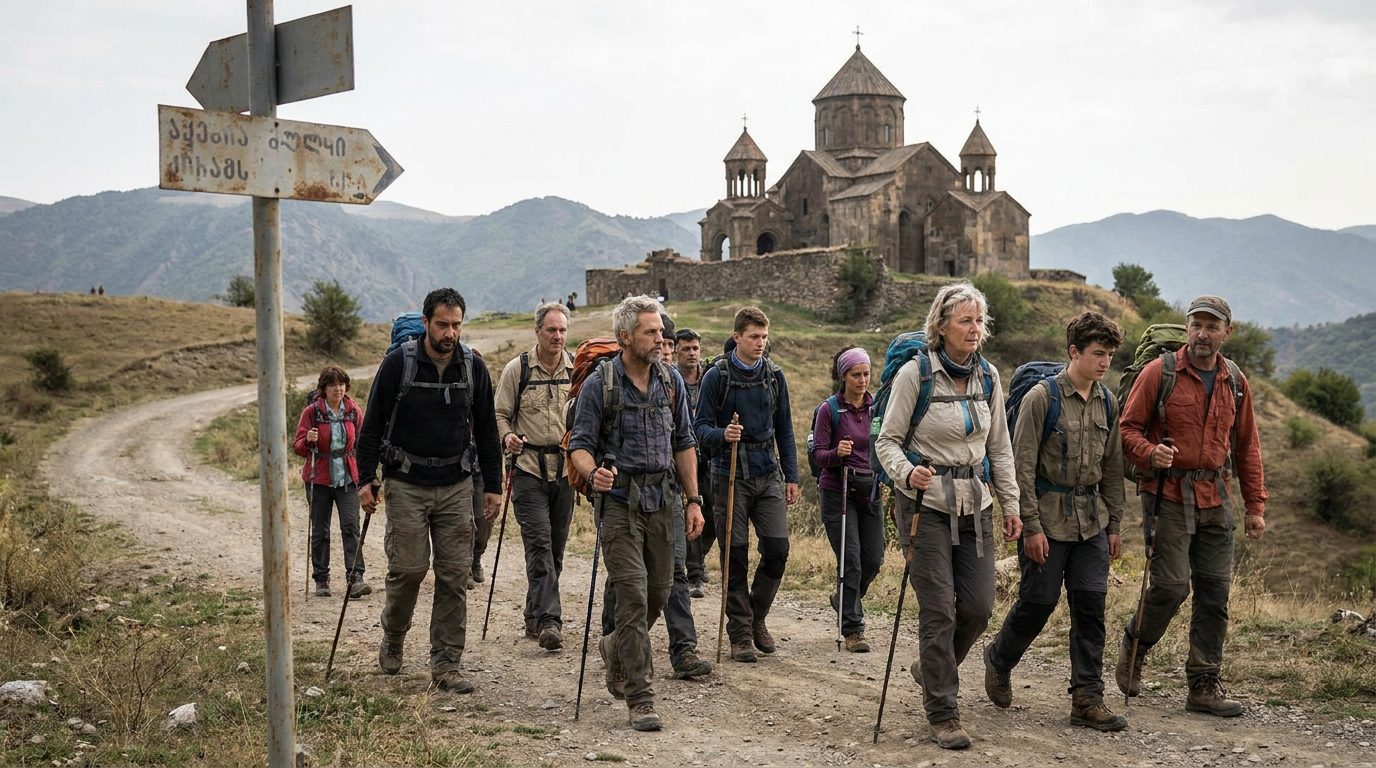
Pilgrimage is a sacred journey taken with a spiritual intention. It may be a journey to a holy place, a temple, a river, a mountain, a monastery, a church, a mosque, a synagogue, a shrine, or even a quiet forest path where the heart remembers God.
People from nearly every spiritual tradition have walked pilgrimage routes. Some travel across continents. Others visit a small local sanctuary. Some walk barefoot with tears of prayer. Others sit quietly by a river and chant the names of God. The outer journey may look different for each person, but the inner movement is similar: we leave behind ordinary distraction and move toward what is holy.
In the Bhakti Yoga tradition, pilgrimage is called tirtha-yatra. A tirtha is a sacred place, often translated as a “crossing place,” where the material and spiritual worlds feel especially close. Yatra means journey. So tirtha-yatra is a sacred journey to a place that helps the soul cross from forgetfulness into remembrance.
At The Bhakti House, we understand pilgrimage not as religious tourism, but as a practice of love. It is a way to remember our eternal relationship with the Divine. In Bhakti, the Divine is personal and loving. We may call God by many names—Krishna, Rama, Vishnu, Allah, Yahweh, Christ, the Divine Mother, the Beloved, or simply God. Pilgrimage invites us to walk with humility, chant with sincerity, pray with openness, and serve with compassion.
A true pilgrimage does not begin when we arrive at the destination. It begins the moment we decide, “I want to come closer to God.”
The Spiritual Purpose of Pilgrimage
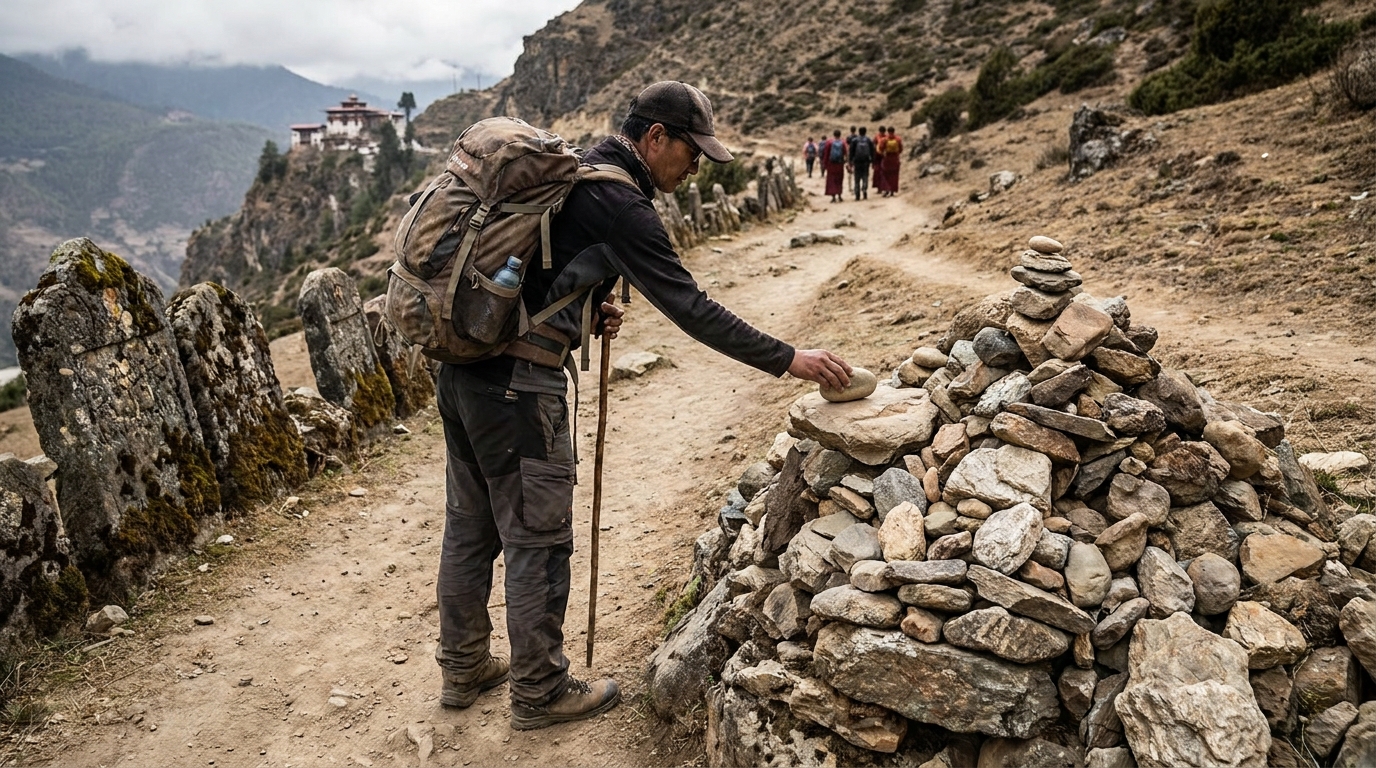
Pilgrimage is not only about visiting sacred destinations. It is about becoming a little more sacred in our consciousness.
We may travel to a holy river, but the deeper hope is to purify the heart. We may bow in a temple, but the deeper hope is to soften our pride. We may chant in a sacred city, but the deeper hope is to awaken love.
Pilgrimage Awakens Remembrance
In Sanskrit, one important word in Bhakti Yoga is smaranam, which means remembrance. Spiritual life begins to blossom when we remember God in daily life—not only during formal worship, but while cooking, walking, working, caring for family, and serving others.
The Bhagavad-gita teaches that the mind becomes shaped by what it remembers and loves. In Bhagavad-gita 8.7, Krishna encourages Arjuna to remember Him while doing his duty. This is a very practical teaching. Spiritual life is not meant to be separate from real life. Pilgrimage helps us remember what truly matters so we can return home with a more prayerful mind.
When we walk through a holy place, hear sacred sounds, see devotees worship, and offer prayers, our inner remembrance becomes stronger. The world may still be busy, but something within us becomes quieter and more centered.
Pilgrimage Softens the Heart
Bhakti means devotion, loving service, or love for God. It is not forced sentiment. It is the natural affection of the soul awakening.
On pilgrimage, we may face discomfort: long travel, simple food, crowds, heat, cold, delays, or tired feet. These inconveniences can become spiritual teachers. They show us where we are impatient, attached, or self-centered. If we accept them with humility, they can soften the heart.
A pilgrim learns to say, “I am not here to control everything. I am here to receive grace.”
This attitude is very dear in Bhakti Yoga. We come before God not as perfect people, but as sincere seekers. We bring our longing, our questions, our grief, our gratitude, and our hope.
Pilgrimage Deepens Gratitude
Sacred places carry the prayers of generations. When we visit them respectfully, we may feel gratitude for saints, teachers, ancestors, monks, nuns, priests, devotees, mothers, fathers, and countless seekers who kept the flame of faith alive.
In Bhakti scriptures, such as the Srimad-Bhagavatam, holy places are honored because saintly people remember God there. A sacred place is not only sacred because of geography. It becomes alive through divine remembrance, chanting, worship, and the presence of those who love God.
Pilgrimage helps us see that we are part of a much larger spiritual family.
Bhakti Yoga and Pilgrimage as a Path of Love

Bhakti Yoga is the yoga of love and devotion. The word yoga means connection, and bhakti means loving devotion. So Bhakti Yoga means reconnecting with God through love.
Pilgrimage fits naturally into Bhakti Yoga because it engages the whole person: body, mind, heart, voice, and actions. We walk, bow, sing, listen, serve, pray, and reflect. Every part of life becomes an offering.
Chanting on the Journey
One of the most accessible practices in Bhakti Yoga is kirtan, or sacred chanting. Kirtan usually means singing the names of God, often with music and call-and-response. Another practice is japa, the quiet repetition of a mantra, often on beads.
A mantra is a sacred sound that helps focus and purify the mind. One beloved mantra in the Bhakti tradition is:
Hare Krishna Hare Krishna
Krishna Krishna Hare Hare
Hare Rama Hare Rama
Rama Rama Hare Hare
This is known as the Maha Mantra, meaning the “great mantra.” The names Krishna and Rama refer to God as the all-attractive one and the source of joy. Hare is a call to the divine energy of love and devotion. A simple meaning might be: “O Lord, O Divine Energy, please engage me in loving service.”
Chanting during pilgrimage helps turn travel time into prayer time. Whether you are on a plane, in a car, walking a path, or waiting in a line, the holy name can keep the heart connected.
Prayer as Honest Conversation
Prayer does not need to be complicated. It can be formal and traditional, or it can be as simple as:
“Dear God, please guide me.”
“Please help me serve.”
“Please purify my heart.”
“Thank You for bringing me here.”
“Please help me love You more.”
In Bhakti, prayer is personal. We do not need to hide our struggles from God. The Lord already knows our heart. Pilgrimage gives us space to speak honestly and listen deeply.
Service as Sacred Offering
A pilgrim is not only a visitor. A pilgrim is a servant.
In Sanskrit, seva means service offered with love. While traveling, seva may look very simple: cleaning a sacred space, helping another traveler, offering food, supporting a temple, feeding others, speaking kindly, or respecting local customs.
Bhagavad-gita 9.26 says that if one offers God a leaf, a flower, fruit, or water with devotion, He accepts it. This verse is beautiful because it reminds us that God looks at the love behind the offering. Pilgrimage is not about wealth, status, or impressive rituals. It is about sincerity.
Even a small act done with devotion can become spiritually powerful.
Discover a wealth of knowledge by exploring our insightful articles. Our articles cover a wide range of topics to enhance your understanding. Stay informed and inspired by reading our latest articles.
Preparing for a Pilgrimage
A meaningful pilgrimage begins before the journey. Preparation helps us travel with intention rather than distraction.
Set a Spiritual Intention
Before you choose a destination or book a ticket, take time to ask:
Why am I going?
What am I seeking?
What do I want to offer?
What habit or burden do I want to surrender?
How do I want to grow closer to God?
Your intention does not need to be dramatic. It might be, “I want to chant more sincerely,” or “I want to heal,” or “I want to thank God,” or “I want to learn how to serve.”
Write your intention in a journal. Return to it during the journey.
Learn About the Sacred Place
Every holy destination has a story. Learn its history, saints, traditions, and etiquette. If you are visiting a Bhakti sacred place, learn about the pastimes of Krishna, Rama, or the saints connected with that location.
For example, Vrindavan in India is cherished as the land of Krishna’s childhood pastimes. Mayapur is honored as the birthplace of Sri Chaitanya Mahaprabhu, a great teacher and saint who spread the chanting of God’s names. Jagannath Puri is famous for Lord Jagannath, a merciful form of Krishna worshiped with great love.
Learning before you arrive helps you see with the heart, not only with the eyes.
Prepare the Body Simply
Pilgrimage may involve walking, standing, early mornings, simple lodging, and new foods. Prepare practically:
Bring comfortable clothes.
Choose modest clothing appropriate for sacred spaces.
Carry water and simple snacks when allowed.
Pack necessary medicines.
Use comfortable shoes if walking is involved.
Keep your luggage simple.
Simplicity is a friend of pilgrimage. The less we carry outwardly, the more space we may feel inwardly.
Prepare the Mind Gently
The mind may expect a perfect spiritual experience. But pilgrimage often includes both sweetness and challenge. There may be noise, weather, crowds, misunderstandings, or fatigue.
Try to travel with flexibility. Instead of thinking, “Everything must go my way,” practice thinking, “Everything can help me remember God.”
This gentle shift changes the whole journey.
Sacred Pilgrimage Destinations in the Bhakti Tradition
Bhakti pilgrimage destinations are honored because they are connected with the Lord, His devotees, and divine teachings. While no article can list every holy place, here are several beloved destinations often cherished by Bhakti practitioners.
Vrindavan: The Land of Krishna’s Love
Vrindavan, in northern India, is one of the most sacred places in the Bhakti tradition. It is revered as the land where Lord Krishna performed His childhood pastimes—playing with His friends, caring for cows, enchanting the residents with His flute, and revealing the sweetness of divine love.
For Bhakti practitioners, Vrindavan is not only a geographic location. It is also a state of consciousness: a heart filled with simple, intimate love for God.
Pilgrims in Vrindavan often visit temples, chant on beads, walk around sacred places, and remember Krishna’s pastimes. The practice of walking around a sacred site is called parikrama, meaning circumambulation. It is a way of honoring the holy place with the whole body.
Vrindavan teaches us that God is not only majestic and powerful. God is also playful, tender, and deeply loving.
Mayapur: The Mercy of Sri Chaitanya
Mayapur, in West Bengal, is the birthplace of Sri Chaitanya Mahaprabhu, a 15th-century saint regarded in the Gaudiya Vaishnava tradition as Krishna appearing in the mood of His own devotee. He taught that the chanting of God’s names is the most accessible spiritual practice for this age.
Sri Chaitanya emphasized humility, compassion, and kirtan. One of His famous teachings says that one should chant the holy name in a humble state of mind, more tolerant than a tree, and ready to offer respect to others.
Mayapur is a place of joyful chanting, study, worship, and community. It reminds us that spiritual life is not meant to be dry or lonely. The path of Bhakti is filled with song, friendship, and shared devotion.
Jagannath Puri: The Lord of the Universe
Jagannath Puri, in Odisha, is home to Lord Jagannath, whose name means “Lord of the Universe.” Lord Jagannath is worshiped with His brother Baladeva and sister Subhadra. His large, compassionate eyes seem to welcome everyone.
Puri is famous for the Ratha Yatra festival, when the Lord comes out of the temple on great chariots to bless all people. This festival carries a profound message: God does not remain distant. He comes out to meet us.
For pilgrims, Jagannath Puri is a place to meditate on divine mercy, surrender, and the Lord’s loving accessibility.
Govardhan: Shelter Under Divine Protection
Govardhan Hill, near Vrindavan, is sacred because Krishna lifted Govardhan to protect the residents of Vrindavan from devastating rain. This story is found in the Srimad-Bhagavatam and is beloved by Bhakti practitioners.
Pilgrims often walk around Govardhan Hill in parikrama. The journey can be physically demanding, but many find it deeply nourishing. Govardhan teaches that when we take shelter of God, we are protected in ways beyond our understanding.
It also teaches simplicity. Krishna encouraged the residents to honor Govardhan, the cows, the land, and their natural duties. In this way, Govardhan reminds us to live gratefully and gently upon the earth.
Local Temples and Sacred Spaces
Not everyone can travel to India or distant holy places. Thankfully, Bhakti does not depend on distance. A local temple, home altar, meditation room, garden, riverbank, or community kirtan can become a place of pilgrimage.
If you approach with devotion, even a simple room can become holy.
The Srimad-Bhagavatam teaches that hearing and chanting about God purifies the heart. Wherever sincere chanting, prayer, scripture, and service are present, the spirit of pilgrimage is alive.
Pilgrimage Across Traditions
A humble pilgrim can honor the sacred journeys of many traditions. Christians may walk the Camino de Santiago or visit Jerusalem. Muslims travel to Mecca for Hajj. Buddhists visit Bodh Gaya, where the Buddha attained enlightenment. Sikhs journey to the Golden Temple. Jews pray in Jerusalem. Hindus bathe in sacred rivers, visit temples, and walk ancient routes.
These journeys may have different theologies and practices, but many pilgrims share common values: humility, repentance, gratitude, discipline, community, and longing for God or ultimate truth.
Bhakti Yoga welcomes sincere seekers from all backgrounds. You do not need to be born in a particular culture to chant, pray, serve, or love God. Spiritual life belongs to the soul.
Respecting Other Faiths
When visiting any sacred place, respect is essential. Learn the customs. Dress modestly. Ask before taking photos. Observe silence where appropriate. Do not treat rituals as performances. If you do not understand something, approach with humility.
A pilgrim’s heart says, “I am here to learn, not to consume.”
This respectful attitude helps create harmony and honors the devotion of others.
Finding the Universal Heart of Pilgrimage
At its deepest, pilgrimage is a movement from ego toward love.
We may begin with curiosity. Then, through prayer and practice, we begin to see others with more compassion. We begin to understand that the spiritual path is not about becoming superior. It is about becoming more loving, truthful, and surrendered.
True pilgrimage should make us kinder.
How to Practice Pilgrimage in Daily Life
Not every pilgrimage requires travel. In Bhakti Yoga, we can bring the pilgrim mood into everyday life.
Create a Sacred Morning
Begin the day with a few minutes of remembrance. Light a candle, offer a prayer, read a verse from scripture, or chant a mantra. Even ten sincere minutes can shape the consciousness of the whole day.
You might pray:
“Dear Lord, may my thoughts, words, and actions today become an offering.”
This simple practice turns ordinary life into a journey toward God.
Chant While You Walk
Walking can become pilgrimage when combined with sacred sound. Try taking a mindful walk while softly chanting a mantra or repeating a prayer.
Instead of using the walk only for exercise or entertainment, offer it to God. Notice the sky, trees, people, and breath. Let gratitude arise.
Each step can become a prayer.
Serve Someone Nearby
Pilgrimage teaches us to serve. We do not need to wait for a holy destination. We can serve family, neighbors, coworkers, animals, and strangers with patience and kindness.
In Bhakti, the heart becomes purified through loving service. Washing dishes, cooking, cleaning, listening, encouraging, or giving time can all become seva when offered with devotion.
The question becomes: “How can I love God through serving this person?”
Turn Your Home Into a Place of Remembrance
A home can become a small temple when filled with prayer, chanting, kindness, and gratitude. You might create a simple altar with sacred images, flowers, candles, or scripture. Offer food with love before eating. Play kirtan. Read a few lines from the Bhagavad-gita or another sacred text.
The goal is not to make the home look religious. The goal is to help the heart remember.
Practice Inner Pilgrimage
There is also an inward pilgrimage: the journey from fear to faith, from resentment to forgiveness, from distraction to devotion, from self-centeredness to service.
This inner journey may be the most important pilgrimage of all.
Every time we choose prayer over anxiety, humility over pride, compassion over judgment, or chanting over mental noise, we take a sacred step.
Practical Tips for a Meaningful Spiritual Journey
A pilgrimage becomes more nourishing when we balance devotion with practical wisdom.
Travel With Humility
Holy places are not meant to fulfill our expectations. They are places to receive mercy. There may be moments of deep inspiration and moments of discomfort. Both can be gifts.
Try not to judge the experience too quickly. Sometimes the fruit of pilgrimage ripens after we return home.
Keep a Pilgrimage Journal
Write down prayers, insights, dreams, challenges, and moments of grace. Record verses or teachings you hear. Note the names of people who touched your heart.
Later, your journal can help you remember what God taught you.
Eat and Rest With Awareness
Spiritual enthusiasm is beautiful, but the body needs care. Rest when needed. Eat clean, nourishing food. In the Bhakti tradition, food offered to God is called prasadam, meaning mercy. Eating prasadam reminds us that nourishment is a gift, not merely consumption.
When possible, receive or prepare food with gratitude and offer it to God before eating.
Travel in Good Association
In Sanskrit, sadhu-sanga means association with sincere spiritual people. This is deeply valued in Bhakti Yoga. Traveling with people who support your intention can strengthen your pilgrimage.
Good association does not mean everyone is perfect. It means we help each other remember God.
Leave the Place Better Than You Found It
Respect the land, the people, and the environment. Avoid littering. Support local communities ethically. Be gentle with animals. Give thanks.
A pilgrim receives blessings and also offers blessings.
Common Misunderstandings About Pilgrimage
Pilgrimage is beautiful, but it can be misunderstood. Clarifying these points helps us travel with a more sincere heart.
Pilgrimage Is Not Spiritual Tourism
Tourism asks, “What can I see?”
Pilgrimage asks, “How can I be transformed?”
There is nothing wrong with appreciating beauty, history, architecture, or culture. But the pilgrim mood goes deeper. It seeks purification, devotion, and surrender.
Pilgrimage Does Not Make Us Superior
Visiting a holy place does not make anyone better than others. In fact, the real sign of pilgrimage is humility.
If we return with pride, we may have missed the heart of the journey. If we return more compassionate, grateful, and prayerful, the pilgrimage has entered the soul.
Pilgrimage Is Not Only for the Spiritually Advanced
Some people think they must be pure or knowledgeable before going on pilgrimage. But holy places are especially merciful for beginners, seekers, and struggling hearts.
We do not come because we are perfect. We come because we need grace.
Pilgrimage Is Not Escaping Life
A sacred journey may give us temporary distance from daily responsibilities, but its purpose is not escape. The purpose is renewal. We go away so we can return with greater clarity, love, and strength.
A successful pilgrimage helps us serve better when we come home.
Bringing the Blessings Home
One of the most important parts of pilgrimage is what happens afterward.
It is natural to feel inspired during a sacred journey. But how do we carry that inspiration into daily life? The answer is to choose small, steady practices.
Keep One Daily Practice
After returning home, choose one practice to continue. It might be chanting one round of japa, reading one verse of scripture, offering food, attending weekly kirtan, or serving in a community.
Do not try to change everything at once. Bhakti grows through consistency and sincerity.
A small daily offering can become a powerful foundation.
Share With Humility
If you share your pilgrimage stories, do so in a way that inspires rather than impresses. Speak about what you learned, how you were humbled, and how you felt God’s kindness.
Sharing can become seva when it encourages others on their own spiritual path.
Remember the Inner Destination
The outer destination may be Vrindavan, Mayapur, Jerusalem, Mecca, Bodh Gaya, or a local temple. But the inner destination is love of God.
In Bhakti Yoga, the highest goal is prema, pure divine love. Prema is not ordinary emotion. It is the soul’s natural love fully awakened. Pilgrimage points us toward that love.
Every sacred journey is ultimately a journey home—to God, to our true self, and to a life of loving service.
A Gentle Invitation to Begin
Pilgrimage is not limited to those who can travel far, spend money, or follow complex rituals. It begins with sincerity.
You can begin today.
You can chant one holy name.
You can offer one prayer.
You can read one sacred verse.
You can serve one person with love.
You can take one mindful walk and remember God.
You can visit a local temple, church, mosque, synagogue, meditation hall, or quiet place in nature with reverence.
Bhakti Yoga teaches that God sees the heart. Even one small offering made with love is precious.
Wherever you come from, whatever your background, whatever your questions or struggles, you are welcome. The path of devotion is open. The holy name is open. Prayer is open. Service is open. Grace is open.
May your life become a sacred journey. May your steps be guided by love. May your heart grow soft through chanting, prayer, service, and remembrance. And may you feel encouraged to take one sincere step toward God today.
FAQs
What is a pilgrimage?
A pilgrimage is a journey or trip to a sacred place or shrine that holds religious or spiritual significance for individuals of a particular faith.
What are some popular pilgrimage destinations around the world?
Some popular pilgrimage destinations include Mecca for Muslims, Jerusalem for Christians, Varanasi for Hindus, Lourdes for Catholics, and the Camino de Santiago for Christians.
What is the purpose of going on a pilgrimage?
The purpose of going on a pilgrimage varies for individuals but often includes seeking spiritual growth, connecting with one’s faith, seeking blessings, penance, or fulfilling a religious obligation.
How should one prepare for a pilgrimage?
One should research the destination, understand the significance of the pilgrimage, pack appropriate clothing and supplies, make necessary travel arrangements, and mentally prepare for the spiritual journey ahead.
Are there different types of pilgrimages?
Yes, there are different types of pilgrimages, including religious pilgrimages, cultural pilgrimages, historical pilgrimages, and personal pilgrimages for spiritual growth or self-discovery.

