
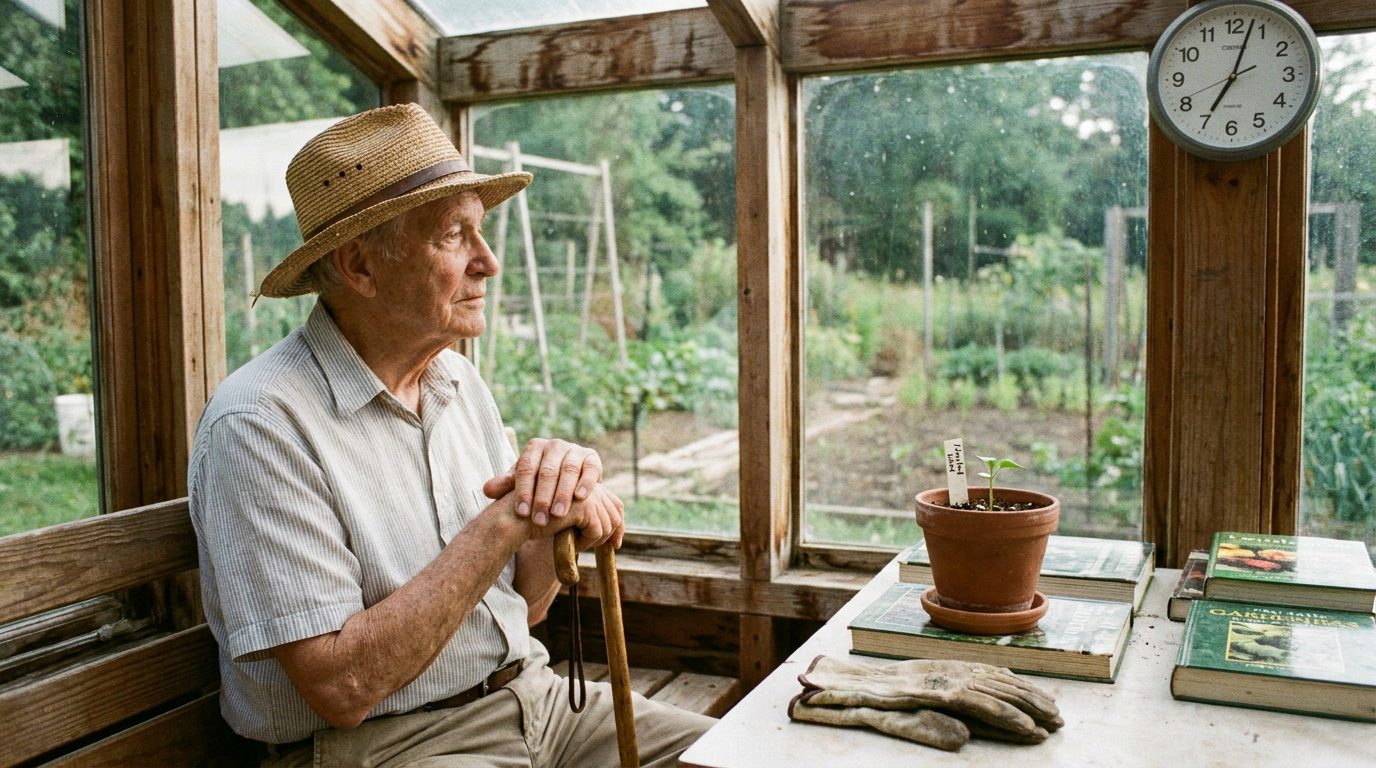
Patience as a Sacred Strength
Patience is often misunderstood as simply waiting. But true patience is much deeper than holding back frustration or tolerating delays. Patience is the gentle strength to remain steady when life does not move according to our timeline. It is the calm persistence that helps us keep loving, keep serving, keep praying, and keep growing—even when results are slow.
In Bhakti Yoga, the path of devotion, patience is not passive. It is an active expression of trust. Bhakti means “loving devotion,” especially devotion to God, whom many traditions address by different sacred names. In the Bhakti tradition, God is often lovingly called Krishna, meaning “the all-attractive one.” Yet the practice of Bhakti welcomes sincere seekers from all backgrounds. Whether you are new to spiritual life, returning after a long time, or deeply rooted in another faith tradition, patience can become a doorway to peace and spiritual growth.
Patience teaches us to live with a softer heart. It helps us respond rather than react. It allows us to see that every moment—pleasant or difficult—can become part of our journey toward God.
The Bhagavad-gita, one of the most beloved scriptures of Bhakti Yoga, describes a spiritually wise person as one who remains balanced in happiness and distress. This does not mean becoming emotionless. It means learning to stay connected to the soul, to God, and to our higher purpose, even when the mind is restless.
Patience is a daily practice. It is learned in traffic, in family life, in work pressure, in unanswered prayers, in personal healing, and in the slow unfolding of spiritual realization. With guidance, humility, and grace, patience can be cultivated by anyone.
Why Patience Matters in Everyday Life

Patience is one of the most practical virtues we can develop. It improves our relationships, our mental health, our spiritual life, and our ability to make wise decisions. Without patience, small difficulties can feel overwhelming. With patience, even great challenges become more manageable.
Patience Helps Us Respond Instead of React
Many of our regrets come from moments when we react too quickly. We speak harshly, make impulsive choices, or assume the worst. The restless mind pushes us to act immediately, especially when we feel hurt, afraid, or disappointed.
Patience creates a sacred pause.
That pause may be only a few seconds, but it can change everything. In that pause, we can breathe. We can pray. We can remember, “I am not just this emotion. I am a soul, and I can choose love.”
In Bhakti Yoga, this remembrance is very important. The Sanskrit word atma means “self” or “soul.” We are not merely the body or the changing thoughts of the mind. We are spiritual beings. When we remember this, patience becomes easier because we are no longer controlled only by the urgency of the moment.
Patience Protects Our Relationships
Relationships require patience because every person is growing at their own pace. Family members, friends, partners, children, coworkers, and spiritual companions all carry their own struggles and conditioning.
Patience does not mean allowing harmful behavior or avoiding healthy boundaries. Rather, patience allows us to hold boundaries without hatred. It helps us communicate with compassion. It gives others room to grow while also honoring our own well-being.
In devotional life, we learn to see others as beloved parts of God. This vision softens the heart. When we remember that every person is carrying unseen burdens, we become less quick to judge and more willing to listen.
Patience Supports Long-Term Growth
Anything meaningful takes time. A healthy body, a peaceful mind, a loving marriage, a stable career, a devotional practice, a transformed heart—none of these develop overnight.
Spiritual growth especially requires patience. We may begin chanting, praying, reading scripture, or serving others and expect immediate peace. Sometimes peace comes quickly. Other times, old habits and inner struggles continue to rise.
This does not mean we are failing. It means the heart is being purified.
In Bhakti, purification means becoming more aligned with love, truth, humility, and service. Just as a mirror covered with dust must be cleaned gradually, the heart becomes clearer through steady practice.
The Bhakti Yoga View of Patience
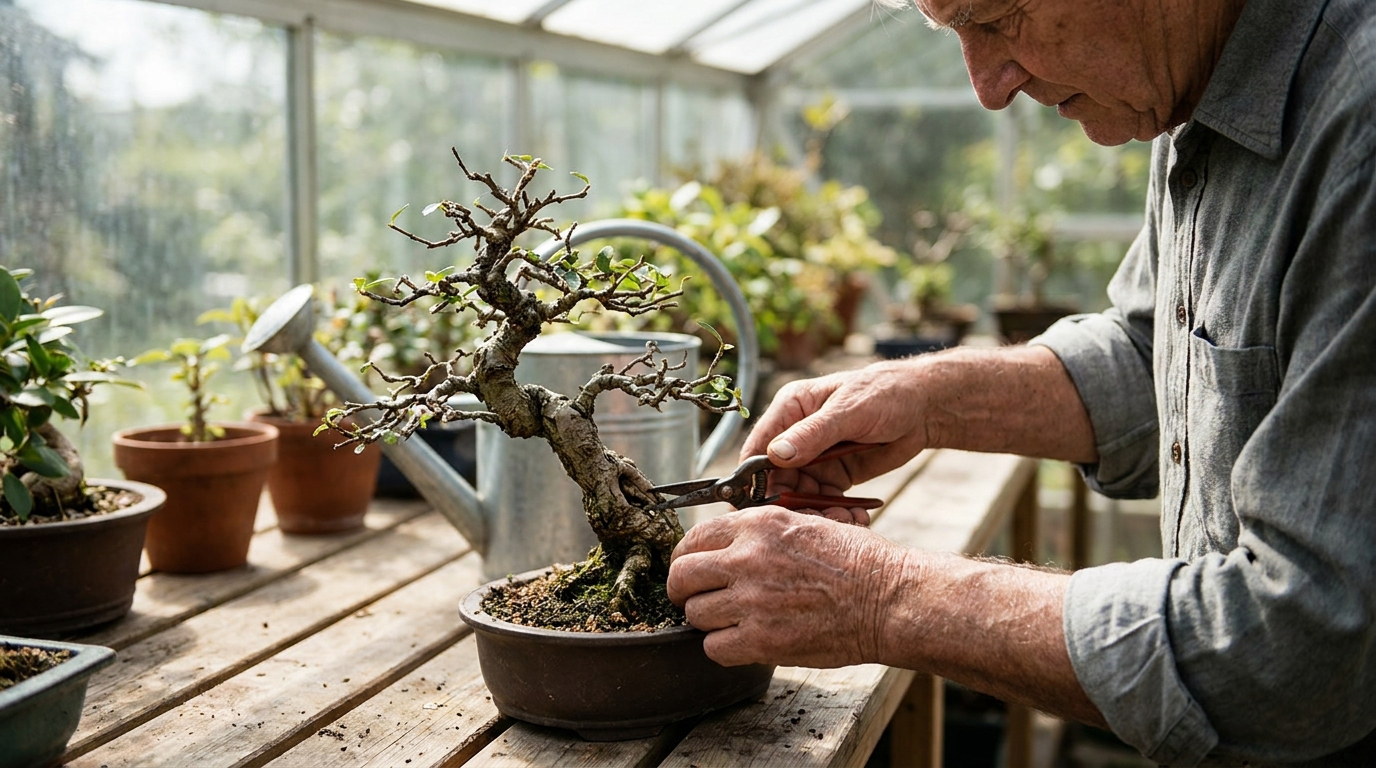
Bhakti Yoga offers a beautiful and practical understanding of patience. It teaches that patience is not just self-control. It is faith in divine timing, trust in God’s care, and perseverance in loving service.
Bhakti Yoga as a Path of Love
The word yoga means “connection” or “union.” Bhakti Yoga is the yoga of loving connection with God. It is practiced through devotion, chanting sacred names, prayer, hearing wisdom, serving others, and offering our daily life with love.
One of the central practices of Bhakti is kirtan, the joyful singing or chanting of God’s names, often with music and community. Another practice is japa, the personal meditative repetition of a sacred mantra, often counted on prayer beads.
A mantra is a sacred sound vibration that helps focus the mind and awaken the heart. One well-known mantra in the Bhakti tradition is:
Hare Krishna, Hare Krishna, Krishna Krishna, Hare Hare
Hare Rama, Hare Rama, Rama Rama, Hare Hare
“Hare” is a call to the divine energy of God, “Krishna” means the all-attractive Lord, and “Rama” means the source of spiritual joy. Chanting is not limited to a particular kind of person. Anyone can chant sincerely, in their own way, with an open heart.
Chanting helps cultivate patience because it brings the mind back to a sacred center. Instead of spinning in anxiety, the mind receives a loving sound to rest upon.
Patience and Surrender
A key teaching in Bhakti is sharanagati, which means “surrender.” Surrender can sound intimidating, but in devotion it means lovingly trusting God. It does not mean giving up responsibility. It means doing our best while accepting that we are not the ultimate controller.
This is where patience becomes deeply spiritual.
We act with sincerity, but we do not demand that life unfold exactly as we planned. We pray, we serve, we try again, and we trust that God is guiding us, even when the path is unclear.
The Bhagavad-gita teaches that we have a right to perform our duty, but not to control the fruits of our actions. This is a powerful lesson for patience. We can plant seeds, water them, protect them, and give them sunlight—but we cannot force the fruit to appear before its season.
Patience as Mercy Toward Ourselves
Many sincere seekers become impatient with themselves. We think, “Why am I still angry? Why am I still anxious? Why is my faith not stronger? Why do I keep making the same mistakes?”
Self-honesty is important, but harsh self-judgment often blocks growth. Patience with ourselves is not laziness. It is mercy.
In Bhakti, mercy is essential. We depend on grace. We try sincerely, and we allow God’s compassion to work in us over time.
A child learning to walk falls many times. A loving parent does not condemn the child for falling. The parent encourages, supports, and celebrates every small step. In the same way, we can learn to treat our own spiritual journey with gentleness and courage.
If you’re looking for insightful spiritual guidance, check out the latest articles on their website. The articles cover a wide range of topics that can help deepen your understanding of bhakti. For those interested in personal growth, these articles offer valuable perspectives and advice.
The Obstacles That Make Patience Difficult
If patience were easy, we would not need to practice it. The modern world trains us toward speed, comparison, and immediate results. Understanding the obstacles can help us work with them wisely.
The Restless Mind
In Sanskrit, the mind is often described as chanchala, meaning restless or unsteady. The mind jumps from one thought to another. It remembers the past, worries about the future, and becomes disturbed by what it cannot control.
In the Bhagavad-gita, Arjuna, the sincere student and warrior, tells Krishna that the mind is restless, turbulent, and difficult to control. Krishna agrees that controlling the mind is difficult, but He says it can be done by practice and detachment.
This is very encouraging. Even a great soul like Arjuna struggled with the mind. We are not alone. Patience grows through repeated practice, not instant perfection.
Attachment to Immediate Results
Much impatience comes from attachment. We want a certain result, and we want it now. When life delays that result, frustration rises.
Attachment does not only mean caring about something. Caring can be healthy. Attachment means our peace becomes dependent on a specific outcome. When that outcome is threatened, we feel lost.
Bhakti teaches us to offer our desires to God. We can pray honestly: “Please guide me. Please help me accept what is best. Please give me strength to serve with love.”
This kind of prayer does not erase desire, but it purifies desire. It opens the heart to divine wisdom.
Comparison With Others
Comparison is a thief of patience. We see someone else progressing faster, achieving more, healing sooner, or appearing more spiritually advanced. Then we become discouraged.
But every soul has a unique journey. What we see externally is only a small part of someone’s story.
In devotional community, we can learn to appreciate others without comparing ourselves destructively. Someone else’s progress can inspire us rather than threaten us. Their light does not diminish ours.
Patience reminds us: God knows my path. My sincere step matters.
Fear and Lack of Trust
Sometimes impatience is fear wearing a different mask. We rush because we are afraid we will be forgotten, left behind, or unsupported. We panic because we do not trust that things can unfold in a good way.
Bhakti offers a healing remedy: remembrance.
The Sanskrit word smaranam means “remembering,” especially remembering God. When we remember that we are held by divine love, fear softens. We may still face uncertainty, but we do not face it alone.
A simple prayer can help: “My Lord, please help me remember You in this moment.”
Practical Ways to Cultivate Patience
Patience becomes real when practiced in daily life. It is not only a concept to admire; it is a muscle to strengthen. The following practices are simple, accessible, and rooted in both spiritual wisdom and practical living.
Begin the Day With a Sacred Pause
Before reaching for your phone, take a few moments to breathe and remember your deeper purpose. You might place your hand on your heart and pray:
“May I move through this day with patience, kindness, and trust. May my words and actions be pleasing to God. May I serve with love.”
This small morning practice sets the tone for the day. It reminds the mind that life is not merely a race of tasks. It is an offering.
Practice Chanting for Calm
Chanting is one of the most powerful tools for patience because it engages the mind, voice, ears, and heart. You can chant softly, sing with others, or repeat a mantra quietly while walking.
If you are new to chanting, begin with five minutes a day. Do not worry about doing it perfectly. Just listen to the sacred sound and bring the mind back when it wanders.
The mind will wander. That is normal.
Each time you return to the mantra, you are practicing patience. You are training the heart to come back to God again and again.
Use Breath as a Bridge
When impatience rises, the body often becomes tense. The breath becomes shallow. Before responding to a stressful situation, try this simple practice:
Breathe in slowly for four counts.
Pause gently.
Breathe out for six counts.
Repeat three times.
As you breathe, you may silently pray, “Please guide me.” This brings spiritual awareness into an ordinary moment. Breath becomes a bridge from reaction to remembrance.
Reframe Waiting as Worship
Waiting can feel like wasted time. But in Bhakti, any moment can become sacred when offered with love.
Waiting in line can become a time to chant quietly. Waiting for an answer can become a time to pray. Waiting for healing can become a time to deepen compassion. Waiting for change can become a time to serve where you are.
This does not mean we never take action. Rather, we learn not to waste our inner life while outer circumstances unfold.
Patience transforms waiting from emptiness into worship.
Serve Someone Else
Seva means “service.” In Bhakti Yoga, service is a central practice because love naturally expresses itself through action.
When we feel impatient, turning toward service can soften self-centered anxiety. We can cook for someone, listen to a friend, help in a spiritual community, volunteer, offer encouragement, or simply do our work with a more generous spirit.
Service reminds us that life is not only about our timeline. It expands the heart.
Often, while we are helping others, God quietly helps us.
Patience in Relationships and Community
Patience becomes especially important in human relationships. Spiritual life is not practiced only in quiet meditation; it is tested and deepened in how we treat people.
Listening Before Speaking
One of the most loving forms of patience is listening. Many conflicts grow because we listen only long enough to prepare our defense. True listening requires humility.
Before responding, we can ask: “What is this person really feeling? What are they trying to say? Can I hear them without immediately correcting them?”
In Bhakti, humility is not self-hatred. It is the willingness to make room for God and others. Humility helps us become better listeners, and better listening helps relationships heal.
Allowing Others to Grow
Just as we need time to grow, others need time too. Sometimes we want people to change quickly because their behavior affects us. This is understandable. Still, real transformation is usually gradual.
Patience allows us to encourage without controlling. We can speak truth with kindness. We can set boundaries without bitterness. We can pray for others without trying to force their journey.
God is present in their life too.
Building Spiritual Community With Grace
A spiritual community is a beautiful blessing, but it is also made of human beings. People may misunderstand each other. Mistakes happen. Expectations differ.
Patience helps a community remain healthy. It allows us to forgive, clarify, apologize, and continue serving together. A loving community is not one where no one ever struggles. It is one where people keep returning to compassion, sincerity, and shared devotion.
At The Bhakti House, and in any sincere spiritual gathering, the heart of community is welcome. People come with different histories, cultures, questions, and levels of faith. Patience allows everyone to feel safe enough to grow.
Patience Through Suffering and Uncertainty
Some seasons of life are deeply painful. Patience during suffering is not easy, and it should never be spoken of lightly. When someone is grieving, ill, lonely, or afraid, they do not need spiritual slogans. They need compassion, presence, and support.
Still, patience can become a lamp in dark times.
Making Space for Honest Prayer
Bhakti does not require pretending. We can bring our real heart to God. If we are sad, we can pray from sadness. If we are confused, we can pray from confusion. If we feel weak, we can ask for strength.
Many great saints prayed with tears. Their devotion was not polished performance; it was honest relationship.
A simple prayer in suffering might be:
“Dear Lord, I do not understand this moment. Please stay with me. Please guide me. Please help me take one step in love.”
This kind of prayer is patience in its tenderest form.
Trusting That Growth Can Be Hidden
During difficult times, it may seem that nothing good is happening. But growth is often hidden beneath the surface.
A seed underground may look inactive, but it is quietly preparing to sprout. In the same way, the heart may be deepening in ways we cannot yet see.
The Srimad Bhagavatam, a treasured Bhakti scripture, repeatedly shows how sincere souls are guided through trials, not abandoned in them. The practical lesson is not that life will always be easy. It is that God’s presence can be found even in hardship, and devotion can grow even through tears.
Receiving Help With Humility
Patience does not mean carrying everything alone. Sometimes the most spiritual thing we can do is ask for help.
Help may come through friends, family, counselors, doctors, teachers, spiritual mentors, or community. Bhakti honors both divine grace and practical care. God can work through people, medicine, wise guidance, and loving support.
To receive help is not weakness. It is humility. It is allowing love to reach us.
Calm Persistence: Continuing Without Giving Up
Patience and persistence belong together. Patience without persistence can become passivity. Persistence without patience can become aggression. Calm persistence is the balanced path: steady effort with a peaceful heart.
Showing Up Daily
Spiritual life grows through regular practice. Even a small daily commitment can transform the heart over time.
You might begin with:
Five minutes of chanting.
One sincere prayer.
Reading a few verses of wisdom.
Offering your food with gratitude.
Doing one act of service.
Pausing before speaking harshly.
These small practices may seem simple, but when repeated with sincerity, they become powerful. Bhakti is not only found in dramatic experiences. It is found in faithful daily offerings.
Accepting Slow Progress
There may be days when your practice feels dry. You may chant and feel distracted. You may pray and feel distant. You may serve and still feel restless.
Keep going gently.
In devotion, sincerity matters more than performance. A distracted prayer offered honestly is still meaningful. A small act of service offered with love is still precious.
Patience tells us: do not abandon the path just because today feels imperfect.
Remembering the Goal
The goal of Bhakti Yoga is not merely stress reduction, though peace often comes. The deeper goal is prema, divine love—pure love for God and all beings.
This love is already part of the soul’s nature, but it is covered by layers of fear, ego, distraction, and forgetfulness. The practices of Bhakti help uncover that love.
Patience becomes easier when we remember the goal. We are not just trying to become calmer people. We are learning to live as loving servants of God, with hearts that are soft, courageous, and awake.
A Simple Daily Practice for Mastering Patience
To make patience practical, here is a gentle daily rhythm you can adapt to your life. You do not need to do everything perfectly. Begin where you are.
Morning Intention
When you wake, sit quietly for one or two minutes. Offer your day to God in your own words.
You might say:
“Please help me be patient today. Help me remember You. Help me serve with love.”
Then take a few slow breaths. If you know a mantra, chant softly. If not, repeat a sacred name of God that feels meaningful to you.
Midday Reset
Sometime in the middle of the day, pause. Notice your body. Notice your mind. Ask, “Where am I rushing? Where can I soften?”
Take three conscious breaths. If you are able, chant or pray for a moment.
This short reset can prevent impatience from building unnoticed.
Evening Reflection
Before sleeping, reflect without harshness.
Where did I practice patience today?
Where did I struggle?
What can I learn?
Whom do I need to forgive?
Do I need to ask forgiveness from anyone?
How did God help me today?
End with gratitude. Even if the day was difficult, find one small mercy. Gratitude nourishes patience because it helps us see that grace is already present.
The Spiritual Fruit of Patience
When patience matures, it blesses every part of life. We become less easily shaken. We become kinder in speech. We become more forgiving. We become able to serve without constantly demanding recognition. We become more trusting in prayer.
Patience does not make life free from challenges. Rather, it helps us carry challenges with dignity, devotion, and hope.
In Bhakti Yoga, patience is closely connected with faith. Faith does not mean we understand everything. It means we continue turning toward God, even when we do not understand. It means we keep chanting, praying, serving, and loving.
Over time, the heart changes.
The person who once reacted with anger may begin to pause. The person who once gave up quickly may begin to continue. The person who once felt alone may begin to sense divine companionship. The person who once rushed through life may begin to walk with God.
This is the beauty of patience. It quietly transforms us from within.
Taking One Sincere Step Today
Patience is not mastered in a single moment. It is learned through many small moments of choosing calm, choosing trust, choosing love, and choosing to begin again.
Wherever you are on your journey, you are welcome. You do not need to be perfect to practice Bhakti Yoga. You do not need to know all the Sanskrit words, have all the answers, or feel spiritually advanced. You only need a sincere heart and a willingness to take one step.
That step may be chanting a sacred name. It may be offering a prayer. It may be forgiving someone. It may be asking for help. It may be serving a meal, reading wisdom, sitting quietly, or simply saying, “God, please guide me.”
Patience grows when we walk toward God with humility and hope.
May your heart become steady. May your mind find peace. May your efforts be blessed. And may you always remember that divine love is near, patiently inviting you forward.
Everyone is welcome to take one sincere step toward God today.
FAQs
What is patience and why is it important?
Patience is the ability to remain calm and tolerant when facing difficulties or delays. It is important because it helps reduce stress, improve relationships, and increase overall well-being.
How can one develop patience?
Developing patience can be achieved through practicing mindfulness, setting realistic expectations, and learning to control emotions. It also involves taking deep breaths, practicing gratitude, and reframing negative thoughts.
What are the benefits of being patient?
Being patient can lead to better decision-making, improved mental health, stronger relationships, and increased resilience. It can also help in achieving long-term goals and reducing conflicts.
How does impatience affect one’s life?
Impatience can lead to increased stress, strained relationships, poor decision-making, and a negative impact on mental and physical health. It can also hinder personal growth and success in various aspects of life.
Can patience be learned and improved over time?
Yes, patience is a skill that can be learned and improved with practice. By consciously working on developing patience through various techniques and strategies, individuals can enhance their ability to remain calm and composed in challenging situations.

