

Neck beads are a sacred and meaningful part of the Bhakti Yoga tradition. In many devotional communities, especially those connected with Krishna devotion, these beads are often made from the wood of the Tulasi plant and are worn around the neck as a sign of spiritual intention, protection, humility, and love for God.
In Sanskrit, they are often called kanthi mala.
Kanthi means “neck,” and mala means “garland” or “string of beads.” So, a kanthi mala simply means “a garland worn around the neck.”
For many practitioners, neck beads are not just jewelry. They are a gentle reminder: “I belong to God. I am trying to live with love, devotion, and purpose.”
At The Bhakti House, we like to welcome everyone into these sacred practices with warmth and simplicity. Whether you are new to Bhakti Yoga, returning after time away, or simply curious, neck beads can be understood as part of a living path of love—a path that includes chanting, prayer, service, study, community, and spiritual growth.
The Spiritual Meaning of Neck Beads
A Sign of Devotion
In Bhakti Yoga, the word bhakti means loving devotion. It is the path of offering our heart to the Divine through loving practices.
Neck beads are often worn as a visible expression of that inner offering. They say, quietly and humbly, “I am trying to remember God.”
This does not mean the person wearing them is perfect. In fact, Bhakti is not about pretending to be spiritually advanced. It is about becoming honest, humble, and sincere. Neck beads remind us that our life is meant for growth, service, and awakening love.
A Reminder of Our True Identity
Many spiritual traditions teach that we are more than the body, mind, job title, social role, or personal history. In the Bhagavad-gita, one of the most beloved scriptures of Bhakti Yoga, Krishna explains that the soul is eternal, spiritual, and never destroyed.
Wearing neck beads can help us remember this truth throughout the day. When we touch them, see them in the mirror, or feel them around the neck, we may pause and remember:
“I am a soul. I am loved by God. I am meant to love and serve.”
This simple remembrance can soften the heart and bring peace into ordinary moments.
A Symbol of Surrender
In Bhakti, surrender does not mean giving up in a defeated way. It means opening our heart to divine guidance. It means allowing God to be at the center of our life.
Neck beads can represent a sincere prayer:
“Dear Lord, please guide me. Please help me live in a way that pleases You. Please help me grow in love.”
This kind of surrender is not forced. It grows naturally through chanting, prayer, good association, and small daily choices.
Tulasi Neck Beads: Why Tulasi Is Sacred
Who Is Tulasi?
Most traditional Bhakti neck beads are made from Tulasi wood. Tulasi, also known as holy basil, is a sacred plant deeply loved in the Vaishnava tradition, the devotional tradition centered on Vishnu or Krishna.
In Bhakti scriptures, Tulasi is honored as a great devotee of the Lord. She is not seen as an ordinary plant. Devotees worship and care for Tulasi with respect, seeing her as very dear to Krishna.
For someone new to this tradition, this may sound unusual at first. But the heart of the practice is simple: we learn to see sacredness in life. We learn to relate to the natural world with reverence, gratitude, and care.
Tulasi in Bhakti Scriptures
The scriptures of Bhakti Yoga praise Tulasi’s connection with devotion. The Padma Purana, a traditional Vaishnava text, glorifies Tulasi as especially dear to Lord Krishna. Devotees offer Tulasi leaves to Krishna with love, and Tulasi beads are worn as a reminder of devotional commitment.
The purpose is not superstition. The deeper meaning is relationship. Tulasi helps the devotee remember Krishna and remain connected to the path of love.
Why Tulasi Beads Are Worn Around the Neck
Tulasi neck beads are traditionally worn near the throat and heart. The throat is connected with speech, prayer, and chanting. The heart is connected with love, intention, and surrender.
Wearing Tulasi beads can remind us to use our voice for truth, kindness, and sacred sound. It can also remind us to protect the heart from envy, anger, greed, and forgetfulness.
Of course, wearing beads alone does not make someone spiritual. The beads are most meaningful when paired with sincere practice.
Please visit our website for more information on our articles: articles.
Neck Beads and the Practice of Chanting

The Power of Sacred Sound
One of the central practices of Bhakti Yoga is kirtan, or devotional chanting. Kirtan means singing or chanting the names of God, often together in community.
Another important practice is japa, which means quietly repeating a mantra, often on prayer beads. A mantra is a sacred sound vibration that helps focus the mind and awaken the heart.
The most widely known mantra in the Krishna Bhakti tradition is the maha-mantra:
Hare Krishna Hare Krishna
Krishna Krishna Hare Hare
Hare Rama Hare Rama
Rama Rama Hare Hare
Maha means “great,” so maha-mantra means “the great mantra.”
This mantra is a prayer asking to be engaged in divine love and service.
Neck Beads and Japa Beads Are Different
It is helpful to understand the difference between neck beads and japa beads.
Neck beads, or kanthi mala, are worn around the neck. They are usually shorter and made for wearing throughout the day.
Japa beads are used for chanting and meditation. They usually have 108 beads, plus one larger bead called the Krishna bead or guru bead. Practitioners chant one mantra on each bead.
Both types of beads support remembrance, but they serve different purposes.
Remembering God Through the Day
Neck beads help bring the mood of chanting into daily life. You may chant in the morning, but then go to work, school, errands, family duties, or creative projects. The beads quietly travel with you.
They can remind you to pause before reacting.
They can remind you to speak gently.
They can remind you to offer your work.
They can remind you to chant even one sincere mantra.
Bhakti is practical. It is not only for temples, retreats, or meditation cushions. It is for kitchens, offices, buses, hospital rooms, classrooms, and busy homes.
How to Wear Neck Beads Respectfully
Begin With Sincerity
If you are considering wearing neck beads, the most important thing is sincerity. You do not need to know everything. You do not need to be perfect. You do not need to come from a particular background.
A humble beginning is very beautiful.
You might pray:
“Dear Lord, I do not know much, but I want to come closer to You. Please help me live with devotion.”
That sincerity is the real ornament.
Receiving Neck Beads
In many Bhakti traditions, neck beads are received from a teacher, mentor, or devotee community. Sometimes they are offered after a person has begun chanting regularly or has made a commitment to spiritual practice.
In some communities, wearing one strand of Tulasi beads may be a personal devotional step. Wearing multiple strands may be associated with deeper vows or formal initiation. Customs vary, so it is good to ask trusted practitioners in your tradition or community.
At The Bhakti House, we encourage gentle learning. If you are unsure, simply ask. Devotional life grows best in the company of kind and experienced devotees.
Wearing Them Cleanly and Carefully
Tulasi beads are sacred, so they should be treated with respect. Many practitioners try to keep them clean and avoid placing them in unclean places.
Here are some simple guidelines:
- Wear them with gratitude and care.
- Avoid treating them as fashion accessories only.
- Do not place them on the floor.
- If you remove them, keep them in a clean and respectful place.
- Be mindful while bathing, swimming, or exercising, depending on the type and durability of the beads.
- If they break, do not throw them away casually. Ask a devotee how to respectfully handle them.
These practices are not meant to create fear. They are meant to cultivate reverence.
Can Anyone Wear Neck Beads?
People from many backgrounds feel drawn to Bhakti practices. Some are lifelong devotees. Some come from Christian, Muslim, Jewish, Buddhist, Hindu, Indigenous, secular, or spiritual-but-not-religious backgrounds. Some are just beginning to explore.
Everyone is welcome to learn.
If someone wears Tulasi neck beads, it is best to do so with respect for their sacred meaning. They are not simply cultural decoration. They represent devotion, humility, and a desire to remember God.
If you are not ready to wear them, that is also completely okay. You can begin with chanting, reading, prayer, service, or simply spending time with devotees.
The Different Types of Neck Beads
Tulasi Neck Beads
Tulasi beads are the most traditional and spiritually significant neck beads in Krishna Bhakti. They are made from the wood of the sacred Tulasi plant.
They may come in different sizes, shapes, and colors depending on the wood and craftsmanship. Some are very small and simple. Others are larger and more visible.
The beauty of Tulasi beads is not in luxury, but in devotion.
One-Strand, Two-Strand, and Three-Strand Beads
You may see devotees wearing one, two, or three strands of neck beads.
In some traditions, one strand may indicate a beginning devotional connection. Multiple strands may be connected with deeper commitment, initiation, or established practice. However, meanings can vary depending on the community.
The safest and most respectful approach is to ask:
“What is the meaning of these beads in this tradition?”
Bhakti is learned through relationship, not only through information.
Decorative or Symbolic Neck Beads
Some people wear other spiritual beads or necklaces that remind them of God, prayer, or sacred values. These may not have the same traditional meaning as Tulasi kanthi mala, but they can still support remembrance if worn with sincere intention.
However, if someone wants to specifically follow the Vaishnava Bhakti tradition, Tulasi beads are especially honored.
Common Questions About Neck Beads
Do Neck Beads Make Someone a Devotee?
Not by themselves.
A devotee is someone who is trying to love and serve God. Neck beads can support that intention, but the real practice is in the heart.
A person may wear beads and still be learning, struggling, growing, and making mistakes. That is normal. Bhakti is a path of transformation.
The beads are like a reminder of where we are trying to go.
Do I Need to Be Initiated to Wear Neck Beads?
This depends on the tradition and community.
In many Krishna Bhakti communities, people may wear Tulasi beads before formal initiation as a sign of devotion and spiritual aspiration. In other settings, certain types or numbers of strands may be reserved for those who have taken vows.
If you are connected with a teacher or temple, ask for guidance. If you are new, approach with humility. Most devotees will be happy to help.
Can I Wear Neck Beads If I Am Still Learning?
Yes, in many cases, sincere beginners may wear neck beads as part of their spiritual journey. But it is important to understand and respect what they represent.
Wearing neck beads can be a commitment to grow. It may inspire you to chant more regularly, avoid harmful habits, speak truthfully, and live with more compassion.
If you feel uncertain, you can begin by keeping Tulasi beads on your altar or sacred space, chanting daily, and learning more before wearing them.
What If I Make Mistakes While Wearing Them?
Everyone makes mistakes. The path of Bhakti is not about shame; it is about returning.
If you act in a way that does not reflect your spiritual values, do not become discouraged. Pause, pray, ask forgiveness if needed, and begin again.
The Bhagavad-gita teaches that even if a person struggles, if they sincerely continue on the path of devotion, they are moving in a sacred direction. Krishna looks at the heart.
Should I Remove Them at Certain Times?
Practices vary.
Some devotees wear Tulasi neck beads all the time. Others remove them during certain activities to protect them from damage. If you remove them, keep them respectfully in a clean place.
If you are unsure, ask a trusted devotee or spiritual mentor. The guiding principle is respect, not anxiety.
Neck Beads as a Daily Spiritual Practice
Touch and Remember
One simple practice is to gently touch your neck beads during the day and remember God.
You might silently say:
“Krishna, please help me.”
“Lord, let me serve with love.”
“Please guide my words.”
“May I remember You.”
This turns the beads into a doorway for prayer.
Pair Them With Morning Chanting
If you wear neck beads, consider pairing them with a daily chanting practice. Even five or ten minutes of mantra meditation can change the quality of your day.
You do not have to begin with a huge vow. Start with what is sustainable.
You might chant the maha-mantra softly in the morning. You might listen to kirtan while cooking. You might chant one round on japa beads. You might sing with others once a week.
Small sincere practices become powerful over time.
Let Them Inspire Your Speech
Because neck beads rest near the throat, they can remind us to use speech in a sacred way.
Before speaking, we can ask:
Is it true?
Is it kind?
Is it helpful?
Is it pleasing to God?
Bhakti is not only about chanting holy names. It is also about reducing gossip, harshness, criticism, and careless words. The same tongue that chants can also bless others through encouragement, honesty, and compassion.
Let Them Inspire Service
In Bhakti, seva means service. Seva is love in action.
Neck beads can remind us that our hands, words, talents, and time can be offered in service. This might mean helping at a temple, cooking prasadam, supporting a spiritual gathering, caring for family, serving the poor, encouraging a friend, or doing our work with integrity.
Prasadam means “mercy” or “grace.” In Bhakti communities, it often refers to vegetarian food offered to God with love and then shared with others.
When service is done with devotion, ordinary life becomes sacred.
Neck Beads, Humility, and Inner Transformation
Not a Badge of Superiority
It is important to remember that neck beads should never become a symbol of pride.
They are not meant to say, “I am better than others.”
They are meant to say, “I am trying to become a servant.”
This is the heart of Bhakti.
The great saints of the Bhakti tradition often prayed for humility. Sri Chaitanya Mahaprabhu, a beloved teacher who spread the chanting of Krishna’s names, taught that one should chant with humility, tolerance, and respect for others.
One famous verse says that we can chant the holy names constantly when we become humbler than a blade of grass, more tolerant than a tree, free from the desire for personal honor, and ready to offer respect to all.
This teaching is not easy, but it is deeply practical. Neck beads can remind us to keep returning to that mood.
A Gentle Accountability
Sometimes wearing neck beads helps us make better choices. Before reacting angrily, we may remember what we represent. Before speaking harshly, we may pause. Before entering a situation that weakens our spiritual life, we may reconsider.
This is not about fear of being judged. It is about loving accountability.
The beads ask us gently:
“Is this bringing you closer to love?”
“Is this helping you remember God?”
“Is this who you truly want to become?”
Growth Takes Time
Spiritual transformation is gradual. A seed does not become a tree overnight.
In the Bhagavad-gita, Krishna encourages steady practice. Even a little progress on the spiritual path can protect us from great fear. This is a comforting message. Every sincere mantra, every prayer, every act of service matters.
Neck beads are part of that steady journey.
Caring for Your Neck Beads
Physical Care
Tulasi beads are natural and may become fragile over time. To care for them:
- Keep them dry when possible.
- Avoid pulling or stretching the string.
- Store them respectfully if removed.
- Keep them away from harsh chemicals.
- Check the string occasionally for wear.
If the beads are very new, some devotees avoid getting them wet until they are more settled. Practices vary, so follow guidance from your community.
Spiritual Care
Spiritual care means remembering their purpose.
You can honor your beads by:
- Chanting regularly.
- Offering prayers.
- Avoiding disrespectful handling.
- Living with increasing kindness.
- Associating with sincere seekers and devotees.
- Studying sacred wisdom.
- Serving others.
The best care for sacred beads is a sincere heart.
If Your Beads Break
If your neck beads break, do not panic. This can happen naturally.
Gather the beads carefully. You may restring them if possible. If they cannot be repaired, ask a devotee or temple how to respectfully return them to nature, such as placing them near a Tulasi plant or in a clean sacred place, depending on local guidance.
The important thing is gratitude and respect.
Neck Beads in Community Life
A Shared Sign of Devotional Culture
When you enter a Bhakti community, you may notice many people wearing Tulasi neck beads. This creates a sense of shared spiritual culture.
But every person has a unique journey. Some may have worn beads for decades. Some may have put them on yesterday. Some may not wear them at all but still have deep devotion.
We should be careful not to judge spiritual depth by external signs alone. The heart is known fully by God.
Asking Questions With Respect
If you are curious, it is okay to ask someone about their beads. Most devotees are happy to share.
You might ask:
“What do your neck beads mean?”
“Are they made of Tulasi?”
“How did you decide to wear them?”
“What should I know before wearing them?”
Asking with respect opens the door to meaningful conversation.
Children and Neck Beads
In some devotional families, children wear Tulasi beads from a young age. This can help them grow up with a sense of spiritual belonging and protection.
At the same time, children should be taught gently. The goal is not pressure, but love. They can learn that the beads remind us to chant, be kind, honor prasadam, and remember Krishna.
Bhakti grows beautifully when it is nourished with joy.
Neck Beads and the Heart of Bhakti Yoga
Love Is the Essence
All the practices of Bhakti Yoga point toward one goal: awakening love for God.
Neck beads, chanting, scripture, prayer, worship, service, sacred food, and community are not separate from that goal. They are ways of turning the heart toward the Divine again and again.
The Srimad Bhagavatam, one of the central texts of Bhakti, teaches that the highest spiritual path is the one that awakens loving service to the Supreme Lord without selfish motive and without interruption. This love brings deep satisfaction to the soul.
That is the essence.
External Practice and Inner Devotion
External practices matter because they shape our consciousness. What we wear, hear, eat, speak, and do affects the heart.
But external practice should always support inner devotion. If we wear neck beads but forget compassion, we have missed the point. If we chant but refuse humility, we still have growing to do.
The beauty of Bhakti is that we can always return. God is patient. The holy names are merciful. The path is open.
A Personal Prayer
If you wear neck beads, or if you are considering wearing them, you may like to offer a simple prayer:
“Dear Krishna, dear Lord, please let these beads remind me of You. Please help me chant with sincerity, serve with humility, and treat all beings with kindness. Please guide me closer to love.”
This prayer is enough to begin.
Practical Steps Before Wearing Neck Beads
Learn Their Meaning
Before wearing Tulasi neck beads, take some time to learn. Read, ask questions, attend kirtan, visit a temple or Bhakti gathering, and speak with devotees.
Understanding brings depth. When you know what the beads mean, wearing them becomes more meaningful.
Begin a Simple Daily Practice
You may choose one or more of these:
- Chant the maha-mantra daily.
- Offer a short morning prayer.
- Read a verse from the Bhagavad-gita.
- Listen to kirtan.
- Offer your food with gratitude.
- Do one act of service each day.
- Spend time with spiritually minded people.
These practices prepare the heart.
Seek Guidance
Bhakti is personal, and it is also relational. We grow through good association, called sadhu-sanga in Sanskrit. Sadhu means a saintly or sincere spiritual person, and sanga means association.
Good company helps us stay inspired, grounded, and protected from misunderstanding.
If you feel drawn to neck beads, ask someone you trust in the Bhakti tradition. A sincere question is a wonderful beginning.
Everyone Is Welcome on the Path of Love
Neck beads are a beautiful part of Bhakti Yoga, but they are not the whole path. They are a reminder of something deeper: the soul’s eternal relationship with God.
Whether you wear Tulasi beads now, hope to wear them someday, or simply want to learn, you are welcome. Bhakti is not limited by background, nationality, age, language, education, or past mistakes. The door of devotion opens through sincerity.
You can begin today with one small step.
Chant one mantra.
Offer one prayer.
Read one sacred verse.
Serve one person with love.
Sit quietly and ask God for guidance.
Come to kirtan and let the holy names touch your heart.
At The Bhakti House, we believe spiritual life is a journey of love, not pressure. Come as you are. Ask honest questions. Grow at your own pace. Let the practices of chanting, prayer, service, and sacred community nourish your heart.
Everyone is welcome to take one sincere step toward God.
FAQs
What are neck beads?
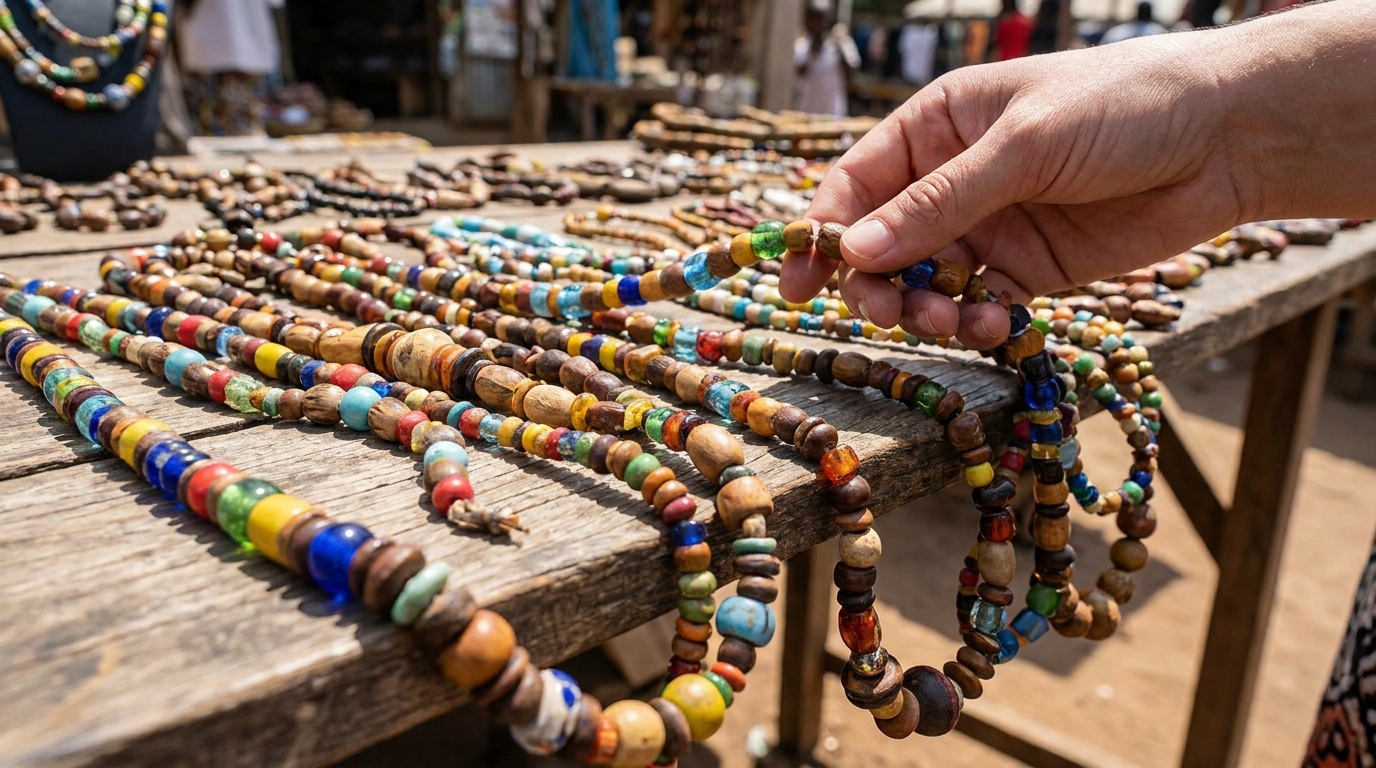
Neck beads are decorative beads that are worn around the neck as a form of jewelry or adornment. They come in various materials such as glass, wood, metal, and gemstones, and are often strung together to create a necklace.
What is the cultural significance of neck beads?
Neck beads hold cultural significance in many societies around the world. They are often used as a symbol of status, wealth, or spirituality. In some cultures, specific colors or types of beads may have specific meanings or be used in traditional ceremonies.
How are neck beads worn?
Neck beads are typically worn around the neck, but they can also be worn as bracelets or anklets. They can be worn as a single strand or layered with other necklaces for a more dramatic look. Some neck beads are designed to be adjustable in length, while others are meant to be worn at a fixed length.
How do you care for neck beads?
To care for neck beads, it is important to keep them away from harsh chemicals, perfumes, and lotions that can damage the beads or cause them to lose their luster. It is also advisable to store them in a jewelry box or pouch to prevent tangling or scratching.
Where can I buy neck beads?
Neck beads can be purchased from jewelry stores, artisan markets, online retailers, and specialty bead shops. They are available in a wide range of styles, colors, and materials to suit individual preferences and fashion trends.

