
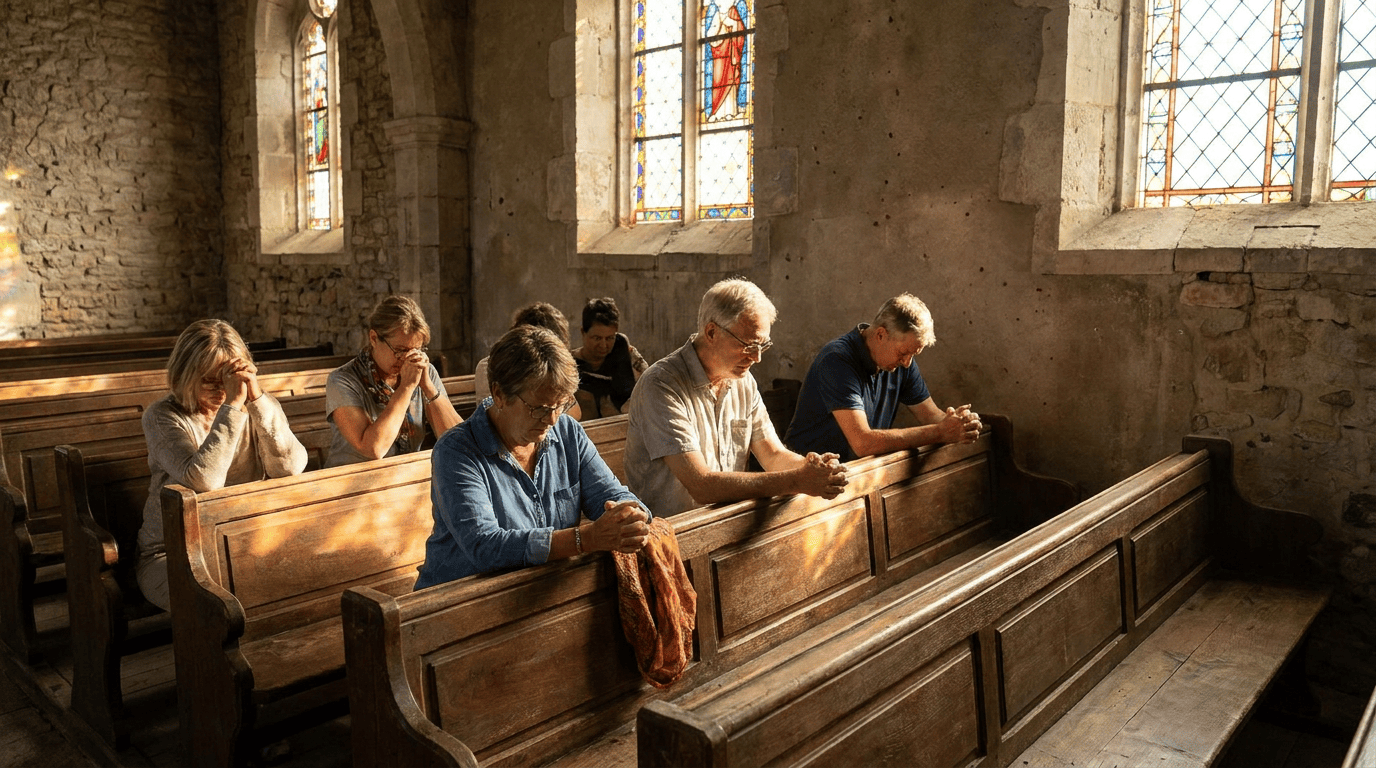
Morning is a sacred doorway.
Before the phone rings, before work begins, before the mind becomes busy with responsibilities, there is a quiet space where the heart can turn toward God. In the Bhakti tradition, this early part of the day is cherished as a powerful time for prayer, chanting, meditation, and spiritual intention.
Bhakti Yoga means “the path of loving devotion.” The Sanskrit word bhakti means love, devotion, or loving service offered to the Divine. This path is not limited by background, culture, nationality, age, or spiritual experience. It is a practical way to awaken the heart through prayer, sacred sound, service, gratitude, and remembrance of God.
Morning prayers help us begin the day not from anxiety, but from connection. Not from hurry, but from purpose. Not from ego, but from humility.
In the Bhagavad Gita, one of the most beloved scriptures of Bhakti Yoga, Lord Krishna says:
“Whatever you do, whatever you eat, whatever you offer or give away, and whatever austerities you perform—do that as an offering to Me.”
— Bhagavad Gita 9.27
This teaching is simple and profound. Our whole life can become prayer. The morning is where we begin practicing that offering.
Whether you are new to prayer, returning after a long time, or seeking a deeper daily practice, this guide is here to support you with warmth and simplicity.
What Is Morning Prayer?
Morning prayer is the practice of turning the mind and heart toward God at the beginning of the day. It may include spoken words, silent gratitude, chanting mantras, reading scripture, meditation, singing, or simply sitting quietly with sincerity.
Prayer does not have to be complicated. It does not require perfect language. It does not depend on being spiritually advanced. A sincere prayer from the heart is powerful.
In Bhakti Yoga, prayer is a relationship. We are not just performing a ritual; we are speaking to the Divine Person, listening inwardly, and offering ourselves with love.
Prayer as Loving Connection
Many people think prayer means asking for things. That can be part of prayer, and it is natural to bring our needs to God. But in Bhakti, prayer becomes something deeper.
Prayer is also:
- Thanking God for life
- Asking for guidance
- Offering the day’s work
- Seeking forgiveness
- Remembering our spiritual identity
- Praying for others
- Surrendering worries
- Awakening love
The Sanskrit word sadhana means spiritual practice. Morning prayer is a form of daily sadhana. It helps us gently train the mind to remember what matters most.
Prayer Beyond Religion
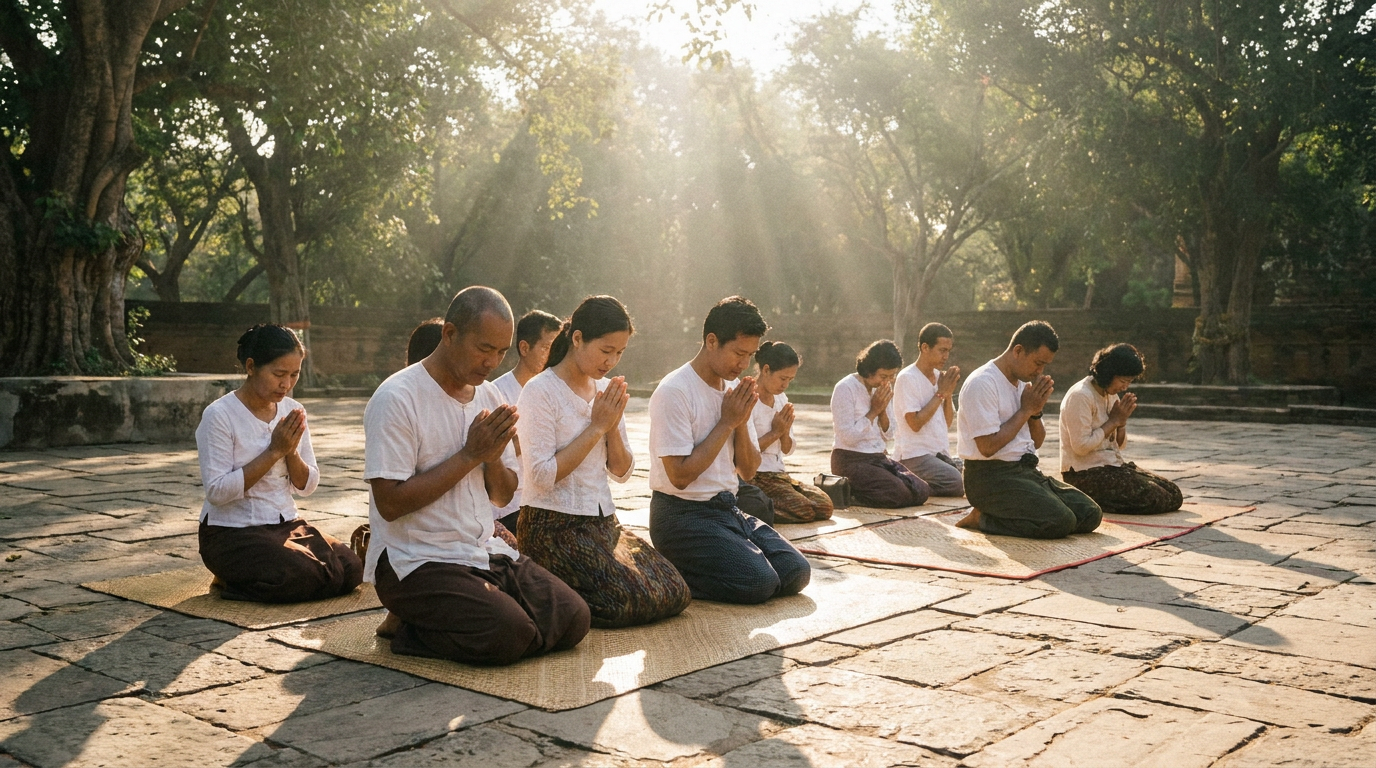
At The Bhakti House, everyone is welcome. You may come from a Hindu background, a Christian background, a Muslim background, a Jewish background, a Buddhist background, another path, or no formal tradition at all.
Bhakti Yoga honors sincere devotion wherever it appears. The essence is simple: to turn toward God with love.
You may call the Divine Krishna, Rama, Radha, Govinda, Allah, Yahweh, Christ, Mother, Source, Beloved, or simply God. The names may vary, but the longing of the heart is sacred.
The Power of Beginning Again
Every morning is a fresh opportunity.
Yesterday may have been difficult. We may have forgotten our values. We may have spoken harshly or felt disconnected. Morning prayer gives us a chance to begin again with humility.
In Bhakti, we do not approach God by pretending to be perfect. We approach by being honest.
A simple morning prayer could be:
“Dear Lord, I am here. Please guide me today. Help me remember You. Help me serve with love.”
That is enough to begin.
The Best Time for Morning Prayers
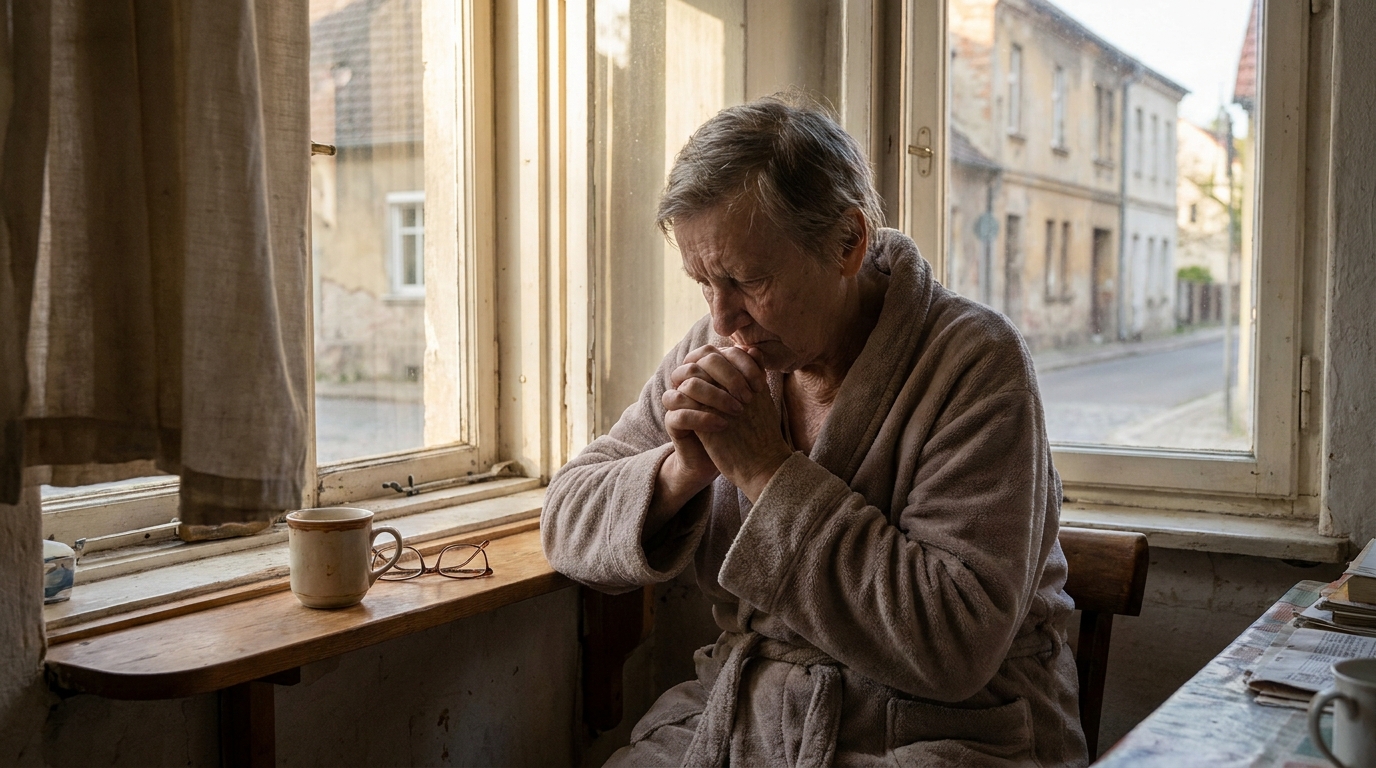
In many spiritual traditions, early morning is considered especially sacred. In Bhakti Yoga, the time before sunrise is often praised as ideal for chanting, meditation, and prayer.
This time is sometimes called brahma-muhurta. Brahma refers to spiritual reality, and muhurta means a period of time. Traditionally, brahma-muhurta begins approximately 1 hour and 36 minutes before sunrise.
But please do not feel discouraged if you cannot wake that early. The heart of prayer is sincerity, not perfection.
Brahma-Muhurta: The Quiet Spiritual Hour
During brahma-muhurta, the world is quieter. The mind is often less distracted. The atmosphere can feel peaceful and clear. Many practitioners find that chanting, reading scripture, and praying during this time deeply nourishes the soul.
The Srimad Bhagavatam, a central scripture in the Bhakti tradition, describes the power of hearing and chanting about God. It teaches that sacred sound cleanses the heart and awakens devotion.
A practical way to understand this is: what we hear first in the morning shapes our consciousness. If we begin with noise, news, and stress, the mind follows that direction. If we begin with sacred sound, gratitude, and remembrance, the heart becomes steadier.
If You Are Not a Morning Person
Some people wake up easily. Others struggle. If early mornings are difficult, begin gently.
You might start with:
- 3 minutes of prayer before getting out of bed
- One mantra while making tea
- A short gratitude list
- One verse from scripture
- A whispered prayer during your commute
- A devotional song while getting ready
Bhakti is not a path of harsh self-judgment. It is a path of loving consistency.
If you can pray at 5:00 a.m., wonderful. If you pray at 8:00 a.m., also wonderful. If your morning prayer happens while holding a child, washing dishes, or riding the bus, God can hear you there too.
Consistency Over Length
A short prayer every day is often more transformative than a long prayer once in a while.
Start with what is realistic. Five sincere minutes can open the heart. Over time, those five minutes may become fifteen, thirty, or more. Let devotion grow naturally, like a seed watered each day.
Check out our latest articles at https://thebhaktihouse.org/blog.
How to Create a Sacred Morning Prayer Space
A prayer space helps remind the mind: “This is where I pause. This is where I remember. This is where I offer.”
Your sacred space does not need to be large or expensive. It can be a small table, a shelf, a corner of your room, or even a simple cloth with a candle and a scripture.
What matters is that it invites your heart toward prayer.
Choosing a Simple Altar
In Bhakti Yoga, many people keep an altar with sacred images of Krishna, Radha, Rama, Vishnu, saints, teachers, or other forms of the Divine. The word murti means a sacred form through which we can focus our devotion. A picture or image can help the heart relate personally with God.
Your altar might include:
- A picture of Krishna or Radha-Krishna
- A candle or lamp
- Flowers
- Incense
- A scripture such as the Bhagavad Gita
- Prayer beads, called japa mala
- A small bowl of water
- A journal
- A meaningful symbol from your tradition
If you are not comfortable with images, you can keep your space very simple: a candle, a flower, and a book of prayers.
Keeping the Space Clean
Cleanliness supports clarity.
Before morning prayer, you might tidy the altar, light a candle, offer fresh water, or place a flower. These actions are simple, but they prepare the mind and heart.
In Bhakti, service is prayer. Even wiping the altar can be an offering of love.
You might quietly say:
“May this space be used for remembrance, healing, and devotion.”
Creating a Peaceful Atmosphere
Consider reducing distractions before prayer.
You may wish to:
- Keep your phone outside the prayer space
- Use soft lighting
- Play gentle kirtan, or devotional music
- Sit on a cushion or chair
- Keep a shawl nearby
- Use a journal for reflections
- Let family members know this is your quiet time
If your home is busy, do not worry. Bhakti can be practiced in real life. Children, roommates, pets, and responsibilities may be present. Offer the situation as it is.
God is not waiting for perfect silence. God is waiting for our sincere heart.
A Complete Morning Prayer Routine
A complete morning prayer practice can include several elements: waking with gratitude, cleansing the body, sitting in stillness, chanting, reading scripture, personal prayer, and offering the day.
You can adapt this routine to fit your life. The goal is not to create pressure, but to create a loving rhythm.
Step 1: Wake With Gratitude
Before looking at your phone, take one breath and remember that life is a gift.
You might place your hand on your heart and say:
“Thank You for this day. Please help me use it well.”
Gratitude softens the mind. It shifts us from complaint to appreciation. In Bhakti, gratitude is a doorway to devotion because it helps us recognize that we are always receiving grace.
Even if you are facing hardship, you can begin with one small gratitude:
- “Thank You for breath.”
- “Thank You for another chance.”
- “Thank You for the people who love me.”
- “Thank You for guiding me even when I do not see the way.”
Step 2: Cleanse and Prepare
Many practitioners bathe or wash the face before prayer. This helps us feel fresh and alert. It also symbolizes inner cleansing.
You may brush your teeth, wash your hands, put on clean clothes, and sit in your prayer space.
If you are short on time, simply wash your hands and face with intention:
“May my thoughts, words, and actions become purified today.”
Step 3: Light a Candle or Lamp
Lighting a candle is a beautiful way to begin. Light represents divine wisdom, love, and presence.
As you light it, you can pray:
“May the light of devotion awaken in my heart. May I be guided from confusion to clarity, from fear to faith, from selfishness to love.”
In many Bhakti homes and temples, a lamp is offered to the Lord as part of arati, a devotional ceremony of offering light, incense, water, flowers, and song. At home, even one small candle can carry the same intention.
Step 4: Offer a Simple Bow
Bowing is a gesture of humility. It reminds us that we are not the center of the universe. We are beloved servants of the Divine.
You may bow physically, fold your hands, or simply bow inwardly.
The Sanskrit word pranam means offering respect. You can offer pranam to God, to your teachers, to saints, to the sacred scriptures, and to all living beings.
A simple prayer:
“I offer my respect to the Divine within all. Please help me walk today with humility.”
Step 5: Chant a Mantra
Mantra meditation is central to Bhakti Yoga. The word mantra comes from Sanskrit roots meaning “that which frees the mind.” A mantra is sacred sound that helps the heart remember God.
The most widely known mantra in the Krishna Bhakti tradition is the Maha Mantra. Maha means great.
Hare Krishna Hare Krishna
Krishna Krishna Hare Hare
Hare Rama Hare Rama
Rama Rama Hare Hare
A simple meaning is: “O Divine Energy of the Lord, O all-attractive Lord, O source of joy, please engage me in loving service.”
You can chant aloud, softly, or in the mind. You can sing it, repeat it on beads, or listen and follow along.
Step 6: Practice Japa Meditation
Japa means the personal repetition of a mantra, often using prayer beads called a japa mala. A traditional mala has 108 beads. You move from bead to bead, chanting the mantra once on each bead.
This practice is simple but very deep. The mind may wander, and that is normal. Each time you notice, gently return to the sound.
Do not chant to impress anyone. Chant as a child calling to the Divine Mother and Father. Chant as a soul seeking shelter. Chant with whatever sincerity you have today.
If 108 beads feels like too much, begin with 9, 11, or 27 repetitions. The most important thing is to begin.
Step 7: Read a Short Scripture Passage
Morning is a wonderful time to hear wisdom.
You might read one verse from the Bhagavad Gita, Srimad Bhagavatam, Sri Isopanishad, or a devotional poem by saints such as Mirabai, Tulsidas, Narottama Dasa Thakura, or the Alvars.
The goal is not only study, but transformation. After reading, ask:
- What is God showing me?
- How can I practice this today?
- What quality can I cultivate?
- How can I serve others with more love?
For example, in the Bhagavad Gita 18.66, Krishna says:
“Abandon all varieties of separate duty and simply surrender unto Me. I shall deliver you from all sinful reactions. Do not fear.”
A practical reflection might be: “Today, I will try to surrender one worry to God and act with trust.”
Step 8: Speak Personal Prayers
After chanting and reading, speak honestly.
You can pray for your family, your health, your work, your community, your struggles, and your spiritual growth. You can pray for people you love and people you find difficult. You can pray for the world.
Personal prayer may include:
“Please guide me.”
“Please help me forgive.”
“Please protect my family.”
“Please teach me to serve.”
“Please help me remember You in all circumstances.”
“Please let my words bring peace today.”
Bhakti prayer is personal. God is not distant. Krishna is described as bhava-grahi janardana—the Lord who accepts the feeling of the heart. Even if our words are imperfect, the sincere feeling is received.
Step 9: Offer the Day
Before ending, consciously offer your day to God.
You might say:
“Whatever I do today—my work, my conversations, my meals, my challenges, my rest—I offer to You. Please help me act with love, courage, patience, and truth.”
This turns ordinary life into spiritual practice.
Bhakti Yoga is not only what happens on a meditation cushion. It is how we cook, speak, listen, drive, parent, study, work, apologize, encourage, and care.
Morning Prayers You Can Use
Sometimes we do not know what to say. That is okay. The following prayers can be used as they are or adapted in your own words.
A Short Morning Prayer for Beginners
Dear God, thank You for this new day.
Please guide my thoughts, words, and actions. Help me remember what is truly important. Help me be kind, patient, honest, and useful. May I see Your presence in others. May I serve with love.
I offer this day to You.
A Bhakti Morning Prayer to Krishna
Dear Krishna, all-attractive Lord, source of love and joy,
Please let me remember You today. Please soften my heart and free me from selfishness, pride, anger, and fear. Let my mind become peaceful through Your holy names.
May my work become service. May my words become blessings. May my relationships become opportunities to love You and serve Your children.
Please keep me close to Your lotus feet.
Hare Krishna.
A Prayer for Surrender
Beloved Lord, I do not control everything. I do not always know the way.
Today I place my worries before You. Please carry what I cannot carry. Please guide what I cannot understand. Please help me do my part with sincerity, and leave the results in Your hands.
Let me trust Your wisdom more than my fear.
A Prayer for Service
Dear Lord, please make me an instrument of compassion.
If someone needs encouragement, let me speak kindly. If someone needs help, let me notice. If someone is suffering, let me not turn away. If I make a mistake, give me humility to correct it.
May my life become an offering of service.
A Prayer Before Work or Study
Dear God, I offer this work to You.
Please help me focus, learn, create, and contribute. Let me act with integrity. Let me not be controlled by comparison or greed. May I use my abilities in a way that honors You and benefits others.
Please bless the results according to Your will.
A Prayer for Family and Loved Ones
Beloved Lord, please bless my family and loved ones.
Protect them, guide them, and help them feel Your presence. Where there is tension, bring understanding. Where there is pain, bring healing. Where there is distance, bring compassion.
Please help me love them without trying to control them. Help me serve them with patience and humility.
A Prayer for Difficult Days
Dear God, today feels heavy.
I come to You as I am. Please sit with me in this difficulty. Give me strength for the next step. Give me hope where I feel discouraged. Give me wisdom where I feel confused.
Even in this, help me remember that I am not alone.
Chanting as Morning Prayer
Chanting is one of the most accessible and powerful practices in Bhakti Yoga. It does not require wealth, status, or advanced knowledge. It simply asks for the willingness to hear and repeat sacred sound.
The Kali-Santarana Upanishad especially praises the chanting of the Hare Krishna Maha Mantra as a means of spiritual awakening in this age. The practice is simple, but its effect can be deeply purifying.
Why Chanting Helps the Heart
The mind is constantly filled with sound—inner conversations, worries, memories, advertisements, opinions, and distractions. Chanting replaces restless sound with sacred sound.
When we chant, we are not just calming the mind. We are calling out to God.
In Bhakti, the holy name is considered non-different from the Lord. This means that when we chant Krishna’s names with sincerity, we are directly associating with Krishna through sound.
Even if we do not fully understand this at first, we can experience the effect: the heart becomes lighter, the mind becomes clearer, and devotion begins to awaken.
Kirtan and Japa
There are two common forms of chanting:
Kirtan means singing or chanting together, often with instruments such as harmonium, mridanga drum, and kartals, or hand cymbals. Kirtan is joyful, communal, and heart-opening.
Japa means quiet personal repetition of a mantra, usually on beads. Japa is intimate, steady, and contemplative.
Both are beautiful morning practices. You might do japa alone in the morning and join kirtan with others during the week.
How to Chant When the Mind Wanders
Everyone’s mind wanders. Please do not be discouraged.
When thoughts come, gently return to the mantra. This returning is part of the prayer. Each return says, “I choose remembrance again.”
You may find it helpful to:
- Chant clearly enough to hear yourself
- Sit with good posture
- Keep your phone away
- Begin with a short prayer for attention
- Chant at the same time each day
- Listen to experienced chanters
- Join a community for encouragement
The goal is not mechanical perfection. The goal is relationship.
Morning Prayer and Daily Life
Morning prayer is not meant to stay in the prayer room. It is meant to travel with us into daily life.
If we chant peacefully but speak harshly all day, our practice is incomplete. If we pray for love but ignore opportunities to serve, we are missing the invitation.
Bhakti Yoga becomes real when prayer shapes our choices.
Turning Work Into Worship
In the Bhagavad Gita, Krishna teaches karma-yoga, the yoga of offering our actions. Karma means action. When action is offered to God without selfish attachment, it becomes spiritually uplifting.
You can practice this by silently dedicating your work:
“May this be for You.”
Whether you are caring for children, managing a business, studying, cooking, cleaning, driving, teaching, healing, building, or serving customers, your work can become worship when offered with devotion.
Eating as Prayer
Food is an important part of Bhakti practice.
Many devotees prepare vegetarian food and offer it to Krishna with love before eating. Offered food is called prasadam, which means mercy or grace.
The practice is simple:
- Prepare food with cleanliness and care.
- Place a portion before a picture of Krishna or in your heart before God.
- Offer a prayer: “Dear Lord, please accept this offering made with love.”
- Wait a few moments.
- Receive the food as grace.
This transforms eating from consumption into communion.
Relationships as Spiritual Practice
Morning prayer can help us enter relationships with more patience.
You might ask: “How can I serve God in this person today?”
This does not mean becoming passive or allowing harm. Healthy boundaries are also part of love. But Bhakti invites us to see others as souls, not objects for our convenience.
When we remember that every living being is beloved by God, our speech and behavior naturally become softer.
Remembering God During Stress
You can carry a short prayer throughout the day.
For example:
“Krishna, please guide me.”
“Dear Lord, help me respond with love.”
“Hare Krishna.”
“Let me serve.”
“Please help me remember You.”
These small prayers are like spiritual breaths. They reconnect us again and again.
Common Challenges in Morning Prayer
Every sincere practitioner faces obstacles. This does not mean you are failing. It means you are human.
Bhakti Yoga grows through patience, humility, and continued effort.
“I Don’t Feel Anything”
Sometimes prayer feels dry. We chant, but the heart feels quiet or distracted.
This is normal.
Love matures through faithfulness. Just as we water a seed before we see the plant, we continue prayer even before we feel deep emotion. Over time, the heart softens.
You can pray honestly:
“Dear Lord, I do not feel much today, but I still want to come closer to You. Please accept my small effort.”
That prayer is very beautiful.
“I Feel Too Busy”
Busyness is one of the main challenges of modern life. But morning prayer does not need to be long.
Try a “minimum practice”:
- One minute of gratitude
- Three repetitions of the Maha Mantra
- One short prayer
- One intention for service
If you miss your full practice, do not give up. Do something small. A small flame is still light.
“I Feel Unworthy”
Many people avoid prayer because they feel unworthy. They think, “I have made too many mistakes,” or “I am not pure enough.”
But Bhakti teaches that God is compassionate. We do not become pure first and then approach God. We approach God, and by that loving connection, purification begins.
The holy name is especially merciful. We can chant in any condition.
If you feel unworthy, pray:
“Dear Lord, I do not know how to love You properly, but I want to learn. Please help me.”
This humility is precious.
“My Mind Is Restless”
The mind naturally moves. The practice is to bring it back gently.
You may support your restless mind by:
- Praying after a shower
- Sitting upright
- Chanting aloud
- Keeping prayer short but focused
- Reading one verse first
- Writing your worries down before prayer
- Practicing at the same time daily
Do not fight the mind with anger. Guide it like a child—with firmness and kindness.
Building a Sustainable Morning Prayer Habit
A morning prayer habit is built slowly. It is better to grow with kindness than to begin with intensity and burn out.
The Lord sees your effort. Every sincere step matters.
Start Small and Be Honest
Choose a practice you can keep.
For the first week, you might commit to:
- 5 minutes each morning
- One candle
- One prayer
- 5 minutes of chanting
- One verse from the Bhagavad Gita
After a week, reflect gently. Did it help? What needs adjusting?
Spiritual life should be serious, but not heavy. Devotion is a living relationship.
Create a Morning Prayer Plan
Here is a simple 15-minute plan:
- Gratitude prayer — 1 minute
- Light candle and bow — 1 minute
- Chant the Hare Krishna Maha Mantra — 7 minutes
- Read one scripture verse — 3 minutes
- Personal prayer and offer the day — 3 minutes
Here is a 30-minute plan:
- Clean and prepare altar — 3 minutes
- Gratitude and pranam — 2 minutes
- Japa meditation — 15 minutes
- Scripture reading — 5 minutes
- Personal prayer and journaling — 5 minutes
Here is a 5-minute plan for busy days:
- Take three deep breaths
- Say thank you
- Chant one round or a few mantras
- Ask for guidance
- Offer the day
The best plan is the one that helps you remember God with sincerity.
Use a Prayer Journal
A prayer journal can deepen your practice.
You might write:
- Today I am grateful for…
- Today I am praying for…
- One quality I want to practice is…
- One worry I offer to God is…
- One way I can serve today is…
- A verse or mantra I want to remember is…
Over time, your journal becomes a record of grace. You may look back and see how God has been guiding you quietly.
Practice With Community
Spiritual community is called sanga in Sanskrit. Sanga means association. In Bhakti, good association is very important because love grows in the company of people who are also trying to remember God.
You may join morning chanting online, visit a temple, attend kirtan, study scripture with others, or connect with a Bhakti community such as The Bhakti House.
Community helps us stay inspired. It reminds us that we are not walking alone.
Morning Prayer for Families and Children
Morning prayer can be beautiful for families, but it should be gentle and joyful. Children often respond well to music, stories, candles, flowers, and simple rituals.
The goal is not to force devotion. The goal is to create loving impressions.
A Simple Family Prayer Routine
A family morning practice might include:
- Lighting a candle together
- Saying one thing each person is grateful for
- Singing the Maha Mantra once or twice
- Offering fruit or breakfast to God
- Saying a short prayer for the day
- Giving each other blessings before leaving
Even five minutes can shape the atmosphere of the home.
Teaching Children Sanskrit Terms Simply
Children can learn Sanskrit naturally when explained with love.
You might say:
- Bhakti means loving God.
- Mantra means sacred sound.
- Prasadam means food blessed by God.
- Japa means chanting quietly on beads.
- Kirtan means singing God’s names together.
- Seva means service done with love.
Let children participate according to their age. One child may ring a bell. Another may offer a flower. Another may sing loudly. Another may simply watch. All are welcome.
Keeping It Joyful
If prayer becomes tense, children may resist it. Keep the practice warm and simple.
Devotion grows through affection. Let the home feel like a place where God is loved, not a place where spirituality becomes pressure.
A child’s small flower offered with joy is a great prayer.
Morning Prayers From the Bhakti Tradition
The Bhakti tradition is rich with prayers from saints and scriptures. These prayers can guide us when our own words feel limited.
The Maha Mantra
Hare Krishna Hare Krishna
Krishna Krishna Hare Hare
Hare Rama Hare Rama
Rama Rama Hare Hare
This is both a prayer and meditation. It asks to be engaged in loving service to the Divine.
A Prayer of Humility
A famous verse from Sri Chaitanya Mahaprabhu, a great teacher of Krishna Bhakti, says:
“One should chant the holy name of the Lord in a humble state of mind, thinking oneself lower than a blade of grass, more tolerant than a tree, free from false pride, and ready to offer respect to all.”
This verse teaches the inner mood of chanting. Morning prayer is not about becoming superior. It is about becoming humble, tolerant, respectful, and loving.
A practical reflection: “Today, can I offer respect more freely? Can I be less reactive? Can I chant with humility?”
A Prayer for Devotional Service
In Bhakti, the highest prayer is not merely for wealth, comfort, or success. The deepest prayer is for loving service.
We may pray:
“Dear Lord, please let me remember You. Please let me serve You. Please let my heart become a home for devotion.”
This prayer gradually changes our desires. We begin to seek not only what we can receive, but how we can love.
A Gentle 7-Day Morning Prayer Challenge
If you would like to begin, try this simple 7-day practice. Keep it light, sincere, and realistic.
Day 1: Gratitude
Upon waking, say thank you for three things. Offer the day to God.
Day 2: Sacred Sound
Chant the Hare Krishna Maha Mantra for five minutes. Listen carefully to the sound.
Day 3: Scripture
Read one verse from the Bhagavad Gita. Write one sentence about how you can live it today.
Day 4: Service Intention
Pray: “How can I serve today?” Choose one small act of kindness.
Day 5: Surrender
Write down one worry. Offer it to God in prayer.
Day 6: Prayer for Others
Pray for three people: someone you love, someone suffering, and someone with whom you have difficulty.
Day 7: Reflection
Sit quietly and reflect: What changed this week? Did your mornings feel different? What practice would you like to continue?
Remember, this is not a test. It is an invitation.
Let Your Morning Become an Offering
Morning prayers are not about becoming perfect. They are about becoming present to God.
A complete morning prayer practice may include gratitude, cleansing, lighting a candle, bowing, chanting, reading scripture, personal prayer, and offering the day. But even one sincere moment can open the heart.
Bhakti Yoga teaches that love is the essence of spiritual life. Through chanting, prayer, service, scripture, community, and daily remembrance, we gradually awaken our natural relationship with the Divine.
Wherever you are starting from, you are welcome.
If you have never prayed before, begin with one honest sentence. If you have prayed for many years, begin again with fresh humility. If you feel joyful, offer your joy. If you feel broken, offer your brokenness. If you feel unsure, offer your uncertainty.
God receives the heart.
May your mornings become softer, clearer, and more sacred. May your prayers bring courage to your day. May the holy names bring peace to your mind. May your life become an offering of love.
Everyone is welcome to take one sincere step toward God today.
FAQs
What are morning prayers?
Morning prayers are a spiritual practice in which individuals or groups set aside time in the morning to connect with their faith, express gratitude, seek guidance, and set intentions for the day ahead.
Why are morning prayers important?
Morning prayers are important for many people as they provide a sense of grounding, peace, and purpose at the start of the day. They can help individuals to focus their thoughts, find strength, and cultivate a positive mindset.
How can one practice morning prayers?
Morning prayers can be practiced in various ways, such as reciting traditional prayers, reading sacred texts, meditating, or simply reflecting on one’s thoughts and feelings. Some people may choose to pray alone, while others may prefer to join a community or attend a religious service.
What are the benefits of morning prayers?
The benefits of morning prayers can include increased mindfulness, a sense of connection to something greater than oneself, reduced stress, and a greater sense of purpose and direction in daily life.
Are there specific prayers for different faiths or beliefs?
Yes, there are specific prayers for different faiths and beliefs. For example, Christians may recite the Lord’s Prayer, Muslims may perform the Fajr prayer, and Buddhists may engage in morning chanting or meditation. It’s important to find prayers that resonate with one’s own beliefs and values.

