
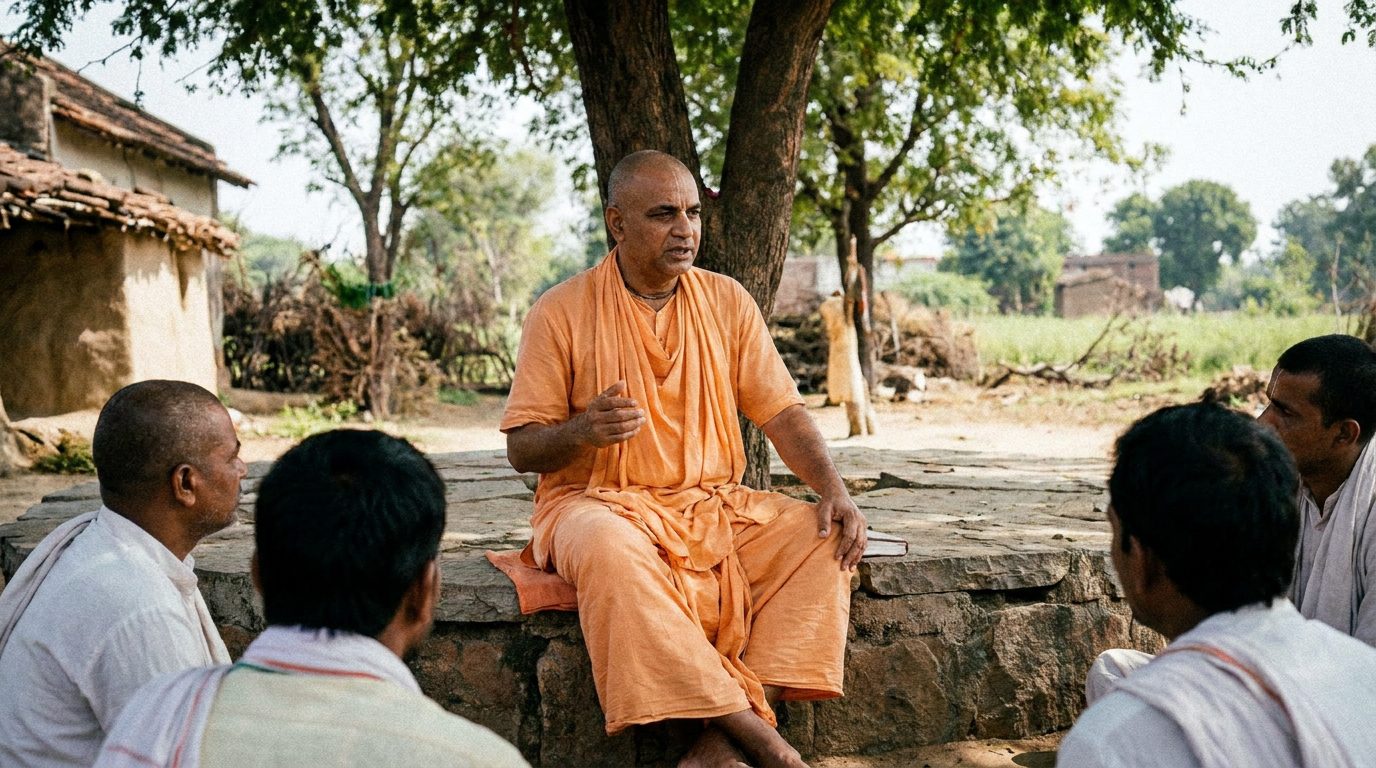
There are some souls who walk this earth and leave behind a trail of pure, unconditional love. Lord Nityānanda is one such personality — an Avatar whose compassion knew no boundaries, whose mercy reached the most fallen, and whose love for every living being continues to inspire millions on the path of Bhakti Yoga.
Whether you’re new to the world of devotion or you’ve been chanting for years, the story of Lord Nityānanda has something deeply personal to offer you. His life reminds us that no one is too far gone for God’s love, and that the door to spiritual awakening is always open — no matter who you are or where you’ve been.
At The Bhakti House, we believe that learning about Lord Nityānanda is more than studying history. It’s an invitation to experience the most generous, boundless mercy the spiritual world has ever extended to us.
Let’s walk through His beautiful story together.
Lord Nityānanda, also lovingly called Nityānanda Prabhu or simply Nitāi, is understood in the Bhakti tradition as the direct manifestation of Lord Balarāma — the first expansion of the Supreme Personality of Godhead, Śrī Kṛṣṇa. When Lord Caitanya Mahāprabhu (who is Kṛṣṇa Himself appearing in the mood of a devotee) descended to this world about 500 years ago in Bengal, India, Lord Nityānanda appeared alongside Him as His most intimate companion and brother.
In Sanskrit, the name “Nityānanda” means “eternal bliss” — nitya (eternal) and ānanda (bliss). And truly, anyone who came into contact with Him experienced a joy that words struggle to describe.
His Appearance and Early Life
Lord Nityānanda appeared in the village of Ekachakra in present-day West Bengal, in the family of Hāḍāi Paṇḍita and Padmāvatī. From His very childhood, He displayed extraordinary spiritual qualities. As a young boy, He would enact the divine pastimes (called līlā in Sanskrit) of Lord Kṛṣṇa and Lord Rāma with His friends, and these childhood plays were so vivid, so filled with spiritual energy, that the entire village would gather to watch in amazement.
At the age of twelve, a traveling renunciant named Lakṣmīpati Tīrtha came to Ekachakra, and young Nityānanda left home to travel with him across India, visiting sacred places of pilgrimage. For many years, He wandered the length and breadth of the subcontinent, preparing for the mission that awaited Him — to assist Lord Caitanya in flooding the world with the chanting of God’s holy names.
His Relationship with Lord Caitanya
The meeting of Lord Nityānanda and Lord Caitanya is one of the most beautiful events in all of Bhakti literature. When They finally came together in Navadvīpa (the sacred birthplace of Lord Caitanya), it was a reunion of the Divine — two aspects of the same Supreme Love, coming together to deliver the fallen souls of the age of Kali (the current age of quarrel and confusion).
Lord Caitanya recognized Nityānanda immediately, and Nityānanda recognized Caitanya. Together, They would dance in ecstatic kīrtana (the congregational chanting of God’s names), embrace one another in divine love, and weep tears of spiritual joy that melted the hearts of everyone around Them.
Their partnership was not just mystical — it was deeply practical. While Lord Caitanya was sometimes strict and focused on the highest standards of devotion, Lord Nityānanda was the one who went out into the streets, into the most neglected corners of society, to bring God’s mercy to those who had been forgotten by everyone else.
The Boundless Compassion of Lord Nityānanda
If there is one quality that defines Lord Nityānanda above all others, it is His extraordinary compassion. In the Bhakti tradition, we say that Lord Nityānanda’s mercy has no conditions, no prerequisites, no fine print. He does not ask, “Are you qualified?” He simply asks, “Are you willing to receive love?”
The Story of Jagāi and Mādhāi
Perhaps the most famous demonstration of Nityānanda Prabhu’s compassion is the story of Jagāi and Mādhāi — two brothers who were notorious drunkards, thieves, and troublemakers in the town of Navadvīpa. They were considered the most degraded people in the entire community. No one would go near them.
But Lord Nityānanda went to them.
He approached Jagāi and Mādhāi with love and asked them to chant the holy names of God. In response, Mādhāi struck Nityānanda on the head with a broken pot, drawing blood. When Lord Caitanya heard about this, He was furious and was prepared to punish the offenders. But Lord Nityānanda intervened. With blood streaming down His forehead, He pleaded with Lord Caitanya to forgive them.
This act of unconditional forgiveness — offering mercy to the very person who had just attacked Him — completely transformed the hearts of Jagāi and Mādhāi. They fell at Nityānanda’s feet, weeping in repentance, and became sincere devotees for the rest of their lives.
This story is not just a historical event. It’s a living teaching. It tells us that no matter how many mistakes we’ve made, no matter how far we feel from God, the mercy of the Lord — especially as it flows through Nityānanda Prabhu — is always available to us.
Mercy Without Discrimination
Lord Nityānanda did not care about a person’s caste, social standing, education, or past behavior. In a society that was deeply divided by social hierarchy, He freely distributed the mahā-mantra — the great chanting of Hare Kṛṣṇa, Hare Kṛṣṇa, Kṛṣṇa Kṛṣṇa, Hare Hare / Hare Rāma, Hare Rāma, Rāma Rāma, Hare Hare — to everyone without exception.
In the Caitanya Bhāgavata, Vṛndāvana dāsa Ṭhākura describes how Nityānanda would go door to door, falling at people’s feet, begging them to chant the holy names. Imagine — God Himself, in the form of His most merciful expansion, literally prostrating before ordinary people and asking them to accept His love.
This is the nature of divine compassion. It does not wait for us to become perfect. It meets us exactly where we are.
Lord Nityānanda in Bhakti Scripture
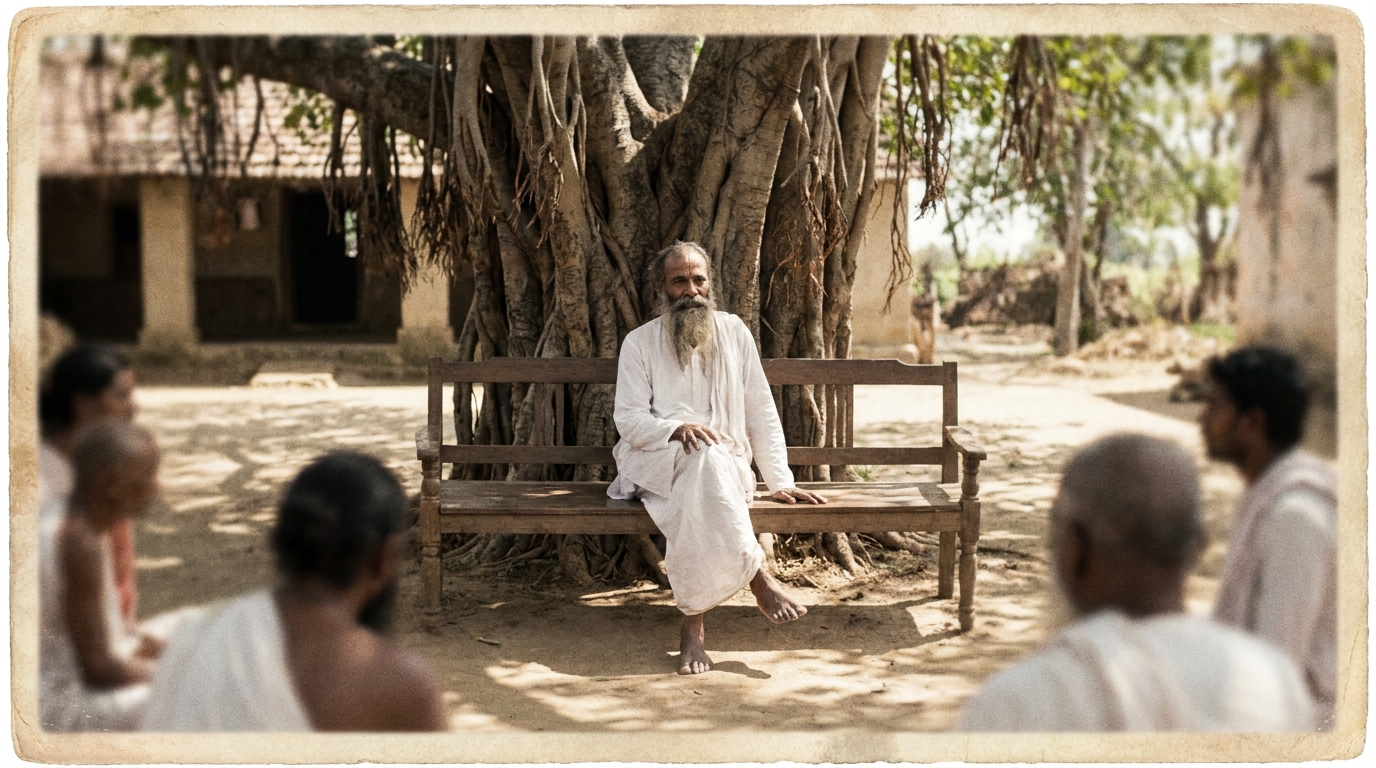
The Bhakti scriptures are filled with beautiful descriptions of Lord Nityānanda’s glories. Let us look at some authentic references that illuminate His divine nature and mission.
Nityānanda as the Original Spiritual Master
In the Caitanya-caritāmṛta, the great biography of Lord Caitanya written by Kṛṣṇadāsa Kavirāja Gosvāmī, we find this essential verse:
> “Lord Nityānanda is the original spiritual master. It is by His mercy that we receive the mercy of Lord Caitanya.”
Śrīla Prabhupāda, the founder of the International Society for Krishna Consciousness, explains in his purport to Caitanya-caritāmṛta (Ādi 1.7):
> “sańkarṣaṇaḥ kāraṇa-toya-śāyī garbhoda-śāyī ca payobdhi-śāyī śeṣaś ca yasyāṁśa-kalāḥ sa nityānandākhya-rāmaḥ śaraṇaṁ mamāstu”
This translates to: “Let me offer my full obeisances unto the feet of Nityānanda, who is known as Rāma, whose partial representations include Saṅkarṣaṇa, who lies on the Causal Ocean, who lies on the Garbhodaka Ocean, who lies on the ocean of milk, and who is known as Śeṣa.”
This reveals the profound truth that Lord Nityānanda is not an ordinary soul — He is the very foundation upon which the entire spiritual and material creation rests.
The Significance of Nityānanda Trayodaśī
The appearance day of Lord Nityānanda, known as Nityānanda Trayodaśī, is celebrated with great love and devotion by Bhakti practitioners around the world. On this day, devotees fast, chant, worship, and remember the pastimes of Nityānanda Prabhu.
In Caitanya-caritāmṛta (Ādi 5.203), Kṛṣṇadāsa Kavirāja Gosvāmī writes:
> “vrajendra-nandana yei, śaci-suta haila sei, balarāma ha-ila nitāi”
“The son of Nanda Mahārāja (Kṛṣṇa) has appeared as the son of Śacī (Lord Caitanya), and Balarāma has appeared as Nitāi (Lord Nityānanda).”
This simple yet profound statement confirms the divine identity of Lord Nityānanda and His eternal connection to Lord Caitanya’s mission of delivering love of God to every living being.
Sure, here is the sentence with the clickable link:
Check out our website for more articles: more articles.
How Lord Nityānanda’s Teachings Apply to Our Lives Today
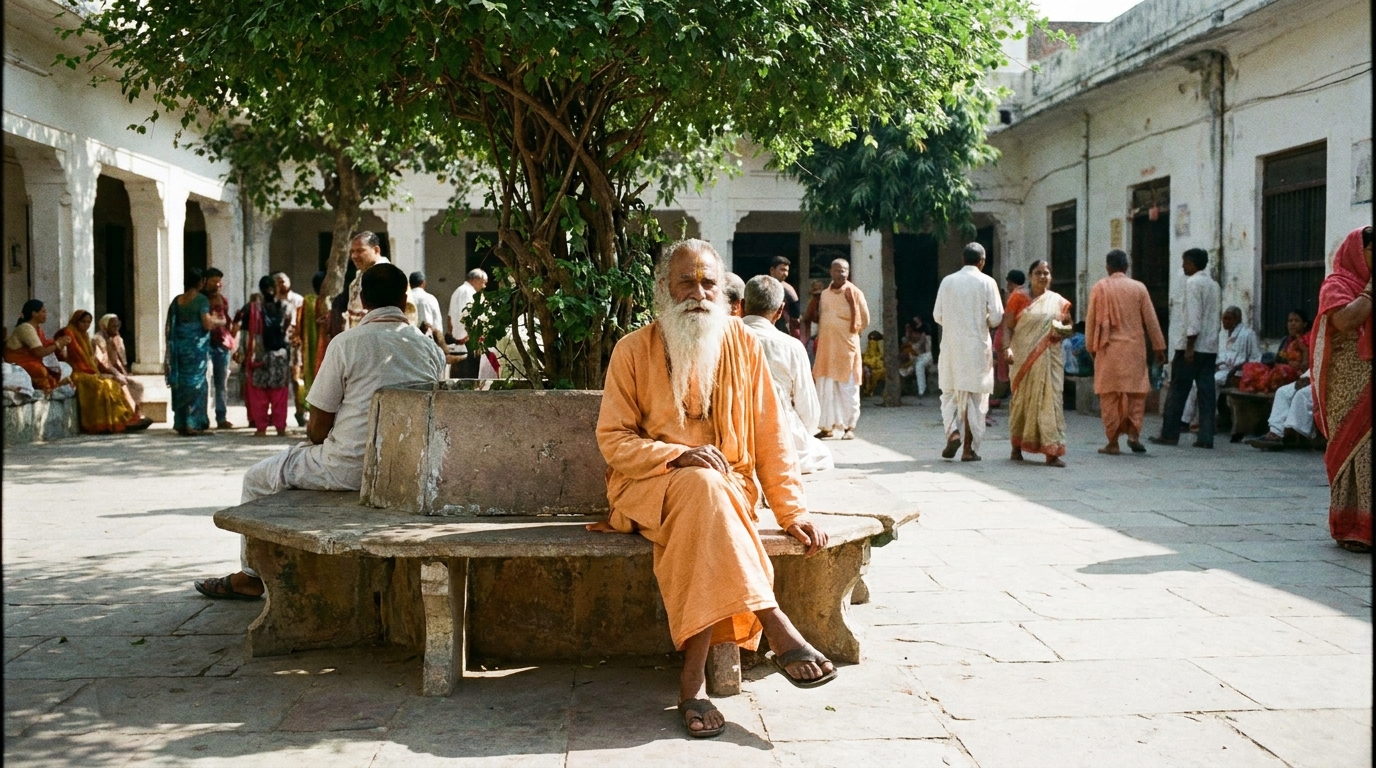
You might be wondering, “This is a beautiful story, but what does it mean for me, right now, in my daily life?”
That’s a wonderful question. And the answer is deeply encouraging.
Chanting as the Path of Grace
Lord Nityānanda’s primary mission was to distribute the holy names of God. He didn’t establish complicated philosophical systems or demand rigorous austerities. He simply asked people to chant — to open their mouths and their hearts and call out to God.
This is the essence of Bhakti Yoga. It is a path of love, not perfection. When we chant the mahā-mantra — Hare Kṛṣṇa, Hare Kṛṣṇa, Kṛṣṇa Kṛṣṇa, Hare Hare / Hare Rāma, Hare Rāma, Rāma Rāma, Hare Hare — we are participating in the very same movement of mercy that Lord Nityānanda began over 500 years ago.
You don’t need to chant perfectly. You just need to chant sincerely.
Service and Humility
Lord Nityānanda modeled something radical: a willingness to serve others without expecting anything in return. He went to the homes of people who rejected Him. He offered love to those who attacked Him. He never considered Himself superior to anyone.
In our daily lives, we can follow this example by practicing small acts of kindness, by serving our families and communities with a devotional heart, and by treating every person we meet as a beloved child of God — because that is exactly what they are.
Trusting in God’s Mercy
Perhaps the most powerful lesson from Lord Nityānanda’s life is this: God’s love is not something we earn. It is something we receive.
So many of us carry guilt, shame, or a feeling of unworthiness. We think, “I’ve made too many mistakes. God couldn’t possibly love me.” But the story of Jagāi and Mādhāi, and the entire life of Lord Nityānanda, tells us the opposite. God’s mercy is specifically designed for those who feel they don’t deserve it.
As Śrīla Prabhupāda writes in his purport to Śrīmad-Bhāgavatam (1.8.26):
> “The Lord is so kind that He awards His mercy to the most undeserving persons.”
This is the heart of Bhakti. This is the gift of Nityānanda.
Prayers and Chanting in Honor of Lord Nityānanda
One of the most beloved songs in the Bhakti tradition is the Nityānanda Ārati, sung during the evening worship of Lord Nityānanda. Devotees also regularly sing the Pañca-Tattva mantra before chanting the Hare Kṛṣṇa mahā-mantra:
> śrī-kṛṣṇa-caitanya prabhu-nityānanda śrī-advaita gadādhara śrīvāsādi-gaura-bhakta-vṛnda
This mantra invokes the blessings of Lord Caitanya, Lord Nityānanda, and Their intimate associates. By chanting this mantra, we open ourselves to the full flood of divine mercy that They came to distribute.
A Simple Practice You Can Start Today
If you’d like to connect with the compassion of Lord Nityānanda, here is a simple practice:
- Find a quiet moment in your morning or evening.
- Chant the Pañca-Tattva mantra once, slowly and with feeling.
- Then chant one round (108 repetitions) of the Hare Kṛṣṇa mahā-mantra on a set of japa beads (prayer beads), or simply count on your fingers.
- Offer a small prayer in your own words: “Dear Lord Nityānanda, please bless me with a drop of Your mercy. Please help me to love God and to love others.”
That’s it. No special qualifications needed. No membership required. Just you and your sincere heart.
An Invitation from The Bhakti House
We hope this journey through the life and love of Lord Nityānanda has touched your heart. His story is not just history — it is a living, breathing invitation that echoes across the centuries and reaches you right where you are, right now.
At The Bhakti House, we believe that every single person — regardless of background, belief, experience, or identity — is welcome on this path of love. Bhakti Yoga is not about being perfect. It is about being sincere. It is about taking one small, genuine step toward God and trusting that He will take ten steps toward you.
Lord Nityānanda proved this with His very life. He showed us that divine love does not discriminate, does not judge, and does not give up on anyone.
So wherever you are today, whatever you’re carrying, know this: you are welcome here. You are loved. And all it takes is one sincere step.
Perhaps that step is chanting God’s name for the first time. Perhaps it’s picking up a book about Bhakti. Perhaps it’s simply sitting in stillness and opening your heart.
Whatever your step looks like, Lord Nityānanda is already walking beside you.
Hare Kṛṣṇa. 🙏
We’d love to hear from you! If this article inspired you, if you have questions about Bhakti Yoga, or if you’d like to learn more about Lord Nityānanda and the path of devotion, please reach out to us below. Everyone is welcome at The Bhakti House.
FAQs
Who is Lord Nityānanda?
Lord Nityānanda is a prominent figure in the Gaudiya Vaishnavism tradition, considered to be the principal associate of the divine avatar Sri Chaitanya Mahaprabhu.
What is Lord Nityānanda known for?
Lord Nityānanda is known for his role as a preacher and spiritual teacher, spreading the practice of congregational chanting of the holy names of God, known as sankirtan.
What is the significance of Lord Nityānanda in Gaudiya Vaishnavism?
In Gaudiya Vaishnavism, Lord Nityānanda is revered as an incarnation of Balarama, the divine brother of Lord Krishna. He is considered to be the original guru and the source of spiritual strength for practitioners.
Where is Lord Nityānanda worshiped?
Lord Nityānanda is worshiped in various temples and shrines dedicated to him, particularly in the Gaudiya Vaishnavism tradition, which has a strong presence in India, Bangladesh, and other parts of the world.
What are some of the key teachings of Lord Nityānanda?
Lord Nityānanda emphasized the importance of chanting the holy names of God, cultivating a mood of humility and service, and spreading the message of love and devotion to God.

