

To live for Krishna means to gradually place the Supreme Person at the center of our thoughts, choices, relationships, work, and heart. Krishna is a Sanskrit name for God meaning “the all-attractive one.” In the Bhakti tradition, Krishna is understood as the loving source of all life, the friend of every soul, and the one who receives even the smallest offering when it is given with sincerity.
Living for Krishna does not mean running away from the world or pretending to be someone we are not. It means learning how to live in this world with love, purpose, and spiritual remembrance. It means offering our daily life—our words, talents, meals, struggles, and joys—in a spirit of devotion.
Bhakti Yoga is the path that teaches this art. The word bhakti means “devotion” or “loving service,” and yoga means “connection.” So Bhakti Yoga is the practice of reconnecting with God through love.
This path is open to everyone. Whether you are new to spirituality, returning after many years, exploring from another faith background, or already practicing devotion, Krishna welcomes the sincere heart. The Bhagavad-gita teaches that even a small step on this path protects one from the greatest fear. In simple terms, no sincere effort is wasted.
Living for Krishna begins not with perfection, but with a turning of the heart.
Understanding Krishna in the Bhakti Tradition
Krishna as the Supreme Friend
In the Bhagavad-gita, Krishna says He is the well-wishing friend of all living beings. This is a deeply comforting truth. Many people imagine God as distant, judgmental, or difficult to approach. But the Bhakti scriptures reveal Krishna as loving, personal, and near.
He is not only the creator of the universe; He is also the companion within the heart. The Sanskrit word Paramatma means “the Supreme Soul,” the presence of God who guides and witnesses from within. This means that even in our loneliness, confusion, or pain, we are never truly alone.
To live for Krishna is to remember that there is a divine friend walking with us.
Krishna as the All-Attractive Lord
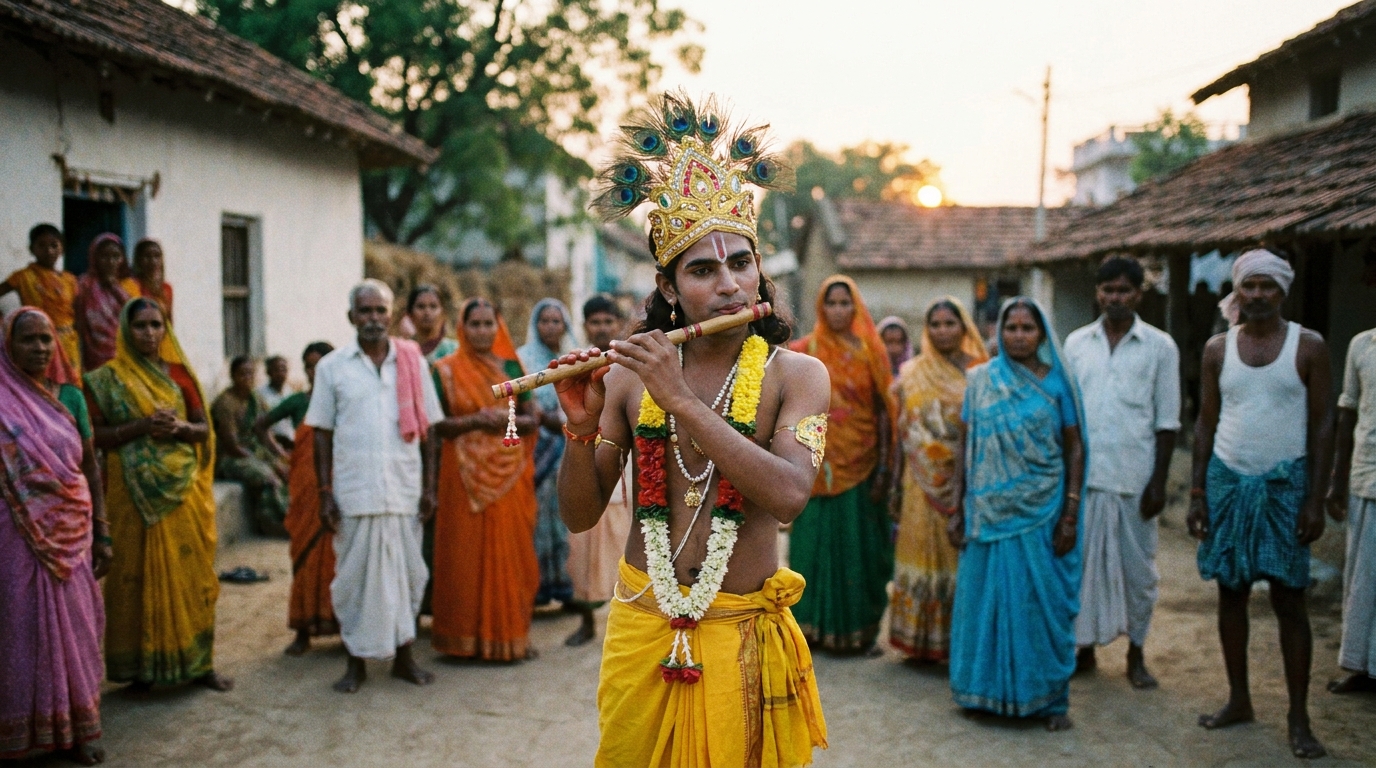
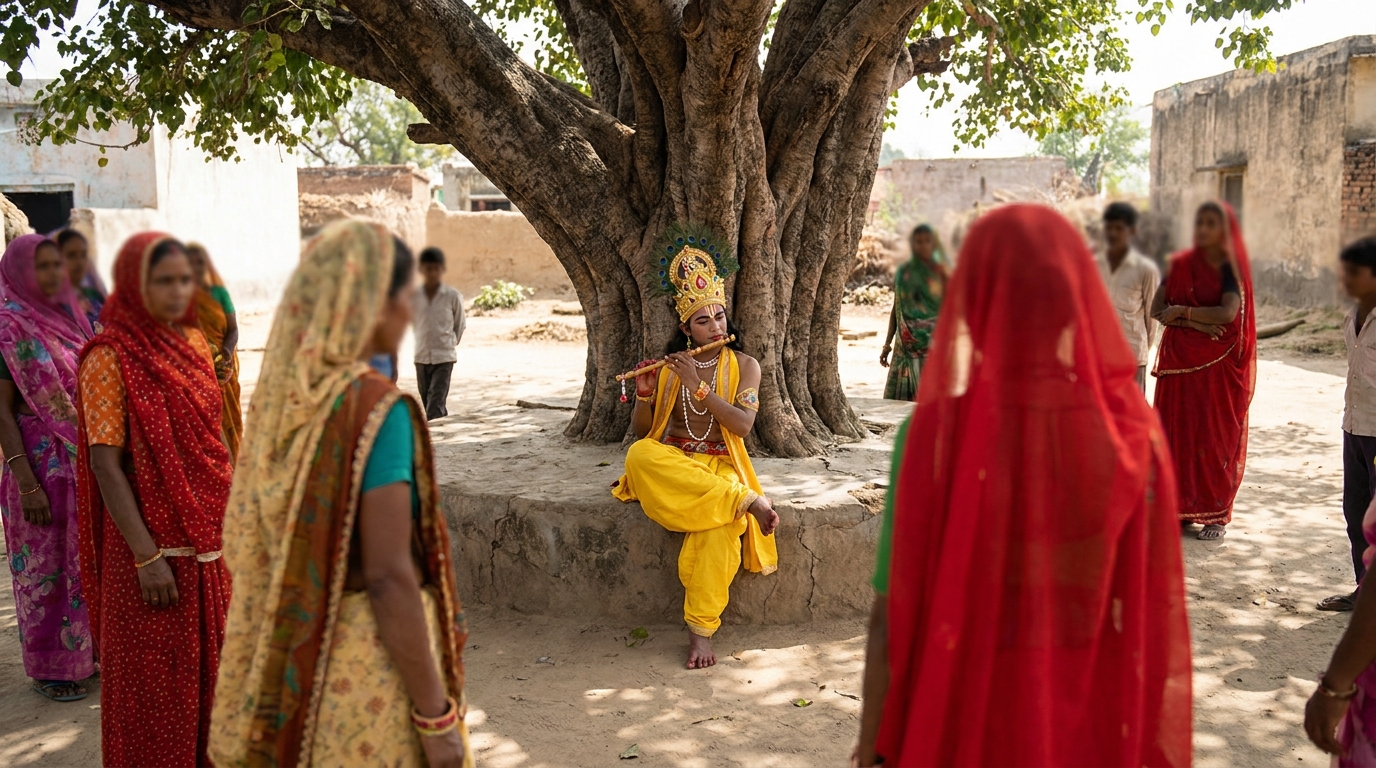
Krishna’s name means “all-attractive” because He attracts the heart through beauty, wisdom, kindness, playfulness, compassion, and love. In the sacred text Srimad Bhagavatam, Krishna is described not only as powerful and majestic, but also as sweet and intimate. He plays the flute, cares for cows, protects His devotees, and delights in loving relationships.
This reveals something beautiful about the nature of God. God is not merely an abstract force or cosmic ruler. God is a person who loves and can be loved.
Bhakti Yoga invites us to move from knowing about God to developing a relationship with God.
The Soul’s Natural Relationship with Krishna
The Bhakti tradition teaches that we are not merely the body or the mind. We are atma, the eternal soul. The body changes from childhood to youth to adulthood, and the mind changes from day to day, but the conscious self—the “I” within—continues.
The soul’s deepest need is love. We may seek love in relationships, achievements, possessions, or recognition, but our hearts remain restless until they reconnect with the original source of love. That source is Krishna.
Living for Krishna means rediscovering our true identity: not as isolated beings competing for happiness, but as beloved souls meant for loving connection.
The Heart of Bhakti Yoga: Love in Practice
Devotion Is Practical, Not Sentimental
Bhakti is love in action. It is not just a feeling, mood, or cultural expression. It is a practical spiritual path that transforms daily life. We practice devotion through chanting, prayer, service, study, community, and conscious living.
Sometimes people worry, “I do not feel enough devotion.” But Bhakti Yoga does not demand that we begin with deep spiritual emotion. It invites us to begin with simple sincere practices. Feelings grow through practice, just as friendship grows through time, attention, and care.
If we water a seed regularly, it sprouts. In the same way, when we water the heart with chanting and service, devotion gradually awakens.
Offering What We Already Have
Krishna says in the Bhagavad-gita:
“If one offers Me with love and devotion a leaf, a flower, fruit, or water, I will accept it.”
This verse is one of the most welcoming teachings in the world’s spiritual literature. Krishna does not ask first for wealth, status, scholarship, or outer perfection. He asks for love.
A leaf, a flower, fruit, or water—these are simple things. Almost anyone can offer them. The point is not the material value of the offering, but the devotion behind it.
Living for Krishna means asking, “How can I offer this moment? How can I offer this meal, this work, this conversation, this challenge?”
Progress Over Perfection
On the path of Bhakti, we may stumble. We may forget, become distracted, or fall back into old habits. This does not disqualify us. Krishna sees the direction of the heart.
Spiritual growth is not always dramatic. Often it is gentle and hidden. We become a little more patient. We pause before speaking harshly. We remember to pray when anxious. We feel gratitude before eating. We serve without needing praise.
These small shifts are sacred.
Please visit our website for more information on our articles: articles.
Chanting the Holy Names of Krishna
Why Chanting Is Central
One of the main practices of Bhakti Yoga is chanting the holy names of God. In Sanskrit, this is called nama-sankirtana: nama means “name,” and sankirtana means “chanting together” or “glorifying.”
The holy name most often chanted in the Krishna Bhakti tradition is the maha-mantra, meaning “great mantra”:
Hare Krishna Hare Krishna
Krishna Krishna Hare Hare
Hare Rama Hare Rama
Rama Rama Hare Hare
A mantra is a sacred sound that helps focus and purify the mind. The maha-mantra is a prayer asking to be engaged in divine love and service. “Hare” calls upon God’s spiritual energy, “Krishna” addresses the all-attractive Lord, and “Rama” means the reservoir of joy.
Chanting is simple, but powerful. It can be done by anyone, anywhere.
Japa: Personal Meditation with Beads
Japa means softly repeating a mantra, often on meditation beads. Many Bhakti practitioners chant the Hare Krishna mantra daily on a string of 108 beads. This practice helps calm the mind and bring the heart into prayerful remembrance.
If you are new, you can begin with just five minutes a day. Sit comfortably, take a gentle breath, and chant with attention. You do not need to force the mind into silence. When thoughts wander, kindly bring them back to the sound.
The holy name is not merely a sound we produce. In Bhakti understanding, Krishna is personally present in His name. So chanting is a way of being with Krishna.
Kirtan: Chanting in Community
Kirtan is call-and-response devotional singing. One person leads, and others respond. Sometimes there are drums, cymbals, harmonium, or other instruments. Sometimes it is soft and meditative; sometimes joyful and energetic.
Kirtan opens the heart because it allows us to pray beyond the limits of ordinary speech. People of many backgrounds can participate, even without knowing Sanskrit. You simply listen, repeat, and allow the sound to carry you.
In a world where many feel disconnected, kirtan creates sacred togetherness. We gather not to perform, but to remember.
Chanting in Daily Life
You can chant while walking, driving, cooking, cleaning, or sitting quietly. You can chant aloud, softly, or in the mind. You can play kirtan while preparing your home, or repeat Krishna’s name before a difficult meeting.
The more we invite the holy name into daily life, the more ordinary moments become spiritually meaningful.
Prayer: Speaking Honestly with Krishna
Prayer Begins with Sincerity
Prayer in Bhakti Yoga is not about using perfect words. It is about turning toward Krishna with honesty. We can pray with gratitude, confusion, longing, repentance, hope, or even tears.
A simple prayer might be:
“Krishna, please guide me.”
“Please help me remember You.”
“Please let me serve with humility.”
“Please help me love more purely.”
“Please protect me from selfishness.”
The heart does not need to be polished before approaching God. It becomes polished by approaching God.
Bringing Our Struggles to Krishna
Living for Krishna does not mean denying human struggle. Anxiety, grief, temptation, disappointment, and uncertainty may still come. Bhakti does not make us artificial; it makes us honest.
In the Bhagavad-gita, Arjuna, a great warrior, begins in confusion and distress. He does not hide his pain from Krishna. He speaks openly, and Krishna guides him with wisdom and compassion.
This teaches us that spiritual life often begins when we stop pretending we have everything under control. We can bring our real selves to Krishna.
Gratitude as a Form of Prayer
Gratitude softens the heart. When we thank Krishna for sunlight, food, friendship, shelter, breath, and the chance to grow, we begin to see life as a gift rather than an entitlement.
A daily gratitude practice can be simple. Each morning or evening, name three things you are grateful for and offer them to Krishna. Over time, gratitude becomes a doorway into devotion.
Service: Turning Love into Action
Seva: Sacred Service
The Sanskrit word seva means “service.” In Bhakti Yoga, service is not servitude in a negative sense. It is loving participation in God’s purpose. When we serve Krishna, we serve life itself.
Service may include cooking vegetarian food and offering it to Krishna, helping at a temple or spiritual community, supporting others, sharing wisdom, cleaning, organizing, teaching, singing, donating, or caring for those in need.
No service is small when done with devotion.
Serving People as Parts of Krishna
The Bhakti scriptures teach that every living being is connected to Krishna. Therefore, kindness to others is part of our devotion. We cannot claim to love God while being careless with His children.
Living for Krishna includes compassion, patience, forgiveness, and respect. It means seeing beyond labels—race, religion, gender, nationality, wealth, education—and honoring the soul within each person.
This does not mean we ignore healthy boundaries or wisdom. But it does mean we try to act from love rather than ego.
Offering Your Work
Many people wonder, “How can I live for Krishna if I have a job, family, studies, and responsibilities?”
The Bhagavad-gita gives a practical answer: offer your work to God. This is called karma-yoga when action is performed without selfish attachment, and it becomes bhakti when done with devotion to Krishna.
You can begin your workday with a prayer: “Krishna, may my efforts today be useful. May I act with honesty, kindness, and remembrance. Please accept this work as an offering.”
Whether you are a parent, student, artist, nurse, business owner, teacher, builder, retiree, or caregiver, your life can become an altar.
Eating as an Offering: Krishna Prasadam
What Is Prasadam?
Prasadam means “mercy” or “grace.” In Bhakti Yoga, food prepared with love and offered to Krishna becomes prasadam—sanctified food. Eating prasadam nourishes both body and soul.
This practice is based on the understanding that food affects consciousness. When we cook with gratitude, offer the food to Krishna, and eat with reverence, eating becomes a spiritual act.
How to Offer Food to Krishna
A simple home offering can be done like this:
Prepare vegetarian food with cleanliness and care. Place a portion on a plate for Krishna. Offer a prayer such as, “Dear Krishna, please accept this food prepared with love.” You may chant the Hare Krishna mantra. After a few moments, the food is considered prasadam and can be shared.
The offering does not need to be elaborate. Fruit, water, rice, vegetables, bread, or a simple meal can all be offered. Again, Krishna looks at the love.
Sharing Prasadam
Sharing prasadam is one of the most beautiful forms of Bhakti hospitality. A meal can become a blessing. At The Bhakti House and in many devotional communities, prasadam brings people together in warmth, equality, and gratitude.
When we share spiritual food, we share more than nourishment. We share kindness, culture, and Krishna’s grace.
Studying Bhakti Scriptures with an Open Heart
The Bhagavad-gita: Krishna’s Guidance for Daily Life
The Bhagavad-gita is one of the most important texts in Bhakti Yoga. It is a conversation between Krishna and Arjuna on a battlefield, just before a great war. The setting is dramatic, but the message is deeply practical.
Arjuna faces confusion about duty, morality, identity, and suffering. Krishna teaches him about the soul, right action, meditation, devotion, and surrender.
For those who want to live for Krishna, the Bhagavad-gita is a lifelong companion. It helps us ask: Who am I? What is my purpose? How do I act with integrity? How do I remember God in difficulty? What does true love mean?
Srimad Bhagavatam: The Heart of Devotion
The Srimad Bhagavatam, also called the Bhagavata Purana, is a sacred text filled with stories, prayers, philosophy, and descriptions of Krishna’s loving pastimes. If the Bhagavad-gita gives foundational guidance, the Bhagavatam reveals the sweetness of devotion.
It teaches that hearing about Krishna cleanses the heart. This practice is called sravanam, or spiritual hearing. By regularly hearing sacred wisdom, our desires become purified and our love deepens.
Learning with Humility
Scripture is not meant to make us proud. It is meant to make us humble, wise, and loving. A person may memorize many verses, but the real fruit of study is transformation.
When reading Bhakti scriptures, it helps to pray: “Krishna, please let this wisdom enter my heart. Help me live it, not just understand it intellectually.”
It is also helpful to learn from sincere practitioners and teachers who embody devotion through character, compassion, and service.
Building a Daily Practice of Living for Krishna
Begin the Morning with Remembrance
The morning is a powerful time to set spiritual direction. Even a short morning practice can change the atmosphere of the whole day.
You might begin with:
- A simple prayer to Krishna
- Chanting the Hare Krishna mantra
- Reading one verse from the Bhagavad-gita
- Offering water, a flower, or incense
- Setting an intention to serve
The goal is not to create pressure. The goal is to create connection.
Create a Sacred Space at Home
A small sacred space can help you remember Krishna. It may include a picture of Krishna, a candle, flowers, scripture, japa beads, or anything that inspires devotion. This space becomes a place to pause, pray, chant, and return to the heart.
Your home does not need to be perfect to be spiritual. Even one clean corner offered with love can become sacred.
Practice Throughout the Day
Living for Krishna is not limited to a temple, yoga studio, or morning meditation. It can continue throughout the day in small ways:
Pause before eating and offer gratitude.
Chant while walking.
Speak kindly when irritated.
Remember Krishna before making a decision.
Offer your work.
Serve someone without expecting recognition.
Read or hear something spiritual before sleep.
These simple practices weave devotion into daily life.
End the Day with Reflection
Before sleeping, take a few moments to reflect:
“Where did I remember Krishna today?”
“Where did I forget?”
“What can I offer from this day?”
“What mercy did I receive?”
Do not use reflection to punish yourself. Use it to grow. Offer both successes and mistakes to Krishna, and rest in His care.
Relationships on the Path of Bhakti
Seeing Others as Souls
Living for Krishna changes how we see people. Instead of viewing others mainly by their roles or behaviors, we begin to see them as eternal souls. This vision brings patience and respect.
It does not mean we approve of harmful actions. But it helps us respond with wisdom rather than hatred.
In Bhakti, every interaction can become practice. Family life, friendships, community, and even difficult relationships can teach us humility, forgiveness, and compassion.
The Importance of Spiritual Community
The Sanskrit word sadhu-sanga means “association with spiritually minded people.” Bhakti grows in good company. When we spend time with those who chant, serve, study, and sincerely try to love Krishna, our own faith becomes nourished.
Spiritual community does not require everyone to be perfect. In fact, a healthy Bhakti community is made of people helping one another grow. We gather to chant, learn, share prasadam, ask questions, and encourage each other.
If you feel shy or unsure, know that you are welcome. Everyone begins somewhere.
Serving Without Ego
Service can purify the heart, but it can also reveal our ego. We may want appreciation, control, recognition, or comfort. This is normal. Bhakti gently brings these things to the surface so they can be healed.
A helpful prayer is: “Krishna, please help me serve as an instrument. Let this be for Your pleasure, not my pride.”
When service becomes an offering, it brings joy rather than exhaustion.
Common Challenges in Living for Krishna
“I Am Not Qualified”
Many sincere people feel unworthy. They think, “My mind is restless. My habits are imperfect. I do not know enough. How can I live for Krishna?”
But qualification in Bhakti begins with sincerity. Krishna is not waiting for us to become flawless before accepting us. He is waiting for us to turn toward Him.
The path itself purifies us. We come as we are, and by grace, we gradually become who we are meant to be.
Distraction and Inconsistency
Modern life is full of noise. Phones, responsibilities, worries, and endless information can scatter the mind. If your practice becomes inconsistent, do not give up.
Restart gently. Chant one round, read one verse, offer one meal, say one prayer. Spiritual life is renewed through returning.
Krishna values the return.
Balancing Spiritual Life and Responsibilities
Bhakti does not ask us to neglect our responsibilities. Rather, it teaches us to spiritualize them. Caring for family, working honestly, studying diligently, and serving society can all become part of devotion when offered to Krishna.
The key is consciousness. Why am I doing this? For ego, or as service? For control, or as offering? For selfish gain, or to please God and benefit others?
These questions slowly transform ordinary duties into sacred responsibilities.
Facing Doubt
Doubt can be part of growth. Honest questions are welcome on the Bhakti path. Krishna encourages thoughtful understanding, not blind following.
If doubts arise, bring them into prayer, study scripture, speak with trusted practitioners, and continue practicing. Sometimes the heart understands through experience what the mind cannot resolve immediately.
Faith in Bhakti is not forced. It is cultivated through sincere practice and grace.
Surrender: The Deepening of Love
What Does Surrender Mean?
One of the most important teachings in Bhakti Yoga is surrender. In Sanskrit, this is called saranagati, taking shelter. Surrender does not mean weakness, passivity, or losing individuality. It means trusting Krishna enough to align our life with His loving will.
It is the movement from “I am the controller” to “Krishna, I am Yours.”
This surrender unfolds gradually. We begin by offering small things—our food, our time, our chanting. Then we offer our decisions, our fears, our relationships, our future, and finally our whole heart.
Trusting Krishna’s Care
In the Bhagavad-gita, Krishna invites us to surrender to Him and promises protection. This is not always protection from every difficulty, but protection through every difficulty. Krishna guides the soul toward eternal well-being.
Sometimes His mercy feels sweet. Sometimes it comes as a lesson. Sometimes it arrives as a closed door, a delay, or a challenge that deepens our humility. But the devotee gradually learns to trust: Krishna is present, and Krishna is kind.
Love Is the Goal
The goal of living for Krishna is not simply morality, peace, knowledge, or liberation from suffering—though these may come. The highest goal is prema, pure love of God.
Prema is the soul’s natural love fully awakened. It is love without selfishness, without bargaining, without fear. It is the love shown by the great devotees in the Bhakti scriptures, especially the residents of Vrindavan, who love Krishna with complete intimacy and devotion.
We may feel far from such love, but the path begins now, with one sincere step.
A Simple Guide to Start Living for Krishna Today
Chant a Little Every Day
Begin with the Hare Krishna mantra for five or ten minutes. Let the sound enter your heart. Do not worry if your mind wanders. Just keep returning.
Offer Your Food
Before eating, pause and offer your meal to Krishna with gratitude. If possible, prepare simple vegetarian food and offer it with love.
Read One Verse
Choose a verse from the Bhagavad-gita each day. Read it slowly. Ask, “How can I live this today?”
Serve Someone
Do one act of service without expecting anything in return. It may be small, hidden, or ordinary. Offer it to Krishna.
Pray Honestly
Speak to Krishna in your own words. Tell Him what is in your heart. Ask for guidance. Give thanks.
Seek Good Company
Join a kirtan, visit a Bhakti community, attend a class, or connect with sincere practitioners. Spiritual life becomes easier when shared.
Everyone Is Welcome on the Path of Bhakti
Living for Krishna is a complete guide to a life of love because it touches every part of who we are. It teaches us how to think, speak, eat, work, relate, pray, serve, and grow in connection with God.
This path is ancient, yet deeply relevant. It is spiritual, yet practical. It is profound, yet simple enough to begin today.
You do not need to have all the answers. You do not need to know Sanskrit. You do not need to be perfect, pure, or certain. You are welcome with your questions, your hopes, your wounds, your gifts, and your sincere desire to grow.
Krishna sees the heart. And even one small offering made with love can open the door to a life of devotion.
So wherever you are, take one sincere step toward God. Chant one holy name. Say one prayer. Offer one meal. Serve one person. Come as you are, and let Krishna gently guide you home.
FAQs
What is the significance of living for Krishna?
Living for Krishna means dedicating one’s life to the service and devotion of Lord Krishna. It involves following the principles of Bhakti yoga, which includes chanting the Hare Krishna mantra, practicing meditation, and engaging in acts of selfless service.
What are the key principles of living for Krishna?
The key principles of living for Krishna include practicing devotion (bhakti) to Lord Krishna, following a vegetarian diet, avoiding intoxicants, engaging in acts of service (seva), and cultivating a loving relationship with Krishna through prayer and meditation.
How can one incorporate Krishna consciousness into their daily life?
One can incorporate Krishna consciousness into their daily life by starting the day with chanting the Hare Krishna mantra, offering food to Krishna before eating, reading scriptures such as the Bhagavad Gita, attending satsang (spiritual gatherings), and performing acts of service for the pleasure of Krishna.
What are the benefits of living for Krishna?
Living for Krishna brings inner peace, spiritual fulfillment, and a sense of purpose. It helps individuals develop a deeper understanding of their true identity and fosters a loving relationship with the divine. Additionally, it promotes a compassionate and ethical way of living.
How can one learn more about living for Krishna?
One can learn more about living for Krishna by reading sacred texts such as the Bhagavad Gita and the Srimad Bhagavatam, attending classes and lectures on Bhakti yoga, seeking guidance from experienced practitioners, and visiting temples or ashrams dedicated to Lord Krishna.

