
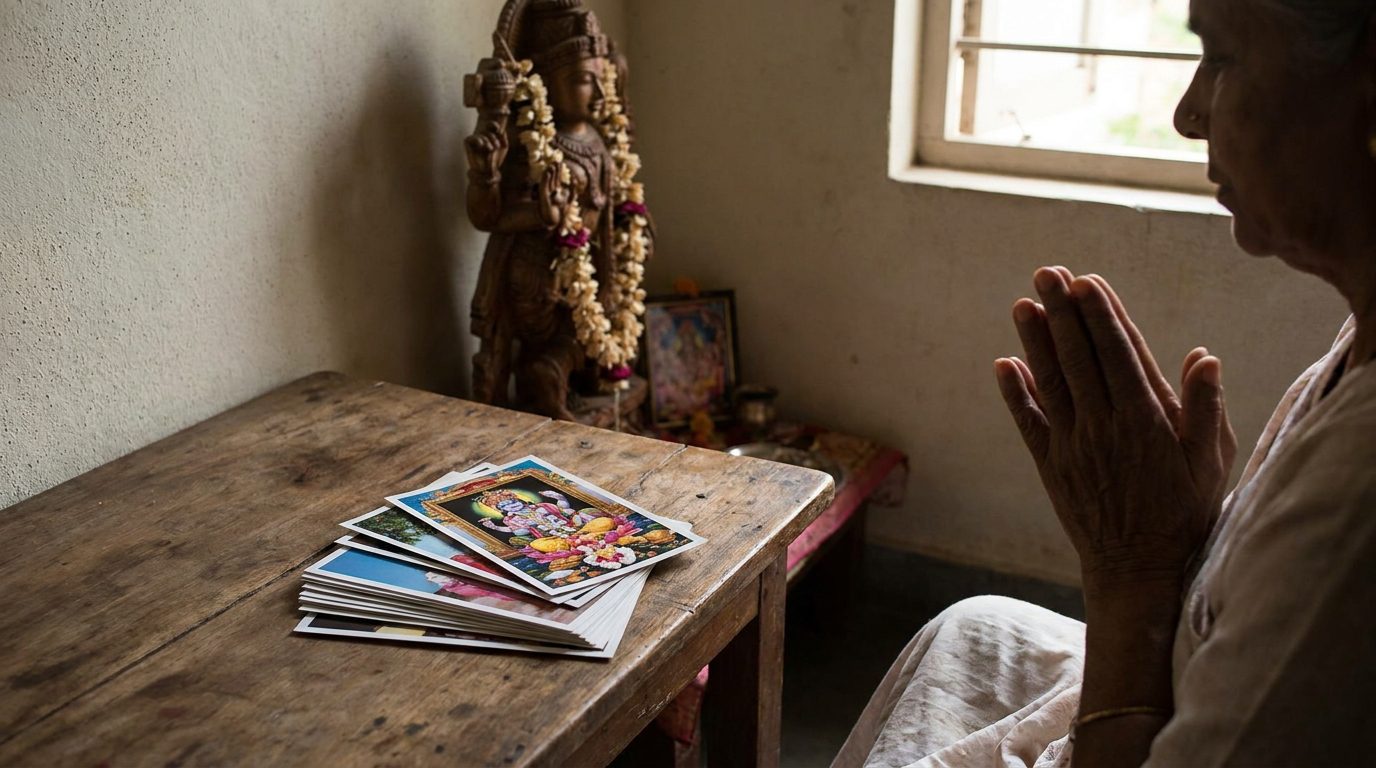
Krishna remembrance is the gentle, steady practice of bringing the heart back to Krishna—God, the all-attractive source of love, beauty, wisdom, and joy.
In Sanskrit, this remembrance is often called smaranam, which means “remembering.” In the Bhakti Yoga tradition, smaranam is one of the central ways we grow spiritually. It is not just thinking about God as an idea. It is remembering Krishna as a loving person, as our eternal friend, guide, and shelter.
Krishna remembrance can happen while chanting, praying, reading sacred texts, cooking, walking, working, caring for family, or serving others. It is not limited to a temple, monastery, or meditation cushion. It can become the living thread that connects every part of our day to the Divine.
The great gift of Bhakti Yoga is that it welcomes everyone. You do not need to be born into a certain culture, know Sanskrit, have perfect discipline, or feel “spiritual enough.” Krishna remembrance begins wherever we are. One sincere thought, one heartfelt prayer, one soft repetition of the holy name can open the door.
In the Bhagavad-gita, one of the most beloved texts of Bhakti Yoga, Krishna says:
“Always think of Me, become My devotee, worship Me, and offer your homage unto Me.”
— Bhagavad-gita 18.65
This is a deeply personal invitation. Krishna is not asking for perfection. He is inviting relationship. He is saying, “Remember Me. Turn toward Me. Let your heart come home.”
Why Krishna Remembrance Matters
In daily life, the mind is constantly remembering something. We remember worries, responsibilities, conversations, desires, disappointments, and plans. The mind naturally attaches itself to whatever it repeatedly touches.
Bhakti Yoga gently teaches us to give the mind a sacred resting place: Krishna.
The Heart Becomes Shaped by What It Remembers
What we remember, we become close to. If we remember fear all day, fear feels near. If we remember resentment, resentment grows roots. If we remember Krishna—who is full of compassion, sweetness, strength, and truth—our consciousness gradually becomes purified.
This does not mean we deny life’s challenges. Krishna remembrance is not escapism. It is a way of bringing divine presence into the middle of real life.
When we remember Krishna, we begin to see more clearly. We may respond with more patience. We may forgive more easily. We may notice beauty in simple things. We may feel less alone.
Remembrance Awakens Love
The path of Bhakti Yoga is the path of bhakti, which means loving devotion. Bhakti is not forced emotion. It is the natural love of the soul awakening again.
Krishna remembrance nourishes that love.
Just as a relationship grows through attention, conversation, and care, our relationship with Krishna grows when we remember Him. We chant His names. We hear His stories. We offer Him our food. We speak to Him in prayer. We serve His children.
Little by little, remembrance becomes affection. Affection becomes trust. Trust becomes surrender. And surrender, in Bhakti, does not mean losing ourselves. It means finding our truest self in loving connection with God.
Krishna Remembrance Brings Spiritual Protection
The world can feel overwhelming. News, noise, comparison, pressure, and uncertainty can pull the heart in many directions. Krishna remembrance gives us spiritual grounding.
In the Srimad-Bhagavatam, a sacred Bhakti scripture filled with stories and teachings about Krishna and His devotees, we learn that hearing and chanting about Krishna cleanses the heart. This cleansing is not mechanical. It is personal and merciful.
When we remember Krishna, we invite divine presence into the mind. Even a brief remembrance can interrupt anxiety, soften anger, and redirect our intentions.
The Foundations of Krishna Remembrance
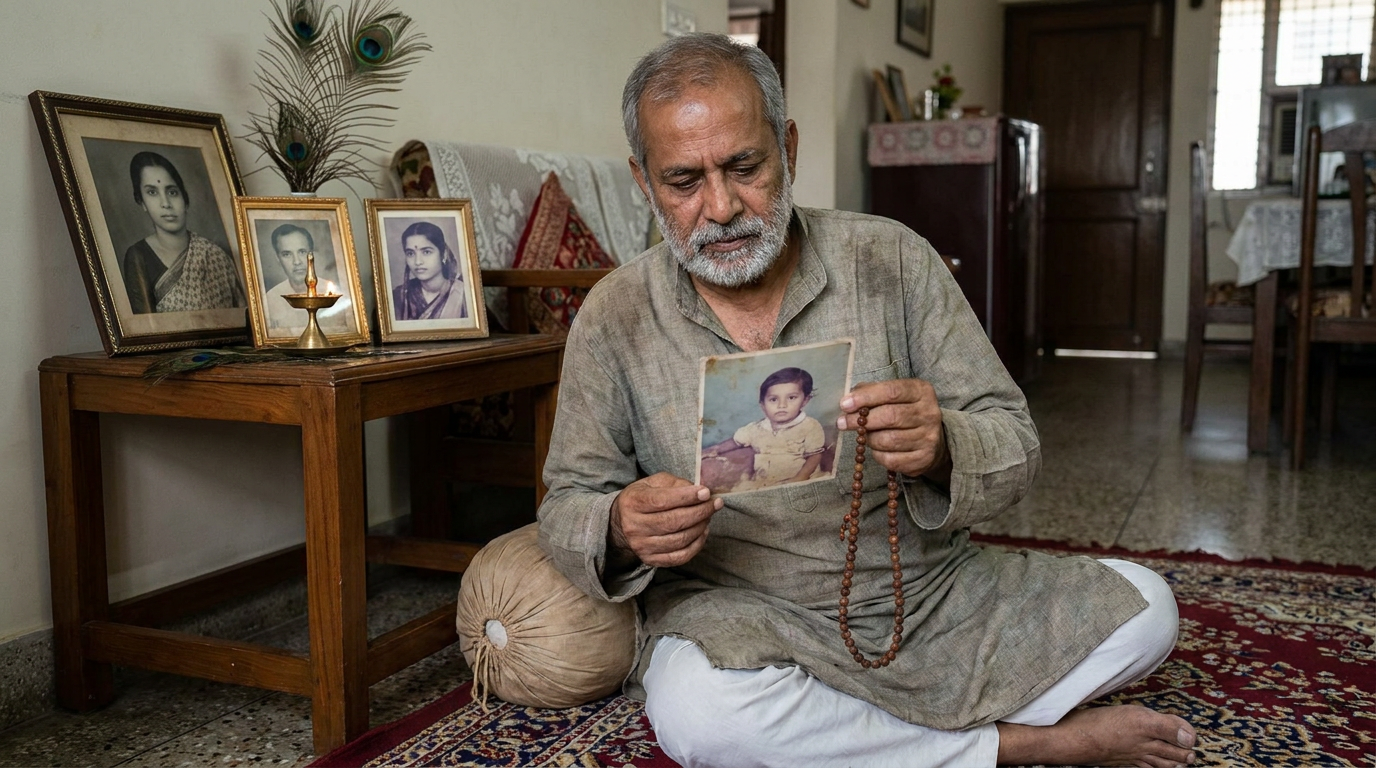
Krishna remembrance is both simple and deep. It can begin with one name, one prayer, one offering. Over time, it becomes a way of living.
Krishna: The All-Attractive Lord
The name Krishna means “the all-attractive one.” In Bhakti scriptures, Krishna is described as the Supreme Personality of Godhead—the complete and personal form of the Divine. He is unlimited, yet intimate. He is the source of everything, yet He plays a flute and cares for His devotees with tenderness.
For some readers, Krishna may be a familiar and beloved name. For others, this may be new. You are welcome either way. Bhakti Yoga does not demand that we understand everything before we begin. It invites us to approach with sincerity.
We can pray simply: “Krishna, if You are there, please guide me. Please help me remember You.”
That prayer itself is remembrance.
The Soul’s Natural Relationship with Krishna
Bhakti Yoga teaches that each living being is an eternal soul, called atma in Sanskrit. The atma is not the temporary body, mind, or social identity. The soul is spiritual by nature and meant for loving relationship with God.
Krishna remembrance helps us reconnect with that original relationship.
We may identify ourselves as parents, children, workers, students, artists, seekers, or servants of our communities. These roles matter. But beneath them all is a deeper identity: we are beloved parts of Krishna, made for love.
When we remember Krishna, we remember who we are.
Smaranam: Remembering with the Heart
Smaranam is not merely concentration. It is heart-centered remembrance.
Sometimes the mind will wander during chanting or prayer. That is normal. The practice is not to become discouraged, but to return gently. Every return is an offering.
If the mind wanders 100 times and we bring it back 100 times, that is 100 acts of devotion.
Krishna sees the effort. He sees the sincerity behind the practice.
Please visit our website for more information on our articles: articles.
Chanting the Holy Names of Krishna
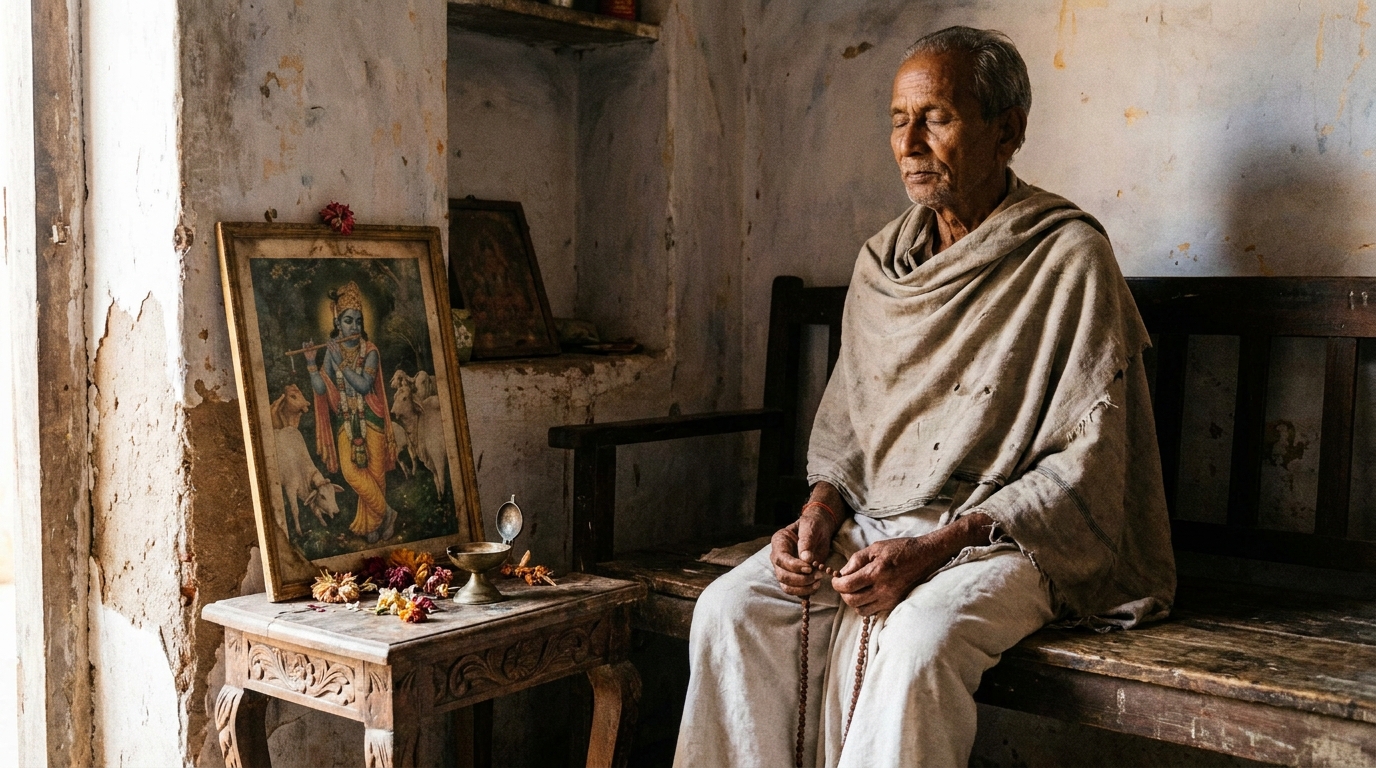
Among all forms of Krishna remembrance, chanting is especially powerful and accessible. In Bhakti Yoga, chanting the names of God is called kirtan when sung together, and japa when repeated softly or personally, often on prayer beads.
The holy name is not considered separate from Krishna. This means that when we chant Krishna’s names, we are directly connecting with Him.
The Maha-Mantra
The most widely practiced mantra in the Krishna Bhakti tradition is the Maha-Mantra, which means “the great mantra”:
Hare Krishna Hare Krishna
Krishna Krishna Hare Hare
Hare Rama Hare Rama
Rama Rama Hare Hare
A mantra is a sacred sound vibration that helps free the mind and awaken spiritual consciousness. “Hare” calls upon Krishna’s divine energy, especially His loving devotional energy. “Krishna” addresses the all-attractive Lord. “Rama” means the reservoir of joy and spiritual pleasure.
A simple meaning of the Maha-Mantra is:
“O Lord, O divine energy of the Lord, please engage me in loving service.”
You can chant this mantra softly in the morning, sing it with others, whisper it during a walk, or repeat it in your heart during a difficult moment.
Japa: Personal Meditation with the Holy Name
Japa is the practice of repeating the mantra personally, often using a string of 108 beads called a japa mala. Each bead helps us stay present with one repetition of the mantra.
If you are new, you might begin with just five minutes a day. Sit comfortably. Take a breath. Chant clearly enough that you can hear yourself. When the mind wanders, return to the sound.
The goal is not performance. The goal is connection.
You may pray before chanting: “Krishna, please help me hear Your name. Please help me remember You.”
This humble prayer transforms japa from routine into relationship.
Kirtan: Remembering Krishna Together
Kirtan is congregational chanting, often with music. People sing the names of Krishna together, usually in a call-and-response style. One person leads, and others respond.
Kirtan is joyful, healing, and welcoming. You do not need a trained voice. You do not need to know the melody perfectly. In Bhakti, sincerity is more important than musical skill.
When people chant together, hearts soften. Strangers become community. The holy name carries everyone.
Kirtan is one of the easiest ways to experience Krishna remembrance not as a concept, but as a living, shared joy.
Remembering Krishna Through Prayer
Prayer is one of the most natural ways to remember Krishna. It can be formal or spontaneous, spoken aloud or silent, poetic or plain.
Krishna does not require polished language. He receives the heart.
Simple Daily Prayer
You might begin the day with a simple prayer:
“Dear Krishna, please guide my thoughts, words, and actions today. Help me remember You. Help me serve with kindness. Please keep me close to You.”
This kind of prayer takes less than one minute, but it can shape the whole day.
Prayer places us in a posture of humility. We remember that we are not alone, and we are not the ultimate controller. There is divine guidance available.
Honest Prayer in Difficult Times
Sometimes we may feel peaceful when we pray. Other times, we may feel confused, tired, angry, or brokenhearted.
All of that can be brought to Krishna.
Honest prayer may sound like:
“Krishna, I am struggling.”
“Please help me forgive.”
“Please give me strength.”
“I do not know what to do.”
“Please let me feel Your presence.”
Bhakti Yoga does not ask us to hide our humanity. It teaches us to offer it.
When we bring our real self to Krishna, remembrance becomes intimate.
Gratitude as Remembrance
Gratitude is a beautiful doorway into Krishna remembrance.
Before eating, we can pause and thank Krishna for the food. When we see sunlight, hear birds, receive kindness, or complete a task, we can inwardly say, “Thank You.”
This does not mean life is always easy. Gratitude in Bhakti is not denial of pain. It is the practice of noticing grace even within imperfection.
A grateful heart remembers Krishna more easily.
Remembering Krishna Through Scripture
Sacred texts are not merely books of information. In Bhakti Yoga, scriptures are living guidance. They help us hear about Krishna, understand His qualities, and learn from the lives of His devotees.
Two central Bhakti scriptures are the Bhagavad-gita and the Srimad-Bhagavatam.
Bhagavad-gita: Krishna’s Guidance for Daily Life
The Bhagavad-gita is a conversation between Krishna and Arjuna, a warrior facing crisis on the battlefield. Arjuna is overwhelmed, uncertain, and morally troubled. Krishna guides him with teachings on the soul, duty, yoga, devotion, and surrender.
This setting is deeply relevant. Krishna does not speak the Gita in a quiet cave away from responsibility. He speaks in the middle of life’s pressure.
For those practicing Krishna remembrance, the Gita teaches that spirituality is not separate from daily duty. We can remember Krishna while working, parenting, studying, creating, and serving.
Krishna says:
“Whatever you do, whatever you eat, whatever you offer or give away, and whatever austerities you perform—do that as an offering to Me.”
— Bhagavad-gita 9.27
This verse is a complete guide to practical remembrance. Whatever we do can become sacred when offered with love.
Srimad-Bhagavatam: Hearing Krishna’s Qualities and Pastimes
The Srimad-Bhagavatam is a rich devotional scripture that describes Krishna’s qualities, teachings, incarnations, devotees, and loving pastimes.
Hearing about Krishna is a form of remembrance called sravanam, meaning “hearing.” Sravanam and smaranam support one another. When we hear about Krishna, we gain something beautiful to remember.
The Bhagavatam especially emphasizes that Krishna is not distant or impersonal. He has loving exchanges with His devotees. He protects, guides, jokes, plays, teaches, and receives offerings of love.
Reading even a few verses regularly can bring sacred sound into the mind and heart.
How to Read Scripture Practically
If you are new to Bhakti scriptures, start gently.
Read a small passage each day. Ask three questions:
- What does this teach me about Krishna?
- What does this teach me about the soul?
- How can I apply this today?
You do not need to understand everything immediately. Let the teachings enter gradually, like sunlight entering a room.
You may also read with others, attend a Bhakti study group, or listen to classes from trusted teachers. Community can help scripture become practical and alive.
Remembering Krishna Through Service
Bhakti is not only meditation. It is love in action.
The Sanskrit word seva means service. In Bhakti Yoga, seva means offering our time, energy, talents, and care for Krishna’s pleasure and the welfare of others.
Service Purifies the Heart
When we serve with devotion, our focus shifts from “What can I get?” to “How can I offer?”
This shift is deeply healing. Much of our suffering comes from the burden of self-centered expectation. Service loosens that knot. It reminds us that love is meant to flow.
Service may be simple:
Cooking a meal and offering it to Krishna.
Cleaning a sacred space.
Helping at a kirtan gathering.
Supporting someone who is lonely.
Sharing spiritual wisdom with humility.
Using your skills for a devotional purpose.
No sincere service is small.
Krishna says in the Bhagavad-gita:
“If one offers Me with love and devotion a leaf, a flower, a fruit, or water, I will accept it.”
— Bhagavad-gita 9.26
This verse reveals Krishna’s heart. He is not impressed by wealth or display. He accepts love.
Offering Your Work
Many people wonder, “How can I remember Krishna when I have so many responsibilities?”
The answer is not always to do less. Often, it is to offer more consciously.
Before beginning work, you can pray: “Krishna, may this work be done as an offering. Please help me act with integrity and kindness.”
If you care for children, that care can be seva. If you earn honestly, support others, teach, heal, build, clean, write, organize, or protect, those duties can become spiritualized when offered to Krishna.
Bhakti Yoga does not reject the world. It transforms our relationship with it.
Serving Krishna’s Children
Every living being is dear to Krishna. Therefore, kindness to others is part of Krishna remembrance.
This includes people of all backgrounds, beliefs, cultures, and histories. A Bhakti heart does not ask, “Are you like me?” before offering respect. It remembers, “You are also a soul. You are also loved by God.”
Service to others should be humble, not controlling. Compassion should honor dignity. True Bhakti makes us softer, not superior.
Creating a Daily Practice of Krishna Remembrance
A complete guide to Krishna remembrance must become practical. The beauty of Bhakti Yoga is that small, steady practices can deeply change the heart.
Begin the Morning with Krishna
Morning is a powerful time because the mind has not yet become fully absorbed in the day’s demands.
You might begin with:
A short prayer.
A few minutes of chanting.
Reading one verse from the Bhagavad-gita.
Offering gratitude.
Setting an intention to serve.
Even ten minutes can make a difference.
If your mornings are busy, do not feel discouraged. Offer what you can. Krishna sees the sincerity, not the size of the practice.
Remember Krishna While Eating
In Bhakti Yoga, food can become sacred when prepared and offered with love. Food offered to Krishna is called prasadam, meaning “mercy” or “grace.”
A simple home offering can be:
Place vegetarian food before a picture or sacred image of Krishna.
Pray, “Dear Krishna, please accept this offering.”
Chant the Maha-Mantra.
Wait a few moments with gratitude.
Then honor the food as Krishna’s mercy.
Eating prasadam is a deeply practical form of remembrance. It brings devotion into the body, home, and family life.
Use Remembrance Cues Throughout the Day
Because the mind forgets easily, gentle reminders help.
You might place a small picture of Krishna on your desk. Set a phone reminder to chant one round or say a prayer. Listen to kirtan while commuting. Keep a japa mala nearby. Pause before meals. End emails or tasks with a silent offering.
These small cues are not rules. They are invitations.
Over time, ordinary moments become sacred touchpoints.
End the Day with Reflection
Before sleeping, take a few minutes to remember Krishna.
You can ask:
Where did I remember Krishna today?
Where did I forget?
What am I grateful for?
What do I want to offer tomorrow?
Then pray simply: “Krishna, thank You for carrying me through this day. Please forgive my mistakes. Please help me remember You more tomorrow.”
Ending the day with remembrance helps the heart rest in spiritual shelter.
Common Obstacles in Krishna Remembrance
Every sincere practitioner faces obstacles. This does not mean we are failing. It means we are walking a real path.
“My Mind Wanders Too Much”
The mind wanders by nature. In the Bhagavad-gita, Arjuna says the mind is restless, turbulent, and difficult to control. Krishna does not dismiss this. He explains that the mind can be trained by practice and detachment.
So when the mind wanders during chanting, do not give up. Gently return to the holy name.
The returning is the practice.
“I Do Not Feel Devotion”
Many people worry that they do not feel enough love for Krishna. But Bhakti begins with practice, and feeling often comes gradually.
If you do not feel devotion, you can pray for devotion.
“Krishna, I do not have much love, but I want to love You. Please help me.”
This humble desire is precious.
Devotion is not manufactured by force. It is awakened by mercy, sincere practice, and the association of devotees.
“I Feel Unworthy”
Some people hesitate to approach Krishna because of past mistakes, doubts, or feelings of impurity.
But Krishna remembrance is not only for the pure. It is the path by which the heart becomes purified.
Krishna is not waiting for us to become perfect before we come to Him. He invites us to come so that He can help us.
In Bhakti, humility is healthy when it leads us toward God, not away from Him.
“I Am Too Busy”
Modern life can be full. But Krishna remembrance can be woven into what we already do.
Chant while walking. Pray while washing dishes. Offer your work. Listen to kirtan in the car. Read one verse before bed. Say Krishna’s name when you wake up.
A busy life can still become a devotional life.
The question is not, “Can I create a perfect spiritual schedule?” The question is, “Can I offer this moment?”
The Role of Community in Krishna Remembrance
Bhakti grows beautifully in the company of others who are also trying to remember Krishna. This sacred company is called sadhu-sanga, the association of sincere spiritual seekers and devotees.
Why Spiritual Association Helps
We become influenced by the people and environments around us. When we spend time with those who value chanting, prayer, service, compassion, and scripture, our own remembrance becomes stronger.
Community gives encouragement. It helps us continue when we feel weak. It gives us opportunities to serve. It reminds us that we are not alone.
A Bhakti community should be welcoming and humble. It should help people come closer to Krishna with kindness, not pressure.
Learning from Devotees
Devotees teach not only through words, but through example. When we see someone chant sincerely, serve joyfully, forgive generously, or live simply, our faith grows.
In Bhakti, learning is relational. We learn by hearing, asking, serving, and observing.
It is helpful to seek guidance from those who are steady, compassionate, scripturally grounded, and respectful of others.
Welcoming All Backgrounds
Krishna remembrance is for everyone.
Whether you are new to spirituality, returning after a long time, from another faith tradition, uncertain about God, or deeply familiar with Bhakti Yoga, you are welcome to begin.
The holy name does not belong to one nation, race, language, or social group. Krishna is the Lord of every heart.
Deepening Krishna Remembrance Over Time
As practice matures, remembrance becomes less like an activity and more like an atmosphere of the heart.
From Routine to Relationship
At first, chanting, prayer, and reading may feel like habits we are trying to build. That is natural. But over time, these practices become personal.
The mantra becomes a call. Scripture becomes guidance. Service becomes affection. Prayer becomes conversation.
This is the heart of Bhakti Yoga: relationship with Krishna.
Remembering Krishna’s Qualities
One way to deepen remembrance is to meditate on Krishna’s qualities.
Krishna is compassionate.
Krishna is playful.
Krishna is wise.
Krishna is beautiful.
Krishna is protective.
Krishna is the friend of all living beings.
When we remember these qualities, our idea of God becomes warm and personal. We begin to trust Krishna not only as the Supreme, but as our well-wisher.
Remembering Krishna in All Circumstances
Advanced remembrance does not mean life becomes free from difficulty. It means Krishna becomes present within every circumstance.
In happiness, we thank Him.
In confusion, we seek His guidance.
In pain, we take shelter.
In success, we offer the result.
In failure, we learn humility.
In service, we feel purpose.
Krishna remembrance gradually changes the question from “Why is this happening to me?” to “Krishna, how can I remember You and serve You here?”
That shift is sacred.
A Simple Krishna Remembrance Practice for Beginners
If you would like to begin today, here is a gentle practice.
Morning: Offer the Day
When you wake up, say:
“Dear Krishna, please let me remember You today. Please guide me and help me serve with love.”
Then chant the Maha-Mantra for five minutes.
Midday: Pause and Reconnect
At some point in the day, pause for one minute.
Take a breath. Say Krishna’s name. Offer whatever you are doing.
“Krishna, this is for You.”
Evening: Reflect and Give Thanks
Before sleep, remember one moment of grace from the day.
Thank Krishna. Ask for help. Rest your heart in His care.
This simple rhythm—morning offering, midday remembrance, evening gratitude—can become a foundation for lifelong spiritual growth.
The Mercy of Remembering Krishna
Krishna remembrance is both our practice and Krishna’s gift.
We make an effort to remember, but the ability to remember is also mercy. The desire to chant, the chance to hear, the inspiration to pray, the meeting with devotees, the taste for service—all of these are gifts from Krishna.
This understanding keeps us humble. We do not become proud of our practice. We become grateful.
Bhakti Yoga is not about becoming spiritually impressive. It is about becoming sincere, softened, and available for love.
The path is walked one name at a time.
One prayer at a time.
One offering at a time.
One act of service at a time.
One return to Krishna at a time.
And Krishna, who is seated in the heart of every living being, notices every sincere step.
Wherever you are beginning from, you are welcome. If your faith is strong, bring it. If your faith is small, bring that too. If you have questions, bring them. If you feel tired, come gently. Krishna remembrance is not a closed doorway. It is an open invitation.
May we all take one sincere step toward God today—by chanting Krishna’s name, offering a prayer, serving someone with kindness, reading sacred wisdom, or simply turning the heart toward the One who has always loved us.
FAQs
What is Krishna remembrance?
Krishna remembrance, also known as Krishna consciousness, is the practice of focusing one’s thoughts and emotions on the Hindu deity Krishna. It involves remembering and meditating on Krishna’s teachings, qualities, and pastimes.
How is Krishna remembrance practiced?
Krishna remembrance is practiced through various methods such as chanting the Hare Krishna mantra, reading scriptures like the Bhagavad Gita, participating in devotional singing and dancing (kirtan), and engaging in acts of service (seva) to Krishna and others.
What are the benefits of Krishna remembrance?
Practicing Krishna remembrance is believed to bring spiritual growth, inner peace, and a deeper connection with the divine. It is also thought to purify the mind and heart, leading to a more joyful and fulfilling life.
Is Krishna remembrance only for followers of Hinduism?
While Krishna remembrance is deeply rooted in Hinduism, people from all backgrounds and faiths can practice it. The universal principles of love, devotion, and self-realization taught in Krishna consciousness are applicable to anyone seeking spiritual growth.
Are there specific rituals or rules for Krishna remembrance?
While there are traditional practices and guidelines for Krishna remembrance within the Hindu tradition, individuals are encouraged to approach it in a way that resonates with their own beliefs and values. There is no strict set of rituals or rules that must be followed, allowing for personal interpretation and expression.

