
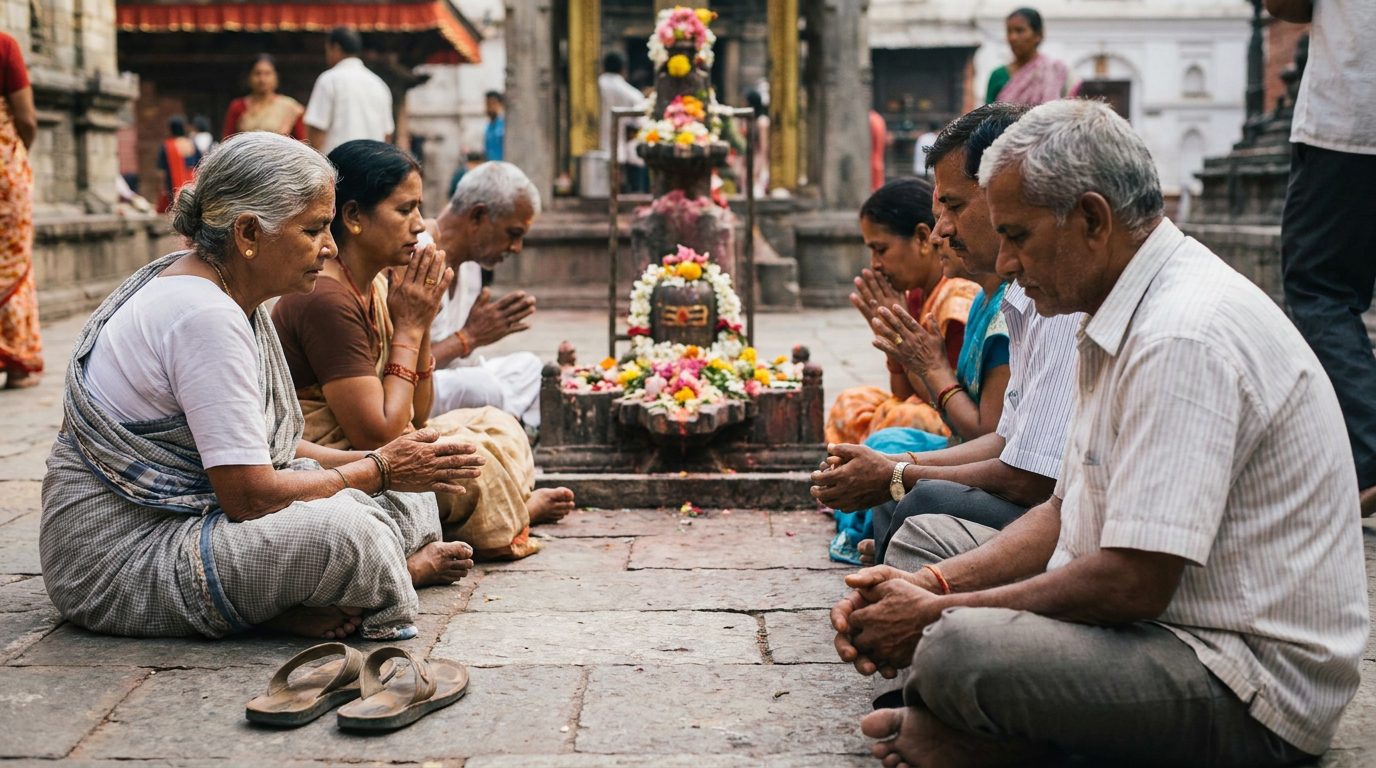
In Bhakti Yoga, the path of loving devotion to God, association is considered sacred. The people we spend time with deeply influence our thoughts, habits, prayers, and direction in life. When we come close to sincere devotees—people who are genuinely trying to love and serve the Divine—our own hearts begin to soften.
A “devotee” simply means one who is devoted. In Sanskrit, the word often used is bhakta, meaning a person who offers love, service, and remembrance to Bhagavan—God, the Supreme Person, known by many names such as Krishna, Rama, Vishnu, Allah, Yahweh, or simply the Divine Beloved.
Identifying true devotees is not about judging others harshly or creating spiritual pride. It is about learning how to recognize qualities that are nourishing, trustworthy, and uplifting. It is also a mirror for our own spiritual growth. As we notice these qualities in others, we can gently ask, “How can I cultivate more sincerity, humility, and love in my own heart?”
The Bhakti tradition teaches that real spirituality is not merely external. It is not only about clothing, titles, knowledge, rituals, or public recognition. True devotion is known by the transformation of the heart.
As the Bhagavad-gita explains, a spiritually wise person sees with equal vision. They recognize the soul within all beings, beyond the body, social position, religion, nationality, or background. This vision is one of the beautiful signs of genuine devotion.
True Devotion Begins With Humility
Humility is one of the clearest signs of a true devotee. A humble person does not think, “I am nothing and therefore useless.” Rather, humility means seeing oneself truthfully: “I am a soul, beloved by God, dependent on divine grace, and meant to serve with love.”
Humility Is Not Weakness
In Bhakti Yoga, humility is strength. It allows a person to keep learning, keep praying, and keep serving without demanding honor. A humble devotee may be very wise, talented, or spiritually advanced, but they do not use those gifts to dominate others.
The Chaitanya Charitamrita, a treasured devotional scripture, shares a famous verse from Sri Chaitanya Mahaprabhu:
“One should chant the holy name of the Lord in a humble state of mind, thinking oneself lower than a blade of grass, more tolerant than a tree, ready to offer respect to all, and not expecting respect for oneself.”
This teaching is not meant to make us feel small in an unhealthy way. It invites us to become free from the constant hunger for praise. When we are not always trying to be seen as important, we become more available to love.
A True Devotee Gives Credit to Grace
A sincere devotee often says, “Whatever good is here is by God’s mercy.” They may work hard, study deeply, and serve faithfully, but they understand that all ability comes from the Divine.
This does not mean they avoid responsibility. Rather, they carry responsibility with gratitude. They know that the body, mind, breath, intelligence, time, and opportunities are sacred gifts. Such a person naturally becomes gentle, appreciative, and careful with others.
Humility Makes Room for Everyone
A truly humble devotee does not make others feel spiritually inferior. They do not shame beginners, mock other paths, or use scripture as a weapon. Instead, they welcome sincere seekers.
At The Bhakti House, we often remember that everyone is somewhere on the journey. Some are beginning with curiosity. Some are healing from pain. Some are returning to God after many years. Some are chanting daily, while others are simply whispering their first prayer.
A true devotee honors each sincere step.
True Devotees Are Steady in Chanting and Prayer
One of the central practices of Bhakti Yoga is chanting the holy names of God. In Sanskrit, this is called kirtan when sung together, and japa when repeated softly or privately, often on prayer beads. Chanting is not merely music or repetition. It is a way of calling out to the Divine with the heart.
The sacred mantra most often associated with the Bhakti tradition is the Maha Mantra, meaning “great mantra”:
Hare Krishna, Hare Krishna, Krishna Krishna, Hare Hare
Hare Rama, Hare Rama, Rama Rama, Hare Hare
“Hare” calls upon the divine energy of love and compassion. “Krishna” means the all-attractive Lord. “Rama” means the source of joy and spiritual pleasure. In simple words, this mantra is a prayer: “O Lord, O Divine Mother, please engage me in loving service.”
Chanting Softens the Heart
A true devotee may not always have a perfect voice or dramatic spiritual experiences. The deeper sign is that chanting makes them kinder, more patient, more honest, and more loving.
The Srimad-Bhagavatam, one of the great Bhakti scriptures, teaches that hearing and chanting about God cleanses the heart. This cleansing is not always instant or easy. It is a gradual purification of selfishness, fear, envy, and pride.
A sincere devotee returns to the holy name again and again, especially when life becomes difficult. They do not chant only when everything feels peaceful. They chant in confusion, gratitude, grief, joy, and longing.
Prayer Is Honest, Not Performative
True devotees pray sincerely. Their prayer may be spoken in Sanskrit, English, Spanish, Arabic, Hebrew, or the silent language of tears. The power is not in performance but in the offering of the heart.
A true devotee’s prayer might be simple:
“Dear Lord, please guide me.”
“Please help me serve.”
“Please remove what keeps me away from You.”
“Please bless this person who is suffering.”
“Please let me remember You.”
They may lead beautiful ceremonies, but they also pray when no one is watching. This private connection with God is a strong sign of authentic devotion.
They Depend on God in Daily Life
Steady devotion is not limited to a temple, church, mosque, synagogue, yoga studio, or sacred gathering. A true devotee brings remembrance into daily life: cooking, working, parenting, studying, walking, cleaning, listening, and resting.
Bhakti Yoga is practical. It asks, “How can I remember God here? How can I serve with love now?” A sincere devotee may offer food before eating, chant while commuting, pause to pray before making a decision, or speak kindly when it would be easier to react.
Please visit our website for more information on our articles: articles.
True Devotees Show Compassion in Action
Compassion is one of the most beautiful signs of real devotion. A true devotee cares about the suffering of others. They do not live only for personal liberation or private peace. Their heart becomes moved by the needs of people, animals, and the earth.
Compassion Is More Than Sentiment
In Bhakti, compassion is active. It may look like feeding others, offering spiritual friendship, listening deeply, supporting someone in crisis, sharing sacred teachings, caring for children, protecting animals, or simply speaking words that restore hope.
The Bhagavad-gita describes a dear devotee as one who is not envious, who is friendly and compassionate toward all beings. This is a very practical standard. We can ask: Does this person become softer through spiritual practice? Are they becoming more caring? Do others feel safe and respected around them?
They Serve Without Needing Attention
Service is called seva in Sanskrit. It means loving service offered for the pleasure of God and the welfare of others. Seva may be visible or hidden. Some devotees lead kirtan or teach scripture. Others wash pots, set up chairs, care for guests, clean floors, cook meals, or quietly pray for the community.
A true devotee does not think hidden service is lower. They know that God sees the heart.
In fact, many advanced devotees prefer simple service. They may not seek the spotlight. They are happy when others grow, when guests feel welcomed, and when God is glorified.
Their Compassion Includes Boundaries
It is important to understand that compassion does not mean allowing harm. A true devotee is kind, but not naïve. They may forgive, but they also protect the vulnerable. They may be gentle, but they can speak firmly when needed.
Spiritual maturity includes healthy boundaries. If someone uses the language of devotion to manipulate, control, exploit, or silence others, that is not true devotion. Real Bhakti increases dignity, safety, and love.
A genuine devotee never asks someone to abandon their conscience. Rather, they help people come closer to God with clarity, integrity, and freedom.
True Devotees Live With Integrity
Integrity means that a person’s inner values and outer actions are aligned. None of us are perfect. A devotee may still struggle, make mistakes, and need forgiveness. But a true devotee is honest about the journey and sincerely tries to live according to spiritual principles.
They Are Honest About Their Imperfections
One of the signs of a sincere devotee is the ability to say, “I was wrong,” “Please forgive me,” or “I need to grow.” They do not pretend to be beyond human weakness. They bring their weakness to God and keep practicing.
The Bhakti path does not demand that we become perfect before we approach the Divine. Rather, we approach the Divine so that our hearts can be purified.
Still, sincerity means we do not use “I am imperfect” as an excuse to continue harmful behavior. A true devotee takes responsibility and seeks transformation.
They Respect Sacred Principles
In many Bhakti traditions, devotees try to live by principles that support purity, compassion, and clarity. These may include truthfulness, nonviolence, cleanliness, self-control, and mercy. Some practice vegetarianism or veganism as an expression of compassion. Some avoid intoxication to keep the mind clear for remembrance of God. Some practice moderation and faithfulness in relationships.
These principles are not meant to create pride. They are meant to protect love.
A true devotee does not simply follow rules mechanically. They understand that spiritual discipline is like a fence around a young garden. It protects the tender plant of devotion.
They Do Not Exploit Others
This is very important. A true devotee does not use spiritual authority for personal gain, control, money, fame, or inappropriate relationships. They do not pressure people with fear. They do not claim that questioning is offensive. They do not hide misconduct behind religious language.
Authentic spiritual life is transparent and accountable. A sincere teacher or devotee welcomes thoughtful questions, honors personal dignity, and points people toward God—not toward dependence on themselves.
If someone’s presence creates fear, confusion, secrecy, or loss of self-worth, it is wise to pause and seek guidance from trusted, grounded people.
True Devotees Honor Scripture With a Living Heart
Bhakti Yoga is rooted in sacred wisdom. Scriptures such as the Bhagavad-gita, Srimad-Bhagavatam, Ramayana, and writings of the great saints offer guidance for understanding God, the soul, karma, devotion, and the purpose of life.
But true devotees do not treat scripture as dry information. They receive it as a living invitation to love.
They Study to Serve, Not to Win Arguments
A sincere devotee may study deeply, memorize verses, and speak beautifully. But the purpose of their learning is not to defeat others or appear superior. They study so they can remember God, purify their own heart, and serve others wisely.
In the Bhagavad-gita, Krishna teaches Arjuna not only philosophy but loving surrender. The Gita’s message is not merely “know more.” It is “live in loving connection with the Divine.”
A true devotee lets scripture question them. They ask, “How can this teaching help me become more compassionate? How can I apply this in my family, work, and community? How can I love God more sincerely?”
They Explain Spiritual Truth Simply
A sign of maturity is the ability to make deep truths accessible. True devotees do not enjoy confusing people with complicated language. If they use Sanskrit words, they explain them with care.
For example:
- Bhakti means loving devotion.
- Seva means service offered with love.
- Kirtan means singing God’s names together.
- Japa means personal mantra meditation.
- Sadhu-sanga means association with saintly people.
- Prasadam means food offered to God with love and then shared as grace.
A real devotee wants people to feel invited, not excluded.
They Live the Teachings
Scriptural knowledge becomes powerful when embodied. Someone may quote many verses, but if they are harsh, arrogant, greedy, or careless with others, their knowledge has not yet softened the heart.
On the other hand, a devotee may know only one prayer deeply and live it with sincerity. Such a person can inspire many.
The Srimad-Bhagavatam praises devotion that is causeless and uninterrupted—love that does not depend on external reward. This kind of devotion brings satisfaction to the self because it reconnects us with our eternal relationship with God.
True Devotees Are Gentle, Yet Spiritually Strong
Many people imagine a holy person as someone who is always quiet, passive, or detached from the world. But in Bhakti, gentleness and strength live together.
A true devotee is gentle because they do not want to harm others. They are strong because they are anchored in God.
They Are Tolerant in Difficulty
Life brings challenges to everyone. True devotees also experience illness, loss, disappointment, conflict, and uncertainty. The difference is that they try to respond through prayer, remembrance, and trust.
Tolerance does not mean pretending pain is not real. It means carrying pain with faith. A devotee may cry, seek support, and speak honestly, but still turn toward God.
In the Bhagavad-gita, Krishna teaches that joys and sorrows come and go like seasons. A wise person learns to tolerate them without losing spiritual direction. This is a lifelong practice.
They Do Not Become Easily Envious
Envy is one of the great obstacles in spiritual life. It makes us feel threatened by another person’s gifts, success, beauty, knowledge, or service. A true devotee works to become free from envy by celebrating others.
When someone else is blessed, they think, “How wonderful. May they use it in God’s service.” When someone else is praised, they do not need to compete. When someone else grows, they feel joy.
This quality is rare and precious. It brings peace to a community.
They Speak With Care
Speech reveals the heart. A true devotee tries to avoid gossip, cruelty, manipulation, and unnecessary criticism. They may need to speak truth, but they try to speak it in a way that is helpful.
The Bhakti tradition values kirtan, the glorification of God, because it purifies speech. The tongue can be used to harm or heal. It can complain endlessly, or it can chant, bless, encourage, and pray.
A sincere devotee gradually chooses words that bring people closer to goodness.
True Devotees Welcome Others With Respect
One of the most encouraging signs of real devotion is hospitality of the heart. True devotees do not make spiritual life feel like an exclusive club. They understand that God is the well-wisher of everyone.
They See the Soul, Not Just the Label
In Sanskrit, the soul is called atma. The atma is the eternal self, beyond the temporary body and mind. Bhakti teaches that every living being is a beloved part of God.
A true devotee tries to see beyond labels such as race, gender, age, nationality, income, education, religion, or past mistakes. They may honor their own tradition deeply, but they do not deny the dignity of others.
This does not mean all paths are identical in philosophy or practice. It means that a devotee’s heart is respectful, not hateful.
They Make Space for Beginners
A genuine devotee remembers what it feels like to be new. They do not expect newcomers to know all the songs, customs, philosophy, or etiquette. They gently explain.
They might say:
“You can sit wherever you feel comfortable.”
“You are welcome to chant or simply listen.”
“This food is called prasadam, which means it has been offered to God with love.”
“You do not have to believe everything immediately. Just bring your sincerity.”
This welcoming mood is deeply important. Many people come to spiritual life carrying wounds from judgment, exclusion, or religious trauma. True devotees become instruments of healing.
They Encourage Questions
Healthy Bhakti communities welcome sincere questions. Arjuna, the student in the Bhagavad-gita, asked Krishna many questions. His questioning was not condemned. It became the doorway to divine wisdom.
A true devotee does not demand blind faith. They encourage thoughtful reflection, personal practice, and lived realization. They understand that faith matures through hearing, chanting, serving, questioning, and experiencing God’s grace.
True Devotees Inspire Us to Remember God
Perhaps the simplest way to identify a true devotee is this: after being with them, do you feel more inspired to remember God, become kinder, chant sincerely, serve others, and live with integrity?
A true devotee may not be famous. They may not have a large following. They may not speak dramatically. But their presence quietly turns the heart toward the Divine.
Their Joy Is Rooted in Service
Bhakti joy is not superficial excitement. It is the happiness of connection. A true devotee finds joy in serving God and helping others come closer to spiritual life.
This joy may be expressed through singing, dancing, cooking, teaching, gardening, caring, organizing, or simply smiling at guests. It is not forced. It flows from gratitude.
The Bhagavad-gita says that one who is connected to the Divine finds a higher taste. This “higher taste” means spiritual nourishment that gradually makes lower habits less attractive. A true devotee helps others discover this higher taste through loving example.
They Point Beyond Themselves
One of the safest signs of a true devotee is that they do not make themselves the center. They point toward God, the holy name, scripture, service, and the community of sincere practitioners.
They may accept respect when it comes, but they offer it upward. They do not gather followers for ego. They invite people into relationship with the Divine.
A true devotee’s message is not, “Worship me.” It is, “Let us remember God together.”
Their Presence Awakens Hope
Many people come to Bhakti Yoga feeling tired, lonely, guilty, or spiritually hungry. A true devotee does not crush that tender beginning. They help awaken hope.
They remind us that God is merciful. They remind us that the holy name is available. They remind us that even one sincere prayer matters. They remind us that we are not our worst mistake, our anxiety, our past, or our social identity. We are souls, loved by God, capable of love.
Warning Signs: What True Devotion Is Not
Because spiritual life is precious, we should also be honest about what is not a sign of true devotion. This is not to criticize others, but to protect sincerity.
External Appearance Alone Is Not Enough
Devotional clothing, beads, tilaka markings, robes, sacred symbols, or spiritual vocabulary may be meaningful. They can help us remember God. But by themselves, they do not prove deep devotion.
A person may look spiritual outwardly while still struggling inwardly. Another person may look ordinary but carry deep love for God in their heart.
Bhakti asks us to look deeper.
Charisma Is Not the Same as Character
Some people are naturally charming, eloquent, musical, or emotionally powerful. These gifts can be used beautifully in service. But charisma should not be confused with saintliness.
Character is seen over time. How does a person behave when they are not praised? How do they treat those who cannot benefit them? How do they respond when corrected? Are they accountable? Are they kind in private as well as public?
True devotion becomes visible through consistency.
Control Is Not Care
A false spiritual mood may say, “I know what is best for your soul, so you must obey me.” True care respects free will. Krishna Himself speaks the Bhagavad-gita to Arjuna and then says, in essence, “Now reflect on this fully and do as you wish.”
This is profound. God gives guidance, but He does not erase our freedom. A true devotee follows this divine example. They may advise, but they do not coerce. They may teach, but they do not manipulate.
How to Grow Toward True Devotion Ourselves
Identifying true devotees is not only about finding the right people. It is also about becoming the kind of person we are seeking. Bhakti Yoga is a path of practice, mercy, and gradual transformation.
Begin With Daily Chanting
Even a few minutes of sincere chanting can change the direction of the day. You may chant the Maha Mantra, a name of God from your own tradition, or a simple prayer such as, “Lord, please guide me in love.”
If you use beads, chant one round. If you are new, chant for five minutes. If you are overwhelmed, chant once with your whole heart.
The holy name is not far away. God hears sincerity.
Offer One Act of Service
Choose one simple act of seva each day. Make a meal with love. Call someone who is lonely. Help clean a sacred space. Volunteer. Donate. Listen without interrupting. Offer your work to God before beginning.
Service turns spirituality from an idea into a lived relationship.
Seek Good Association
In Sanskrit, sadhu-sanga means the company of sincere, saintly people. This is one of the strongest supports in Bhakti Yoga. Look for people whose lives inspire humility, compassion, steadiness, and remembrance of God.
Good association does not mean everyone is perfect. It means the shared direction is sincere.
Read a Little Scripture With Reflection
You do not need to read many pages at once. Read one verse from the Bhagavad-gita or Srimad-Bhagavatam and ask:
“What is God teaching me here?”
“How can I practice this today?”
“How can this help me love more deeply?”
Scripture becomes alive when we apply it with humility.
Pray for the Qualities of a Devotee
A beautiful prayer might be:
“Dear Lord, please help me become humble, kind, truthful, and steady. Please let me serve without pride. Please guide me to sincere devotees, and help me become sincere myself.”
This prayer is already a step on the path.
A Gentle Checklist for Identifying True Devotees
When trying to recognize a true devotee, we can look for qualities over time. No one may display them perfectly, but sincere direction matters.
Signs of Sincerity
A true devotee tends to be:
- Humble and willing to learn
- Compassionate toward all beings
- Steady in chanting, prayer, or remembrance
- Honest about mistakes and willing to grow
- Respectful of scripture and spiritual practice
- Careful with speech and actions
- Joyful in service, even when unseen
- Welcoming to sincere seekers
- Free from exploitation and manipulation
- Inspiring others to remember God
Questions to Ask With Discernment
After spending time with someone, gently ask yourself:
“Do I feel closer to God?”
“Do I feel encouraged to become kinder and more truthful?”
“Does this person respect boundaries and dignity?”
“Are they accountable?”
“Do they serve, or mainly seek attention?”
“Do they point me toward God, or toward themselves?”
These questions help us practice discernment without becoming judgmental.
Remember That Devotion Grows Gradually
A person may be a sincere devotee in progress. We should not expect perfection from others or ourselves. Bhakti is a living path. The seed of devotion grows through hearing, chanting, service, prayer, and grace.
At the same time, we can honor sincerity while still being wise. Love and discernment belong together.
Walking the Path With an Open Heart
Identifying true devotees is ultimately about recognizing the fragrance of love for God. That fragrance may appear as humility, service, compassion, steady chanting, scriptural wisdom, simplicity, courage, and joy. It may shine through a teacher, a parent, a monk, a musician, a cook, a student, a grandmother, a child, or a quiet person arranging shoes by the door.
The Bhakti path reminds us that God is attracted not by our status, but by our sincerity. We may come with questions. We may come with doubts. We may come with a complicated past. We may come from any background, culture, or faith tradition. Still, the door of devotion is open.
If you are seeking true devotees, pray to be guided. Spend time where God’s names are chanted, where service is valued, where scripture is honored, and where people are treated with dignity. Watch over time. Listen to your conscience. Look for humility, compassion, integrity, and love.
And most of all, begin where you are.
Chant one holy name. Offer one prayer. Serve one person. Read one verse. Take one sincere step toward God.
Everyone is welcome on the path of Bhakti. The Divine Beloved is already near, waiting for the heart to turn with love.
FAQs
What are genuine devotees?
Genuine devotees are individuals who are deeply committed to a particular religious or spiritual path. They demonstrate sincerity, humility, and a genuine desire to grow spiritually.
How can you recognize genuine devotees?
Genuine devotees can be recognized by their consistent practice of the teachings of their faith, their humility, compassion, and their dedication to serving others selflessly.
What are some common traits of genuine devotees?
Some common traits of genuine devotees include a deep sense of inner peace, a strong moral compass, a willingness to sacrifice personal desires for the greater good, and a genuine love and respect for all beings.
Why is it important to recognize genuine devotees?
Recognizing genuine devotees is important because it allows individuals to seek guidance and inspiration from those who are truly committed to their spiritual path. It also helps to create a supportive community of like-minded individuals.
How can one differentiate between genuine devotees and those who are not sincere?
Differentiating between genuine devotees and those who are not sincere can be done by observing their actions, consistency in their practice, and the impact they have on others. Genuine devotees will demonstrate humility, compassion, and a selfless dedication to their spiritual path.

