
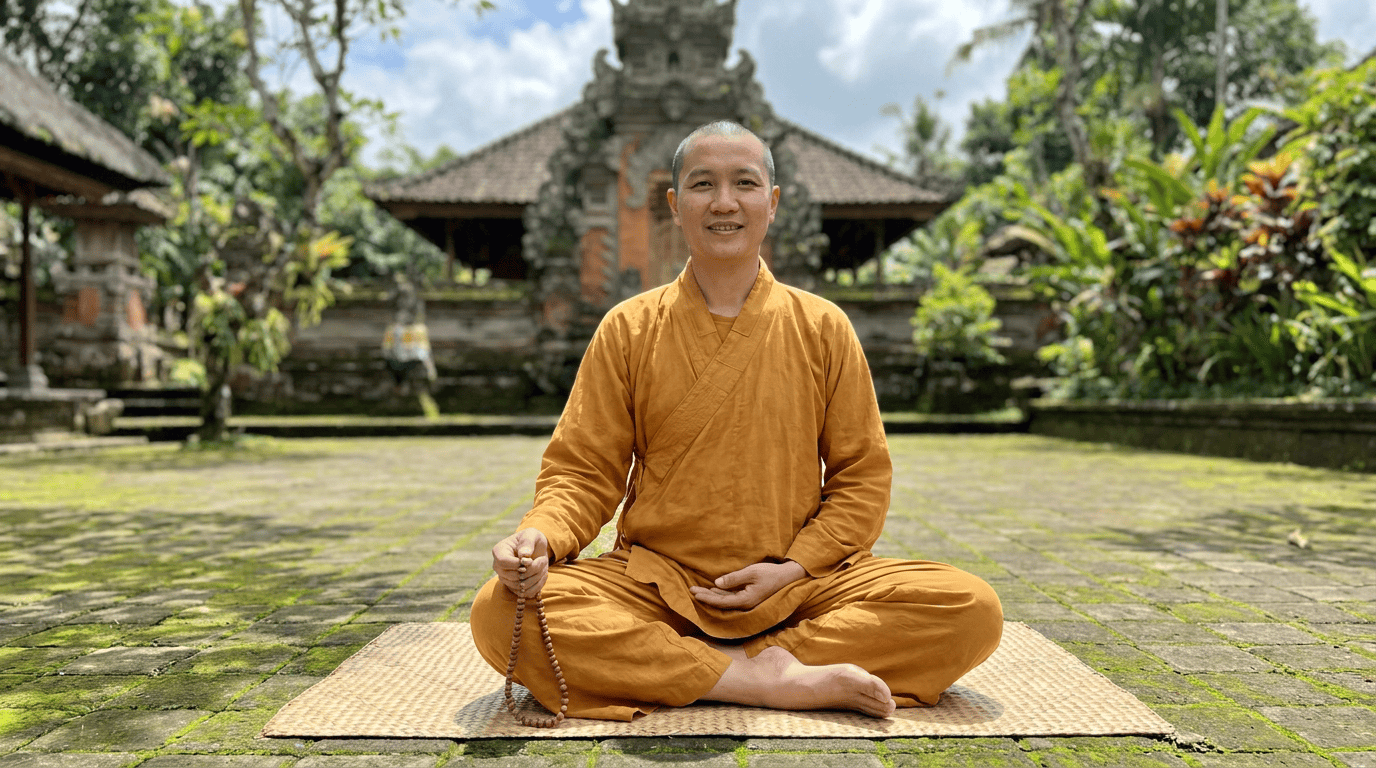
If you are curious about meditation, prayer, or a more loving relationship with God, the Hare Krishna mantra is a beautiful place to begin. You do not need to be born into a particular culture, know Sanskrit, or have a “perfect” spiritual life. You only need a sincere heart and a willingness to listen.
In Bhakti Yoga, the yoga of devotion, meditation is not only about quieting the mind. It is about awakening love. The heart naturally longs for connection—with others, with our true self, and ultimately with the Divine. The Hare Krishna mantra is a sacred sound prayer that helps us reconnect with that loving source.
The mantra is:
**Hare Krishna Hare Krishna
Krishna Krishna Hare Hare
Hare Rama Hare Rama
Rama Rama Hare Hare**
This is often called the maha-mantra, which means “great mantra.” A mantra is a sacred sound or prayer that helps carry the mind toward spiritual truth. “Maha” means great, and this mantra is called great because it is especially powerful for awakening devotion, peace, and remembrance of God.
In the Bhakti tradition, we understand God as a person with infinite names, qualities, and love. “Krishna” means “the all-attractive one.” “Rama” means “the source of spiritual joy.” “Hare” is a call to the divine energy of God, often understood as a prayer to be engaged in loving service.
So when we chant, we are not simply repeating sounds. We are praying: “O Lord, O Divine Energy of the Lord, please engage me in Your loving service.”
What Is Hare Krishna Mantra Meditation?
Hare Krishna mantra meditation is the practice of focusing the heart, voice, and mind on the sacred names of God. It can be done softly, loudly, alone, with others, seated, walking, or singing with music.
In Bhakti Yoga, chanting is both meditation and prayer. We are not trying to become empty or disappear. We are trying to become present—to hear, to remember, and to lovingly turn toward God.
The Meaning of “Hare,” “Krishna,” and “Rama”
The words of the mantra are simple, but very deep.
Hare is a call to the divine feminine energy of God, the compassionate spiritual energy that helps us come closer to divine love.
Krishna means “the all-attractive one.” This name points to God as the source of all beauty, wisdom, strength, fame, wealth, and renunciation.
Rama means “the reservoir of pleasure” or “the one who gives spiritual joy.” This name reminds us that lasting happiness is found in loving connection with God.
When we chant, we are calling out like a child calling to a loving parent. There may be philosophy behind it, but at its heart, mantra meditation is a relationship.
Why Sound Matters in Bhakti Yoga
In many spiritual traditions, sound is sacred. In Bhakti Yoga, divine sound is understood to be especially powerful because God’s name is not considered separate from God. This means that when we chant Krishna’s names sincerely, we are coming into contact with Krishna.
The Śrīmad-Bhāgavatam, a beloved Bhakti scripture, teaches that hearing and chanting about God purifies the heart. This does not mean we become perfect overnight. It means that through steady practice, our consciousness begins to change. We become softer, more honest, more grateful, and more aware of what truly matters.
Meditation as a Loving Practice
Many people think meditation means forcing the mind to stop. But anyone who has tried knows the mind can be restless. In the Bhagavad-gītā, Krishna says the mind is difficult to control, but it can be trained through practice and detachment.
Hare Krishna meditation gives the mind something beautiful to rest on: sacred sound. Instead of fighting every thought, we gently return again and again to the mantra.
This “returning” is the practice. Every time you notice you are distracted and come back to hearing the mantra, that is a sincere offering.
Preparing Your Heart and Space
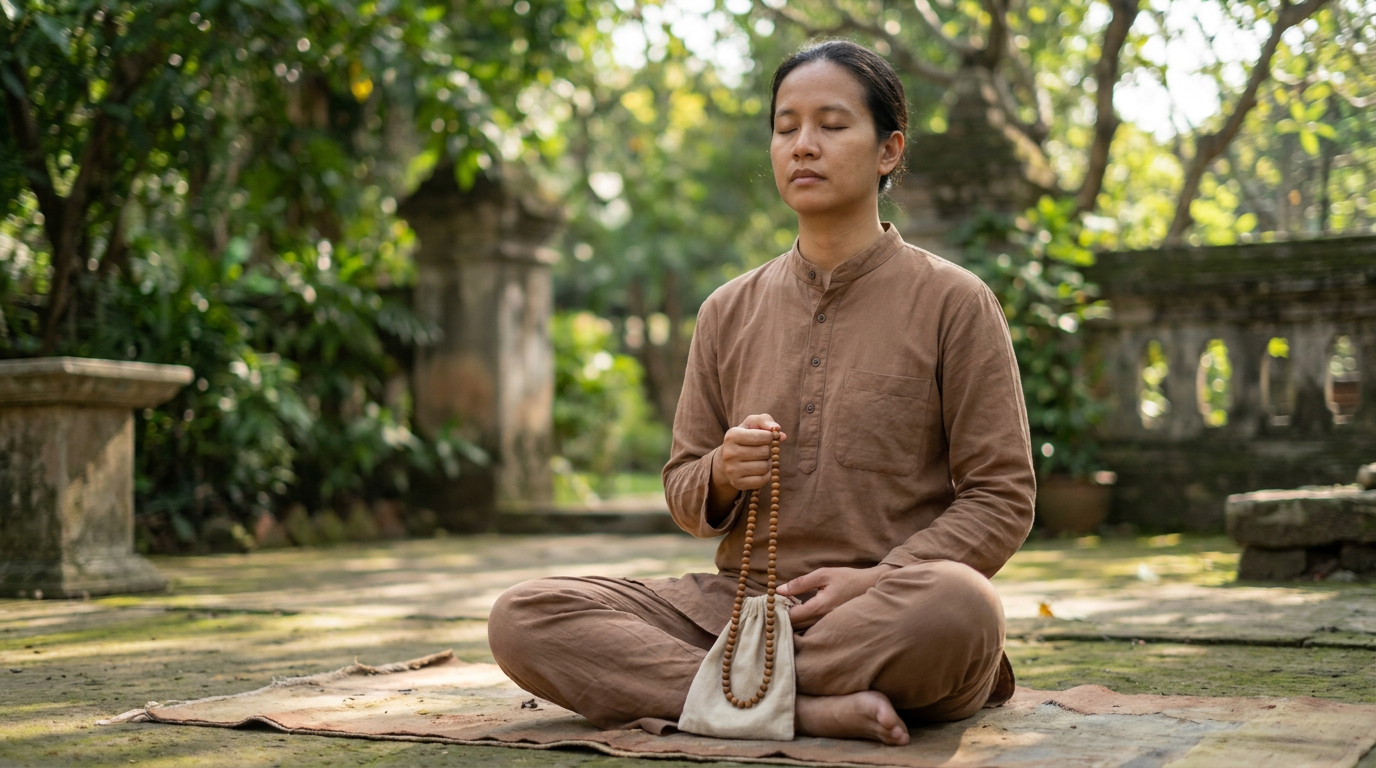
You can chant anywhere, but a little preparation can help your meditation feel more peaceful and intentional. Bhakti Yoga is practical. We bring spirituality into real life—our homes, our mornings, our commutes, our meals, and our relationships.
Choose a Simple, Peaceful Place
Find a place where you can sit comfortably and hear yourself chant. It does not need to be fancy. A chair, cushion, small corner of a room, or quiet outdoor space is enough.
If you like, you can create a small sacred space with a candle, flowers, a picture of Krishna, or a scripture such as the Bhagavad-gītā. These are not required, but they can help remind the heart: “This time is for God.”
Begin with Humility
Before chanting, take a moment to pause. You might offer a simple prayer:
“Dear Lord, please help me hear this mantra. Please guide my heart. Please let this practice bring me closer to love, truth, and service.”
Humility is not thinking badly of ourselves. It is remembering that spiritual growth is a gift. We come as we are, with our strengths and struggles, and we ask to be guided.
Set a Realistic Intention
If you are new, begin with five minutes a day. You can also chant one round on meditation beads, or simply repeat the mantra for a set amount of time.
The goal is not to impress anyone. The goal is sincerity. A small daily practice done with care can be more powerful than a long practice done with pressure and frustration.
Check out our latest posts at https://thebhaktihouse.org/blog.
How to Chant the Hare Krishna Mantra
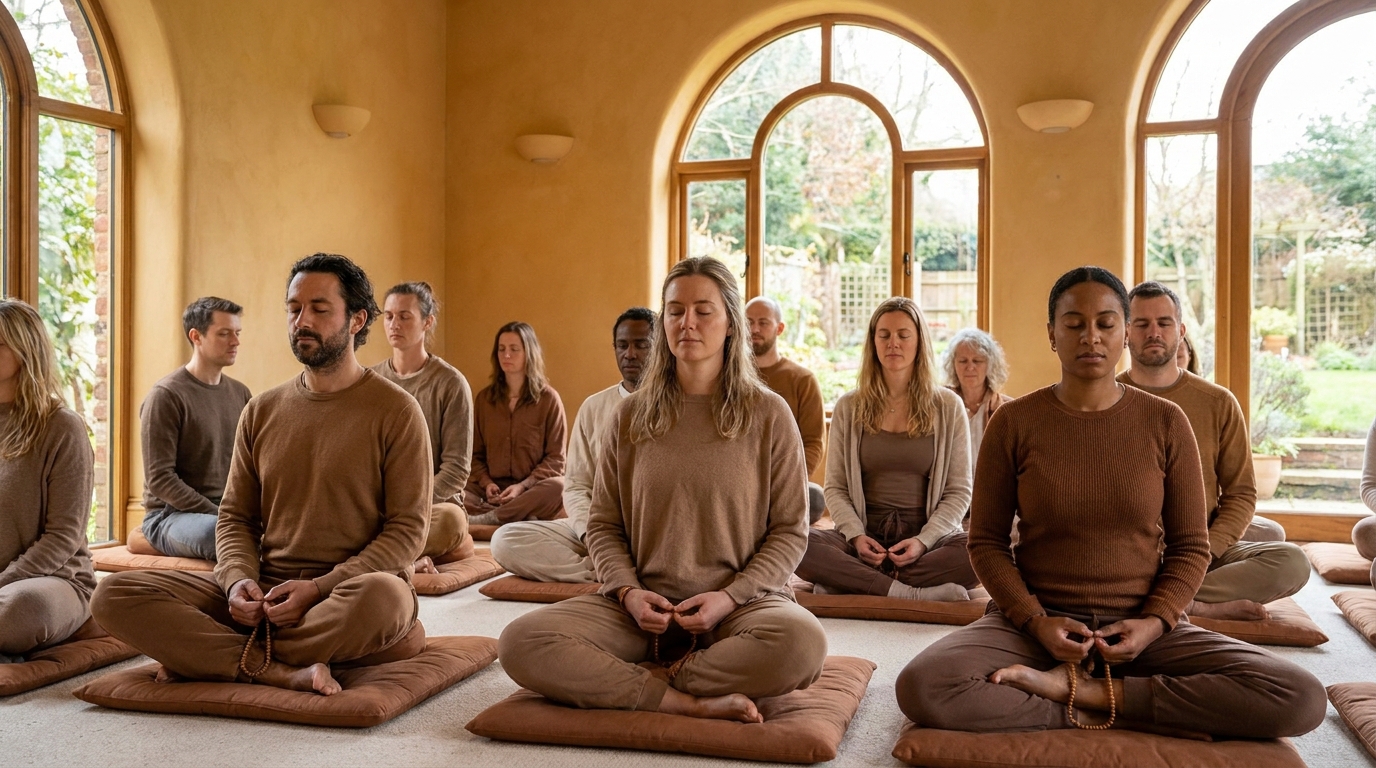
There are different ways to meditate with the Hare Krishna mantra. Some people chant quietly on beads, which is called japa. Some sing with others, which is called kirtan. Some listen to recordings and softly chant along. All of these can nourish the heart.
Japa: Personal Mantra Meditation
Japa means softly repeating a mantra, often using prayer beads. In Bhakti Yoga, a strand of japa beads usually has 108 beads. Each bead marks one full recitation of the maha-mantra:
Hare Krishna Hare Krishna
Krishna Krishna Hare Hare
Hare Rama Hare Rama
Rama Rama Hare Hare
To practice japa:
- Hold one bead gently between your fingers.
- Chant the full mantra clearly enough that you can hear yourself.
- Move to the next bead and chant again.
- Continue bead by bead.
- When your mind wanders, gently bring it back to the sound.
The most important part is hearing. Let your ears receive the mantra. Let your heart follow the sound.
Kirtan: Singing the Holy Names Together
Kirtan means singing or glorifying God, often in a call-and-response style. One person leads the mantra, and others respond. There may be instruments like harmonium, drum, cymbals, guitar, or simply voices.
Kirtan is joyful meditation. It reminds us that spiritual life is not meant to be lonely. We can chant together, pray together, and encourage one another.
The Bṛhan-nāradīya Purāṇa strongly recommends chanting the holy names of God in this age as the most accessible spiritual practice. In simple terms, this means that when life is busy, noisy, and complicated, the holy name is a merciful path. We can chant anywhere, at any time.
Silent, Soft, or Loud Chanting
You may wonder, “Should I chant silently or out loud?” In japa meditation, it is often helpful to chant softly but audibly, so your ears can hear the mantra. Hearing gives the mind a clear focus.
If you are in a public place, you may chant quietly within the mind. This is also valuable. But when possible, audible chanting is especially helpful because it engages the tongue, ears, and mind together.
Pronunciation with Devotion
Try your best with pronunciation, but do not become anxious. Krishna hears the heart.
A simple pronunciation guide:
Hare sounds like “Huh-ray”
Krishna sounds like “Krish-na”
Rama sounds like “Rah-ma”
Chant slowly enough to hear each word. Over time, the mantra will become familiar, like a dear friend.
A Step-by-Step Practice for Beginners
If you are beginning Hare Krishna mantra meditation, keep it simple. Bhakti grows through steady, sincere practice. You are planting a seed in the heart.
Step 1: Sit Comfortably and Breathe
Sit in a way that feels steady but not tense. You may sit on the floor, on a cushion, or in a chair. Keep your back comfortably upright if possible.
Take a few natural breaths. Let the body settle. Let the day be as it is. You do not have to solve everything before you chant.
Step 2: Offer a Short Prayer
Prayer opens the heart. You might say:
“Krishna, please help me chant with sincerity. Please let me hear Your names. Please bring me closer to You.”
If the word Krishna is new to you, you can pray, “Dear God, please guide me.” Bhakti Yoga welcomes sincerity in every stage of faith.
Step 3: Chant and Listen
Begin chanting:
Hare Krishna Hare Krishna
Krishna Krishna Hare Hare
Hare Rama Hare Rama
Rama Rama Hare Hare
Let the mantra be the center. Hear the sound. If thoughts arise, do not panic. Simply return.
You may chant for five minutes, ten minutes, or one round on beads. If you lose focus many times, that is normal. Each return is meaningful.
Step 4: End with Gratitude
When you finish, pause. Notice how you feel. Offer gratitude for the chance to chant.
You might pray:
“Thank You for allowing me to chant. Please help me carry this remembrance into my day.”
This helps meditation move beyond the sitting practice and into your actions, words, and relationships.
Working with the Restless Mind
Everyone who meditates meets the restless mind. Please do not be discouraged. The mind may wander to tasks, memories, worries, plans, or even random songs. This does not mean you are failing.
It means you are human.
Do Not Fight Every Thought
If you try to wrestle every thought, meditation can become exhausting. Instead, notice the distraction and gently return to the mantra.
The mantra is like a loving home. The mind wanders, and we come home again.
Make Hearing the Main Practice
In Bhakti Yoga, hearing is essential. The Sanskrit word śravaṇam means hearing, and kīrtanam means chanting or glorifying. These are two of the main practices of devotion described in the Śrīmad-Bhāgavatam.
When you chant, ask yourself: “Am I hearing the mantra?” Not in a harsh way, but as a gentle reminder.
Hearing brings us into the present moment. It also allows the sacred sound to touch the heart.
Be Patient with Inner Noise
Sometimes chanting feels peaceful. Sometimes it feels dry. Sometimes emotions may come up. Sometimes the mind feels louder than ever.
All of this can be part of purification. In Bhakti, purification means the heart is gradually being cleansed of what blocks love—fear, selfishness, pride, resentment, and forgetfulness of God.
The Caitanya-caritāmṛta, a sacred text about Śrī Caitanya Mahāprabhu, describes the chanting of the holy name as cleansing the mirror of the heart. This is a beautiful image. Our true self is not dirty, but the mirror of consciousness can become covered. Chanting gently clears it.
Deepening Your Mantra Meditation
As your practice grows, you may feel called to go deeper. This does not mean becoming rigid or proud. It means allowing the mantra to become a more central part of your life.
Chant at the Same Time Each Day
A regular time helps build spiritual rhythm. Many practitioners chant in the early morning because the world is quieter and the mind is fresher. In Bhakti tradition, the early morning hours are considered especially favorable for spiritual practice.
But if morning is not possible, choose another time. The best time is the time you will actually do.
Create a Daily Number or Time
Some people commit to a certain number of rounds on japa beads. Others begin with a set time, such as 10 or 20 minutes. A clear commitment helps the mind cooperate.
Start small and steady. Let your practice grow naturally.
Read a Little Bhakti Wisdom
Chanting becomes richer when nourished by spiritual understanding. Reading a few verses from the Bhagavad-gītā or Śrīmad-Bhāgavatam can help the heart remember why we chant.
In the Bhagavad-gītā, Krishna says, “Always think of Me, become My devotee, worship Me, and offer your homage unto Me.” This is not a demand from a distant ruler. It is an invitation from the Divine Friend, calling us into loving relationship.
Serve Others
Bhakti Yoga is not only meditation on a cushion. It is love in action.
Service, or seva, means offering our time, energy, talents, and care for the pleasure of God and the benefit of others. You can serve by cooking with love, helping someone in need, volunteering, cleaning a sacred space, encouraging a friend, or sharing spiritual wisdom gently.
Chanting softens the heart, and service expresses that softness in the world.
Common Questions About Hare Krishna Meditation
Many sincere people have questions when they begin. Questions are welcome. Bhakti Yoga is not blind belief; it is a living path of practice, inquiry, and realization.
Do I Have to Be Hindu to Chant?
No. The holy names of God are not limited by nationality, background, or religious label. Anyone can chant.
Bhakti Yoga comes from the Vedic tradition of India, and we honor that sacred heritage deeply. At the same time, the practice of chanting God’s names is universal. People from many spiritual backgrounds find nourishment in the Hare Krishna mantra.
You are welcome to chant with respect, curiosity, and sincerity.
What If I Do Not Fully Believe Yet?
You can still chant. Faith often grows through experience.
You might begin with a simple openness: “If there is truth and love in this mantra, may it be revealed to me.” This humble openness is powerful.
Bhakti does not ask us to pretend. It invites us to practice sincerely and observe how the heart changes.
Can I Chant While Walking or Driving?
Yes, with awareness and safety. You can chant softly while walking, cooking, cleaning, or resting. Many people keep the mantra in their heart throughout the day.
However, for deeper meditation, it is helpful to also have a focused time where chanting is your main activity. This is like watering the root of a tree. Then the rest of your day becomes nourished.
What If I Feel Emotional While Chanting?
That can happen. The mantra touches the heart. Sometimes tears, longing, gratitude, or sadness may arise. You do not need to suppress these feelings or dramatize them. Simply continue chanting and offer everything to God.
Bhakti is a path of the heart. Real spiritual life includes honest emotion, guided by devotion and humility.
The Role of Grace in Chanting
While we make effort, Bhakti Yoga teaches that spiritual awakening is ultimately a gift of grace. Grace means divine kindness. We chant, listen, pray, and serve, but we do not force love of God to appear. We receive it.
Our Effort Invites Mercy
Imagine opening a window. We do not create the sunlight, but we can let it in. In the same way, chanting opens the heart to divine mercy.
Every sincere repetition of the Hare Krishna mantra is meaningful. Even if the mind wanders, even if the voice is tired, even if we feel unqualified—the holy name is compassionate.
The Mantra Is Personal
Because the holy name is understood to be non-different from Krishna, chanting is personal contact. We are not meditating on an idea only. We are calling to a loving Person.
This can transform our meditation. Instead of thinking, “I must control my mind perfectly,” we can think, “I am spending time with Krishna. I am calling out to God. I am learning to listen.”
Love Is the Goal
The goal of Hare Krishna meditation is not just calmness, though calmness may come. It is not just stress relief, though many people feel relief. The deeper goal is prema, pure love of God.
Prema means love without selfishness, love that wants to serve, love that sees every living being as connected to God. This love is the heart of Bhakti Yoga.
Bringing the Mantra Into Daily Life
Meditation becomes most powerful when it begins to shape how we live. The Hare Krishna mantra can accompany us through ordinary moments and help us spiritualize daily life.
Chant Before You Begin the Day
Even a few minutes of chanting in the morning can change the mood of the day. It reminds us: “I am not only a worker, parent, student, friend, or problem-solver. I am a soul. I am loved by God. I can offer this day.”
Chant in Difficult Moments
When anxiety, anger, temptation, or sadness arises, the mantra can become a shelter. Instead of reacting immediately, pause and chant. Even one or two mantras can create space for wisdom.
The mantra does not erase all challenges, but it helps us face them with remembrance.
Offer Your Activities
Bhakti Yoga teaches that daily life can become sacred through offering. You can cook and offer the food to God. You can work honestly as an offering. You can speak kindly as an offering. You can care for family as service.
Chanting helps us remember the spirit of offering: “Krishna, let this be for You.”
Keep Good Association
Spiritual growth becomes easier with supportive company. In Sanskrit, sādhu-saṅga means association with sincere spiritual people. This might be joining a kirtan, visiting a Bhakti center, reading with others, attending online classes, or simply having friends who encourage your spiritual life.
We become shaped by what we hear and who we spend time with. Loving spiritual community helps protect and nourish the seed of devotion.
A Simple 15-Minute Hare Krishna Meditation Routine
If you want a practical routine, here is a gentle way to begin.
Minute 1–2: Arrive and Pray
Sit comfortably. Take a few breaths. Offer a simple prayer for guidance and sincerity.
Minute 3–12: Chant the Mantra
Chant the Hare Krishna mantra softly and clearly. If you have beads, chant bead by bead. If not, chant naturally for the time you have set.
Focus on hearing. When distracted, return gently.
Minute 13–14: Sit in Gratitude
After chanting, sit quietly for a moment. Let the sound settle in the heart.
Minute 15: Offer Your Day
End with a prayer: “Please help me remember You. Please help me serve with love.”
This simple practice, done regularly, can become a sacred anchor.
Mistakes to Avoid with Mantra Meditation
Because chanting is so simple, we may overlook the attitude that helps it flourish. Here are a few gentle reminders.
Avoid Mechanical Chanting
It is natural that the mind sometimes chants mechanically. When you notice this, do not feel guilty. Simply bring back attention and prayer.
Try to chant as if you are calling to someone who loves you.
Avoid Comparing Yourself
Some people chant many rounds. Some sing beautifully. Some know many scriptures. Be inspired, but do not compare.
Your sincere step matters. Krishna sees the heart, not the performance.
Avoid Giving Up Too Quickly
Like any relationship, spiritual life deepens over time. Some days chanting feels sweet. Other days it feels difficult. Continue with patience.
A seed does not become a tree in one day. But with regular watering, sunlight, and care, growth comes.
The Blessing of Chanting Together
While personal meditation is important, chanting with others can be especially uplifting. Kirtan allows the heart to open in community. The mantra becomes shared prayer.
In the tradition of Śrī Caitanya Mahāprabhu, who spread the chanting of Krishna’s names widely, congregational chanting is considered a great blessing for the world. It brings people together beyond social divisions and invites everyone into the joy of divine remembrance.
At The Bhakti House, this spirit is central: everyone is welcome. Whether you are new, returning, questioning, devoted, uncertain, joyful, or struggling—you can come and chant. The holy name meets us where we are.
Why Group Chanting Feels Powerful
When many voices chant together, we may feel carried. Even if our own mind is distracted, the community helps lift us back into the mantra.
Kirtan also engages the body and emotions. Clapping, singing, listening, and responding can make meditation feel natural and alive.
Come As You Are
You do not need to know the melody. You do not need to dress a certain way. You do not need to have all the answers.
Just come, listen, and chant when you feel ready.
The Inner Fruit of the Hare Krishna Mantra
Over time, the Hare Krishna mantra can bring deep transformation. This transformation may be quiet and gradual, but it is real.
More Peace
As the mind becomes connected to sacred sound, we may feel less controlled by every thought. The heart begins to find shelter.
More Compassion
Chanting helps us see others not as obstacles or labels, but as souls—beloved parts of God. This vision naturally encourages kindness.
More Strength
Spiritual practice does not remove every difficulty, but it gives inner strength. We remember we are not alone.
More Devotion
Most importantly, chanting awakens devotion. We begin to want to remember God, serve God, and live in a way that pleases God.
This is the beauty of Bhakti Yoga: love becomes the path, the practice, and the goal.
One Sincere Step Today
The Hare Krishna mantra is simple enough for a child and deep enough for a saint. You can begin right now, wherever you are.
Chant once. Chant softly. Chant with curiosity. Chant with longing. Chant with gratitude. Chant even if your mind wanders. Chant as a prayer.
Hare Krishna Hare Krishna
Krishna Krishna Hare Hare
Hare Rama Hare Rama
Rama Rama Hare Hare
May this sacred sound bring peace to your mind, warmth to your heart, and a deeper connection with the all-loving Lord. Whatever your background, whatever your story, you are welcome on the path of Bhakti. Take one sincere step toward God today, and trust that divine love will take many steps toward you.
FAQs
What is the Hare Krishna mantra?
The Hare Krishna mantra, also known as the Maha Mantra, is a 16-word Vaishnava mantra which is mentioned in the Kali-Santarana Upanishad. It is a chant that is said to bring about a state of spiritual consciousness and connection with the divine.
How do you meditate with the Hare Krishna mantra?
To meditate with the Hare Krishna mantra, one can sit comfortably in a quiet place, close their eyes, and chant the mantra either silently or aloud. The mantra is chanted in a repetitive manner, allowing the mind to focus on the sound and the spiritual significance of the words.
What are the benefits of meditating with the Hare Krishna mantra?
Meditating with the Hare Krishna mantra is said to bring about a sense of peace, spiritual connection, and inner harmony. It is believed to help calm the mind, reduce stress, and promote a sense of well-being and spiritual growth.
Is it necessary to be a follower of the Hare Krishna movement to meditate with the mantra?
No, it is not necessary to be a follower of the Hare Krishna movement to meditate with the Hare Krishna mantra. The mantra is open to anyone who wishes to use it as a tool for meditation and spiritual connection.
Are there any specific guidelines for meditating with the Hare Krishna mantra?
While there are no strict guidelines for meditating with the Hare Krishna mantra, it is recommended to find a quiet and peaceful environment, sit comfortably, and focus on the sound and meaning of the mantra. It is also suggested to chant the mantra with sincerity and devotion.

