One of the most common assumptions about Bhakti Yoga is that it requires stepping away from ordinary life. People often imagine monks, temples, or hours of daily practice—things that feel unrealistic amid work schedules, family responsibilities, and everyday stress.
In reality, Bhakti was never meant to replace daily life. It was meant to live inside it.
Bhakti adapts to real people with real responsibilities, offering a way to bring meaning, steadiness, and connection into the life you already have.
Bhakti Is Designed for Ordinary People
Historically, Bhakti developed among householders—people with jobs, families, and social obligations. It was not created as an escape from life, but as a way to relate to life differently.
This is why Bhakti places less emphasis on extreme discipline and more emphasis on intention, relationship, and consistency.
Small, sincere actions matter more than dramatic lifestyle changes.
Bhakti at Work: Presence Without Withdrawal
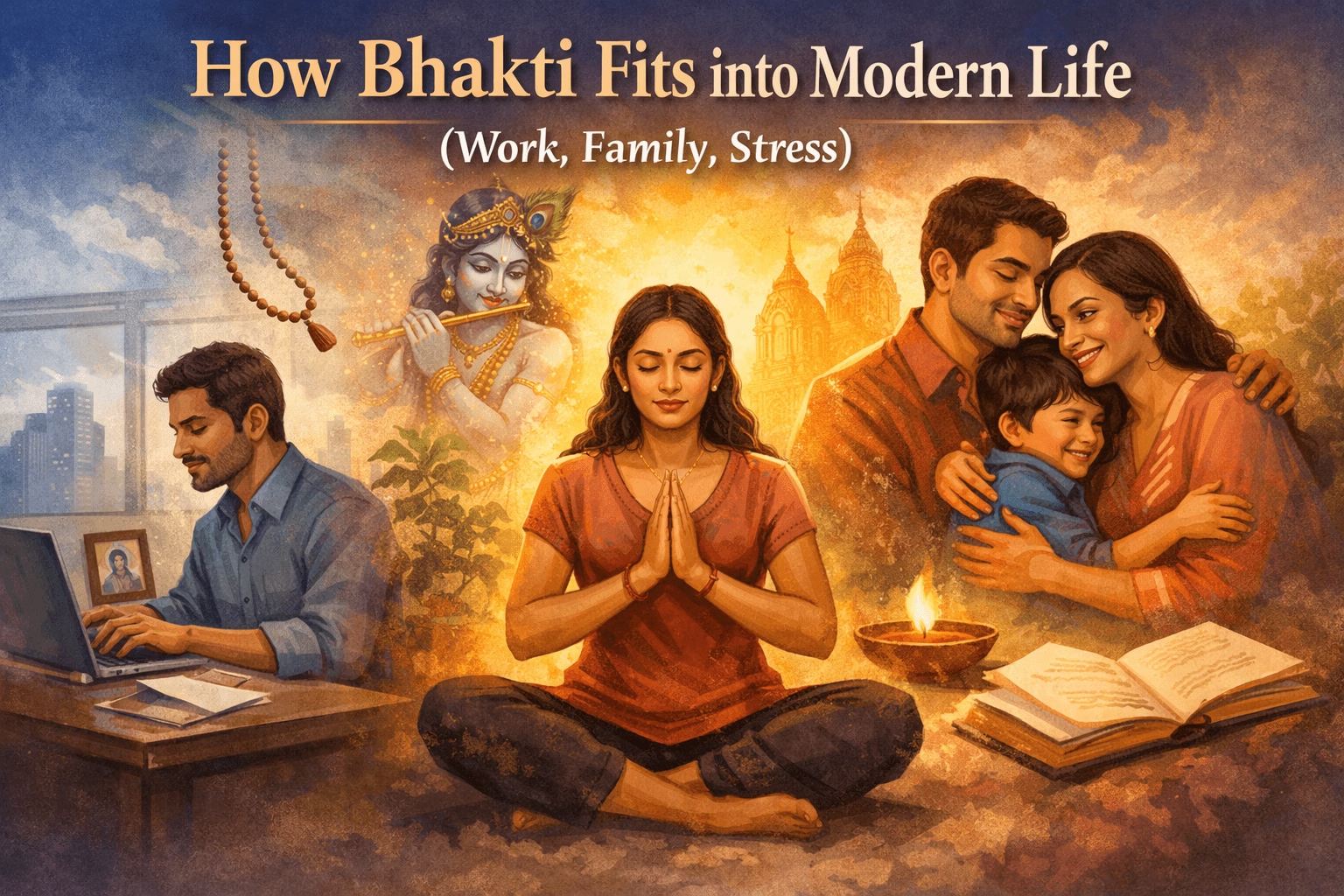
Modern work life often brings pressure, distraction, and mental fatigue. Bhakti does not ask you to stop working or change careers. It simply invites a different inner posture.
At work, Bhakti can look like:
- beginning the day with a brief moment of intention
- remembering purpose during stressful moments
- treating coworkers with patience and respect
- offering effort sincerely rather than anxiously
- letting go of perfectionism and comparison
Bhakti encourages engagement without over-identification. You still work hard—but without losing yourself in the process.
Bhakti in Family Life: Connection Over Control
Family life can be deeply meaningful and deeply challenging. Bhakti does not idealize family life, nor does it reject it.
Instead, Bhakti invites:
- listening more deeply
- responding with care rather than reaction
- seeing relationships as opportunities for growth
- serving loved ones without self-erasure
- bringing gratitude into ordinary routines
In Bhakti, love is not abstract. It is practiced through everyday interactions.
Bhakti and Stress: A Softer Inner Relationship
Stress often comes from feeling isolated, overwhelmed, or responsible for everything alone. Bhakti gently shifts that burden by emphasizing relationship and trust rather than self-reliance alone.
Practices such as chanting, reflection, or quiet moments of offering can:
- calm the nervous system
- soften mental tension
- provide emotional grounding
- remind you that you are not alone
- restore perspective during difficult moments
Bhakti does not promise a stress-free life. It offers a more compassionate way to meet stress.
Bhakti Does Not Require Time You Don’t Have
One of the strengths of Bhakti is flexibility. It can be practiced in small moments throughout the day.
Bhakti might look like:
- a few minutes of chanting or listening
- a quiet pause before meals
- a short reflection in the morning or evening
- gratitude during routine tasks
- attending gatherings when available
Consistency matters more than duration.
Bhakti Integrates, Not Escapes
Unlike paths that emphasize withdrawal or detachment from life, Bhakti integrates spiritual awareness into daily activity. Work, family, and responsibilities become part of the practice rather than obstacles to it.
This integration allows Bhakti to feel sustainable rather than burdensome.
Life does not need to slow down for Bhakti to begin.
Why This Matters Today
Many people today are searching for spirituality that does not require abandoning modern life. Bhakti offers a path that is:
- relational rather than isolating
- flexible rather than rigid
- meaningful rather than performative
- supportive rather than demanding
It meets people where they are—and grows with them.
A Simple Way to Think About Bhakti in Daily Life
Bhakti is not about adding more to your schedule.
It is about bringing more heart into what you already do.
When love, intention, and connection guide daily life, ordinary moments become meaningful—and spiritual life becomes livable.