
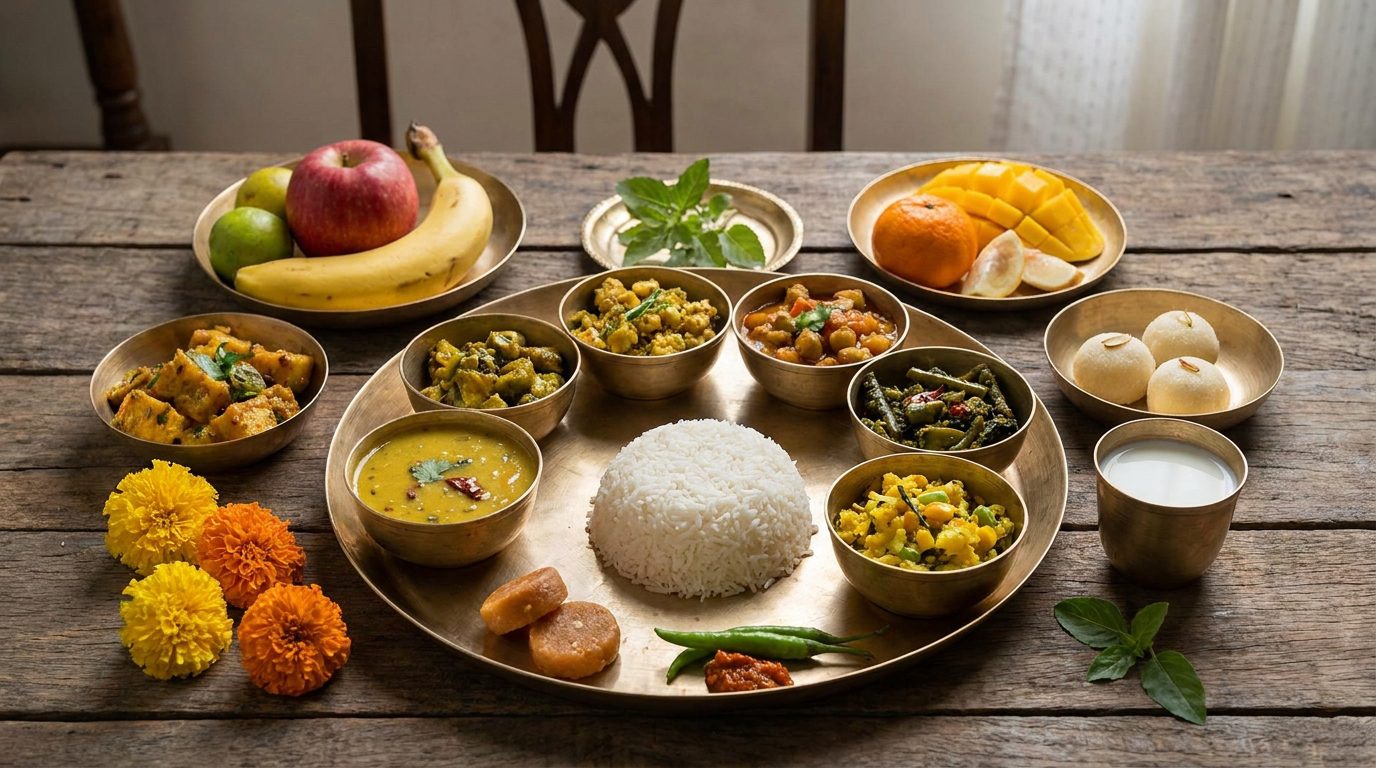
Food offered to Krishna is one of the most beautiful and practical parts of Bhakti Yoga, the path of loving devotion to God. In Sanskrit, this sacred food is called prasadam, which means “mercy” or “grace.” It is not just vegetarian food. It is food prepared with love, offered to Krishna with prayer, and received with gratitude.
At The Bhakti House, we welcome people from all backgrounds—whether you are new to Krishna, familiar with yoga, raised in a faith tradition, spiritually curious, or simply longing for more peace in your life. Offering food to Krishna is a gentle, joyful practice anyone can begin. It brings spirituality into the kitchen, into the heart, and onto the plate.
In Bhakti Yoga, we understand that God is not distant or impersonal. Krishna is the all-attractive Supreme Person, full of love, beauty, wisdom, and kindness. When we offer food to Him, we are not feeding God because He is hungry. Rather, we are expressing love. And in return, Krishna blesses that offering and gives it back to us as prasadam—spiritual nourishment for body, mind, and soul.
Offering food to Krishna means preparing pure vegetarian food with devotion, placing it before Krishna, saying a prayer, and asking Him to kindly accept it.
This simple act transforms ordinary cooking into worship. It turns eating into meditation. It helps us remember that everything we have—our ingredients, our body, our abilities, and our life itself—is a gift from God.
The Meaning of Prasadam
The word prasadam comes from Sanskrit and means “mercy,” “grace,” or “divine kindness.” When Krishna accepts an offering, the food becomes prasadam.
Prasadam is considered spiritually powerful because it has been touched by Krishna’s mercy. It purifies the heart, uplifts the mind, and helps awaken our natural love for God.
In the Bhagavad-gita, one of the most beloved scriptures of Bhakti Yoga, Krishna says:
“If one offers Me with love and devotion a leaf, a flower, fruit, or water, I will accept it.”
This verse is from Bhagavad-gita 9.26. It is very simple and very deep. Krishna does not ask for something expensive. He asks for love and devotion. A leaf, a flower, a fruit, or a little water—if offered sincerely—can please Him.
Food as a Relationship with God
In daily life, we often express love through food. We cook for our children, share meals with friends, bring food to someone who is sick, or prepare something special for a loved one.
Bhakti Yoga teaches that we can also cook for Krishna.
This makes our relationship with God personal and practical. We do not need to wait for a perfect moment or a sacred place. The kitchen can become a temple. The dining table can become an altar of gratitude. A simple meal can become an offering of the heart.
Why Do Devotees Offer Food to Krishna?
Offering food to Krishna is rooted in love, humility, and remembrance. It is not a ritual meant to impress others. It is a way of saying, “Krishna, this belongs to You. Please accept my small offering.”
Everything Belongs to Krishna
Bhakti scriptures explain that Krishna is the source of everything. The earth, rain, sunlight, seeds, grains, fruits, vegetables, and even our ability to cook all come from Him.
When we offer food back to Krishna, we recognize this truth with gratitude.
The Bhagavad-gita teaches that wise people see God as the origin and owner of all things. Instead of living with the mood of “this is mine,” we learn to live with the mood of “this is Yours, Krishna.”
This shift softens the heart. It helps reduce greed, pride, and forgetfulness. It teaches us to receive life as a sacred gift.
Eating Becomes Spiritual
Most of us eat several times a day. If we connect eating with spiritual remembrance, our whole day becomes more sacred.
Offering food to Krishna helps us pause before eating. Instead of rushing, we become mindful. Instead of consuming with distraction, we receive with gratitude.
This is practical Bhakti Yoga. It does not require leaving your family, job, or responsibilities. It invites you to bring Krishna into the rhythm of ordinary life.
Prasadam Purifies the Heart
In Bhakti tradition, food carries consciousness. Food prepared in anger, greed, or carelessness can affect our mind. Food prepared with love, cleanliness, prayer, and devotion has a different effect.
Prasadam nourishes us on more than a physical level. It helps purify the heart and awaken spiritual awareness.
Many people experience that when they regularly honor prasadam, they feel calmer, more grateful, and more connected to God. This is not magic. It is the gentle power of devotion.
What Foods Can Be Offered to Krishna?
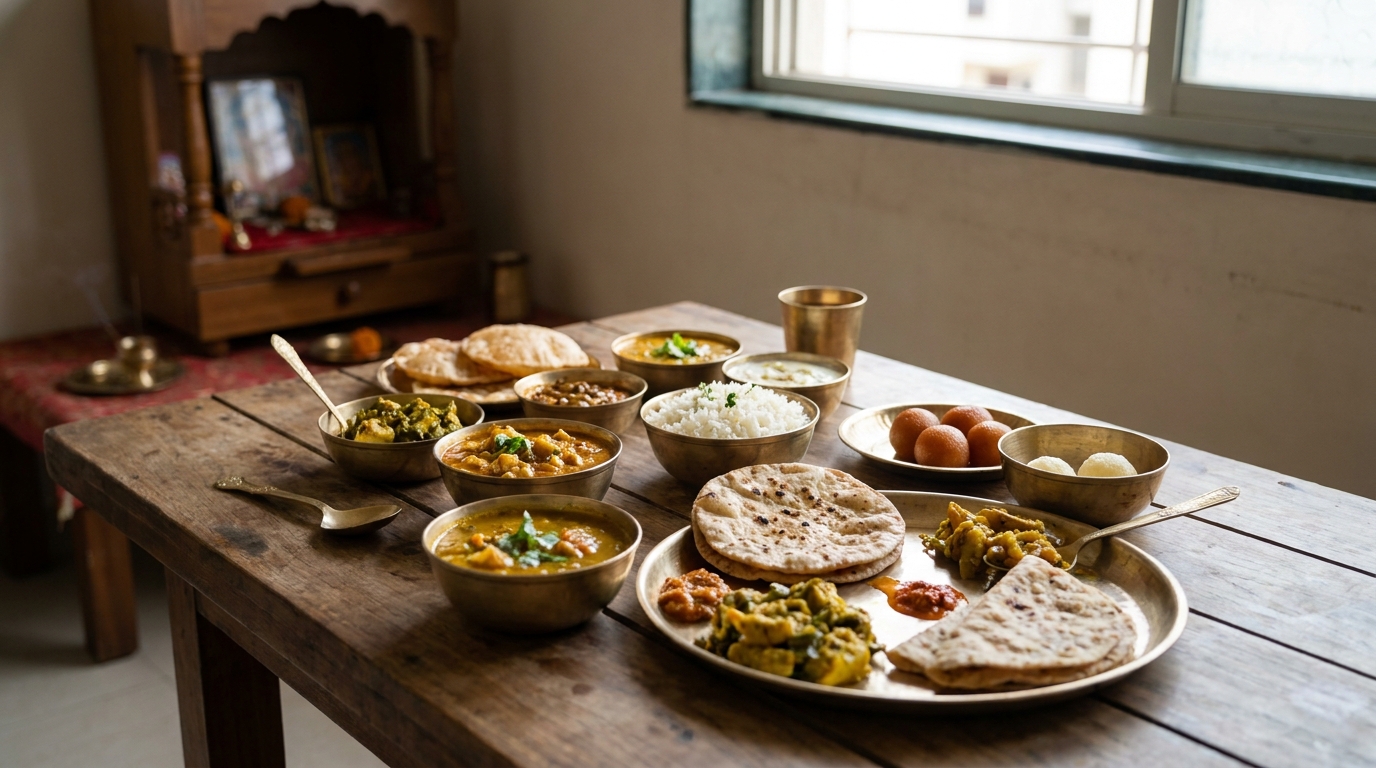
Krishna lovingly accepts foods that are pure, vegetarian, and prepared with devotion. The general principle is simple: offer Krishna the best you can, with a clean heart.
Vegetarian Foods
Traditional offerings to Krishna include:
- Fresh fruits
- Vegetables
- Grains such as rice, wheat, oats, and barley
- Lentils, beans, and dals
- Milk products such as milk, yogurt, ghee, butter, and paneer
- Nuts and seeds
- Natural sweeteners like sugar, jaggery, or honey
- Herbs and mild spices
- Water and fresh juices
In many Bhakti communities, delicious preparations like rice, sabji, dal, chapatis, halava, kitchari, pakoras, laddus, and sweet rice are lovingly offered to Krishna.
Foods Not Offered to Krishna
In the Bhakti Yoga tradition, devotees do not offer meat, fish, eggs, onions, garlic, alcohol, or intoxicants to Krishna.
This may feel new for some readers, and that is okay. The heart of the practice is to grow gradually and sincerely.
Meat, fish, and eggs are avoided because Bhakti emphasizes compassion and nonviolence. Krishna is pleased by offerings that minimize harm and support purity of consciousness.
Onions and garlic are also traditionally avoided in offerings because they are considered stimulating to the mind and senses. Bhakti Yoga encourages foods that support clarity, peace, and devotion.
Can I Offer Store-Bought Food?
This is a common question. Ideally, food offered to Krishna is freshly prepared at home with devotion. However, you can also offer simple items like fresh fruit, nuts, milk, or packaged ingredients if they are suitable and do not contain ingredients that are not offered.
When buying packaged foods, it is helpful to read labels carefully. Avoid products containing meat, fish, eggs, onion, garlic, gelatin, alcohol, or other unsuitable ingredients.
If you are just beginning, do not feel overwhelmed. Start simply. Offer a banana, a glass of water, or a small bowl of rice. Krishna sees your sincerity.
Please visit our website for more information on our articles: articles.
How to Offer Food to Krishna at Home
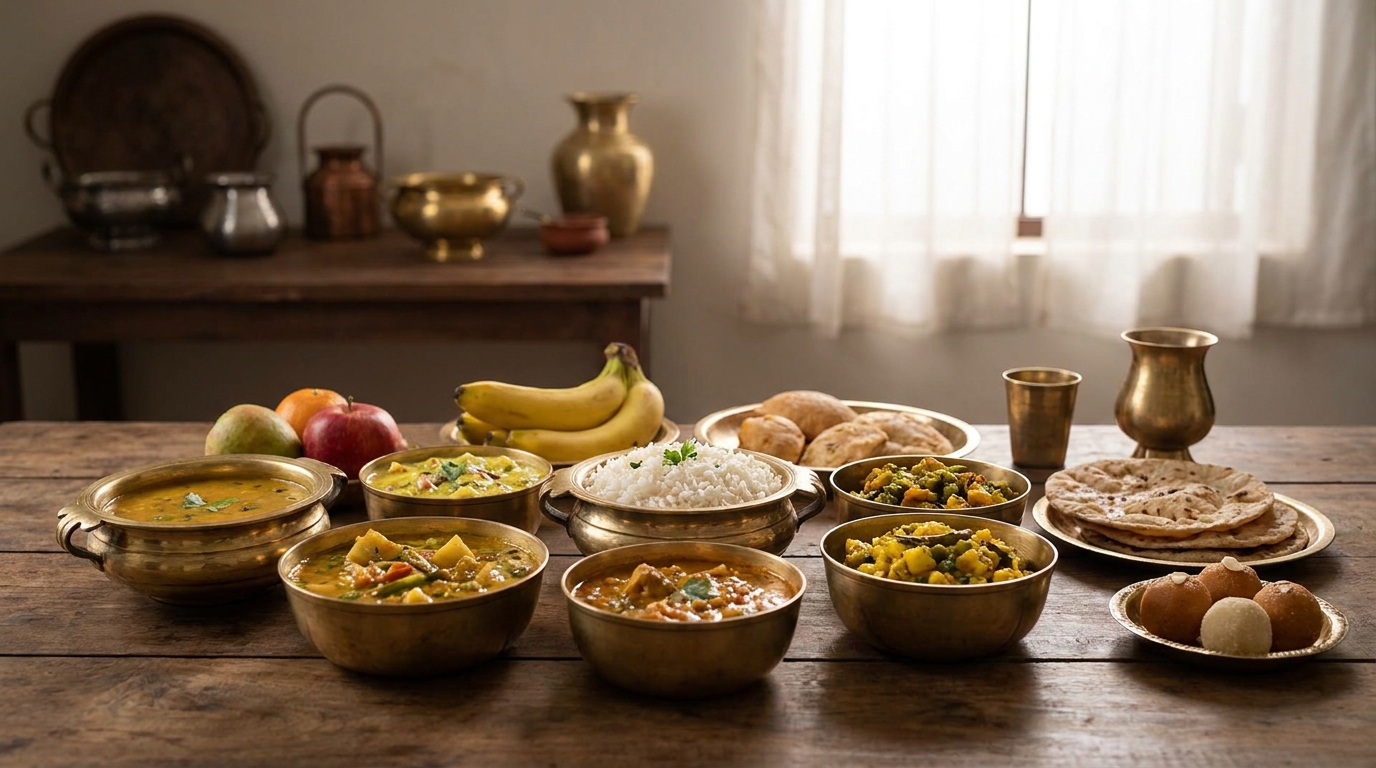
Offering food to Krishna at home can be very simple. You do not need to be an expert. You do not need elaborate Sanskrit pronunciation. You need sincerity, cleanliness, and a loving intention.
Prepare with Cleanliness and Care
Before cooking, wash your hands and clean the cooking area. Cleanliness helps create a peaceful atmosphere and shows respect for Krishna.
As you cook, try to keep your mind peaceful. You may play kirtan, which means devotional chanting or sacred music. You may softly chant Krishna’s names. You may simply pray in your own words.
A traditional mantra often chanted by devotees is:
Hare Krishna Hare Krishna
Krishna Krishna Hare Hare
Hare Rama Hare Rama
Rama Rama Hare Hare
This is called the Maha-mantra, meaning “the great mantra.” A mantra is a sacred sound that helps focus the mind and awaken the heart. The names Krishna and Rama are names of God, and Hare refers to God’s divine energy. This mantra is a prayer asking to be engaged in loving service.
Do Not Taste While Cooking
In Bhakti tradition, we cook for Krishna first. Because the food is meant for Him, we avoid tasting it before offering.
This can be a beautiful practice of self-control and love. We may be used to tasting as we cook, but when we remember, “This is for Krishna,” our cooking becomes an act of service.
After Krishna accepts the offering, we honor the prasadam.
Set Aside Krishna’s Portion
Once the food is ready, place a portion on a clean plate or bowl reserved for Krishna. If you have a picture or deity form of Krishna, place the plate before Him.
A deity is a sacred form of the Lord worshiped with devotion. In Bhakti, Krishna kindly appears in forms we can see and serve, so our love can become personal and practical.
If you do not have a picture or altar, do not worry. You can simply place the plate in a clean spot and pray to Krishna sincerely.
Offer a Simple Prayer
You can say a traditional prayer or speak from your heart.
A simple prayer might be:
“Dear Krishna, everything belongs to You. I have prepared this food for You with love. Please accept this offering and bless it as Your prasadam. Please help me remember You and serve You.”
You can also chant the Hare Krishna mantra three times or more.
The essential ingredient is devotion.
Wait and Receive
After offering, wait a few minutes. Many devotees wait around five to ten minutes, allowing Krishna to enjoy the offering.
Then remove the plate. The food is now prasadam. You can mix Krishna’s portion back into the rest of the food, or serve it respectfully.
Before eating, take a moment to feel grateful. Rather than saying, “I am eating,” think, “I am receiving Krishna’s mercy.”
This small shift changes everything.
The Spiritual Benefits of Krishna Prasadam
Prasadam is one of the most accessible spiritual practices. Everyone eats, and everyone can learn to eat in a way that brings the heart closer to God.
Prasadam Brings Peace
When food is prepared and offered with devotion, it carries a peaceful energy. Honoring prasadam can calm the mind and remind us that we are cared for by Krishna.
In a world full of anxiety, rushed meals, and distracted eating, prasadam invites us to slow down and remember what is sacred.
Prasadam Supports Compassion
Offering food to Krishna naturally encourages a vegetarian way of life. This supports compassion toward animals and respect for all living beings.
In the Bhagavad-gita, Krishna explains that the wise see all souls with spiritual vision. Every living being is part of God’s family. When we eat prasadam, we are practicing care for our own body while also reducing harm to others.
Prasadam Builds Community
In Bhakti Yoga, prasadam is meant to be shared.
Temples, sangas, and devotional communities often gather around meals offered to Krishna. The word sanga means spiritual association or company. Sharing prasadam creates friendship, equality, and joy.
It does not matter if someone is wealthy or poor, young or old, new or experienced. Everyone can sit together and receive Krishna’s mercy.
This is one of the sweetest parts of Bhakti culture. Spiritual life is not dry or lonely. It is full of singing, serving, cooking, sharing, and loving exchange.
Prasadam Helps Us Remember Krishna
The goal of Bhakti Yoga is to remember Krishna with love. Prasadam helps us do that in a very natural way.
Each bite can become a prayer:
“Thank You, Krishna.”
“Please guide me.”
“Please let my life be used in Your service.”
This kind of remembrance gradually transforms the heart.
Common Questions About Offering Food to Krishna
Many sincere people have questions when they begin offering food to Krishna. Questions are welcome. Bhakti is not about blind following. It is about growing in understanding, love, and practice.
Do I Have to Be Hindu to Offer Food to Krishna?
No. Bhakti Yoga is for everyone.
Krishna is not limited by nationality, ethnicity, culture, or religious background. He is the Supreme Lord of all beings and the dear friend in everyone’s heart.
Anyone can offer food to Krishna with sincerity. You may come from a Christian, Jewish, Muslim, Buddhist, Hindu, spiritual-but-not-religious, or no-religion background. Krishna looks at the heart.
What If I Make a Mistake?
Do not be discouraged. Krishna is kind.
Maybe you accidentally tasted the food. Maybe you forgot an ingredient was not suitable. Maybe your prayer felt awkward. Maybe your kitchen was not perfect.
Begin again.
Bhakti Yoga is a path of sincere effort, not harsh perfectionism. Of course, as we learn, we try to improve. But we should never forget Krishna’s compassion.
A humble prayer can heal many mistakes:
“Krishna, I am learning. Please accept my effort and help me grow.”
Can I Offer Food Without an Altar?
Yes. An altar is helpful, but the heart is most important.
If you have a picture of Krishna, you can place it in a clean space. You may also include a candle, flowers, or sacred texts. But if you do not have these things, simply offer with sincere prayer.
Krishna is present everywhere. He hears the prayers of the heart.
Can Children Participate?
Absolutely. Children often love offering food to Krishna.
They can help wash fruit, place flowers, ring a bell, chant the Hare Krishna mantra, or say a simple prayer. This teaches them gratitude, kindness, and spiritual awareness in a joyful way.
Offering food as a family can create beautiful memories and help children see God as loving and approachable.
Can I Offer My Food at Work or School?
Yes, you can.
If you cannot cook fresh food at work, you can pack prasadam from home. Or you can silently offer suitable food with a prayer before eating.
A quiet prayer at your desk, in your car, or before lunch at school can be meaningful. Krishna accepts sincere devotion wherever we are.
The Deeper Philosophy Behind Offering Food
Offering food to Krishna is simple enough for a child, yet deep enough for lifelong meditation.
Bhakti Means Loving Service
The word bhakti means devotion, loving service, or love directed toward God. Bhakti Yoga is the practice of reconnecting with Krishna through love.
We may chant, pray, serve, study scripture, care for others, and offer food. Each practice helps us remember who we truly are: eternal souls, beloved parts of Krishna.
Offering food is one way to say, “Krishna, I want my life to be connected to You.”
Krishna Accepts Love
The Bhagavad-gita verse about offering a leaf, flower, fruit, or water is central to this practice because it reveals Krishna’s heart.
He does not say, “Offer Me something grand.”
He does not say, “Offer Me only if you are perfect.”
He says He accepts what is offered with love and devotion.
This gives hope to everyone.
A wealthy person may offer a feast. A student may offer an apple. A parent may offer simple rice and vegetables after a long day. A person in hardship may offer water with tears of prayer.
Krishna sees the love.
Offering Food Reduces Self-Centeredness
Much of material life trains us to think, “What do I want?” Bhakti gently teaches us to ask, “What will please Krishna?”
This is not meant to make us feel small in a negative way. Rather, it frees us from the burden of being the center of everything.
When Krishna is the center, life becomes more harmonious. Cooking, eating, working, parenting, studying, and serving can all become connected to divine love.
Simple Krishna Offering Ideas for Beginners
If you are new to offering food to Krishna, begin with something manageable. A small, sincere offering is better than a complicated one that creates stress.
Fresh Fruit Offering
Wash and cut fresh fruit such as apples, bananas, oranges, grapes, berries, or mango. Place it on a clean plate.
Offer it with a prayer:
“Dear Krishna, please accept this fruit. Thank You for Your kindness.”
Chant the Hare Krishna mantra and wait a few minutes. Then honor the prasadam.
Rice, Dal, and Vegetables
A simple meal of rice, lentils, and vegetables is nourishing and traditional.
Dal means cooked lentils or split beans, often seasoned with spices. Sabji means a vegetable preparation. These foods are common in Krishna offerings because they are wholesome, satisfying, and easy to share.
Cook with love, place a portion before Krishna, and offer it with devotion.
Milk and Sweets
Krishna is lovingly known in many Bhakti scriptures as a cowherd boy who enjoys milk, butter, yogurt, and sweets. Offerings like sweet rice, homemade butter, laddus, or warm milk can be especially dear.
However, the most important ingredient is not richness. It is love.
A Simple Glass of Water
Never underestimate a simple offering.
Krishna Himself says He accepts water when offered with devotion. If all you have is a glass of clean water, offer it sincerely.
This can be a daily practice. Before drinking, pause and pray. Let the water remind you of Krishna’s mercy.
How to Honor Prasadam Respectfully
In Bhakti tradition, we do not simply “eat” prasadam. We honor prasadam. This means we receive it with respect and gratitude.
Eat with Gratitude
Before honoring prasadam, you may say a simple prayer of thanks:
“Krishna, thank You for this mercy. May this food help me serve You and others.”
Try to eat peacefully. If possible, avoid arguments, negative talk, or excessive distraction while honoring prasadam.
Of course, family meals can be lively, and life is not always quiet. Still, even a small effort to remember Krishna brings spiritual benefit.
Share with Others
Prasadam is meant to be shared generously.
You can offer prasadam to family, friends, coworkers, neighbors, guests, or anyone in need. Sharing prasadam is a beautiful form of service.
In Bhakti, service is called seva. Seva means loving service offered for Krishna’s pleasure. Cooking and sharing prasadam is one of the most practical and joyful forms of seva.
Avoid Waste
Because prasadam is sacred, we try not to waste it. Take what you can honor. Store leftovers respectfully. Share with others when possible.
This practice teaches mindfulness and gratitude.
Food Offered to Krishna and Daily Spiritual Growth
Offering food to Krishna is not separate from spiritual growth. It supports the whole journey of Bhakti Yoga.
It Creates Daily Remembrance
Spiritual life grows through regular remembrance. Since we eat daily, offering food becomes a steady anchor.
Even if your day is busy, you can pause before meals and remember Krishna. Over time, these small moments become a river of devotion flowing through your life.
It Makes the Home Sacred
When food is cooked for Krishna, the home atmosphere changes. The kitchen becomes a place of prayer. The family meal becomes a spiritual gathering.
Even if only one person in the home is practicing, that sincere devotion brings blessings.
It Connects Chanting, Prayer, and Service
Offering food naturally includes several parts of Bhakti Yoga:
Chanting Krishna’s names
Praying with humility
Serving through cooking
Remembering God while eating
Sharing mercy with others
This is why prasadam is so central in Bhakti culture. It brings philosophy into practice and love into daily life.
A Gentle Step-by-Step Practice
If you would like to begin today, here is a simple way:
Step 1: Choose a Suitable Food
Start with fruit, water, rice, vegetables, or another vegetarian preparation without meat, fish, eggs, onion, garlic, or alcohol.
Step 2: Prepare or Arrange It Cleanly
Wash your hands. Use a clean plate. Keep a peaceful mood as much as possible.
Step 3: Place It Before Krishna
Use a picture of Krishna if you have one. If not, simply place it in a clean spot and turn your heart toward Him.
Step 4: Pray Sincerely
Say:
“Dear Krishna, please accept this offering. I am trying to remember You and serve You with love.”
You may chant the Hare Krishna mantra:
Hare Krishna Hare Krishna
Krishna Krishna Hare Hare
Hare Rama Hare Rama
Rama Rama Hare Hare
Step 5: Receive as Prasadam
After a few minutes, honor the food with gratitude. Remember that it is Krishna’s mercy.
Everyone Is Welcome to Begin
Food offered to Krishna is a doorway into a more loving, grateful, and God-centered life. It does not require wealth, scholarship, or perfection. It begins with sincerity.
A leaf. A flower. A fruit. A little water. A humble prayer.
Krishna is so kind that He allows us to serve Him in ways that fit into everyday life. Through cooking, offering, chanting, praying, serving, and sharing prasadam, our hearts can gradually awaken to divine love.
Wherever you are on your spiritual journey, you are welcome. You can begin gently. You can learn step by step. You can ask questions, make mistakes, grow, and keep going.
Today, consider taking one sincere step toward God. Offer something simple to Krishna with love. Chant His names. Say a prayer. Share prasadam with someone. The path of Bhakti is open to everyone, and Krishna joyfully receives even the smallest offering given from the heart.
FAQs
What is the significance of offering food to Krishna?
Offering food to Krishna, also known as bhoga, is a way for devotees to express their love and devotion to the deity. It is believed that when food is offered with love and devotion, it becomes spiritually purified and is then considered prasadam, or mercy from the Lord.
What types of food are typically offered to Krishna?
In the Vaishnava tradition, a wide variety of vegetarian foods are offered to Krishna, including grains, fruits, vegetables, dairy products, and sweets. It is important that the food offered is prepared with love and devotion, and is free from meat, fish, and eggs.
How is the food offered to Krishna prepared and presented?
The food offered to Krishna is prepared in a clean and hygienic manner, and is often cooked with the intention of pleasing the deity. It is then presented on a clean plate or altar, along with flowers, incense, and a ghee lamp. The offering is made with devotion and gratitude.
What is the significance of honoring prasadam, or the food offered to Krishna?
Honoring prasadam is considered an act of spiritual purification and a way to receive the mercy of the Lord. It is believed that by consuming prasadam, one can purify their consciousness and make spiritual advancement.
Can anyone offer food to Krishna?
Yes, anyone can offer food to Krishna, regardless of their background or religious affiliation. It is believed that when food is offered with love and devotion, it becomes spiritually potent and can benefit anyone who partakes in it.

