

In a world that often feels loud, hurried, and uncertain, many of us are quietly longing for peace.
Not just a moment of escape. Not just a break from responsibilities. But a deeper kind of peace—the kind that settles the heart, softens the mind, and reminds us that we are loved, guided, and never truly alone.
In the Bhakti Yoga tradition, one of the most accessible ways to experience this peace is through chanting. And among the many forms of chanting, soft chanting holds a very special sweetness.
Soft chanting means repeating sacred names, prayers, or mantras gently—often in a low voice, whisper, or even internally. It does not require musical skill, spiritual background, or perfect focus. It simply asks for sincerity.
Whether you are new to spiritual practice, returning after a long time, or already walking a devotional path, soft chanting can become a comforting companion. It can be practiced in the morning, while walking, during moments of anxiety, before sleep, or anytime the heart needs shelter.
In Bhakti Yoga, the path of loving devotion, chanting is not only a technique for calming the mind. It is a way of turning toward God with affection. It is prayer in sound. It is remembrance. It is relationship.
What Is Soft Chanting?
Soft chanting is the gentle repetition of sacred sound. In Sanskrit, sacred sound may be called mantra. The word mantra can be understood simply as “that which helps free the mind.” Man means “mind,” and tra means “to protect” or “to liberate.”
A mantra is not an ordinary sound. In the Bhakti tradition, mantras are understood to carry spiritual presence. They help us remember the Divine, purify the heart, and reconnect us with our deepest identity.
Soft chanting may include the names of God, such as Krishna, Rama, Govinda, Radha, or other holy names from different devotional traditions. One of the most well-known Bhakti mantras is the Maha Mantra, meaning “great mantra”:
Hare Krishna Hare Krishna
Krishna Krishna Hare Hare
Hare Rama Hare Rama
Rama Rama Hare Hare
This mantra is a prayer of loving connection. “Hare” refers to the divine energy of God, often understood as the compassionate presence of the Divine Feminine. “Krishna” means the all-attractive Lord, the One who draws the heart with beauty and love. “Rama” means the source of joy and spiritual delight.
At its heart, the Maha Mantra is a humble call: “O Divine Lord, O Divine Energy, please engage me in Your loving service.”
Soft Chanting Is Not About Performance
Many people feel shy about chanting because they think they must sing beautifully or pronounce everything perfectly. But Bhakti Yoga is not a performance path. It is a path of the heart.
Soft chanting can be very simple. You may sit quietly and whisper a mantra. You may repeat the holy names while walking. You may chant with prayer beads, known in Sanskrit as japa mala. Japa means repeated prayer or mantra meditation, and mala means a string of beads.
The point is not to impress anyone. The point is to sincerely turn toward God.
Soft Chanting Can Be Heard by the Heart
In devotional practice, even a soft sound can carry deep feeling. Sometimes the most powerful prayers are not loud. They are whispered through tears, breathed during uncertainty, or spoken quietly before the day begins.
Soft chanting allows the heart to speak gently. It creates a sacred space where we can come as we are—tired, hopeful, grateful, confused, or longing.
God does not need volume. God receives sincerity.
Why Soft Chanting Brings Peace
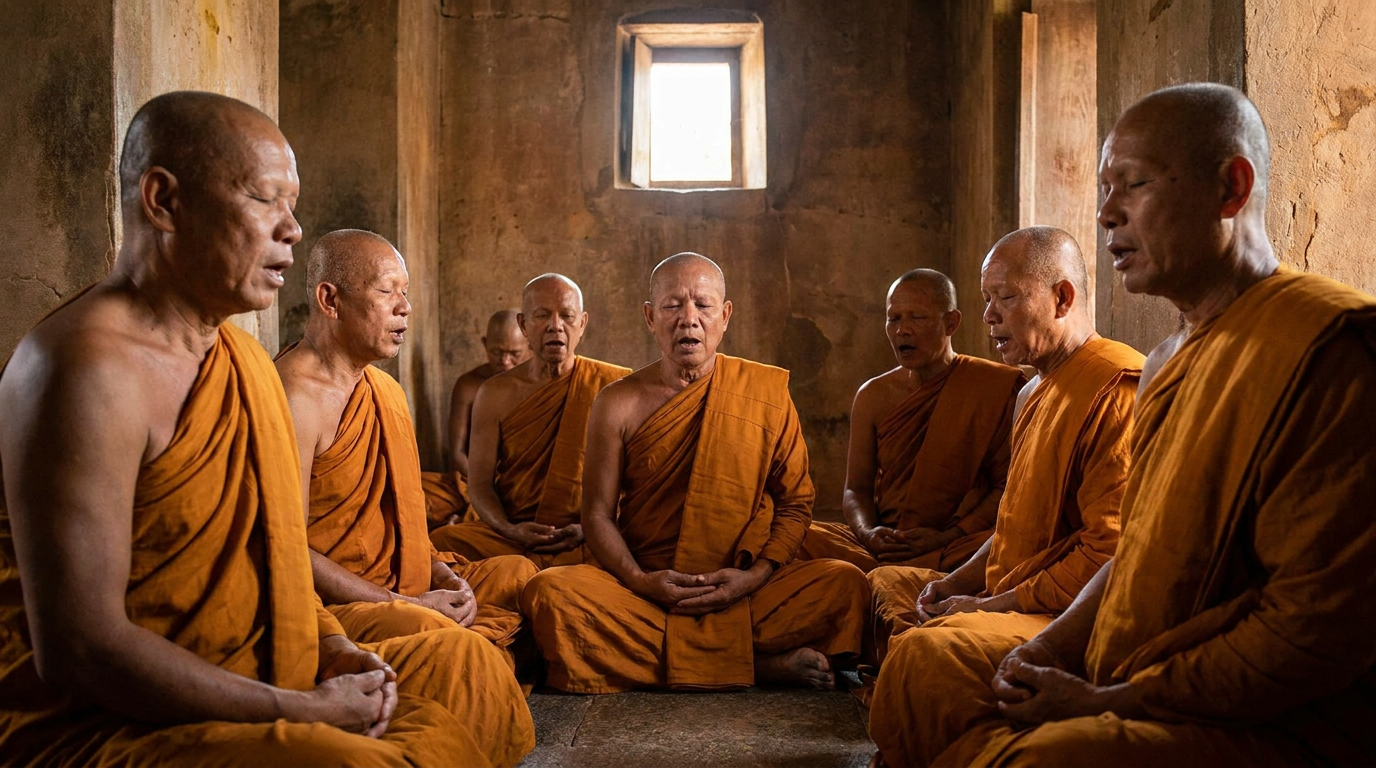
Peace is not only the absence of noise. It is the presence of spiritual connection.
Our minds are often filled with worries, memories, plans, and desires. We may wake up already thinking about tasks, messages, money, relationships, health, and the future. The mind can become like a crowded room where everyone is speaking at once.
Soft chanting gives the mind something sacred to rest upon.
Instead of trying to fight every thought, we gently offer the mind a higher sound. Again and again, we return to the mantra. Again and again, we return to remembrance.
Chanting Calms the Nervous System
On a practical level, soft chanting often slows the breath. When we chant gently, we naturally begin to breathe with more rhythm and awareness. The body receives a signal: you are safe, you can soften, you can be present.
Many people find that soft chanting reduces anxiety, eases emotional tension, and helps them feel grounded. It gives the restless mind a loving anchor.
This does not mean chanting is a replacement for medical care, therapy, or needed support. Rather, it can be a beautiful spiritual companion to healing. It helps us remember that our struggles do not define us, and we do not have to carry them alone.
Chanting Redirects the Mind Toward the Divine
In the Bhagavad Gita, one of the beloved scriptures of Bhakti Yoga, Krishna teaches the importance of remembering Him with love. In Bhagavad Gita 9.34, He says:
“Always think of Me, become My devotee, worship Me, and offer your homage unto Me.”
This instruction may sound high or difficult at first. Always think of God? How can we do that while caring for family, working, studying, cooking, driving, and living in the world?
Soft chanting gives us a practical way. A few quiet repetitions of God’s names can bring remembrance into ordinary life. We do not have to leave the world to remember God. We can invite God into the world we are already living in.
Chanting Cleanses the Heart
Bhakti scriptures often describe the heart as originally pure but covered by layers of fear, ego, envy, anger, and forgetfulness. Chanting is compared to a cleansing process.
In the Sri Chaitanya tradition, there is a beautiful prayer from Sri Chaitanya Mahaprabhu, a great teacher of divine love, which says that chanting the holy names cleanses the mirror of the heart. This means that chanting helps us see more clearly—who we are, what truly matters, and how deeply we are connected to God.
Soft chanting may not remove every problem immediately. But over time, it changes our relationship with life. We become less controlled by fear. We become more patient, more grateful, more willing to serve, and more able to forgive.
Check out our latest posts at https://thebhaktihouse.org/blog.
The Bhakti Understanding of Sacred Sound
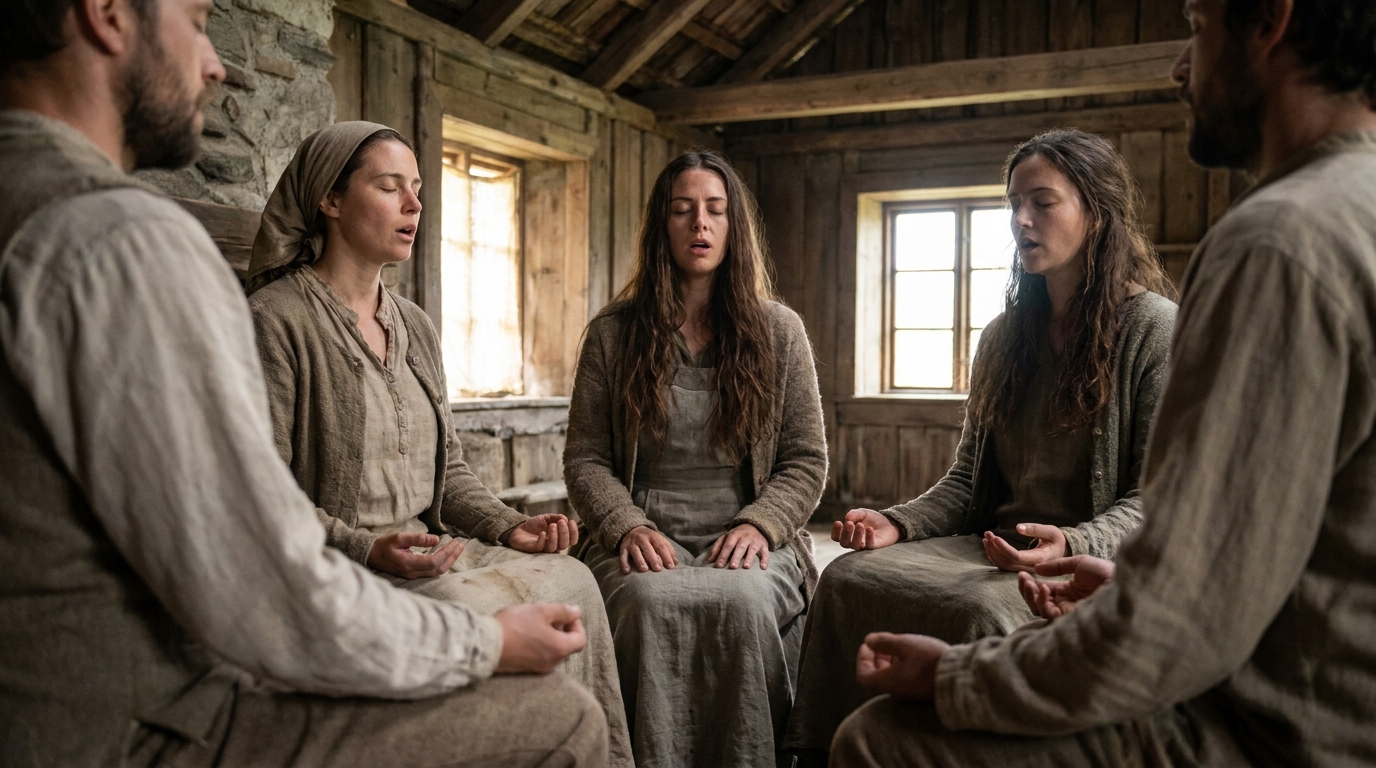
In Bhakti Yoga, sound is powerful because love is powerful.
Sacred sound is not considered separate from the Divine. The name of God and God are understood to be spiritually connected. When we chant with sincerity, we are not simply saying a word about God; we are associating with God through sound.
This is a very tender and profound teaching.
Nama: The Holy Name
The Sanskrit word nama means “name.” In Bhakti, the holy name is honored as a living spiritual presence. This is why devotees chant with care, gratitude, and reverence.
Just as hearing the name of someone we love can awaken emotion, remembrance, and closeness, chanting the names of God awakens spiritual affection. The name becomes a bridge between the soul and the Divine.
You do not need to fully understand this philosophically to begin. You can start with a simple mood: “Dear Lord, I am here. Please help me remember You.”
Bhakti: The Path of Loving Devotion
Bhakti means loving devotion. It is the natural love of the soul for God. Bhakti Yoga is the practice of awakening that love through chanting, prayer, service, study, community, and offering our lives with sincerity.
Bhakti is not limited by culture, language, age, background, or previous experience. Anyone can practice. Anyone can chant. Anyone can offer love.
This is one of the great gifts of Bhakti Yoga: it welcomes the whole person. We do not need to pretend to be peaceful before coming to God. We come to God so that true peace may grow within us.
Kirtan and Japa
Two common forms of chanting in Bhakti Yoga are kirtan and japa.
Kirtan is call-and-response chanting, often with music and community. It can be joyful, uplifting, and deeply healing. People gather together and sing the holy names, creating a shared atmosphere of devotion.
Japa is personal mantra meditation, often practiced softly with beads. It is quieter and more inward. Many people practice japa daily as a way to begin the morning with spiritual focus.
Soft chanting can be part of both. In kirtan, there may be moments of gentle, meditative singing. In japa, the whole practice may be quiet and personal.
How to Begin a Soft Chanting Practice
Soft chanting is simple, but like any meaningful relationship, it grows through regular care.
You do not need a perfect meditation room, expensive items, or long hours. Begin with what is realistic and sincere.
Choose a Sacred Mantra
If you feel drawn to the Bhakti tradition, you may begin with the Maha Mantra:
Hare Krishna Hare Krishna
Krishna Krishna Hare Hare
Hare Rama Hare Rama
Rama Rama Hare Hare
You may chant it slowly, softly, and prayerfully.
If you come from another faith background, you may also softly repeat a name of God that is sacred to you. The essence is loving remembrance. Bhakti Yoga honors sincere devotion and welcomes seekers from all backgrounds.
Create a Small Sacred Space
Find a place where you can sit comfortably. It may be a corner of your room, a chair by a window, a cushion, or even a quiet place in your car before work.
You might light a candle, keep a picture that inspires devotion, or simply close your eyes. The external setting can help, but the true sacred space is the heart.
Before chanting, pause and offer a short prayer:
“Dear God, please help me chant with sincerity. Please guide my heart toward peace, love, and service.”
Start With Five Minutes
You do not need to begin with a long practice. Five minutes of sincere soft chanting can be deeply meaningful.
Set a timer if that helps. Or chant one round on japa beads if you have them. A standard japa mala has 108 beads, and one full round means chanting the mantra once on each bead.
If that feels like too much, simply chant for a few breaths. Let the practice feel inviting, not burdensome.
Chant Gently and Listen
Soft chanting is not only speaking; it is also listening.
As you chant, try to hear the mantra. Let the sound enter your ears and your heart. When the mind wanders, gently return. There is no need to become frustrated. Wandering is natural. Returning is the practice.
Each return is an offering.
End With Gratitude
After chanting, sit quietly for a moment. Notice how you feel. Offer gratitude, even if the practice felt distracted.
You might say:
“Thank You for allowing me to remember You. Please let me carry this peace into my day.”
Then try to do one small act of kindness. In Bhakti, chanting naturally flows into service.
Soft Chanting During Difficult Emotions
One of the most beautiful gifts of soft chanting is that it can meet us in difficult emotional states.
We do not have to wait until we are calm to chant. We can chant when we are anxious, grieving, frustrated, lonely, or overwhelmed. In fact, these moments may become doorways to deeper surrender.
Surrender does not mean giving up in hopelessness. In Bhakti, surrender means placing ourselves in God’s care. It means saying, “I cannot control everything, but I can turn toward You.”
When You Feel Anxious
Anxiety often pulls the mind into the future. It says, “What if this happens? What if I fail? What if I am not safe?”
Soft chanting brings us back to the present moment and to divine shelter.
Try placing one hand over your heart and chanting slowly. Let the mantra move with your breath. Even if the anxiety does not disappear immediately, you may feel less alone inside it.
You can pray:
“Dear Lord, please hold me. Please guide me. Please help me remember that I am Yours.”
When You Feel Sad
Sadness can make the heart feel heavy. Sometimes we do not have words for our pain. The holy names can become words when our own words are not enough.
Soft chanting allows grief to be held in devotion. Tears are not a failure in spiritual life. They can be offerings. They can soften the heart and open us to grace.
The Srimad Bhagavatam, a cherished Bhakti scripture, describes hearing and chanting about God as deeply purifying and nourishing for the soul. This nourishment is not dry or distant. It reaches into the human experience and brings hope.
When You Feel Angry
Anger often comes from hurt, fear, or a sense of injustice. Chanting does not mean we ignore necessary action or healthy boundaries. But it can help us respond instead of react.
When anger rises, soft chanting can create a pause. In that pause, we may remember: “I want to act from love, not from ego. I want my words to heal, not harm.”
Even a few quiet repetitions of the holy name can change the direction of a moment.
Bringing Soft Chanting Into Daily Life
The beauty of soft chanting is that it can travel with us.
You do not need to separate spiritual practice from daily life. Bhakti Yoga helps us spiritualize daily life by bringing remembrance, prayer, and loving intention into ordinary activities.
Chant in the Morning
Morning is a powerful time for spiritual practice. Before the mind becomes crowded with messages and responsibilities, we can offer the first moments of the day to God.
Even five or ten minutes of soft chanting in the morning can shape the whole day. It reminds us: “I am not just a worker, parent, student, or problem-solver. I am a soul. I belong to God. My life can be an offering.”
Chant While Walking
Walking and chanting can be very grounding. Step gently. Breathe naturally. Repeat the mantra softly or internally.
This can be especially helpful if sitting meditation feels difficult. Some people find that movement helps the mind settle.
A simple walk can become a pilgrimage—a sacred journey of remembrance.
Chant Before Meals
In Bhakti Yoga, food can become prasadam, which means “mercy” or “grace.” When food is prepared and offered to God with love, it becomes spiritually nourishing.
Before eating, you can softly chant or offer a simple prayer:
“Dear Lord, thank You for this food. Please bless it and help me use this energy in service.”
This small practice turns eating into gratitude.
Chant Before Sleep
Many people go to bed with restless thoughts. Soft chanting before sleep helps release the day into God’s hands.
You might sit on your bed, chant softly for a few minutes, and pray for forgiveness, guidance, and protection. Let the holy names be the last sounds your heart holds before rest.
Sleep can become more peaceful when the mind is gently offered to the Divine.
The Relationship Between Chanting and Service
In Bhakti Yoga, chanting is not meant to make us detached from the needs of others. True chanting softens the heart and awakens compassion.
As we remember God, we begin to see others as beloved children of God. This vision naturally inspires seva, a Sanskrit word meaning “service.” Seva is loving service offered without selfishness.
Chanting Opens the Heart
When we chant sincerely, we may notice that we become more sensitive. We may feel moved to speak kindly, help someone, forgive, volunteer, cook for others, listen with patience, or support a community.
This is a sign that chanting is entering the heart.
Peace is not only something we keep inside ourselves. Peace becomes something we share.
Service Protects Chanting From Self-Centeredness
Sometimes spiritual practice can become self-focused: “How peaceful do I feel? How advanced am I? What experience did I have?”
Service keeps our chanting humble. It reminds us that love is active. We chant not only to feel better, but to become better servants of God and all beings.
A simple prayer can guide us:
“May my chanting make me more kind. May my peace become useful. May my life become an offering.”
Small Acts Matter
Service does not have to be dramatic. You can offer a smile, a meal, a message of encouragement, a clean space, a patient response, or a prayer for someone in pain.
In Bhakti, the value of an offering is not measured by size. It is measured by love.
Krishna says in the Bhagavad Gita 9.26:
“If one offers Me with love and devotion a leaf, a flower, fruit, or water, I will accept it.”
This verse is deeply comforting. God is not asking for wealth or perfection. God is asking for love. Even the smallest offering becomes beautiful when given sincerely.
Common Challenges in Soft Chanting
Every sincere practitioner faces challenges. This is normal. Spiritual growth is a journey, not a performance.
If your mind wanders, if you miss a day, if you feel dry, or if doubts arise, please do not be discouraged. Keep going gently.
“My Mind Wanders Too Much”
This is one of the most common experiences in chanting. The mind may jump from memories to plans to worries to random thoughts.
Do not think you are failing. Each time you notice the mind has wandered, you have an opportunity to return to the mantra. That return is devotion in action.
Imagine a child learning to walk. A loving parent does not reject the child for stumbling. In the same way, God sees our effort with compassion.
“I Don’t Feel Anything”
Sometimes chanting feels peaceful. Sometimes it feels ordinary. Sometimes it feels difficult.
Feelings come and go. The power of chanting is not limited to what we immediately feel. Just as medicine can work even when we do not taste its benefit right away, sacred sound works gradually in the heart.
Continue with patience. Let your practice be rooted in faith and sincerity, not only emotion.
“I’m Not Sure I Believe Enough”
Bhakti Yoga welcomes honest seekers. You do not need to force belief. You can begin with openness.
Try chanting as a prayer:
“If You are there, please guide me. If this sound is sacred, please help me understand. Please awaken love in my heart.”
Sincere questioning can be part of spiritual life. God is not threatened by our honesty.
“I’m Too Busy”
Many people feel they do not have time for spiritual practice. But soft chanting can begin very small.
Chant for one minute before checking your phone. Chant while making tea. Chant during a walk from your car to work. Chant before a difficult conversation.
A little sincere practice, done regularly, can change the atmosphere of life.
Soft Chanting in Community
Although soft chanting is often personal, it is also strengthened by community.
When we gather with others who are trying to remember God, our own faith grows. We feel encouraged. We learn. We are reminded that we are not walking alone.
The Gift of Sangha
Sangha means spiritual community. In Bhakti Yoga, sangha is very important because the heart is influenced by association.
When we spend time with people who value prayer, compassion, humility, and service, those qualities awaken in us. Community helps protect our practice and nourish our hope.
At places like The Bhakti House, people from many backgrounds can come together to chant, learn, share meals, ask questions, and serve. This kind of gathering is not about judgment. It is about growing together in love.
Kirtan as Shared Prayer
Kirtan may be lively or gentle, musical or simple. But at its core, kirtan is shared prayer.
Even if you do not know the words at first, you can listen. Listening is also participation. Gradually, the sounds become familiar. The heart begins to open.
Many people experience kirtan as a place where burdens become lighter. Not because life becomes instantly perfect, but because divine remembrance becomes stronger.
Learning From Devotees
In Bhakti, a devotee is someone who is trying to love and serve God. Devotees are not perfect people; they are sincere people practicing the path.
By spending time with sincere practitioners, we learn how to chant, how to pray, how to forgive, how to offer food, how to study scripture, and how to bring devotion into daily life.
Spiritual growth becomes more natural when we are surrounded by encouragement.
The Deeper Peace of Loving Surrender
The peace that comes from soft chanting is not merely relaxation. It is the beginning of loving surrender.
As we chant, we may slowly realize: “I am not the controller of everything. I am not alone. I am not only this body or this mind. I am a soul, eternally connected to God.”
This realization brings deep relief.
We Are Souls, Not Just Roles
Bhakti scriptures teach that our true identity is atma, the soul. The atma is the eternal self, beyond the changing body and mind.
We may play many roles in this life—parent, child, friend, worker, student, leader, caregiver. These roles matter, and they can be sacred. But they are not the whole of who we are.
Soft chanting reminds us of our deeper identity. We belong to God. We are made for love.
Peace Grows Through Relationship
In Bhakti Yoga, peace is not found by becoming empty of all relationship. It is found by entering the deepest relationship—the soul’s relationship with the Divine.
God is not distant or impersonal in the Bhakti vision. God is loving, beautiful, responsive, and near. Krishna is described as the all-attractive Lord who invites the soul into loving exchange.
Chanting is one way we respond to that invitation.
Love Is the Goal
The final goal of Bhakti Yoga is prema, divine love. Prema is pure love for God, free from selfishness. It is the fullest flowering of the heart.
Soft chanting may begin as a way to find calm. That is beautiful. But over time, it can awaken something even greater: the desire to love God, serve others, and live with devotion.
Peace becomes not just a feeling, but a way of being.
A Simple Soft Chanting Practice for Today
If you would like to begin today, here is a very simple practice.
Find a quiet place. Sit comfortably. Take three slow breaths.
Place your attention gently on the sound of the mantra:
Hare Krishna Hare Krishna
Krishna Krishna Hare Hare
Hare Rama Hare Rama
Rama Rama Hare Hare
Chant softly for five minutes. Do not worry about perfection. Just listen and return.
When you finish, place your hand over your heart and pray:
“Dear God, thank You for this moment. Please help me remember You. Please let my thoughts, words, and actions become more loving.”
Then do one small act of service. Send a kind message. Offer gratitude. Help someone. Clean something with care. Give your time. Smile sincerely.
Let chanting become love in motion.
If You Are New, Go Slowly
There is no need to rush. Spiritual life is not a race. Begin where you are.
One sincere mantra is meaningful. One sincere prayer is meaningful. One sincere step toward God is meaningful.
If You Are Returning, Be Gentle With Yourself
Maybe you practiced before and stopped. Maybe life became difficult. Maybe you feel unworthy.
Please know this: the path of devotion is always open. The holy names are always welcoming. God’s mercy is greater than our inconsistency.
Begin again, softly.
If You Are Already Practicing, Go Deeper
If soft chanting is already part of your life, consider deepening your mood. Chant not only for peace, but for service. Chant not only to receive, but to offer.
Ask: “How can my chanting make me more humble, compassionate, and useful to God’s world?”
Everyone Is Welcome to Chant
Soft chanting is a gentle doorway into peace, but it is also much more than that. It is a doorway into relationship, healing, devotion, and spiritual growth.
You do not need to be perfect. You do not need to know everything. You do not need to belong to a certain background or have a certain kind of voice. You are welcome as you are.
Bhakti Yoga invites us to bring our whole heart to God through love, chanting, prayer, service, and sincere living. The holy names are available in joy and sorrow, clarity and confusion, strength and weakness.
So today, wherever you are, take one soft step. Whisper a prayer. Chant one mantra. Offer one act of kindness. Turn your heart, even slightly, toward the Divine.
Everyone is welcome to take one sincere step toward God—and that one step can begin a beautiful journey of peace.
FAQs
What is soft chanting?
Soft chanting is a practice of repeating a mantra or phrase in a gentle, soothing manner. It is often used in meditation, prayer, or spiritual practices to create a calming and peaceful atmosphere.
What are the benefits of soft chanting?
Soft chanting can help reduce stress, anxiety, and promote relaxation. It can also improve focus, concentration, and mindfulness. Additionally, it is believed to have a positive impact on mental and emotional well-being.
How is soft chanting practiced?
Soft chanting can be practiced by sitting in a comfortable position, closing the eyes, and repeating a chosen mantra or phrase silently or softly. It can be done individually or in a group setting, and can be accompanied by gentle music or nature sounds.
Are there specific mantras used in soft chanting?
There are various mantras from different spiritual traditions that are commonly used in soft chanting, such as “Om,” “Om Mani Padme Hum,” or “Aham Prema” (I am divine love). However, individuals may choose any phrase or mantra that resonates with them personally.
Is soft chanting associated with any specific religion or belief system?
Soft chanting is a practice that can be found in many different religious and spiritual traditions, including Hinduism, Buddhism, Christianity, and others. It is not limited to any specific religion or belief system, and can be adapted to fit individual preferences and beliefs.

