

There is a quiet kind of peace that begins at home.
Not necessarily in a perfect home. Not only in a silent home. Not only in a home where everything is clean, organized, and calm. Peace can begin in a small corner of a busy apartment, beside a bed, at the kitchen table, or in the heart of a parent who has only ten minutes before the day begins.
In Bhakti Yoga, we call this daily spiritual practice sadhana. The Sanskrit word sadhana means “a practice that leads us toward a spiritual goal.” It is not about performance. It is not about being impressive. It is about returning, again and again, to our relationship with God.
Home sadhana is the sacred art of bringing devotion into daily life. It is a practical path of love, chanting, prayer, service, study, and remembrance. It helps the heart become steady, even when the world feels uncertain.
At The Bhakti House, we welcome seekers from all backgrounds. Whether you are new to Bhakti Yoga, returning after many years, raised in a devotional tradition, or simply longing for peace, you are welcome here. The path of Bhakti is not reserved for the spiritually advanced. It is for anyone willing to take one sincere step toward Divine love.
What Is Sadhana and Why Does It Matter?
Sadhana is the practice that nourishes the soul.
Just as the body needs food, rest, and movement, the heart needs spiritual nourishment. Without it, we may feel anxious, scattered, or disconnected from our deeper purpose. Home sadhana helps us remember who we are beyond our responsibilities, fears, and daily pressures.
In Bhakti Yoga, the soul is understood as naturally loving, joyful, and connected to God. But through stress, distraction, and forgetfulness, we may lose touch with that natural state. Sadhana gently clears the mirror of the heart.
Sadhana Is a Relationship, Not a Checklist
It is easy to turn spiritual life into another task list. Chant this many rounds. Read this many pages. Sit this many minutes. Wake up at this exact time.
Discipline can be helpful, but the heart of Bhakti is relationship. Sadhana is not meant to make us rigid. It is meant to make us receptive.
If you pray for five minutes with sincerity, that matters. If you chant one holy name with attention, that matters. If you cook one meal with gratitude and offer it to God, that matters.
The goal is not to become proud of our practice. The goal is to become softened by love.
Bhakti Yoga: The Path of Devotional Love
Bhakti means devotion, or loving service to God. Yoga means connection. So Bhakti Yoga is the path of reconnecting with the Divine through love.
This path is beautifully described in the Bhagavad Gita, one of India’s most beloved spiritual texts. In the Gita, Krishna says:
“Whatever you do, whatever you eat, whatever you offer or give away, and whatever austerities you perform—do that as an offering to Me.”
—Bhagavad Gita 9.27
This verse is wonderfully practical. It teaches us that spiritual life is not limited to a temple, church, monastery, or yoga studio. Our home, work, meals, conversations, and daily duties can become offerings.
Home sadhana helps us live this truth.
Creating a Sacred Space at Home
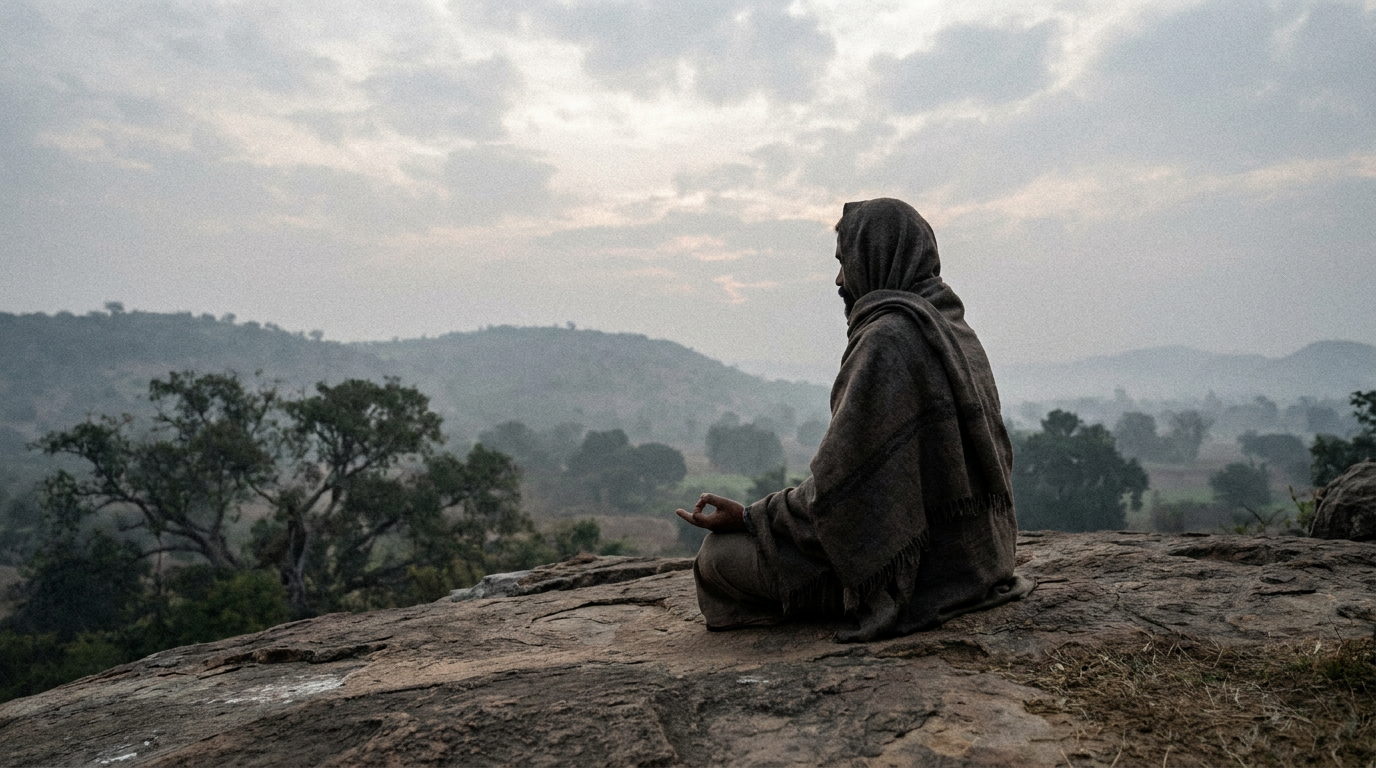
A home sadhana practice becomes easier when there is a special place that reminds us to pause, breathe, and remember God.
This space does not need to be elaborate. It can be simple and humble. A small shelf, a clean cloth, a candle, a picture of Krishna, Rama, Jesus, Mary, the Divine Mother, your guru, saints, or any sacred form that opens your heart can become a place of prayer.
The important thing is not luxury. The important thing is love.
Choosing a Peaceful Corner
Try to choose a place that feels calm, even if it is small. It may be near a window, in a bedroom corner, or on a small table.
Keep it clean and uncluttered as much as possible. Cleanliness supports clarity. When we care for our sacred space, we are also teaching the mind: “This is a place for remembering what matters most.”
If you live with family or roommates, let the space be gentle and welcoming. It does not need to dominate the home. A quiet devotional corner can radiate peace without demanding attention.
What to Place on Your Home Altar
In Bhakti traditions, a home altar is a place of loving focus. You may include:
- A sacred image or murti, a devotional form of God
- A candle or ghee lamp
- Fresh flowers
- Incense, if appropriate for your home
- A small bowl of water
- Prayer beads, called japa mala
- Scripture, such as the Bhagavad Gita, Srimad Bhagavatam, or other sacred texts
- A journal for prayer and reflection
The Sanskrit word murti means a sacred form through which we can offer devotion. It is not simply a statue or object. For devotees, it is a merciful way the Divine becomes approachable to our eyes, hands, and heart.
If this is new to you, you can begin simply. A candle and a prayer are enough.
Let the Space Invite You, Not Pressure You
Your sacred space should feel like a friend calling you home, not a judge reminding you of what you have failed to do.
Some days you may sit for an hour. Some days you may only bow your head and whisper, “Please guide me.” Both can be sincere.
The home altar is not there to measure your worth. It is there to help you remember that you are loved and that God is near.
Check out our latest posts at https://thebhaktihouse.org/blog.
Beginning the Day with Devotion
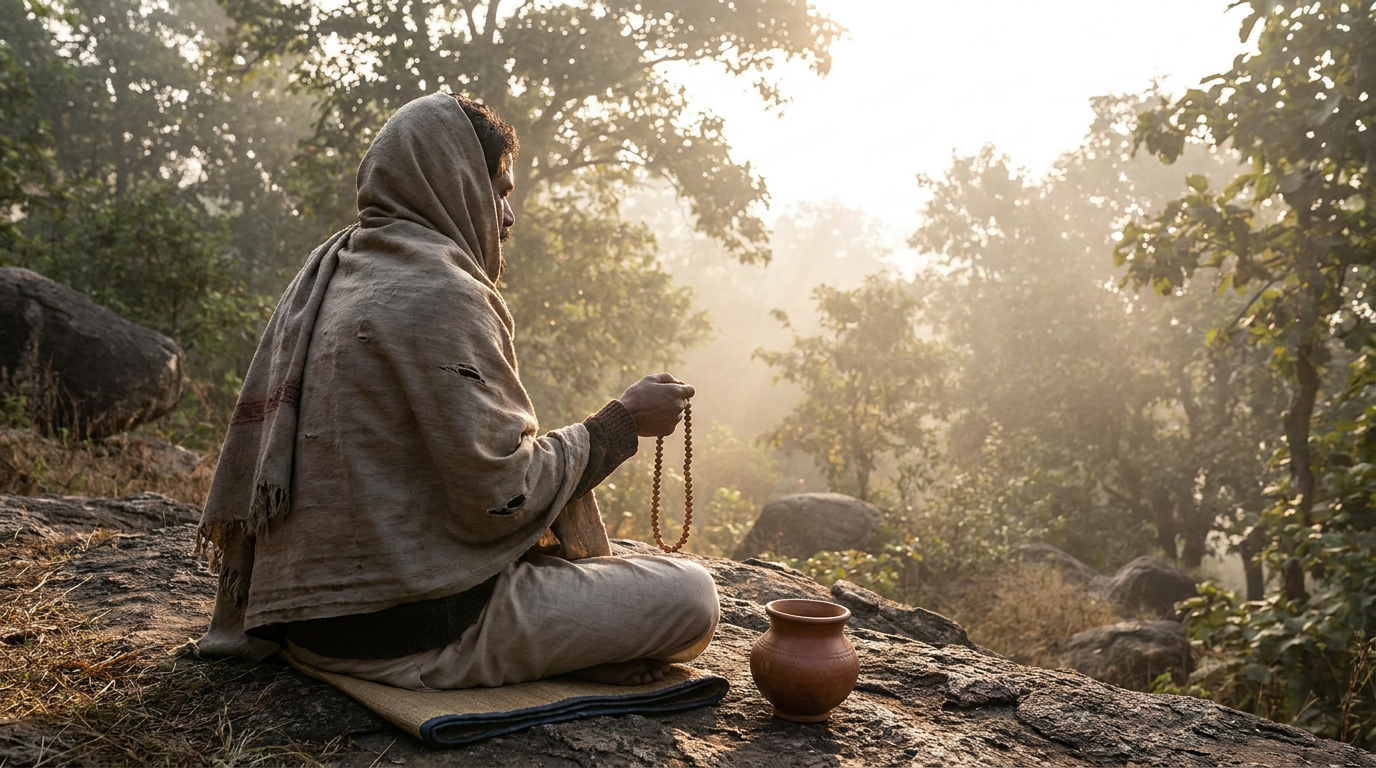
Morning is a powerful time for sadhana. Before the world fills the mind with messages, duties, and worries, we can offer the first moments of the day to God.
This does not mean everyone must wake up before sunrise, though many Bhakti practitioners treasure the early morning hours. It means we begin our day with intention.
Even a short morning spiritual practice can shape the entire day.
A Simple Morning Home Sadhana Routine
Here is a gentle routine you can adapt:
- Wake and pause before checking your phone.
- Wash your face or bathe if possible.
- Sit at your sacred space.
- Take three slow breaths.
- Offer a simple prayer.
- Chant the holy names or a mantra.
- Read a few lines of scripture.
- Set an intention to serve with love.
This can take ten minutes or an hour. Let it grow naturally.
If you are caring for children, working early, or managing health challenges, please be kind to yourself. Bhakti is not about comparing your life to someone else’s. It is about offering your real life to God.
The Power of First Thoughts
The mind is impressionable when we wake up. If our first thoughts are anxious, we may carry that energy into the day. If our first thoughts are prayerful, grateful, and grounded, the heart becomes more steady.
A simple morning prayer might be:
“Dear Lord, please guide my thoughts, words, and actions today. Help me remember You. Help me serve others with kindness. Please make my home and heart a place of peace.”
This prayer does not require perfect faith. It only requires sincerity.
Reading Sacred Wisdom in Small Portions
Spiritual reading is another beautiful part of home sadhana. In Bhakti Yoga, we often study texts like the Bhagavad Gita and Srimad Bhagavatam.
The Bhagavad Gita offers timeless guidance on duty, devotion, humility, the soul, and surrender. The Srimad Bhagavatam is filled with stories and teachings that awaken love for Krishna, the all-attractive Supreme Person.
You do not need to read many pages. Sometimes one verse can nourish the heart all day.
Read slowly. Ask yourself:
- What is God teaching me here?
- How can I practice this today?
- What quality can I bring into my home, work, or relationships?
Scripture becomes alive when we apply it.
Chanting: The Heartbeat of Bhakti Yoga
Chanting is one of the most accessible and powerful practices in Bhakti Yoga.
In Sanskrit, chanting is often called kirtan or japa. Kirtan means singing or calling out sacred names together, often with music. Japa means softly repeating a mantra, often on prayer beads.
A mantra is a sacred sound vibration that helps free the mind and awaken the heart. The word mantra comes from roots meaning “that which delivers the mind.”
Chanting is not only music. It is prayer. It is meditation. It is a way of calling to God with love.
The Maha Mantra
One of the most beloved mantras in the Bhakti tradition is the Maha Mantra, which means “great mantra”:
Hare Krishna Hare Krishna
Krishna Krishna Hare Hare
Hare Rama Hare Rama
Rama Rama Hare Hare
This mantra is a prayer asking to be engaged in loving service to the Divine. “Hare” refers to the divine energy of God, often understood as Srimati Radharani, the compassionate feminine aspect of Divine love. “Krishna” means the all-attractive one. “Rama” means the source of joy.
A simple meaning is: “O Divine Energy, O Lord, please engage me in Your loving service.”
You can chant softly, sing aloud, or listen and repeat. You can chant while sitting at your altar, walking, cooking, or driving. The holy names are merciful. They meet us where we are.
Japa Meditation at Home
For japa meditation, many practitioners use a string of 108 beads called a japa mala. On each bead, you chant the mantra once. This helps the hands, voice, ears, and mind come together in prayer.
If you are new, you might begin with one round, or even five minutes. The practice can grow gradually.
Try these simple tips:
- Sit comfortably with an upright posture.
- Chant clearly enough that you can hear yourself.
- Bring the mind back gently when it wanders.
- Avoid harsh self-criticism.
- Listen to the sound as a sacred presence.
The mind will wander. That is normal. Each time you return to the mantra, you are strengthening your spiritual muscles.
Kirtan for the Whole Home
Kirtan brings warmth and joy into the home. You can sing with harmonium, guitar, kartals, a drum, or no instruments at all. Children can join. Friends can join. Or you can sing alone.
A home filled with sacred sound becomes a place of healing.
The Brihan-naradiya Purana praises chanting the holy names as especially powerful in this age, a time when people often feel distracted, hurried, and burdened. The practice is simple but deep: chant and hear with sincerity.
You do not need a perfect voice. God is not listening for performance. God is listening for the heart.
Prayer: Speaking Honestly with God
Prayer is one of the most intimate parts of home sadhana.
Sometimes people think prayer must sound poetic or formal. But in Bhakti, prayer can be honest, simple, and personal. We can speak to God as our dearest friend, parent, beloved, or guide.
If the heart is joyful, offer gratitude. If the heart is broken, offer tears. If the mind is confused, ask for direction. If faith feels weak, say that too.
God can receive all of it.
Four Simple Forms of Prayer
A balanced prayer life may include:
- Gratitude – “Thank You for this day, this breath, this chance to grow.”
- Confession – “I am struggling. Please help me become more honest and kind.”
- Request – “Please guide me, protect my loved ones, and help me serve.”
- Surrender – “May Your will be done. Please use me for good.”
These prayers help the heart become humble and open.
Humility in Bhakti does not mean thinking we are worthless. It means recognizing our dependence on Divine grace. It means allowing God to be the center.
Journaling as Prayer
A prayer journal can be a beautiful part of home sadhana. You can write:
- What you are grateful for
- What you are worried about
- What you want to offer to God
- A verse that touched your heart
- A quality you want to cultivate
- Names of people you are praying for
Over time, journaling helps us notice how God is guiding us. We begin to see patterns of grace that we may have missed in the rush of life.
Praying Through Difficult Emotions
Inner harmony does not mean we never feel sadness, anger, grief, or fear. It means we learn to bring these emotions into sacred relationship.
In the Bhagavad Gita, Arjuna begins in distress. He is overwhelmed, confused, and unable to act. He does not pretend to be peaceful. He turns to Krishna and asks for guidance.
This is a powerful lesson. Our spiritual life can begin exactly where we are.
If you feel anxious, pray from the anxiety. If you feel lonely, pray from the loneliness. If you feel grateful, pray from the gratitude. Bhakti transforms life by bringing everything into loving connection with God.
Service: Turning Daily Life into Worship
In Bhakti Yoga, service is called seva. Seva means selfless service offered with love.
Home sadhana is not only what happens when we sit in meditation. It is also how we wash dishes, care for children, speak to family, work honestly, and serve guests. When daily duties are offered to God, they become worship.
This is one of the most practical gifts of Bhakti Yoga.
Cooking and Offering Food
Food is central to home life, and in Bhakti, cooking can become a sacred act.
When we prepare vegetarian food with love and offer it to Krishna, it becomes prasadam. The word prasadam means “mercy” or “grace.” It is food that has been offered to God and received back as a blessing.
You can make a simple offering at home:
- Cook with cleanliness and care.
- Place a portion on a small plate.
- Offer it at your altar or prayer space.
- Say a heartfelt prayer, such as, “Dear Lord, please accept this offering made with love.”
- Wait a few moments.
- Serve and honor the food with gratitude.
This practice changes our relationship with eating. Food becomes more than fuel. It becomes a way to remember God and share grace with others.
Serving the People in Our Home
Sometimes the hardest place to practice spirituality is at home, because home reveals our habits. We may be patient with strangers but short-tempered with family. We may speak kindly in public but harshly in private.
Home sadhana invites us to bring devotion into relationships.
Before speaking, we can pause and ask: “Will these words bring healing or harm?”
Before reacting, we can breathe and remember: “This person is also a soul loved by God.”
This does not mean ignoring healthy boundaries or pretending harmful behavior is acceptable. Bhakti includes wisdom. But even when boundaries are needed, we can try to act from clarity rather than resentment.
Small Acts of Devotion
Seva can be very simple:
- Cleaning your home as an offering
- Making tea for someone with kindness
- Calling a lonely friend
- Donating food
- Helping at a temple, church, shelter, or community center
- Listening deeply to someone in pain
- Caring for the earth as God’s creation
A peaceful home is not built only by incense and candles. It is built by loving action.
Building Inner Harmony Through Consistency
Inner harmony develops through steady practice.
The Sanskrit word abhyasa means repeated practice. In the Bhagavad Gita, Krishna teaches that the restless mind can be controlled by practice and detachment. This is comforting because it reminds us that peace is cultivated gradually.
We do not need to conquer the mind in one day. We simply return.
Start Small and Stay Faithful
Many people begin spiritual practices with great enthusiasm, then become discouraged when life becomes busy. It may help to create a minimum daily practice that feels realistic.
For example:
- Chant for five minutes
- Read one verse
- Offer one prayer
- Light one candle
- Offer one meal
- Sit in silence for three breaths
This may seem small, but small sincere practices done regularly can transform the heart.
Once the practice becomes natural, you can expand it.
Rhythm Over Perfection
A home sadhana routine should support your life, not crush it.
Some days will feel deep and beautiful. Other days will feel dry. Sometimes the mind will be peaceful. Sometimes it will race everywhere. This is normal.
Do not judge your practice only by how it feels. Sometimes the most important sadhana is the one we do when we do not feel inspired.
Like watering a seed, we may not see growth immediately. But something is happening beneath the surface.
Returning After Missing a Day
If you miss a day, return the next day. If you miss a week, return today. If you have been away from spiritual practice for years, return now.
Bhakti is full of mercy. The door is not closed.
The Divine is not waiting to shame us. God is waiting to welcome us.
Facing Obstacles in Home Sadhana
Every sincere practitioner faces obstacles. This does not mean you are failing. It means you are human.
The home is full of distractions. Phones, chores, work, noise, responsibilities, and emotional stress can all pull us away from practice. But each obstacle can become an opportunity to deepen humility and dependence on grace.
When the Mind Is Restless
The mind may resist stillness. During chanting or prayer, it may jump to errands, conversations, worries, or old memories.
When this happens, gently return to the practice. Not with anger. Not with shame. Simply return.
You might say inwardly, “Thank you, mind. Now let us listen to the holy name.”
This gentle returning is part of the practice.
When You Feel Spiritually Dry
Sometimes prayer feels alive. Sometimes it feels empty. Devotional life includes seasons.
In dry seasons, keep your practice simple. Chant softly. Read a little. Spend time with devotees or spiritually supportive friends. Listen to kirtan. Serve someone.
The heart often reawakens through service and sacred association.
In Bhakti, sadhu-sanga means the company of sincere spiritual people. Even if you practice at home, you do not have to walk alone. Seek community when possible. Join kirtan, attend classes, visit a temple, or connect with a devotional group online.
When Family Members Do Not Share Your Practice
Not everyone in your home may understand or share your sadhana. This can be tender.
Try to practice with humility and respect. Let your devotion make you kinder, not more judgmental. Let family members see the fruits of your practice: patience, compassion, steadiness, and joy.
Do not force. Invite gently when appropriate. Sometimes the most powerful preaching is peaceful living.
If your loved ones are from different traditions, honor their sincerity. Bhakti teaches us to see the soul in every being and to respect genuine devotion wherever it appears.
A Home Sadhana Plan for Inner Peace
A practical plan can help spiritual intention become daily reality. Please adapt this according to your life, capacity, and tradition.
A 15-Minute Daily Practice
If you are beginning, try this:
- 2 minutes: Sit, breathe, and offer gratitude
- 5 minutes: Chant a mantra or sacred name
- 3 minutes: Read a verse or short passage
- 3 minutes: Pray honestly
- 2 minutes: Set an intention for service
This simple routine can bring more peace, focus, and devotion into the day.
A 30-Minute Daily Practice
If you have more time:
- 5 minutes: Light a candle, breathe, and pray
- 10 minutes: Japa meditation or chanting
- 5 minutes: Read scripture
- 5 minutes: Journal or reflect
- 5 minutes: Offer your day and plan one act of seva
This creates a stronger devotional rhythm without becoming overwhelming.
A Weekly Home Bhakti Evening
Once a week, you might create a longer devotional evening at home:
- Sing kirtan
- Read from the Bhagavad Gita
- Share reflections with family or friends
- Offer a simple vegetarian meal
- Honor prasadam together
- Pray for the wellbeing of others
This can make the home feel spiritually nourished and connected.
Even if only one person attends, it is meaningful.
Home as a Place of Remembrance
The purpose of home sadhana is not to escape life. It is to spiritualize life.
Bhakti Yoga teaches that God can be remembered in every circumstance. The kitchen can become a temple. The living room can become a kirtan hall. The desk can become a place of honest service. The bedroom can become a place of prayerful rest.
When we practice at home, we invite Divine presence into the ordinary. And slowly, the ordinary becomes sacred.
Remembering God Throughout the Day
You can weave remembrance into daily life in small ways:
- Chant while walking
- Play soft kirtan while cooking
- Offer gratitude before meals
- Keep a verse near your workspace
- Pause for prayer before difficult conversations
- Repeat a mantra before sleep
- Say “Thank You” when something beautiful happens
These small moments help the heart stay connected.
Peace That Begins Within
Inner harmony does not mean life becomes free of challenge. It means we become more rooted in God while moving through challenge.
The world may remain uncertain. The mind may still have waves. Relationships may still require effort. But through sadhana, we gain shelter.
In the Bhagavad Gita, Krishna promises that those who remember Him with devotion are never lost. This does not mean life will always be easy. It means we are never alone.
That assurance brings courage.
Letting Love Lead
At the center of Bhakti Yoga is love.
Not fear. Not pride. Not spiritual competition. Love.
The more we chant, pray, serve, and remember, the more the heart becomes trained in love. We begin to see our home not as a place of possession, but as a place of offering. We begin to see others not as obstacles, but as souls. We begin to see our daily duties not as interruptions to spiritual life, but as opportunities to practice devotion.
This is the beauty of home sadhana for inner harmony.
Growing Gently on the Path
Spiritual growth is often quiet. It may not look dramatic from the outside.
Perhaps you become a little more patient. Perhaps you apologize more easily. Perhaps you complain less. Perhaps you remember to pray before reacting. Perhaps you feel grateful for simple things. Perhaps chanting becomes a place of refuge.
These are sacred signs.
Be Patient With Your Heart
The heart has carried many impressions, wounds, desires, and fears. It takes time to soften. Please do not demand instant transformation from yourself.
In Bhakti, we rely on grace. Our effort matters, but grace carries us beyond what effort alone can do.
Offer what you can. Begin where you are. Trust that sincere practice bears fruit.
Celebrate Small Steps
If you chanted today, celebrate that.
If you prayed honestly, celebrate that.
If you served someone with kindness, celebrate that.
If you returned after feeling far away, celebrate that.
Every sincere step toward God is precious.
The path of Bhakti is not about becoming someone else. It is about uncovering the loving soul you already are.
Walking Together
Even home sadhana is strengthened by community. We need encouragement, wisdom, and friendship. We need spaces where we can ask questions, sing together, learn together, and serve together.
Whether you are practicing alone at home or gathering with others, know that you belong in the larger family of souls seeking Divine love.
At The Bhakti House, all sincere seekers are welcome. You do not need to have everything figured out. You do not need perfect Sanskrit pronunciation. You do not need a long history of spiritual practice. You only need a willing heart.
One Sincere Step Toward God
Finding peace through home sadhana is not about creating a perfect spiritual lifestyle overnight. It is about beginning a loving relationship with the Divine in the place where you already live.
Light a candle. Chant one mantra. Offer one prayer. Read one verse. Cook one meal with love. Serve one person with kindness. Sit quietly and say, “Dear God, please guide me.”
This is enough to begin.
And as you continue, your home can become a place of remembrance. Your routines can become offerings. Your heart can become more peaceful, humble, and loving.
Wherever you come from, whatever your background, whatever your current level of faith, you are welcome on this path. Bhakti Yoga invites everyone into the healing practice of love.
May your home be blessed with sacred sound. May your heart find shelter in prayer. May your daily life become an offering. And may you feel encouraged today to take one sincere step toward God.
FAQs
What is home sadhana?
Home sadhana refers to the practice of spiritual discipline or daily rituals performed at home. It can include activities such as meditation, yoga, chanting, and prayer.
Why is home sadhana important?
Home sadhana is important as it provides individuals with a dedicated time and space for spiritual practice. It helps in cultivating inner peace, self-discipline, and a deeper connection with oneself and the divine.
What are some common practices in home sadhana?
Common practices in home sadhana include meditation, pranayama (breath control), yoga asanas (postures), chanting of mantras, reading sacred texts, and performing puja (ritual worship).
How can one establish a home sadhana practice?
To establish a home sadhana practice, one can start by setting aside a specific time and space for daily spiritual practice. It is important to be consistent and committed to the practice, and seek guidance from a spiritual teacher if needed.
What are the benefits of home sadhana?
The benefits of home sadhana include increased mental clarity, emotional balance, physical well-being, and spiritual growth. It also helps in reducing stress, anxiety, and promoting a sense of inner peace and harmony.

