

Hard times can make the heart feel small. When grief, uncertainty, loneliness, illness, financial pressure, family pain, or spiritual confusion comes close, even simple tasks can feel heavy. In those moments, many people long for one clear word of comfort: “You are not alone.”
The Bible offers that encouragement again and again. Through psalms, prayers, stories, promises, tears, and songs of hope, Scripture reminds us that God sees the suffering heart. God is near to the brokenhearted. God can strengthen us when our own strength is gone.
At The Bhakti House, we welcome people of all backgrounds and faith journeys. Some come from a Christian tradition. Some come from Hindu, Jewish, Muslim, Buddhist, interfaith, or non-religious backgrounds. Some are simply searching. We honor every sincere seeker.
Bhakti means loving devotion to God. Bhakti Yoga is the spiritual path of love—expressed through prayer, sacred chanting, service, remembrance, humility, and surrender. While the Bible arises from a different sacred tradition than the Sanskrit bhakti scriptures, both can help us turn the heart toward God with sincerity. Both remind us that spiritual life is not only philosophy; it is a living relationship.
In hard times, the Word of God can become like a lamp in the darkness. And when we receive that Word with humility, prayer, and devotion, hope begins to breathe again.
God Is Near in Times of Trouble
“The Lord Is Close to the Brokenhearted”
One of the most tender verses in the Bible is Psalm 34:18: “The Lord is close to the brokenhearted and saves those who are crushed in spirit.”
This does not say that God only comes near when we are strong, successful, or perfectly composed. It says God is close to the brokenhearted. The hurting person is not disqualified from divine love. The crushed spirit is not abandoned.
In Bhakti Yoga, this nearness of God is also central. The Sanskrit word Bhagavan refers to the Supreme Person, the all-loving Lord who possesses all beauty, wisdom, strength, fame, wealth, and renunciation. Bhakti teachings explain that God is not distant or impersonal only; God is lovingly present and responsive to the heart.
When we suffer, we may feel like we have failed spiritually. We may think, “If I had more faith, I would not feel this pain.” But the Bible is full of faithful people who wept, questioned, and trembled. David cried out in the Psalms. Job lamented. Elijah felt exhausted. Jesus Himself wept.
Pain does not mean God has left us. Often, pain becomes the place where we learn to call upon God more honestly.
A Prayer When You Feel Alone
When words are hard to find, a simple prayer can open the heart:
“Lord, I feel alone, but I trust that You are near. Please hold me in this moment. Give me strength for today. Help me remember that I am loved.”
In Bhakti practice, this kind of prayer is deeply valued. Prayer is not performance. It is relationship. It is the soul turning toward the Divine with whatever honesty it has.
You do not need perfect language. You do not need to be fearless. You can come to God as you are.
Scripture Gives Strength for Today
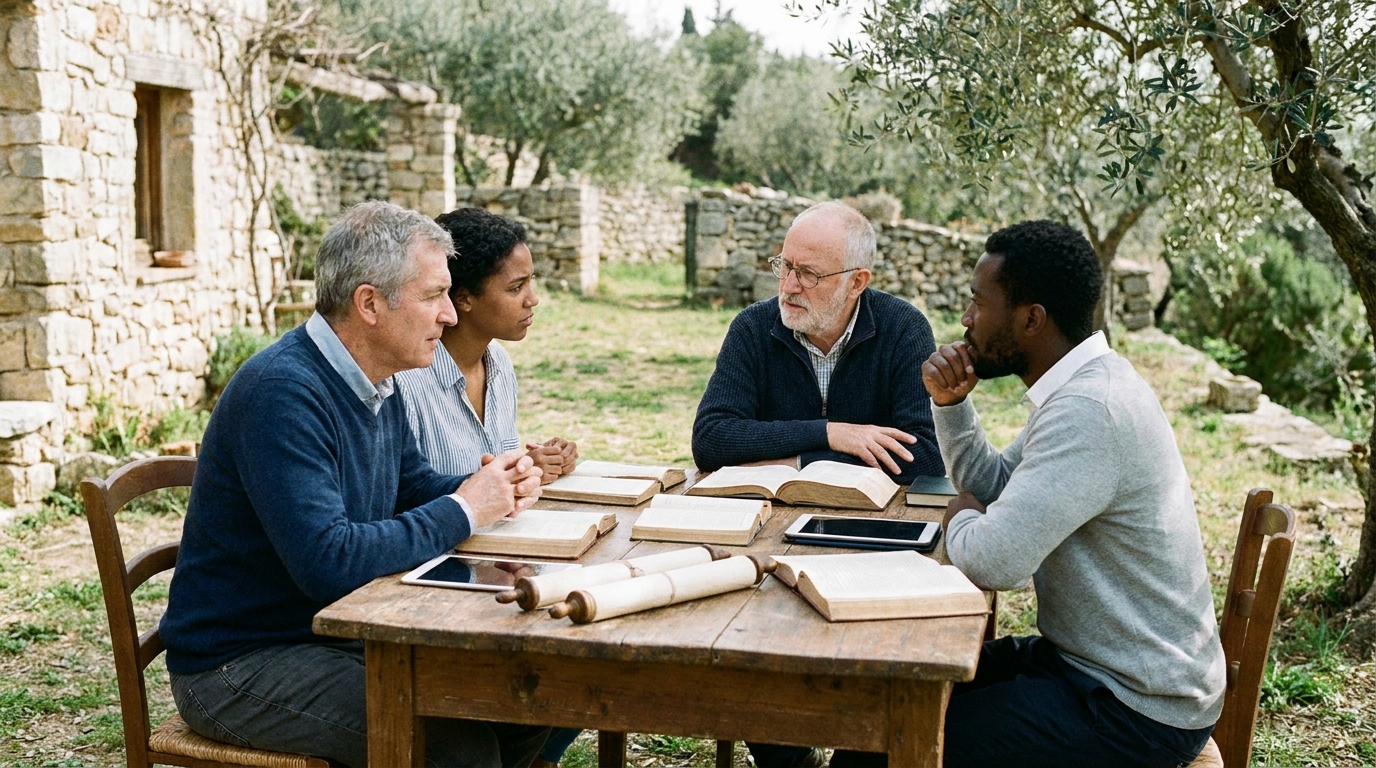
Daily Bread, Daily Grace
In Matthew 6:11, Jesus teaches us to pray, “Give us today our daily bread.” This prayer is simple, but it carries great spiritual wisdom. It teaches us to ask for what we need today—not to carry tomorrow’s burden before tomorrow arrives.
Hard times often become heavier because the mind runs into the future. We imagine every possible loss. We ask, “What if this never changes? What if I cannot handle what is coming?” The Word gently brings us back to this moment.
God gives grace for today.
Bhakti Yoga also emphasizes steady daily practice. The Sanskrit word sadhana means spiritual discipline or daily practice. Sadhana may include chanting God’s names, reading sacred wisdom, offering food with gratitude, serving others, or sitting in prayer. These simple practices help the heart receive spiritual strength one day at a time.
We do not have to solve our entire life in one morning. We can take one sincere step today.
“I Can Do All Things Through Christ”
Philippians 4:13 says, “I can do all things through Christ who strengthens me.” This verse is often misunderstood as a promise that we can accomplish every dream or avoid every difficulty. But in context, the apostle Paul is speaking about contentment in all circumstances—whether in need or abundance.
The deeper message is this: God can give us strength to remain faithful, loving, and hopeful even when life is difficult.
Spiritual strength is not always dramatic. Sometimes it looks like getting out of bed. Sometimes it looks like forgiving one more time. Sometimes it looks like not giving up. Sometimes it looks like whispering God’s name through tears.
In the Bhagavad Gita, a beloved Bhakti scripture, Lord Krishna says, “For one who sees Me everywhere and sees everything in Me, I am never lost, nor is that person ever lost to Me” (Bhagavad Gita 6.30). This is a beautiful reminder that the devoted heart is never truly separated from God.
Whether we are reading the Bible, chanting the holy names, praying in silence, or serving someone in need, divine strength becomes available when we turn toward God.
Check out our latest posts at https://thebhaktihouse.org/blog.
Hope Grows Through Remembering God’s Promises

The Word as a Lamp
Psalm 119:105 says, “Your word is a lamp for my feet, a light on my path.”
A lamp does not always show the whole road. It shows the next step. This is important. In hard times, we often want a full explanation. We want to know why something happened, how long it will last, and how everything will end.
Sometimes God gives clarity. Sometimes God gives only enough light for the next step.
The Word of God helps us walk when we cannot see far ahead. It tells us who God is: faithful, merciful, compassionate, just, patient, and loving. It reminds us that suffering is not the final word. It trains the heart to trust.
In Bhakti Yoga, remembrance of God is called smaranam. It means bringing God into the mind and heart again and again. This can happen through scripture, song, mantra, prayer, or simply pausing to remember, “God is with me.”
A mantra is a sacred sound or prayer used for meditation and devotion. In the Bhakti tradition, chanting God’s names is considered especially powerful because the name of God carries God’s presence. Christians may also experience this through repeating short prayers such as “Lord Jesus Christ, have mercy on me,” or simply calling, “Jesus,” with love and faith.
The heart becomes hopeful when it remembers God often.
Promises for the Anxious Heart
Here are a few biblical promises that many people return to in times of fear:
Isaiah 41:10 says, “Do not fear, for I am with you.”
Matthew 11:28 says, “Come to me, all you who are weary and burdened, and I will give you rest.”
Romans 8:38–39 reminds us that nothing can separate us from the love of God.
2 Corinthians 12:9 says, “My grace is sufficient for you, for my power is made perfect in weakness.”
These verses are not magic words that erase every struggle immediately. They are living invitations. They invite us to bring our fear into the presence of God. They invite us to rest in divine love. They invite us to stop pretending we are strong enough on our own.
Hope grows when we let God’s promises become more familiar than our fears.
Prayer Opens the Heart to Peace
Honest Prayer Is Holy
Many people think prayer must be polished. But biblical prayer is often raw and honest. The Psalms include praise, anger, confusion, confession, gratitude, grief, and trust. God can receive the whole human heart.
Psalm 13 begins with the cry, “How long, Lord? Will you forget me forever?” But the same psalm ends with trust: “I will sing the Lord’s praise, for he has been good to me.”
This movement—from pain to trust—is part of spiritual growth. We do not always arrive at peace instantly. Sometimes prayer is the path by which our heart slowly softens.
Bhakti Yoga teaches that devotion is personal and relational. We are not trying to impress God. We are learning to love God. The Sanskrit word prema means divine love, pure love for God. This love grows through sincerity.
If all you can say is, “God, help me,” that is prayer. If all you can offer is silence, that too can be prayer. If you can sing, cry, kneel, write, or walk while speaking to God, each can become a sacred offering.
A Simple Practice for Hard Days
Try this devotional practice when you feel overwhelmed:
Pause for one minute.
Place your hand on your heart.
Take three slow breaths.
Speak one verse aloud, such as: “The Lord is my shepherd; I lack nothing” (Psalm 23:1).
Then offer one honest sentence to God: “Lord, I need Your peace today.”
This simple practice joins the Word with prayer and embodied awareness. It helps the mind slow down and the heart reconnect.
Spiritual life does not always require complicated rituals. Often, the most powerful practices are simple, sincere, and repeated with love.
Chanting and Sacred Sound Bring Comfort
The Power of Calling on God’s Name
Throughout the Bible, calling on the name of the Lord is a sacred act. Romans 10:13 says, “Everyone who calls on the name of the Lord will be saved.” The Psalms repeatedly praise the name of God. The Lord’s name is associated with refuge, help, worship, and deliverance.
In Bhakti Yoga, chanting the names of God is one of the central practices. This is called kirtan when done musically in community, and japa when repeated softly or silently as a personal meditation. The Sanskrit word kirtan means glorifying or singing about God.
For those from Christian backgrounds, singing hymns, worship songs, psalms, or simple prayers can be a form of devotional chanting. For those drawn to Bhakti practices, chanting sacred names such as the Hare Krishna maha-mantra can help calm the mind and awaken love for God.
The Hare Krishna mantra is:
Hare Krishna, Hare Krishna, Krishna Krishna, Hare Hare
Hare Rama, Hare Rama, Rama Rama, Hare Hare
In simple terms, this is a prayer asking the Lord and His divine energy to engage us in loving service. Krishna means “the all-attractive Lord,” and Rama means “the source of joy.” Hare refers to God’s divine loving energy.
Sacred sound gives the restless mind something holy to hold. When anxiety repeats fearful thoughts, chanting gently replaces them with remembrance.
Worship as Medicine for the Soul
When Paul and Silas were imprisoned in Acts 16, they prayed and sang hymns to God. Their situation was dark, but worship still rose from their hearts. This teaches us something profound: worship is not only a response to comfort; worship can be an anchor during suffering.
Singing to God does not deny pain. It brings pain into the presence of divine hope.
At The Bhakti House, we often see people soften through sacred music. Sometimes a person enters carrying burdens they cannot name, and after chanting or singing, tears come. The tears are not failure. They may be healing. The heart has found a safe place to open before God.
Whether you sing a psalm, whisper Jesus’ name, chant a mantra, or listen quietly, sacred sound can become a doorway to peace.
Service Helps Hope Become Love in Action
Serving Others in Hard Times
When we are suffering, it is natural to turn inward. Sometimes we need rest, support, and care. But when we are able, even small acts of service can help hope become active again.
Jesus taught, “It is more blessed to give than to receive” (Acts 20:35). He washed the feet of His disciples. He fed the hungry, healed the sick, welcomed the outcast, and cared for the forgotten.
Bhakti Yoga also centers on seva, which means selfless service offered to God. Seva may be cooking a meal, cleaning a sacred space, helping a neighbor, listening to someone’s pain, offering time, sharing resources, or serving in a spiritual community.
Service reminds us that we are not powerless. Even in difficulty, we can offer love. Even when we cannot fix everything, we can bring kindness into one moment.
Small Acts Matter to God
A hopeful life is not built only on grand gestures. It grows through small faithful offerings.
A text message to encourage someone.
A prayer for a friend.
A meal cooked with love.
A few minutes of listening without judgment.
A donation given quietly.
A candle lit in remembrance.
A room cleaned as an offering.
A kind word spoken when irritation would be easier.
In the Bhagavad Gita, Krishna says, “If one offers Me with love and devotion a leaf, a flower, fruit, or water, I will accept it” (Bhagavad Gita 9.26). The meaning is simple and beautiful: God receives the love behind the offering.
The Bible carries a similar spirit in the story of the widow’s offering in Mark 12:41–44. Jesus honors not the size of the gift, but the depth of the heart.
In hard times, we may feel we have little to give. But God can receive even our smallest offering when it is given with love.
Community Helps Carry the Burden
We Are Not Meant to Walk Alone
Galatians 6:2 says, “Carry each other’s burdens, and in this way you will fulfill the law of Christ.”
This is a deeply practical instruction. When life is heavy, community matters. We need people who can pray with us, listen to us, remind us of truth, and sit with us when answers are not easy.
Spiritual community is called sangha in Sanskrit. Sangha means the company of sincere seekers or devotees. In Bhakti Yoga, good association is considered essential because the heart is shaped by the company it keeps.
A loving community does not demand that you pretend. It gives space for honesty. It encourages growth without shame. It reminds you that God is still working even when you feel stuck.
Finding Safe Spiritual Support
If you are going through hard times, consider reaching out to someone trustworthy:
A pastor, priest, spiritual teacher, or counselor.
A mature friend who listens well.
A prayer group or kirtan community.
A support group for grief, recovery, or mental health.
A family member who offers steadiness and care.
Sometimes hope comes through another person’s presence. God often comforts us through human hands, human words, and human kindness.
And if your pain feels too heavy to carry, please seek professional help. Therapy, medical care, and crisis support are not signs of weak faith. They can be gifts of God’s compassion. Spiritual encouragement and practical care can work together.
Hard Times Can Deepen Spiritual Growth
Suffering Is Not the End of the Story
The Bible never pretends that life is free from suffering. But it also never presents suffering as meaningless when held in God’s hands.
Romans 5:3–5 says that suffering can produce perseverance, character, and hope—and that hope does not put us to shame because God’s love has been poured into our hearts.
This does not mean we should seek suffering or minimize anyone’s pain. It means that God can bring growth, compassion, humility, wisdom, and deeper love even through seasons we would never have chosen.
In Bhakti Yoga, spiritual growth often involves purification of the heart. The Sanskrit phrase anartha-nivritti means the gradual clearing of unwanted habits, fears, attachments, and false identities that block our love for God. This process can be tender and sometimes uncomfortable, but it is guided by grace.
Hard times can reveal what we truly depend on. They can invite us to surrender—not as defeat, but as trust.
Surrender as Loving Trust
Surrender can sound frightening. We may imagine losing control or being passive. But in devotional spirituality, surrender means placing our life in the hands of the One who loves us perfectly.
Jesus prayed in the Garden of Gethsemane, “Not my will, but yours be done” (Luke 22:42). This was not weakness. It was the deepest trust.
In the Bhagavad Gita, Krishna offers a similar call to loving surrender: “Abandon all varieties of dharma and simply surrender unto Me. I shall deliver you from all sinful reactions. Do not fear” (Bhagavad Gita 18.66). In simple terms, God invites the soul to take refuge in divine love beyond all fear.
For a person in hard times, surrender may sound like:
“God, I do not understand, but I trust You.”
“Lord, guide my next step.”
“Please help me release what I cannot control.”
“Let my heart remain soft.”
Surrender is not giving up on life. It is giving our life back to God, again and again.
Practical Ways to Find Hope in the Word
Begin With One Verse
If the Bible feels overwhelming, begin with one verse each day. Read it slowly. Write it down. Speak it aloud. Ask, “What is God showing me here?”
You might begin with:
Psalm 23
Psalm 34
Matthew 6:25–34
John 14
Romans 8
Philippians 4
Isaiah 40
Let the Word become personal. Not rushed. Not academic only. Receive it as nourishment.
Pray the Scripture
One powerful practice is to turn a verse into prayer.
For example, Psalm 23 says, “The Lord is my shepherd.” You can pray:
“Lord, be my shepherd today. Guide me. Protect me. Lead me beside still waters. Restore my soul.”
Matthew 11:28 says, “Come to me, all you who are weary.” You can pray:
“Jesus, I come to You with my weariness. Please teach me to rest in You.”
This makes Scripture devotional. It moves from the page into the heart.
Add Chanting or Sacred Repetition
Choose a short sacred phrase to repeat throughout the day:
“Lord, have mercy.”
“God is with me.”
“Jesus, I trust in You.”
“Hare Krishna.”
“Your grace is enough.”
Repeat it while walking, washing dishes, driving, or sitting quietly. Let sacred sound interrupt the cycle of worry.
Serve in One Small Way
Ask, “Who can I encourage today?”
You do not need to do something large. Offer one act of kindness. Send one message. Pray for one person. Give one sincere smile. Help with one task.
Hope grows when love moves.
Rest Without Guilt
Sometimes the most spiritual thing you can do is rest. Elijah needed food and sleep before he could hear God’s gentle whisper. Jesus withdrew to pray. The body and soul are connected.
Take rest as an act of trust. You are not holding the universe together. God is.
Encouragement for Different Kinds of Hard Times
When You Are Grieving
Grief is love passing through loss. Do not rush it. Jesus said, “Blessed are those who mourn, for they will be comforted” (Matthew 5:4). God does not shame your tears.
Light a candle. Read a psalm. Speak your loved one’s name. Pray honestly. Let others support you. In time, grief can become a sacred place where love and hope meet.
When You Are Afraid
Fear often asks for control. Faith invites trust. Isaiah 41:10 says, “Do not fear, for I am with you.” The promise is not that nothing difficult will happen. The promise is God’s presence.
Take one breath. Read one verse. Chant one holy name. Call one trusted person. Do the next right thing.
When You Feel Spiritually Dry
Every seeker experiences dryness. Do not assume God has left. Sometimes roots grow deepest in dry seasons.
Keep showing up gently. Pray simply. Read a few lines of Scripture. Attend community. Sing even softly. Serve even quietly. Love matures through faithfulness.
When You Feel Unworthy
The Bible is full of people who were called by grace, not perfection. Peter denied Jesus and was restored. David sinned and prayed for mercy. Paul once persecuted believers and became a servant of God.
Bhakti teachings also remind us that God is attracted to sincerity. You do not need to be flawless to begin. Come as you are. Let love purify you over time.
The Word Leads Us Back to Love
The deepest purpose of Scripture is not only information, but transformation. The Word teaches us to love God and love our neighbor. It corrects us, comforts us, strengthens us, and invites us into living relationship with the Divine.
In hard times, biblical encouragement does not always remove the storm immediately. But it can help us find God in the storm. It can give us courage for the next step. It can remind us that our pain is seen, our prayers are heard, and our life is held.
Bhakti Yoga offers practical ways to live this hope daily: chanting God’s names, praying with honesty, serving with humility, gathering in spiritual community, reading sacred wisdom, and offering our lives with love. These practices are not limited to one kind of person. They are open to every sincere heart.
God’s love is not far away. Sometimes it comes through a verse at the right moment. Sometimes through a song. Sometimes through a friend. Sometimes through silence. Sometimes through the strength to keep going one more day.
Wherever you are on your journey, you are welcome. Whether your faith feels strong or fragile, whether you know many scriptures or only one prayer, whether you are joyful or barely holding on, there is room for you.
Take one sincere step toward God today. Open the Word. Whisper a prayer. Chant a holy name. Offer one act of service. Ask for help. Let hope begin again.
Everyone is welcome to take one sincere step toward God.
FAQs
What is a scriptural discussion?
A scriptural discussion is a conversation or debate that focuses on the interpretation and understanding of religious texts, particularly those from the Bible or other sacred scriptures.
What is the purpose of a scriptural discussion?
The purpose of a scriptural discussion is to deepen one’s understanding of religious texts, explore different interpretations, and engage in dialogue with others to gain insight and knowledge about spiritual matters.
How are scriptural discussions conducted?
Scriptural discussions can be conducted in various ways, including group study sessions, formal debates, informal conversations, or through written correspondence. They may also involve the use of commentaries, historical context, and linguistic analysis to aid in interpretation.
What are the benefits of participating in scriptural discussions?
Participating in scriptural discussions can lead to a deeper understanding of religious texts, foster a sense of community and shared learning among participants, and provide opportunities for personal growth and spiritual development.
Are scriptural discussions limited to a specific religious tradition?
While scriptural discussions often focus on texts from specific religious traditions, such as Christianity, Judaism, Islam, or Hinduism, they can also encompass comparative studies of different religious texts and traditions.

