

In the path of Bhakti Yoga, the heart gradually awakens to its eternal relationship with God. This relationship is not dry, distant, or merely philosophical. It is alive with feeling, tenderness, and devotion.
The Sanskrit word rasa means “taste,” “mood,” or “spiritual flavor.” In Bhakti, rasa describes the loving relationship between the soul and the Supreme Lord. Just as human relationships have different moods—respect, friendship, affection, service, care—our eternal relationship with God also has beautiful varieties.
Śānta-rasa is often described as the peaceful or reverential mood of devotion. The word śānta means “peaceful,” “calm,” or “tranquil.” In śānta-rasa, the devotee beholds God with deep respect, steady remembrance, and inner stillness. The heart is not agitated by selfish desire. It rests in the truth: “I belong to God, and God is the shelter of all.”
This mood may seem quiet compared to more active expressions of devotion, such as serving, praying intensely, or singing with tears. Yet śānta-rasa is deeply sacred. It is the peaceful foundation upon which loving devotion can grow.
For those beginning their spiritual journey, śānta-rasa offers a gentle doorway into Bhakti Yoga. It teaches us to pause, remember, honor, and become peaceful in the presence of the Divine.
Understanding Rasa in Bhakti Yoga
Rasa Means Loving Spiritual Relationship
Bhakti Yoga is the path of loving devotion to the Supreme Person, known in Sanskrit as Bhagavān—the One who possesses all beauty, wisdom, strength, fame, wealth, and compassion in fullness. In the Bhakti tradition, especially as taught in texts like the Bhagavad-gītā, Śrīmad-Bhāgavatam, and the writings of great saints, God is not understood as a vague force alone. God is the supreme loving reality, the source of all life and the beloved of every soul.
Rasa describes the soul’s awakened relationship with Bhagavān. It is not something artificial that we invent. Rather, it is something eternal that becomes uncovered as the heart is purified through devotion.
The great Bhakti teacher Śrīla Rūpa Gosvāmī explains in Bhakti-rasāmṛta-sindhu, a foundational text on devotional love, that pure devotion develops into deep spiritual emotion and ultimately into rasa—fully blossomed love of God.
The Main Devotional Rasas
In Bhakti scriptures, five primary devotional rasas are often described:
- Śānta-rasa – peaceful reverence
- Dāsya-rasa – loving service, seeing oneself as God’s servant
- Sakhya-rasa – friendship with God
- Vātsalya-rasa – parental affection, loving God as one’s child
- Mādhurya-rasa – intimate divine love, the mood of beloved and lover
Each rasa is pure, sacred, and complete in its own way. They are not material emotions. They are spiritual expressions of the soul’s love for God.
Śānta-rasa is often understood as the beginning of the primary rasas because it contains peace, knowledge of God’s greatness, and freedom from material disturbance. It may not include active personal service in the same way as dāsya-rasa, but it contains deep spiritual absorption and reverence.
Why Śānta-rasa Matters Today
In a world filled with noise, anxiety, comparison, and constant distraction, the peaceful mood of śānta-rasa is especially healing. Many people today are longing for inner calm. They may not yet know how to pray, chant, or serve with deep feeling, but they can begin by honoring the sacred.
Śānta-rasa invites us to sit quietly before God, to breathe, to remember, and to soften the heart.
It teaches us that spiritual life does not begin with performance. It begins with sincere awareness: “God is real. I am not alone. My life has divine meaning.”
The Qualities of Śānta-rasa
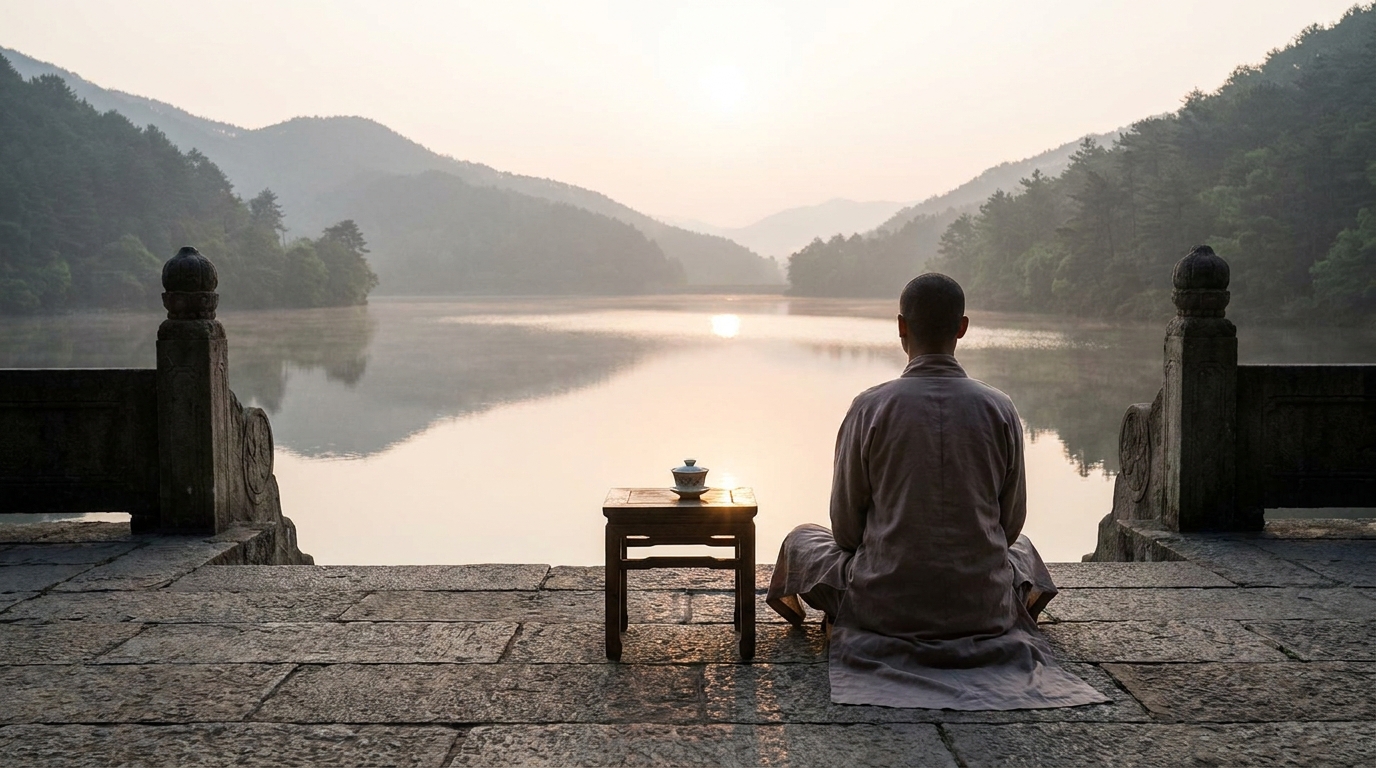
Peaceful Awareness of God
The primary quality of śānta-rasa is peaceful awareness of the Supreme Lord. The devotee recognizes that God is the source, maintainer, and ultimate shelter of everything.
In the Bhagavad-gītā 10.8, Śrī Krishna says:
“I am the source of all spiritual and material worlds. Everything emanates from Me. The wise who know this perfectly engage in My devotional service and worship Me with all their hearts.”
For someone in śānta-rasa, this truth brings rest. The heart no longer needs to control everything. There is a deep acceptance that all life comes from God and is held by God.
This awareness is not passive or empty. It is full of reverence. It is the peace that comes when the soul remembers its eternal connection to the Divine.
Freedom from Material Craving
Another important quality of śānta-rasa is detachment from selfish desires. The Sanskrit word vairāgya means detachment, or freedom from clinging to temporary things. This does not mean we reject the world or stop caring about others. Rather, we learn to see everything in relation to God.
In śānta-rasa, the devotee becomes less disturbed by the endless push and pull of worldly life. Pleasure and pain still come. Praise and criticism still come. Success and failure still come. But the heart gradually becomes steady.
The Bhagavad-gītā 2.70 gives a beautiful image:
“A person who is not disturbed by the incessant flow of desires—that enter like rivers into the ocean, which is ever being filled but is always still—can alone achieve peace.”
Śānta-rasa is like that ocean. Desires may come and go, but the heart remains anchored in the Lord.
Reverence Without Demand
In śānta-rasa, one does not approach God mainly to ask for things. The devotee may pray, but the deeper mood is reverence: “You are wonderful. You are the source of all. Let me remember You.”
This is a very pure beginning. Many of us come to spiritual life because we are suffering, searching, or needing help. That is not wrong. God welcomes every sincere prayer. But as Bhakti grows, prayer becomes less about demand and more about relationship.
Śānta-rasa helps us move from “God, please give me what I want” to “God, please let me remember You and live in harmony with Your will.”
Inner Stillness and Sacred Vision
Śānta-rasa also brings a sacred way of seeing. The devotee begins to perceive God’s presence everywhere—within nature, within the heart, within scripture, within the holy name, and within all living beings.
The Īśopaniṣad, one of the ancient Vedic texts, teaches that everything belongs to the Supreme. This vision transforms how we live. The world is no longer something to exploit. It becomes sacred energy, meant to be honored and used in service.
When we see life this way, gratitude naturally awakens.
Check out our latest articles at https://thebhaktihouse.org/blog.
Śānta-rasa in Bhakti Scriptures
The Four Kumāras and the Fragrance of Devotion
One beautiful example of śānta-rasa is found in the story of the Four Kumāras in the Śrīmad-Bhāgavatam. The Kumāras were great sages, absorbed in spiritual knowledge and detachment. They were peaceful, self-controlled, and free from worldly desires.
When they entered the spiritual realm and smelled the fragrance of tulasī leaves offered at the lotus feet of Lord Viṣṇu, something awakened in their hearts. Their peaceful realization became touched by devotion. They experienced attraction to the personal beauty of the Lord.
This story is very meaningful. It shows that spiritual peace is not the final absence of feeling. Rather, true peace can become the doorway to love.
The Kumāras did not lose their wisdom. Their wisdom became sweetened by Bhakti.
Śukadeva Gosvāmī and the Power of Hearing
Another important personality is Śukadeva Gosvāmī, the speaker of the Śrīmad-Bhāgavatam. He was completely detached from worldly life from birth. He had no interest in material pleasure, social status, or ordinary identity.
Yet when he heard the pastimes of Lord Krishna, his heart became drawn toward the sweetness of devotion. Though he was already spiritually realized, the beauty of Bhagavān attracted him.
This teaches us a precious lesson: even liberated souls are nourished by hearing about God’s names, qualities, and loving activities.
For us, hearing sacred wisdom is a practical way to cultivate śānta-rasa. When we listen with humility, the restless mind becomes purified. The heart becomes peaceful. Faith begins to grow.
The Bhagavad-gītā and the Steady Devotee
The Bhagavad-gītā often describes the qualities of a steady, peaceful spiritual person. In chapter 12, Krishna describes those who are dear to Him. He says that a devotee who is free from envy, friendly to all beings, humble, forgiving, steady, and devoted is very dear to Him.
These qualities reflect the peaceful foundation of Bhakti.
Śānta-rasa is not cold indifference. It is warm-hearted steadiness. It is the kind of peace that allows compassion to grow. A person who is inwardly peaceful can serve others without needing attention or reward.
Practicing Śānta-rasa in Daily Life
Begin with Sacred Pause
A simple way to practice śānta-rasa is to create a sacred pause each day. This can be as short as five minutes. Sit quietly. Place your attention on God. If you have a sacred image, altar, candle, scripture, or prayer space, sit near it.
You may simply say:
“Dear Lord, I am here. Please help me remember You.”
This kind of prayer is humble and powerful. You do not need advanced knowledge. You do not need perfect concentration. You only need sincerity.
Over time, these small pauses train the heart to turn toward God naturally.
Chant the Holy Names
Chanting is central to Bhakti Yoga. The Sanskrit word mantra means a sacred sound that helps free the mind. In the Bhakti tradition, the chanting of God’s names is understood to be non-different from God’s presence.
One especially beloved mantra is the mahā-mantra, or “great mantra”:
Hare Krishna Hare Krishna
Krishna Krishna Hare Hare
Hare Rama Hare Rama
Rama Rama Hare Hare
“Hare” calls upon the divine energy of the Lord, especially the compassionate feminine aspect of God. “Krishna” means the all-attractive Lord. “Rama” means the source of spiritual joy.
Chanting can be done softly, loudly, alone, or with others in kīrtan, which means devotional singing together. For cultivating śānta-rasa, one may chant slowly and prayerfully, listening to each name with reverence.
The goal is not musical skill. The goal is loving remembrance.
Read Scripture with a Listening Heart
Sacred texts are not merely books of information. They are living guides. Reading even one verse from the Bhagavad-gītā or Śrīmad-Bhāgavatam can nourish the soul when approached with humility.
Before reading, you might pray:
“May this wisdom enter my heart. May I understand what is helpful for my spiritual growth.”
For śānta-rasa, focus especially on passages that reveal God’s greatness, the soul’s eternal nature, and the peace that comes from surrender. Let the words slow you down. Let them become meditation.
Offer Gratitude Throughout the Day
Gratitude is a practical expression of śānta-rasa. When we thank God for sunlight, food, breath, friendship, shelter, or even the chance to grow through challenges, the heart becomes peaceful.
A simple practice is to pause before meals and offer your food with gratitude. In Bhakti Yoga, food offered to God with love becomes prasāda, which means mercy or grace. Eating prasāda reminds us that life is a gift, not an entitlement.
Even if your offering is simple—a fruit, a cup of water, a homemade meal—offer it with love.
In the Bhagavad-gītā 9.26, Krishna says:
“If one offers Me with love and devotion a leaf, a flower, fruit, or water, I will accept it.”
This verse is very welcoming. God is not asking for wealth or perfection. He is asking for love.
Śānta-rasa and the Growth of Devotion
Peace Becomes the Ground of Service
Although śānta-rasa itself is marked by peaceful reverence, it naturally supports deeper service. When the heart becomes calm and free from selfish agitation, we become more available to serve.
In Bhakti, sevā means devotional service. Sevā may include helping at a temple, cooking for others, cleaning a sacred space, supporting community, caring for family, chanting, teaching, gardening, or simply offering one’s work to God.
A peaceful heart serves without resentment. It does not need to be seen. It quietly offers.
This is why śānta-rasa is so valuable. It creates stability. Without inner peace, our service may become restless or ego-driven. With śānta-rasa, service becomes an offering.
Reverence Can Ripen into Affection
The Bhakti tradition teaches that devotion is dynamic. A person may begin with awe and reverence for God, then gradually develop a more personal relationship. This is not forced. It unfolds naturally by grace.
For some, śānta-rasa may remain the soul’s eternal relationship with the Lord. For others, it may serve as a beginning stage that ripens into dāsya, sakhya, or another devotional mood.
The important point is not to imitate advanced emotions. Bhakti grows through sincerity, not performance.
We do not need to pretend to feel something beyond our realization. If today we can simply bow our head and say, “God, I respect You. Please guide me,” that is beautiful.
Humility Protects the Heart
Śānta-rasa is closely connected with humility. The more we recognize God’s greatness, the less we feel the need to place ourselves at the center.
Humility does not mean thinking we are worthless. It means understanding our true position: we are beloved parts of God, dependent on divine grace. We are small, but not insignificant. We are limited, but deeply loved.
This humble awareness protects us from pride in spiritual life. It helps us honor all sincere seekers, even if their path, culture, or language is different from ours.
At The Bhakti House, this mood is essential: everyone is welcome. Bhakti is not about outer labels. It is about the heart turning toward God.
Common Misunderstandings About Śānta-rasa
It Is Not Empty Meditation
Some may think śānta-rasa is simply blankness or impersonal silence. But in Bhakti, śānta-rasa is not empty. It is peaceful awareness of the Supreme Person.
The mind may become quiet, but the heart is oriented toward God. There is reverence, gratitude, and spiritual recognition.
Silence becomes sacred when it is filled with remembrance.
It Is Not Lack of Love
Because śānta-rasa is calm, some may think it lacks love. But love can be quiet. Not all devotion appears dramatic. A person sitting peacefully in remembrance of the Lord may be offering deep devotion.
A candle does not make noise, but it gives light.
In the same way, śānta-rasa may not always appear outwardly expressive, but it carries a steady flame of spiritual awareness.
It Is Not Escaping the World
True śānta-rasa does not make us careless toward others. Rather, it helps us respond to the world with wisdom and compassion.
When we are peaceful in God, we become less reactive. We can listen better, forgive more easily, and act with greater clarity. We begin to see others not as obstacles to our happiness, but as souls also loved by God.
This vision is urgently needed in our homes, communities, and world.
Śānta-rasa in Community and Kīrtan
Finding Peace in Shared Devotion
Although śānta-rasa may sound solitary, it can be beautifully cultivated in community. Sitting with others to hear sacred wisdom, chant the holy names, honor prasāda, or pray together creates a peaceful spiritual atmosphere.
In Bhakti communities, we often come as we are—with doubts, hopes, wounds, and questions. The association of sincere seekers helps us remember what matters most.
The Sanskrit word sādhu-saṅga means association with spiritually minded people. This is one of the most important supports in Bhakti Yoga. When we spend time with those who value devotion, our own faith is strengthened.
Kīrtan as Peaceful Absorption
Kīrtan can be joyful, energetic, and full of movement. It can also be deeply meditative. When the holy names are sung with attention, the mind gradually rests.
Even if you do not know the words at first, you can listen. Listening itself is a form of devotion. The sound enters the heart and begins its gentle work.
In the age we live in, Bhakti scriptures especially recommend chanting God’s names as the most accessible spiritual practice. No qualification is required. One can chant at home, in the car, while walking, or with a community.
The holy name meets us wherever we are.
Serving Others from Inner Calm
Community also gives us opportunities to practice peaceful service. We may help prepare food, welcome guests, clean, organize, encourage someone, or simply be present with kindness.
Śānta-rasa reminds us that service does not need to be rushed or self-important. Even small acts become sacred when offered to God.
A smile at the door, a cup of water, a clean floor, a listening ear—these can all become offerings of Bhakti.
Bringing Śānta-rasa Into Modern Life
For Busy Families
If you have a busy household, śānta-rasa may begin with one peaceful moment in the morning. Light a candle. Chant one mantra. Read one verse. Offer your day to God.
Children can be included gently. They can help offer flowers, ring a bell, sing, or say thank you to God before meals. Bhakti in family life does not need to be complicated. It grows through consistency and warmth.
For Seekers from Other Traditions
Bhakti Yoga welcomes people from all backgrounds. If you come from another faith tradition, śānta-rasa may feel familiar as reverence, contemplation, or prayerful surrender. You do not need to abandon your sincerity. Bhakti invites you to deepen your love for God.
The Sanskrit names and practices may be new, but the essence is universal: remember God, honor the sacred, chant or pray, serve others, and purify the heart.
For Those Healing from Stress or Spiritual Confusion
Some people come to Bhakti after burnout, grief, religious hurt, or long periods of searching. Śānta-rasa can be a gentle medicine. It does not pressure the heart to feel advanced devotion immediately.
It simply says: come sit in sacred presence. Breathe. Listen. Chant softly. Let God be kind to you.
Spiritual growth is not a race. The soul awakens by grace, patience, and sincere practice.
Simple Practices to Cultivate Śānta-rasa
A Morning Practice
Begin your day with three steps:
- Sit quietly for a few minutes.
- Chant or speak God’s names.
- Offer one prayer of gratitude or surrender.
You might say:
“Dear Krishna, dear Lord, please guide my thoughts, words, and actions today. May I remember You and serve with humility.”
This simple practice can change the mood of the whole day.
A Midday Remembrance
Pause during the day and take one conscious breath. Remember: “God is with me.” If possible, chant one round of japa, or repeat the holy name quietly.
Japa means personal mantra meditation, often chanted on beads. It is a steady and intimate practice that helps bring the mind back to God.
Even one sincere mantra can reconnect the heart.
An Evening Reflection
At night, reflect gently:
- Where did I remember God today?
- Where did I forget?
- What can I offer with gratitude?
- Whom can I forgive or bless?
Then close with prayer. Do not use reflection to criticize yourself harshly. Use it to return to grace.
Bhakti grows best in an atmosphere of honesty and kindness.
The Gift of Peaceful Devotion
Śānta-rasa is a quiet treasure in the world of Bhakti Yoga. It teaches us to honor God with a peaceful heart, to become steady amid life’s changes, and to see the sacred presence behind all things.
It is not a lesser devotion. It is a pure and beautiful mood that frees the heart from agitation and opens the way to deeper love.
Through chanting, prayer, scripture, service, gratitude, and sacred community, we can begin to taste this peaceful devotion in practical ways. We do not need to be scholars. We do not need to be perfect. We only need to begin sincerely.
The Lord sees the heart. A small offering made with love is never lost.
Wherever you are on your journey—curious, devoted, uncertain, joyful, tired, or searching—you are welcome. Take one sincere step toward God today. Chant one holy name, offer one prayer, serve one person, read one sacred verse, or simply sit quietly and remember: you are loved, and you belong to the Divine.
FAQs
What is Śānta-rasa?
Śānta-rasa is a concept in Indian aesthetics and philosophy, particularly in the context of classical Indian dance and literature. It refers to the aesthetic experience of tranquility, peace, and neutrality.
What are the characteristics of Śānta-rasa?
The characteristics of Śānta-rasa include a sense of detachment, serenity, and a feeling of contentment. It is often associated with the emotion of wonder and the experience of beauty in a calm and peaceful manner.
How is Śānta-rasa depicted in classical Indian arts?
In classical Indian arts, Śānta-rasa is depicted through subtle and graceful movements, tranquil facial expressions, and a sense of inner contemplation. It is often portrayed through the use of slow and meditative rhythms in music and dance.
What role does Śānta-rasa play in Indian literature?
In Indian literature, Śānta-rasa is often used to evoke a sense of spiritual or philosophical contemplation. It is employed to convey a mood of tranquility and to explore themes related to inner peace, harmony, and the appreciation of natural beauty.
How does Śānta-rasa differ from other rasas in Indian aesthetics?
Śānta-rasa differs from other rasas, such as love (shringara), heroism (vira), and humor (hasya), in that it does not evoke strong emotions or intense feelings. Instead, it focuses on a sense of calmness and equanimity, providing a different aesthetic experience for the audience.

