
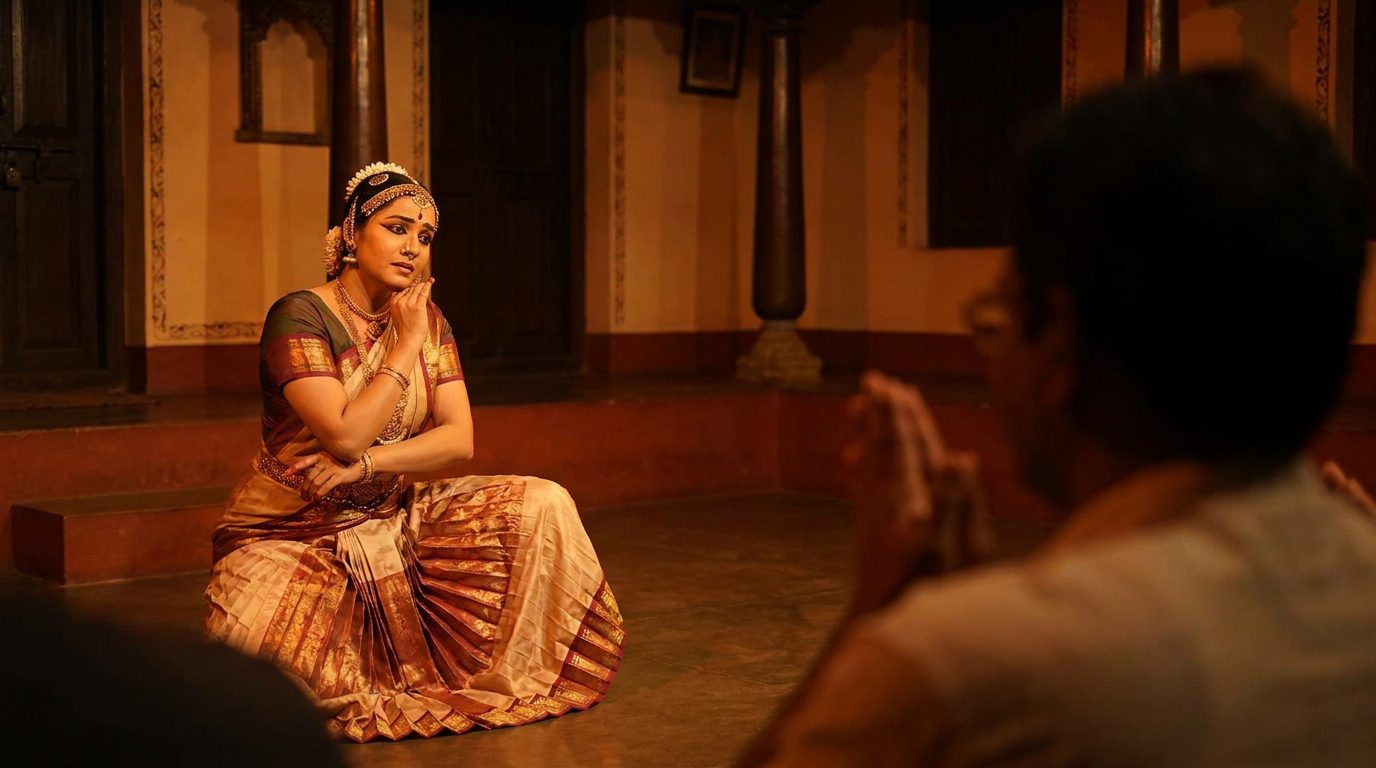
In the sacred traditions of India, beauty is not only something we see or hear. Beauty is something we experience in the heart.
A song can move us to tears. A prayer can soften our pride. A story of divine love can awaken hope we did not know we still carried. This inner movement of the heart is at the center of Indian aesthetics, especially through the beautiful teachings of bhāva and rasa.
These Sanskrit words may sound unfamiliar at first, but their meaning is deeply human.
Bhāva means feeling, mood, emotion, or inner state. It is the living feeling within the heart.
Rasa means taste, essence, or relish. It is the deep experience that arises when emotion becomes spiritually or artistically alive.
In Bhakti Yoga, the path of loving devotion to God, bhāva and rasa are not only artistic concepts. They are doorways into a more tender, prayerful, and meaningful life. Through chanting, service, sacred stories, meditation, and sincere prayer, the heart gradually learns to “taste” divine love.
Whether you come from a Hindu background, another faith tradition, no formal religion, or simply a sincere curiosity about spirituality, you are welcome here. These teachings are not meant to make us feel distant from God. They are meant to help us come closer—with humility, honesty, and love.
Understanding Bhāva: The Feeling of the Heart
What Does Bhāva Mean?
The word bhāva comes from a Sanskrit root connected to “being” or “becoming.” In a simple way, bhāva means the inner feeling or mood that shapes our experience.
In daily life, we all know bhāva. When a mother looks at her child with affection, there is bhāva. When a friend offers forgiveness, there is bhāva. When we stand before a sacred image, a sunset, or a quiet moment and feel gratitude, there is bhāva.
Bhāva is not merely emotion in a shallow sense. It is the atmosphere of the heart.
In Indian aesthetics, especially in classical drama, poetry, dance, and music, bhāva is the emotional seed that gives life to art. Without bhāva, art may be technically correct, but it does not touch the soul.
In Bhakti Yoga, without bhāva, spiritual practice can become mechanical. We may chant, pray, or serve, but the heart may remain distant. Bhāva brings warmth. It turns ritual into relationship.
Bhāva in Spiritual Practice
In Bhakti, bhāva refers to the devotee’s loving mood toward the Divine. A person may approach God as a servant, friend, child, parent, or beloved. These are not ordinary social roles; they are sacred ways the heart relates to the Supreme.
The Bhagavad-gītā, one of the most beloved texts of Bhakti Yoga, teaches that God receives even the simplest offering when it is given with devotion. Krishna says:
“Whoever offers Me with love and devotion a leaf, a flower, fruit, or water, I accept it.”
— Bhagavad-gītā 9.26
The offering itself may be simple. A leaf. A flower. A cup of water. But the bhāva—the loving intention—is everything.
This is deeply encouraging. We do not need to be wealthy, highly educated, or spiritually advanced to begin. We can offer what we have, from where we are, with sincerity.
Cultivating Bhāva in Everyday Life
Bhāva grows through practice. Just as a seed needs water and sunlight, the heart needs loving remembrance of God.
A few simple ways to cultivate bhāva include:
- Chanting sacred names with attention
- Offering food with gratitude before eating
- Reading stories of saints and divine love
- Serving others without expecting praise
- Speaking to God honestly in prayer
- Spending a few quiet moments each day in remembrance
Bhāva cannot be forced. It awakens naturally when we keep turning toward the Divine with humility.
Understanding Rasa: The Sacred Taste of Experience
What Does Rasa Mean?
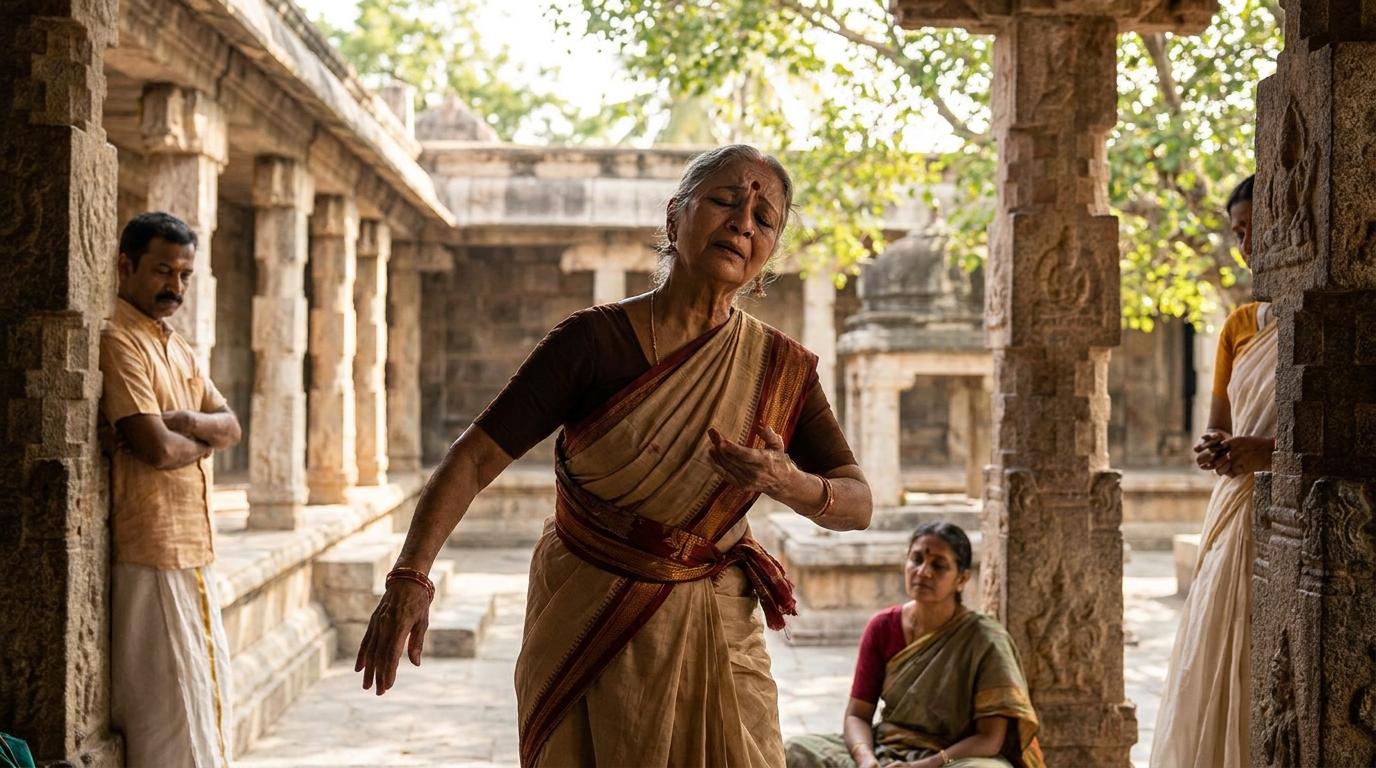
The word rasa literally means juice, taste, essence, or flavor. If bhāva is the feeling in the heart, rasa is the deep relish that arises from that feeling.
In Indian aesthetics, rasa is the final experience of art. A dancer may express longing, a musician may sing devotion, or a poet may describe compassion. When the audience’s heart is touched and they enter into that emotional world, rasa is experienced.
Rasa is not merely entertainment. It is a refined tasting of life’s deeper meanings.
In spiritual life, rasa becomes even more profound. It is the soul’s taste of relationship with God.
Rasa in the Nāṭya Śāstra
One of the foundational texts of Indian aesthetics is the Nāṭya Śāstra, traditionally attributed to the sage Bharata Muni. This ancient work explores drama, dance, music, performance, and emotional experience.
The Nāṭya Śāstra explains that rasa arises when different emotional elements come together in art. These elements include stable emotions, temporary emotions, expressions, and circumstances. When presented skillfully, they create a deep aesthetic experience in the sensitive viewer or listener.
Traditionally, the text describes rasas such as:
- Śṛṅgāra rasa – the mood of love or beauty
- Hāsya rasa – the mood of humor
- Karuṇa rasa – the mood of compassion or sorrow
- Vīra rasa – the mood of heroism
- Raudra rasa – the mood of anger
- Bhayānaka rasa – the mood of fear
- Bībhatsa rasa – the mood of disgust
- Adbhuta rasa – the mood of wonder
- Later traditions also speak of Śānta rasa – the mood of peace
These rasas are not random feelings. They are universal emotional flavors. They remind us that human life is rich, complex, and filled with opportunities for inner awakening.
From Aesthetic Rasa to Spiritual Rasa
In Bhakti traditions, especially in the teachings of Vaiṣṇava saints, rasa is elevated from aesthetic experience to spiritual experience.
The great devotional teacher Śrīla Rūpa Gosvāmī, in his work Bhakti-rasāmṛta-sindhu—often translated as “The Ocean of the Nectar of Devotion”—explains how devotion develops into deep spiritual taste. Here, rasa is not only something one experiences through art. It is the soul’s loving exchange with Krishna, the all-attractive Supreme Person.
This spiritual rasa is considered eternal, pure, and deeply fulfilling. It does not depend on temporary circumstances. It awakens as the heart becomes purified through devotion.
Please visit our website for more information on our articles: articles.
Bhāva and Rasa in Indian Aesthetics
Art as a Path to the Heart
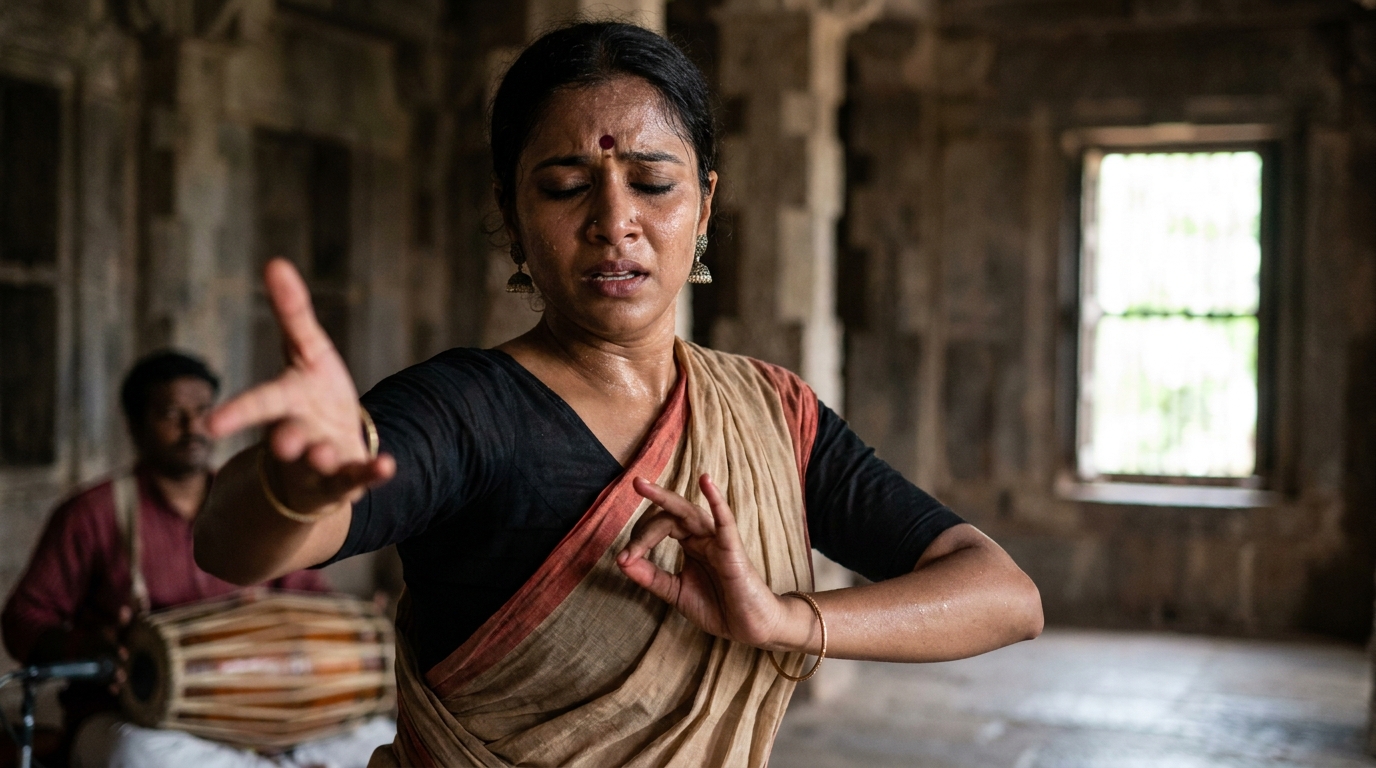
Indian aesthetics does not separate beauty from spiritual possibility. Music, dance, poetry, theater, sculpture, and storytelling can all become pathways to inner transformation.
In many traditional Indian art forms, the artist is not merely performing. The artist is serving. The dancer may offer movement as worship. The singer may offer melody as prayer. The poet may offer words as garlands for the Divine.
This is why bhāva is so important. A technically perfect song without feeling may impress the mind, but it may not soften the heart. A simple song sung with devotion can bring tears, remembrance, and peace.
In Bhakti communities, this is seen in kīrtan, the call-and-response chanting of God’s names. The instruments may be simple. The voices may not be professionally trained. But when people chant together with sincerity, a powerful rasa can arise—a taste of shared devotion.
The Role of the Sensitive Heart
Indian aesthetic theory often speaks of the qualified or sensitive participant, sometimes called a sahṛdaya, meaning “one with heart” or “one of similar heart.”
This is a beautiful idea. To truly receive art—or spiritual teachings—we need sensitivity. We need openness. We need a heart willing to be moved.
In Bhakti Yoga, we are not asked to become hard, distant, or emotionally dry. We are invited to become more tender, more honest, and more available to grace.
The heart that has suffered can become a deep vessel for compassion. The heart that has made mistakes can become humble. The heart that longs for meaning can become ready for devotion.
Rasa as Shared Experience
Rasa is often shared. When people gather for sacred music, hear stories from scripture, or chant together, the experience becomes more than individual emotion. A collective spiritual atmosphere forms.
This is one reason spiritual community, or satsang, is so valuable. Satsang means association with truth or with those seeking truth. In loving spiritual company, our own bhāva is nourished.
When one person chants with sincerity, another person may feel encouraged. When one person offers service, another may remember their own desire to serve. When one person weeps in prayer, another may feel permission to soften.
Rasa can become a shared sacred taste.
The Bhakti View: Divine Love as the Highest Rasa
Krishna as Akhila-Rasāmṛta-Mūrti
In the Bhakti tradition, Krishna is described by Śrīla Rūpa Gosvāmī as akhila-rasāmṛta-mūrti. This means “the complete form of all nectarean spiritual rasas.”
In simple words, Krishna is the source and fulfillment of all loving relationships.
Every beautiful relationship in this world—friendship, care, protection, compassion, affection—has its pure origin in the Divine. Bhakti teaches that the soul naturally longs for loving relationship with God. This longing may be covered by distraction, pain, ego, or forgetfulness, but it remains within us.
When we practice Bhakti Yoga, we gradually rediscover that love.
The Five Main Devotional Rasas
Vaiṣṇava Bhakti traditions often describe five primary ways the soul may relate to Krishna:
Śānta Rasa: Peaceful Reverence
Śānta means peaceful. In this mood, the devotee appreciates God’s greatness with calm reverence. There is peace, steadiness, and freedom from material agitation.
This may begin simply as awe: “There is something greater than me. I am held by a divine presence.”
Dāsya Rasa: Loving Service
Dāsya means service. In this mood, the devotee sees themselves as a servant of God.
This is not a harsh or forced servitude. It is joyful service born of love. A person may think, “How can I use my life, my words, my hands, and my time in service to the Divine and to all beings?”
In practical terms, dāsya rasa may look like cooking for others, helping at a temple or spiritual center, caring for the earth, or offering one’s work to God.
Sakhya Rasa: Friendship with God
Sakhya means friendship. Here, the devotee relates to God as a dear friend.
This can be very sweet and personal. One may speak to Krishna honestly, share joys and struggles, and trust that God is near.
The Bhagavad-gītā itself is a conversation between Krishna and Arjuna, who is not only Krishna’s student but also His friend. Their relationship shows that spiritual life includes trust, dialogue, vulnerability, and guidance.
Vātsalya Rasa: Parental Affection
Vātsalya is the mood of caring for God as one’s child. This may sound surprising, but Bhakti is wonderfully intimate.
In stories of Krishna’s childhood in Śrīmad-Bhāgavatam, Mother Yaśodā loves Krishna not as the Supreme Lord of all universes, but as her darling child. She feeds Him, protects Him, and even worries about Him.
This rasa reveals that divine love is not only about being small before greatness. It can also be about offering deep care, tenderness, and affection.
Mādhurya Rasa: Divine Beloved Love
Mādhurya means sweetness, and this rasa refers to the most intimate love of God as the divine beloved.
This is expressed in the love of the gopīs, the cowherd maidens of Vṛndāvana, and especially Śrīmatī Rādhārāṇī, who is honored in many Bhakti traditions as the highest expression of pure devotion.
This love is not ordinary romance. It is the soul’s total self-giving to God, free from selfish desire. It is sacred, pure, and beyond material imitation.
Love Beyond Transaction
The rasas of Bhakti teach us that divine love is not merely transactional. We do not approach God only to get things. We approach God because loving God is the soul’s natural joy.
Of course, we may begin with needs. We may pray for healing, protection, clarity, or help. There is nothing wrong with bringing our whole life to God. But gradually, Bhakti invites us deeper—from asking, to thanking, to serving, to loving.
Bhāva, Rasa, and the Practice of Chanting
The Holy Name as a Living Presence
One of the most accessible practices of Bhakti Yoga is chanting the names of God. In Sanskrit, this is often called nāma-saṅkīrtana—the congregational chanting of the Divine Name.
A well-known mantra in the Bhakti tradition is the mahā-mantra:
Hare Krishna Hare Krishna
Krishna Krishna Hare Hare
Hare Rama Hare Rama
Rama Rama Hare Hare
“Krishna” means the all-attractive Supreme. “Rama” means the source of joy. “Hare” calls upon the divine energy of the Lord, often understood as a prayer to be engaged in loving service.
This mantra is a prayer of the heart: “O Lord, O Divine Energy, please engage me in Your loving service.”
Chanting with Feeling
At first, chanting may feel unfamiliar. The mind may wander. The heart may feel dry. This is natural.
Bhakti does not demand instant perfection. It invites steady sincerity.
We can begin by chanting softly, listening carefully, and offering whatever feeling we have. If we feel grateful, we offer gratitude. If we feel broken, we offer our brokenness. If we feel distracted, we gently return.
Over time, chanting can awaken bhāva. The holy name begins to feel less like a sound we produce and more like a shelter we enter.
Kīrtan and Spiritual Rasa
In kīrtan, people chant together. One person leads, and others respond. This simple call-and-response becomes a sacred exchange.
There may be drums, cymbals, harmonium, clapping, or only voices. The external form may vary, but the essence is the same: hearts turning toward God together.
When chanting becomes sincere, rasa may arise. We may taste peace, longing, joy, humility, or love. We may feel connected to others, to the Divine, and to our own deeper self.
This is not performance. It is prayer.
Bhāva and Rasa in Sacred Storytelling
The Power of Krishna’s Pastimes
The Śrīmad-Bhāgavatam, also called the Bhāgavata Purāṇa, is one of the great devotional scriptures of India. It is filled with stories of Krishna, His devotees, and the many ways divine love appears in this world.
These stories are not meant only for information. They are meant for transformation.
When we hear about Prahlāda’s faith, we may gain courage. When we hear about Dhruva’s determination, we may learn perseverance. When we hear about the residents of Vṛndāvana and their love for Krishna, we may glimpse the sweetness of pure devotion.
Sacred storytelling carries bhāva. When heard with an open heart, it awakens rasa.
Hearing as a Spiritual Practice
In Bhakti Yoga, hearing is very important. The Sanskrit word śravaṇam means hearing, especially hearing about God and devotional teachings.
We live in a world full of noise. Much of what we hear increases anxiety, comparison, or desire. Sacred hearing does the opposite. It cleanses the heart and redirects our inner life toward what is eternal.
Even a few minutes of hearing scripture, devotional music, or wisdom from sincere teachers can nourish the soul.
Applying Sacred Stories Today
The stories of Bhakti are ancient, but their wisdom is practical.
When Arjuna feels confused on the battlefield of life, we also feel confused in our responsibilities. Krishna’s guidance to Arjuna reminds us to act with devotion, courage, and surrender.
When Mother Yaśodā runs after little Krishna, we are reminded that love makes the Infinite intimately near.
When the gopīs leave everything to respond to Krishna’s flute, we are invited to ask: “What is the divine call in my life? What distractions keep me from answering?”
Sacred stories help us see our own lives through a spiritual lens.
Indian Aesthetics as a Path of Spiritual Growth
Beauty That Leads to the Divine
In the modern world, beauty is often treated as decoration or entertainment. Indian aesthetics invites us to see beauty as revelation.
A sacred song, a temple lamp, a garland of flowers, a graceful dance, or a carefully prepared offering can help awaken remembrance of God.
This does not mean that all beauty must be religious in a narrow sense. Rather, Bhakti helps us recognize that true beauty has a divine source. When beauty makes us more grateful, more loving, more humble, and more awake, it becomes part of the spiritual path.
Emotion as a Teacher
Some people think spirituality means escaping emotion. Bhakti offers a different vision. Emotions can become purified and offered.
Anger can teach us to protect what is sacred, if purified by wisdom. Sorrow can deepen compassion. Joy can become gratitude. Longing can become prayer. Love can become devotion.
Bhāva and rasa show us that the heart is not an obstacle to spiritual life. The heart is the field where spiritual life blossoms.
From Self-Centered Feeling to God-Centered Love
Not every feeling is automatically spiritual. We can become attached to our own emotions, dramas, or preferences. Bhakti gently guides us from self-centered feeling to God-centered love.
This transformation takes time.
We may begin by asking, “How do I feel?” But gradually we also ask, “How can I serve? How can I love? How can this feeling bring me closer to God?”
In this way, bhāva becomes purified, and rasa becomes deeper.
Practical Ways to Explore Bhāva and Rasa Today
Begin with Simple Chanting
Set aside five or ten minutes each day to chant a mantra or sacred name. You may chant the mahā-mantra, or another name of God from your tradition.
Try to listen to each sound. If the mind wanders, gently return. No judgment is needed.
The goal is not to perform perfectly. The goal is to offer yourself sincerely.
Offer One Daily Action with Love
Choose one ordinary action and make it an offering.
You may cook a meal, wash dishes, answer an email, care for a child, help a neighbor, or do your work with the prayer: “May this be pleasing to You. May this serve life.”
This turns daily life into devotion.
Read or Hear Sacred Wisdom
Spend a few minutes with the Bhagavad-gītā, Śrīmad-Bhāgavatam, poetry of saints, or teachings from authentic Bhakti teachers.
Read slowly. Let one verse or idea enter your heart. Ask, “How can I live this today?”
Join Kīrtan or Satsang
If possible, join others for chanting, prayer, or discussion. Spiritual community helps nourish devotion.
If you are new, you do not need to know everything. You can simply come, listen, chant, and receive.
Keep a Devotional Journal
After chanting or reading, write a few lines:
- What did I feel?
- What am I grateful for?
- Where do I need help?
- What is one loving step I can take today?
This helps us become aware of our bhāva and invite spiritual growth.
Bhāva and Rasa for People of All Backgrounds
A Universal Language of the Heart
While bhāva and rasa come from Sanskrit and Indian aesthetic traditions, their truth is universal. Every human being knows feeling. Every heart seeks meaning, connection, and love.
Bhakti Yoga honors this longing and directs it toward the Divine.
You do not need to change your cultural background to appreciate these teachings. You do not need to pretend to be someone else. You are invited to bring your real self—your questions, your hopes, your wounds, your gifts—and offer them in a spirit of devotion.
Humility in Approaching Sacred Traditions
These teachings are deep and sacred. It is good to approach them with humility.
Rather than thinking, “I already understand,” we can pray, “Please help me understand. Please help me receive this wisdom in the right spirit.”
Authentic Bhakti is not about collecting exotic ideas. It is about becoming transformed by love.
The Heart’s Long Journey
Spiritual growth is a journey. Sometimes we feel inspired. Sometimes we feel dry. Sometimes chanting feels sweet. Sometimes the mind resists. This is normal.
Bhāva matures through patience. Rasa deepens through sincere practice. Love grows through repeated offering.
As the Bhagavad-gītā teaches, even a little progress on this path can protect us from great fear. No sincere effort is wasted.
The Living Invitation of Bhakti
Bhāva and rasa remind us that life is not meant to be lived only on the surface. Beneath our duties, emotions, struggles, and dreams, the soul is longing for divine love.
Indian aesthetics helps us understand how feeling becomes meaningful, how beauty becomes transformative, and how art can awaken the heart. Bhakti Yoga takes us even further, showing that the highest rasa is the soul’s loving relationship with God.
This path is practical. We chant. We pray. We serve. We listen. We remember. We offer. We take one step, and then another.
No one is disqualified from beginning. The Divine is not far away. God can be approached through one sincere prayer, one humble chant, one act of kindness, one moment of honest surrender.
Wherever you are on your journey, you are welcome. Come as you are. Bring your heart. Take one sincere step toward God today, and trust that divine love will meet you there.
FAQs
What is Bhāva in Indian aesthetics?
Bhāva refers to the emotional state or mood that is portrayed by a performer in Indian classical arts such as dance, music, and theater. It is the internal feeling or emotion that is expressed through the performance.
What is Rasa in Indian aesthetics?
Rasa, on the other hand, refers to the aesthetic flavor or essence that is experienced by the audience when they witness a performance. It is the emotional response or experience evoked by the performance.
How are Bhāva and Rasa related?
Bhāva and Rasa are closely related in Indian aesthetics. Bhāva is the internal emotion expressed by the performer, while Rasa is the emotional experience felt by the audience. The performer’s portrayal of Bhāva is intended to evoke specific Rasas in the audience.
What are the primary Rasas in Indian aesthetics?
There are nine primary Rasas in Indian aesthetics: Shringara (love), Hasya (laughter), Karuna (compassion), Raudra (anger), Veera (courage), Bhayanaka (fear), Bibhatsa (disgust), Adbhuta (wonder), and Shanta (peace).
How do Bhāva and Rasa contribute to the overall experience of Indian classical arts?
Bhāva and Rasa play a crucial role in creating a rich and immersive experience for both the performer and the audience in Indian classical arts. The expression of Bhāva by the performer and the evocation of Rasa in the audience contribute to the aesthetic and emotional impact of the performance.

