

Peace is not only the absence of difficulty. It is the presence of something deeper: a steady connection with God, a quiet trust that we are held, guided, and loved. In Bhakti Yoga, this peace grows through devotion—through loving remembrance of the Divine in the middle of daily life.
Bhakti means “devotion” or “loving service.” Yoga means “connection.” So Bhakti Yoga is the path of reconnecting with God through love. It is simple enough for a child and deep enough to transform a lifetime. We practice by chanting, praying, serving, listening to sacred wisdom, and offering our hearts.
At The Bhakti House, we welcome seekers of all backgrounds. You do not need to be born into a certain tradition, know Sanskrit, or have a perfect spiritual routine. You only need sincerity. Peaceful devotion begins with one honest step: “Dear God, please guide me. Help me live with love.”
Serenity comes when devotion becomes practical. It is not just a feeling we hope to have during meditation. It is a way of living—how we speak, how we work, how we respond to stress, how we care for others, and how we remember the Divine throughout the day.
Understanding Serenity Through Bhakti Yoga
Serenity Is a Relationship, Not a Performance
Many people think spiritual life means becoming flawless. But Bhakti Yoga is not about performing holiness. It is about growing in relationship with God.
In the Bhagavad-gita, one of the foundational scriptures of Bhakti Yoga, Lord Krishna says, “Offer Me with love and devotion a leaf, a flower, a fruit, or water, and I will accept it” (Bhagavad-gita 9.26). This verse is deeply comforting. Krishna does not ask for wealth, status, or perfection. He asks for love.
Peaceful devotion begins when we stop trying to impress God and start trying to love God. A simple prayer, a small offering, a moment of remembrance—these become sacred when they are sincere.
Serenity grows when we understand that God is not far away. The Divine is near, present in the heart, patiently waiting for our attention.
The Soul’s Natural Longing for Peace
Bhakti teachings explain that we are not merely the body or the mind. We are atma, the soul—the eternal self within. The body changes, the mind fluctuates, but the soul longs for lasting love and connection.
Much of our anxiety comes from forgetting who we are. We identify only with roles: parent, student, worker, friend, leader, caretaker. These roles are meaningful, but they are not the whole of us. Beneath them all, we are spiritual beings seeking love.
When we nourish the soul through devotion, we become more grounded. The outer world may still be uncertain, but our inner life becomes anchored.
Peace Does Not Mean Avoiding the World
Bhakti Yoga does not require us to run away from life. It teaches us how to spiritualize life.
We can cook with devotion. We can work with devotion. We can parent, study, clean, serve, and create with devotion. When our actions are offered to God, ordinary life becomes sacred.
This is one of the gifts of Bhakti: peace can be practiced anywhere. In a temple, at home, in the car, at work, while walking, while washing dishes, or while caring for someone we love.
Chanting as a Path to Inner Calm
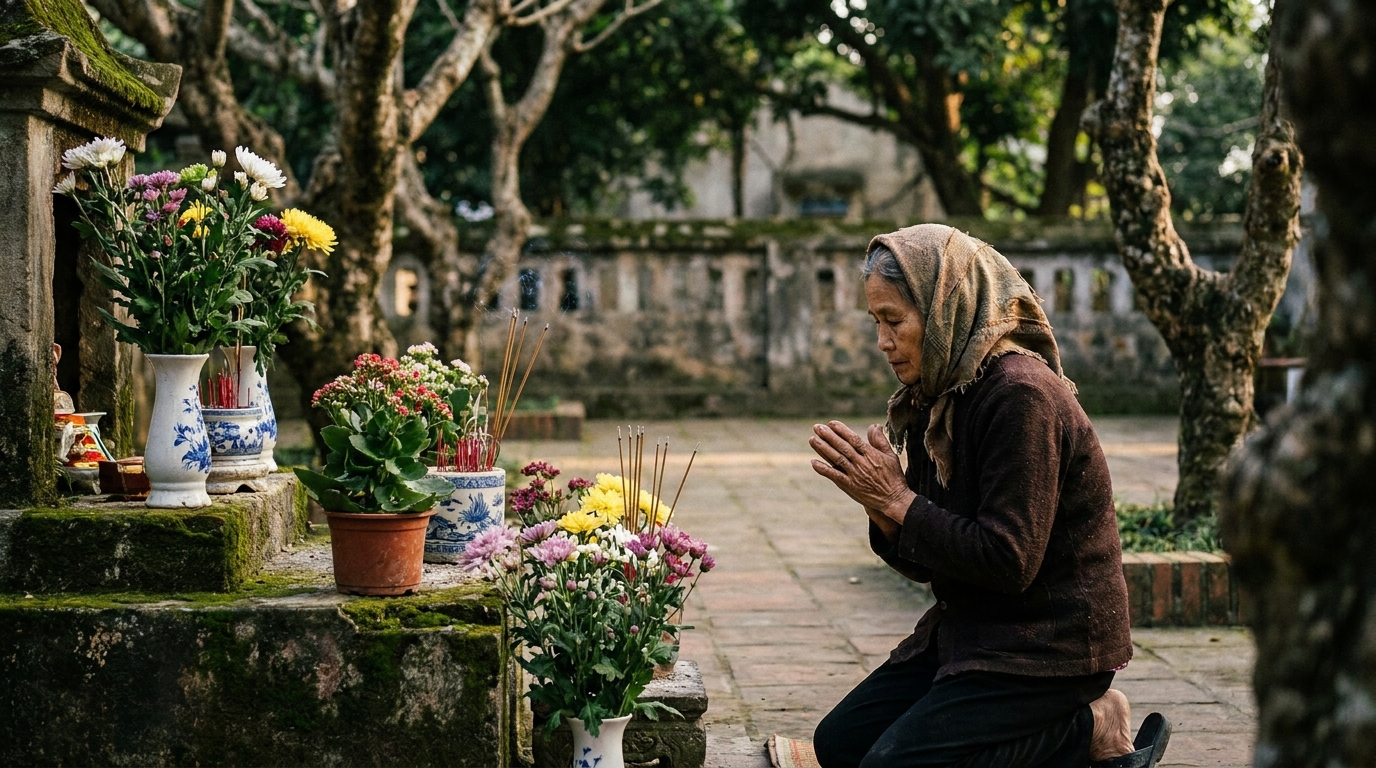
The Power of Sacred Sound
One of the most beloved practices in Bhakti Yoga is chanting the holy names of God. In Sanskrit, this is called nama-sankirtana. Nama means “name,” and sankirtana means “collective chanting” or “glorification.”
The names of God are not considered ordinary sounds. In Bhakti tradition, God and God’s names are spiritually connected. When we chant with sincerity, we are inviting divine presence into the heart.
A widely practiced mantra is the maha-mantra, meaning “great mantra”:
Hare Krishna Hare Krishna
Krishna Krishna Hare Hare
Hare Rama Hare Rama
Rama Rama Hare Hare
“Hare” calls upon the divine energy of God. “Krishna” means the all-attractive Lord. “Rama” means the source of joy and spiritual pleasure. Together, this mantra is a prayer: “O Lord, O divine energy, please engage me in loving service.”
You do not need to understand everything at once. You can simply chant and listen. The heart gradually understands what the mind cannot fully explain.
Japa: Personal Meditation With the Holy Name
Japa is the quiet, personal repetition of a mantra, often using prayer beads. This practice helps bring the restless mind back to a sacred focus.
Many people begin with a small and realistic commitment. You might chant for five minutes in the morning. You might repeat the maha-mantra on a walk. You might pause during a stressful day and softly chant one round on beads.
The key is not speed or quantity at first. The key is attention. Listen to the sound. Let the mantra become a shelter. When the mind wanders, gently return. There is no need for harshness. Devotion grows in an atmosphere of patience.
Kirtan: Singing Together in Devotion
Kirtan is devotional singing, usually with instruments and call-and-response chanting. For many people, kirtan opens the heart in a way that words alone cannot.
In kirtan, everyone is welcome. You do not need a trained voice. You do not need to know the melody perfectly. You simply bring your heart. The shared sound creates a spiritual community, and many people experience deep peace, joy, and emotional healing.
Kirtan reminds us that devotion is not lonely. We are meant to walk the path together. When voices unite in sacred sound, the heart remembers: “I am not alone. I belong to God. I belong in love.”
Please visit our website for more information on our articles: articles.
Prayer: Speaking Honestly With God
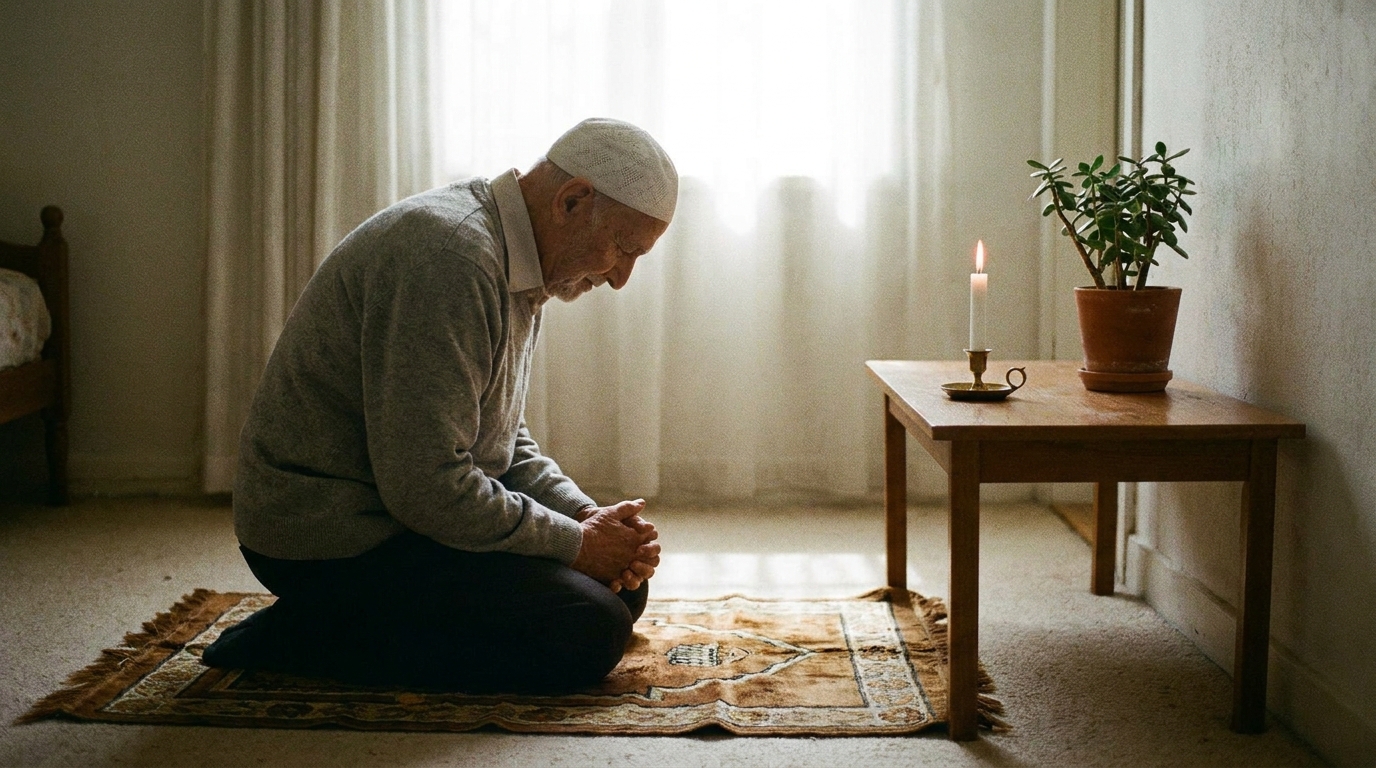
Prayer as a Daily Conversation
Prayer is one of the simplest and most powerful ways to live with serenity. It does not need to be formal or poetic. Prayer can be honest, humble, and direct.
You might pray:
“Dear Lord, please help me remember You today.”
“Please guide my words.”
“Please give me strength to serve.”
“Please help me forgive.”
“Please let me see others with compassion.”
In Bhakti Yoga, prayer is not only asking for things. It is opening the heart. It is allowing God into our inner world—our hopes, fears, confusion, gratitude, and longing.
The more we pray, the more we begin to feel accompanied. Life may still bring challenges, but we no longer carry them alone.
Praying Through Difficulty
Serenity does not mean we never feel sadness, anger, or fear. It means we learn where to bring those feelings.
The great Bhakti scriptures are filled with prayers from devotees in all kinds of circumstances: joy, separation, danger, uncertainty, gratitude, and surrender. This teaches us something important: every emotional state can become a doorway to God.
If you are suffering, you can pray from that place. If you are confused, pray from confusion. If you feel spiritually dry, pray honestly: “I do not feel connected, but I want to. Please help me.”
God is not disturbed by our honesty. In fact, sincere vulnerability can become the beginning of deeper devotion.
Gratitude as a Form of Peace
Gratitude softens the heart. It trains the mind to notice grace.
A simple practice is to end each day by naming three blessings. They do not need to be dramatic. A warm meal. A kind word. A moment of quiet. A chance to chant. A lesson learned through difficulty.
In the Bhagavad-gita, Krishna explains that He is the source of all that exists. When we practice gratitude, we begin to see life as sacred. We become less consumed by what is missing and more awake to what has been given.
Gratitude does not deny pain. It simply refuses to let pain become the whole story.
Service: Turning Love Into Action
Seva: Sacred Service
In Bhakti Yoga, service is called seva. Seva means offering our energy, time, skills, and care in a spirit of devotion. It is love made practical.
Service can happen in many forms. Cooking a meal and offering it to God. Helping at a temple or community gathering. Supporting someone who is struggling. Cleaning a sacred space. Sharing wisdom. Listening with compassion. Using your talents for a higher purpose.
What makes service spiritual is consciousness. We serve not to prove ourselves, but to please God and uplift others.
This brings deep serenity because the heart becomes free from self-centered pressure. Instead of asking, “How can I be admired?” we begin asking, “How can I be useful in love?”
Offering Daily Work
Not everyone can spend hours in formal spiritual practice. Many people have families, jobs, studies, responsibilities, and health challenges. Bhakti Yoga honors this reality.
The Bhagavad-gita teaches karma-yoga, the practice of offering our work to God. Karma means “action,” and yoga means “connection.” When action is done as an offering, work becomes a path of spiritual growth.
Before beginning your day, you can pause and say:
“Dear Lord, may this work be an offering to You. Please help me act with integrity, patience, and kindness.”
This small prayer can transform the mood of the day. Emails, meetings, caregiving, errands, and chores can become part of devotion when offered with love.
Serving Without Burning Out
Peaceful devotion includes learning to serve with balance. Sometimes sincere people give until they become exhausted, resentful, or disconnected. Bhakti does not ask us to neglect our health or emotional needs.
True service is nourished by spiritual practice. We receive and then we give. We chant, pray, hear wisdom, rest, and seek good association. Then our service becomes sustainable.
Humility also helps. We remember that we are instruments, not controllers. God is the ultimate maintainer. We do our part with sincerity, but we do not carry the whole universe on our shoulders.
This understanding brings relief. We can serve wholeheartedly without pretending to be God.
Creating a Peaceful Devotional Lifestyle
Begin the Morning With Remembrance
The morning is a precious time for setting spiritual direction. Even a short morning practice can influence the whole day.
You might begin with:
A few minutes of chanting.
A simple prayer.
Reading one verse from the Bhagavad-gita or another Bhakti scripture.
Offering gratitude.
Lighting a candle or sitting quietly before a sacred image.
The goal is not to create pressure. The goal is to remember. A peaceful morning practice tells the heart, “Before I enter the world, I belong to God.”
If mornings are busy, start small. One sincere mantra is better than a complicated routine that never happens.
Make Your Home a Place of Devotion
A home does not need to be large or perfect to become sacred. You can create a small devotional space with a picture of Krishna, Rama, Radha, or a form of God that inspires your heart. You might include flowers, a candle, scriptures, prayer beads, or simple offerings.
This space becomes a gentle reminder to pause. When the mind feels scattered, you can sit there and breathe. You can chant, pray, read, or simply be present.
In Bhakti Yoga, we also practice offering food to God before eating. This is called prasada. Prasada means “mercy” or “grace.” When food is prepared with love and offered to the Divine, eating becomes a sacred exchange.
You can offer food with a simple prayer: “Dear Lord, please accept this offering made with love.” Then receive the meal as a blessing.
Choose Inputs That Support Serenity
The mind is shaped by what it consumes. News, social media, conversations, music, and entertainment all leave impressions.
Peaceful devotion does not mean withdrawing from everything. But it does invite awareness. Are our daily inputs making the heart more peaceful, grateful, and compassionate? Or more agitated, envious, and fearful?
We can choose to nourish the mind with sacred sound, uplifting association, wisdom, and beauty. Listening to kirtan while driving, reading a verse before bed, or spending time with spiritually minded people can gradually change the atmosphere within us.
Serenity is cultivated through many small choices.
Wisdom From Bhakti Scriptures for a Peaceful Heart
The Bhagavad-gita: Peace Through Surrender
The Bhagavad-gita is a conversation between Lord Krishna and Arjuna, a warrior facing a painful moral crisis. Arjuna is overwhelmed, confused, and anxious. Rather than dismissing his struggle, Krishna guides him with compassion.
This is important for us. Spiritual wisdom is not only for peaceful moments. It is especially for the battlefield of the heart.
Krishna teaches that peace comes from remembering Him, acting with devotion, and letting go of the illusion that we control everything. In Bhagavad-gita 18.66, Krishna invites surrender: “Abandon all varieties of duty and simply surrender unto Me. I shall deliver you from all sinful reactions. Do not fear.”
Surrender may sound frightening at first, but in Bhakti it means placing ourselves in divine care. It means trusting God’s love more than our own anxious calculations. It does not make us passive. It makes us guided.
Srimad-Bhagavatam: Hearing About God Purifies the Heart
The Srimad-Bhagavatam, also called the Bhagavata Purana, is a beloved Bhakti scripture filled with stories, prayers, and teachings about devotion. It explains that hearing about God cleanses the heart and awakens love.
This practice is called shravanam, or “hearing.” It can include listening to scripture classes, reading sacred texts, hearing kirtan, or discussing spiritual topics with sincere people.
When we hear divine wisdom regularly, the heart becomes less dominated by fear and distraction. We begin to remember the bigger picture: life is meant for awakening love of God.
Sacred hearing is like watering a garden. At first, the changes may be subtle. Over time, devotion begins to grow.
The Example of Devotees
Bhakti scriptures also give us the lives of great devotees—people who loved God in all circumstances. Prahlada remained faithful even in danger. Dhruva began with worldly desires but was transformed by devotion. The gopis of Vrindavan showed the highest love for Krishna, a love without selfish calculation.
These stories are not distant mythology for entertainment. They are mirrors and guides. They show us that devotion can grow in hardship, that God responds to sincerity, and that love is the highest goal.
We may not imitate advanced saints, but we can learn from their mood: humility, faith, longing, courage, and service.
Relationships as a Practice of Peaceful Devotion
Seeing Others as Souls
A peaceful devotional life changes how we see people. Bhakti teaches that every living being is a soul, beloved by God. This vision can soften anger and deepen compassion.
Of course, this does not mean we ignore harmful behavior or abandon healthy boundaries. But it does mean we try to see beyond labels and temporary roles. The person in front of us is not only their mistake, opinion, personality, or past. They are a spiritual being on a journey.
This vision helps us speak more gently and forgive more wisely.
Practicing Humble Speech
Words can either disturb the heart or bring healing. Peaceful devotion includes mindful speech.
Before speaking, we can ask:
Is it true?
Is it kind?
Is it helpful?
Is this the right time?
Can I say it in a way that honors God in the other person?
The Bhagavad-gita describes speech in goodness as truthful, pleasing, beneficial, and not agitating. This is a powerful daily practice. Serenity grows when our words become offerings.
Forgiveness and Boundaries
Forgiveness is central to spiritual growth, but it is often misunderstood. Forgiveness does not always mean immediate trust, closeness, or approval of harm. It means we stop feeding hatred in the heart and place justice, healing, and the future in God’s hands.
Sometimes forgiveness happens gradually. Sometimes we need support, time, prayer, and distance. Bhakti Yoga encourages compassion, but not unhealthy denial.
We can pray: “Dear Lord, please help me release bitterness. Please guide me in wisdom. Please protect my heart and help me act with love.”
This kind of prayer brings both softness and strength.
Meeting Stress With Devotional Awareness
Pause, Breathe, Remember
Stress often pushes us into reaction. Devotional awareness invites us to pause.
A simple practice:
Pause.
Take a slow breath.
Chant one mantra softly.
Ask, “How can I respond in a way that pleases God?”
This small moment can change everything. It creates space between feeling and action. It invites grace into the situation.
Even if we do not respond perfectly, we are practicing. Spiritual growth is not instant. It is a gradual turning of the heart.
Letting Go of the Controller Mood
Much anxiety comes from trying to control what is not ours to control. We can do our duty, speak honestly, plan carefully, and serve sincerely—but outcomes are never fully in our hands.
The Bhagavad-gita teaches us to act without attachment to results. This does not mean we do not care. It means we care deeply, but we offer the result to God.
This is a profound source of peace. We are responsible for our sincerity, effort, and intention. God is responsible for the ultimate outcome.
When we remember this, the heart can breathe.
Finding God in the Present Moment
The mind often lives in regret about the past or fear of the future. Bhakti brings us back to the present through remembrance.
Right now, we can chant.
Right now, we can pray.
Right now, we can serve.
Right now, we can choose kindness.
Right now, we can remember that God is near.
The present moment becomes sacred when it is offered. Serenity is not waiting somewhere far away. It begins in the next sincere breath.
Growing Slowly With Faith and Compassion
Spiritual Growth Is Gradual
It is easy to become discouraged when the mind remains restless or old habits return. But Bhakti Yoga is a path of grace. Growth is often gradual, like sunrise. The sky does not become bright all at once, but light is coming.
Every sincere chant matters. Every prayer matters. Every act of service matters. Every time we return after forgetting, the heart becomes stronger.
Krishna sees the effort. God is not measuring us with cold judgment. He is inviting us with love.
Avoiding Comparison
Comparison can disturb spiritual life. We may think others chant better, know more scripture, serve more, or seem more peaceful. But devotion is personal. Each soul has a unique relationship with God.
Rather than comparing, we can appreciate others and take inspiration. Someone else’s devotion does not reduce our own. In the house of Bhakti, there is room for everyone.
The question is not, “Am I ahead of others?” The question is, “Am I turning sincerely toward God?”
The Importance of Spiritual Community
In Sanskrit, sadhu-sanga means “association with spiritually minded people.” Sadhu refers to a sincere devotee or saintly person, and sanga means association.
Good company strengthens devotion. When we spend time with people who value chanting, prayer, service, and compassion, our own faith grows. Community helps us continue when we feel weak. It reminds us of our purpose.
A spiritual community should be a place of welcome, humility, learning, and care. None of us are perfect. We gather not because we have completed the journey, but because we want to walk together.
Living With Serenity in Everyday Devotion
Peaceful devotion is not a distant ideal. It can be lived today in small, sincere ways.
Chant while making breakfast.
Offer your food with gratitude.
Read one verse before starting work.
Speak gently to someone who is stressed.
Turn a complaint into a prayer.
Serve without needing recognition.
Listen to kirtan instead of feeding anxiety.
Forgive one small offense.
Remember God before sleep.
These small practices gradually shape the heart. Over time, devotion becomes less like an activity we occasionally do and more like the atmosphere we live in.
Bhakti Yoga teaches that the highest peace is found in loving relationship with the Supreme Lord. This love is not forced. It awakens through practice, grace, and sincere desire.
Serenity comes when we remember: I am a soul. I am loved by God. My life can be an offering. I do not walk alone.
Wherever you are on your journey—curious, uncertain, devoted, wounded, hopeful, or beginning again—you are welcome. Bhakti is a path for the heart. You can start simply. Chant one mantra. Offer one prayer. Perform one act of service. Take one sincere step toward God, and trust that divine love will meet you there.
FAQs
What is peaceful devotion?
Peaceful devotion refers to a state of being deeply committed and dedicated to a cause, belief, or practice in a calm and tranquil manner. It involves a sense of inner peace and harmony while pursuing one’s devotion.
How can one cultivate peaceful devotion in their life?
Cultivating peaceful devotion involves practicing mindfulness, meditation, and self-reflection. It also involves engaging in activities that bring inner peace and align with one’s values and beliefs.
What are the benefits of living with peaceful devotion?
Living with peaceful devotion can lead to reduced stress, increased emotional well-being, and a greater sense of purpose and fulfillment in life. It can also foster stronger relationships and a deeper connection to one’s spirituality.
How does peaceful devotion contribute to personal growth and development?
Peaceful devotion encourages individuals to continuously strive for self-improvement, self-awareness, and a deeper understanding of their beliefs and values. It can also lead to a greater sense of empathy and compassion towards others.
What are some practical ways to incorporate peaceful devotion into daily life?
Practical ways to incorporate peaceful devotion into daily life include setting aside time for meditation or prayer, engaging in acts of kindness and compassion, and surrounding oneself with positive influences and environments. It also involves staying true to one’s values and beliefs in all aspects of life.

