
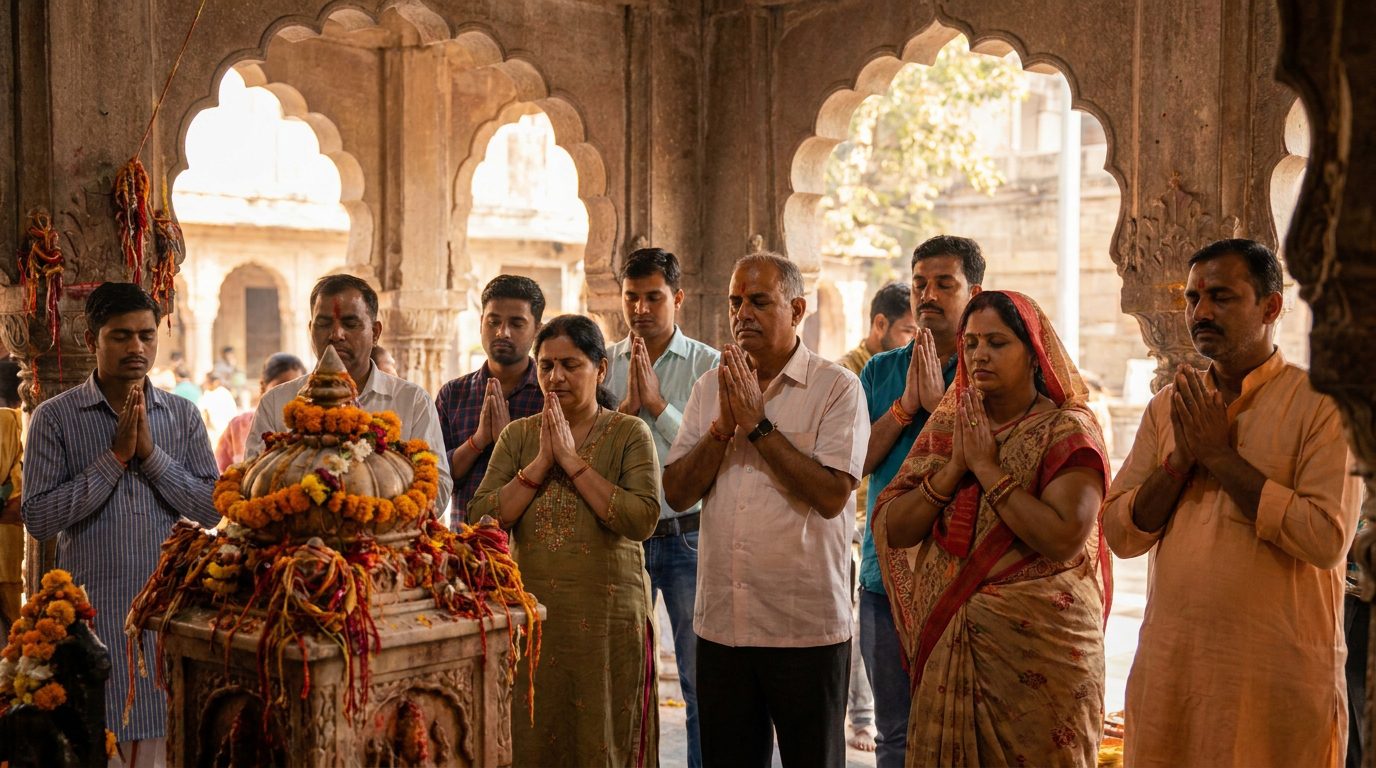
Joy is not a distraction from spiritual life. In Bhakti Yoga, joy is part of the path.
Sometimes people imagine devotion as something very serious, heavy, or only meant for those who have already become pure and disciplined. But Bhakti, the yoga of loving devotion, is deeply alive. It sings. It dances. It laughs. It cooks with affection. It gathers friends around a sacred meal. It plays instruments, tells stories, offers flowers, and remembers God with a soft heart.
At The Bhakti House, we love to remind one another that spiritual growth does not have to be dry or distant. Bhakti Yoga invites the whole person—our hopes, emotions, creativity, relationships, and even our playfulness—into loving connection with the Divine.
Whether you are new to spiritual practice, returning after a long time, or walking a devotional path for many years, there is room for joy. There is room for sincerity and laughter. There is room for reverence and play.
Bhakti Yoga is the path of the heart. The Sanskrit word “bhakti” means devotion, loving service, or affectionate connection with God. It is not merely a belief system. It is a way of living in relationship with the Divine through love.
In the Bhagavad-gita, one of the most cherished texts of the Bhakti tradition, Krishna says, “If one offers Me with love and devotion a leaf, a flower, fruit, or water, I will accept it” (Bhagavad-gita 9.26). This verse is simple and profound. God is not looking for our performance. God is looking for our heart.
Joy naturally awakens when the heart begins to offer itself.
Devotion Is Not Meant to Be Lifeless
Spiritual seriousness has its place. Discipline matters. Prayer matters. Humility matters. But seriousness without warmth can become rigid. We may begin to think that being spiritual means suppressing our natural humanity.
Bhakti teaches something more tender. We do not need to become someone else to approach God. We bring who we are, and through loving practice, who we are becomes purified, softened, and illumined.
Playfulness in Bhakti is not carelessness. It is not making light of sacred things. Rather, it is the relaxed happiness that grows when we feel safe in God’s presence.
Krishna and the Spirituality of Play
In many Bhakti scriptures, especially the Srimad Bhagavatam, Krishna is revealed not only as the Supreme Lord but also as the playful cowherd boy of Vrindavan. The word “lila” means divine play. Krishna’s lila shows us that the highest spiritual reality is not cold or mechanical. It is full of relationship, beauty, laughter, affection, and loving exchange.
Krishna plays the flute. He runs with His friends. He steals butter from the homes of loving village mothers. He dances with the gopis, the devoted cowherd maidens whose love is considered the highest example of selfless devotion.
These stories are not ordinary mythology. They invite us to understand that divine love is personal, sweet, and joyful. God is not only the ruler of the universe. God is also the beloved friend of the heart.
Reclaiming Playfulness as Part of Spiritual Growth
Many of us grew up learning that adult life means becoming more controlled, more productive, and less spontaneous. We may carry stress, religious fear, perfectionism, or the pressure to “get it right.” Even in spiritual communities, people can sometimes feel they must look peaceful before they are peaceful.
Bhakti Yoga offers a more compassionate doorway. It allows us to practice sincerely while still being in process.
The Inner Child and the Devotional Heart
There is a childlike quality in devotion—not childishness, but openness. A child can sing without worrying too much about how they sound. A child can ask honest questions. A child can be amazed by flowers, colors, bells, candles, and stories.
In the Bhagavad-gita, Krishna asks us to approach with devotion, not with pride. Childlike humility can help us receive grace. When we become too self-conscious, we may hold back our love. Playfulness loosens the grip of the ego.
A playful heart says, “I am here, God. I may not be perfect, but I want to offer myself.”
Letting Go of Spiritual Perfectionism
Spiritual perfectionism can quietly steal joy. We may think:
“I didn’t chant enough today.”
“My mind wandered during prayer.”
“I don’t know the Sanskrit properly.”
“I’m not advanced like others.”
“I’m too emotional, too distracted, too new.”
Bhakti gently reminds us that sincerity is more important than appearance. The holy names of God can be chanted by anyone. Prayer can begin anywhere. Service can be simple. A meal can become sacred when offered with love.
The path of Bhakti is not about pretending to be saintly. It is about turning toward God again and again.
Playfulness Softens the Ego
The ego likes to be important. It wants to be seen as spiritual, knowledgeable, pure, or superior. Playfulness helps humble us. When we sing together, dance awkwardly, clap off beat, laugh at our mistakes, or serve side by side in the kitchen, we remember that we are not here to impress one another.
We are here to love.
This kind of joyful humility is deeply healing. It creates spiritual community where people feel safe to participate, even if they are new or unsure.
Chanting with Joy: The Heartbeat of Bhakti Practice
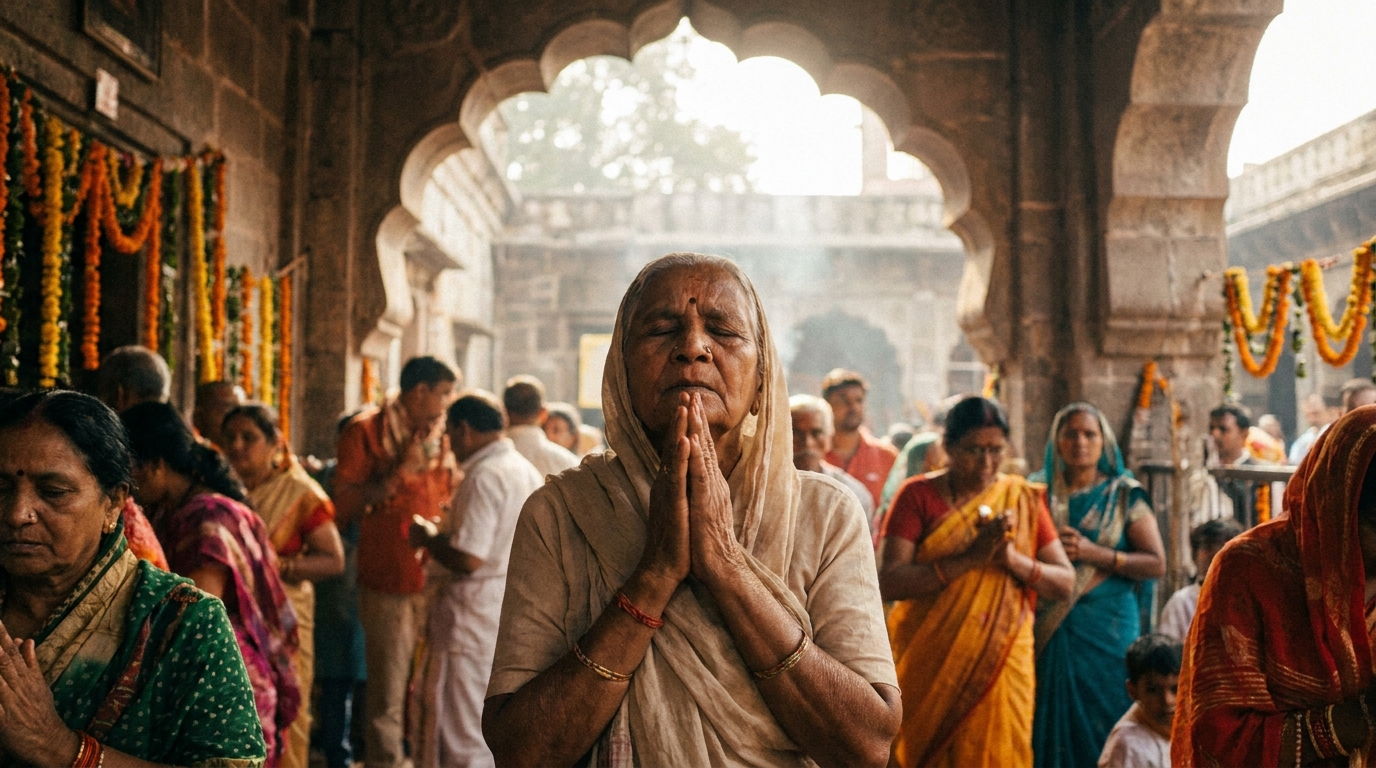
One of the most accessible practices in Bhakti Yoga is chanting. In Sanskrit, chanting sacred names of God is often called “kirtan” when done together with music, and “japa” when repeated personally, often on beads.
The word “mantra” means a sacred sound that helps free the mind. “Man” refers to the mind, and “tra” suggests liberation or protection. A mantra is not just a phrase. It is a spiritual sound vibration that carries divine presence.
Kirtan: Singing as Sacred Play
Kirtan is call-and-response chanting. One person leads, and others respond. There may be harmonium, drums, cymbals, guitar, or simply voices and hands. The beauty of kirtan is that everyone can participate.
You do not need a trained voice. You do not need to know Sanskrit. You do not need to understand everything intellectually. You can simply listen, sing, clap, breathe, and let the sound enter the heart.
The maha-mantra, often chanted in Bhakti communities, is:
Hare Krishna Hare Krishna
Krishna Krishna Hare Hare
Hare Rama Hare Rama
Rama Rama Hare Hare
“Hare” calls upon the divine energy of love. “Krishna” means the all-attractive Supreme Person. “Rama” means the source of spiritual joy. Together, the mantra is a prayer: “O Divine Lord, O Divine Energy, please engage me in loving service.”
Kirtan can feel playful because it invites movement, rhythm, emotion, and togetherness. Sometimes it is soft and meditative. Sometimes it becomes lively and ecstatic. Both are sacred.
Japa: A Gentle Daily Practice
Japa is a personal chanting meditation. Many practitioners chant on a string of 108 beads, repeating the mantra once on each bead. This can be done quietly in the morning, while walking, or in a peaceful space at home.
Even japa can include a gentle kind of playfulness. We can approach it with curiosity rather than pressure. We can ask, “How can I listen more lovingly today?” or “Can I chant one round with gratitude?” Instead of judging the mind for wandering, we can lovingly bring it back.
Every return is an offering.
Dancing Without Self-Consciousness
In many Bhakti gatherings, chanting naturally leads to dancing. For some people, this feels freeing. For others, it feels vulnerable. Both experiences are welcome.
Dancing in kirtan is not about performance. It is not about looking graceful. It is the body joining the prayer. It is devotion moving through feet, hands, shoulders, and breath.
If dancing feels uncomfortable, one can simply sway, clap, or sit and listen. Bhakti never forces the heart. It invites.
Please visit our website for more information on our articles: articles.
Playful Service: Turning Everyday Life into Offering
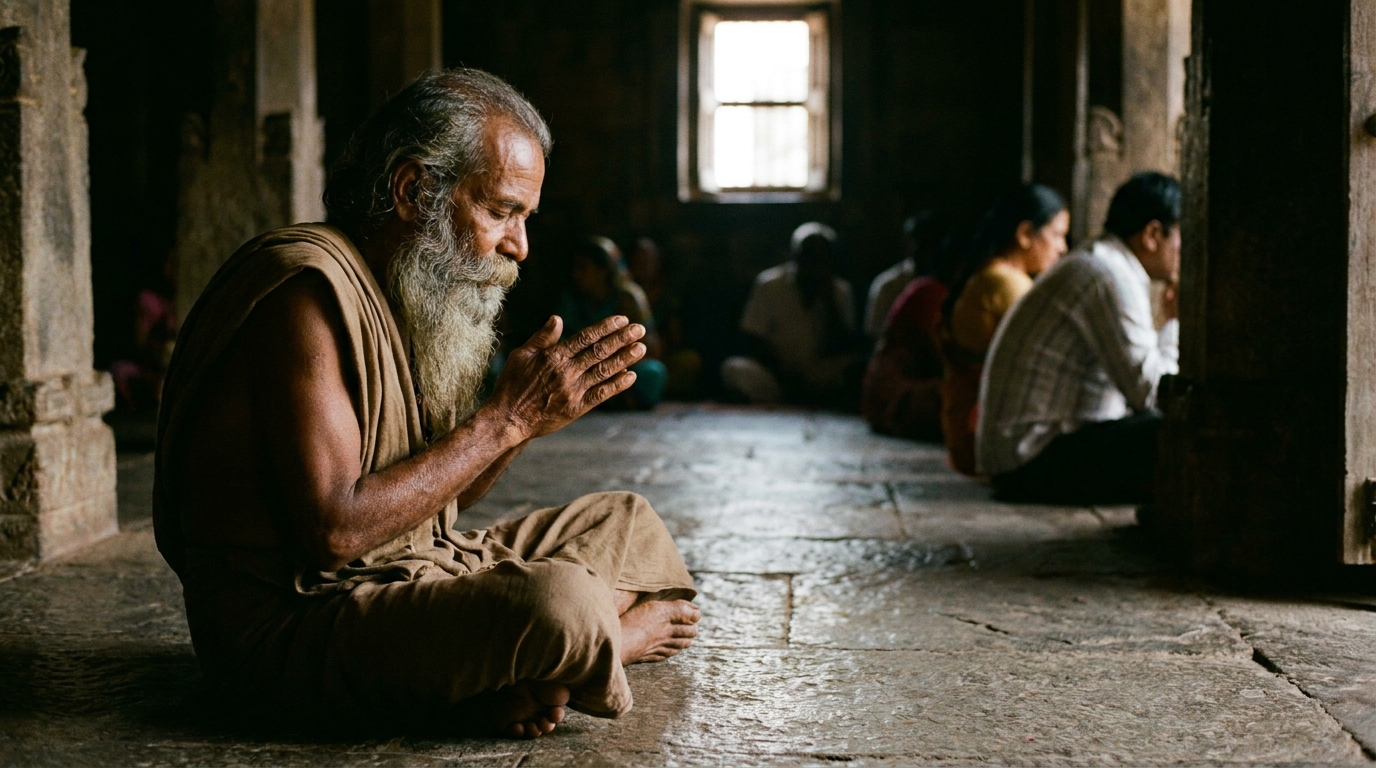
In Bhakti Yoga, service is called “seva.” Seva means selfless service offered with devotion. It can happen in a temple, an ashram, a home, a garden, a workplace, or a neighborhood.
Service becomes Bhakti when it is done for the pleasure of God and the welfare of others.
Cooking with Love and Laughter
Food is central in Bhakti culture. Devotees prepare vegetarian meals with care and offer them to God before eating. This offered food is called “prasadam,” which means mercy or grace.
Cooking prasadam can be a joyful, playful practice. Friends chopping vegetables together, children rolling dough, someone learning to make halava for the first time, the smell of spices blooming in ghee or oil—these ordinary moments can become sacred.
The kitchen becomes a place of prayer. A simple meal becomes a medium of love.
And yes, sometimes the rice is too soft. Sometimes the chapatis are oddly shaped. Sometimes the dessert does not set properly. Still, when offered with love, the heart is nourished.
Decorating the Sacred Space
Bhakti often includes beauty: flowers, candles, cloth, art, music, and fragrant incense. Decorating an altar or sacred space can be a devotional art.
An altar does not have to be elaborate. It may be a small shelf with a picture of Krishna, a candle, a flower, or a sacred text. The point is not luxury. The point is loving attention.
Children often understand this naturally. They may pick a wildflower, draw a picture, or place a little treasure near the altar. Adults can learn from that simplicity.
Spiritual beauty is not about perfection. It is about offering what we have with affection.
Serving Together Builds Community
When people serve together, joy grows. Folding blankets after kirtan, washing pots after a feast, setting up chairs, greeting guests, watering plants, or sharing spiritual books—these acts may seem small, but they create belonging.
Playfulness helps service feel less like duty and more like shared love. A warm smile, a kind joke, a song in the kitchen, or a moment of gratitude can turn work into worship.
The Bhagavad-gita teaches that work can be spiritual when offered to God. Krishna says, “Whatever you do, whatever you eat, whatever you offer or give away… do that as an offering to Me” (Bhagavad-gita 9.27). This means our whole life can become sacred.
Learning from Krishna’s Playful Devotees
Bhakti scriptures are filled with examples of devotees who love God in many moods. Some love God as master, some as friend, some as child, and some as beloved. These loving relationships are called “rasas,” or spiritual flavors.
Understanding these moods helps us see that devotion is not one-size-fits-all. Each soul has a unique way of loving and serving.
The Cowherd Boys: Friendship with God
Krishna’s cowherd friends in Vrindavan play with Him, eat with Him, wrestle with Him, and laugh with Him. They do not approach Krishna with fear. They love Him as their dearest friend.
This teaches us that friendship can be spiritual. We can speak to God honestly. We can share our day. We can ask for guidance. We can say, “I am confused,” or “Thank You,” or “Please stay with me.”
Prayer does not always need formal language. Sometimes the most sincere prayer sounds like a conversation with a trusted friend.
Mother Yashoda: Loving God Through Care
Mother Yashoda, Krishna’s foster mother, loves Krishna as her child. She feeds Him, bathes Him, protects Him, and even chastises Him when He is mischievous.
This is a stunning idea: the Infinite allows Himself to be bound by love.
Her devotion shows that caregiving can be sacred. Parents, teachers, nurses, community helpers, and anyone who nurtures others can see their care as an offering. Changing diapers, making lunch, listening patiently, and tending to someone’s needs can all become Bhakti when done with love.
The Gopis: Wholehearted Devotion
The gopis of Vrindavan are celebrated for their complete love for Krishna. Their devotion is not casual or divided. They remember Him constantly and offer their hearts fully.
Their love is often described in poetic and playful ways: singing, dancing, teasing, searching, longing, and celebrating Krishna’s presence. Beneath the sweetness is a deep spiritual truth. The soul finds its highest joy in loving union with God.
For modern seekers, the gopis remind us to bring our whole heart to spiritual life—not just our intellect, not just our schedule, but our longing, tenderness, and love.
Practical Ways to Infuse Playfulness into Your Bhakti Practice
Joyful Bhakti does not need to be complicated. You can begin wherever you are, with what you have. The practice becomes meaningful when it is sincere and consistent.
Create a Joyful Chanting Space
Choose a corner of your home where you can chant or pray. Add simple items that lift your heart: a picture, a candle, fresh flowers, a small bell, or a sacred text like the Bhagavad-gita.
You might play gentle kirtan in the morning while making tea. You might chant one mantra before checking your phone. You might invite a friend to sing with you once a week.
Let your space feel welcoming, not intimidating.
Make Prayer Personal
Prayer is one of the most beautiful forms of Bhakti. It can be spoken, sung, written, whispered, or silent.
Try offering a simple prayer each day:
“Dear God, please guide me.”
“Krishna, please help me remember You.”
“Let my words be kind today.”
“Please help me serve someone with love.”
“Thank You for carrying me.”
Personal prayer brings warmth into practice. It reminds us that God is not far away.
Bring Music into Daily Life
Music opens the heart. You can listen to kirtan while driving, cooking, cleaning, or resting. You can learn a simple melody for the maha-mantra. You can sing softly even if you think your voice is imperfect.
In Bhakti, the offering matters more than the polish.
If you have children, invite them to shake a small instrument, clap, or make up simple devotional gestures. If you live alone, sing anyway. The Divine hears the heart.
Celebrate Sacred Days with Simplicity
Bhakti traditions include many holy days, such as Janmashtami, Krishna’s appearance day; Radhastami, the celebration of Srimati Radharani, Krishna’s supreme devotee; and Gaura Purnima, the appearance day of Sri Chaitanya Mahaprabhu, who spread the chanting of God’s names with great compassion.
You do not need to celebrate perfectly. Light a candle. Read a story. Chant a little more. Prepare a special vegetarian meal and offer it with love. Invite someone to share prasadam.
Sacred celebration reconnects us with joy.
Use Creativity as Devotion
Art can be Bhakti. Writing poetry, painting, gardening, arranging flowers, making music, sewing altar cloth, creating devotional crafts, or journaling prayers can all become offerings.
Ask yourself: “How can I use my gifts in the service of love?”
You do not need to be a professional artist. Devotion makes the offering beautiful.
Balancing Reverence and Playfulness
Playfulness in Bhakti is sacred when it is rooted in respect. We are invited into intimacy with God, but not into casual disregard. Reverence and joy can live together.
A healthy devotional life includes both awe and affection.
Respect Keeps Joy Pure
In Sanskrit, “maryada” can refer to proper conduct, boundaries, or respectful behavior. Spiritual spaces are meant to be safe, clean, and uplifting. Playfulness should never become disrespectful toward sacred names, deities, scriptures, teachers, or other people.
True joy honors what is holy.
This means we can laugh, dance, and celebrate while also being mindful. We can be relaxed without being careless. We can be expressive without making others uncomfortable.
Humility Makes Playfulness Beautiful
Humility is not thinking poorly of ourselves. It is remembering that everything good comes by grace. The ability to chant, serve, breathe, learn, love, and begin again is a gift.
When joy is humble, it includes others. It does not show off. It does not exclude. It does not say, “I am more spiritual than you.” It says, “Come, let us remember God together.”
This is the mood we try to cultivate in Bhakti community.
Making Space for Different Temperaments
Not everyone expresses joy the same way. Some people dance with enthusiasm. Some quietly close their eyes. Some cry. Some smile softly. Some serve in the background. Some need time before participating.
A loving Bhakti community welcomes all sincere expressions. Playfulness should never pressure people to act a certain way. The heart opens best when it feels safe.
Joy During Difficult Seasons
It is important to say this gently: Bhakti joy is not forced happiness. It is not pretending everything is fine. Many people come to spiritual practice carrying grief, anxiety, loneliness, illness, or deep questions.
Bhakti does not ask us to hide our pain. It invites us to bring our pain into relationship with God.
Chanting Through Tears
Sometimes chanting feels bright and easy. Sometimes it feels like calling out from the middle of a storm. Both are real.
The Srimad Bhagavatam describes sincere devotion as powerful because it connects the soul with the Supreme, even beyond changing circumstances. The holy name can hold our joy and our sorrow. We can chant when we are peaceful, and we can chant when we are brokenhearted.
A tearful mantra is still a beautiful offering.
Finding Small Joys as Grace
In difficult seasons, playfulness may be very small. It may look like noticing sunlight on the floor, sharing prasadam with a friend, hearing one line of kirtan that gives hope, or smiling at the sound of a child clapping during chanting.
These small joys are not meaningless. They are signs of grace. They remind us that God’s presence can enter even the tender, unfinished places of life.
Community Helps Carry the Heart
Bhakti is personal, but it is not meant to be lonely. Spiritual community, often called “sanga,” means association or companionship with others who support our spiritual growth.
In good sanga, we do not need to perform. We can come as we are. We can chant together, share prasadam, ask questions, serve, and remember that we are held by something greater than ourselves.
Joy often returns through shared devotion.
Bringing Playful Bhakti into Relationships
Bhakti Yoga is not limited to a prayer room or temple. It can transform how we relate to family, friends, neighbors, coworkers, and strangers.
Love of God naturally expands into compassion for all living beings.
Kindness as Daily Devotion
A playful devotional heart looks for ways to bring lightness and kindness into daily interactions. A warm greeting, a thoughtful message, a shared meal, a sincere compliment, or a moment of patience can be a real spiritual offering.
The Bhagavad-gita teaches that a wise person sees all beings with equal vision. This does not mean we ignore differences. It means we recognize the sacred worth of every soul.
Family Life as Sacred Ground
For those living in families or shared homes, Bhakti can become part of daily rhythm. You might chant before dinner, offer food together, tell Krishna stories to children, sing while cleaning, or create a gratitude practice.
Do it naturally. Do not worry if it is messy. Home devotion is often full of interruptions, laughter, noise, and imperfection. That can be beautiful.
God is not waiting for your home to become silent and spotless before entering. Love makes the home sacred.
Sharing Bhakti Without Pressure
Joyful Bhakti is attractive when it is shared with humility. We do not need to force our beliefs on anyone. We can simply live with kindness, invite others warmly, answer questions honestly, and offer prasadam generously.
When people feel respected, they are more likely to feel the heart of the practice.
Bhakti grows through invitation, not pressure.
A Simple Daily Rhythm for Joyful Devotion
If you want to bring more playfulness into your Bhakti practice, start small. A sustainable practice is better than an intense practice that quickly becomes overwhelming.
Morning: Begin with Remembrance
Before the day becomes busy, take a few moments to remember God. You might chant the maha-mantra once, read one verse from the Bhagavad-gita, or offer a simple prayer.
Even one sincere moment can shape the day.
Afternoon: Serve Someone
Look for one act of seva. Help a coworker. Feed someone. Send encouragement. Offer your work internally to God. Choose patience when irritation arises.
Service turns ordinary life into Bhakti.
Evening: Offer Gratitude
At the end of the day, pause and reflect. Where did you notice grace? Where did you struggle? What can you offer back to God?
You might say, “Thank You for today. Please help me grow tomorrow.”
Gratitude makes the heart soft and receptive.
The Deeper Joy: Loving and Being Loved by God
The playfulness of Bhakti is not superficial entertainment. It points toward something much deeper: the soul’s natural joy in relationship with God.
In Sanskrit, the soul is often called “atma,” the eternal self beyond the temporary body and mind. Bhakti teaches that the atma is by nature loving, conscious, and connected to the Supreme. When we forget this connection, we search for joy in temporary things. When we begin to remember, even a little, the heart feels nourished.
Joy Comes from Connection
Material pleasure often depends on circumstances: success, comfort, approval, possessions, or control. Spiritual joy grows from connection. It can appear in simple things because it is rooted in love.
A mantra. A flower. A shared meal. A moment of prayer. A kind service. These become joyful because they reconnect us with God.
Love Is the Goal and the Practice
In Bhakti, love is not only the destination. Love is also the method.
We practice loving by chanting. We practice loving by serving. We practice loving by praying. We practice loving by forgiving, cooking, listening, singing, and beginning again.
Every sincere offering trains the heart to love more freely.
Everyone Can Participate
Bhakti Yoga is wonderfully accessible. It does not depend on wealth, social status, education, nationality, age, or background. Anyone can chant. Anyone can pray. Anyone can offer a flower, a fruit, a kind word, or a willing heart.
This is the generosity of the path.
An Invitation to Take One Joyful Step
If your spiritual life has felt heavy, perhaps this is a gentle invitation to let joy back in. If you have felt unqualified, perhaps this is a reminder that sincerity is enough to begin. If you have felt distant from God, perhaps one mantra, one prayer, one act of service, or one shared meal can become a bridge.
Bhakti Yoga is a practical path of love. It welcomes your voice, your questions, your tears, your laughter, your creativity, and your longing. You do not have to arrive fully formed. You can come as you are.
Chant a little. Pray honestly. Serve someone with kindness. Offer your food. Read a verse. Join a kirtan. Smile at the sacred possibility hidden in an ordinary day.
Everyone is welcome to take one sincere step toward God—and that one step, offered with love, can open the heart to a joy deeper than we imagined.
FAQs
What is Bhakti?
Bhakti is a spiritual practice in Hinduism that emphasizes devotion and love for a personal god. It is considered one of the paths to spiritual realization and liberation.
How does joy and playfulness manifest in Bhakti?
In Bhakti, joy and playfulness are expressed through devotional singing, dancing, and storytelling. Practitioners often engage in kirtan (devotional chanting) and participate in colorful festivals such as Holi and Janmashtami.
What role does joy and playfulness play in Bhakti practice?
Joy and playfulness are integral to Bhakti practice as they help practitioners cultivate a deep sense of love and connection with the divine. These elements also create a sense of community and celebration within the Bhakti tradition.
How do Bhakti practitioners incorporate joy and playfulness into their daily lives?
Bhakti practitioners incorporate joy and playfulness into their daily lives through devotional practices such as singing bhajans (devotional songs), participating in spiritual gatherings, and engaging in acts of service and kindness.
What are some key teachings related to joy and playfulness in Bhakti?
Key teachings related to joy and playfulness in Bhakti emphasize the idea of surrendering to the divine with childlike innocence and experiencing the divine presence in all aspects of life. This approach encourages a lighthearted and joyful attitude towards spiritual practice.

