
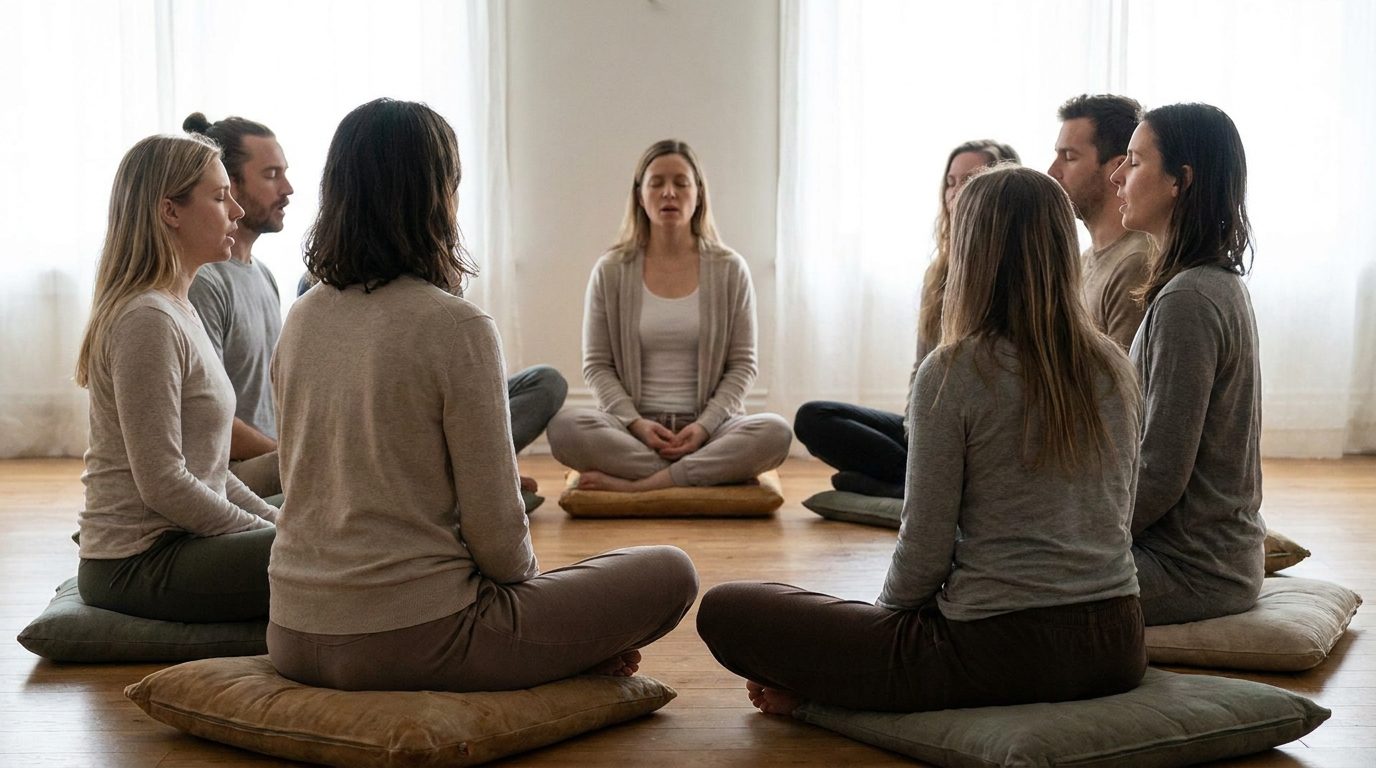
If you are new to Bhakti Yoga, you may wonder, “Do I have to chant every day to practice Bhakti?”
The short answer is: you do not have to be perfect to begin. You do not need to arrive with a flawless daily routine, deep scriptural knowledge, or years of spiritual discipline. Bhakti begins with sincerity. It begins when the heart turns toward God with even a small desire to love, serve, remember, and grow.
At the same time, daily chanting is one of the most cherished practices in Bhakti Yoga because it helps us build a living relationship with the Divine. It gives the heart a place to rest. It gives the mind a sacred sound to return to. It gives our day a spiritual center.
So perhaps the most helpful answer is this:
You do not have to chant every day to be welcome in Bhakti. But chanting every day, even a little, can deeply nourish your Bhakti.
Bhakti Yoga is not a path of pressure. It is a path of love. And love grows through regular, sincere connection.
What Is Bhakti Yoga?
Bhakti Yoga is the path of devotion, the path of loving relationship with God.
The Sanskrit word bhakti means devotion, loving service, or heartfelt dedication. Yoga means connection or union. So Bhakti Yoga means connecting with the Divine through love.
This path is open to everyone. You may come from a Hindu background, a Christian background, a Jewish, Muslim, Buddhist, spiritual-but-not-religious, or completely unsure background. Bhakti is not about forcing anyone into a box. It is about awakening the natural love already within the soul.
In Bhakti, we practice turning ordinary life into an offering. We chant, pray, cook, work, serve, listen, forgive, and grow with the intention of coming closer to God.
Bhakti Is a Relationship
In the Bhagavad-gita, one of the foundational scriptures of Bhakti Yoga, Krishna says:
“Always think of Me, become My devotee, worship Me, and offer your homage unto Me.”
— Bhagavad-gita 18.65
This is not a cold command. It is an invitation into relationship.
Krishna is saying, “Remember Me. Come close. Offer your heart.”
In Bhakti, God is not only understood as distant, powerful, or abstract. God is also personal, loving, and available. We can speak to God. We can sing to God. We can serve God. We can bring our confusion, gratitude, grief, joy, and longing.
Bhakti Is Practical
Bhakti Yoga is not only something we do in a temple, church, meditation room, or sacred gathering. It can be practiced in daily life.
You can practice Bhakti while washing dishes by offering that service with love.
You can practice Bhakti while driving by softly chanting or listening to sacred music.
You can practice Bhakti before eating by pausing in gratitude.
You can practice Bhakti when you are overwhelmed by whispering a prayer: “Please guide me. Please help me remember You.”
This path is both mystical and practical. It meets us in real life.
What Does It Mean to Chant?
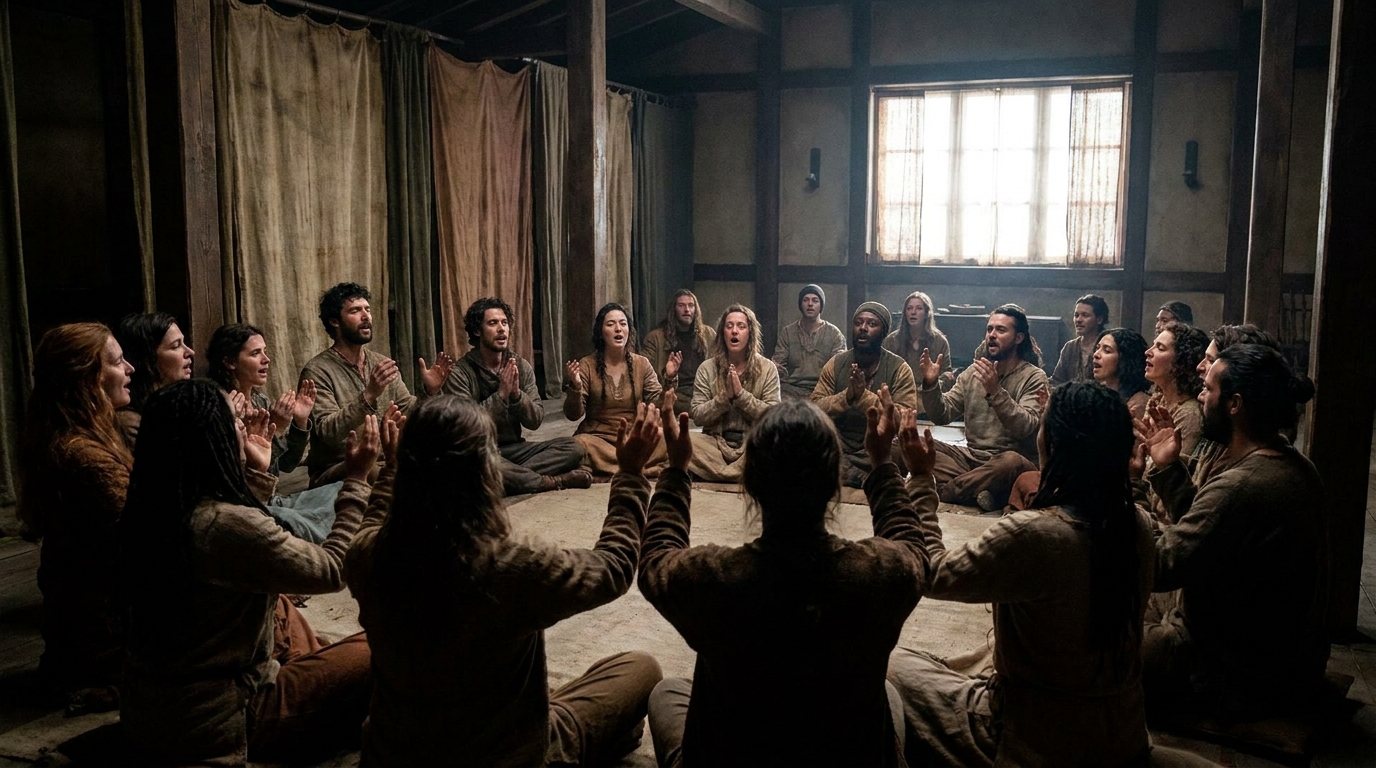
Chanting is the practice of repeating sacred names or mantras as a way to remember and connect with God.
A mantra is a sacred sound vibration. The word mantra can be understood as “that which frees the mind.” In Bhakti Yoga, mantras are not just calming sounds. They are living prayers, names of the Divine, and invitations into loving awareness.
One of the most well-known mantras in the Bhakti tradition is the Hare Krishna Maha-mantra:
Hare Krishna Hare Krishna
Krishna Krishna Hare Hare
Hare Rama Hare Rama
Rama Rama Hare Hare
Maha means “great,” and mantra means sacred sound or prayer. So Maha-mantra means “the great mantra.”
This mantra is a prayer to be engaged in divine love and service. “Hare” addresses the loving energy of God. “Krishna” means the all-attractive Lord. “Rama” means the source of joy and spiritual pleasure.
A simple way to understand the mantra is:
“O Lord, O Divine Energy of the Lord, please engage me in Your loving service.”
Japa: Personal Chanting
Japa means soft, personal repetition of a mantra. Many Bhakti practitioners chant japa on beads, sometimes called mala beads or japa beads. Traditionally, there are 108 beads on a strand, and the practitioner chants the mantra once on each bead.
Japa can be done quietly in the morning, on a walk, in a room, at an altar, or anywhere you can be present.
The purpose is not to perform mechanically. The purpose is to listen, remember, and offer the heart.
Kirtan: Group Chanting
Kirtan is devotional singing, usually in a call-and-response form. One person leads, and others respond. There may be harmonium, mridanga drum, kartals, guitar, or simply voices.
Kirtan is joyful, communal, and deeply healing. It allows people of all backgrounds to come together and sing sacred names. You do not have to be a good singer. You do not have to know everything. You can simply listen, sing, and receive.
Kirtan reminds us that spiritual life is not meant to be lonely. We grow together.
Chanting as Prayer
Chanting is not about impressing anyone. It is not about sounding spiritual. It is prayer.
Some days chanting may feel sweet and natural. Other days the mind may wander. Some days we may feel inspired. Other days we may feel dry, distracted, or tired.
Still, when we chant sincerely, we are showing up. And showing up matters in love.
Sure, here is the sentence with the clickable link:
Check out our latest posts on posts.
Do I Have to Chant Every Day?

No one is standing at the door of Bhakti with a checklist saying, “You are not allowed in unless you chant every day.”
Bhakti is generous. God is merciful. The path begins with whatever sincere offering we can make.
If you chant once a week with sincerity, that has value.
If you chant one mantra in the car with tears in your eyes, that has value.
If you attend kirtan once a month and feel your heart soften, that has value.
If you are just curious and listening from a distance, even that curiosity can be sacred.
But if your question is, “Will chanting every day help me grow in Bhakti?” then the answer is yes. Very much.
Daily Chanting Builds Relationship
Think of any loving relationship. If we never communicate, the relationship becomes distant. If we regularly connect, listen, and offer affection, the relationship deepens.
Chanting is spiritual communication. It is a way of saying, “God, I want to remember You. I want to know You. I want to be guided by love.”
Daily chanting creates a rhythm of remembrance. Even a few minutes each day can begin to change the inner atmosphere.
The mind becomes a little calmer.
The heart becomes a little softer.
Our choices become a little more aligned.
Our spiritual identity becomes a little more real to us.
Daily Does Not Mean Perfect
For many people, the word “daily” feels intimidating.
Maybe your schedule is full. Maybe you are caring for children or elders. Maybe you work long hours. Maybe you struggle with anxiety, depression, grief, or fatigue. Maybe you are rebuilding your faith after religious hurt. Maybe discipline has often felt like pressure or shame.
Bhakti is not meant to crush the heart. It is meant to awaken it.
Daily chanting does not have to mean chanting for hours. It may begin with one minute. One mantra. One sincere prayer.
A small practice done with love is better than a large practice done with resentment.
Begin With What Is Honest
Ask yourself gently:
“What can I sincerely offer right now?”
Not what you think a perfect devotee should offer.
Not what someone else is doing.
Not what would make you look impressive.
What can you honestly offer?
Maybe it is five minutes in the morning.
Maybe it is chanting while walking your dog.
Maybe it is one round of japa beads.
Maybe it is singing along to kirtan while cooking.
Maybe it is whispering the Holy Name before sleep.
Start there. Let love grow naturally.
Why Chanting Is So Central in Bhakti
Chanting holds a special place in Bhakti Yoga because sacred sound directly engages the heart.
In many spiritual traditions, the name of God is considered holy, powerful, and full of presence. In Bhakti scriptures, the Divine Name is not seen as separate from God. When we chant with sincerity, we are associating with God through sound.
This is a profound teaching.
It means we do not need wealth, status, scholarship, or external qualification to approach God. The Holy Name is available to everyone.
The Power of the Holy Name
The Srimad-Bhagavatam, a beloved Bhakti scripture, teaches that hearing and chanting about God purifies the heart.
“Sri Krishna, the Personality of Godhead, who is the Paramatma in everyone’s heart and the benefactor of the truthful devotee, cleanses desire for material enjoyment from the heart of the devotee who has developed the urge to hear His messages.”
— Srimad-Bhagavatam 1.2.17
Paramatma means the indwelling presence of God in the heart. This verse gives us a beautiful picture: God is already within us, kindly helping us from inside. When we hear and chant sincerely, the heart gradually becomes cleansed.
This does not mean we become perfect overnight. It means spiritual growth is happening, often quietly.
We may notice we become more patient.
We may become more aware of our habits.
We may feel less alone.
We may begin to choose compassion where we used to choose anger.
The Holy Name works gently but deeply.
Chanting Helps the Wandering Mind
The mind is restless. It moves quickly from memory to worry, from desire to fear, from planning to regret.
The Bhagavad-gita describes the mind as difficult to control, but also says it can be trained through practice and detachment.
“For the mind is restless, turbulent, obstinate and very strong… but it is possible by suitable practice and by detachment.”
— Bhagavad-gita 6.34–35
Chanting gives the mind a sacred place to return.
When we chant, the mind may wander. That is normal. The practice is simply to notice and return to the sound.
Hare Krishna Hare Krishna
Krishna Krishna Hare Hare
Hare Rama Hare Rama
Rama Rama Hare Hare
Again and again, we return. This returning is part of the devotion.
Chanting Softens the Heart
Bhakti is not only about controlling the mind. It is about awakening love.
Chanting can soften places within us that have become guarded, numb, or heavy. Sometimes during kirtan, people cry without knowing exactly why. Sometimes during japa, old emotions rise to the surface. Sometimes the heart simply feels lighter.
This is not a performance. It is healing.
The Holy Name meets us beneath our masks.
What If I Miss a Day?
If you miss a day of chanting, you have not failed at Bhakti.
Please hear that clearly.
Spiritual life is not destroyed by one missed morning, one distracted week, or one difficult season. God is not looking for a reason to reject you. God is looking for the sincerity in your heart.
If you miss a day, simply begin again.
No drama. No shame. No self-punishment.
Just return.
Return Without Guilt
Guilt can sometimes help us notice when we are out of alignment, but shame usually makes us hide. Bhakti invites us out of hiding.
If you missed your chanting, you might pray:
“Dear Lord, I became distracted. Please help me return. Please let me chant again with sincerity.”
That prayer itself is Bhakti.
The heart that wants to return is already blessed.
Learn From the Pattern
Missing a day is not a disaster, but it can be helpful to understand why it happened.
Were you too tired?
Did you set an unrealistic goal?
Do you need a better time of day?
Are you trying to chant in a distracting place?
Do you need community support?
Do you need to make the practice smaller and more consistent?
Spiritual discipline should be compassionate and intelligent. We can adjust without giving up.
Keep the Door Open
Even if you fall out of routine for weeks or months, the door remains open.
The Holy Name does not expire.
God does not say, “You were gone too long.”
In the Bhagavad-gita, Krishna says:
“Even if one commits the most abominable action, if he is engaged in devotional service, he is to be considered saintly because he is properly situated in his determination.”
— Bhagavad-gita 9.30
This verse is not an excuse for harmful behavior. It is a revelation of divine mercy. Krishna sees the direction of the heart. If we sincerely turn back toward Him, He receives us.
So begin again today. Or begin again right now.
How Much Should I Chant?
There is no single answer for every person at every stage.
In some Bhakti traditions, practitioners take vows to chant a certain number of rounds daily on japa beads. This is a beautiful and powerful commitment when taken sincerely under guidance.
But if you are new, exploring, or rebuilding your spiritual life, it is wise to begin steadily and humbly.
Start Small and Make It Sacred
You might begin with:
One mantra a day.
Three minutes of chanting.
Five minutes of japa.
One kirtan recording during your commute.
One round on beads.
A short morning prayer with the Maha-mantra.
The key is consistency with sincerity.
A small flame can grow into a steady lamp.
Choose a Time That Supports You
Many practitioners chant in the morning because the mind is quieter and the day has not yet become busy. Morning chanting can set the tone for everything that follows.
But if mornings are chaotic, choose another time.
You can chant:
Before bed.
During a walk.
After showering.
Before starting work.
While sitting in your car before going inside.
Before meals.
During a lunch break.
Bhakti is personal. Find a rhythm that helps you remember God naturally.
Create a Simple Sacred Space
A sacred space does not need to be elaborate.
You might have a small table with a candle, a picture of Krishna, Radha, Chaitanya Mahaprabhu, your spiritual teacher, or another form of God dear to your heart. You may place flowers, scripture, beads, or a meaningful devotional object there.
The purpose is to create an atmosphere of remembrance.
When you sit there, your heart begins to learn: “This is where I turn toward God.”
What If Chanting Feels Mechanical?
Almost everyone experiences mechanical chanting at times.
The lips move, the beads move, but the mind is somewhere else.
This does not mean you are fake. It means you are human.
The practice of chanting includes learning how to bring attention back with patience.
Listen to the Sound
One simple instruction is: hear the mantra.
Do not worry about having advanced feelings. Do not force emotion. Just listen.
Hare Krishna Hare Krishna
Krishna Krishna Hare Hare
Hare Rama Hare Rama
Rama Rama Hare Hare
Let the ears receive the sound. Let the mind rest there as much as it can.
When it wanders, return gently.
Pray Before Chanting
Before chanting, you might say:
“Dear Lord, please help me chant with attention.”
“Please let me hear Your name.”
“Please accept this small offering.”
“Please cleanse my heart.”
This softens the practice. It reminds us that chanting is not a task to complete, but a relationship to enter.
Slow Down
Sometimes chanting becomes mechanical because we are rushing.
Try slowing down enough to hear each name. If you are using beads, touch each bead with care. Let the mantra be spoken clearly.
The goal is not speed. The goal is connection.
Bring Your Real Life Into the Mantra
If you are grieving, chant with your grief.
If you are grateful, chant with your gratitude.
If you are confused, chant with your confusion.
If you are tired, chant with your tiredness.
You do not need to become someone else before approaching God. Bring your real heart.
Can I Practice Bhakti in Other Ways Too?
Yes. Chanting is central, but Bhakti includes many beautiful practices.
The classic Bhakti tradition speaks of nine processes of devotion, including hearing, chanting, remembering, serving, praying, worshiping, becoming a servant, developing friendship with God, and offering everything.
These practices are described in the Srimad-Bhagavatam 7.5.23–24.
Hearing Sacred Wisdom
Hearing is one of the most important Bhakti practices.
You can hear scripture, spiritual talks, kirtan, stories of Krishna, or reflections from sincere practitioners. Hearing shapes the heart. It reminds us of who we are and what life is for.
In Bhakti, we understand that the soul is eternal, part of God, and naturally meant for loving service.
We forget this easily. Hearing helps us remember.
Prayer
Prayer is honest conversation with God.
It can be formal or simple.
You can pray with Sanskrit verses, with traditional songs, or with your own words.
A sincere prayer might be:
“Please guide me.”
“Please help me love You.”
“Please protect my family.”
“Please teach me how to serve.”
“Please help me forgive.”
“Please let me remember You today.”
God hears the heart, not just the grammar.
Service
Seva means service. In Bhakti, service is love in action.
You can serve at a temple or spiritual community. You can cook, clean, organize, sing, teach, welcome guests, offer skills, or support others.
You can also serve at home, at work, and in the world. Caring for children, helping a neighbor, feeding someone, listening with compassion, protecting the earth, and using your gifts for good can all become Bhakti when offered to God.
Service protects us from making spirituality only about our own experience. Love naturally wants to give.
Offering Food
In Bhakti, cooking and offering food to God is a sacred practice.
The Sanskrit word prasadam means mercy. It refers to food that has been prepared with love and offered to God, then received as grace.
You can begin simply. Prepare a vegetarian meal, place it before a picture or form of God, and pray:
“Dear Lord, please accept this offering made with love.”
Then receive the food with gratitude.
This practice brings devotion into the kitchen and onto the plate.
What If I Come From Another Faith or No Faith?
You are welcome.
Bhakti Yoga honors sincere spiritual seeking. If you already have a relationship with God through another tradition, chanting can deepen your love, not erase your history. Many people find that Bhakti helps them pray more sincerely, live more compassionately, and remember God more often.
If you are unsure what you believe, you are also welcome. You do not have to force certainty. You can begin with openness.
Try chanting as a prayer:
“If You are there, please reveal Yourself to me. Please guide my heart.”
That kind of honest prayer is powerful.
Bhakti Is Not About Labels
Labels may describe us, but they do not contain the soul.
Bhakti looks for sincerity.
Are we willing to listen?
Are we willing to love?
Are we willing to serve?
Are we willing to take one step toward God?
These questions matter more than external identity.
Come as You Are
Some people come to Bhakti full of faith. Others come full of questions. Some come with joy. Others come with pain. Some come because they heard kirtan and felt something open in their heart.
All are welcome.
You do not need to pretend. You do not need to know how to pronounce everything perfectly. You do not need to have a spiritual resume.
Just come sincerely.
Building a Daily Chanting Practice With Love
If you feel inspired to chant daily, let it be a loving commitment, not a burden.
A daily practice can become like watering a plant. You may not see dramatic growth each day, but over time the roots deepen, the leaves strengthen, and flowers begin to bloom.
Make a Realistic Commitment
Choose something you can actually do.
For example:
“I will chant for five minutes each morning.”
“I will chant one round before looking at my phone.”
“I will chant the Maha-mantra once before bed.”
“I will attend kirtan once a week and chant at home three days a week.”
Let your commitment be clear and kind.
Connect With Community
Spiritual community is very helpful. In Sanskrit, sadhu-sanga means association with sincere spiritual people.
Good company encourages us, steadies us, and reminds us of what matters.
When we chant with others, ask questions, share struggles, and serve together, Bhakti becomes more alive.
If you can, visit a Bhakti center, temple, kirtan gathering, or devotional group. If not, connect online with sincere practitioners.
We are not meant to walk alone.
Celebrate Small Steps
Do not minimize small beginnings.
One sincere mantra can be the beginning of a transformed life.
One moment of prayer can open a door.
One act of service can soften the heart.
One kirtan can awaken longing.
Bhakti grows through grace and practice. Celebrate every sincere step.
The Deeper Purpose of Chanting
Ultimately, chanting is not only for stress relief, although it may calm us.
It is not only for focus, although it may steady the mind.
It is not only for good feelings, although it may bring joy.
The deeper purpose of chanting is love of God.
In Bhakti, the highest goal is prema, pure divine love. This love is not selfish or temporary. It is the soul’s natural love for God, fully awakened.
Chanting helps uncover that love.
The great teacher Sri Chaitanya Mahaprabhu, who spread the chanting of the Holy Name widely, offered this beautiful prayer:
“Let there be all victory for the chanting of the Holy Name of Lord Krishna, which cleanses the mirror of the heart…”
— Sri Siksastakam, Verse 1
This image is so tender. The heart is like a mirror covered with dust. Chanting cleanses the mirror, allowing us to see clearly again.
We begin to see ourselves not as isolated, broken, or merely material beings, but as beloved souls.
We begin to see others with more compassion.
We begin to see the world as connected to God.
We begin to live with more purpose.
So, Do You Have to Chant Every Day?
You do not have to chant every day in order to be loved by God.
You do not have to chant every day to be welcome in a Bhakti community.
You do not have to chant every day to begin.
But daily chanting is a beautiful gift you can offer and receive.
It is not a rule meant to shame you. It is a doorway meant to bless you.
If you can chant every day, even briefly, your heart will be nourished. If you miss a day, return with humility. If you are struggling, simplify. If you are inspired, deepen. If you are unsure, experiment sincerely.
Bhakti Yoga is a path of relationship, and relationships grow through regular loving attention.
The Holy Name is always waiting.
God is always near.
Your next sincere mantra can be your next step home.
A Simple Practice to Begin Today
If you would like to begin, try this:
Find a quiet place.
Take one gentle breath.
Place your hand on your heart if that feels natural.
Say a simple prayer:
“Dear God, please help me remember You. Please accept this small offering.”
Then chant slowly:
Hare Krishna Hare Krishna
Krishna Krishna Hare Hare
Hare Rama Hare Rama
Rama Rama Hare Hare
Listen as you chant.
If your mind wanders, return kindly.
When you finish, pause for a moment and offer gratitude.
That is a real Bhakti practice.
No one is too far away. No one is too new. No one is disqualified by struggle, doubt, or imperfection.
Everyone is welcome to take one sincere step toward God today—through chanting, prayer, service, or simply opening the heart and saying, “Please guide me.”
FAQs
What is Bhakti practice?
Bhakti is a spiritual practice in Hinduism that involves devotion and love towards a personal god. It is considered one of the paths to spiritual realization and liberation.
Do I have to chant every day to practice Bhakti?
Chanting is a common practice in Bhakti, but it is not mandatory to chant every day to practice Bhakti. Bhakti can be practiced through various forms such as prayer, meditation, service, and devotion to a personal deity.
What are the benefits of chanting in Bhakti practice?
Chanting is believed to have the power to purify the mind, cultivate devotion, and create a deep connection with the divine. It is considered a powerful tool for spiritual growth and self-realization.
Can I practice Bhakti without a specific deity or form of god?
Yes, Bhakti can be practiced without a specific deity or form of god. Some practitioners focus on the concept of divine love and devotion without associating it with a particular deity.
How can I incorporate Bhakti practice into my daily life?
Bhakti practice can be incorporated into daily life through acts of love, kindness, and devotion towards the divine, as well as through regular spiritual practices such as prayer, meditation, and service to others.

