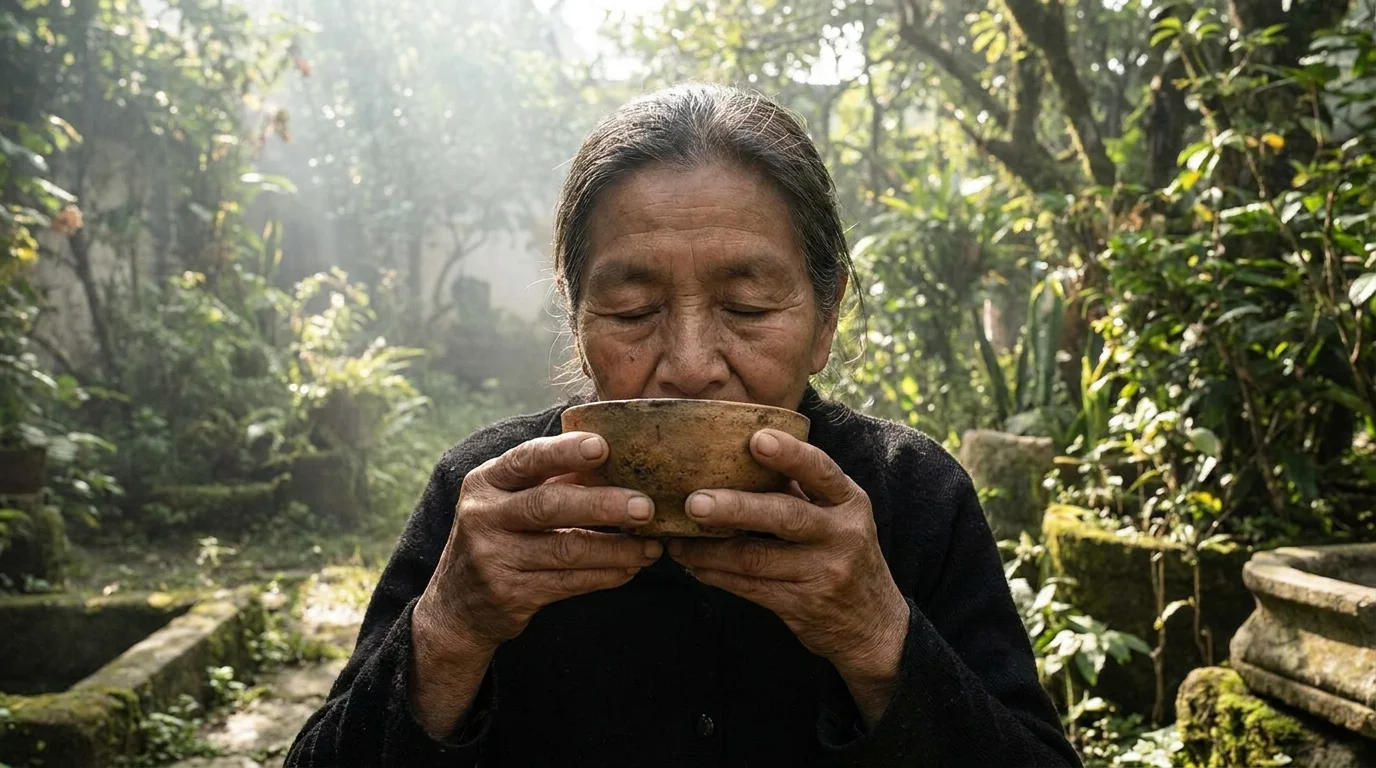
Every person is searching for a taste.
We may call it happiness, peace, purpose, love, meaning, or belonging. We may search for it in relationships, work, art, food, travel, achievement, comfort, or spiritual practice. Beneath all these searches is a deeper longing: the soul’s longing to love and be loved by God.
In the Bhakti tradition, this inner fulfillment is sometimes described as spiritual taste. In Sanskrit, the word often used is ruci, which means a genuine taste, liking, or attraction for spiritual life. It is not forced. It is not dry duty. It is the beginning of the heart naturally turning toward God with affection.
Spiritual taste is a gift. It cannot be purchased, demanded, or manufactured by ego. Yet it can be welcomed. Like opening a window to let sunlight in, we can create space in our lives for divine grace to enter.
Bhakti Yoga, the yoga of devotion, offers practical ways to awaken this taste through chanting, prayer, sacred study, service, and loving remembrance of God. It is a path for everyone—whether you are new to spirituality, returning after a long time, or already walking a devotional path with sincerity.
At The Bhakti House, we honor this journey as personal, tender, and sacred. We do not have to pretend to be advanced. We simply begin where we are.
What Is Spiritual Taste?
Spiritual taste is the heart’s growing attraction to the presence of God.
At first, spiritual practice may feel like discipline. We chant because we are told it is helpful. We pray because we are suffering. We read scripture because we are curious. We serve because we want to do something meaningful.
But over time, by grace, something changes. The heart begins to feel nourishment from these practices. Chanting becomes comforting. Prayer becomes honest. Scripture becomes alive. Service becomes joyful. The company of spiritually minded people becomes precious.
This is spiritual taste beginning to awaken.
Ruci: A Simple Understanding
The Sanskrit word ruci can be understood as “taste,” “attraction,” or “a genuine liking.” In Bhakti Yoga, ruci means that spiritual life is no longer only an obligation or idea. It becomes something we actually relish.
For example, someone may begin chanting the holy names of God as a practice. At first, the mind may wander. The voice may feel awkward. The heart may feel closed. But with patience and sincerity, the chanting begins to feel sweet. The person starts looking forward to it. The holy name becomes like shelter.
That attraction is ruci.
It is not always dramatic. Sometimes it comes quietly, like the first light of dawn.
Taste Is Different From Sentiment
Spiritual taste is deeper than temporary emotion. We may feel inspired one day and distracted the next. That is natural. The mind and emotions move like weather.
True spiritual taste develops through steady contact with God’s presence. It becomes a deeper conviction: “This nourishes me. This brings me closer to who I really am. This helps me love.”
In the Bhagavad-gita, Krishna says:
“By experiencing a higher taste, one becomes fixed in consciousness.”
Bhagavad-gita 2.59
This “higher taste” is important. Bhakti does not ask us to give up joy. Rather, it invites us into a greater joy—one rooted in love, service, and divine connection.
Why Spiritual Taste Feels Like a Gift

Spiritual taste is not merely the result of personal effort. Effort matters, but grace is essential.
We may plant seeds, water them, and protect them, but we do not create the miracle of life within the seed. In the same way, we can chant, pray, listen, serve, and seek holy company—but the awakening of love is ultimately a gift from God.
This keeps the Bhakti path humble.
We do not become proud, thinking, “I have achieved spiritual taste.” Instead, we learn to pray, “Please allow me to taste even one drop of devotion.”
Grace Meets Sincerity
Bhakti scriptures often explain that spiritual growth happens through both sadhana and kripa.
Sadhana means regular spiritual practice. It is what we offer: our time, attention, voice, body, and heart.
Kripa means grace. It is what God and the saints give freely: mercy, inspiration, purification, and love.
When sincere practice meets divine grace, spiritual taste awakens.
This is hopeful for all of us. We do not need to be perfect. We do not need to have a spotless past. We do not need to understand everything before beginning. We simply need to become sincere.
The Soul Already Belongs to God
Bhakti teaches that we are not merely bodies, minds, labels, or life stories. We are souls—eternal spiritual beings, lovingly connected to the Divine.
In the Bhagavad-gita, Krishna says that every living being is His eternal part. This means our longing for God is not foreign to us. It is not something artificial placed upon us from outside. It is part of our deepest identity.
Spiritual taste awakens when the soul begins to remember its natural relationship with God.
It is like hearing a song we somehow always knew.
Check out our latest articles at https://thebhaktihouse.org/blog.
The Role of Chanting in Awakening Taste

One of the most accessible and powerful practices in Bhakti Yoga is chanting the names of God.
The Sanskrit word mantra means a sacred sound that helps free the mind. “Man” refers to the mind, and “tra” refers to liberation or protection. A mantra is not ordinary sound. It carries spiritual presence.
In the Bhakti tradition, chanting is not just meditation. It is relationship. We are calling out to God with our voice and heart.
The Holy Name as Divine Presence
In Bhakti Yoga, God’s name is considered non-different from God. This means that when we chant sincerely, we are not simply repeating syllables. We are entering the presence of the Divine.
Many devotees chant the Maha-mantra, the “great mantra”:
Hare Krishna Hare Krishna
Krishna Krishna Hare Hare
Hare Rama Hare Rama
Rama Rama Hare Hare
A simple meaning is: “O Divine Energy of God, O all-attractive Lord, O source of joy, please engage me in loving service.”
“Hare” refers to the divine energy of the Lord, especially the compassionate feminine aspect of God who helps us come closer. “Krishna” means the all-attractive one. “Rama” means the reservoir of joy.
You do not have to be from a particular background to chant. You do not need to be fluent in Sanskrit. You only need sincerity.
Japa: Personal Chanting
Japa means softly repeating a mantra, often on prayer beads. This practice gives the heart a daily meeting place with God.
Even five or ten minutes of japa can begin to change the atmosphere of the mind. The restless inner conversation slowly becomes redirected toward prayer. The heart learns to listen.
Some days chanting feels peaceful. Some days it feels distracted. Both days are valuable. The practice is not about performing perfectly. It is about returning.
A simple way to begin:
Sit comfortably.
Take a few deep breaths.
Offer a short prayer: “Dear Lord, please help me remember You.”
Chant the mantra gently.
When the mind wanders, bring it back without harshness.
This is love in practice.
Kirtan: Chanting Together
Kirtan means congregational chanting, often with music. In kirtan, voices come together in call and response. One person leads, and others respond.
Kirtan is one of the great gifts of Bhakti. It allows people of all ages, cultures, and spiritual backgrounds to participate. You can sing loudly, softly, or simply listen. You can clap, dance, sit quietly, or close your eyes.
In the Srimad-Bhagavatam, a beloved Bhakti scripture, hearing and chanting about God are described as central practices for purifying the heart. Kirtan helps us experience this purification not as something heavy, but as something joyful.
Sometimes spiritual taste awakens in community before it awakens in solitude. We borrow the faith of others. We feel carried by the sound. We realize, “I am not alone in my longing.”
Prayer: Speaking Honestly With God
Prayer is the language of the heart.
Many people think prayer must be formal or beautiful. But in Bhakti Yoga, prayer can be very simple. It can be gratitude. It can be confession. It can be a cry for help. It can be silence offered with love.
God is not impressed by polished words. God is moved by sincerity.
Prayer Begins Where We Are
We can pray from any condition:
“Please guide me.”
“Please help me forgive.”
“Please let me serve.”
“Please show me how to love.”
“Please protect me from pride.”
“Please help me taste Your presence.”
This honest prayer softens the heart. It makes us receptive to spiritual taste.
Sometimes we may not feel love for God yet. We can pray for the desire to desire God. Even that is meaningful.
The Prayer of Humility
In the Bhakti tradition, humility is not self-hatred. It is truthful openness. It means we recognize that we are dependent on grace.
Sri Chaitanya Mahaprabhu, a great saint in the Bhakti tradition who spread the chanting of God’s names, offered a profound teaching:
“One should chant the holy name of the Lord in a humble state of mind, feeling lower than a blade of grass, more tolerant than a tree, free from false pride, and ready to offer respect to others.”
This is not meant to make us feel small in an unhealthy way. It is an invitation to become soft, patient, and respectful. A humble heart can receive divine love.
Pride blocks taste. Humility opens it.
Gratitude as Daily Prayer
Gratitude is one of the simplest ways to awaken spiritual taste. When we pause to recognize blessings, the heart becomes more sensitive.
We can thank God for breath, food, friendship, shelter, sunlight, lessons, protection, and even challenges that help us grow. Gratitude turns ordinary life into sacred life.
A daily gratitude prayer can be as simple as:
“Thank You for this day. Thank You for guiding me. Please help me use my life in service.”
Over time, gratitude changes how we see. We begin to notice grace everywhere.
Service: Love Made Visible
Bhakti is not only about what we feel inwardly. It is also about how we live outwardly.
The Sanskrit word seva means loving service. It is service offered for the pleasure of God and the welfare of others. Seva is not merely volunteering, though it may look like volunteering. Its inner mood is devotion.
When we serve, we move from “What can I get?” to “How can I love?”
Service Purifies the Heart
Service helps spiritual taste grow because it loosens the grip of selfishness. So much of our suffering comes from being centered only on ourselves—our comfort, our recognition, our control.
Seva gently expands the heart.
We may serve by cooking sacred food, cleaning a temple or gathering space, helping a neighbor, encouraging a friend, supporting spiritual community, caring for children, protecting animals, sharing wisdom, or simply listening with compassion.
No service is too small when offered with love.
In the Bhagavad-gita, Krishna says:
“Whatever you do, whatever you eat, whatever you offer or give away, do that as an offering to Me.”
Bhagavad-gita 9.27
This verse makes Bhakti very practical. Our whole life can become an offering.
Serving Without Needing Applause
One challenge in service is the desire to be seen. We may want appreciation, status, or control. This is human. But Bhakti invites us to gently purify our motives.
We can ask:
“Am I serving to love, or serving to be admired?”
“Am I helping, or trying to control?”
“Can I offer this quietly to God?”
When service becomes an offering rather than a performance, spiritual taste deepens. The heart feels freedom.
Sacred Food and Loving Offering
One beautiful form of service in Bhakti is preparing and offering food to God. Food offered with devotion is called prasadam, which means mercy or grace.
The practice is simple. We cook with care, avoiding harm as much as possible, and then offer the food to God with prayer. After it is offered, we receive it as sacred grace.
This transforms eating from consumption into communion.
Even a piece of fruit, a cup of water, or a simple meal can become spiritualized when offered with love. Krishna says in the Bhagavad-gita that if one offers Him a leaf, flower, fruit, or water with devotion, He accepts it.
The key is devotion.
Hearing Sacred Wisdom
Spiritual taste is nourished by hearing.
In Bhakti, hearing is not passive. It is a sacred act. When we hear about God, the soul is fed. When we hear from saints and scriptures, our vision becomes clearer.
The Sanskrit word shravana means hearing. It is one of the main limbs of Bhakti Yoga.
Scripture as a Mirror
Authentic Bhakti scriptures such as the Bhagavad-gita, Srimad-Bhagavatam, and the writings of great teachers do not merely give information. They reveal the condition of the heart and point us toward healing.
The Bhagavad-gita shows us how to live with courage, devotion, and wisdom in the middle of life’s battles.
The Srimad-Bhagavatam reveals the beauty of God’s qualities, pastimes, devotees, and loving relationships.
These texts are deep, but we can approach them gently. We do not need to understand everything at once. Even one verse, heard sincerely, can plant a seed.
Hearing From Devotees
Spiritual taste often comes through people. When we hear from someone who genuinely loves God, something awakens in us.
Their words carry experience. Their humility gives us hope. Their devotion shows us that spiritual life is real.
This is why sadhu-sanga, or the company of spiritually sincere people, is so important. “Sadhu” means a saintly or sincere devotee, and “sanga” means association or company.
Sadhu-sanga does not mean finding perfect people. It means seeking company that helps us remember God, become kinder, and live with purpose.
Making Time for Sacred Listening
Modern life fills our ears with noise. News, opinions, advertising, entertainment, and constant notifications shape our consciousness.
Bhakti invites us to choose what we hear.
We can listen to kirtan while cooking. We can hear a Bhagavad-gita class during a walk. We can read one verse in the morning. We can gather with others for discussion and reflection.
These small choices build spiritual taste.
What we hear, we begin to desire. What we desire, we begin to become.
The Stages of Growing Spiritual Taste
Spiritual taste develops gradually, like a plant.
Bhakti scriptures describe a natural progression of devotional growth. One well-known description comes from Srila Rupa Goswami, a great teacher of Bhakti, who explained that devotion develops from initial faith to love of God.
This journey is not mechanical, and every person’s path has unique turns. Still, the general pattern can encourage us.
Faith: The First Soft Opening
The Sanskrit word shraddha means faith. It does not have to mean blind belief. It can begin as a simple openness:
“Maybe there is something real here.”
“Maybe chanting can help me.”
“Maybe God is calling me.”
This initial faith is precious. We should protect it. Faith grows when it is nourished by good company, practice, and honest inquiry.
Practice: Showing Up With Sincerity
After faith comes practice. We begin chanting, hearing, praying, serving, and making choices that support spiritual life.
This stage may involve enthusiasm as well as struggle. Old habits may resist change. The mind may doubt. The heart may feel dry. But every sincere effort counts.
In Bhakti, progress is not measured only by mystical experience. It is also measured by humility, kindness, steadiness, and willingness to serve.
Cleansing: The Heart Becomes Clearer
As practice continues, the heart begins to be cleansed. In Sanskrit, unwanted habits and coverings are called anarthas. These may include envy, pride, greed, anger, selfish desire, and forgetfulness of God.
Cleansing can feel uncomfortable because we begin to see ourselves more honestly. But this honesty is mercy. We cannot offer what we are unwilling to see.
The holy name acts like spiritual medicine. It gradually cleanses the mirror of the heart.
Taste: Devotion Becomes Sweet
After steady practice and purification, ruci—spiritual taste—begins to awaken. We feel drawn to chanting, hearing, and serving. The practices themselves become nourishing.
This does not mean all challenges disappear. But the heart has found a higher nourishment. We become less dependent on temporary pleasures because we are beginning to taste something deeper.
Spiritual taste gives strength. It helps us continue.
Obstacles to Spiritual Taste and How to Meet Them
Every sincere seeker faces obstacles. We should not be discouraged by this. Obstacles can become part of the path when we meet them with humility and guidance.
Distraction
The mind is naturally restless. During chanting or prayer, we may think about plans, worries, memories, or conversations.
Instead of becoming frustrated, we can gently return. Every return is an act of devotion.
We can also support focus by creating a simple sacred space, turning off notifications, chanting at a regular time, and beginning with prayer.
Dryness
Sometimes spiritual practice feels dry. We may chant and feel nothing. We may read and feel uninspired.
Dryness does not mean failure. It may be a season of deepening. Love is not proven only by sweetness; sometimes love grows through faithfulness.
During dry times, keep the practice simple. Chant a little. Pray honestly. Seek uplifting association. Serve someone. Ask for help.
Taste often returns when we stop demanding it and keep offering ourselves.
Comparison
We may compare ourselves to others: “They chant better. They know more. They seem more spiritual.”
Comparison steals gratitude.
Each soul has a unique relationship with God. Your offering matters. Your voice matters. Your small step matters.
Bhakti is not a competition. It is a family of souls learning to love.
Offenses and Hardness of Heart
Bhakti teachings warn that criticism, arrogance, and disrespect can block spiritual taste. When we look down on others, our heart becomes hard.
This does not mean we ignore harm or abandon discernment. But we try not to cultivate contempt. We pray to see others as souls loved by God.
If we have hurt someone, we can seek forgiveness. If we have become proud, we can pray for humility. If our heart feels hard, we can serve.
The path is forgiving when we are sincere.
Spiritual Taste in Everyday Life
Spiritual taste is not meant to remain only in a temple, yoga studio, meditation room, or sacred gathering. It can enter every part of life.
Bhakti Yoga is beautifully practical. It teaches us to remember God while living in the world with responsibility, compassion, and purpose.
Morning as a Sacred Beginning
The morning is a powerful time to cultivate spiritual taste. Before the world becomes loud, we can offer the first moments to God.
A simple morning practice might include:
Chanting one round of japa or a few minutes of mantra meditation.
Reading one verse from the Bhagavad-gita.
Offering a prayer of gratitude.
Setting an intention to serve.
Even fifteen sincere minutes can shape the whole day.
Work as Worship
Many people wonder how to be spiritual while working, studying, parenting, caregiving, or managing daily duties.
Bhakti does not require us to abandon responsibility. It invites us to spiritualize responsibility.
We can offer our work to God. We can practice honesty, patience, compassion, and excellence as forms of devotion. We can remember that the people we interact with are souls.
Before beginning work, we might pray:
“May what I do today be useful. May I act with integrity. May I serve through this work.”
This transforms ordinary action into yoga.
Relationships as Sacred Practice
Relationships reveal our hearts. They show us where we are generous and where we are still selfish. They teach patience, forgiveness, communication, and humility.
Spiritual taste grows when we bring devotion into relationships.
We can listen more carefully. We can speak truth with kindness. We can forgive where possible. We can honor boundaries. We can see family, friends, partners, coworkers, and strangers as beloved children of God.
Love for God naturally expands into love for others.
Challenges as Invitations
Life brings loss, illness, disappointment, uncertainty, and change. Bhakti does not pretend these things are easy. But it offers shelter.
In difficulty, chanting may become our lifeline. Prayer may become more real. Scripture may speak directly to our pain. Service may keep our heart open.
Sometimes spiritual taste becomes most precious in hardship because we realize that God is our true refuge.
The Sweetness of Community
Spiritual taste grows beautifully in community.
At The Bhakti House, we believe spiritual spaces should feel welcoming, sincere, and nourishing. People should feel safe to come as they are—with questions, wounds, hopes, doubts, and longing.
Bhakti community is not about perfection. It is about shared direction.
Belonging Without Pretending
Many people carry spiritual wounds. Some have felt judged, excluded, or pressured in religious environments. Bhakti, at its heart, invites us into love—not fear, shame, or performance.
A healthy devotional community helps us become more honest, more compassionate, and more connected to God.
You do not need to know all the songs. You do not need to pronounce every Sanskrit word perfectly. You do not need to dress or look a certain way to begin.
You are welcome to sit, listen, chant, ask, serve, and grow at your own sincere pace.
Learning From One Another
Every person brings something sacred. One person may bring deep scriptural knowledge. Another brings hospitality. Another brings music. Another brings quiet steadiness. Another brings tears of longing. Another brings questions that help everyone think more deeply.
In Bhakti, we learn to honor the devotion in others.
Community gives us strength when we are weak and humility when we are strong.
Sharing the Taste
When we receive even a little spiritual taste, we naturally want to share it. Not by forcing beliefs on others, but by living with kindness and offering opportunities.
We can invite a friend to kirtan. We can share prasadam. We can recommend a verse. We can pray for someone. We can serve quietly.
The sweetest sharing is authentic. When people see peace, humility, and love growing in us, they become curious about the source.
How to Welcome the Gift of Spiritual Taste
Because spiritual taste is a gift, we cannot control it. But we can prepare our hearts to receive it.
Here are simple, practical ways to begin or deepen.
Chant Daily, Even a Little
Set aside a small amount of time each day for mantra meditation. Consistency matters more than quantity in the beginning.
Chant with the prayer: “Please let me serve You. Please awaken love in my heart.”
Hear Sacred Wisdom Regularly
Read or listen to the Bhagavad-gita, Srimad-Bhagavatam, or teachings from sincere Bhakti practitioners. Let sacred sound enter your day.
Even one verse reflected upon deeply can nourish the soul.
Offer Food With Love
Before eating, pause and offer gratitude. If possible, prepare simple vegetarian food and offer it to God with prayer. Receive it as prasadam, divine mercy.
This makes daily nourishment sacred.
Serve Someone
Find one act of service you can offer without expecting anything in return. Help at a spiritual gathering. Encourage someone. Clean a shared space. Cook for others. Give your time.
Service makes devotion visible.
Seek Uplifting Association
Spend time with people who help you remember your spiritual purpose. Join kirtan, study circles, devotional gatherings, or service opportunities.
We grow by the company we keep.
Be Patient With Yourself
Spiritual taste may come gradually. Do not judge your journey harshly. The seed of devotion grows through care, time, and grace.
Keep watering the seed.
The Gift Is Already Near
Discovering the gift of spiritual taste is not about becoming someone else. It is about awakening who we truly are.
The soul is made for love. The heart is made for relationship with God. Bhakti Yoga gently guides us back to that loving connection through chanting, prayer, service, sacred hearing, and community.
There may be days of sweetness and days of struggle. There may be moments of clarity and seasons of confusion. Still, every sincere step matters. Every holy name chanted matters. Every prayer whispered matters. Every act of service offered with love matters.
Spiritual taste begins as a gift and grows as a relationship.
If you feel even a small longing for God, honor it. If you feel curious, follow it. If you feel unworthy, bring that feeling into prayer. If you feel joyful, offer that joy. If you feel broken, come as you are.
The path of Bhakti is wide enough for every sincere heart.
Everyone is welcome to take one sincere step toward God today—through one mantra, one prayer, one act of service, one moment of gratitude, or one humble offering of the heart.
FAQs
What is spiritual taste?
Spiritual taste refers to the ability to experience and appreciate the spiritual aspects of life, such as love, compassion, gratitude, and inner peace. It involves a deep connection with one’s inner self and a heightened awareness of the divine.
How can one develop spiritual taste?
Developing spiritual taste involves practices such as meditation, prayer, mindfulness, and self-reflection. Engaging in acts of kindness, cultivating a sense of gratitude, and seeking out meaningful experiences can also help in developing spiritual taste.
What are the benefits of having spiritual taste?
Having spiritual taste can lead to a greater sense of fulfillment, inner peace, and emotional well-being. It can also help individuals navigate life’s challenges with resilience and a positive outlook. Additionally, spiritual taste can deepen one’s relationships and foster a sense of connection with others and the world around them.
Can anyone develop spiritual taste?
Yes, anyone can develop spiritual taste regardless of their religious or spiritual beliefs. It is a personal journey that involves exploring one’s inner world and connecting with the deeper aspects of life. It is a universal human experience that transcends cultural and religious boundaries.
How does spiritual taste differ from physical taste?
While physical taste refers to the sensation of flavor experienced through the tongue, spiritual taste pertains to the perception and appreciation of spiritual qualities and experiences. Spiritual taste is more about connecting with one’s inner self and the intangible aspects of life, rather than sensory experiences related to food or drink.