
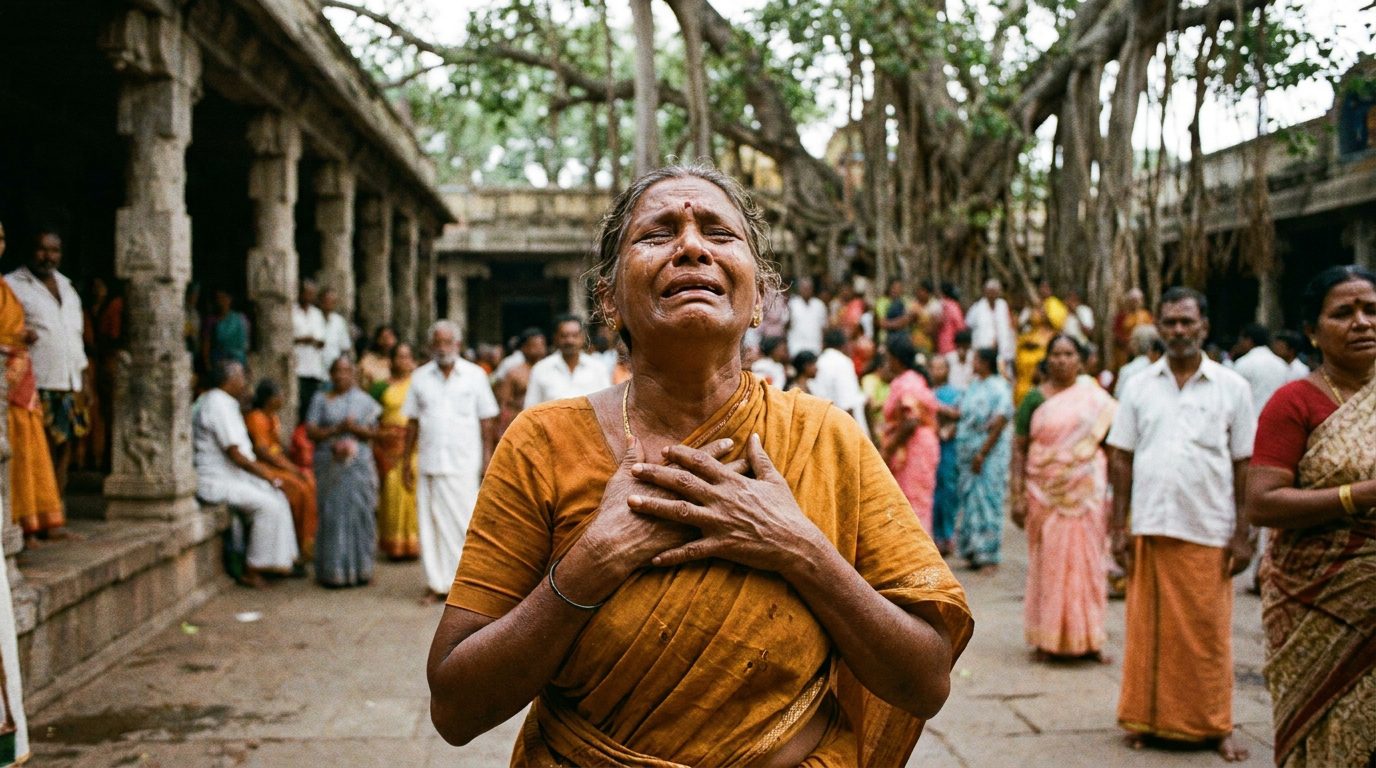
Have you ever loved someone so deeply that words simply fell short? Have you ever felt your heart overflow with an emotion so powerful that nothing in this world could contain it? If so, you have touched — even for a brief moment — the faintest reflection of something the Bhakti tradition calls Mahābhāva.
Mahābhāva (pronounced mah-HAH-bhah-vah) is a Sanskrit term that describes the highest, most intense stage of divine love for God. It is the very pinnacle of spiritual emotion — a love so pure, so all-consuming, and so selfless that it represents the ultimate perfection of the soul’s relationship with the Supreme.
At The Bhakti House, we believe this topic isn’t just for scholars or advanced yogis. Understanding Mahābhāva can inspire every one of us — no matter where we are on our spiritual journey — to deepen our love, our chanting, our prayer, and our service. So let’s explore this beautiful subject together, with open hearts and a spirit of wonder.
In the Bhakti Yoga tradition, spiritual love — called prema — unfolds in stages, much like a flower gradually opening its petals to the sun. The journey of the heart begins with basic faith (śraddhā), grows through devotional practice (sādhana), and blossoms into pure love of God (prema).
But prema itself has further stages of intensification. Mahābhāva is the absolute summit — the most concentrated, most exalted, and most overwhelming expression of divine love that exists anywhere in creation.
The great Bhakti teacher Śrīla Rūpa Gosvāmī, in his foundational work Bhakti-rasāmṛta-sindhu (The Nectar of Devotion), explains that love of God progresses through stages: sneha (deep affection), māna (loving jealousy), praṇaya (intimate love), rāga (spontaneous attachment), anurāga (ever-fresh love), bhāva (ecstatic emotion), and finally mahābhāva — the supreme ecstasy.
The Literal Meaning of the Word
Breaking down the Sanskrit, mahā means “great” or “supreme,” and bhāva means “emotion,” “feeling,” or “ecstatic state.” So Mahābhāva literally means “the greatest ecstatic emotion” or “the supreme state of spiritual feeling.”
But this is no ordinary emotion. It is not sentimentality or worldly passion. Mahābhāva is the purest expression of the soul’s eternal love for God — completely free from selfishness, completely absorbed in the happiness of the Beloved.
Why Does It Matter to Us?
You might wonder: “If Mahābhāva is the highest stage, and I’m just beginning my spiritual journey, why should I learn about it?”
The answer is beautifully simple. When a traveler knows the destination, every step of the journey becomes more meaningful. Understanding Mahābhāva gives us a glimpse of what divine love truly is — and that glimpse can fill our hearts with aspiration, hope, and deeper sincerity in our daily practice of chanting, prayer, and service.
Mahābhāva in the Bhakti Scriptures
The Bhakti tradition doesn’t leave us guessing about Mahābhāva. The scriptures describe it with breathtaking beauty and precision.
In the Śrīmad-Bhāgavatam (also known as the Bhāgavata Purāṇa), which is considered the ripened fruit of all Vedic literature, we find vivid descriptions of the most elevated love experienced by the devotees of Lord Kṛṣṇa — particularly the gopīs (the cowherd maidens of Vṛndāvana), who are celebrated as the highest exemplars of selfless divine love.
The Caitanya-caritāmṛta, the biographical masterpiece about Lord Śrī Caitanya Mahāprabhu, offers this essential teaching:
> “‘In My love for Kṛṣṇa, there are many different moods. Some of them are called prema, sneha, māna, praṇaya, rāga, anurāga, bhāva and mahābhāva.'”
> — Caitanya-caritāmṛta, Madhya 2.45 (vedabase.io)
This passage reveals that Lord Caitanya Himself — who is understood in the Bhakti tradition as the Supreme Lord appearing in the mood of a devotee — experienced and taught about these progressive stages of love.
Śrīmatī Rādhārāṇī: The Embodiment of Mahābhāva
In the Bhakti tradition, Mahābhāva is most perfectly and completely embodied by Śrīmatī Rādhārāṇī — the eternal consort and supreme devotee of Lord Kṛṣṇa. She is not simply a devotee who achieved Mahābhāva; She is Mahābhāva personified. Her love for Kṛṣṇa is the very standard by which all divine love is measured.
The Caitanya-caritāmṛta beautifully states:
> “‘Love of Godhead, as perceived in the heart of Śrīmatī Rādhārāṇī, is the supreme love. When that love reaches the highest pitch, it is called mahābhāva.'”
> — Caitanya-caritāmṛta, Ādi 4.68 (vedabase.io)
Rādhārāṇī’s love is not motivated by any desire for Her own pleasure. Every fiber of Her being is devoted entirely to Kṛṣṇa’s happiness. This selfless, all-encompassing, ever-deepening love is the essence of Mahābhāva.
The Gopīs and the Rāsa Dance
The Śrīmad-Bhāgavatam’s description of the rāsa-līlā — the divine dance of Lord Kṛṣṇa with the gopīs — is one of the most celebrated passages in all of world spiritual literature. It is here that we witness the gopīs’ extraordinary love, a love so pure that they abandoned everything — social convention, personal comfort, even their own sense of self — simply to be in Kṛṣṇa’s presence.
> “The gopīs were the epitome of all transcendental loving affairs with Kṛṣṇa.”
Their love is the living demonstration of what Mahābhāva looks like in action: total self-forgetfulness, complete absorption in God, and limitless joy born not from receiving, but from giving.
The Stages Leading to Mahābhāva
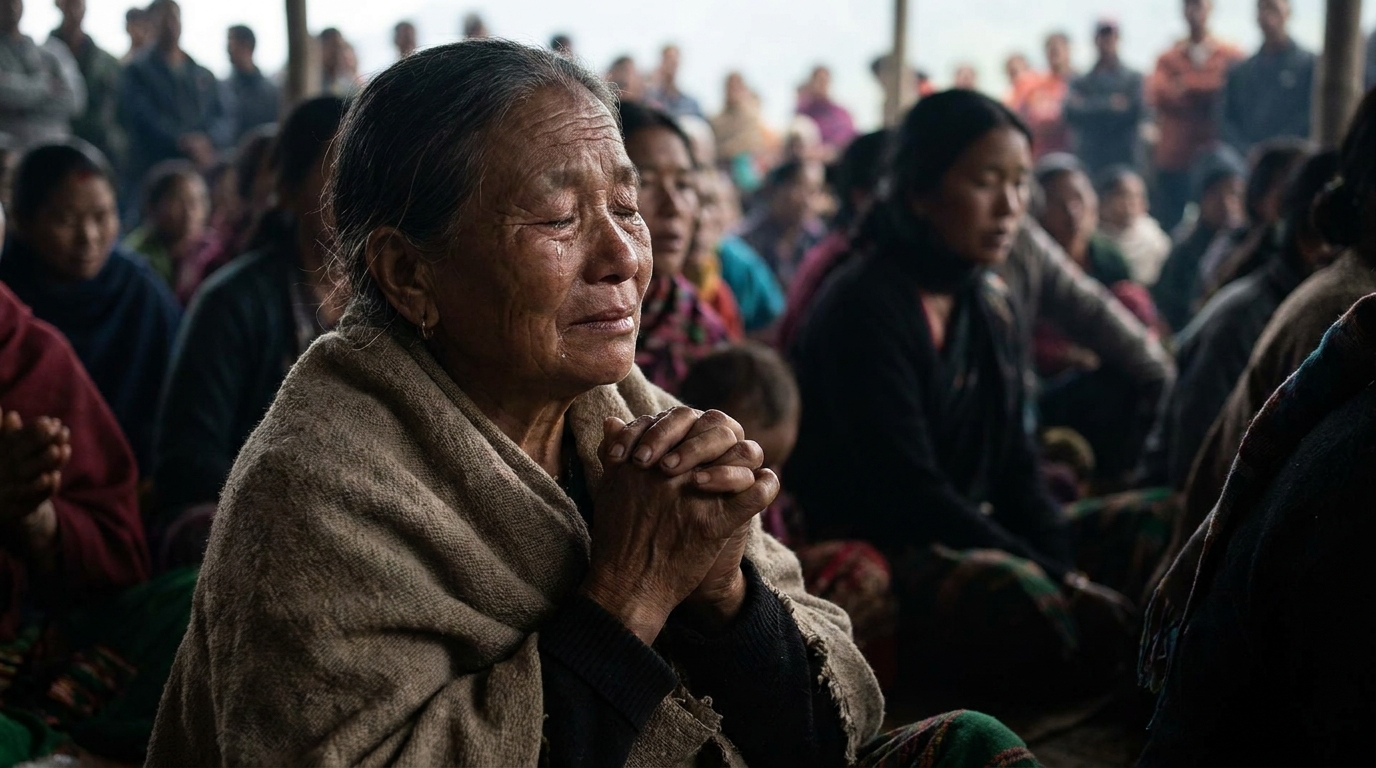
Understanding Mahābhāva becomes richer when we appreciate the stages that lead to it. The Bhakti teachers describe the progressive unfolding of divine love like the sweetness of sugarcane at different stages of refinement.
From Faith to Pure Love
The journey begins with śraddhā (initial faith) — perhaps hearing a beautiful kirtan, reading a verse from scripture, or meeting a kind devotee who inspires us. From there, the practitioner develops:
- Sādhu-saṅga — association with sincere devotees
- Bhajana-kriyā — taking up devotional practices like chanting the Holy Names
- Anartha-nivṛtti — the gradual cleansing of unwanted habits and attachments
- Niṣṭhā — steady, firm practice
- Ruci — genuine taste for devotional life
- Āsakti — deep attachment to God
- Bhāva — the first dawning of ecstatic love
- Prema — pure, mature love of God
And beyond prema, as we discussed, the love intensifies through sneha, māna, praṇaya, rāga, anurāga, and ultimately reaches Mahābhāva.
The Role of Chanting and Devotional Practice
Lord Caitanya Mahāprabhu taught that the most accessible and powerful practice for awakening divine love in this age is the chanting of the Holy Names of God, especially the Mahā-mantra:
Hare Kṛṣṇa, Hare Kṛṣṇa, Kṛṣṇa Kṛṣṇa, Hare Hare / Hare Rāma, Hare Rāma, Rāma Rāma, Hare Hare
In His famous Śikṣāṣṭaka prayers, Lord Caitanya describes the progressive effects of chanting, culminating in an overwhelming state of love:
> “O Govinda! Feeling Your separation, I am considering a moment to be like twelve years or more. Tears are flowing from my eyes like torrents of rain, and I am feeling all vacant in the world in Your absence.”
> — Śikṣāṣṭaka, Verse 7 (vedabase.io)
This verse gives us a window into the intensity of Mahābhāva — a love so deep that separation from God feels unbearable, and every moment without Him feels like an eternity.
Sure, here is the sentence with the clickable link:
Check out our website for more articles: more articles.
How Mahābhāva Inspires Our Daily Spiritual Life
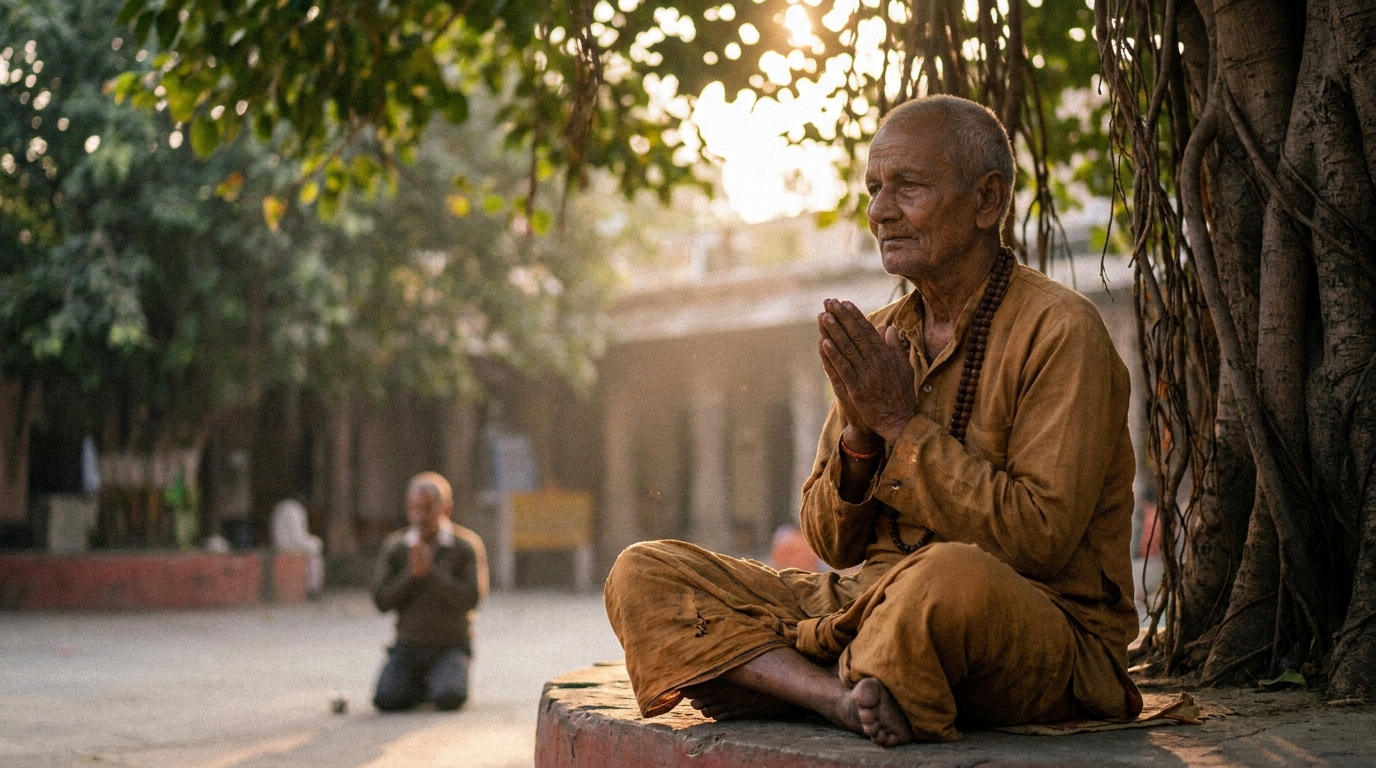
Even though Mahābhāva is the highest summit of spiritual love, its beauty has deeply practical implications for our everyday lives.
Cultivating Selfless Love in Relationships
The essence of Mahābhāva is selflessness — loving not for what we receive, but for the joy of the Beloved. We can bring this spirit into our daily relationships. When we serve our families, our friends, our communities — and ultimately God — with a heart that asks “How can I give?” rather than “What can I get?”, we are walking in the direction of divine love.
Deepening Our Chanting Practice
Knowing that chanting the Holy Names can gradually awaken the deepest love of the heart gives our daily japa (personal chanting) and kirtan (congregational singing) a beautiful sense of purpose. Each round of chanting, each moment of prayer, is a seed being planted in the garden of the heart.
As Śrīla Prabhupāda, the founder-ācārya of the International Society for Krishna Consciousness, often encouraged:
> “Chant Hare Kṛṣṇa and be happy.”
This simple instruction contains infinite depth. Happiness in chanting grows as love grows — and love grows as we chant with sincerity and humility.
Service as an Expression of Love
In Bhakti Yoga, sevā (loving service) is not a burden — it is the natural expression of a heart that loves. Whether we are cooking a meal for others, helping in our community, caring for a loved one, or offering a flower to God with devotion, every act of sincere service nourishes the love in our hearts.
Common Misconceptions About Mahābhāva
Because Mahābhāva is such an elevated topic, it is sometimes misunderstood. Let’s gently address a few common misconceptions.
It Is Not Ordinary Emotion
Mahābhāva is not sentimentality, nor is it the emotional highs and lows of worldly romance. It is a purely spiritual state that exists beyond the material mind and senses. It is experienced by the soul itself, in its eternal, purified relationship with God.
It Cannot Be Artificially Imitated
The Bhakti teachers caution us that Mahābhāva cannot be manufactured, imitated, or achieved through mechanical practice alone. It is a gift of divine grace, bestowed upon the heart that has been purified through sincere devotion, humility, and surrender. Attempting to artificially imitate such elevated states can actually be a hindrance to genuine spiritual progress.
It Is Not Only for a Select Few
While Mahābhāva in its fullest expression is extraordinarily rare — perfectly embodied by Śrīmatī Rādhārāṇī and the most elevated devotees — the aspiration for pure love is open to everyone. The beauty of Bhakti Yoga is that it is inclusive. The door is open to every soul, regardless of background, qualification, or past mistakes.
The Bhagavad-gītā confirms this with Lord Kṛṣṇa’s own words:
> “In all activities just depend upon Me and work always under My protection. In such devotional service, be fully conscious of Me.”
> — Bhagavad-gītā 18.57 (vedabase.io)
The Invitation of Mahābhāva: Love Is Calling
The story of Mahābhāva is ultimately a love story — the greatest love story ever told. It tells us that at the very heart of existence, there is a love so vast, so tender, and so beautiful that it surpasses anything we have ever known or imagined.
And here is the most wonderful part: that love is not distant. It is not locked away in ancient scriptures or reserved for some future lifetime. It is alive, right now, in the Holy Names, in the company of devotees, in every sincere prayer whispered from the heart, and in every small act of loving service offered to God and His children.
Your Next Step
You don’t have to understand everything at once. You don’t have to be perfect. You don’t have to have all the answers.
All you need is a sincere heart and a willingness to take one small step.
Maybe that step is chanting the Hare Kṛṣṇa mantra for the first time — or with renewed feeling. Maybe it is reading a verse from the Bhagavad-gītā or the Śrīmad-Bhāgavatam. Maybe it is showing up to a kirtan gathering with an open heart. Maybe it is simply pausing right now, closing your eyes, and offering a quiet prayer: “Dear Lord, please help me to love You.”
Whatever your step may be, please know this: you are welcome here. At The Bhakti House, we believe that every soul is a beloved child of God, and the journey of love is open to everyone — right here, right now, just as you are.
May the beauty of Mahābhāva inspire us all to love more deeply, serve more selflessly, and chant with ever-growing devotion. The Supreme Lord is waiting for us with open arms, and every sincere step we take toward Him, He takes ten steps toward us.
With love and gratitude,
The Bhakti House 🙏
FAQs
What is Mahābhāva?
Mahābhāva is a concept in Hindu philosophy and theology that refers to the highest and most intense form of love for the divine, particularly in the context of the relationship between the deity Krishna and his consort Radha.
What are the characteristics of Mahābhāva?
Mahābhāva is characterized by intense and selfless love, complete absorption in thoughts of the beloved, and a sense of oneness with the divine. It is considered to be the pinnacle of devotion and the ultimate goal for devotees of Krishna.
How is Mahābhāva described in religious texts?
Mahābhāva is described in detail in the Sanskrit texts of Gaudiya Vaishnavism, particularly in the writings of the 16th-century saint Chaitanya Mahaprabhu and his followers. The Bhakti-rasamrta-sindhu by Rupa Goswami is one of the key texts that discusses Mahābhāva.
What is the significance of Mahābhāva in Hinduism?
Mahābhāva is considered to be the highest expression of devotion and love for the divine in Hinduism. It is seen as the ultimate goal for devotees who seek to attain a deep and intimate relationship with Krishna and Radha.
How is Mahābhāva expressed in practice?
Devotees of Krishna express Mahābhāva through various devotional practices such as chanting, singing, dancing, and meditation. They seek to cultivate intense love and longing for the divine, with the ultimate aim of experiencing the ecstatic emotions of Mahābhāva.

