

Daily meditation is not only a wellness habit. It is a sacred invitation to come home—to the quiet place within the heart where the soul can remember God, receive peace, and find strength for the day.
In the Bhakti Yoga tradition, meditation is not cold or empty. It is warm, personal, and relational. Bhakti means “devotion” or “loving service.” Yoga means “connection.” So Bhakti Yoga is the path of reconnecting with the Divine through love.
Whether you are new to spiritual practice, returning after a long time, or already walking a devotional path, daily meditation can become a gentle doorway to inner peace. You do not need to be perfect. You do not need to know many Sanskrit words. You do not need to change your whole life overnight.
You can begin with one sincere breath, one prayer, one sacred sound, one moment of remembering that you are loved by God.
What Is Daily Meditation?
Daily meditation is the simple practice of turning inward each day to calm the mind, nourish the heart, and reconnect with what is sacred.
For some, meditation means sitting silently and watching the breath. For others, it means repeating a prayer, chanting the holy names of God, reading scripture, or offering gratitude. In Bhakti Yoga, meditation often includes mantra, prayer, and remembrance of the Supreme Person—known in Sanskrit as Bhagavan, meaning “the all-loving, all-attractive Lord.”
Meditation Is a Practice, Not a Performance
Many people feel discouraged because their minds are busy. They sit down to meditate and immediately think about emails, family responsibilities, old memories, or future plans.
This is normal.
The mind is naturally active. In the Bhagavad Gita, one of the most beloved scriptures of Bhakti Yoga, Arjuna honestly tells Krishna that the mind is restless, turbulent, and difficult to control. Krishna does not shame him. Instead, He explains that the mind can be trained through practice and detachment.
This gives us hope. Meditation is not about forcing the mind to become silent instantly. It is about lovingly guiding the mind back, again and again, to a sacred focus.
A Daily Meeting With the Divine
In Bhakti, meditation is like keeping a daily appointment with God.
Just as a friendship grows through regular communication, our spiritual life deepens when we make time each day to remember, listen, chant, pray, and offer our hearts. Even a few minutes can become powerful when done with sincerity.
Daily meditation helps us shift from reacting to life to responding with love. It gives the soul room to breathe.
Why Daily Meditation Brings Inner Peace
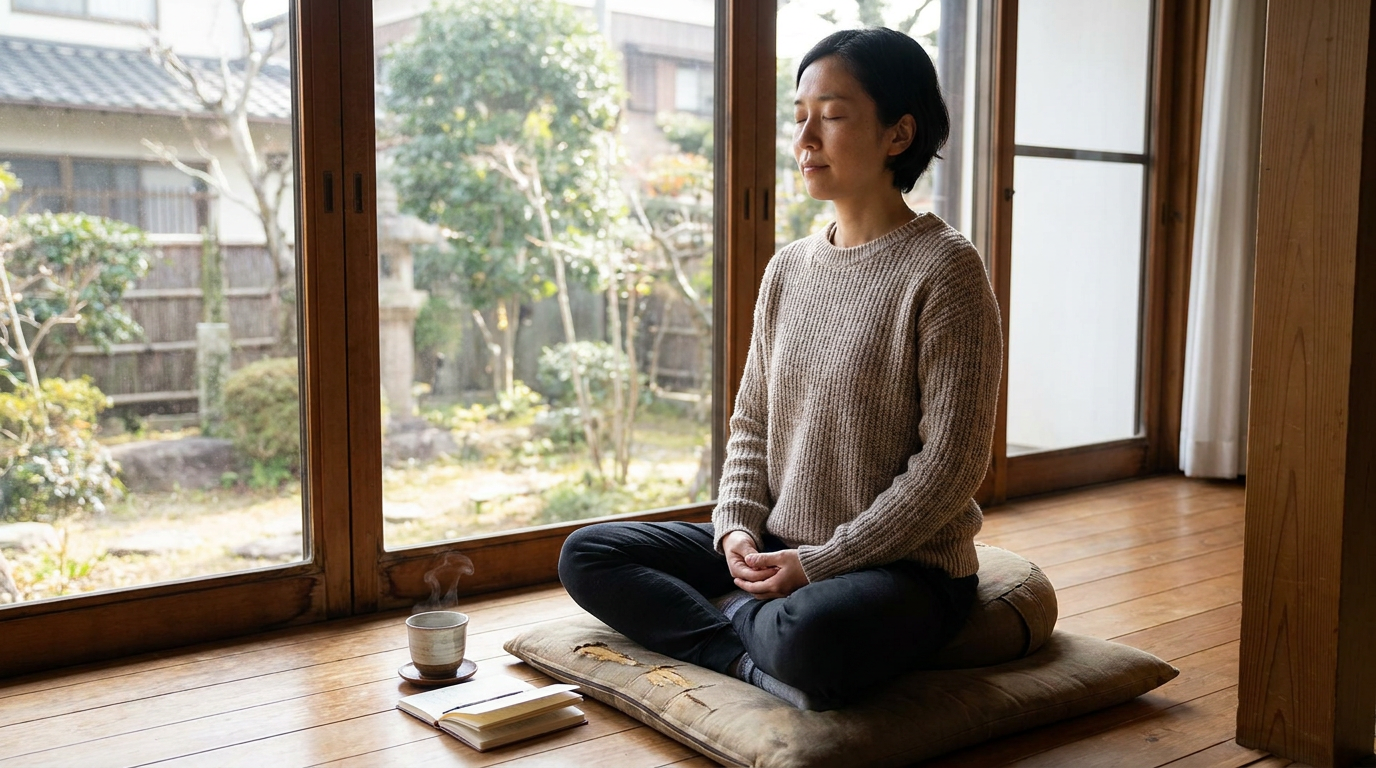
Inner peace does not mean that life becomes free from challenges. It means that we become more rooted, more prayerful, and more connected in the middle of life’s changes.
Daily meditation helps us remember that we are not merely our thoughts, fears, roles, or responsibilities. In Sanskrit, the word atma means “the self” or “the soul.” Bhakti teachings explain that we are eternal souls, deeply loved by God, and our natural purpose is to love and serve.
When we forget this, we feel anxious, lonely, or restless. When we remember it, peace begins to return.
Calming the Restless Mind
The mind often jumps between the past and the future. Meditation gently brings it into the present moment.
When we chant, breathe, or pray, we give the mind a sacred shelter. Instead of wandering endlessly, the mind can rest in divine sound, loving remembrance, and gratitude.
In Bhakti Yoga, sacred sound is especially important. A mantra is a spiritual sound vibration that helps focus the mind and awaken the heart. The word mantra can be understood as “that which frees the mind.” One of the most cherished mantras in the Bhakti tradition is the Hare Krishna maha-mantra:
Hare Krishna Hare Krishna
Krishna Krishna Hare Hare
Hare Rama Hare Rama
Rama Rama Hare Hare
Maha means “great,” so maha-mantra means “the great mantra.” This prayer calls upon the Divine energy and the Lord by name, asking to be lovingly engaged in service.
Healing the Heart Through Remembrance
Meditation is not only mental training. It is heart healing.
Many of us carry grief, disappointment, regret, or fear. When we sit in prayerful meditation, we allow these feelings to be seen in the presence of God. We do not have to hide. We do not have to pretend.
In the Bhakti tradition, Krishna is described as the friend of all living beings. This means we can approach the Divine honestly. We can say, “I am tired,” “I am confused,” “Please guide me,” or simply, “Thank You.”
This kind of meditation softens the heart. Over time, we may find ourselves becoming more patient, forgiving, humble, and kind.
Creating Space Before Reaction
A daily meditation practice helps create a small but powerful pause between what happens to us and how we respond.
Instead of reacting immediately with anger, fear, or stress, we begin to notice: “I have a choice.” That space is sacred. It is where spiritual growth happens.
Through daily meditation, we practice returning to the heart before we speak, act, or decide. This can bless our families, workplaces, friendships, and communities.
Sure, here is the sentence with the clickable link:
Check out our latest posts on posts.
Bhakti Yoga and Meditation: A Path of Love
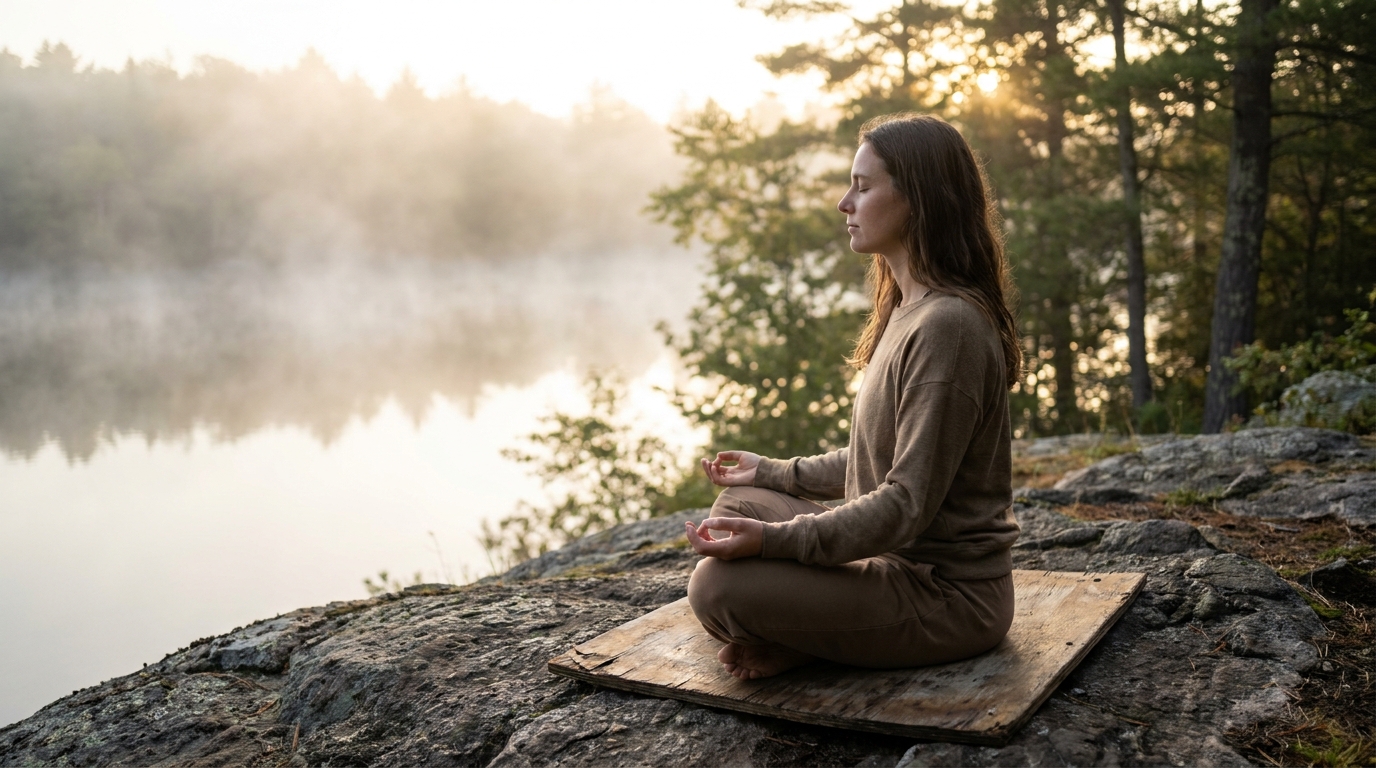
Bhakti Yoga teaches that the highest form of meditation is loving remembrance of God. This remembrance can take many forms: chanting, prayer, scripture, worship, service, gratitude, and offering daily activities with devotion.
It is not limited to a temple, church, monastery, or meditation cushion. Bhakti can enter the kitchen, the workplace, the car, the garden, the hospital room, and the busy family home.
Chanting as Meditation
Chanting is one of the most accessible forms of Bhakti meditation. It can be done softly, loudly, alone, or in community.
The Sanskrit word kirtan means “glorification” or “singing sacred names together.” In kirtan, people gather to chant divine names with music and devotion. Even if someone does not understand every word, the heart can still be touched by the sincerity and spiritual sound.
Another form is japa, which means softly repeating a mantra, often with beads. Japa meditation is personal and quiet. Each repetition becomes like offering a flower of sound to God.
Chanting helps redirect the mind from worry to worship. It transforms the breath into prayer.
Prayer as Meditation
Prayer is meditation in conversation form. It is speaking to God from the heart.
A prayer does not have to be fancy. It can be as simple as:
“Please guide me.”
“Help me serve with love.”
“Thank You for this day.”
“May I remember You.”
“Please bring peace to all beings.”
In Bhakti, prayer cultivates relationship. It reminds us that we are not alone. We are held, guided, and invited into loving connection.
Service as Meditation
Bhakti Yoga is practical. It teaches that meditation does not end when we open our eyes.
Seva means “service.” In Bhakti, seva is service offered with love and devotion. This may include cooking a meal, caring for a child, helping a neighbor, cleaning a sacred space, supporting a community, offering one’s talents, or simply listening compassionately to someone in need.
When service is offered to God, everyday actions become spiritual practice. Washing dishes can become meditation. Driving to work can become meditation. Caring for the body can become meditation. Speaking kindly can become meditation.
This is one of the beautiful gifts of Bhakti Yoga: it brings spiritual life into daily life.
How to Begin a Daily Meditation Practice
Starting a daily meditation practice does not have to be complicated. The most important qualities are sincerity, consistency, and gentleness.
If you can begin with five minutes a day, begin there. If you can sit for twenty minutes, wonderful. If some days are difficult, return the next day without guilt. Spiritual growth is a journey of grace.
Choose a Simple Time
Many spiritual traditions recommend morning meditation because the mind is often quieter before the day becomes busy. In Bhakti scriptures, early morning is considered especially favorable for spiritual practice.
But the best time is the time you can actually keep.
You might meditate:
- After waking up
- Before breakfast
- During a lunch break
- After work
- Before sleep
- Before making an important decision
Daily meditation becomes easier when connected to an existing habit. For example, after brushing your teeth, you sit for prayer. After making tea, you chant. Before checking your phone, you read one verse.
Create a Peaceful Space
A meditation space does not need to be large or perfect. It can be a corner of a room, a small table, a cushion, or a chair near a window.
You may place sacred items there if meaningful to you: a scripture, candle, prayer beads, flowers, a picture of Krishna or another form of God you worship, or anything that inspires devotion.
The purpose of the space is to remind the mind: “This is where I come to remember.”
Start With the Breath
Before chanting or prayer, take a few slow breaths. Let the body settle.
You may gently think:
Breathing in, I receive peace.
Breathing out, I release fear.
Breathing in, I remember God.
Breathing out, I offer my heart.
The breath is a bridge between body and mind. When the breath slows, the nervous system begins to soften. This prepares the heart for meditation.
Use a Mantra or Sacred Prayer
Choose one mantra, prayer, or sacred phrase to repeat daily. In Bhakti Yoga, the Hare Krishna maha-mantra is deeply recommended because it directly invokes the names of God.
You can chant softly for a few minutes each day. If you have prayer beads, you can repeat the mantra on each bead. If not, you can simply repeat it with attention and devotion.
When the mind wanders, do not be harsh. Gently return to the sound. Each return is part of the meditation.
End With Gratitude
Before you finish, pause and offer gratitude.
You might say:
“Thank You for this time.”
“May this practice help me love and serve better.”
“Please bless my thoughts, words, and actions today.”
“May all beings be peaceful.”
Gratitude helps carry meditation into the rest of the day.
A Simple Bhakti Meditation Practice for Inner Peace
Here is a practical daily meditation you can try. It is simple, devotional, and suitable for beginners.
You may practice for 5, 10, 15, or 20 minutes depending on your schedule.
Step 1: Sit With Intention
Find a comfortable seat. You may sit on the floor, on a cushion, or in a chair. Keep the spine gently upright, but not stiff.
Place your hands in your lap or over your heart.
Set a simple intention:
“I am here to remember God and receive peace.”
“I offer this meditation with sincerity.”
“May my heart become more loving.”
Step 2: Breathe and Soften
Take three to five slow breaths.
Let your shoulders relax. Let your jaw soften. Let your face become peaceful.
You do not need to push away thoughts. Simply notice them and return to the breath.
Step 3: Chant or Repeat a Prayer
Begin repeating a mantra or prayer.
If chanting the Hare Krishna maha-mantra, you can say it slowly and clearly:
Hare Krishna Hare Krishna
Krishna Krishna Hare Hare
Hare Rama Hare Rama
Rama Rama Hare Hare
Listen to each word. Let the sound enter the heart.
If you prefer another prayer from your tradition, you may use that. The essence is sincere remembrance and loving connection with God.
Step 4: Offer What You Are Carrying
After chanting for some time, pause and speak honestly to the Divine.
Offer your worries, hopes, mistakes, and gratitude. You might say:
“Here is my anxiety.”
“Here is my desire to do better.”
“Here is my family.”
“Here is my work.”
“Please help me serve with love.”
In Bhakti, nothing is too ordinary to offer. God receives the heart behind the offering.
Step 5: Carry Peace Into Action
Before you rise, ask: “How can I live this meditation today?”
Maybe the answer is to speak more gently, forgive someone, complete your work honestly, cook with love, call a friend, or spend less time in distraction.
Meditation becomes complete when peace becomes action.
What Bhakti Scriptures Teach About Meditation
Bhakti scriptures offer deep wisdom about the mind, the heart, and the power of remembering God. Their teachings are not meant to remain distant or theoretical. They are meant to be lived.
The Bhagavad Gita: Training the Mind With Compassion
In the Bhagavad Gita, Krishna explains that the mind can be either a friend or an enemy. When uncontrolled, it pulls us into confusion. When guided through spiritual practice, it becomes a friend on the path.
This is very practical. Daily meditation trains the mind to turn toward what nourishes the soul. Instead of letting every thought control us, we begin to choose our focus.
Krishna also teaches that whatever we do can be offered to Him. This means meditation is not separate from life. Our work, meals, relationships, and responsibilities can become offerings when done with devotion.
The Srimad Bhagavatam: Hearing and Chanting
The Srimad Bhagavatam, another treasured Bhakti text, emphasizes hearing and chanting about the Divine as a powerful way to purify the heart.
Hearing sacred wisdom and chanting divine names help cleanse the inner mirror of consciousness. In simple words, they help us see more clearly. We begin to remember who we are and what truly matters.
This is why community gatherings, kirtan, scripture study, and devotional conversations are so helpful. Spiritual sound nourishes the heart in a way ordinary noise cannot.
The Power of Sincere Offering
In the Bhagavad Gita, Krishna says that if one offers Him a leaf, a flower, fruit, or water with love and devotion, He accepts it.
This verse is very tender. It shows that God is not looking for wealth, status, or show. The Divine receives love.
Daily meditation can be like offering a small flower each day. Even if our practice feels simple, when it is offered with sincerity, it has spiritual value.
Common Challenges in Daily Meditation
Every sincere practitioner faces obstacles. The good news is that obstacles can become part of the path when met with patience and humility.
“My Mind Is Too Busy”
A busy mind does not mean you are failing. It means you are human.
When thoughts arise, gently return to your mantra, breath, or prayer. If you return one hundred times, that is one hundred acts of devotion.
The goal is not to defeat the mind with force. The goal is to guide it with love.
“I Don’t Have Enough Time”
Many people feel they cannot meditate because life is full. But daily meditation does not need to be long to be meaningful.
Start with five minutes. Chant while walking. Pray before meals. Read one sacred verse before bed. Take a mindful breath before answering a difficult message.
Small sincere practices, repeated daily, can transform the heart over time.
“I Don’t Feel Spiritual”
Some days feel dry. Some days prayer feels natural. Both are part of the journey.
In Bhakti, we do not depend only on changing emotions. We keep showing up, like watering a seed. The results may be hidden at first, but something sacred is growing beneath the surface.
Faith often deepens through steady practice.
“I Feel Unworthy”
Many people carry the pain of feeling unworthy of God’s love. Bhakti gently reminds us that divine grace is not earned by perfection. It is received through sincerity.
Come as you are. Sit as you are. Pray as you are.
The path of devotion begins with honesty.
Bringing Daily Meditation Into Everyday Life
The beauty of Bhakti Yoga is that meditation can continue throughout the day. We may begin in silence, but we carry the remembrance into action.
Before Meals
Pause before eating. Offer gratitude. In Bhakti, food prepared and offered with love to God is called prasadam, meaning “mercy” or “grace.”
Even a simple meal can become sacred when received with gratitude.
You might pray:
“May this food nourish my body and help me serve with love.”
During Work
Before beginning work, take one breath and offer your efforts.
You may think:
“May my work be honest, helpful, and pleasing to God.”
This changes the inner mood. Work becomes more than survival or ambition. It becomes service.
In Relationships
Daily meditation helps us become more present with others. We listen more deeply. We speak more carefully. We remember that every person is a soul.
This vision is central to Bhakti: all living beings are connected to God and worthy of respect.
Before Sleep
End the day with remembrance. You might chant softly, offer gratitude, or reflect:
“Where did I act with love today?”
“Where can I grow?”
“What do I need to surrender?”
Then rest in the care of the Divine.
Inner Peace as a Fruit of Devotion
Inner peace is not something we manufacture by control. It is something that blossoms when the heart is connected to its source.
In Bhakti Yoga, peace grows through loving relationship with God. Chanting purifies the mind. Prayer softens the heart. Service gives life purpose. Scripture gives wisdom. Community gives support. Daily meditation brings all of these together.
Peace Does Not Mean Escape
Bhakti meditation is not about escaping the world or avoiding responsibility. It helps us engage the world with a clearer heart.
When we meditate daily, we may still face challenges, but we face them with deeper trust. We may still feel emotions, but we are not completely ruled by them. We may still have duties, but we remember that our life can be an offering.
This is practical spirituality.
Peace Grows Through Love
The peace of Bhakti is not empty. It is full of love.
As the heart turns toward God, it naturally becomes more compassionate toward others. We begin to want peace not only for ourselves, but for all beings.
This is why daily meditation is not selfish. When we become more peaceful, we bring that peace into our homes, families, communities, and world.
Building a Sustainable Daily Meditation Routine
A lasting meditation practice is built with kindness, not pressure.
Keep It Realistic
Choose a practice you can maintain. It is better to meditate for five minutes daily than one hour once a month.
Let your practice grow naturally. Over time, you may feel inspired to chant more, read more, serve more, or join others in devotional practice.
Let Community Support You
Spiritual community is called sangha, meaning “association” or “company.” Good association helps nourish our intentions.
Meditating with others, attending kirtan, joining a study group, or speaking with sincere practitioners can strengthen your path. We are not meant to walk alone.
A loving community reminds us to keep going when we feel weak and celebrates with us when the heart opens.
Be Patient With Your Growth
Spiritual growth is often gradual. A seed does not become a tree in one day.
Some changes may be subtle: a little more patience, a little more gratitude, a little less fear, a little more willingness to serve. These are beautiful signs of inner transformation.
Trust the process. Trust the practice. Trust God’s timing.
A Gentle Daily Meditation Plan
If you are wondering how to begin this week, here is a simple plan:
Morning Practice
Sit for 5 to 10 minutes.
Take a few breaths. Chant a mantra or say a prayer. Ask for guidance. Offer the day to God.
Midday Pause
Take one minute before lunch or during a break.
Breathe. Remember your intention. Offer gratitude.
Evening Reflection
Before sleep, take 3 to 5 minutes.
Review the day gently. Offer thanks. Ask forgiveness where needed. Pray for strength to grow tomorrow.
This simple rhythm can bring sacred awareness into the whole day.
Everyone Can Begin
Daily meditation is a path to inner peace because it reconnects us with the deepest truth: we are souls, loved by God, and invited into a life of devotion.
You do not need to have everything figured out. You do not need to belong to a certain background, culture, or tradition to begin. Bhakti Yoga welcomes the sincere heart. The holy names of God, prayer, service, and loving remembrance are gifts available to everyone.
Start small. Sit quietly. Chant one mantra. Offer one prayer. Read one verse. Serve one person with love.
Every sincere step matters.
May your daily meditation become a shelter for your mind, a healing space for your heart, and a loving bridge between your soul and God. Wherever you are on the path, you are welcome. Today, take one sincere step toward God, and trust that God lovingly takes many steps toward you.
FAQs
What is daily meditation?
Daily meditation is the practice of setting aside time each day to focus the mind and eliminate distractions. It often involves deep breathing, mindfulness, and relaxation techniques to promote mental clarity and emotional well-being.
What are the benefits of daily meditation?
Daily meditation has been shown to reduce stress, improve concentration, increase self-awareness, and promote emotional health. It can also enhance self-discipline, increase creativity, and improve overall well-being.
How long should daily meditation sessions be?
The length of daily meditation sessions can vary depending on individual preferences and schedules. Some people may find benefit from just a few minutes of meditation each day, while others may prefer longer sessions of 20-30 minutes.
What are some common meditation techniques for daily practice?
Common meditation techniques for daily practice include mindfulness meditation, loving-kindness meditation, body scan meditation, and focused breathing meditation. Each technique focuses on different aspects of mental and emotional well-being.
How can I incorporate daily meditation into my routine?
Incorporating daily meditation into your routine can be as simple as setting aside a specific time each day, finding a quiet and comfortable space, and committing to the practice. Many people find it helpful to meditate first thing in the morning or before bed to establish a consistent routine.

