

Choosing a guru is one of the most sacred decisions a spiritual seeker can make. In Bhakti Yoga, the path of loving devotion to God, a guru is not simply a teacher, influencer, or inspiring speaker. A true guru is a spiritual guide who helps us awaken our eternal relationship with the Divine.
The Sanskrit word “guru” means one who brings us from darkness to light. “Gu” can be understood as darkness, and “ru” as that which removes it. In simple terms, a guru helps remove ignorance and guides the heart toward truth, love, humility, and service.
For some, the idea of accepting a guru may feel deeply meaningful. For others, it may feel unfamiliar or even intimidating. Wherever you are coming from—whether you are new to spirituality, raised in a faith tradition, exploring yoga, or returning to a devotional path—you are welcome here.
Bhakti Yoga teaches that spiritual life is personal. God is not distant. The soul is not forgotten. Love is not sentimental; it is the deepest reality. A genuine guru helps us live that love through chanting, prayer, service, study, and a life of sincerity.
Before committing to a guru, it is wise to ask thoughtful questions. The heart should be open, but not naïve. Faith and discernment can walk together. In fact, sincere discernment protects our faith.
Below are five important questions to ask before choosing a guru, offered in a spirit of humility and care.
The first and most important question is this: does this person help me love and remember God more?
In Bhakti Yoga, the guru is never meant to replace God. The guru is a servant of God, a guide who points the soul toward the Divine. A genuine spiritual master does not demand worship for personal ego, control, or status. Rather, they inspire devotion to Krishna, Rama, Vishnu, Narayana, or the Supreme Lord by whatever sacred name one sincerely calls upon God.
In the Bhagavad Gita, Krishna says:
“Learn the truth by approaching a spiritual master. Inquire from him submissively and render service. The self-realized souls can impart knowledge unto you because they have seen the truth.”
— Bhagavad Gita 4.34
This verse gives us a beautiful balance. We are encouraged to approach a teacher with humility, inquiry, and service. But the teacher must be one who has “seen the truth”—not merely one who speaks well, gathers followers, or creates an impressive image.
A True Guru Points Beyond the Ego
A genuine guru will not make themselves the center of your spiritual life in an unhealthy way. They may receive honor, but they direct that honor toward God and the lineage of saints and teachers before them.
They may say, in their own way:
“Chant God’s names.”
“Serve others.”
Read scripture.”
“Become humble.”
“Remember the Lord.”
“Offer your life in love.”
If a teacher constantly draws attention back to themselves, their power, their specialness, or their superiority, that is a warning sign. A sincere guru is transparent like a clean window. Through them, we see the light of God more clearly.
Practical Reflection
After spending time with this teacher, ask yourself:
Do I feel more inspired to pray?
Do I feel more drawn to chant sacred names?
Do I want to become kinder and more truthful?
Do I feel closer to God?
Or do I feel dependent on the personality, approval, or emotional control of the teacher?
Spiritual dependence on God is liberating. Psychological dependence on a human personality can become dangerous. A true guru helps us stand on the foundation of devotion, not fear.
2. Is This Teacher Living What They Teach?
In Bhakti Yoga, knowledge is not only intellectual. It must be lived. A guru’s words should be supported by their character.
No human being is perfect in a cheap or superficial sense. A guru may have a personality, preferences, health struggles, humor, and human limitations. But the essential qualities should be present: humility, compassion, steadiness, scriptural wisdom, self-control, and devotion to God.
The Srimad Bhagavatam, one of the central scriptures of Bhakti, describes saintly persons as compassionate, peaceful, tolerant, and friendly to all living beings. These qualities matter. They are not optional decorations; they are signs of spiritual maturity.
Character Is More Important Than Charisma
Charisma can attract the mind, but character nourishes the soul.
A teacher may speak beautifully, sing sweetly, or have a large following. These things can be wonderful when used in service to God. But they are not proof of spiritual realization.
Before committing to a guru, observe how the teacher behaves when they are not on a stage. How do they treat people who cannot benefit them? How do they respond to criticism? Are they gentle with newcomers? Do they respect women, children, elders, and those from different backgrounds? Are they transparent with money and power?
A guru’s private conduct should not contradict their public message.
The Fruit of Their Life
Jesus said, “By their fruits you will know them.” This wisdom harmonizes beautifully with Bhakti. We can look at the fruit of a teacher’s life.
Are their students becoming more humble, kind, disciplined, and devoted?
Is the community around them healthy and serviceful?
Is there a culture of respect, accountability, and spiritual growth?
Are people encouraged to develop their own sincere relationship with God?
A healthy tree produces healthy fruit. If the atmosphere around a teacher is filled with fear, gossip, competition, secrecy, or spiritual pride, pause and pray deeply before moving forward.
3. Is This Guru Connected to an Authentic Spiritual Lineage?
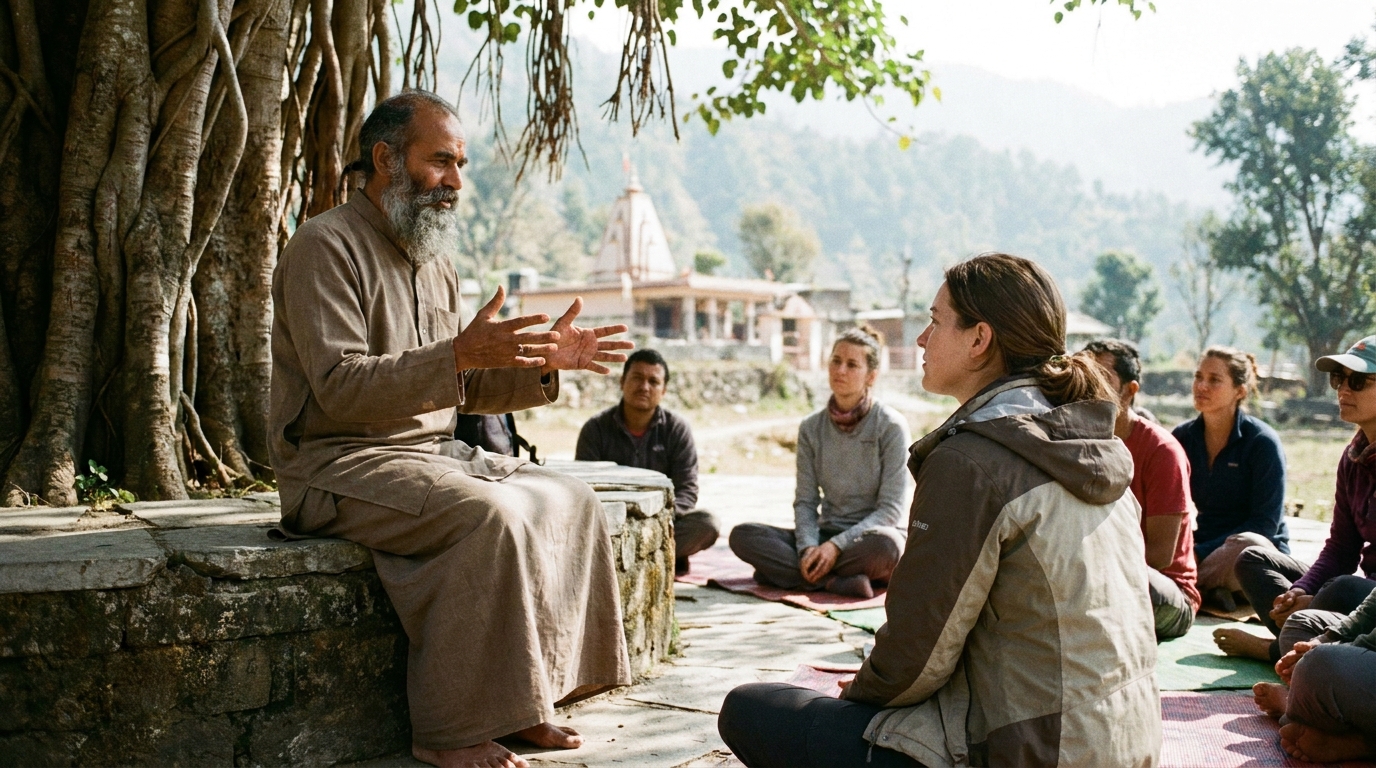
In Sanskrit, the word “parampara” means a disciplic succession, or a living chain of spiritual teachers passing down wisdom from teacher to student. In Bhakti Yoga, this is very important.
A guru does not invent truth. A guru receives, lives, and shares divine wisdom that has been handed down through scripture and realized saints.
This does not mean a teacher must be rigid, sectarian, or unable to speak to modern life. Authentic tradition is alive. It can be expressed with warmth, relevance, and compassion. But it should remain rooted in truth.
Why Lineage Matters
Lineage protects us from spiritual imagination. It keeps the teachings connected to scripture, practice, and the example of previous saints.
In the Bhagavad Gita, Krishna explains that spiritual knowledge was passed down through a chain of realized teachers. Over time, when that connection becomes broken or misunderstood, the Lord renews the teaching.
A teacher in authentic parampara does not claim, “I alone know the truth, and no one before me understood it.” Instead, they humbly honor those who came before.
They may refer to the Bhagavad Gita, Srimad Bhagavatam, the teachings of Sri Chaitanya Mahaprabhu, the writings of the acharyas, or other recognized saints in the Bhakti tradition. The word “acharya” means one who teaches by example.
Tradition Without Sectarianism
A genuine guru can be deeply rooted without being narrow-hearted. Bhakti Yoga honors the sincere devotion of all souls. God is not limited by our labels.
A real teacher may have a specific path, practice, and lineage, yet still respect people from different faiths and backgrounds. They do not need to insult others to establish their own devotion.
At The Bhakti House, we understand Bhakti Yoga as a practical path of love. It is not about spiritual superiority. It is about becoming a servant of God and a friend to all.
Questions About Lineage
Before accepting someone as guru, you may ask:
Who is their teacher?
What tradition are they representing?
What scriptures guide their teachings?
Are they accountable to senior practitioners or a spiritual community?
Do they honor the saints and teachers before them?
A teacher without accountability may become isolated. And isolation, combined with power, can harm both the teacher and the students.
Please visit our website for more information on our articles: articles.
4. Does This Teacher Encourage Honest Questions and Spiritual Growth?

A healthy guru-disciple relationship includes humility, inquiry, and service. In Bhagavad Gita 4.34, Krishna does not say to approach a guru with blind obedience. He says to inquire submissively.
This is a beautiful phrase. “Submissive inquiry” does not mean aggressive debate, nor does it mean silent suppression. It means asking sincere questions with a desire to learn and grow.
A genuine guru welcomes thoughtful questions. They may not answer every question immediately. They may guide us to scripture, prayer, chanting, or deeper reflection. But they will not shame us simply for seeking understanding.
Faith Is Not the Enemy of Discernment
Sometimes seekers worry that asking questions means they lack faith. But Bhakti teaches that real faith becomes stronger through sincere hearing, chanting, reflection, and practice.
The Sanskrit word “shraddha” means faith, trust, or heartfelt confidence. Shraddha is not blind belief. It is the soft beginning of the heart turning toward God.
A true guru helps that faith mature. They do not exploit it.
If a teacher says, “Never question me,” or “Your doubt proves you are fallen,” be careful. Of course, constant fault-finding can disturb spiritual life. But honest inquiry is part of the path.
Growth Over Control
A genuine guru wants you to grow spiritually. They want you to chant with sincerity, pray with honesty, serve with love, and develop good character. They are not trying to control every small detail of your life for personal power.
Spiritual guidance may sometimes be challenging. A guru may lovingly correct us. They may ask us to give up habits that harm our consciousness. They may encourage discipline in chanting, diet, relationships, service, or daily practice.
But loving guidance feels different from manipulation. Correction should be rooted in compassion and scripture, not anger, ego, or domination.
Signs of a Healthy Learning Environment
Look for these signs:
Questions are welcomed.
Scripture is explained thoughtfully.
Students are encouraged to think deeply.
Accountability exists for leaders.
No one is pressured to commit quickly.
Spiritual growth is measured by humility and service, not status.
A true guru does not fear your growth. They celebrate it.
5. Do I Feel Called to Serve, Not Just Receive?
Choosing a guru is not like choosing a podcast, therapist, or favorite author. A guru-disciple relationship is sacred and reciprocal. The disciple does not merely receive inspiration; the disciple offers service, commitment, and transformation.
In Bhakti, “seva” means loving service. Seva is not forced labor or exploitation. It is the natural expression of love. When we love God, we want to serve God’s devotees, God’s creation, and God’s mission of compassion.
Before committing to a guru, ask yourself: am I willing to be guided? Am I willing to practice? Am I willing to serve?
Commitment Should Be Sincere, Not Rushed
Spiritual life is not a race. It is better to walk slowly with sincerity than to run quickly with confusion.
Some seekers become excited after hearing a powerful lecture or attending a beautiful kirtan. Kirtan means devotional chanting, usually of God’s names, often with music and community. The heart opens, tears may come, and one may feel, “This is my guru!”
Such experiences can be meaningful. But emotions alone should not decide a lifelong spiritual commitment.
Take time. Listen. Observe. Serve. Pray. Study. Speak with senior practitioners. See how the teacher lives and how their community functions. Let your faith become steady.
Service Reveals the Relationship
When we serve under someone’s guidance, we begin to understand their mood. Do they appreciate service, or do they demand it? Do they teach that service is for God, or do they use service to build their own importance?
In the Bhakti tradition, the guru accepts service on behalf of God and uses it to purify the disciple’s heart. The guru should never exploit the disciple’s labor, money, vulnerability, or trust.
Healthy seva brings joy, humility, and connection to God. It may be challenging, but it should not crush the soul.
Inner Readiness
Ask yourself:
Am I drawn to this teacher’s devotion?
Do I trust their guidance over time?
Do I want to serve the mission they represent?
Do I feel more connected to God through this relationship?
Am I willing to accept discipline with humility?
If the answer is not yet clear, that is okay. Continue chanting, praying, studying, and serving. Clarity often comes gradually.
The Role of Scripture in Choosing a Guru
Bhakti Yoga does not ask us to rely only on feelings. Scripture gives us guidance.
The Upanishads advise seekers to approach a qualified spiritual teacher to understand spiritual truth. The Bhagavad Gita teaches inquiry and service. The Srimad Bhagavatam describes the qualities of saintly persons and the importance of hearing from devotees of God.
Scripture is like a lamp. It helps us see clearly when emotions, projections, or social pressure cloud our vision.
What Makes a Guru Qualified?
Different Bhakti traditions may describe qualifications in slightly different ways, but common qualities include:
They are devoted to God.
They understand scripture.
They live with integrity.
They belong to an authentic lineage.
They are free from selfish exploitation.
They guide others with compassion.
They inspire chanting, prayer, and service.
They help disciples become servants of God, not servants of ego.
The Mundaka Upanishad says that one should approach a teacher who is both learned in sacred wisdom and established in realization. This means the guru should know the teachings and live them.
Scripture and the Heart
At the same time, choosing a guru is not merely a checklist. It is also a matter of the heart. There should be trust, inspiration, reverence, and a sense that this guide can help you move closer to God.
Both are needed: scriptural discernment and heartfelt connection.
Red Flags to Notice Before Committing
Because the guru-disciple relationship is so sacred, it can be deeply healing when genuine and deeply harmful when misused. It is compassionate to name red flags clearly.
This is not meant to make us suspicious of everyone. It is meant to help us protect our spiritual life.
Pressure to Commit Quickly
Be cautious if a teacher or community pressures you to accept initiation, make vows, donate money, or surrender your life before you have had time to understand the path.
True devotion cannot be forced. Love grows through sincere practice.
Lack of Accountability
If a teacher is accountable to no one, dismisses all criticism, and claims to be beyond correction, this is dangerous.
Even advanced spiritual leaders should honor accountability, scripture, community, and the examples of previous saints.
Manipulation Through Fear
A teacher should not use fear to control students. Statements like “If you leave me, God will reject you” or “Your suffering is because you doubted me” can become spiritually abusive.
A true guru may warn us about the consequences of material life, but they do so to awaken us, not to trap us.
Exploitation of Money, Sex, or Power
Any exploitation of disciples’ bodies, finances, emotions, or loyalty is a serious warning sign. Bhakti is a path of purity and love. Spiritual authority must never be used for selfish gratification.
Isolation From Family or Other Support
Sometimes spiritual growth changes our relationships, and not everyone will understand our path. But a teacher who tries to isolate you from all family, friends, or outside counsel may be seeking control rather than your well-being.
A healthy spiritual life makes us more compassionate, balanced, and responsible—not less.
The Importance of Prayer and Chanting in This Decision
Choosing a guru is not only an intellectual decision. It is a prayerful journey.
In Bhakti Yoga, we are encouraged to chant the holy names of God. Many practitioners chant the maha-mantra:
Hare Krishna Hare Krishna
Krishna Krishna Hare Hare
Hare Rama Hare Rama
Rama Rama Hare Hare
“Hare” calls upon the divine energy of the Lord. “Krishna” means the all-attractive Supreme Person. “Rama” means the source of spiritual joy. In simple language, this mantra is a prayer: “O Lord, O divine energy of the Lord, please engage me in Your loving service.”
When we chant sincerely, the heart becomes clearer. We begin to recognize what nourishes devotion and what distracts us.
Pray for Guidance
You can pray in your own words:
“Dear God, please guide me to the teachers, community, and practices that will help me love You sincerely. Protect me from pride, confusion, and false surrender. Help me recognize genuine devotion.”
This kind of prayer is powerful. God is in the heart. In the Bhagavad Gita, Krishna says He is seated in everyone’s heart and gives remembrance, knowledge, and direction.
Let Time Be Part of the Process
Time reveals. A teacher may look inspiring at first, but over time, their character becomes clearer. A community may feel exciting at first, but over time, its culture becomes visible.
Do not be afraid to take time. A genuine guru will not be offended by your sincere carefulness. They will appreciate your desire to make a sacred commitment thoughtfully.
What If I Am Not Ready for a Guru?
Not everyone is ready to formally accept a guru right away. That is okay.
You can still practice Bhakti Yoga sincerely. You can chant God’s names, read sacred texts, attend kirtan, serve others, pray, and associate with devotees. You can learn from teachers respectfully without prematurely making a lifelong commitment.
Begin With Practice
Start with simple daily devotion:
Chant for a few minutes each morning.
Offer your food to God with gratitude.
Read a few verses from the Bhagavad Gita.
Serve someone without expecting recognition.
Pray honestly before sleep.
Spend time with sincere spiritual people.
These practices prepare the heart. As the heart becomes purified, the need for guidance becomes clearer, and the right relationship can unfold naturally.
Seek Sadhu-Sanga
In Bhakti, “sadhu-sanga” means association with saintly people or sincere devotees. This association is considered essential.
You may not yet have one guru, but you can benefit greatly from the company of those who are trying to live a God-centered life. Their example can strengthen your faith and help you recognize genuine spiritual qualities.
A Humble Way to Approach a Potential Guru
If you feel drawn to a teacher, approach with respect, not demand. Listen deeply. Ask thoughtful questions. Offer some service if appropriate. Watch your own heart.
Questions You Might Ask Directly
You may ask:
“What daily practices do you recommend for someone beginning Bhakti Yoga?”
“How do you understand the role of guru in spiritual life?”
“What lineage or tradition do you represent?”
“How should a disciple deal with doubts or questions?”
“What safeguards exist in your community for accountability and care?”
“How can I serve in a healthy and sustainable way?”
A genuine teacher will not be threatened by sincere questions asked respectfully.
Speak With Senior Students
It can also be helpful to speak with long-term students. Ask them about their experience. Do they feel spiritually nourished? Are they encouraged to grow? How are difficulties handled? What is the culture of the community?
Be observant, but not cynical. Be open, but not careless.
The Five Questions in Summary
Choosing a guru is a sacred step. These five questions can help guide your discernment:
1. Does this teacher lead me toward God, or toward themselves?
A true guru points beyond ego and awakens devotion to the Lord.
2. Is this teacher living what they teach?
Look for humility, compassion, integrity, and spiritual steadiness.
3. Is this guru connected to an authentic spiritual lineage?
A genuine teacher honors scripture, parampara, and the saints who came before.
4. Does this teacher encourage honest questions and spiritual growth?
Healthy guidance includes inquiry, accountability, and loving correction.
5. Do I feel called to serve, not just receive?
The guru-disciple relationship is rooted in commitment, seva, and transformation.
Choosing With Faith, Wisdom, and Love
At its heart, choosing a guru is not about joining a club, adopting an identity, or becoming spiritually impressive. It is about awakening love for God.
A guru helps us remember who we are: eternal souls, beloved by the Divine, meant for loving service. The guru helps us move from selfishness to service, from distraction to remembrance, from loneliness to sacred relationship.
In Bhakti Yoga, the path is practical. We chant. We pray. We serve. We study. We gather with devotees. We offer our food, our work, our relationships, and our struggles to God. Over time, the heart softens.
And when the heart is ready, God can send guidance in a beautiful and personal way.
If you are seeking a guru, be patient with yourself. Pray sincerely. Chant the holy names. Study the teachings. Serve with humility. Ask good questions. Trust that God sees your heart.
You do not need to pretend to be advanced. You do not need to rush into vows. You do not need to have everything figured out. Begin where you are.
Everyone is welcome on the path of Bhakti. Whatever your background, whatever your story, whatever your doubts or hopes, you can take one sincere step toward God today—with one prayer, one chant, one act of service, one honest moment of love.
FAQs
What are some important questions to ask before choosing a guru?
Some important questions to ask before choosing a guru include: What is the guru’s background and experience? What is their teaching style and philosophy? What are their expectations of their students? What is their availability for guidance and support? What is their track record of helping students achieve their goals?
How can a guru’s background and experience impact their ability to guide and teach?
A guru’s background and experience can impact their ability to guide and teach by providing them with the knowledge, skills, and insights necessary to effectively mentor and support their students. A guru with a strong background and extensive experience in their field is more likely to have a deep understanding of the subject matter and be able to offer valuable guidance and wisdom to their students.
What role does a guru’s teaching style and philosophy play in the student-guru relationship?
A guru’s teaching style and philosophy play a crucial role in the student-guru relationship as they shape the way in which the guru imparts knowledge and guidance to their students. The teaching style and philosophy of a guru can influence the learning experience, the methods used to convey information, and the overall approach to personal and spiritual growth.
Why is it important to understand a guru’s expectations of their students?
Understanding a guru’s expectations of their students is important because it helps to establish clear boundaries and responsibilities within the student-guru relationship. By knowing what is expected of them, students can better align their goals and efforts with the guru’s teachings and guidance, leading to a more productive and fulfilling learning experience.
How can a guru’s availability for guidance and support impact the student’s learning journey?
A guru’s availability for guidance and support can significantly impact the student’s learning journey by providing them with the necessary assistance and mentorship when facing challenges or seeking direction. A guru who is accessible and responsive to their students’ needs can offer valuable support and encouragement, ultimately enhancing the student’s growth and development.

