
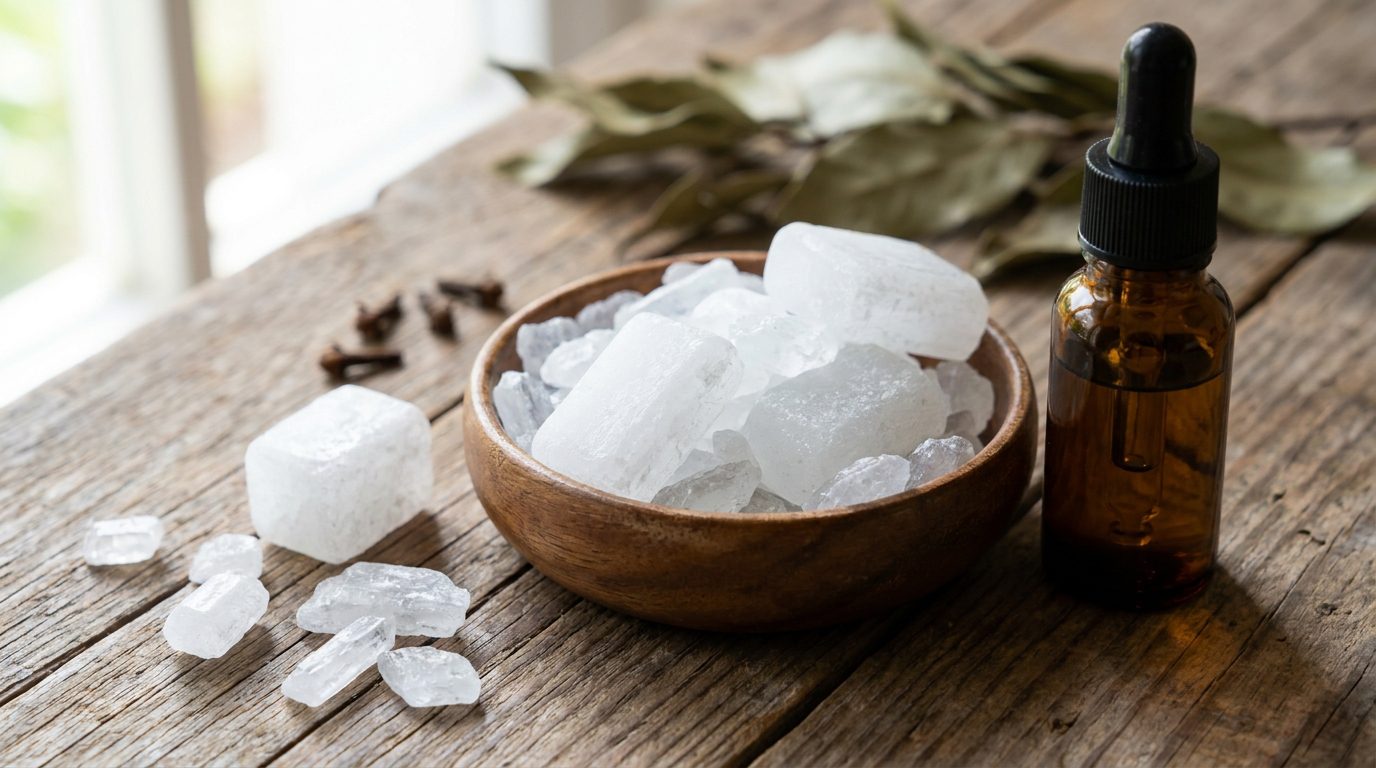
Camphor is a fragrant, crystalline substance known for its cooling scent, bright flame, and long history in spiritual and traditional practices. In many temples and homes, camphor is offered as part of worship, especially during ārati—a devotional ceremony where light is offered to God with love and gratitude.
In Sanskrit, camphor is often called karpūra. You may hear devotees refer to a “camphor lamp” or “camphor flame” during worship. Its fragrance is sharp, clean, and uplifting. Its flame burns beautifully and, when pure, leaves very little residue. For this reason, camphor has become a powerful symbol in Bhakti Yoga, the path of loving devotion to God.
Bhakti Yoga teaches that every part of life can become sacred when offered with devotion. A simple lamp, a flower, a song, or even a breath can become a bridge between the soul and the Divine. Camphor reminds us of this truth. It burns fully, gives light, spreads fragrance, and disappears—like a heart offered completely in love.
Whether you are new to spiritual practice, raised in a devotional tradition, or simply curious about natural sacred ingredients, camphor has much to teach us. This guide explores camphor’s origins, types, uses, spiritual meaning, safety, and place in Bhakti practice.
The Origins and Types of Camphor
Camphor has been valued for centuries across India, China, Southeast Asia, the Middle East, and beyond. It has been used in temples, traditional medicine, cleansing rituals, perfumes, and household remedies.
Natural Camphor
Natural camphor comes from the wood of the camphor tree, especially Cinnamomum camphora. Traditionally, the wood was processed through distillation to produce the fragrant crystals. Natural camphor has a strong but clean aroma and is often preferred for sacred use.
In some regions, camphor can also be derived from certain other plants, including varieties of basil and rosemary, though the camphor tree remains the most well-known source.
Synthetic Camphor
Today, much of the camphor available in shops is synthetic. Synthetic camphor is often produced from turpentine oil and may be used in industrial products, ointments, and some household items.
For devotional worship, many people prefer pure, natural camphor when possible. If you are purchasing camphor for puja—a Sanskrit word meaning worship or sacred offering—it is good to check labels carefully. Look for terms like “edible camphor” or “natural camphor” if appropriate, but always use caution and understand the intended purpose.
Edible Camphor
Edible camphor, sometimes called pacha karpooram in South Indian traditions, is used in very tiny quantities in certain sweets and temple offerings. It is highly concentrated and should never be used casually or in large amounts.
Please note: not all camphor is edible. Many forms are strictly for external or ritual use only. If you are unsure, do not consume it.
Camphor Tablets for Worship
Many temples and home altars use small camphor tablets during ārati. These are convenient and burn easily. However, quality varies. Some may contain additives or chemicals. If you are sensitive to smoke or fragrance, choose carefully and use in a well-ventilated space.
Camphor in Bhakti Yoga and Hindu Worship
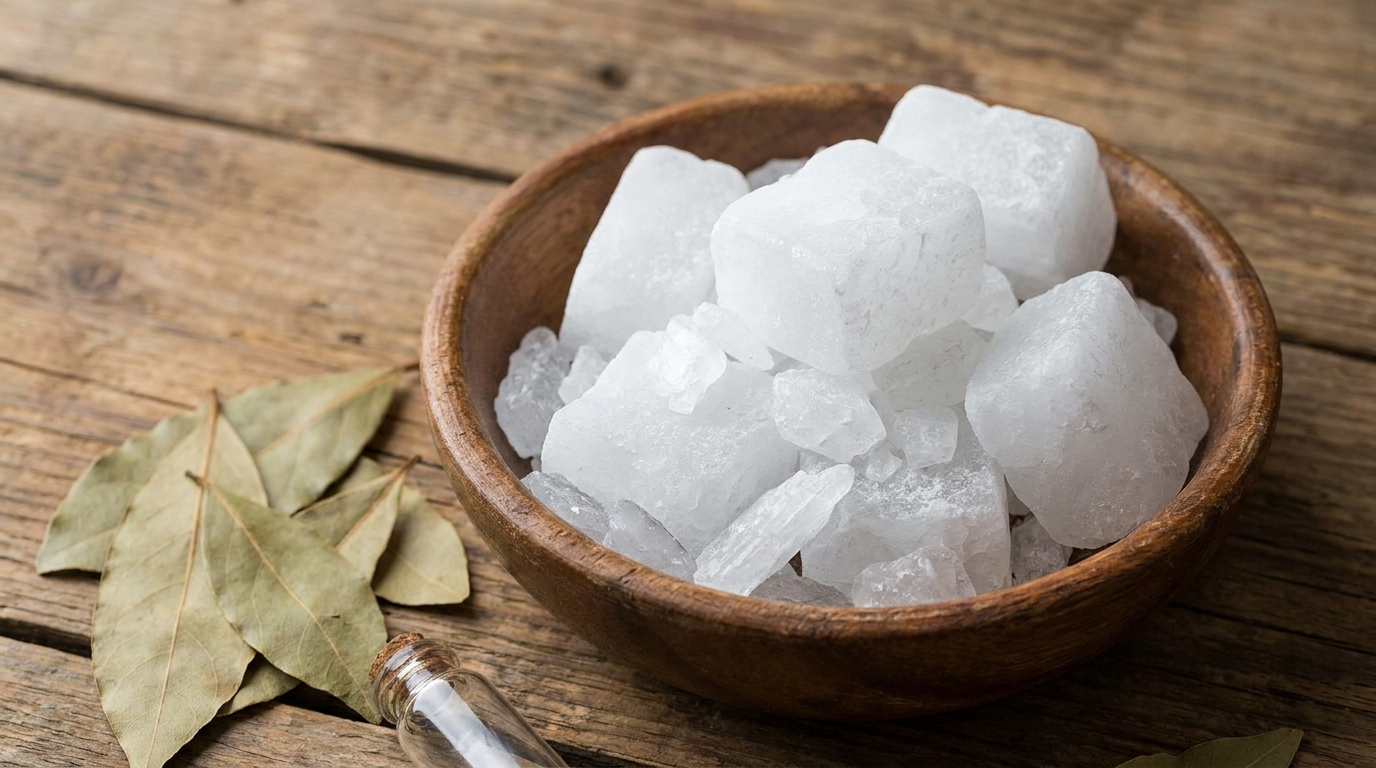
In Bhakti Yoga, the heart of spiritual life is loving relationship with God. The word bhakti means devotion, loving service, or heartfelt dedication. It is not limited to one culture, background, or level of knowledge. Anyone can begin with sincerity.
Camphor plays a special role because it is often used in ārati, one of the most beloved devotional practices.
What Is Ārati?
Ārati is the offering of light before the Divine. A lamp is waved before the sacred image or form of God, often accompanied by bells, singing, chanting, and prayer. The light may come from ghee lamps, oil lamps, or camphor.
During ārati, devotees may sing names of God, such as Krishna, Rama, Narayana, Radha, Shiva, Durga, or other beloved forms according to their tradition. In Bhakti, the Divine is approached personally—with love, gratitude, and longing.
The flame represents our offering. We are not merely lighting an object. We are saying, “May my life become light. May my heart burn with love. May my ego be offered into Your grace.”
Why Camphor Is Offered
Camphor burns without leaving much behind. This has deep devotional meaning. It symbolizes the ego being consumed in the fire of divine love.
In everyday life, ego means the false sense that “I am the controller,” “I am separate,” or “Everything is meant for me.” Bhakti gently transforms this. We learn to say, “I belong to God. Let my thoughts, words, and actions become an offering.”
When camphor burns, it gives itself completely. In the same way, a devotee prays to give the heart fully—not out of fear, but out of love.
Light as a Symbol of Divine Presence
Across many spiritual traditions, light represents wisdom, purity, hope, and divine presence. In the Bhagavad-gītā, a sacred Bhakti scripture, Krishna describes spiritual knowledge as that which removes ignorance, just as the sun removes darkness.
Camphor’s bright flame reminds us that even a small light can transform a dark room. Similarly, one sincere prayer can begin to transform a restless heart.
Please visit our website for more information on our articles: articles.
The Spiritual Symbolism of Camphor
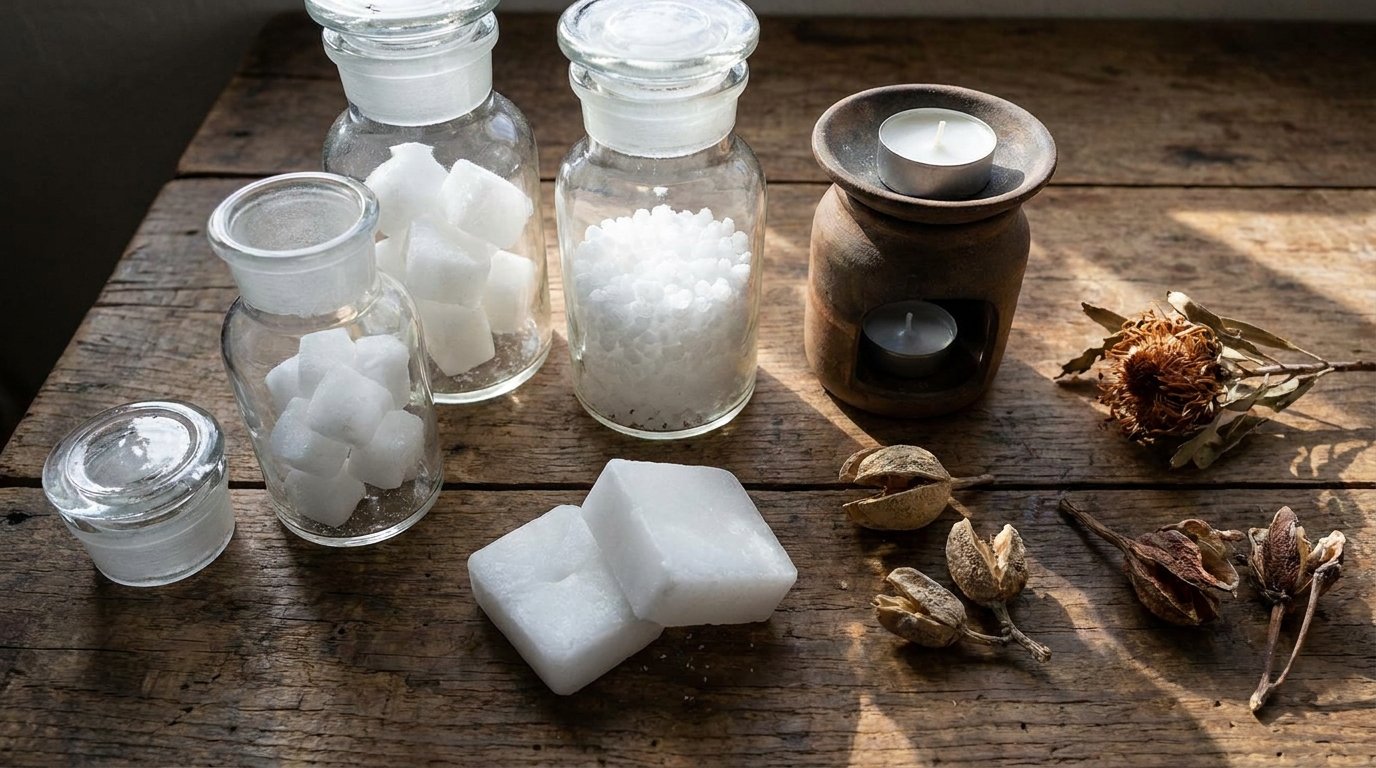
Camphor is more than a ritual substance. It teaches spiritual lessons in a simple, visible way.
Complete Surrender
The camphor flame rises and disappears. Nothing is held back. This points to śaraṇāgati, a Sanskrit word meaning surrender or taking shelter in God.
Surrender in Bhakti does not mean becoming passive or losing our individuality. It means trusting divine love. It means offering our burdens, our pride, our confusion, and our gifts to God.
A simple prayer of surrender may be:
“Dear Lord, I do not know everything. Please guide me. Let my life become useful in Your service.”
Purification of the Heart
Camphor has a refreshing scent that can make a space feel clear and sacred. In the same way, devotion purifies the inner atmosphere of the heart.
Bhakti scriptures often explain that chanting the holy names of God cleanses the heart. The Śrī Caitanya-caritāmṛta and teachings of Sri Chaitanya Mahaprabhu especially emphasize nāma-saṅkīrtana—the congregational chanting of God’s names.
A well-known prayer from Sri Chaitanya begins with the idea that chanting cleanses the mirror of the heart. This means our true self is already spiritual, but it becomes covered by fear, selfishness, anger, or forgetfulness. Chanting helps remove those coverings.
Camphor can remind us to ask: “What needs to be purified in me today? What can I offer into the flame of devotion?”
Fragrance of Devotion
A small piece of camphor can fill a room with fragrance. Similarly, one humble act of love can influence a whole family, community, or temple.
Bhakti is not only about what happens at an altar. It is also how we speak, how we forgive, how we feed others, how we work honestly, and how we remember God during the day.
Devotion has a fragrance. People may not always see our prayers, but they can feel the kindness that grows from them.
Practical Uses of Camphor
Camphor has many traditional uses. Some are devotional, some are household-based, and some are connected with wellness traditions. It is important to use camphor responsibly and respectfully.
Camphor for Ārati and Puja
The most common devotional use is burning camphor during ārati. Usually, a small piece or tablet is placed on a metal holder or spoon and lit carefully. The flame is then offered before the Deity, sacred picture, or home altar.
If you are new to this practice, keep it simple:
- Set a clean space.
- Place a picture or sacred form of God on an altar or shelf.
- Offer water, flowers, incense, or a simple lamp if available.
- Light a small piece of camphor safely.
- Offer it in a circular motion while chanting or praying.
- Sit quietly for a moment and offer your heart.
You do not need perfection. Bhakti is about sincerity. A small offering made with love is spiritually meaningful.
In the Bhagavad-gītā 9.26, Krishna says that if one offers Him a leaf, flower, fruit, or water with devotion, He accepts it. The emphasis is not on wealth or complexity. It is on love.
Camphor for Meditation Spaces
Some people use camphor to refresh meditation rooms or prayer spaces. Its fragrance can help create a sense of sacredness and focus.
However, because camphor smoke can be strong, use only a small amount and ensure ventilation. If you have asthma, respiratory sensitivity, pregnancy concerns, or young children nearby, be extra cautious or avoid burning it.
A clean and sacred space does not depend only on fragrance. A sincere heart, gentle chanting, and loving intention are the true foundation.
Camphor in Traditional Wellness
Camphor has been used in traditional wellness systems, including Ayurveda, for external applications. Ayurveda is an ancient Indian system of health and balance. In some preparations, camphor is used in balms or oils for its cooling, aromatic qualities.
Still, camphor must be used with care. It can be toxic if swallowed in improper forms or amounts. It should not be applied directly in concentrated form to broken skin. Always follow product instructions and consult a qualified health professional if unsure.
Camphor for Household Freshness
In some homes, camphor is placed in cupboards or corners to discourage insects and freshen the air. Again, it should be kept away from children and pets. Camphor is powerful, and a little goes a long way.
How to Use Camphor Safely
While camphor is sacred and useful, it must be handled responsibly. Spiritual practice should support life, health, and peace.
Burn Camphor with Care
When burning camphor:
- Use a heat-safe metal holder.
- Keep it away from cloth, paper, curtains, and hair.
- Do not leave it unattended.
- Keep children and pets at a safe distance.
- Use only a small amount.
- Make sure the room has airflow.
During temple worship, trained devotees often handle lamps. At home, be humble and cautious. Safety is also a form of service.
Do Not Ingest Ritual Camphor
Most camphor sold for worship is not meant to be eaten. Ingesting non-edible camphor can be dangerous.
If a recipe calls for edible camphor, use only food-grade edible camphor and in extremely tiny quantities. If you are uncertain, skip it. No offering loses its devotion because one ingredient is omitted.
Avoid Overuse
More camphor does not mean more spirituality. Bhakti is not measured by smoke, flame size, or external display. The inner mood matters most.
If camphor causes headaches, coughing, dizziness, or discomfort, stop using it. You can offer a ghee lamp, candle, flower, or simple prayer instead.
Store Camphor Properly
Store camphor in a sealed container, away from heat and sunlight. Keep it clearly labeled. Keep it out of reach of children and animals.
If you use both edible and non-edible camphor in your home, store them separately and label them carefully.
Camphor and the Mood of Offering
In Bhakti Yoga, the mood behind an offering is everything. Camphor teaches us how to offer—not only substances, but ourselves.
Offering the Mind
Our minds are often busy. Thoughts come like waves: worries, plans, memories, desires. When we stand before a sacred flame, we can gently offer the mind to God.
You may pray:
“Please accept my restless mind. Please help me remember You with love.”
This is a beautiful beginning. We do not need to wait until the mind is perfectly still. We bring the mind as it is and ask for grace.
Offering the Voice Through Chanting
Chanting is central to Bhakti Yoga. The Sanskrit word mantra means a sacred sound that helps free and focus the mind. One of the most beloved mantras in the Bhakti tradition is the Hare Krishna maha-mantra:
Hare Krishna Hare Krishna
Krishna Krishna Hare Hare
Hare Rama Hare Rama
Rama Rama Hare Hare
“Maha-mantra” means great mantra. “Hare” calls upon the divine energy of the Lord, often understood as the compassionate energy of Radha. “Krishna” means the all-attractive Lord. “Rama” means the source of joy and spiritual pleasure.
Chanting can be done aloud, softly, or in the heart. You can chant before lighting camphor, during ārati, or anytime in the day. The holy name is considered non-different from God in Bhakti scriptures, meaning God is personally present in sacred sound.
Offering the Hands Through Service
Bhakti becomes strong when love becomes action. Service is called seva in Sanskrit. It means serving God and all beings with humility.
Lighting camphor is one form of service. Cooking a meal with love, cleaning a temple, helping a neighbor, caring for family, listening compassionately, or sharing wisdom kindly can also be seva when done as an offering.
The camphor flame lasts only a short time. But the spirit of offering can continue all day.
Camphor in Scripture and Sacred Poetry
Camphor appears in devotional culture, sacred poetry, and temple traditions. It is often connected with purity, fragrance, and worship.
Camphor in Deity Worship
In many temples, offerings include incense, lamps, water, cloth, flowers, food, music, and camphor. These offerings are not meant to “give” God something He lacks. God is complete. Rather, they awaken love in us.
Bhakti scriptures describe the Lord as accepting the devotion of the devotee. The offering is a relationship.
When a mother feeds her child, the food is not only nutrition—it is love. When a devotee offers camphor, the flame is not only fire—it is longing, gratitude, and surrender.
The Bhagavad-gītā and the Heart of Offering
The Bhagavad-gītā is a sacred conversation between Lord Krishna and Arjuna. It teaches many paths of spiritual growth, but again and again it returns to devotion.
In Bhagavad-gītā 9.27, Krishna says that whatever we do, whatever we eat, whatever we offer or give away, and whatever austerity we perform should be done as an offering to Him.
This verse makes Bhakti practical. It means worship is not limited to temple time. Our whole life can become sacred.
Camphor, then, becomes a teacher. It asks: “Can this moment be offered? Can this action be offered? Can this challenge be offered?”
Sacred Poetry and the Camphor-Like Heart
Devotional poets often compare the heart to substances that melt, burn, or become fragrant in love of God. Camphor’s nature reflects this beautifully.
A hardened heart may soften through chanting. A distracted heart may become focused through prayer. A selfish heart may become fragrant through service. This transformation is the miracle of Bhakti.
Choosing Camphor for Spiritual Practice
If you want to use camphor in your home worship or meditation, choose thoughtfully.
Look for Purity
Try to find camphor that is suitable for worship and has minimal additives. Natural camphor is often preferred, but availability and budget vary. Do your best without anxiety.
Remember, devotion is greater than ingredients. If you cannot find ideal camphor, offer a candle, lamp, or even your folded hands.
Buy from Trusted Sources
Purchase from reputable spiritual shops, Ayurvedic stores, or trusted suppliers. Read labels. Avoid products with unclear ingredients, especially if you are sensitive to chemicals.
Consider Your Home Environment
If you live in a small apartment, share space with others, or have respiratory concerns, choose a gentle practice. You may light camphor occasionally rather than daily, or use a ghee lamp instead.
Bhakti should bring peace, not pressure.
A Simple Camphor Ārati Practice at Home
You do not need a large temple room to begin. A small, clean corner can become sacred when approached with love.
Prepare the Space
Place a picture of Krishna, Radha-Krishna, Rama, Narayana, Shiva, Durga, Jesus, or any form of God you lovingly worship. Bhakti House welcomes sincere seekers of all backgrounds. The essence is loving remembrance of the Divine.
You may add flowers, a small bowl of water, incense, or a candle. Keep the area clean and peaceful.
Begin With Prayer
Before lighting camphor, take a breath and say a simple prayer:
“Dear God, please accept this offering. Please guide my heart toward love, humility, and service.”
If you know a mantra, chant it. If not, speak honestly. God hears the heart.
Offer the Flame
Light a small piece of camphor on a safe holder. Gently move the flame in circles before the sacred image. Traditionally, the lamp may be offered first to the feet, then the body, then the face, or in simple circular motions.
You may ring a bell, sing a devotional song, or chant:
Hare Krishna Hare Krishna
Krishna Krishna Hare Hare
Hare Rama Hare Rama
Rama Rama Hare Hare
When the flame finishes, sit quietly. Let the fragrance remind you that your life can carry devotion into the world.
Share the Blessing
In many traditions, after ārati, devotees cup their hands over the offered flame and bring the warmth toward their head or heart. This is a way of receiving blessings, called prasāda—mercy or grace that has been offered to God and returned to us.
If you do this, be careful not to touch the flame or hot holder. Receive the moment with gratitude.
Common Questions About Camphor
Is Camphor Necessary for Worship?
No. Camphor is beautiful and traditional, but not required. The most important ingredient is devotion. Krishna says He accepts even a leaf, flower, fruit, or water when offered with love.
If you have no camphor, offer a candle. If you have no candle, offer a flower. If you have no flower, offer a prayer. If you have no words, offer a tear. God is not far away.
Can Anyone Use Camphor in Bhakti Practice?
Yes, with proper safety and respect. Bhakti Yoga is open to everyone—regardless of nationality, religion, gender, age, or background. You do not have to be “perfect” or know every rule to begin.
Start with humility. Learn gradually. Ask sincere questions. Let your practice grow naturally.
What If I Feel Nothing During Ārati?
That is okay. Spiritual growth is not always dramatic. Sometimes the heart opens slowly.
Continue with patience. Chant, pray, serve, and keep good company. In Bhakti, spiritual association is called sādhu-saṅga—the company of sincere spiritual people. It nourishes faith and steadiness.
Even when we feel dry, a sincere offering is never wasted.
Is Camphor the Same as Kapur?
Yes. “Kapur” or “kapoor” are common names for camphor in several Indian languages. In Sanskrit, it is karpūra. Different regions may use different names, but they often refer to the same fragrant substance.
The Deeper Lesson: Becoming Like Camphor
Camphor’s greatest gift may be its quiet teaching. It does not ask to be admired. It simply burns, gives light, spreads fragrance, and disappears.
This is the mood of true devotion.
We may ask ourselves:
- Can I bring light into someone’s life today?
- Can I let go of one small piece of pride?
- Can I chant one round, one mantra, or one sincere prayer?
- Can I serve without needing recognition?
- Can I remember God before beginning my work?
Bhakti Yoga is practical. It is not only philosophy. It is love practiced through the body, voice, mind, and heart.
A camphor flame lasts only moments, but the lesson can shape a lifetime. Let the ego become lighter. Let the heart become warmer. Let the fragrance of devotion spread through our words and actions.
Walking the Path of Bhakti One Step at a Time
If you feel drawn to camphor, ārati, chanting, or devotional life, begin gently. God is not waiting for a grand performance. The Divine responds to sincerity.
You might begin with one small practice:
- Light a lamp and say a prayer.
- Chant the Hare Krishna mantra for five minutes.
- Read one verse of the Bhagavad-gītā.
- Offer your food before eating.
- Serve someone with kindness.
- Visit a temple or devotional gathering.
- Sit quietly and ask God for guidance.
The path of Bhakti is a path of relationship. Like any relationship, it grows through time, attention, honesty, and love.
Camphor reminds us that love becomes real when it is offered. May our hearts become like that sacred flame—bright, fragrant, humble, and fully dedicated to the service of God.
Wherever you are coming from, whatever your background, you are welcome. Take one sincere step toward God today—with a chant, a prayer, an act of service, or a simple offering of the heart. That one step matters, and by grace, it can illuminate the path ahead.
FAQs
What is camphor?
Camphor is a white, crystalline substance with a strong, aromatic odor. It is derived from the wood of camphor trees or synthesized from turpentine oil.
What are the uses of camphor?
Camphor is commonly used in traditional medicine for its analgesic and anti-inflammatory properties. It is also used in the production of mothballs, as a plasticizer for celluloid, and as an ingredient in some topical pain relief products.
Is camphor safe for use?
Camphor can be toxic if ingested in large amounts and can cause skin irritation if used in high concentrations. It should be used with caution and according to the recommended dosage.
What are the health benefits of camphor?
Camphor has been used to relieve pain, reduce itching, and treat respiratory conditions such as coughs and congestion. It also has antimicrobial properties and can be used as a natural insect repellent.
Are there any precautions to consider when using camphor?
Camphor should not be used on broken or irritated skin, and it should be kept out of reach of children and pets. Pregnant and breastfeeding women should consult a healthcare professional before using camphor products.

