
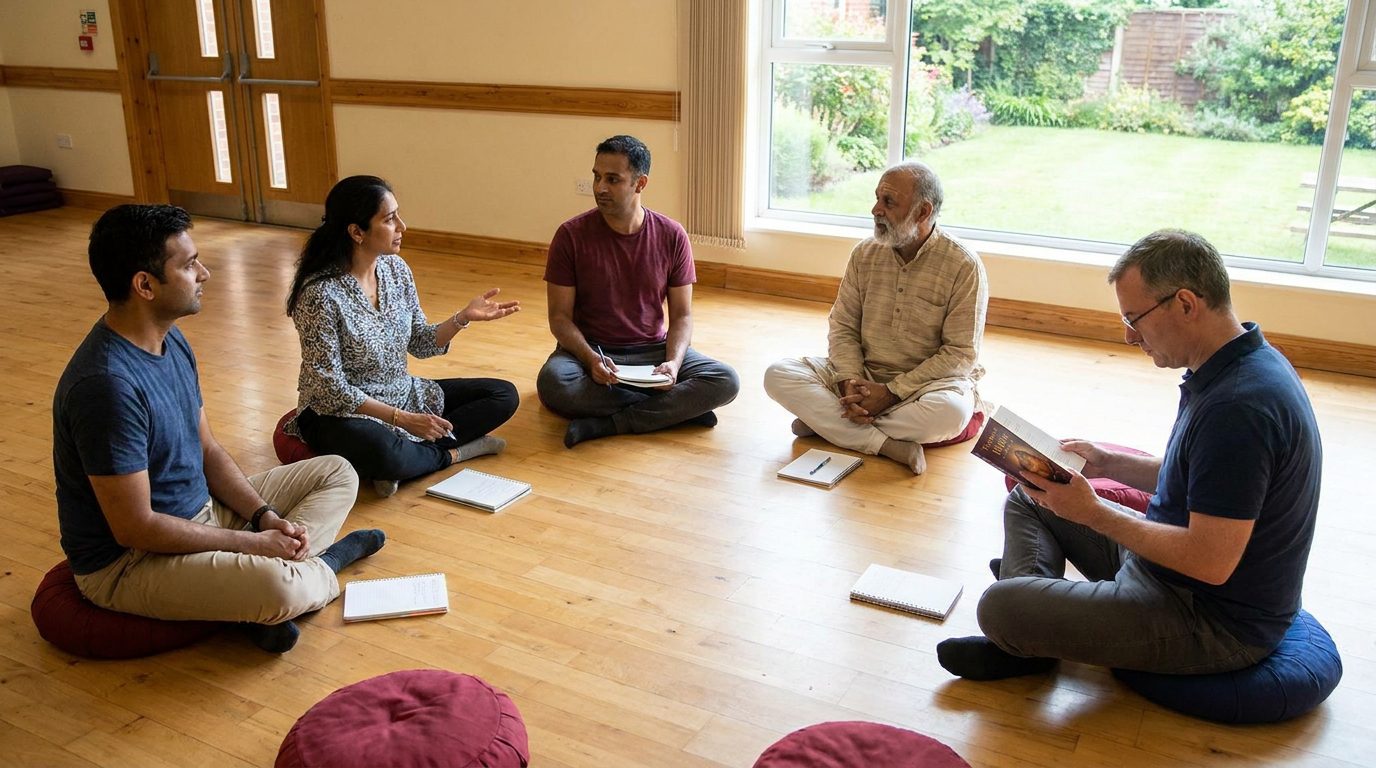
Beginning the Journey: What Is Bhakti Yoga?
Bhakti Yoga is the path of loving devotion to God. The Sanskrit word bhakti means devotion, love, or heartfelt service. Yoga means connection, union, or a process that links us with the Divine. So Bhakti Yoga is the practical spiritual path of reconnecting the heart with God through love.
In the Bhakti tradition, God is not only understood as a distant power or abstract energy, but as a loving Person who can be known, served, remembered, and loved. Different traditions may use different names for God—Krishna, Rama, Vishnu, Allah, Yahweh, Christ, the Divine Mother, the Supreme, or simply God. At The Bhakti House, we welcome sincere seekers from all backgrounds. You do not need to change your culture, family, or identity to begin practicing bhakti. You only need a willing heart.
Bhakti Yoga teaches that our deepest nature is spiritual. We are not merely bodies, labels, occupations, or temporary moods. We are souls, and the soul’s natural happiness awakens through loving relationship with God and compassionate relationship with all living beings.
This is why bhakti is both ancient and very practical. It includes chanting, prayer, sacred study, community, service, and daily remembrance. It can be practiced in a temple, at home, while driving, cooking, walking, working, or caring for family. Bhakti does not ask us to run away from life. It invites us to bring God lovingly into the center of life.
In the Bhagavad-gita, one of the most beloved scriptures of Bhakti Yoga, Krishna says, “Always think of Me, become My devotee, worship Me, and offer your homage unto Me” (Bhagavad-gita 18.65). This is not meant as a heavy command, but as a loving invitation: “Let your heart come close. Remember Me. Offer your life in love. I am here.”
For beginners, that may sound beautiful but also overwhelming. How do I remember God? What do I chant? Do I need to understand Sanskrit? What if my mind wanders? What if I have doubts?
These questions are natural. In fact, asking sincere questions is part of the path. Bhakti is not blind sentiment. It is a living relationship that grows through honest inquiry, personal practice, and grace.
Common Question: Do I Need to Be Hindu to Practice Bhakti?
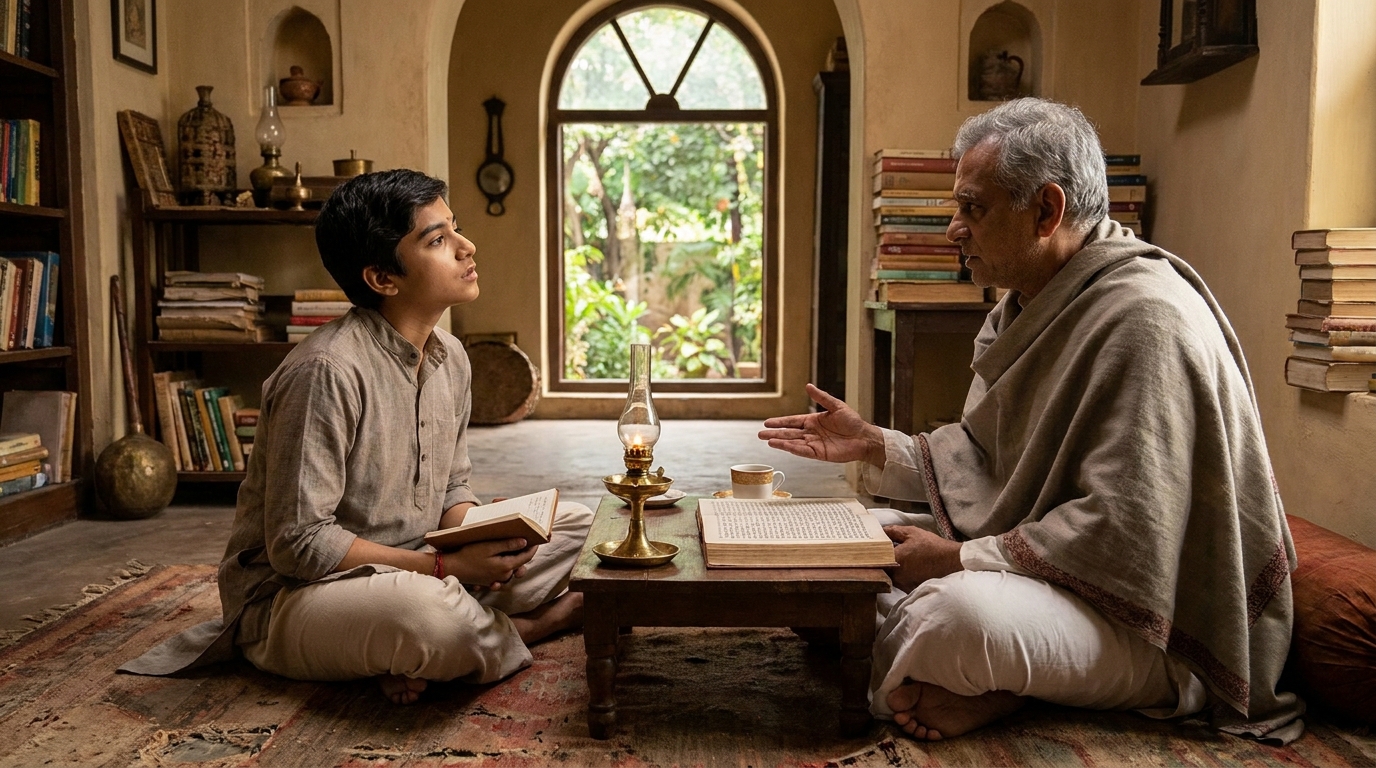
No. You do not need to be Hindu to practice Bhakti Yoga.
Bhakti comes from the Vedic tradition of India, and many of its scriptures, songs, mantras, and festivals are rooted in that sacred culture. We honor that deeply. At the same time, bhakti itself is universal because love for God is universal.
A person from any background can chant God’s names, offer prayer, serve others, read sacred wisdom, and live with more compassion. These are not limited by nationality, ethnicity, gender, age, or religious upbringing.
Bhakti Respects the Heart’s Sincere Search
Some people come to bhakti after growing up in a different faith tradition. Some come with no religious background at all. Some have been hurt by religion and are carefully finding their way back to spiritual life. Some are curious about mantra meditation, kirtan, vegetarian cooking, philosophy, or community.
Wherever you begin, you are welcome.
Bhakti Yoga does not demand that you pretend to be something you are not. It asks you to become more honest, more loving, more surrendered, and more connected to God. That process unfolds gradually.
In the Bhagavad-gita (4.11), Krishna says, “As all surrender unto Me, I reward them accordingly.” A practical way to understand this is: God meets us where we are. If we take one sincere step, divine help comes in ways we may not expect.
Honoring Tradition Without Imitation
Sometimes beginners worry, “Am I allowed to chant Sanskrit mantras?” or “Is it disrespectful if I do not understand everything?”
The key is humility and sincerity. We approach sacred practices with respect, not as trends or decorations, but as gifts received through a living spiritual tradition. We learn from teachers, scriptures, and sincere practitioners. We ask questions. We avoid using sacred things casually or for ego. We practice with gratitude.
You do not have to imitate external customs perfectly in order to begin. You can start simply: chant, pray, listen, learn, and serve.
Common Question: What Is Chanting, and Why Is It So Important?
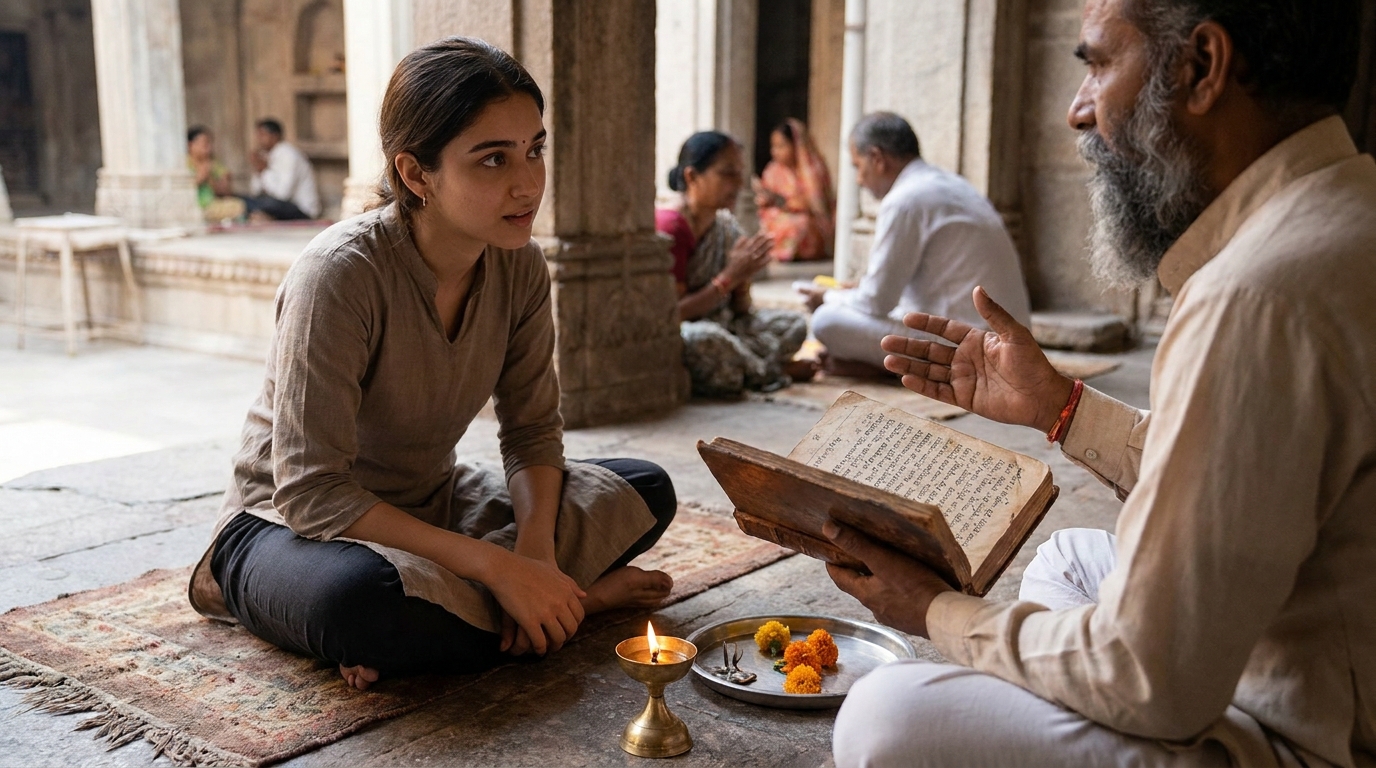
Chanting is one of the central practices of Bhakti Yoga. In Sanskrit, sacred sound is often called mantra. The word mantra can be understood as “that which frees the mind.” Man refers to the mind, and tra suggests liberation or protection.
In bhakti, we chant the holy names of God because God and God’s name are spiritually connected. This may feel mysterious at first, but we can understand it through experience. When we hear the name of someone we love, our heart remembers them. Their name carries presence, relationship, and feeling. Similarly, sacred names awaken remembrance of the Divine.
One of the most widely practiced mantras in Bhakti Yoga is the Hare Krishna maha-mantra:
Hare Krishna, Hare Krishna
Krishna Krishna, Hare Hare
Hare Rama, Hare Rama
Rama Rama, Hare Hare
Maha-mantra means “great mantra.” Hare addresses God’s loving energy. Krishna means the all-attractive Lord. Rama means the source of spiritual joy. A simple prayerful meaning is: “O Lord, O Divine Energy of the Lord, please engage me in loving service.”
What If I Do Not Understand Sanskrit?
You do not need to be fluent in Sanskrit to receive benefit from chanting. Sacred sound works on the heart, not only the intellect. Still, learning the meaning helps us chant with more feeling.
You can begin by chanting slowly and sincerely. Listen to each word. Let the sound enter the heart. If your mind wanders, gently bring it back. There is no need for harshness. The mind has wandered for many years; it learns steadiness through patience.
What Is Japa?
Japa means personal mantra meditation, often practiced on beads. A strand of japa beads usually has 108 beads. The practitioner chants the mantra once on each bead, moving bead by bead. This gives the mind and body a simple rhythm.
Beginners may start with just a few minutes a day. You might chant one round, or even chant for five minutes each morning. The most important thing is sincerity and regularity.
What Is Kirtan?
Kirtan is congregational chanting, often with music. One person leads, and others respond. Kirtan can be joyful, meditative, soft, or ecstatic. It is not a performance in the ordinary sense. It is a shared prayer.
Many people first encounter Bhakti Yoga through kirtan. They may not understand the philosophy yet, but they feel peace, openness, or relief. That is the mercy of sacred sound. It can soften the heart before the mind has figured everything out.
Discover a wide range of insightful articles that delve into various spiritual topics. These articles provide guidance and inspiration for personal growth. Stay updated with the latest articles to enhance your spiritual journey.
Common Question: Do I Need a Guru or Spiritual Teacher?
In Bhakti Yoga, guidance is very important. A guru is a spiritual teacher who helps remove darkness by giving divine knowledge. The Sanskrit root gu can mean darkness, and ru can mean remover. A genuine guru does not claim to be God. Rather, the guru helps us come closer to God.
For beginners, the idea of accepting a guru may feel unfamiliar or even intimidating. That is understandable. Bhakti does not ask us to be careless. It encourages thoughtful, prayerful discernment.
Start by Learning From Sincere Practitioners
Before making any formal commitment, you can learn from trustworthy teachers, attend classes, ask questions, read scripture, and observe the character of practitioners. Spiritual life grows best in the company of people who are humble, compassionate, steady, and devoted.
The Sanskrit word sadhu-sanga means association with saintly people or sincere devotees. This association is one of the greatest supports on the path. When we spend time with people who are trying to remember God, serve others, and live simply, our own faith becomes nourished.
How Do I Recognize Authentic Guidance?
Authentic spiritual guidance should deepen humility, love, wisdom, and service. It should not manipulate, exploit, isolate, or inflate the ego. A genuine teacher points us toward God, scripture, and sincere practice—not toward personality worship or fear.
The Bhagavad-gita (4.34) encourages seekers to approach spiritual teachers with humility, inquiry, and service: “Learn the truth by approaching a spiritual master. Inquire submissively and render service.” This does not mean we stop thinking. It means we ask sincerely, listen respectfully, and apply what is helpful.
What If I Am Not Ready for a Guru?
That is okay. You can still practice bhakti. Chant. Pray. Read. Serve. Associate with devotees. Ask God for guidance. In time, the heart becomes clearer, and the next step reveals itself.
Spiritual life is not a race. It is a relationship.
Common Question: What Should I Read First?
Bhakti Yoga has a rich library of sacred texts. For beginners, the most recommended starting point is often the Bhagavad-gita. It is a conversation between Krishna and Arjuna on a battlefield, but the real battlefield is also the human heart.
Arjuna is confused, overwhelmed, and unsure of his duty. Krishna guides him with spiritual wisdom about the soul, action, meditation, devotion, and surrender. This makes the Gita deeply relevant for modern life.
The Bhagavad-gita as a Practical Guide
The Bhagavad-gita teaches that we are eternal souls, that our actions can be offered to God, and that devotion is the highest perfection of life. It does not simply tell us to abandon responsibility. Instead, Krishna teaches Arjuna how to act with spiritual consciousness.
For example, Krishna says in Bhagavad-gita 9.26: “If one offers Me with love and devotion a leaf, a flower, a fruit, or water, I will accept it.” This verse is very encouraging. God does not require wealth, status, or scholarship. He looks for love.
A beginner can take this verse literally and practically. Offer a little fruit, water, or a simple vegetarian meal to God with gratitude. Say a prayer: “Dear Lord, please accept this offering. Please help me remember You and serve with love.” Then receive that food as grace, called prasadam.
What Is Prasadam?
Prasadam means mercy or grace. In bhakti, food that has been lovingly offered to God becomes spiritually blessed. Eating prasadam is a simple and beautiful practice. It turns an everyday activity into devotion.
You do not need a complicated ritual to begin. Prepare food with cleanliness and care, avoid tasting while cooking if possible, place the food before a picture or sacred space, and offer it with prayer. The essence is love.
Other Helpful Texts
After or alongside the Bhagavad-gita, many seekers explore the Srimad-Bhagavatam, a devotional scripture filled with stories, philosophy, prayers, and teachings about God and His devotees. The Bhagavatam emphasizes hearing about Krishna, remembering Him, and cultivating pure devotion.
Beginners may also appreciate collections of bhajans, which are devotional songs, or introductory books on chanting, karma, the soul, and devotional living.
The most important point is not to read only for information. Read to be transformed. Even a few verses studied prayerfully can nourish the heart for the whole day.
Common Question: What Does Daily Practice Look Like?
A daily Bhakti Yoga practice can be simple. It does not have to be perfect or long. The goal is to create sacred touchpoints throughout the day that help us remember God and live with love.
A Simple Morning Practice
Morning is a powerful time for spiritual practice because the mind is often quieter. You might begin with:
- A short prayer of gratitude
- A few minutes of chanting the maha-mantra
- Reading one verse from the Bhagavad-gita
- Offering your day to God
- Preparing or receiving prasadam
Even 15 minutes can change the mood of the day. If you have more time, you can extend your chanting, study, or meditation.
Remembering God During Work and Family Life
Many beginners wonder, “How can I practice bhakti if I have a job, children, school, or many responsibilities?”
Bhakti is not limited to a meditation cushion or temple room. Krishna teaches in the Bhagavad-gita that we can offer our work to Him. This means we act responsibly, honestly, and compassionately, while inwardly remembering that our talents and results belong to God.
You can silently chant while walking. You can offer your meals. You can keep a small sacred image on your desk. You can pause before a difficult conversation and pray, “Please help me speak with kindness.” You can serve your family not as a burden, but as souls entrusted to your care.
This is practical Bhakti Yoga.
Ending the Day With Reflection
At night, take a few minutes to reflect gently:
Where did I remember God today?
Where did I forget?
Whom did I serve?
Whom did I hurt, even unintentionally?
What can I offer back to God?
This reflection is not meant for shame. It is an act of honesty. We place the day at God’s feet and ask for help to grow.
Common Question: What About Rules, Lifestyle, and Spiritual Discipline?
Beginners often ask about lifestyle. Do I have to become vegetarian? Do I have to give up certain habits? Are there rules in Bhakti Yoga?
Yes, Bhakti Yoga includes spiritual disciplines, but they are meant to support love—not replace it. Rules without love can become dry. Love without discipline can become unstable. Together, they help the heart become clear.
Why Vegetarian Food Is Important in Bhakti
Many bhakti practitioners follow a vegetarian diet and offer their food to God. This is rooted in compassion, nonviolence, and scriptural guidance. The Sanskrit principle ahimsa means non-harming. By choosing food that causes less suffering, we cultivate a softer heart.
Krishna’s instruction in Bhagavad-gita 9.26 mentions offerings of leaves, flowers, fruits, and water. For this reason, devotees traditionally offer vegetarian foods to Krishna.
If you are not vegetarian now, do not feel discouraged. You can begin gradually. Maybe start with one vegetarian meal a week, then one day a week, then more. Learn to cook simple, nourishing food. Offer it with love. Let devotion guide the change from within.
Discipline as an Expression of Love
In any loving relationship, discipline appears naturally. We make time for those we love. We avoid actions that harm the relationship. We listen. We show up.
Similarly, spiritual discipline protects our growing relationship with God. Chanting regularly, eating offered food, avoiding harmful habits, speaking truthfully, and serving others are ways of saying, “My spiritual life matters.”
What If I Fail?
You will have imperfect days. Everyone does.
The path of bhakti is not about pretending to be pure. It is about turning back to God again and again. If you miss your practice, begin again. If you speak harshly, apologize and pray for a softer heart. If you feel distracted, chant anyway. If you feel unworthy, remember that God’s mercy is greater than our weakness.
The Bhagavad-gita (9.30–31) offers deep hope: even if a person struggles, if they are sincerely devoted, they should be seen as saintly because they are rightly resolved. The practical message is not that mistakes do not matter, but that sincere direction matters deeply. Keep turning toward God.
Common Question: Is Bhakti Emotional, Philosophical, or Practical?
Bhakti is all three.
It is emotional because love involves the heart. It is philosophical because love becomes steady when rooted in truth. It is practical because devotion must be lived through choices, words, service, and habits.
Bhakti Engages the Whole Person
Some spiritual paths emphasize knowledge. Some emphasize meditation. Some emphasize ritual or moral action. Bhakti includes knowledge, meditation, ritual, and action, but centers them on loving relationship with God.
We chant with the voice and ears. We bow with the body. We read with the intelligence. We serve with our hands. We pray with the heart. We honor prasadam with the tongue. We associate with community. Bhakti engages the whole person in healing remembrance.
Devotion Is Not Sentimentality
Sometimes people think devotion means simply feeling emotional. But real bhakti is deeper than a temporary feeling. There may be tears in kirtan, or there may be quiet steadiness. There may be joy, or there may be struggle. The essence is sincere service.
In the Bhakti-rasamrita-sindhu, a foundational devotional text by Srila Rupa Goswami, pure devotion is described as favorable service to Krishna, free from selfish motives and covered desires. For beginners, this may sound lofty, but it gives us a direction: “How can I serve God with less selfishness today?”
That question can transform ordinary life.
Common Question: Why Is Community Important?
Spiritual community, or sanga, is one of the greatest gifts in Bhakti Yoga. We are deeply influenced by the company we keep. When we gather with people who chant, pray, study, serve, and encourage one another, our own spiritual life becomes stronger.
We Grow Through Shared Practice
Kirtan is easier when many voices chant together. Scripture becomes clearer when discussed with sincere seekers. Service becomes joyful when shared. Festivals remind us that spiritual life is not only discipline but celebration.
At The Bhakti House, we hope people feel welcomed as they are. Some may know many verses. Some may be walking in for the first time. Some may sit quietly in the back. Some may sing loudly. Some may be full of faith. Some may be full of questions. All are welcome.
Community Helps Us Stay Humble
Spiritual growth is not only about private peace. It is also about learning to love real people. Community gives us opportunities to listen, forgive, serve, cooperate, and see God in others.
This can be challenging. People are imperfect. Communities are imperfect. But when centered on sincere devotion, community becomes a sacred classroom where the heart learns patience and compassion.
Service Builds Belonging
In Sanskrit, devotional service is called seva. Seva means service offered with love. It may be cooking, cleaning, welcoming guests, singing, teaching, gardening, donating, organizing, caring for children, or simply listening to someone who needs kindness.
Service helps us move from “What can I get?” to “How can I love?” This shift is at the heart of Bhakti Yoga.
Common Question: How Do I Pray in Bhakti Yoga?
Prayer is honest communication with God. You do not need fancy language. You do not need to sound saintly. Speak from the heart.
You can pray with gratitude: “Thank You for this day.”
You can pray for guidance: “Please show me the next right step.”
You can pray for strength: “Please help me choose love over fear.”
You can pray for forgiveness: “Please help me grow beyond my mistakes.”
You can pray for devotion: “Please let me remember You.”
Prayer Can Be Personal and Scriptural
Bhakti offers many beautiful prayers from scripture and saints. Reciting them connects us with generations of devotees. At the same time, personal prayer is also essential. God receives the heart, not merely the wording.
One simple prayer for beginners is:
“Dear Lord, I do not know how to love You fully, but I want to learn. Please guide me. Please purify my heart. Please let my life become an offering.”
This kind of prayer is powerful because it is humble and real.
Listening Is Part of Prayer
Prayer is not only speaking. It is also listening. After praying, sit quietly. Notice what arises. Sometimes guidance comes as a softened heart, a clear conscience, a scripture verse, wise advice, or a renewed willingness to serve.
God’s response may not always match our timetable, but no sincere prayer is lost.
Taking the First Step: A Beginner’s Bhakti Practice
If you are new to Bhakti Yoga, it is better to begin simply and steadily than to try to do everything at once. Love grows through regular care.
Here is a gentle beginner practice:
- Chant the Hare Krishna maha-mantra for five to ten minutes daily.
- Read one verse or short passage from the Bhagavad-gita.
- Offer one meal, fruit, or glass of water to God with a simple prayer.
- Practice one act of seva, or loving service, each day.
- Spend time with sincere spiritual community when possible.
- End the day with gratitude and reflection.
This is enough to begin. Over time, the practice may naturally deepen.
Do Not Wait Until You Feel Ready
Many people wait for the perfect moment to begin spiritual life. They think, “I will start when I understand more,” or “I will chant when my mind is peaceful,” or “I will come to community when I feel worthy.”
But bhakti begins exactly where we are. The chanting purifies the mind. The practice brings understanding. The community helps us heal. God does not ask us to become perfect before approaching Him. He invites us to come closer so that love can gradually transform us.
Every Sincere Step Matters
In Bhakti Yoga, no sincere effort is wasted. Even a little chanting, a little prayer, a little service, a little remembrance—these spiritual acts remain with the soul. They soften the heart and invite grace.
Krishna says in the Bhagavad-gita (2.40) that on this path, there is no loss or diminution, and even a little advancement protects one from great fear. For beginners, this is deeply comforting. You are not behind. You are not disqualified. You can begin today.
Everyone Is Welcome on the Path of Love
Bhakti Yoga is simple, deep, ancient, and alive. It invites us to remember God through chanting, prayer, service, sacred food, scripture, and community. It gives meaning to ordinary life and opens the heart to extraordinary grace.
You may come with strong faith or fragile faith. You may come with many questions. You may come from another tradition or no tradition. You may feel joyful, skeptical, wounded, curious, or simply tired of living on the surface. Still, you are welcome.
The path of bhakti does not demand that you become someone else. It invites you to become your truest self: a soul made for love.
So take one sincere step. Chant one mantra. Offer one prayer. Read one verse. Serve one person. Come sit in sacred company. God sees the heart, and even the smallest offering made with love is precious.
Everyone is welcome to take one sincere step toward God.
FAQs
What is Bhakti?
Bhakti is a spiritual practice in Hinduism that emphasizes devotion to a personal god. It involves expressing love and devotion through prayer, chanting, and rituals, fostering a deep emotional connection with the divine.
How can I start practicing Bhakti?
To start practicing Bhakti, you can begin by choosing a deity or aspect of the divine that resonates with you. Engage in regular prayer, chant mantras, read scriptures, and participate in community gatherings or devotional activities to deepen your practice.
What are the benefits of Bhakti practice?
Practicing Bhakti can lead to a sense of inner peace, emotional healing, and spiritual growth. It fosters a sense of community, enhances personal relationships, and can provide a greater understanding of oneself and one’s purpose in life.
Do I need to follow specific rituals in Bhakti?
While rituals can enhance your Bhakti practice, they are not mandatory. The essence of Bhakti lies in sincere devotion and love for the divine. You can personalize your practice according to your beliefs and comfort level.
Can Bhakti be practiced by anyone?
Yes, Bhakti can be practiced by anyone, regardless of their background or beliefs. It is inclusive and encourages individuals to connect with the divine in their own unique way, making it accessible to all seekers of spirituality.

