
Understanding Advancement in Bhakti
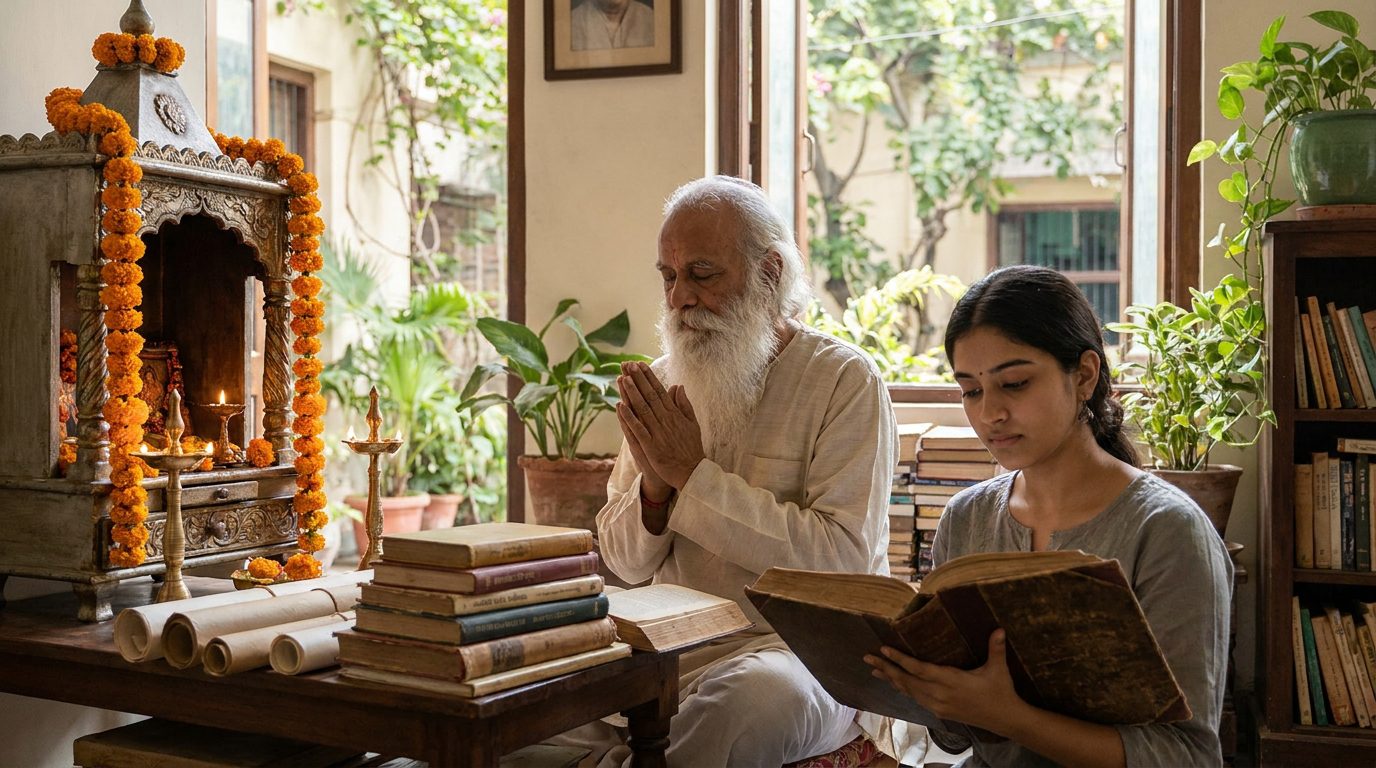
Advancement in Bhakti is the gradual awakening of the heart in loving relationship with God. In Sanskrit, bhakti means devotion, loving service, or wholehearted love offered to the Divine. It is not merely a belief system, a cultural identity, or a set of rituals. Bhakti is the living movement of the soul toward its source.
In the Bhakti tradition, God is understood as a personal, loving reality—known by many names, including Krishna, Rama, Vishnu, Govinda, and Hari. The word Krishna means “the all-attractive one.” Bhakti Yoga is the path of reconnecting with that all-attractive Lord through love, remembrance, prayer, chanting, service, and a life of sincere spiritual practice.
Advancement in Bhakti does not mean becoming proud, superior, or spiritually impressive. True advancement makes a person softer, kinder, humbler, and more compassionate. It deepens our gratitude. It increases our desire to serve rather than to be served. It helps us see every living being as sacred.
The Bhagavad-gita, one of the foundational scriptures of Bhakti Yoga, teaches that even a small beginning on this path can protect a person from great fear. Krishna says in the Gita that this practice is joyful and eternal. This is encouraging because devotional growth is not only for monks, scholars, or saints. It is for parents, students, workers, seekers, artists, elders, and anyone longing for a more meaningful life.
Bhakti welcomes the whole person. We bring our hopes, doubts, wounds, questions, talents, and limitations. We do not need to be perfect to begin. We simply need sincerity.
The Heart of Bhakti Yoga

Bhakti Yoga is often called the yoga of love. The word yoga means connection or union. While many people associate yoga with physical postures, the deeper meaning of yoga is the reconnection of the individual soul with the Supreme Soul.
Bhakti Yoga teaches that our deepest identity is not the body, the mind, our job, our history, or our social role. We are spiritual beings, eternal souls, meant for loving exchange with God and all living beings. Advancement in Bhakti means gradually living from that true identity.
Love as the Foundation of Spiritual Life
In Bhakti, love is not sentimental or passive. Love is active. Love listens, serves, remembers, forgives, and offers. Love becomes practical through daily choices.
To advance in Bhakti, we learn to ask:
- How can I remember God today?
- How can I serve with humility?
- How can I speak more kindly?
- How can I use my gifts in devotion?
- How can I see others with compassion?
These small questions can transform ordinary life into sacred life.
The Srimad-Bhagavatam, a beloved Bhakti scripture, describes pure devotion as service to God that is free from selfish motivation and uninterrupted by external circumstances. This does not mean a beginner must already be completely selfless. Rather, it shows us the direction of the path. We begin where we are, and through practice, our love becomes more steady and pure.
Devotion Beyond Labels
Bhakti is deeply rooted in the Vedic tradition of India, yet its essence is universal. People from many cultures, religions, and backgrounds have found nourishment in chanting God’s names, offering food with love, studying sacred wisdom, and serving others.
The Bhakti House spirit is one of welcome. You do not need to know Sanskrit, wear certain clothing, or have everything figured out. If you have a sincere desire to grow spiritually, you belong.
Bhakti does not erase your story. It sanctifies it. It helps you offer your life to God, one day and one breath at a time.
The Stages of Devotional Growth
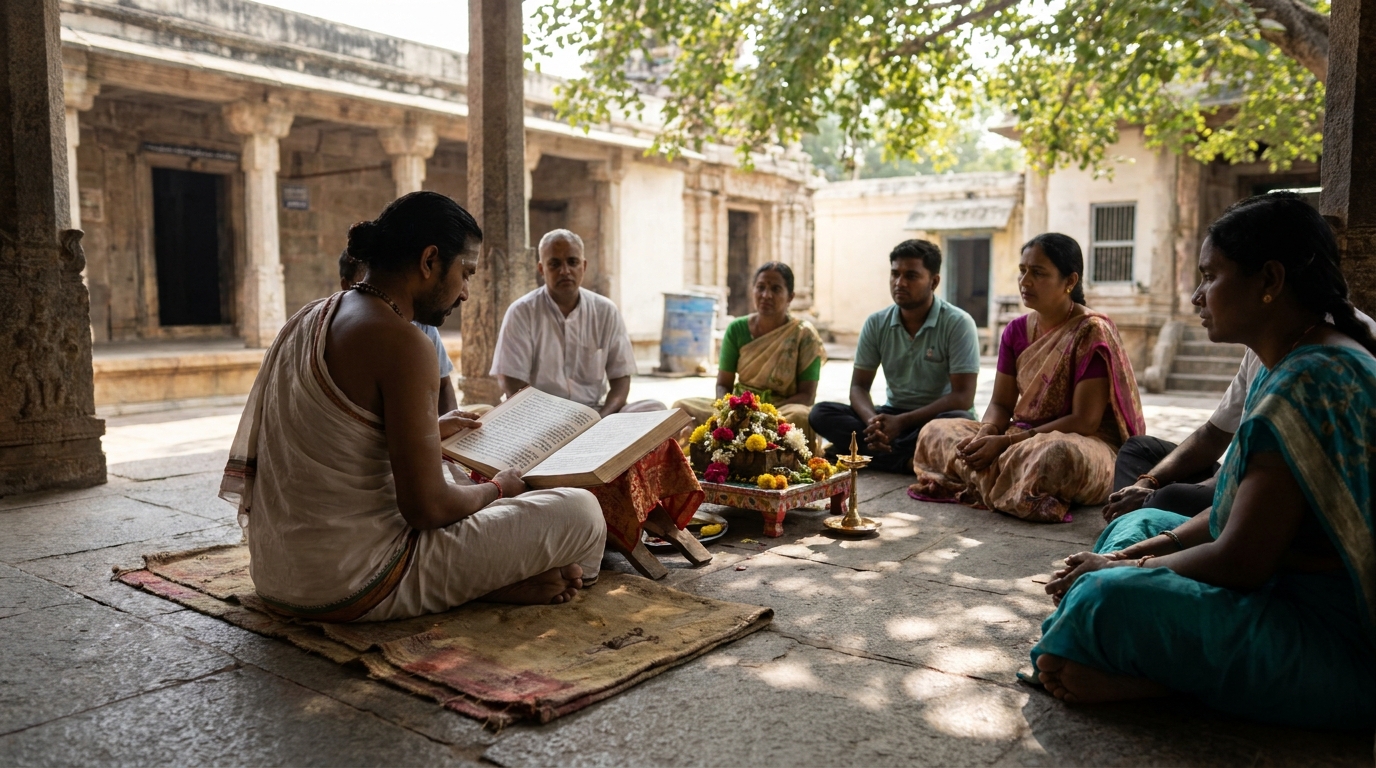
Bhakti texts describe a natural progression of spiritual development. These stages are not meant to make us judge ourselves or others. They are like a gentle map, helping us understand how devotion matures.
One traditional description comes from Bhakti-rasamrita-sindhu, a classic devotional text by Srila Rupa Goswami. It outlines the journey from initial faith to deep divine love.
Faith: The First Spark
The Sanskrit word shraddha means faith, trust, or heartfelt confidence. This is where devotional life often begins. Faith may come as curiosity, inspiration, a moment of peace during chanting, or the feeling that there must be more to life than material success.
Faith does not mean blind belief. It can begin as a simple willingness: “Let me try. Let me listen. Let me open my heart.”
This first spark is precious. It should be protected. If you feel drawn to Bhakti, even slightly, that attraction is meaningful.
Spiritual Association: Growing in Good Company
The next stage is sadhu-sanga, or association with sincere spiritual people. A sadhu is a saintly person, someone trying to live a life centered on God. Association means spending time with those who encourage your devotion.
Good company shapes the heart. When we spend time with people who chant, pray, serve, and speak about God with affection, our own devotion becomes stronger. This may happen in a temple, a home gathering, a kirtan evening, a study group, or even through online classes and devotional conversations.
Advancement in Bhakti is rarely a solo journey. We need community—not a perfect community, but a sincere one. We need people who remind us of our spiritual purpose when we forget.
Practice: Devotion Becomes Daily Life
After faith and association comes bhajana-kriya, or active devotional practice. Bhajana means worship or loving spiritual practice. Kriya means action. This is where Bhakti becomes part of our daily rhythm.
Common practices include chanting the holy names, reading scripture, offering food, praying, serving, and remembering God throughout the day.
At first, practice may feel new or inconsistent. That is natural. We are learning to redirect the heart. Just as the body becomes strong through regular exercise, the heart becomes spiritually strong through regular devotion.
Cleansing the Heart: Honest Inner Work
As practice continues, the heart begins to be cleansed. This stage is called anartha-nivritti. Anartha means unwanted habits, distractions, or things that do not serve our true well-being. Nivritti means removal.
In this stage, we may notice our pride, impatience, envy, anger, selfishness, or attachments more clearly. This can feel uncomfortable, but it is actually mercy. We cannot heal what we cannot see.
Bhakti is not about pretending to be pure. It is about bringing our impurity before God and allowing divine grace to transform us.
Steadiness, Taste, Attachment, and Love
As the heart is cleansed, devotion becomes more steady. This is called nishtha, or firmness. Then comes ruchi, a genuine taste for spiritual life. Practices that once required discipline begin to feel nourishing and natural.
Later comes asakti, deep attachment to God and devotional service. Eventually, the heart awakens to bhava, spiritual emotion, and finally prema, pure love of God.
These advanced stages are gifts of grace, not achievements of ego. We do not demand them. We prepare our hearts through sincere practice and humble service.
Discover a wide range of insightful articles that delve into various spiritual topics. These articles provide guidance and inspiration for your personal growth journey. Stay updated with the latest articles to enhance your understanding of spiritual practices.
Essential Practices for Advancement in Bhakti
Bhakti grows through practice. These practices are simple, but they are profound. They can be adapted to your life, schedule, and level of experience.
Chanting the Holy Names
Chanting is central to Bhakti Yoga. The Sanskrit word kirtan means glorifying God, often through music and call-and-response singing. Japa means personal, meditative chanting, often using prayer beads.
One of the most well-known mantras in the Bhakti tradition is the Hare Krishna maha-mantra:
Hare Krishna Hare Krishna
Krishna Krishna Hare Hare
Hare Rama Hare Rama
Rama Rama Hare Hare
A mantra is a sacred sound vibration that helps focus and purify the mind. Maha means great, so the maha-mantra is known as the great mantra for awakening love of God.
“Hare” calls upon the divine energy of the Lord. “Krishna” means the all-attractive Lord. “Rama” means the source of spiritual joy. When we chant, we are calling out: “O Lord, O divine energy of the Lord, please engage me in loving service.”
Chanting does not require musical skill. It requires sincerity. Even distracted chanting has value when we keep returning with humility.
Prayer as Honest Relationship
Prayer is speaking to God from the heart. It may be formal or spontaneous. It may include gratitude, confession, longing, confusion, surrender, or simple silence.
A humble prayer might be:
“Dear Lord, please help me remember You. Please guide my heart. Please help me serve with love.”
Prayer advances Bhakti because it makes our relationship with God personal. We stop treating spiritual life as theory and begin speaking to the Divine as a real, loving presence.
Hearing Sacred Wisdom
Hearing is one of the most powerful practices in Bhakti. The Sanskrit word sravanam means hearing about God. This includes listening to scripture, classes, kirtan, and the stories of great devotees.
The Bhagavad-gita offers practical wisdom for living with courage, clarity, and devotion. The Srimad-Bhagavatam nourishes the heart with stories and teachings about God’s qualities, devotees, and loving pastimes.
When we hear regularly, our inner world changes. Material anxieties lose some of their grip. Spiritual intelligence awakens. We begin to see life through the lens of eternity.
Service as Love in Action
The Sanskrit word seva means service. In Bhakti, service is not merely volunteering or doing tasks. It is love expressed through action.
Seva may include cooking, cleaning, teaching, singing, organizing, caring for guests, helping the poor, supporting a spiritual community, raising children with devotion, or doing one’s professional work as an offering to God.
Krishna teaches in the Bhagavad-gita that whatever we do, whatever we eat, whatever we offer or give away, and whatever austerity we perform can be offered to Him. This means our whole life can become sacred when offered with love.
Overcoming Common Obstacles in Devotional Life
Every sincere practitioner faces challenges. Obstacles do not mean failure. They are part of the journey. Advancement in Bhakti includes learning how to continue with faith, even when the heart feels dry or the path feels difficult.
Dealing With Distraction
The mind is naturally restless. During chanting or prayer, thoughts may wander to work, relationships, plans, worries, or memories. This is not unusual.
The practice is to gently return. Again and again, bring the mind back to the holy name, the prayer, or the scripture. Each return is an act of devotion.
Do not become discouraged by distraction. The holy name is powerful. Even if the mind wanders, the soul is being touched.
Moving Through Spiritual Dryness
Sometimes devotional practices feel sweet. At other times, they may feel dry or mechanical. This happens to many practitioners.
During dry periods, it helps to simplify. Chant a little more attentively. Read a few verses slowly. Offer one heartfelt prayer. Spend time with sincere devotees. Serve someone without expectation.
Dryness can deepen humility. It teaches us that spiritual taste is a gift, not something we control. We continue not because we always feel inspired, but because love means showing up.
Avoiding Pride and Comparison
Spiritual pride can quietly enter the heart. We may compare our chanting, knowledge, service, lifestyle, or discipline with others. But comparison weakens devotion.
True advancement means becoming more aware of our dependence on grace. If we have any devotion, it is because God and the devotees have been kind to us.
A simple protection is to appreciate others. Celebrate their service. Learn from their sincerity. Remember that every soul has a unique relationship with God.
Healing From Mistakes
Everyone makes mistakes. We may break a commitment, speak harshly, neglect practice, or fall into old habits. Bhakti does not ask us to hide. It invites us to return.
In the Bhagavad-gita, Krishna assures that even if a devotee struggles, if they remain sincerely devoted, they are to be considered saintly because they are rightly resolved. This teaching is full of hope. Our direction matters. Our willingness to return matters.
When you stumble, pray, seek guidance, make amends where needed, and begin again.
The Role of Guru, Community, and Guidance
In Bhakti, guidance is deeply valued. The spiritual path becomes clearer when we learn from those who have walked before us.
Understanding the Guru Principle
The word guru means spiritual teacher. A genuine guru helps guide the soul toward God, not toward dependence on their personality. The guru teaches by scripture, personal example, compassion, and devotion.
For newcomers, the idea of a guru may feel unfamiliar. It can be understood simply: just as we need teachers for music, medicine, or any serious discipline, we also benefit from teachers in spiritual life.
Accepting guidance should be done thoughtfully, prayerfully, and with time. Bhakti encourages sincerity, not pressure.
The Blessing of Devotional Community
A devotional community gives us encouragement and accountability. We gather to chant, hear, honor sacred food, serve, ask questions, and grow together.
Community is not always perfect because people are still growing. But when centered on service and humility, it becomes a place of healing. We learn patience, forgiveness, cooperation, and compassion.
At The Bhakti House, the mood is warm and welcoming. People from all backgrounds can come together, chant together, learn together, and take steps toward God together.
Asking Questions With Humility
The Bhagavad-gita encourages seekers to approach spiritual teachers with humility, sincere questions, and service. Questions are not a sign of weak faith. Honest questions can deepen faith.
Ask with an open heart:
- How can I chant better?
- How do I balance family life and spiritual practice?
- What does surrender mean practically?
- How can I serve without burning out?
- How do I understand scripture in daily life?
Sincere inquiry nourishes advancement.
Signs of Genuine Advancement in Bhakti
It is natural to wonder, “Am I growing?” While we should be careful not to become self-absorbed, Bhakti scriptures and teachers do describe signs of progress.
Increasing Humility
A growing devotee becomes less interested in being honored and more interested in honoring others. Humility does not mean low self-worth. It means seeing clearly: everything we have is a gift from God.
Humility makes the heart peaceful. We no longer need to constantly prove ourselves.
Greater Compassion
Advancement in Bhakti softens our view of others. We begin to see that everyone is struggling, everyone is searching for happiness, and everyone is loved by God.
Compassion may express itself through listening, feeding others, sharing spiritual wisdom, forgiving, encouraging, or serving those in need.
Taste for the Holy Name
One of the clearest signs of growth is increasing appreciation for chanting. The holy name begins to feel like shelter. Even when life is difficult, chanting becomes a place to return.
This taste may come gradually. Sometimes it appears briefly and then disappears. Keep chanting. The name of God is not different from God, and sincere contact with the holy name transforms the heart.
Reduced Attraction to Harmful Habits
As devotion grows, certain habits naturally lose strength. We may become less attracted to gossip, intoxication, selfish pleasure, harsh speech, or unhealthy patterns.
This does not always happen instantly. But over time, higher taste replaces lower taste. The heart becomes more satisfied in devotion.
Desire to Serve
A strong sign of Bhakti advancement is the desire to serve without needing recognition. Service becomes joyful because it connects us to God and to others.
We may still appreciate encouragement, and that is human. But gradually, the deeper motivation becomes: “Let this be pleasing to the Lord.”
Bringing Bhakti Into Everyday Life
Bhakti is not limited to temples, retreats, or sacred festivals. It can be practiced in the kitchen, car, workplace, classroom, hospital, garden, and home. Every place can become a place of devotion.
Begin the Day With Remembrance
The first moments of the day shape the heart. Before reaching for your phone, try offering a simple prayer:
“Dear Lord, thank You for this day. Please guide my thoughts, words, and actions.”
You might chant a few rounds of japa, read one verse from the Bhagavad-gita, or listen to soft kirtan while preparing for the day.
A devotional morning does not need to be long to be meaningful. Consistency matters more than quantity at first.
Offer Your Food With Love
In Bhakti, food becomes spiritualized when offered to God. This sacred food is called prasadam, which means mercy.
Before eating, you can place your meal before a picture or altar of Krishna and pray:
“My Lord, please accept this offering prepared with love.”
Then honor the food with gratitude. This simple practice transforms eating into worship and reminds us that everything comes from God.
Turn Work Into Service
Whatever your occupation, you can cultivate the consciousness of offering. Work honestly, treat others kindly, and dedicate the results to God.
You can silently pray before a meeting, chant while commuting, keep sacred wisdom nearby, or use your income to support spiritual and compassionate service.
Bhakti does not require everyone to leave the world. It teaches us to spiritualize our life in the world.
Practice Devotional Speech
Words carry energy. Advancement in Bhakti includes learning to speak truthfully, kindly, and purposefully.
Try to reduce criticism and increase appreciation. Speak about God when appropriate. Encourage others. Apologize when needed. Use your voice to heal rather than harm.
The tongue has two powerful functions in Bhakti: chanting and honoring prasadam. When the tongue becomes purified, the heart follows.
Deepening Through Surrender
Surrender is a central teaching of Bhakti Yoga. In Sanskrit, surrender is often called sharanagati, taking shelter. It does not mean weakness, passivity, or losing oneself. It means placing our trust in God’s loving care.
Krishna’s final teaching in the Bhagavad-gita is an invitation to surrender to Him and not fear. This is not a threat. It is a loving call: “Come home. I will protect you.”
Trusting God’s Plan
Trust grows over time. Many of us have experienced disappointment, loss, or confusion. We may wonder whether God is truly guiding us.
Bhakti does not deny suffering. It gives suffering a sacred context. We are eternal souls learning to love, and God is present even in difficulty.
Trusting God does not mean we stop making wise choices. It means we act responsibly while remembering that we are not alone.
Offering Both Joy and Pain
Sometimes we think we can only approach God when we feel pure or peaceful. But Bhakti invites us to bring everything.
Offer your joy. Offer your grief. Offer your questions. Offer your fear. Offer your gratitude. Offer your tiredness.
God is not distant from the honest heart. A sincere cry can be powerful devotion.
Living as a Caretaker
Surrender also means recognizing that nothing truly belongs to us. Our body, home, talents, relationships, and resources are entrusted to us for service.
This caretaker consciousness brings freedom. We become less possessive and more grateful. We begin to ask, “How can I use what I have in a way that pleases God?”
A Practical Path for Lifelong Devotional Growth
Advancement in Bhakti is lifelong. There is no need to rush, perform, or compare. The path is deep, personal, and full of grace.
Create a Simple Daily Practice
If you are beginning, choose a practice that is realistic. For example:
- Chant the maha-mantra for five to ten minutes daily.
- Read one verse from the Bhagavad-gita each morning.
- Offer your food before eating.
- Say one sincere prayer before sleeping.
- Attend kirtan or spiritual gathering once a week.
Small daily offerings become powerful over time.
Keep Returning to the Holy Name
The holy name is the great shelter of Bhakti. In joyful times, chant. In painful times, chant. When clear, chant. When confused, chant.
The holy name meets us wherever we are and gradually reveals who we truly are.
Serve According to Your Nature
Everyone has something to offer. Some serve through music, cooking, teaching, organizing, cleaning, writing, gardening, caring, donating, or simply welcoming others with kindness.
Do not underestimate simple service. A clean floor, a warm meal, a kind message, or a sincere smile can be beautiful offerings when done for God.
Celebrate Progress With Gratitude
Spiritual growth may be subtle. You may notice that you react less harshly, forgive more quickly, chant more sincerely, or feel drawn to sacred company. These are blessings.
Thank God for every step. Gratitude protects the heart and keeps devotion fresh.
Everyone Is Welcome to Take One Sincere Step
Advancement in Bhakti is not about becoming someone else. It is about becoming who you truly are: a beloved soul, meant for loving relationship with God.
Wherever you are today, you can begin. You can chant one mantra. Offer one prayer. Read one verse. Serve one person. Attend one kirtan. Ask one sincere question. Take one humble step.
God sees the heart. Krishna receives even the smallest offering when it is given with love. In the Bhagavad-gita, He says that if one offers Him a leaf, a flower, fruit, or water with devotion, He accepts it. This simple verse reveals the essence of Bhakti: God is not looking for wealth, status, or perfection. He is looking for love.
So come as you are. Bring your faith, your doubts, your longing, and your life. The path of Bhakti is open, merciful, and joyful. Everyone is welcome to take one sincere step toward God, and that one step may become the beginning of a beautiful journey home.
FAQs
What is bhakti in the context of spirituality?
Bhakti refers to a devotional form of worship and love towards a personal god or deity. It emphasizes the importance of devotion, faith, and surrender in spiritual practice, often expressed through prayer, chanting, and rituals. Bhakti is a central theme in various Indian religions, including Hinduism, where it fosters a personal connection between the devotee and the divine.
How has bhakti evolved over time?
Bhakti has evolved significantly since its inception, with roots tracing back to ancient texts and practices. Over the centuries, it has incorporated various cultural influences and regional practices, leading to diverse expressions of devotion. The movement gained prominence during the medieval period with saints and poets who emphasized personal experience over ritualistic practices, making bhakti more accessible to the masses.
What are the key practices associated with bhakti?
Key practices associated with bhakti include singing devotional songs (bhajans), chanting mantras, participating in communal worship (satsang), and engaging in acts of service (seva). These practices aim to cultivate a deep emotional connection with the divine and foster a sense of community among devotees.
Who are some prominent figures in the bhakti movement?
Prominent figures in the bhakti movement include poets and saints such as Mirabai, Kabir, Tulsidas, and Chaitanya Mahaprabhu. Each of these figures contributed to the spread of bhakti through their teachings, poetry, and personal examples of devotion, influencing countless followers and shaping the spiritual landscape of India.
What role does bhakti play in modern spirituality?
In modern spirituality, bhakti continues to play a significant role by promoting inclusivity and personal connection to the divine. It encourages individuals to explore their spirituality through love and devotion rather than strict adherence to rituals. Many contemporary spiritual movements incorporate bhakti practices, emphasizing the importance of community, compassion, and personal experience in the pursuit of spiritual growth.

