
Understanding the Spiritual Master in Bhakti Yoga
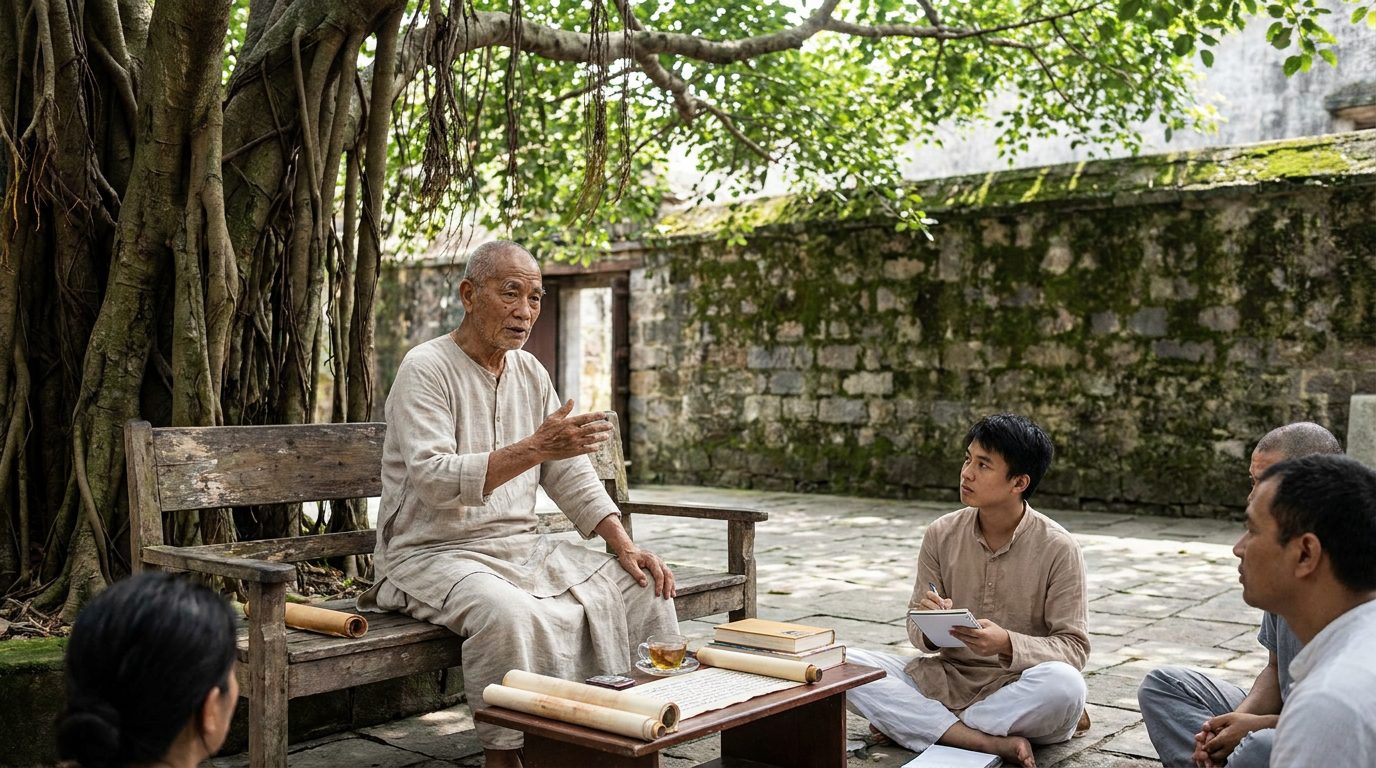
A spiritual master is a guide who helps the soul remember its eternal relationship with God. In the Bhakti Yoga tradition, the spiritual master is often called a guru, a Sanskrit word meaning “one who brings light” or “one who removes darkness.” This darkness is not a condemnation of anyone’s life. It simply means forgetfulness: forgetting who we are spiritually, forgetting our purpose, and forgetting the loving presence of the Divine.
In Bhakti Yoga, the path of devotion, the spiritual master does not replace God. Rather, the spiritual master helps us turn toward God with sincerity, humility, and practical daily habits. Just as a music teacher helps a student hear rhythm and melody more deeply, a spiritual master helps the heart hear the sacred call of love.
This guide is for anyone who feels drawn to spiritual growth, whether you are new to Bhakti, returning after time away, or simply curious. You do not need to belong to a particular culture, background, or level of knowledge to begin. The path of Bhakti welcomes every sincere person.
The heart of this path is simple: chant, pray, serve, study, and love. A genuine spiritual master helps us do these things in a way that is steady, grounded, and transformative.
What Does a Spiritual Master Actually Do?
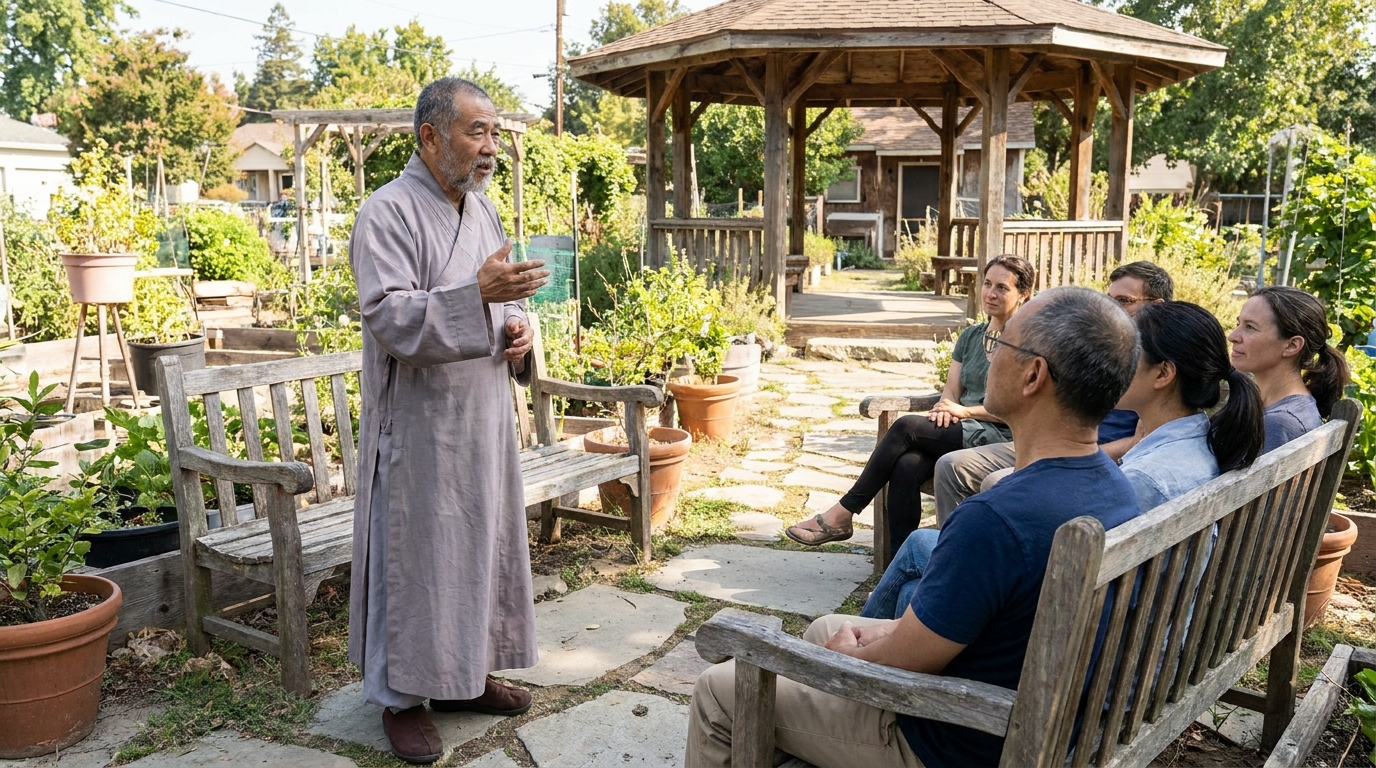
A spiritual master offers more than information. Today, we can find endless spiritual talks, books, podcasts, and videos. These can be helpful, but wisdom is more than collecting ideas. Wisdom becomes real when it changes how we live, speak, think, forgive, serve, and love.
The spiritual master helps turn spiritual knowledge into lived experience.
A Guide for the Inner Journey
The journey of the soul is subtle. We may begin with inspiration, but over time we also meet our impatience, pride, doubts, wounds, and distractions. A spiritual master helps us navigate these inner landscapes with compassion and truth.
In the Bhagavad Gita, one of the most beloved scriptures of Bhakti Yoga, Krishna teaches that spiritual understanding is best received through humility, inquiry, and service. In Bhagavad Gita 4.34, He says that one should approach those who have seen the truth, ask sincere questions, and render service. This verse is not asking us to become blind followers. It is inviting us into a relationship of trust, learning, and transformation.
A spiritual master helps us ask better questions:
Why am I here?
What is my relationship with God?
How can I live with more love?
How do I serve others without selfishness?
How can I chant and pray with sincerity?
These questions gradually purify the heart.
A Living Example of Spiritual Practice
A genuine spiritual master teaches not only through words, but through character. Their life demonstrates devotion, humility, steadiness, compassion, and dedication to God. They may live simply or engage widely in the world, but their center remains spiritual.
In Bhakti Yoga, we deeply value example. If someone speaks beautifully about love but treats people harshly, something is incomplete. If someone speaks about surrender but seeks control, we should be thoughtful. A true spiritual master may not be flashy, famous, or dramatic. Often, their greatness is seen in their sincerity, patience, and deep care for others.
A Servant, Not an Owner
A spiritual master is not meant to control the disciple’s life for personal gain. In authentic Bhakti, the guru is understood as a servant of God and a servant of the spiritual welfare of others.
This is very important. A spiritual master is not a celebrity to be worshiped for ego. A true teacher directs love toward God, not toward themselves as the final destination. They help the student become more prayerful, more ethical, more compassionate, and more connected to the Divine.
The best spiritual master does not make us dependent in an unhealthy way. They help us become spiritually responsible, grounded, and devoted.
The Meaning of Guru: Light, Grace, and Responsibility
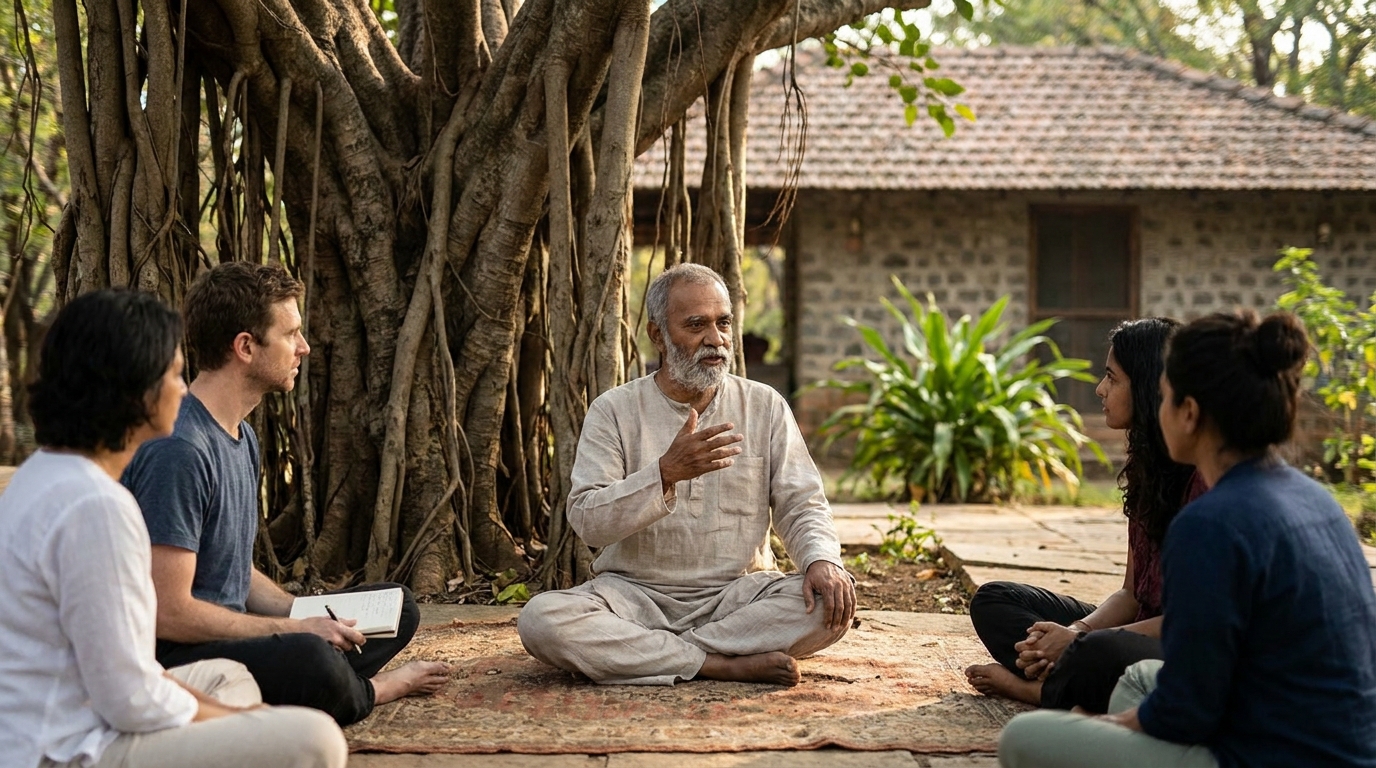
The word guru carries deep meaning in the Vedic and Bhakti traditions. It is not a casual title. Traditionally, guru refers to one who carries spiritual weight because they are rooted in sacred truth and divine service.
In Sanskrit, gu can be understood as darkness, and ru as that which dispels it. So guru is often explained as “the one who dispels darkness.” This darkness is ignorance of our true spiritual identity. The guru brings the light of remembrance: You are not merely the body or the restless mind. You are an eternal soul, beloved by God.
Guru as Representative of Divine Compassion
In Bhakti Yoga, the spiritual master is honored because they represent God’s compassion. They come into our life to help us awaken. This does not mean they are God. Rather, they are respected as a transparent medium, like a clean window through which sunlight enters a room.
The Srimad Bhagavatam, another central Bhakti scripture, describes the importance of hearing spiritual truth from those who live it. Sacred sound is powerful, but when it comes through a heart dedicated to God, it can touch us deeply.
A spiritual master carries the teachings of a lineage. This lineage is called parampara, meaning a chain of teachers and students who preserve spiritual wisdom across generations. In Bhakti, this continuity matters because it protects the teachings from becoming merely personal opinion.
Guru as Teacher of the Heart
A true guru teaches the whole person. They may instruct us in philosophy, mantra meditation, sacred scripture, ethical life, and devotional service. But they also teach us how to soften the heart.
Bhakti is not dry theory. Bhakti means loving devotion. A spiritual master helps us move from spiritual curiosity to spiritual affection, from analysis to surrender, from loneliness to relationship with God.
This does not happen overnight. The heart opens gradually, often through simple practices repeated with sincerity.
Chanting the holy names of God.
Offering food with gratitude.
Serving others without seeking recognition.
Reading scripture with an open heart.
Praying honestly.
Keeping good spiritual company.
The spiritual master encourages these practices and helps us understand their purpose.
Guru and Personal Responsibility
It is also important to understand that having a spiritual master does not remove our personal responsibility. The guru can guide, bless, correct, and inspire, but each person must choose sincerity.
No teacher can chant for us in the deepest sense. No teacher can force our heart to love. No teacher can live our spiritual life on our behalf.
The spiritual master gives the map, but we must walk. They give encouragement, but we must practice. They point toward God, but we must turn our face in that direction.
This balance is healthy and beautiful: grace and effort together.
Discover a wide range of insightful articles that delve into various spiritual topics. These articles provide guidance and inspiration for your personal growth journey. Stay updated with the latest articles to enhance your understanding of spiritual practices.
How a Spiritual Master Leads Us Toward Wisdom and Enlightenment
Wisdom and enlightenment can sound like distant or mystical achievements. In Bhakti Yoga, enlightenment is not merely seeing light or having an unusual experience. True enlightenment means awakening to reality: I am an eternal soul, God is the supreme beloved, and my natural purpose is loving service.
This awakening brings peace, clarity, humility, and joy.
Wisdom Begins With Spiritual Identity
Many of our struggles come from mistaken identity. We may think, “I am my success,” “I am my pain,” “I am my past,” “I am my appearance,” or “I am what others think of me.” Bhakti gently teaches that these are temporary coverings. They matter in practical life, but they are not the deepest self.
The Bhagavad Gita teaches that the soul is eternal, beyond birth and death. Krishna explains that the soul cannot be cut, burned, wetted, or dried. This knowledge is not meant to make us indifferent to life. Rather, it helps us live with courage and compassion.
A spiritual master reminds us again and again: You are a soul. You are loved by God. Your life has sacred meaning.
This remembrance is the beginning of real wisdom.
Enlightenment Through Love, Not Ego
Sometimes people imagine enlightenment as becoming superior to others. Bhakti offers a different vision. The more spiritually advanced a person becomes, the more humble, kind, and service-minded they become.
In the Chaitanya tradition of Bhakti Yoga, Sri Chaitanya Mahaprabhu taught that one should chant the names of God with humility, tolerance, and respect for all. His famous instruction compares the humble devotee to a blade of grass and a tree: gentle, patient, and generous.
This is a beautiful test of spiritual progress. Are we becoming easier to love? Are we becoming more forgiving? Are we becoming less obsessed with praise? Are we becoming more willing to serve?
A spiritual master helps us measure growth not by mystical pride, but by the softening of the heart.
The Role of Sacred Sound
One of the central practices in Bhakti Yoga is mantra meditation, especially chanting the holy names of God. A mantra is a sacred sound vibration that helps focus the mind and awaken devotion. The most widely known Bhakti mantra is the Hare Krishna maha-mantra:
Hare Krishna Hare Krishna
Krishna Krishna Hare Hare
Hare Rama Hare Rama
Rama Rama Hare Hare
Maha means “great,” and mantra means a sacred sound that can lift the mind and heart. Krishna means “the all-attractive one,” Rama means “the source of joy,” and Hare calls upon the divine energy of love and devotion.
A spiritual master teaches us how to chant not as a performance, but as prayer. We chant to connect. We chant to remember. We chant to offer our restless mind to God.
Even a few minutes of sincere chanting each day can begin to change the atmosphere of the heart.
Recognizing an Authentic Spiritual Master
Because spiritual life is precious, we should be thoughtful in choosing whom we trust. Bhakti Yoga encourages both faith and discernment. Sincerity does not mean naivety. Respect does not mean ignoring concerns. Devotion does not mean surrendering our intelligence.
A genuine spiritual master will welcome honest questions and guide us toward God, scripture, and service.
Rooted in Scripture and Lineage
An authentic spiritual master does not invent teachings for personal fame. They stand within a recognized spiritual tradition and teach in harmony with scripture. In Bhakti Yoga, important scriptures include the Bhagavad Gita, Srimad Bhagavatam, Sri Isopanishad, and devotional writings of great saints and teachers.
This does not mean the teacher must speak in complicated language. In fact, many great teachers explain deep truths very simply. But their message should be faithful to the heart of Bhakti: love of God, compassion for all beings, humility, purity, and service.
A true spiritual master helps us understand scripture practically. They show how ancient wisdom can guide modern life: relationships, work, family, grief, anxiety, purpose, and community.
Free From Exploitation
A spiritual master should never exploit students emotionally, financially, physically, or spiritually. This is essential.
A true guru does not use spiritual authority to manipulate. They do not demand worship for selfish pleasure. They do not isolate disciples from healthy relationships. They do not encourage secrecy around harmful behavior. They do not make themselves above accountability.
In authentic Bhakti communities, spiritual leadership should be connected with integrity, transparency, and service. A sincere seeker should feel spiritually challenged in a healthy way, but not controlled or diminished.
Humility is a sign of genuine spiritual advancement. Accountability is not a weakness; it is protection.
Inspires Devotion to God
The most important quality of a spiritual master is that they awaken devotion to God. After hearing from them, we may feel more inspired to chant, pray, serve, forgive, study, and live with integrity. We may feel hope. We may feel invited closer to the Divine.
A genuine spiritual master does not make themselves the center of everything. They help us see God at the center.
Their presence may be gentle or powerful, scholarly or simple, but the fruit is the same: remembrance of God and a growing desire to love and serve.
Lives What They Teach
No human teacher is judged by artificial perfection, but a spiritual master must be serious about living the teachings. They should show steadiness in practice, compassion in dealings, and dedication to the welfare of others.
In Bhakti, character matters. Knowledge without character can become pride. Ritual without kindness can become emptiness. Leadership without service can become danger.
A spiritual master’s life should point toward sincerity.
The Disciple’s Role: Learning With Humility and Intelligence
The relationship with a spiritual master is sacred, but it is not passive. A disciple, or student, also has responsibilities. In Bhakti, discipleship means learning how to receive divine wisdom and apply it in daily life.
This begins with humility. Humility does not mean thinking we are worthless. It means being open to learning. It means recognizing, “I do not yet see everything clearly. I need guidance. I am willing to grow.”
Asking Sincere Questions
The Bhagavad Gita encourages inquiry. Spiritual life is not meant to be blind. Questions can be expressions of devotion when asked sincerely.
A good question is not just intellectual. It comes from the desire to live better.
How can I chant with attention?
How can I serve my family as part of my spiritual life?
How do I deal with anger in a devotional way?
How can I forgive without pretending pain did not happen?
How do I balance spiritual practice and work?
A spiritual master helps us bring God into real life, not just into special moments.
Serving as a Path of Transformation
Service is central in Bhakti Yoga. The Sanskrit word seva means service offered with devotion. Seva may include helping at a temple or spiritual center, cooking, cleaning, teaching, caring for guests, supporting community programs, singing kirtan, sharing spiritual wisdom, or serving people in need.
But seva is not limited to formal religious settings. A parent caring for a child with love can practice seva. A worker acting honestly can practice seva. A friend listening compassionately can practice seva. When offered to God, ordinary life becomes sacred.
The spiritual master teaches us how to serve without ego. At first, we may want recognition. We may want to be seen as spiritual. But gradually, service purifies the heart. We begin to serve because love itself becomes fulfilling.
Practicing With Steadiness
Spiritual growth is not built only on emotional inspiration. Feelings rise and fall. Some days chanting feels sweet. Some days the mind is restless. Some days prayer flows easily. Some days it feels dry.
A spiritual master helps us become steady.
Steadiness might mean chanting a manageable number of mantras daily. It might mean reading one verse of the Bhagavad Gita each morning. It might mean attending weekly kirtan, offering meals with gratitude, or serving in community once a month.
The practice should be sincere and sustainable. Bhakti is not a race. It is a relationship.
Bhakti Yoga Practices Guided by the Spiritual Master
Bhakti Yoga is practical. It does not ask us to abandon our humanity. It teaches us to spiritualize our life through loving connection with God.
A spiritual master helps us understand which practices are most helpful for our stage of life and how to approach them with devotion rather than pressure.
Chanting the Holy Names
Chanting is one of the most accessible practices in Bhakti. It can be done alone, softly on beads, or together in kirtan, a call-and-response form of sacred singing.
The holy name is understood to be spiritually powerful because God is present in His names. When we chant sincerely, we invite divine presence into the heart.
For beginners, it may help to set aside five or ten minutes daily. Sit comfortably. Take a breath. Chant clearly. When the mind wanders, gently return to the sound. There is no need for harsh self-judgment. The returning itself is part of the practice.
A spiritual master teaches that chanting is not mechanical. It is a call of the heart.
Prayer as Honest Relationship
Prayer in Bhakti does not need to be polished. We can speak to God honestly.
“Please help me remember You.”
“Please guide me.”
“Please soften my heart.”
“Please let me serve today.”
“Please help me through this pain.”
The spiritual master helps us understand that God is not distant. Krishna, one of the names of God in the Bhakti tradition, is deeply personal and loving. Prayer becomes a conversation with the Divine Beloved.
We may begin with formal prayers from scripture or saints, and we may also offer our own words. Both are valuable when sincere.
Study of Sacred Wisdom
Scriptural study gives direction to devotion. Without wisdom, sentiment may become unstable. Without devotion, study may become dry. Bhakti brings both together.
A spiritual master may encourage regular reading of the Bhagavad Gita, especially with commentary from an authentic lineage. The Gita teaches about the soul, karma, devotion, meditation, duty, divine nature, and surrender.
Even one verse can nourish the heart for the day. The goal is not to rush through scripture, but to let scripture speak into our life.
We might ask:
What does this verse reveal about God?
What does it reveal about the soul?
How can I apply it today?
Where do I resist this teaching?
In this way, study becomes prayerful reflection.
Community and Holy Association
Spiritual growth becomes much easier in uplifting company. In Sanskrit, sadhu-sanga means association with saintly or sincere spiritual people. This does not mean everyone in a community is perfect. It means we seek company that encourages remembrance of God.
A spiritual master often connects students to a devotional community where they can chant, serve, learn, and grow with others.
Community protects us from isolation. It gives us examples. It offers friendship. It teaches humility, because relationships reveal where we still need to grow.
At The Bhakti House, this spirit is central: everyone is welcome, and everyone can take a step closer to God through love, sound, service, and community.
Common Misunderstandings About the Spiritual Master
Many people have questions or concerns about the idea of a spiritual master, especially if they have seen religious authority misused. These concerns deserve respect. Bhakti Yoga does not ask us to ignore our intelligence or personal dignity.
A healthy understanding can help us approach the guru principle with both reverence and wisdom.
A Spiritual Master Is Not a Replacement for God
The spiritual master is honored because they guide us to God. But they are not meant to become the object of ego-centered personality worship. In Bhakti, the guru is dear because they awaken our relationship with the Supreme.
If devotion to a teacher disconnects us from God, scripture, ethics, and compassion, something has gone wrong.
True guru-bhakti, or devotion to the spiritual master, means loving the guide because they help us love God more deeply.
Surrender Does Not Mean Losing Yourself
In Bhakti, surrender means offering the heart to God. It does not mean becoming thoughtless, voiceless, or emotionally dependent. Real surrender awakens the true self.
When we surrender unhealthy ego, we do not lose our uniqueness. We become more authentically ourselves. Our gifts become purified. Our relationships become more loving. Our life becomes more aligned with divine purpose.
A spiritual master helps us surrender what blocks love: pride, envy, selfishness, harshness, and forgetfulness.
Spiritual Authority Should Be Compassionate
Correction may be part of spiritual training, but it should be rooted in care, not humiliation. A spiritual master may challenge the disciple, but the purpose is growth, not domination.
The heart opens best in an atmosphere of trust. Fear may produce outer obedience for a time, but love produces lasting transformation.
Bhakti is a path of love. Therefore, spiritual guidance should carry the fragrance of love.
How to Begin Finding Spiritual Guidance
If you are seeking a spiritual master, begin patiently. This is not something to rush. Pray for guidance. Study authentic teachings. Spend time with sincere practitioners. Observe carefully. Let your heart become informed by both faith and wisdom.
The search for a spiritual master is also a search for sincerity within ourselves.
Start With Prayer
A simple prayer can begin the process:
“Dear Lord, please guide me to those who can help me love and serve You. Please protect me from illusion. Please make me sincere.”
Prayer opens the heart and invites divine arrangement. In Bhakti, we trust that God knows our longing and responds in ways that help us grow.
Learn From Many, Commit Carefully
It is natural to receive inspiration from many teachers. We may hear lectures, read books, attend kirtans, and visit spiritual communities. This is healthy.
Over time, one may feel especially guided by a particular teacher or lineage. Commitment should come with maturity, not pressure. A true spiritual community will encourage thoughtful dedication, not rushed emotional decisions.
Before accepting someone as a spiritual master in a formal way, learn about their teachings, conduct, lineage, relationships, and the community around them.
Look for the Fruit in Your Own Life
As you receive guidance, notice the effect.
Are you becoming more peaceful?
Are you becoming more honest?
Are you chanting or praying more sincerely?
Are you becoming kinder to others?
Are you taking responsibility for your actions?
Are you growing in love for God?
These fruits matter. Spiritual guidance should help awaken devotion and integrity.
The Spiritual Master in Daily Life
The relationship with a spiritual master is not only for ceremonies, temples, or special retreats. It is meant to touch daily life. Bhakti is lived in the kitchen, workplace, classroom, family, and quiet moments of the heart.
A spiritual master helps us see that every day offers opportunities for awakening.
Morning Practice
Morning is a sacred time for many practitioners. The mind is often clearer before the demands of the day begin. A simple morning practice might include chanting, prayer, reading a verse, and setting an intention to serve.
For example:
“Today, may my words be kind. May my work be an offering. May I remember God even once with sincerity.”
This small beginning can change the direction of the day.
Work as Offering
The Bhagavad Gita teaches that work can become spiritual when offered to God. This is called karma-yoga when action is performed without selfish attachment, and it becomes deeply connected with bhakti when offered in devotion.
A spiritual master helps us bring sacred intention into our responsibilities. We may still answer emails, care for children, study, cook, clean, or lead projects, but the consciousness changes.
Instead of “This is only for my ego,” we begin to think, “Let this be useful. Let this serve. Let this be offered.”
Relationships as Practice
Relationships reveal our heart. They show where we need patience, honesty, forgiveness, and humility. A spiritual master may guide us to see relationships not as obstacles to spirituality, but as places to practice love.
Bhakti does not mean escaping people. It means learning to see every living being as connected to God.
This vision can soften how we speak, how we listen, and how we respond to conflict.
Wisdom, Enlightenment, and the Goal of Love
The highest goal of Bhakti Yoga is not merely liberation from suffering, though peace does come. It is not merely knowledge, though wisdom grows. It is not mystical experience, though grace may be felt deeply.
The goal is prema, pure love of God.
Prema is the fully awakened love of the soul for the Divine. It is selfless, joyful, intimate, and eternal. The spiritual master guides us toward this love.
Enlightenment as Loving Service
In Bhakti, enlightenment flowers into service. When we truly understand that God is the supreme beloved and every living being is connected to Him, service becomes natural.
We no longer ask only, “What can I get?” We begin to ask, “How can I love? How can I serve? How can I remember God in this moment?”
This is not a loss. It is freedom.
The soul is happiest in loving connection. The spiritual master helps us rediscover that original happiness.
The Path Is Gradual and Grace-Filled
Spiritual growth often happens slowly. Sometimes we feel inspired. Sometimes we struggle. Sometimes old habits return. Sometimes doubts arise. This does not mean we have failed.
Bhakti is patient because God is patient.
A spiritual master helps us continue. Take one more step. Chant one more round. Offer one more prayer. Serve one more person. Read one more verse. Apologize one more time. Begin again.
In this way, life becomes a journey of grace.
Walking Forward With Sincerity
A spiritual master is a sacred guide on the path of wisdom and enlightenment, but the heart of the journey is love. In Bhakti Yoga, we are not trying to become cold, distant, or spiritually proud. We are trying to become real: real in our longing, real in our prayer, real in our service, and real in our relationship with God.
Whether you already have a spiritual master, are searching for guidance, or are simply beginning to explore, you are welcome on this path. Start where you are. Bring your questions, your hopes, your doubts, and your heart.
Chant a little. Pray honestly. Read a sacred verse. Serve someone with kindness. Seek uplifting company. Ask God for guidance.
No sincere step is too small. The Divine sees the heart. Everyone is welcome to take one sincere step toward God today.
FAQs
What is a spiritual master?
A spiritual master is an individual who has attained a high level of spiritual understanding and enlightenment. They often guide others on their spiritual journeys, providing teachings, practices, and insights to help individuals deepen their connection with the divine or their true selves.
How can one find a spiritual master?
Finding a spiritual master can involve exploring various spiritual traditions, attending workshops, or seeking recommendations from trusted friends or spiritual communities. It is important to research and feel a genuine connection with a potential master, as the relationship is often deeply personal and transformative.
What are the characteristics of a good spiritual master?
A good spiritual master typically exhibits qualities such as wisdom, compassion, humility, and authenticity. They should have a deep understanding of spiritual principles and practices, as well as the ability to communicate these teachings effectively to their students.
Can anyone become a spiritual master?
While anyone can pursue spiritual growth and understanding, becoming a spiritual master often requires years of dedicated practice, study, and personal transformation. It is a journey that involves deep self-reflection, overcoming personal challenges, and developing a profound connection with spiritual truths.
What role does a spiritual master play in a student’s journey?
A spiritual master serves as a guide, mentor, and source of inspiration for their students. They provide teachings, support, and encouragement, helping students navigate their spiritual paths, overcome obstacles, and deepen their understanding of themselves and the universe.

