
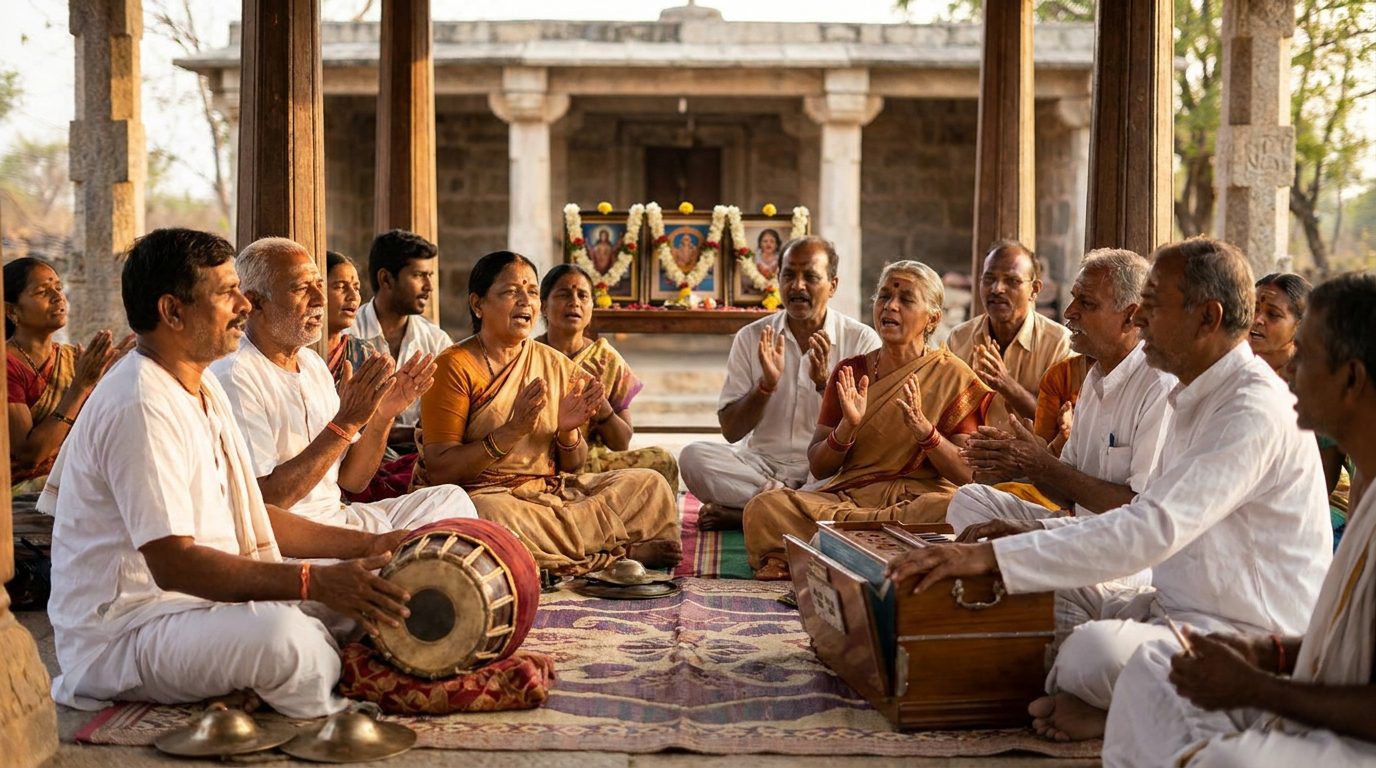
Understanding Shraddha: A Sacred Offering of Faith and Gratitude
Shraddha, often written as Śrāddha or Shraddha, is a sacred practice in the Vedic tradition connected with honoring departed loved ones and ancestors. It is an act of remembrance, gratitude, prayer, and offering performed with sincerity for the spiritual well-being of those who have passed from this world.
The word “Shraddha” comes from the Sanskrit root śraddhā, which means faith, trust, reverence, or heartfelt sincerity. In the context of ancestral rites, Shraddha means an offering made with faith. It is not meant to be a dry ritual or a fearful obligation. At its heart, Shraddha is love expressed through sacred action.
For many families, Shraddha is performed annually on the death anniversary of a loved one, during Pitru Paksha, or after a person’s passing as part of funeral and post-funeral rites. But beyond dates and procedures, the deeper meaning is simple: “I remember you. I thank you. I pray for your onward journey. May God bless you.”
In Bhakti Yoga, the path of loving devotion to God, Shraddha becomes even more meaningful when it is offered with prayer, chanting, humility, and service. We recognize that the soul is eternal, that the body is temporary, and that every living being is held by the mercy of the Divine.
The Bhagavad Gita teaches that the soul is never destroyed:
> “For the soul there is neither birth nor death at any time.”
> — Bhagavad Gita 2.20
This truth brings comfort. Our loved ones are not lost forever. They have simply continued their journey. Shraddha helps us honor that journey with love and spiritual intention.
The Meaning of Shraddha in Simple Words
Shraddha has two closely related meanings in spiritual life. One meaning is “faith” or “sincere trust.” The other refers to the sacred rites performed for departed ancestors. Both meanings are deeply connected.
Shraddha as Faith
In Sanskrit, śraddhā means faith—not blind belief, but a soft, sincere openness of the heart. It is the trust that spiritual life has meaning. It is the willingness to pray even when we do not fully understand everything. It is the courage to take one step toward God.
In the Bhagavad Gita, Lord Krishna says:
> “A person is made of their faith.”
> — Bhagavad Gita 17.3
This means that what we place our faith in shapes our consciousness, our choices, and our destiny. When Shraddha is present, even a simple offering becomes sacred.
A small lamp, a prayer whispered through tears, a bowl of water offered with devotion—these can carry great spiritual power when offered with love.
Shraddha as Ancestral Offering
As a ritual, Shraddha is an offering made for the benefit of departed family members, especially parents, grandparents, and forefathers. In many traditions, these departed ancestors are called pitṛs, meaning “forefathers” or “ancestral beings.”
The purpose of Shraddha is to express gratitude, seek blessings, and pray for peace and spiritual progress for the departed soul. It is also a way of acknowledging that we are not self-made. Our bodies, family traditions, values, culture, and opportunities have come through many generations before us.
Shraddha reminds us: “I have received so much. Let me offer something back.”
The Difference Between Shraddha and Tarpana
Two words often appear together: Shraddha and Tarpana.
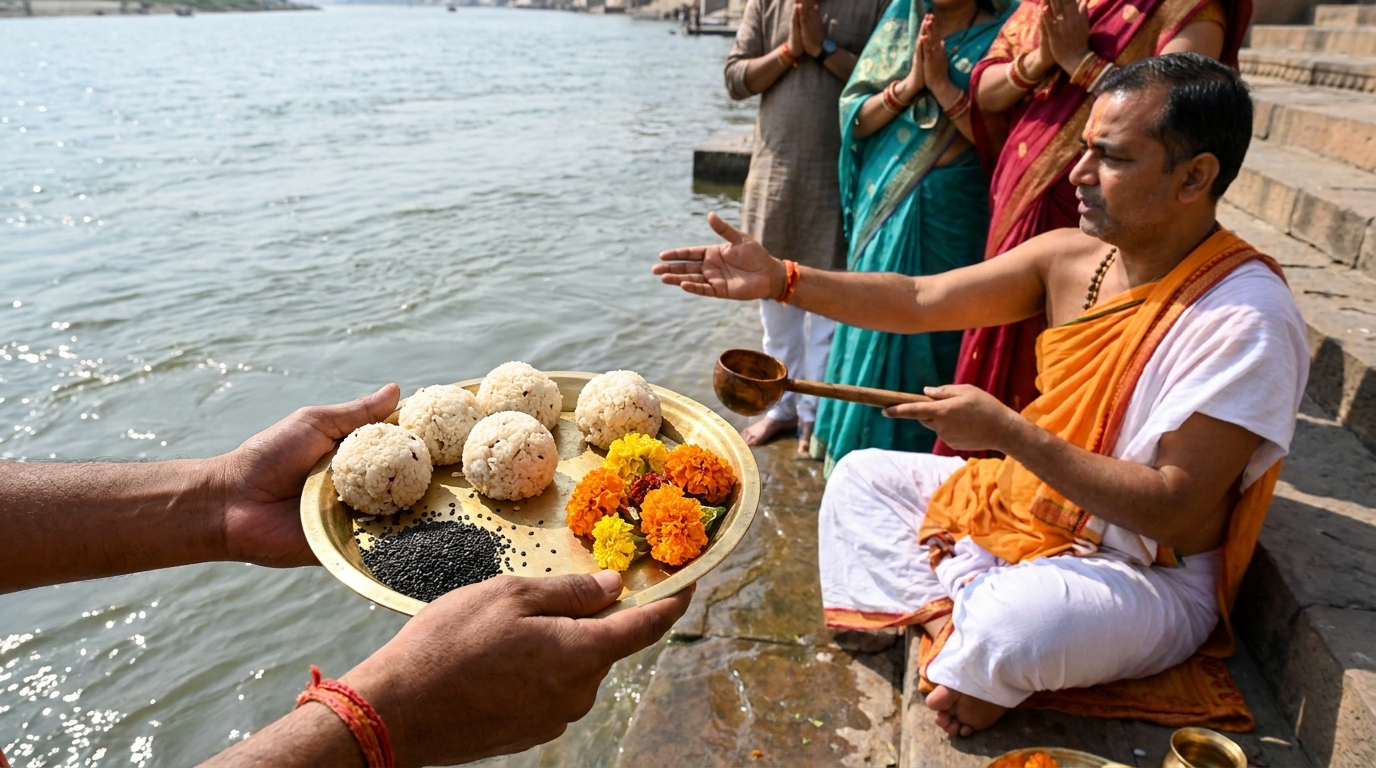
Tarpana means “satisfaction” or “refreshing.” It usually refers to offering water with mantras to ancestors, sages, and divine beings. Water is offered as a symbol of care, nourishment, and remembrance.
Shraddha is a broader ancestral rite that may include Tarpana, food offerings, charity, prayers, and feeding others.
In simple terms, Tarpana is often one part of the wider Shraddha observance.
Why Shraddha Is Spiritually Significant
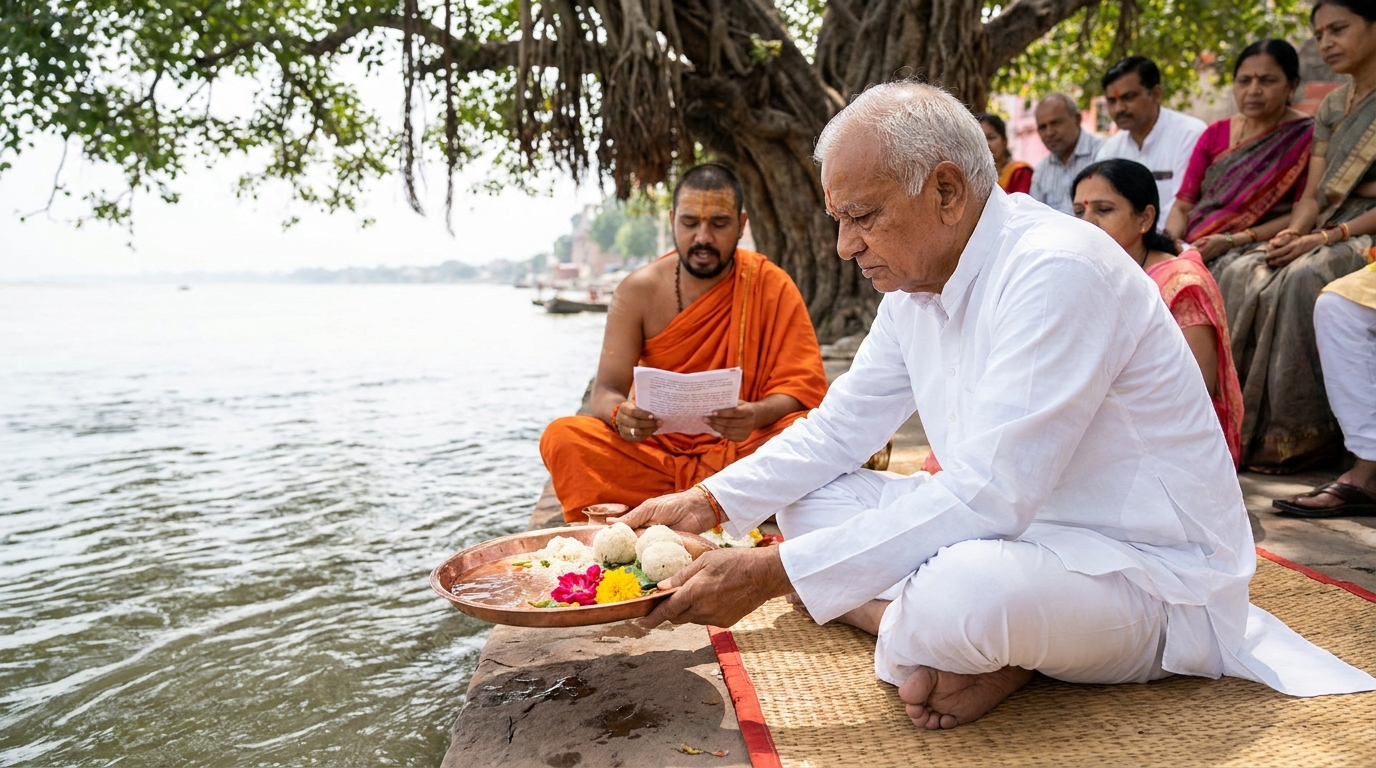
Shraddha is not only a ritual for the departed. It also transforms the heart of the person who performs it. It teaches humility, gratitude, responsibility, and devotion.
Honoring the Eternal Soul
The Vedic scriptures explain that the soul, called ātman, is eternal. The body changes, but the soul continues. Death is not the end of existence; it is a transition from one condition to another.
In the Bhagavad Gita, Lord Krishna compares this change to changing clothes:
> “As a person puts on new garments, giving up old ones, the soul similarly accepts new material bodies, giving up the old and useless ones.”
> — Bhagavad Gita 2.22
Shraddha is rooted in this understanding. We pray not merely for a memory, but for a living soul who is continuing their spiritual journey.
When we perform Shraddha, we ask the Lord to guide, protect, and uplift that soul. We also remember that our own life is temporary, and we become more serious about using our time well.
Gratitude Toward Family and Ancestors
Every one of us has received life through others. Even if our family relationships were complicated, the fact remains that our body and many aspects of our life came through a long chain of ancestors.
Shraddha does not require us to pretend that every family story was perfect. Some ancestors may have been loving and noble. Others may have carried pain, weakness, or unresolved struggles. Shraddha allows us to bring all of this into the presence of God.
We can pray: “May there be healing in this family line. May whatever was painful be purified. May all souls receive divine grace.”
This makes Shraddha a practice not only of remembrance, but also of spiritual healing.
A Practice of Humility
Modern culture often encourages us to think only of ourselves—our success, our comfort, our identity. Shraddha gently breaks this illusion. It reminds us that we belong to something larger.
We are connected to our parents, ancestors, community, nature, and ultimately to God. Recognizing this brings humility. And humility is one of the most beautiful qualities on the path of Bhakti.
In Bhakti Yoga, humility does not mean low self-worth. It means seeing truthfully: “I am loved by God. I am dependent on God. Let me live in gratitude and service.”
Receiving Ancestral Blessings
Many Hindu traditions teach that when ancestors are honored properly, they bless the family with protection, harmony, health, prosperity, and spiritual clarity. These blessings are not meant to be understood only materially. The highest blessing is remembrance of God and progress on the spiritual path.
When Shraddha is performed with devotion, the home becomes spiritually uplifted. Family members gather, pray together, remember loved ones, and reconnect with sacred values.
In this way, Shraddha becomes a bridge between generations.
Discover a wide range of insightful articles that delve into various spiritual topics. These articles provide guidance and inspiration for your personal growth journey. Stay updated with the latest articles to enhance your understanding of spiritual practices.
When Shraddha Is Performed
Shraddha may be observed at different times depending on family tradition, community practice, and guidance from priests or elders. While details vary, the spirit remains the same: offering with faith and love.
Annual Shraddha on the Death Anniversary
Many families perform Shraddha each year on the tithi, or lunar date, of a loved one’s passing. A tithi is a day calculated according to the Vedic lunar calendar. Because it follows the moon, it may not fall on the same date each year in the regular calendar.
This annual Shraddha is a special day of remembrance. Families may prepare sacred food, offer prayers, chant mantras, invite a priest, feed devotees or guests, and give charity in the name of the departed soul.
For those who are unable to perform a full ritual, even a simple prayer, offering of water, lighting of a lamp, and chanting of God’s names can be meaningful.
The sincerity of the heart is essential.
Pitru Paksha: The Fortnight for Ancestors
Pitru Paksha is a sacred period of approximately fifteen lunar days dedicated to honoring ancestors. The word Pitru means ancestors, and Paksha means fortnight or lunar phase.
During Pitru Paksha, many people perform Shraddha, Tarpana, charity, and prayers for departed family members. It is considered a powerful time for remembering and serving the ancestors.
Some families perform Shraddha on the specific tithi of their ancestor’s passing during Pitru Paksha. Others may observe the final day, known as Mahalaya Amavasya, especially if the exact date is unknown.
Pitru Paksha is not meant to be a time of fear. It is a time of sacred remembrance, simplicity, prayer, and gratitude.
Shraddha After Death
After a person leaves the body, Hindu traditions often include a series of rites over several days. These may vary widely by region and family lineage. Some observe rites on the 10th, 11th, 12th, or 13th day. Others follow different customs.
These ceremonies are intended to support the departed soul, help the family process grief, and sanctify the transition. Food offerings, prayers, scripture recitation, chanting, and charity may be included.
The Garuda Purana, a traditional scripture often associated with after-death rites, describes the importance of offerings, prayers, and remembrance for the departed. While some passages can feel intense or symbolic, the practical heart of the teaching is compassionate: the living should pray for the departed and live in a way that supports spiritual elevation.
Special Days for Ancestor Worship
Apart from the death anniversary and Pitru Paksha, some families also offer prayers to ancestors on Amavasya, the new moon day. Amavasya is traditionally considered suitable for Tarpana and remembrance.
Sacred places such as Gaya, Prayagraj, Haridwar, Varanasi, Rameshwaram, and other holy rivers or pilgrimage sites are also considered powerful locations for ancestral rites. Yet if one cannot travel, the home itself can become holy through sincere prayer.
God is not limited by geography. A humble heart can make any place sacred.
Common Shraddha Rituals and Their Meaning
The details of Shraddha may differ according to family tradition, region, caste customs, sampradaya, and guidance from a qualified priest. The following overview offers a simple understanding of common elements.
Purification and Sacred Intention
Shraddha often begins with purification. This may include bathing, wearing clean clothes, cleaning the home or altar space, and creating a peaceful atmosphere.
The most important purification, however, is internal. One may sit quietly and pray:
“Dear Lord, please accept this offering. May it bring peace and spiritual benefit to my departed loved ones. Please purify my heart and guide our family toward devotion.”
This intention is called sankalpa, meaning a sacred resolve. Sankalpa gives direction to the ritual. It reminds us why we are performing the act.
Offering Water Through Tarpana
Tarpana commonly involves offering water while remembering ancestors. Sometimes black sesame seeds, called tila, are added to the water. The water may be poured from the hands, often with mantras.
Water represents life, nourishment, and compassion. Just as we offer water to a guest, we offer water to our ancestors with respect.
Even if someone does not know the full mantras, they may offer water with a simple prayer:
“May my ancestors be peaceful. May they receive the mercy of God. May all souls be uplifted.”
The Lord hears sincerity.
Pinda Dana: Offering Sacred Food
Pinda Dana refers to the offering of small balls of food, often made from rice, barley flour, sesame, ghee, or other ingredients depending on tradition. Pinda means a small rounded offering, and dana means giving.
This offering symbolizes nourishment and support for the departed soul. It is also an expression of care: “May you be sustained. May your journey be peaceful.”
In many traditions, Pinda Dana is performed by sons or close family members, but practices vary. Increasingly, families seek guidance for daughters, spouses, or other sincere relatives to participate. The deeper principle is devotion, gratitude, and responsibility.
Food Offering and Feeding Others
Shraddha often includes preparing pure vegetarian food and offering it first to God. In Bhakti traditions, food offered to the Lord is called prasadam, meaning mercy or grace.
This is very important. When food is offered to God with love, it becomes spiritually sanctified. Then, when that prasadam is shared with others, it nourishes both body and soul.
Families may feed brahmanas, priests, Vaishnavas, monks, guests, the poor, cows, birds, or other living beings. This act of feeding is a form of service. It expands love beyond the private family circle.
In the Bhagavad Gita, Krishna says:
> “If one offers Me with love and devotion a leaf, a flower, a fruit, or water, I will accept it.”
> — Bhagavad Gita 9.26
This verse is especially comforting. God is not asking for wealth or perfection. He is asking for love.
Charity in the Name of Departed Loved Ones
Charity, or dana, is often part of Shraddha. One may give food, clothing, donations, or support to spiritual causes in memory of the departed.
From a Bhakti perspective, charity is most powerful when connected to devotion. Supporting the sharing of sacred teachings, prasadam distribution, temple service, spiritual education, or care for people in need can become a beautiful offering.
We may pray, “May the spiritual benefit of this service bless my departed loved one.”
Charity softens the heart. It turns grief into compassion.
Chanting and Scripture Recitation
Chanting the holy names of God is one of the most accessible and powerful practices in Bhakti Yoga. During Shraddha, families may chant mantras such as:
Hare Krishna Hare Krishna
Krishna Krishna Hare Hare
Hare Rama Hare Rama
Rama Rama Hare Hare
This mantra is known as the Maha Mantra, meaning “great mantra.” It is a prayer to be engaged in loving service to the Lord.
Other families may chant names of Vishnu, Rama, Shiva, Devi, or prayers according to their tradition. The essence is remembrance of God.
Scriptures such as the Bhagavad Gita, Srimad Bhagavatam, Vishnu Sahasranama, or Ramayana may also be read. Even a few verses, read with attention, can create a sacred atmosphere.
Shraddha in the Light of Bhakti Yoga
Bhakti Yoga is the path of love and devotion. It teaches that the highest purpose of life is to awaken our loving relationship with God. Shraddha, when practiced in the mood of Bhakti, becomes more than ancestral duty. It becomes an offering of the heart.
Offering Ancestors to the Care of God
In Bhakti, we understand that we are not the ultimate controllers. We can love, serve, pray, and offer—but God is the supreme shelter of every soul.
Therefore, during Shraddha, we can lovingly place our ancestors in God’s hands:
“Dear Lord, they belong to You. Please guide them. Please forgive their mistakes. Please bless them with spiritual progress. Please help our family remember You.”
This prayer brings relief. We do not have to carry everything alone. God is infinitely compassionate.
Transforming Grief Into Devotion
Losing someone we love can be deeply painful. Shraddha gives grief a sacred direction. Instead of remaining only in sadness, we offer our tears as prayer.
Bhakti does not deny human emotion. It purifies emotion by connecting it to God. Love for family can become part of love for the Divine.
When we chant for departed loved ones, we are not only remembering them; we are also healing our own hearts.
Serving the Living as an Offering to the Departed
One beautiful way to honor ancestors is to live with the values they gave us—or to heal and improve what they could not complete.
If our ancestors valued faith, kindness, courage, learning, or service, we can carry those qualities forward. If they struggled with anger, addiction, division, or pain, we can choose a more conscious path and pray for healing.
Serving the living is also a form of Shraddha. Feeding someone, forgiving someone, caring for elders, supporting children, protecting nature, and helping those in need can all be offered in memory of our loved ones.
This is practical Bhakti: love in action.
Who Can Perform Shraddha?
Traditionally, Shraddha was often performed by male descendants, especially sons. However, lived practice varies across regions and families, and many sincere devotees today seek ways for daughters, spouses, siblings, or other relatives to participate meaningfully.
It is wise to honor one’s family tradition where possible and consult a qualified priest or spiritual guide for specific ritual details. At the same time, we should remember the heart of Shraddha: sincere offering, prayer, remembrance, and devotion.
If You Know the Traditional Rituals
If your family has a tradition, following it with respect can be very powerful. Invite elders to share what they know. Ask them about family stories, names of ancestors, and customs that have been preserved.
Rituals become more meaningful when we understand them. Instead of performing mechanically, pause and reflect on each act:
Water is care.
Food is nourishment.
Mantra is prayer.
Charity is love.
Remembrance is gratitude.
If You Do Not Know the Rituals
Many people today feel disconnected from traditional practices. Some were not taught. Some live far from family. Some come from mixed backgrounds. Some are new to Bhakti Yoga and simply want to honor their loved ones sincerely.
Please do not feel unqualified to pray.
You can begin simply:
Light a candle or ghee lamp.
Place a photo or write the name of your loved one.
Offer water, flowers, or fruit to God.
Chant the holy names.
Read a verse from the Bhagavad Gita.
Share food with others.
Give charity in their memory.
Pray from your heart.
This may not replace formal rites in every tradition, but it is spiritually meaningful. God sees the heart.
If Family Relationships Were Painful
Shraddha can feel complicated when relationships were difficult. Some people carry wounds connected to parents, grandparents, or family history. If this is your experience, you are not alone.
Honoring ancestors does not mean denying harm or forcing false sentiment. It can mean praying for liberation from pain—for them and for yourself.
You might pray:
“May all suffering in this family line be healed. May I be free from bitterness. May they be free from ignorance. May God’s mercy reach us all.”
This kind of prayer is courageous. It allows Shraddha to become a path of forgiveness and inner freedom, while still respecting healthy boundaries.
Practical Guidance for Observing Shraddha at Home
While formal Shraddha rituals are best learned from a qualified priest or family tradition, a simple home observance can help anyone connect with the spirit of the practice.
Create a Peaceful Sacred Space
Choose a clean place in your home. You may set up a small altar with a picture or symbol of God according to your tradition—Krishna, Rama, Vishnu, Narayana, Shiva, Devi, Jesus, or any form of the Divine that awakens devotion in your heart.
If you have a photo of the departed loved one, you may place it respectfully nearby, not as the object of worship, but as a focus for remembrance.
Light a lamp or candle. Offer incense or flowers if available. Sit quietly and breathe.
Begin With Prayer
Start with a simple prayer:
“O Lord, source of all life, please accept this offering. I remember my ancestors and departed loved ones with gratitude. May they be peaceful. May they be guided toward light. Please bless our family with devotion, humility, and love.”
Prayer does not have to be complicated. Speak honestly and respectfully.
Offer Water and Food
Offer a small cup of water. If you are familiar with Tarpana, you may perform it according to your tradition. If not, simply offer water with prayer.
Prepare vegetarian food with a clean and peaceful mind. Offer it first to God. You may say:
“Dear Lord, this food is Yours. Please accept it with love. May the spiritual benefit of this offering bless my departed loved ones.”
After offering, share the prasadam with family, friends, neighbors, or someone in need.
Chant the Holy Names
Spend time chanting. You may chant the Hare Krishna Maha Mantra, names of Rama, Vishnu Sahasranama, or any sacred names of God dear to you.
Chanting cleanses the heart. It creates a spiritual vibration that benefits both the chanter and the atmosphere.
Even ten sincere minutes can be powerful.
Give in Charity
Choose an act of kindness in memory of the departed. Feed someone. Donate to a spiritual community. Support prasadam distribution. Help an elder. Offer time in service.
Charity makes remembrance active. It says, “Because of your life, I will bring goodness into the world.”
Common Questions About Shraddha
Shraddha can bring many questions, especially for those who are new to the practice or returning to it after many years.
Is Shraddha Only for Hindus?
Shraddha comes from the Hindu and Vedic tradition, but its core values—gratitude, remembrance, prayer, and honoring those who came before us—are universal.
People from all backgrounds can appreciate the spirit of Shraddha. If you are not Hindu, you may not perform the traditional rites, but you can still set aside time to remember your ancestors, pray for them, thank God, and serve others in their honor.
At The Bhakti House, all sincere seekers are welcome. Bhakti Yoga invites every heart into a relationship with the Divine.
What If I Do Not Know My Ancestors’ Names?
It is wonderful to remember specific names when possible, but not knowing them does not prevent you from praying.
You can say:
“To all my known and unknown ancestors, to all departed souls connected to my family line, may you be peaceful and blessed by God.”
The Divine knows every soul. Nothing is lost to God.
Can Shraddha Help the Departed Soul?
The Vedic tradition teaches that offerings, prayers, charity, and chanting can bring benefit to departed souls. How this works may be subtle, but the principle is clear: loving spiritual actions create spiritual benefit.
Just as our prayers can support the living, they can also be offered for those who have passed on. Ultimately, God decides how that mercy is received and applied.
Our role is to offer sincerely.
What Should Be Avoided During Shraddha?
Many traditions recommend simplicity, purity, and a respectful mood during Shraddha. Families may avoid unnecessary entertainment, harsh speech, intoxicants, meat, and careless behavior on that day.
The point is not superstition. The point is consciousness. Shraddha is a sacred observance, so we try to make our body, speech, mind, and home peaceful.
A gentle, prayerful atmosphere helps the heart open.
The Deeper Lesson of Shraddha for Daily Life
Shraddha is not only something to do once a year. It teaches us how to live every day.
It reminds us that life is temporary. The people we love are gifts, not possessions. Our time here is precious. Our actions matter. Our prayers matter. Our love matters.
Remembering Mortality With Hope
Thinking about death can feel uncomfortable, but spiritual traditions invite us to remember death not with despair, but with wisdom. When we remember that life is temporary, we become more loving, forgiving, and focused.
We stop delaying what matters most.
We say “thank you” more often.
We ask forgiveness sooner.
We spend time in prayer.
We serve while we can.
We chant the names of God with more sincerity.
Shraddha teaches us to live awake.
Building a Legacy of Devotion
One day, we too will become ancestors. What kind of legacy will we leave?
Not everyone can leave wealth, property, or fame. But everyone can leave blessings. Everyone can leave kindness. Everyone can leave an example of prayer, humility, and service.
If children and younger generations see us chanting, serving, honoring elders, feeding others, and remembering God, they receive something priceless.
The greatest inheritance is devotion.
Taking Shelter in God’s Love
At the center of Shraddha is a beautiful truth: every soul belongs to God. Our ancestors, our families, our friends, and we ourselves are all held by divine love.
Bhakti Yoga teaches that we can take shelter in God through simple practices:
Chanting sacred names.
Offering food with love.
Serving others.
Reading scripture.
Praying honestly.
Keeping company with sincere seekers.
Remembering God throughout the day.
These practices gradually awaken the heart. They bring peace not only to us, but also to those around us.
A Simple Shraddha Prayer You Can Offer
If you would like to observe Shraddha in a simple way, you may use this prayer:
“O Supreme Lord, loving source of all souls, I offer my respect and gratitude to my departed loved ones and ancestors. Whatever they gave, knowingly or unknowingly, I receive with humility. Whatever pain remains in our family line, may it be healed by Your mercy.
Please bless them with peace, light, and spiritual progress. Please forgive their mistakes and my mistakes. Please guide our family toward love, devotion, truth, and service.
May this offering of water, food, prayer, chanting, and charity be accepted by You. May all beings be blessed. May my heart grow in compassion. May I remember You always.”
After praying, you may chant the holy names of God. Sit for a few moments in silence. Let gratitude arise naturally.
Walking Forward With Faith, Love, and Remembrance
Shraddha is a complete spiritual practice when we understand its heart. It includes faith, ritual, remembrance, gratitude, charity, prayer, and devotion. It honors the departed, blesses the living, and turns the mind toward God.
Whether you perform a traditional Shraddha ceremony with a priest, observe Pitru Paksha with your family, offer Tarpana on Amavasya, or simply light a lamp and chant with love, the essence is sincerity.
The scriptures remind us that the soul is eternal. Bhakti Yoga reminds us that love is eternal. Shraddha helps us bring these truths into our homes and hearts.
You do not have to be perfect to begin. You do not have to know every mantra. You do not have to come from a certain background. God welcomes sincere effort.
At The Bhakti House, we warmly invite you—wherever you are on your journey—to take one sincere step toward God. Chant one holy name. Offer one prayer. Serve one person. Remember one loved one with gratitude. In that small step, the path of love opens.
FAQs
What is Shraddha in Hinduism?
Shraddha is a Hindu ritual performed to honor and pay respect to deceased ancestors. It is believed to ensure the peace of the departed souls and is often conducted during specific lunar phases, particularly during the Pitru Paksha period.
When is Shraddha typically performed?
Shraddha is traditionally performed during the Pitru Paksha, which occurs in the month of Ashwin (September-October) according to the Hindu lunar calendar. This period lasts for 15 days, during which families perform rituals to honor their ancestors.
What are the main components of a Shraddha ceremony?
A typical Shraddha ceremony includes offerings of food (usually rice and lentils), water, and other items to the ancestors. The ceremony may also involve chanting of mantras, performing rituals by a priest, and making donations to the needy in memory of the deceased.
Who can perform Shraddha rituals?
Generally, male members of the family, particularly the eldest son or a close male relative, are responsible for performing Shraddha rituals. However, women can also perform these rites in certain communities or under specific circumstances.
What is the significance of Shraddha in Hindu culture?
Shraddha holds significant cultural and spiritual importance in Hinduism as it reflects the belief in the continuity of life and the connection between the living and the deceased. It emphasizes the duty of the living to remember and honor their ancestors, ensuring their peace in the afterlife.

