
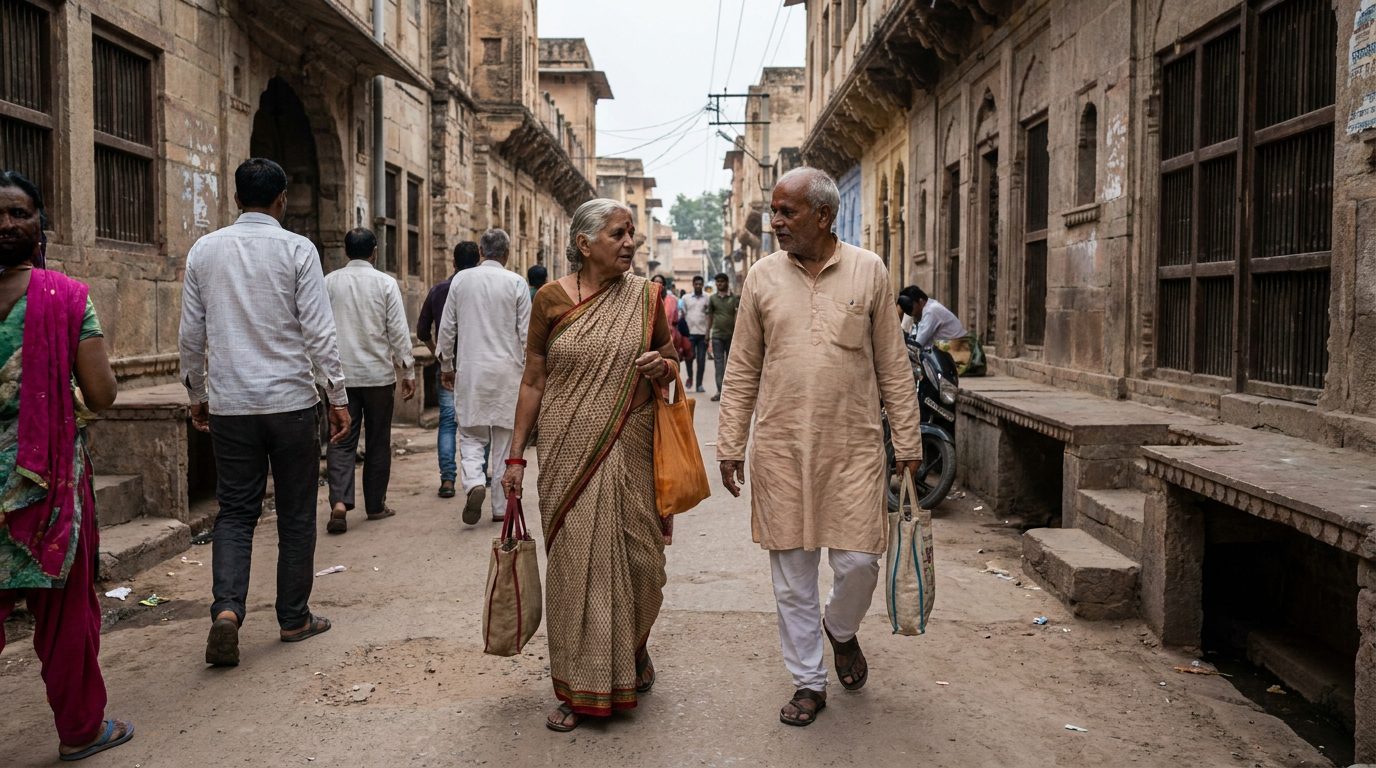
Vṛndāvana is not only a place on a map in northern India. For followers of Bhakti Yoga, Vṛndāvana is the sacred land of divine love, where Śrī Kṛṣṇa, the all-attractive Supreme Lord, reveals His most intimate and joyful pastimes with His devotees.
The word rasa means “taste,” “relationship,” or “flavor of love.” In Bhakti scriptures, rasa describes the unique way a soul loves and serves God. Just as every loving relationship in this world has a different mood—friendship, parental affection, service, romance, compassion—spiritual love also has many beautiful expressions.
The residents of Vṛndāvana, known as the Vrajavāsīs, are celebrated in the Bhakti tradition as the highest examples of pure love for Kṛṣṇa. Their love is simple, natural, and completely selfless. They do not love Kṛṣṇa because He is God, the creator, or the controller of the universe. They love Him because He is their beloved child, friend, master, or sweetheart.
This is the heart of Bhakti Yoga: to awaken our own loving relationship with the Divine.
Whether you are new to Kṛṣṇa, deeply rooted in another spiritual tradition, or simply curious about the path of devotion, you are welcome here. The rasas of Vṛndāvana invite all of us to consider a tender question: “How can I love God more personally, sincerely, and practically in my daily life?”
What Is Rasa in Bhakti Yoga?
Rasa Means the Living Taste of Love
In ordinary life, we may say something has “flavor” when it brings richness and experience. In Bhakti Yoga, rasa is the spiritual flavor of a relationship with Kṛṣṇa. It is not dry philosophy or distant theology. It is living, breathing love.
The great Bhakti teacher Śrīla Rūpa Gosvāmī explains in Bhakti-rasāmṛta-sindhu that devotion becomes fully satisfying when it matures into rasa—pure loving exchange with the Lord. This love is not sentimental or temporary. It is the soul’s eternal nature awakened.
Bhakti scriptures teach that every living being is spiritual by nature. We are not merely bodies, minds, histories, or social identities. At our deepest level, we are souls, made for loving connection with God. Rasa is the unique expression of that connection.
The Difference Between Material Emotion and Spiritual Rasa
We may wonder, “If rasa involves emotions, how is it different from ordinary feeling?”
Material emotions often change according to circumstance. They can be mixed with expectation, fear, control, or disappointment. Spiritual rasa is different. It is rooted in selfless love. It is not about using God to fulfill our desires. It is about offering ourselves to God with affection, trust, and joy.
This does not mean Bhakti Yoga rejects human emotion. Rather, it purifies emotion. Through chanting, prayer, service, hearing scripture, and keeping spiritual company, the heart becomes softened. Our natural capacity to love becomes redirected toward its eternal source.
Vṛndāvana Reveals the Fullness of Divine Relationship
In many spiritual traditions, God is approached with awe and reverence. This is beautiful and important. But Vṛndāvana reveals something especially intimate: God allows Himself to be loved in very personal ways.
In Vṛndāvana, Kṛṣṇa is not primarily seen as the majestic ruler of creation. He is Yaśodā’s darling child, Nanda Mahārāja’s son, the cowherd boys’ playful companion, the gopīs’ beloved, the cows’ protector, and the life of every resident.
The Śrīmad-Bhāgavatam, one of the most treasured Bhakti scriptures, describes Vṛndāvana as the place where divine love reaches its most intimate expression. It is a world where every tree, river, animal, friend, elder, and beloved exists for Kṛṣṇa’s happiness.
Śānta Rasa: Peaceful Reverence and Sacred Awareness
The Mood of Quiet Devotion
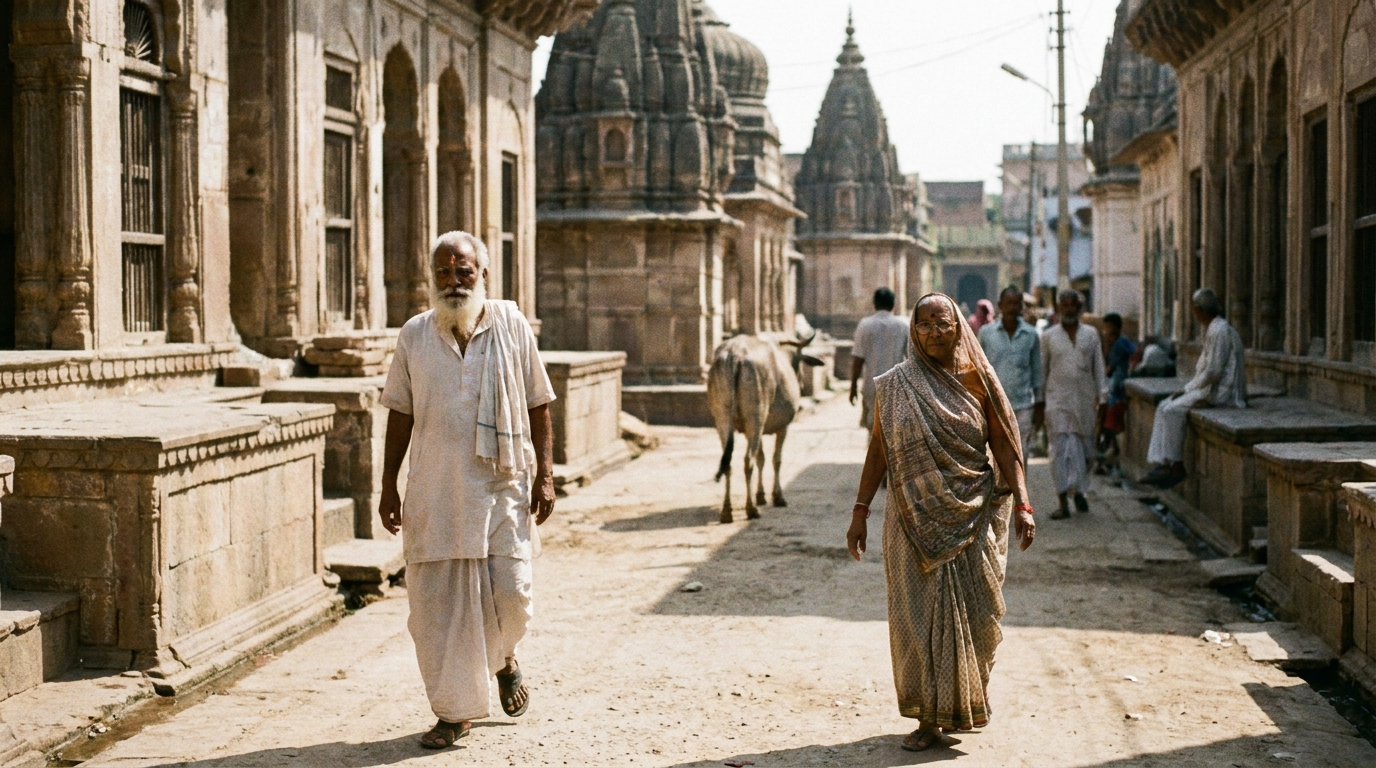
Śānta rasa means the mood of peaceful appreciation. In this rasa, the devotee recognizes the greatness, beauty, and spiritual nature of the Lord. There is reverence, steadiness, and freedom from material disturbance.
In Vṛndāvana, śānta rasa can be seen in the sacred land itself—the hills, rivers, trees, flowers, and animals who quietly serve Kṛṣṇa. Govardhana Hill offers caves, grasses, minerals, and fresh water for Kṛṣṇa and His friends. The Yamunā River flows gently, nourishing the land and participating in His pastimes. The trees bend low with fruits and flowers, as if offering themselves in devotion.
This mood teaches us that love does not always need many words. Sometimes devotion is silent presence. Sometimes it is simply being available for God’s service.
Practicing Śānta Rasa in Daily Life
For us, śānta rasa may begin as peaceful remembrance. We pause in the morning and acknowledge, “I am not alone. God is present.” We take a breath before reacting. We see nature as sacred. We allow gratitude to soften our anxiety.
A simple practice is to spend a few minutes each day in quiet prayer or mantra meditation. Chanting the holy names of God—such as the Hare Kṛṣṇa mahā-mantra—helps the mind become peaceful and the heart become receptive:
Hare Kṛṣṇa, Hare Kṛṣṇa, Kṛṣṇa Kṛṣṇa, Hare Hare
Hare Rāma, Hare Rāma, Rāma Rāma, Hare Hare
The word Hare calls upon the divine energy of the Lord, especially Śrīmatī Rādhārāṇī, the supreme goddess of devotion. Kṛṣṇa means “the all-attractive one,” and Rāma means “the reservoir of joy.” This mantra is a prayer: “O Lord, O divine energy of the Lord, please engage me in loving service.”
The Gift of Sacred Stillness
In a world that constantly pushes us to hurry, compare, and consume, śānta rasa reminds us to rest in sacred awareness. Peace is not emptiness. It can be the beginning of love.
When we learn to see the world as connected to Kṛṣṇa, our ordinary surroundings become spiritually meaningful. A meal becomes an offering. A walk becomes gratitude. A difficult moment becomes a chance to remember God.
Please visit our website for more information on our articles: articles.
Dāsya Rasa: Loving Service to Kṛṣṇa
The Joy of Serving the Beloved Lord
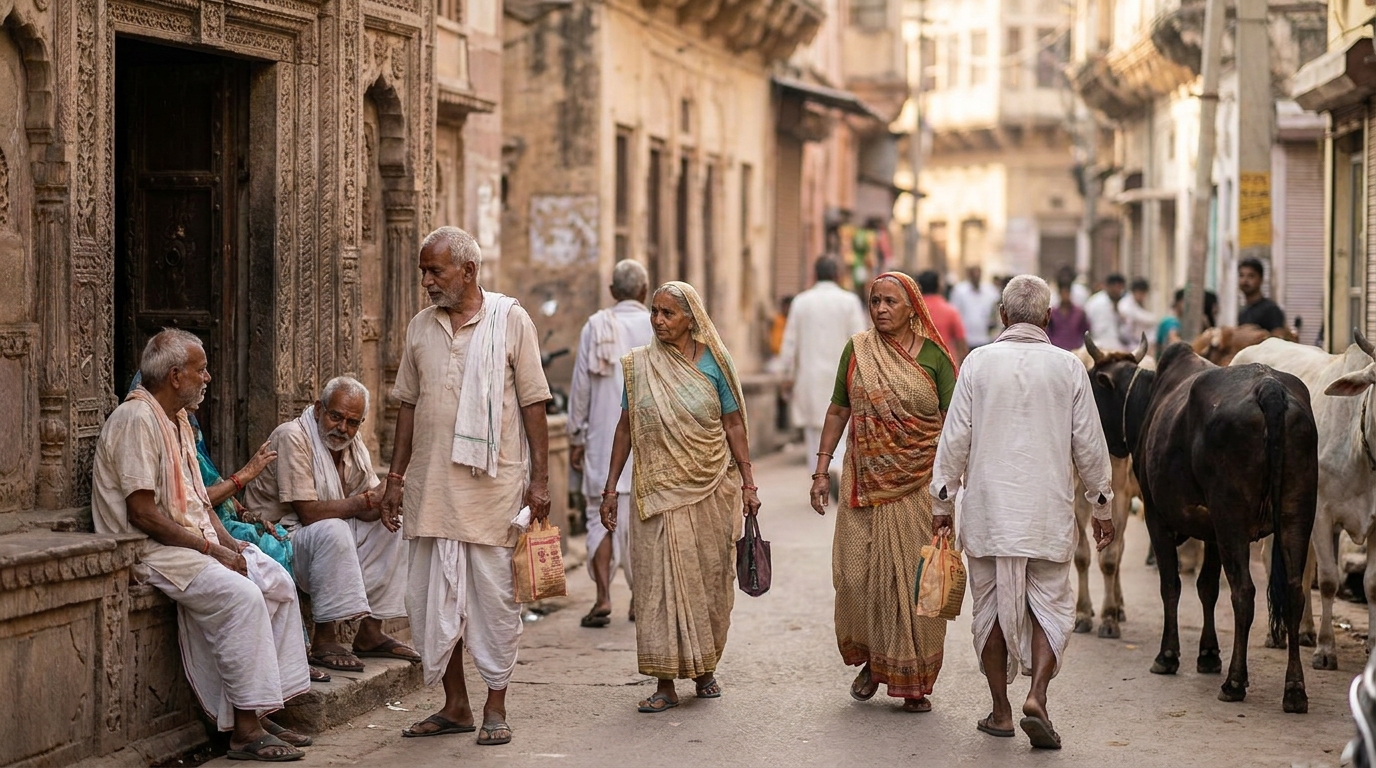
Dāsya rasa means loving service. The Sanskrit word dāsa means “servant,” but in Bhakti Yoga this is not a harsh or degrading idea. It means to serve out of love, like someone joyfully caring for the one they cherish.
In Vṛndāvana, some devotees serve Kṛṣṇa with deep affection and respect. They prepare His seat, arrange His ornaments, bring Him food, and assist His pastimes. Their happiness is Kṛṣṇa’s happiness.
This mood is central to Bhakti Yoga. The soul’s nature is not to dominate but to love. Service is love made practical.
Service Is Not Inferiority
Modern people may struggle with the word “servant” because it can sound like oppression or loss of dignity. But spiritual service is different. In Bhakti, service is the freedom of the heart. We are not forced. We choose to offer ourselves.
When love is pure, service is natural. A parent wakes in the night for a child. A friend makes time to listen. A spouse prepares a meal with affection. A nurse cares for the vulnerable. These are glimpses of how service can be beautiful.
Dāsya rasa spiritualizes this natural tendency. We ask, “How can I serve God today? How can I serve God’s children? How can I offer my talents, time, speech, and energy in a way that pleases the Divine?”
Practical Dāsya in Bhakti Yoga
Dāsya rasa can be practiced in simple ways:
- Offering food to Kṛṣṇa before eating
- Helping clean a temple, home altar, or sacred space
- Supporting spiritual gatherings
- Serving guests and community members
- Using one’s profession as an offering
- Speaking kindly as an act of devotion
- Volunteering for those in need
In the Bhagavad-gītā, Kṛṣṇa says, “Whatever you do, whatever you eat, whatever you offer or give away, do that as an offering to Me” (Bhagavad-gītā 9.27). This verse makes Bhakti wonderfully practical. Our whole life can become service.
We do not need to wait until we are perfect. We begin where we are. Even one sincere act offered with love can purify the heart.
Sakhya Rasa: Friendship with Kṛṣṇa
Kṛṣṇa as the Most Intimate Friend
Sakhya rasa is the mood of friendship. The word sakhā means “friend.” In Vṛndāvana, Kṛṣṇa’s cowherd boyfriends play with Him, joke with Him, wrestle with Him, eat with Him, and wander through the forests together.
They do not stand at a distance thinking, “Kṛṣṇa is the Supreme Lord.” Their love is so intimate that they climb on His shoulders, steal His lunch, tease Him, and laugh freely in His company. This is one of the wonders of Vṛndāvana: the Supreme Divine becomes completely approachable through love.
The Śrīmad-Bhāgavatam describes Kṛṣṇa entering the forest of Vṛndāvana with His friends, decorated with peacock feathers, flowers, and forest minerals, playing His flute and tending the calves. These scenes are not mythology in the ordinary sense. For Bhakti practitioners, they are sacred revelations of the eternal world of love.
Spiritual Friendship and Trust
Sakhya rasa teaches trust. A true friend is someone with whom we can be honest. Friendship with Kṛṣṇa means bringing our whole heart to Him—not only our polished prayers, but also our confusion, grief, hopes, and questions.
Many people think spirituality requires pretending to be peaceful all the time. But Bhakti invites honest relationship. We can say, “Kṛṣṇa, I am struggling. Please guide me.” Or, “My Lord, I do not know how to love You, but I want to learn.”
In the Bhagavad-gītā, Arjuna turns to Kṛṣṇa not only as God but as friend. Their relationship is intimate. Arjuna speaks openly, asks questions, admits weakness, and receives guidance. This shows us that spiritual life grows through sincere conversation with the Divine.
Practicing Friendship with God
We can practice sakhya rasa in our own stage by cultivating personal connection with Kṛṣṇa:
- Speak to God throughout the day
- Share your concerns in prayer
- Read Kṛṣṇa’s pastimes as time spent with Him
- Chant with the feeling that you are calling a dear friend
- Trust that Kṛṣṇa is present even when life feels uncertain
- Keep company with devotees who help you remember Him
Friendship with Kṛṣṇa does not mean casual disrespect. It means loving closeness. As our heart becomes purified, awe may gradually soften into affection. We begin to feel that God is not far away. He is near, caring, and deeply personal.
Vātsalya Rasa: Parental Love for Kṛṣṇa
The Wonder of Loving God as One’s Child
Vātsalya rasa means parental affection. In Vṛndāvana, this rasa shines most beautifully in Mother Yaśodā and Nanda Mahārāja, Kṛṣṇa’s parents. They love Kṛṣṇa as their little boy. They feed Him, bathe Him, dress Him, worry about Him, discipline Him, and celebrate His every step.
This is astonishing. The Supreme Lord, who sustains all universes, allows Himself to be cared for by His devotees. He becomes dependent on their love.
One famous pastime from the Śrīmad-Bhāgavatam tells how Mother Yaśodā tried to bind naughty little Kṛṣṇa with a rope after He stole butter. Each rope she used was mysteriously two fingers too short. Finally, seeing her sincere effort and loving exhaustion, Kṛṣṇa allowed Himself to be bound.
Bhakti teachers explain that the two fingers represent human effort and divine grace. We do our sincere best, and Kṛṣṇa completes what we cannot.
God Becomes Conquered by Love
Vātsalya rasa reveals a profound truth: love can conquer God. Not by force, argument, or power, but by affection.
Mother Yaśodā does not meditate on Kṛṣṇa as the cosmic ruler. She worries that He may be hungry. She checks if His feet are hurt. She ties protective charms around Him. Her love is so pure that Kṛṣṇa delights in being her child.
This teaches us that God is not only great; God is sweet. In Sanskrit, this sweetness is called mādhurya. Vṛndāvana is the land of divine sweetness, where love is more important than majesty.
Caring as a Spiritual Practice
Most of us may not be on the level of Mother Yaśodā, but we can learn from her mood. Care can become worship.
When we feed others, protect children, tend to elders, care for animals, cook with love, or create a peaceful home, we can offer these acts to Kṛṣṇa. Parenting, caregiving, and homemaking can become sacred when done in remembrance of God.
We may also care for a home altar, a sacred image, or a picture of Kṛṣṇa. We can offer flowers, water, incense, or food with affection. This practice, called arcana or deity worship, helps the heart develop personal service. We learn to think, “Kṛṣṇa is a person. Let me care for Him with love.”
Mādhurya Rasa: Divine Romantic Love
The Crown Jewel of Vṛndāvana’s Rasas
Mādhurya rasa means the mood of divine romantic love. It is considered the most intimate rasa because it includes service, friendship, care, sacrifice, longing, and complete self-giving. In Vṛndāvana, this love is most perfectly expressed by Śrīmatī Rādhārāṇī and the gopīs, the cowherd maidens.
It is important to approach this subject with humility and purity. Mādhurya rasa is not ordinary romance. It is not material desire projected onto God. It is the highest selfless love, completely free from selfish enjoyment.
The gopīs love Kṛṣṇa only for His pleasure. Their hearts belong entirely to Him. They are willing to sacrifice reputation, comfort, and even spiritual liberation if it will bring Him happiness.
Śrīmatī Rādhārāṇī: The Queen of Devotion
Śrīmatī Rādhārāṇī is the supreme devotee of Kṛṣṇa. In the Bhakti tradition, She is understood as the personification of the Lord’s own loving energy. If Kṛṣṇa is the all-attractive one, Rādhā is the one who attracts even Kṛṣṇa by Her love.
Devotees often pray for Rādhārāṇī’s mercy because She teaches us how to love Kṛṣṇa. Her compassion is especially dear to those who feel unqualified. She notices even small attempts at devotion and helps bring the soul closer to God.
When we chant the Hare Kṛṣṇa mantra, we are calling first to Hare, the divine feminine energy of devotion. We are praying, “O Rādhā, please engage me in Kṛṣṇa’s service.”
The Rāsa-līlā and Pure Love
One of the most famous sacred narratives of Vṛndāvana is the Rāsa-līlā, the divine dance of Kṛṣṇa with the gopīs, described in the Tenth Canto of the Śrīmad-Bhāgavatam. This pastime is deeply sacred and should be heard with respect from authentic sources.
The Rāsa-līlā teaches that the soul’s highest fulfillment is to respond to Kṛṣṇa’s call. When Kṛṣṇa plays His flute, the gopīs leave everything to be with Him. Spiritually, this represents the soul leaving behind ego, distraction, and worldly attachment to answer the call of divine love.
This does not mean we irresponsibly abandon our duties. Rather, it means that inwardly we place God at the center. We perform our responsibilities as offerings, while remembering that our deepest belonging is with Kṛṣṇa.
Longing as a Form of Devotion
Mādhurya rasa also teaches the sacredness of longing. Sometimes we may feel distant from God. In Bhakti, even that longing can become devotional when it is sincere.
A simple prayer may be: “Kṛṣṇa, I do not feel close to You, but I want to. Please awaken love in my heart.”
This kind of honest yearning is powerful. The Bhakti saints often pray not for wealth, fame, or even liberation, but for pure love. Śrī Caitanya Mahāprabhu, who appeared to share the love of Rādhā and Kṛṣṇa through chanting, prayed: “I do not want wealth, followers, or worldly beauty. I only want causeless devotion to You, birth after birth.”
That prayer is the heart of mādhurya: love for love’s sake.
The Animals, Trees, and Land of Vṛndāvana
The Cows of Vṛndāvana
Kṛṣṇa is known as Govinda and Gopāla, names that mean He gives pleasure to the cows, the senses, and the land, and that He protects the cows. The cows of Vṛndāvana are not ordinary animals in the spiritual vision. They are beloved residents who serve Kṛṣṇa with affection.
They provide milk, follow Him with love, and become overwhelmed when they hear His flute. Their relationship with Kṛṣṇa reminds us to expand our circle of compassion. Bhakti is not only about human beings. It includes kindness toward all living creatures.
Practically, this may inspire us to live more gently, eat with awareness, reduce harm, and see animals as souls worthy of respect.
The Trees and Flowers as Devotees
The trees of Vṛndāvana are praised by the cowherd boys and by Bhakti teachers because they offer shade, fruits, flowers, and beauty without asking anything in return. They stand patiently, giving themselves for Kṛṣṇa’s pleasure.
This is a profound lesson in humility. The trees do not advertise their service. They simply give.
In our daily lives, we can learn to serve quietly. Not every act of love needs recognition. A kind word, a clean room, a meal prepared, a donation made, a prayer offered for someone suffering—these may be hidden from the world, but they are seen by Kṛṣṇa.
Govardhana Hill: The Best Servant
Govardhana Hill is worshiped in Bhakti tradition as one of Kṛṣṇa’s greatest devotees. Govardhana serves by providing grass for the cows, water for the residents, caves for play, minerals for decoration, and beautiful settings for Kṛṣṇa’s pastimes.
The Śrīmad-Bhāgavatam describes how Kṛṣṇa lifted Govardhana Hill to protect the residents of Vṛndāvana from a devastating storm. For seven days, He held the hill like an umbrella, while the Vrajavāsīs gathered beneath it in loving wonder.
This pastime teaches surrender and protection. When storms come—externally or internally—we can take shelter of Kṛṣṇa. Shelter does not always mean life becomes easy, but it means we are held by divine love.
How the Rasas Guide Our Own Spiritual Growth
We Begin with Hearing and Chanting
Most of us do not begin spiritual life with deep realization of our eternal rasa. We begin simply. We hear about Kṛṣṇa. We chant His names. We pray. We associate with devotees. We serve. Over time, the heart becomes purified and awakened.
The primary practices of Bhakti Yoga are beautifully accessible:
- Śravaṇam — hearing about God
- Kīrtanam — chanting or singing God’s names
- Smaranam — remembering God
- Sevanam — serving with love
- Arcanam — worshiping with offerings
- Vandanam — offering prayers
- Dāsyam — serving as a devoted servant
- Sakhyam — cultivating friendship with God
- Ātma-nivedanam — offering the self
These nine processes are described in the Śrīmad-Bhāgavatam. They show that Bhakti is not limited to one personality type. Some people love music. Some love study. Some love cooking. Some love serving. Some love contemplation. All can be included in devotion.
We Do Not Imitate; We Follow with Respect
When exploring the rasas of Vṛndāvana’s residents, it is important not to imitate advanced spiritual emotions artificially. The love of the Vrajavāsīs is pure and beyond selfish desire. We honor it, hear about it, and allow it to inspire our own sincere practice.
A helpful principle is: appreciate the highest love, while practicing the next honest step.
If we are struggling with anger, distraction, doubt, or grief, we do not need to pretend to be saints. We bring our real heart to Kṛṣṇa. We chant sincerely. We serve where we can. We ask for guidance. This humility is very pleasing to the Lord.
Spiritual Growth Is Personal and Gradual
Bhakti Yoga is both simple and deep. The simple part is that anyone can begin by chanting God’s names and offering love. The deep part is that the heart’s transformation continues endlessly.
Just as relationships grow through time, attention, forgiveness, and shared experience, our relationship with Kṛṣṇa grows through daily connection. We may start with curiosity. Then faith begins. Then practice becomes steady. Then taste awakens. Then attachment to God grows. Eventually, pure love may blossom.
This path is not about rushing. It is about sincerity.
Bringing the Mood of Vṛndāvana into Daily Life
Chanting as a Daily Anchor
Chanting is one of the most powerful and practical ways to connect with the rasas of Vṛndāvana. Kṛṣṇa is fully present in His holy names. When we chant, we are not merely repeating sounds; we are calling out to a Person.
You may chant softly in the morning, sing with others in kīrtan, or repeat the mantra on beads called japa mālā. Even a few minutes a day can make a difference when done sincerely.
Try chanting with a simple intention: “Kṛṣṇa, please let me remember You. Please let me serve You. Please awaken love in my heart.”
Prayer as Honest Relationship
Prayer does not need to be complicated. It can be formal or spontaneous. It can be spoken, sung, written, or silent.
You might pray:
“Dear Kṛṣṇa, please guide me today.”
“Dear Rādhā, please teach me how to love.”
“Dear Lord, please help me serve with humility.”
“Please protect my heart from selfishness and help me remember You.”
In Bhakti, prayer is not only asking for things. It is opening the heart.
Service as Love in Motion
Vṛndāvana’s residents do not love Kṛṣṇa passively. Their love moves. It cooks, sings, decorates, protects, dances, laughs, and sacrifices.
We can bring this into our daily life by asking, “How can my actions become offerings?”
Cooking can become devotion when we offer food to God. Work can become devotion when done honestly and used in service. Relationships can become devotion when we practice patience, forgiveness, and compassion. Community life can become devotion when we serve without seeking praise.
Community as Sacred Support
Bhakti is personal, but it is not lonely. The path becomes joyful when shared with others. Spiritual community, or satsang, means keeping company with those who help us remember God and live with purpose.
In a Bhakti community, people gather to chant, hear scripture, share prasāda—sanctified food offered to Kṛṣṇa—and encourage one another. Everyone comes with different backgrounds, stories, and levels of experience. What unites us is the desire to grow in love.
The mood of The Bhakti House is simple: come as you are, and take one sincere step.
What the Vrajavāsīs Teach Us About Love
Love Is Personal
The residents of Vṛndāvana show us that God is not an abstract force only. Kṛṣṇa has qualities, beauty, humor, tenderness, and the desire for relationship. He receives love and gives love.
This personal understanding of God can heal the heart. Many people carry wounds from distant, fearful, or impersonal ideas of spirituality. Vṛndāvana reveals a God who plays the flute, protects cows, shares lunch with friends, accepts motherly affection, and responds to the love of His devotees.
Love Is Selfless
The Vrajavāsīs do not ask, “What will I get from Kṛṣṇa?” They ask, “How can Kṛṣṇa be happy?” This is the essence of pure Bhakti.
Of course, most of us begin with mixed motives. We may pray for help, healing, peace, or clarity. That is natural, and Kṛṣṇa kindly accepts us. But as devotion matures, our heart begins to shift from taking to offering.
This shift is spiritual growth.
Love Is Joyful
Vṛndāvana is full of laughter, music, dancing, beauty, and sweetness. Bhakti is not meant to be gloomy. It is serious in purpose, but joyful in expression.
Kīrtan, the singing of God’s names, captures this joy. People from many backgrounds can gather, sing, clap, dance, and feel the heart become lighter. In that shared sound, barriers soften. We remember that we are all souls longing for love.
Love Is Stronger Than Fear
The residents of Vṛndāvana face many dangers in Kṛṣṇa’s pastimes—storms, demons, forest fires, and uncertainty. Yet their love remains fixed. They take shelter of Kṛṣṇa, and Kṛṣṇa protects them.
In our own lives, fear may come in many forms: illness, loss, loneliness, failure, change. Bhakti does not deny these realities. It gives us shelter within them. Through chanting, prayer, scripture, and community, we remember: “Kṛṣṇa is with me. I can take the next step.”
Approaching Vṛndāvana Through Śrī Caitanya Mahāprabhu
The Gift of the Holy Name
Śrī Caitanya Mahāprabhu, who appeared in Bengal in the 15th century, is honored in the Gauḍīya Bhakti tradition as Kṛṣṇa Himself in the mood of Rādhārāṇī, sharing the highest love through the simplest practice: chanting the holy names.
He did not restrict Bhakti to scholars, monks, or people born in a particular culture. He invited everyone to chant, dance, honor prasāda, and awaken love for Kṛṣṇa.
His main teaching is deeply generous: in this age of distraction and anxiety, the holy name is the most accessible path to God.
Humility Opens the Door
Śrī Caitanya taught that one should chant the holy name with humility, tolerance, respect for others, and without demanding honor. This instruction is practical for every seeker.
Humility does not mean hating ourselves. It means recognizing that love is a gift. We cannot force spiritual realization, but we can make our hearts ready to receive grace.
When we welcome others, listen deeply, forgive, and serve without pride, we create a Vṛndāvana-like space in our own hearts and communities.
A Simple Meditation on the Rasas of Vṛndāvana
Remembering the Residents
Take a quiet moment and imagine Vṛndāvana with reverence.
The Yamunā flows gently. The trees are full of flowers. The cows graze peacefully. Kṛṣṇa walks with His friends, His flute tucked into His belt, His smile brighter than the moon. Mother Yaśodā waits with warm food. The gopīs hear the flute and feel their hearts drawn completely to Him. Govardhana Hill stands in humble service.
Each resident loves Kṛṣṇa in a unique way. No love is wasted. No sincere offering is too small.
Now ask yourself: “How can I love today?”
Maybe through peaceful remembrance.
Maybe through service.
Maybe through friendship and honest prayer.
Maybe through care.
Maybe through longing.
Maybe through chanting one round, singing one kīrtan, offering one meal, or speaking one kind word.
Letting Vṛndāvana Shape the Heart
We may not live physically in Vṛndāvana, but by sincere practice, Vṛndāvana can begin to live in us. When our home becomes a place of prayer, when our food becomes an offering, when our speech becomes kinder, when our work becomes service, and when our heart turns toward Kṛṣṇa, the spirit of Vṛndāvana awakens.
This is the beauty of Bhakti Yoga. It meets us where we are and gently leads us toward pure love.
Everyone Is Welcome to Taste Bhakti
The rasas of Vṛndāvana’s residents are not merely topics for study. They are invitations into a life of love. They show us that the Supreme Lord is not distant from the heart. Kṛṣṇa is approachable through sincerity, chanting, prayer, service, and the company of devotees.
You do not need to have everything figured out. You do not need to know Sanskrit, have a perfect meditation practice, or come from a particular background. Bhakti begins with a sincere heart.
If you feel drawn, take one small step today. Chant the holy names. Offer a prayer. Read a verse from the Bhagavad-gītā or Śrīmad-Bhāgavatam. Serve someone with love. Visit a Bhakti gathering. Ask Kṛṣṇa to guide you.
Everyone is welcome. Every sincere step matters. And by grace, even one small act of devotion can become the beginning of a beautiful journey back to God.
FAQs
1. Who are the residents of Vṛndāvana and what are their rasas?
The residents of Vṛndāvana are the devotees of Lord Krishna, and they experience different rasas or relationships with him, such as friendship, parental love, and romantic love.
2. What is the significance of the residents of Vṛndāvana in Hindu mythology?
The residents of Vṛndāvana are considered to be the most intimate devotees of Lord Krishna, and their loving relationships with him serve as a model for devotees to emulate in their own spiritual practice.
3. How do the residents of Vṛndāvana express their rasas towards Lord Krishna?
The residents of Vṛndāvana express their rasas towards Lord Krishna through various activities such as singing, dancing, offering food, and engaging in loving exchanges with him and other devotees.
4. What are some examples of the residents of Vṛndāvana and their rasas in Hindu scriptures?
Some examples of the residents of Vṛndāvana and their rasas can be found in the Bhagavata Purana, where the gopis (cowherd girls) exhibit romantic love towards Krishna, and the cowherd boys display friendship towards him.
5. How do the residents of Vṛndāvana inspire devotion and spiritual practice in Hinduism?
The residents of Vṛndāvana inspire devotion and spiritual practice in Hinduism by exemplifying the highest forms of love and devotion towards Lord Krishna, serving as role models for devotees to cultivate their own loving relationships with the divine.

