
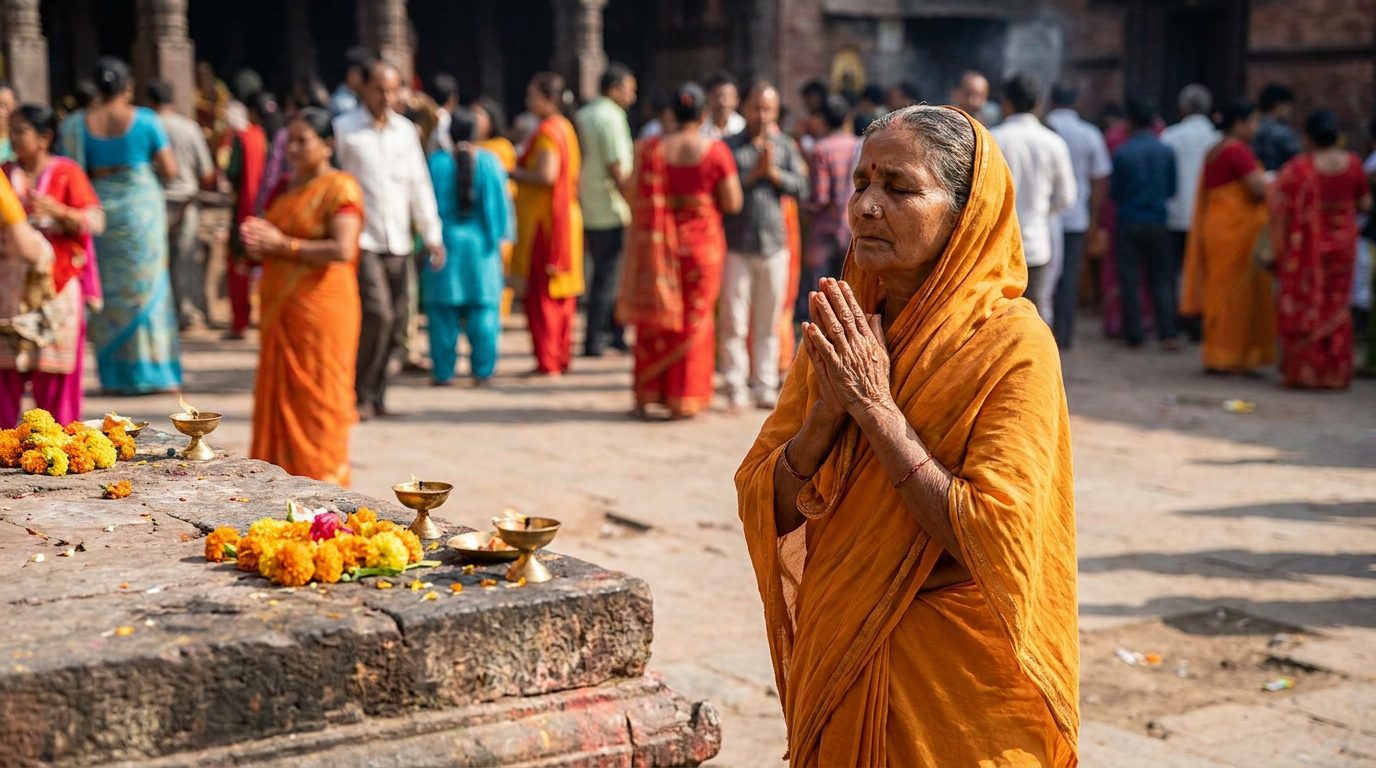
Bhakti Yoga is often described as the yoga of love and devotion. It is a practical spiritual path where the heart is gently turned toward God through chanting, prayer, service, remembrance, sacred study, and loving community. In Bhakti, spirituality is not only something we believe; it is something we live, feel, offer, and become.
The word bhakti comes from Sanskrit and means devotion, loving service, or heartfelt participation in a relationship with the Divine. It is not limited to one background, culture, or level of knowledge. Anyone can practice Bhakti. Anyone can offer a prayer. Anyone can chant a holy name. Anyone can begin with sincerity.
The word rasa is also Sanskrit. It means taste, essence, flavor, or sacred emotion. In Bhakti teachings, rasa points to the deep spiritual experience of love between the soul and God. Just as food has flavor, music has mood, and friendship has warmth, spiritual life also has taste. Bhakti-rasa is the sacred taste of loving relationship with the Supreme.
Exploring the Bhakti-rasa connection helps us understand that devotion is not dry ritual or distant philosophy. It is alive. It is relational. It touches the heart. It transforms how we see ourselves, others, the world, and God.
What Is Bhakti-Rasa?
Bhakti-rasa is the spiritual “flavor” of loving devotion. It is the inner experience that arises when the soul reconnects with God through loving service.
In the Bhakti tradition, especially as presented by great teachers like Srila Rupa Goswami in the Bhakti-rasamrita-sindhu—often translated as “The Ocean of the Nectar of Devotion”—the relationship between the soul and Krishna, the all-attractive Supreme Person, is described with great beauty and depth.
For those new to these teachings, the name Krishna means “the all-attractive one.” In Bhakti Yoga, Krishna is understood as the personal form of God, full of beauty, wisdom, compassion, playfulness, and love. Some may use other names for God according to their tradition. Bhakti welcomes sincere devotion offered to the Divine with humility and love.
Rasa as Spiritual Taste
In everyday life, we naturally seek taste. We seek meaningful conversation, nourishing food, beautiful music, loving relationships, and purposeful work. These experiences give life texture and depth.
Bhakti teaches that the soul’s deepest taste is spiritual love. We may search for fulfillment in many places, yet the heart longs for eternal connection. Bhakti-rasa is that sacred taste the heart has always been seeking.
This does not mean we reject life. Rather, Bhakti helps us spiritualize life. We learn to cook with devotion, speak with kindness, work as an offering, sing as prayer, and serve others as beloved children of God.
Rasa Is Not Sentimentality
It is important to understand that Bhakti-rasa is not ordinary emotion or temporary sentiment. It is not simply feeling peaceful during a song or inspired during a gathering, though those moments may be beautiful beginnings.
True spiritual rasa grows through steady practice, humility, guidance, purification, and grace. It is rooted in sincere devotion and a desire to please God, not merely to enjoy a spiritual feeling for ourselves.
In the Bhagavad-gita, Krishna says, “Whatever you do, whatever you eat, whatever you offer or give away, and whatever austerities you perform—do that as an offering to Me” (Bhagavad-gita 9.27). This verse shows the heart of Bhakti: offering our life in love. Through such offering, devotion matures and spiritual taste awakens.
The Heart of Bhakti Yoga: Relationship with God
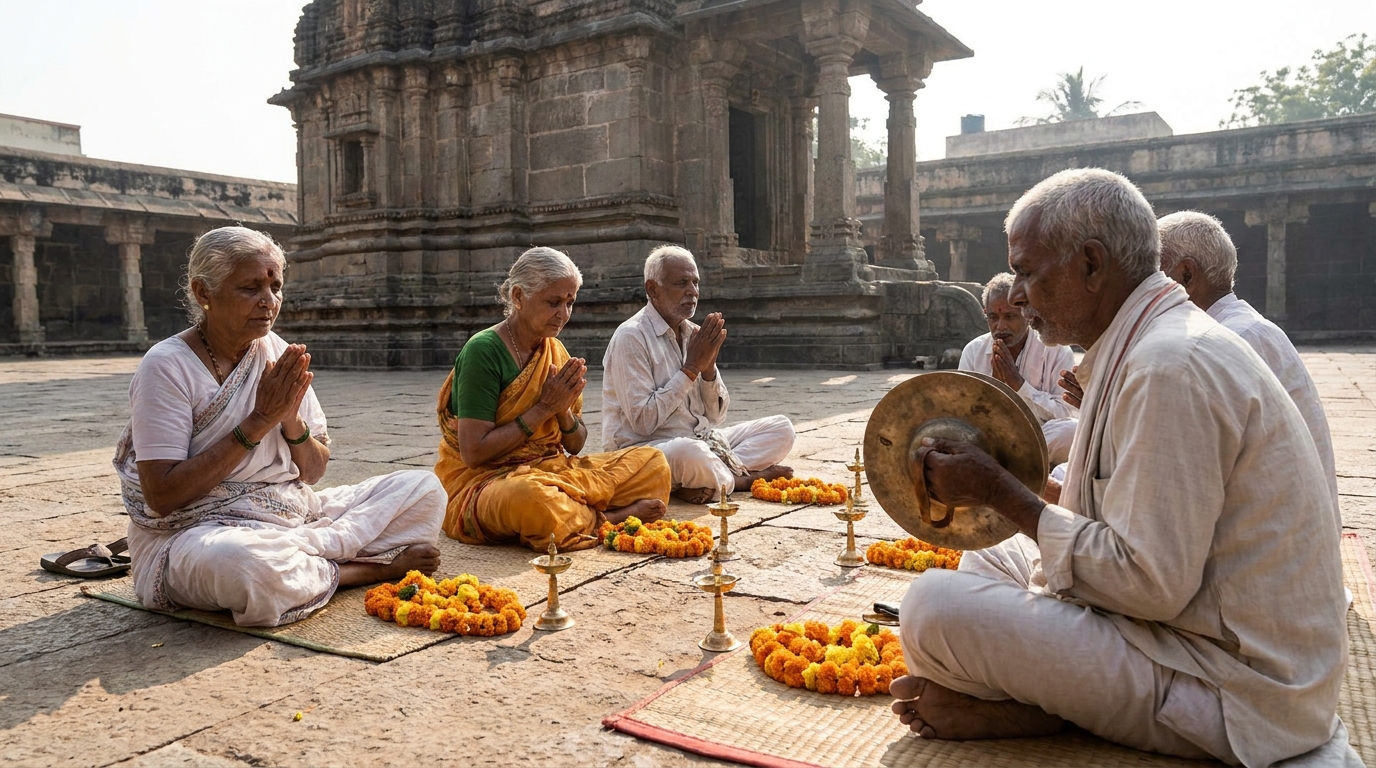
Bhakti Yoga is centered on relationship. It teaches that the soul is not alone, not accidental, and not merely material. Each of us is an eternal spiritual being, meant for loving connection with the Supreme.
This is a deeply comforting understanding. We do not have to manufacture spiritual identity. We uncover it. We do not have to force divine love into the heart. We make space for what is already natural to the soul.
The Soul’s Natural Longing
The Sanskrit word jiva means the individual soul—the living spiritual self within the body. According to Bhakti teachings, every jiva has an eternal relationship with God. This relationship may be forgotten, covered, or neglected, but it is never destroyed.
Many people feel a quiet longing that ordinary success cannot satisfy. Even when life is full, something within asks, “Is there more? What is my purpose? How can I love more deeply? How can I feel closer to God?”
Bhakti responds to this longing with a gentle invitation: begin where you are. Chant one holy name. Offer one sincere prayer. Read one sacred verse. Serve one person with love. These small steps can awaken great transformation.
God as Personal and Loving
Some spiritual paths focus on God as light, energy, or universal consciousness. Bhakti honors these understandings, yet also emphasizes that the Supreme is personal. God can know us, love us, guide us, and receive our love.
This personal aspect of God makes rasa possible. Love requires relationship. Relationship requires two: the lover and the beloved. In Bhakti, the soul is the lover, and God is the supreme beloved.
The Srimad-Bhagavatam, one of the central scriptures of the Bhakti tradition, beautifully describes God not only as the creator and maintainer of the universe, but as the intimate friend of the heart. This understanding gives devotional life warmth. We are not praying into emptiness. We are calling out to the One who has always been with us.
Please visit our website for more information on our articles: articles.
The Main Rasas in Bhakti Tradition
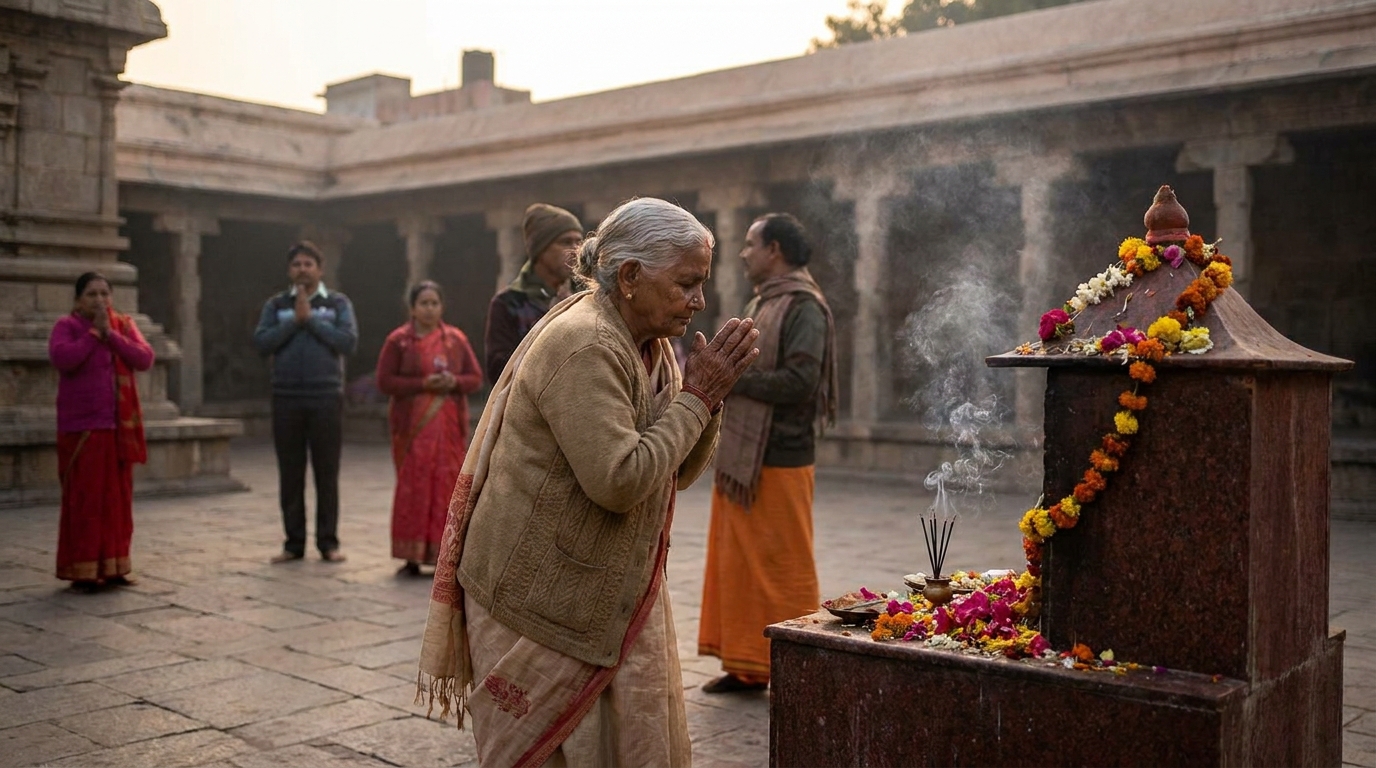
Bhakti scriptures describe different primary rasas, or devotional relationships, through which souls may love and serve God. These are not artificial roles to imitate, but sacred moods revealed in the lives of perfected devotees.
Learning about these rasas helps us appreciate the richness of divine love. It also reminds us that spiritual life is personal. Each soul is unique, and each relationship with God has beauty.
Shanta Rasa: Peaceful Reverence
Shanta rasa is the mood of peaceful appreciation and reverence. A devotee in this mood honors God’s greatness, feels inner calm, and rests in spiritual awareness.
For beginners, this may be a familiar starting point. We may sit quietly, remember God, feel gratitude for creation, or experience awe in nature. There is love here, though it may be calm and contemplative.
Shanta rasa teaches us to slow down and recognize the sacred. In a noisy world, peaceful remembrance is powerful. Even a few minutes of daily meditation on the Divine can soften the heart.
Dasya Rasa: Loving Service
Dasya rasa means the mood of loving service. The devotee sees themselves as a servant of God—not in a harsh or degrading sense, but in a joyful and dignified way.
In Bhakti, service is an expression of love. A parent serves a child, a friend helps a friend, and a caregiver tends to someone in need. Service becomes beautiful when it is offered freely and lovingly.
This rasa is very practical. We can practice dasya by offering our work to God, helping in a spiritual community, preparing food as an offering, cleaning a sacred space, supporting someone who is struggling, or using our talents for divine purpose.
Sakhya Rasa: Divine Friendship
Sakhya rasa is friendship with God. In this mood, the devotee relates to the Lord with trust, openness, and affection.
The Bhagavad-gita gives a wonderful example of this. Arjuna, the warrior and seeker, speaks with Krishna not only as a student speaks to a teacher, but as a friend speaks to a trusted companion. Krishna guides Arjuna through confusion, fear, duty, and surrender.
Spiritual friendship with God means we can speak honestly in prayer. We can bring our doubts, gratitude, pain, hopes, and questions. Bhakti does not require pretending. Krishna invites the real heart.
Vatsalya Rasa: Parental Affection
Vatsalya rasa is the mood of parental love toward God. This may sound surprising at first. Many traditions emphasize God as the Father or Mother of all beings. Bhakti also reveals the sweetness of devotees loving God as their child.
In Krishna’s pastimes, Mother Yashoda loves Krishna with deep parental affection. Though Krishna is the Supreme Lord, she feeds Him, protects Him, worries about Him, and even gently corrects Him. This reveals a profound truth: divine love can be so intimate that God allows Himself to be loved and cared for by His devotee.
For us, vatsalya rasa can inspire tenderness in spiritual life. We may care for sacred items, serve the deity form of the Lord, protect our devotional practices, and nurture faith like a precious child.
Madhurya Rasa: Divine Loving Sweetness
Madhurya rasa is the mood of divine romantic love, considered the most intimate form of Bhakti-rasa in many Vaishnava traditions. It is expressed supremely by the gopis of Vrindavan, especially Srimati Radharani, whose love for Krishna is celebrated as the highest selfless devotion.
This subject is sacred and should be approached with humility. It is not ordinary romance. It is pure, selfless, spiritual love, free from selfish desire. The gopis love Krishna only for His happiness.
For practitioners, the lesson is not to imitate advanced states, but to honor the principle of wholehearted devotion. Madhurya rasa teaches that the highest love is total, pure, and centered on pleasing God.
How Bhakti-Rasa Awakens Through Practice
Bhakti-rasa is a gift of grace, yet Bhakti traditions also offer practical ways to prepare the heart to receive it. Just as a garden grows when watered, protected, and exposed to sunlight, devotion grows through steady spiritual practice.
The Sanskrit word sadhana means regular spiritual practice. Sadhana is not meant to be a burden. It is a loving structure that helps the heart remember what matters most.
Chanting the Holy Names
One of the most accessible and powerful practices of Bhakti Yoga is chanting sacred names of God. This may be done softly in personal meditation, often with prayer beads, or joyfully in group singing called kirtan.
A widely practiced mantra in the Bhakti tradition is the Hare Krishna maha-mantra:
Hare Krishna Hare Krishna
Krishna Krishna Hare Hare
Hare Rama Hare Rama
Rama Rama Hare Hare
The word mantra means a sacred sound that helps free the mind. “Hare” calls upon the divine energy of the Lord, “Krishna” means the all-attractive one, and “Rama” means the source of joy and spiritual pleasure.
Chanting is simple, but deep. We do not need to be perfect to begin. We only need sincerity. The holy name meets us where we are and gradually cleanses the heart.
In the Srimad-Bhagavatam (12.3.51), it is said that in this age, chanting the names of God is the great spiritual practice for liberation and awakening. For modern life—busy, distracted, and often anxious—chanting offers a direct way to reconnect.
Hearing Sacred Wisdom
Another essential practice is sravanam, hearing spiritual truth. This includes listening to scripture, classes, kirtan, stories of saints, and conversations that nourish devotion.
The heart is shaped by what it hears. If we constantly absorb fear, comparison, and materialism, the heart becomes restless. When we hear about God’s qualities, compassion, and loving pastimes, the heart becomes purified and inspired.
The Bhagavad-gita, Srimad-Bhagavatam, and other Bhakti texts are not meant only for scholars. They are living guides. Even one verse, reflected upon with humility, can change how we move through the day.
Prayer from the Real Heart
Prayer is one of the most universal forms of Bhakti. It does not require a particular language or impressive vocabulary. A sincere prayer may be as simple as: “Please guide me.” “Please help me love You.” “Please let me serve.” “Thank You for not giving up on me.”
In Bhakti, prayer is not only asking God to fulfill our plans. It is opening ourselves to divine will. It is relationship. It is honesty. It is the soul turning toward its source.
When we pray regularly, we begin to notice God’s presence in ordinary moments. We may feel guided through scripture, softened through challenge, or encouraged through the kindness of others.
Service as an Offering
The Sanskrit word seva means devotional service. Seva is love in action. It can be formal, like helping at a temple or spiritual gathering, or informal, like caring for family, feeding others, listening compassionately, or doing honest work with a devotional intention.
Bhakti transforms the question “What can I get?” into “How can I serve?” This shift is healing. It moves us from isolation to connection, from ego to offering, from consumption to love.
Krishna says in the Bhagavad-gita (9.26), “If one offers Me with love and devotion a leaf, a flower, fruit, or water, I will accept it.” This verse is so generous. God is not asking for wealth, status, or perfection. He is asking for love.
The Role of Community in Tasting Bhakti-Rasa
Spiritual life grows beautifully in the company of sincere people. The Sanskrit word sanga means association or company. In Bhakti, sadhu-sanga means the association of devotees—people who are trying to live with devotion and integrity.
None of us are meant to walk the path alone. We need encouragement, friendship, guidance, and examples of lived devotion.
Kirtan and Shared Devotion
Group chanting, or kirtan, is one of the sweetest ways to experience Bhakti in community. In kirtan, people gather to sing the names of God, often with instruments like harmonium, mridanga drum, kartals, guitar, or simply clapping hands.
Kirtan welcomes everyone. You do not have to be a trained singer. You do not have to know the words perfectly. You can listen, hum, sing, or simply receive.
Something special happens when many hearts turn toward God together. The atmosphere becomes lighter. The mind becomes calmer. The heart becomes more open. The holy name carries everyone.
Learning from Devotees
In every tradition, we need living examples. Books guide us, but people show us how wisdom becomes character.
A sincere devotee may not claim to be advanced. In fact, humility is one sign of spiritual maturity. Still, through their kindness, steadiness, forgiveness, and joy in service, they help us understand what Bhakti looks like in daily life.
The Srimad-Bhagavatam repeatedly praises the value of hearing from and serving saintly persons. Their company can awaken faith and help us avoid discouragement.
Creating Sacred Home Life
Bhakti-rasa is not limited to temples or retreats. A home can become a sacred place through simple practices: a small altar, daily chanting, offering food to God, reading scripture, singing together, or ending the day with gratitude.
Even if we live alone, even if our family does not share our practice, we can create small rhythms of devotion. Light a candle. Offer water or a flower. Play kirtan while cooking. Keep prayer beads nearby. Read a verse before looking at the phone in the morning.
The point is not performance. The point is remembrance.
Obstacles to Spiritual Taste and How to Move Through Them
Many sincere seekers wonder, “Why don’t I always feel devotion?” This is a natural question. Spiritual taste may come and go, especially in the beginning. Bhakti scriptures compassionately explain that the heart is covered by habits, distractions, wounds, and desires that take time to heal.
We do not need to become discouraged. The path is gradual and grace-filled.
Dryness in Practice
Sometimes chanting feels sweet. Sometimes it feels mechanical. Sometimes prayer feels alive. Sometimes the mind wanders everywhere.
This does not mean the practice is not working. Just as medicine works even when we do not immediately feel it, sincere Bhakti practice purifies the heart over time.
When practice feels dry, we can simplify. Chant fewer rounds with more attention. Read one verse slowly. Pray honestly: “I feel distant, but I still want to come closer.” This kind of humility is itself beautiful devotion.
The Pull of Distraction
Modern life is full of distraction. Our attention is constantly being pulled by screens, worries, responsibilities, and desires. Bhakti does not ask us to hate the world, but to become wise about what we feed the heart.
We can create gentle boundaries: a sacred morning routine before checking messages, a kirtan playlist instead of random noise, one technology-free prayer walk, or a weekly gathering with devotees.
Small choices shape consciousness.
Pride and Spiritual Comparison
Another obstacle is pride, including subtle spiritual comparison. We may think, “I know more,” or “I am more devoted,” or on the other side, “I am too fallen; others are better than me.”
Both pride and despair keep us self-centered. Bhakti brings us back to service. Instead of measuring ourselves against others, we can ask, “How can I take one sincere step today? How can I please God in this moment?”
Humility does not mean thinking we are worthless. It means remembering we are dependent on grace and meant to serve with love.
Bhakti-Rasa in Daily Life
The Bhakti-rasa connection becomes meaningful when it enters our ordinary days. Spiritual life is not separate from work, family, emotions, challenges, and choices. Bhakti invites us to bring everything into relationship with God.
Cooking and Eating with Devotion
Food is a beautiful place to practice Bhakti. In many Bhakti traditions, food is prepared and offered to God before eating. This offered food is called prasadam, which means mercy or grace.
The practice is simple. Cook with cleanliness and gratitude. Place a portion before a picture or deity of the Lord. Offer a prayer: “My Lord, please accept this.” Then receive the food as sacred mercy.
This transforms eating from consumption into communion. It reminds us that nourishment comes from God.
Work as Worship
Many people spend much of their lives working. Bhakti helps us bring devotion into our responsibilities. We can work honestly, treat others kindly, avoid exploitation, and offer the results to God.
This does not mean every job is easy or ideal. But even in difficult circumstances, we can cultivate remembrance. Before beginning work, we might pray, “May my actions today be useful. May I serve with integrity. May I remember You.”
Work becomes worship when the heart becomes an altar.
Relationships as Spiritual Practice
Bhakti also transforms how we relate to others. If every living being is a soul, part of God, then kindness becomes sacred. Patience becomes service. Forgiveness becomes devotion. Listening becomes worship.
This does not mean we allow harm or avoid healthy boundaries. Bhakti includes wisdom. But it does mean we try to see beyond labels and conflicts to the spiritual dignity of each person.
When we serve others with this vision, rasa begins to color life. Love becomes less about control and more about offering.
Scriptures That Illuminate the Bhakti-Rasa Connection
Bhakti is a path of heart, but it is also deeply rooted in sacred wisdom. Scripture gives language to experiences that might otherwise remain unclear. It protects us from sentimentality and guides us toward mature devotion.
Bhagavad-gita: The Foundation of Devotional Living
The Bhagavad-gita is a sacred dialogue between Krishna and Arjuna. It speaks about duty, the soul, meditation, action, wisdom, and devotion. Its conclusion is deeply personal: Krishna invites Arjuna to surrender in love.
In Bhagavad-gita 18.66, Krishna says, “Abandon all varieties of separate duty and simply surrender unto Me. I shall deliver you from all sinful reactions. Do not fear.”
This verse is not a threat. It is an embrace. Krishna is saying, “You do not have to carry everything alone. Come to Me.” For the Bhakti practitioner, surrender means trusting God’s love and aligning life with that trust.
Srimad-Bhagavatam: The Ripened Fruit of Devotion
The Srimad-Bhagavatam is sometimes called the ripened fruit of Vedic wisdom because it focuses so fully on pure devotion. It contains stories, prayers, philosophy, and the intimate pastimes of Krishna and His devotees.
The Bhagavatam teaches that hearing and chanting about God cleanses the heart. In Srimad-Bhagavatam 1.2.17, it is said that Krishna, who is in the heart, removes impurities from those who hear His messages with faith.
This is very practical. When we regularly hear spiritual sound, the heart changes. We may become less reactive, more grateful, more compassionate, and more attracted to service.
Bhakti-rasamrita-sindhu: The Ocean of Devotional Nectar
Srila Rupa Goswami’s Bhakti-rasamrita-sindhu is one of the great theological works on Bhakti-rasa. It explains the stages of devotion, the practices of Bhakti, and the development of spiritual emotions.
One famous teaching from this text defines pure devotion as service to Krishna that is free from selfish motives and not covered by other desires. In simple terms, pure Bhakti means loving God for God’s sake.
For most of us, this is a journey. We may begin with mixed motives: peace, healing, community, clarity, or relief. Bhakti does not reject these beginnings. By continuing sincerely, the heart becomes purified, and love becomes more selfless.
The Stages of Growing Spiritual Taste
Bhakti teachers often describe devotion as a gradual unfolding. This helps us be patient with ourselves.
Faith, Practice, and Cleansing
The journey may begin with shraddha, or faith. This does not mean blind belief. It means a seed of trust: “There is something real here. I want to explore.”
Faith leads to association with devotees, then to regular practice. As practice deepens, the heart becomes cleansed of old patterns. We may notice attachments loosening and spiritual desire strengthening.
This stage is not always comfortable. Growth can reveal what needs healing. But the process is merciful.
Steadiness and Taste
Over time, practice becomes more steady. This is called nistha, steadiness or firmness. We continue not only when inspired, but because devotion has become important to us.
From steadiness comes ruchi, taste. Chanting becomes sweeter. Scripture feels alive. Service feels meaningful. We begin to prefer spiritual nourishment over distractions that once seemed irresistible.
This taste is a sign of grace. It encourages us to go deeper.
Attachment, Emotion, and Love
As devotion matures, taste becomes asakti, spiritual attachment to God. Then comes bhava, deep spiritual emotion, and ultimately prema, pure love of God.
These advanced stages are not cheap or casual. They are sacred gifts. Still, knowing they exist gives direction and hope. The destination of Bhakti Yoga is not emptiness, but love—radiant, eternal, personal love.
Living the Bhakti-Rasa Connection with Humility
The more we learn about Bhakti-rasa, the more humility is needed. Divine love is vast. The heart is delicate. Spiritual life is not about claiming experience, but becoming available for service.
Humility protects devotion. It reminds us that everything comes by grace: the desire to chant, the chance to hear, the presence of community, the ability to serve, and even the longing to long for God.
Begin Small and Sincerely
A beautiful truth of Bhakti is that small offerings matter. A little chanting matters. A simple prayer matters. A flower offered with love matters. A kind word matters. A moment of remembrance matters.
Krishna sees the heart. We may look at our offering and think it is insignificant, but God receives love, not external size.
If you are new to Bhakti Yoga, begin gently. Try chanting for five minutes a day. Read one verse of the Bhagavad-gita. Attend a kirtan. Offer your food. Speak to God before sleeping. Ask for guidance.
Let Love Become Practical
Bhakti-rasa is not meant to remain an idea. It becomes real when love shapes our choices.
Can we forgive a little more? Serve without needing praise? Chant when the mind resists? Offer gratitude during difficulty? See another person as a soul? Give time to spiritual practice even when life is busy?
These are practical expressions of devotion. This is where rasa begins to enter the heart.
Trust the Process of Grace
Spiritual growth is not always linear. Some days feel bright; others feel cloudy. Still, every sincere step counts.
Bhakti Yoga teaches that God is more eager for us than we are for Him. The Lord in the heart notices even the smallest movement toward love. We are never disqualified by our past, our doubts, or our imperfections.
The path of Bhakti is generous. It welcomes the scholar and the beginner, the joyful and the grieving, the certain and the questioning. It welcomes anyone willing to turn toward God with sincerity.
An Invitation to Taste the Sweetness of Devotion
Exploring the Bhakti-rasa connection is really an invitation to rediscover the heart’s deepest purpose. We are made for love—not temporary, possessive love, but eternal, healing, selfless love in relationship with God.
Through chanting, prayer, service, sacred hearing, and community, Bhakti Yoga helps us awaken that love step by step. We do not have to rush. We do not have to pretend. We do not have to be perfect before beginning.
Wherever you are coming from, whatever your background, questions, or life story, you are welcome. Take one sincere step toward God today. Chant one holy name. Offer one prayer. Serve one person. Open one sacred book. Sit quietly and say, “Please guide me.”
The path of Bhakti begins with a single heartfelt offering, and by grace, that offering can open into an ocean of spiritual taste, love, and belonging.
FAQs
What is Bhakti?
Bhakti is a concept in Hinduism that refers to devotion, love, and surrender to a personal god or goddess. It is considered a path to spiritual realization and liberation.
What is Rasa?
Rasa, in the context of Hindu philosophy and arts, refers to the aesthetic experience of emotions evoked by a work of art, particularly in classical Indian dance, music, and literature.
How are Bhakti and Rasa related?
Bhakti and Rasa are related in the sense that Bhakti, as a path of devotion, often leads to the experience of Rasa. Through the practice of Bhakti, devotees cultivate deep emotional connections with their chosen deity, which can lead to the experience of Rasa in the form of aesthetic and emotional fulfillment.
What are the different Rasas in Hindu philosophy?
In Hindu philosophy, there are nine primary Rasas: Shringara (romantic), Hasya (comic), Karuna (pathetic), Raudra (furious), Veera (heroic), Bhayanaka (terrible), Bibhatsa (odious), Adbhuta (marvelous), and Shanta (peaceful).
How does the relationship between Bhakti and Rasa manifest in Hindu arts?
In Hindu arts, particularly in classical dance, music, and literature, the relationship between Bhakti and Rasa is often expressed through the portrayal of devotional themes and stories, evoking the various Rasas to create a deeply emotional and aesthetic experience for both the performer and the audience.

