
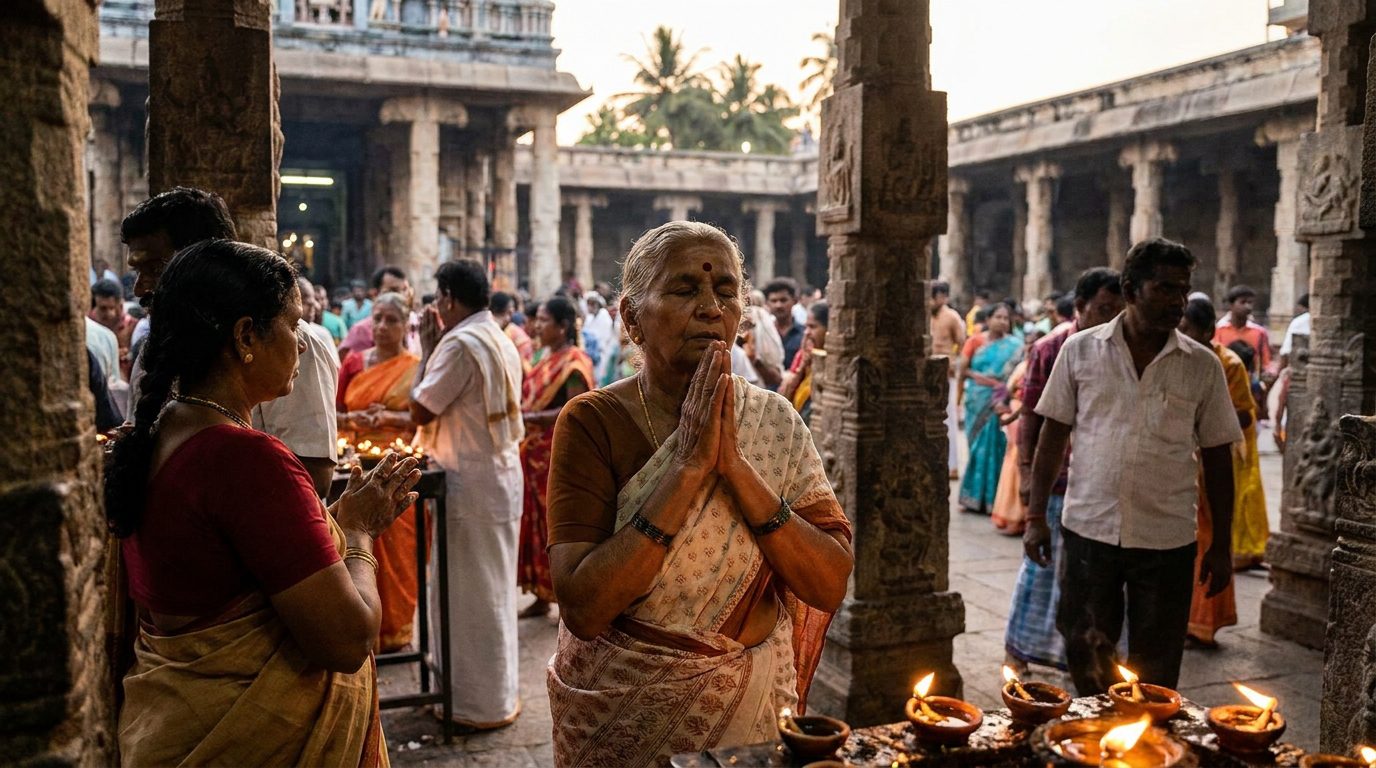
Bhakti Yoga invites us into a relationship with the Divine that is deeply personal, loving, and alive.
Rather than asking us to become someone else, Bhakti gently asks: “How does your heart naturally want to love God?”
Some people feel closest to the Divine through quiet reverence. Others through friendship, service, protection, or sweet affection. In the Bhakti tradition, these sacred moods of love are called rasas.
The Sanskrit word rasa means “taste,” “essence,” or “flavor.” In Bhakti Yoga, rasa refers to the unique emotional relationship the soul can have with God. Just as every person has a unique voice, every heart has a natural way of loving.
This article is a humble invitation to explore the main Bhakti rasas and discover which one may resonate with you. You do not need to be Hindu, Indian, or already experienced in yoga or scripture. Bhakti Yoga is a path for everyone because love is universal.
Bhakti means loving devotion. Yoga means union or connection. So Bhakti Yoga is the path of reconnecting with God through love.
In the Bhakti scriptures, especially the writings of great saints like Srila Rupa Goswami, the inner life of devotion is described with great beauty and care. His sacred text, Bhakti-rasamrita-sindhu, often translated as “The Ocean of the Nectar of Devotion,” explains that love for God matures into different spiritual moods, or rasas.
These rasas are not artificial labels. They are not personality boxes. They are sacred ways the heart may relate to the Divine.
Rasa as the Heart’s Spiritual Flavor
Think of rasa like the flavor of your devotion.
One person may feel God as a majestic Lord and feel moved to bow in awe. Another may feel God as a dear friend who walks beside them. Someone else may feel called to care for God tenderly, as a parent cares for a child. Another may feel drawn to love God with deep, intimate longing.
Each of these moods is honored in the Bhakti tradition.
The Bhagavad-gita teaches that God responds to us according to the way we approach Him:
“As all surrender unto Me, I reward them accordingly.”
— Bhagavad-gita 4.11
This means your sincere approach matters. God is not distant from your heart. The Divine meets you in love.
Rasa Is Discovered, Not Forced
It is important to understand that rasa is not something we imitate. In authentic Bhakti Yoga, we begin with practical devotion: chanting, prayer, hearing sacred wisdom, serving others, and remembering God.
As the heart becomes purified and softened, our natural relationship with God begins to awaken.
For now, simply notice what draws your heart. What kind of spiritual love feels natural, inspiring, and life-giving?
The Foundation: Peaceful Reverence, or Shanta Rasa
The first devotional mood is called shanta rasa. The word shanta means peaceful, calm, or tranquil.
In this rasa, the soul relates to God with deep peace, respect, and spiritual awareness. There may not yet be active service or intimate exchange, but there is a steady appreciation of the Divine presence.
Recognizing Shanta Rasa in Your Life
You may resonate with shanta rasa if you feel close to God through stillness, meditation, nature, silence, or sacred study.
Perhaps you feel devotion while watching the sunrise, sitting quietly in prayer, or contemplating the vastness of existence. You may feel that God is present everywhere, sustaining all life.
This rasa is marked by peace, humility, and freedom from material agitation. The heart begins to rest in the truth: “I am not separate from God’s care.”
Practicing Shanta Rasa
If shanta rasa speaks to you, simple practices may nourish your heart:
- Sit quietly each morning and offer gratitude.
- Chant a sacred mantra softly, allowing the sound to calm your mind.
- Read a few verses from the Bhagavad-gita or Srimad Bhagavatam and reflect.
- Spend time in nature as a form of prayer.
- Practice seeing every living being as a soul, a sacred part of God’s creation.
In the Bhagavad-gita, Krishna says:
“I am the source of all spiritual and material worlds. Everything emanates from Me.”
— Bhagavad-gita 10.8
For the peaceful devotee, this truth becomes a meditation. Everything reminds them of God.
The Gift of Peaceful Devotion
Shanta rasa teaches us to slow down and remember. It is especially helpful in a world full of noise and anxiety.
This rasa may not appear outwardly dramatic, but it is deeply powerful. Peaceful remembrance is a beautiful beginning on the path of Bhakti Yoga.
The Joy of Serving God, or Dasya Rasa
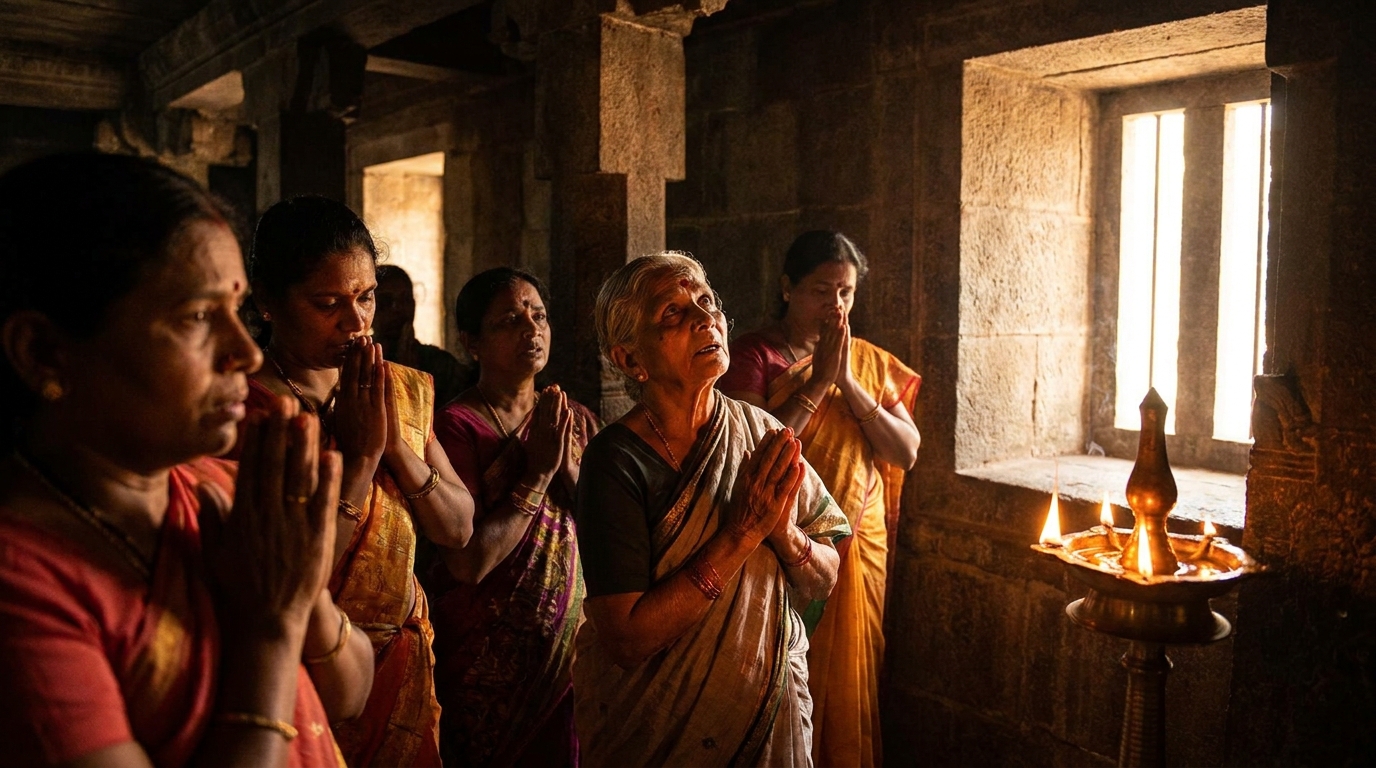
The next devotional mood is dasya rasa. The Sanskrit word dasya comes from dasa, meaning servant.
In modern life, the word “servant” can sound uncomfortable, especially if we associate it with exploitation or loss of dignity. But in Bhakti, spiritual service is not forced or degrading. It is joyful, voluntary, and full of love.
To be a servant of God means to say, “My life has meaning when I use it in love.”
Recognizing Dasya Rasa in Your Heart
You may resonate with dasya rasa if you naturally want to help, support, organize, cook, clean, protect sacred spaces, or serve others in God’s name.
Maybe you feel closest to God when you are doing something practical: preparing food as an offering, setting up for a gathering, caring for the temple, helping a friend, or volunteering in your community.
Dasya rasa is devotion in action.
You may not need a mystical experience to feel connected. Your prayer may sound like: “God, please use me.”
Hanuman as the Example of Sacred Service
One of the most beloved examples of dasya rasa is Hanuman, the devoted servant of Lord Rama. In the Ramayana, Hanuman’s love is shown through courageous, tireless service.
He does not serve for recognition. He serves because his heart belongs to Rama.
Hanuman teaches us that loving service can make the impossible possible. When devotion is sincere, even ordinary hands become instruments of grace.
Practicing Dasya Rasa
If this rasa resonates with you, try these practices:
- Begin your day with the prayer: “May my thoughts, words, and actions be an offering.”
- Offer your work to God, even if your job feels ordinary.
- Cook a meal with love and offer it before eating.
- Serve in a spiritual community.
- Help someone without expecting anything in return.
- Chant while doing simple tasks.
The Bhagavad-gita says:
“Whatever you do, whatever you eat, whatever you offer or give away, do that as an offering to Me.”
— Bhagavad-gita 9.27
This verse is the heart of dasya rasa. Nothing is too small to become sacred when it is offered with love.
The Gift of Loving Service
Dasya rasa gives life direction. It transforms daily responsibilities into devotion.
Washing dishes, answering emails, caring for children, earning a living, helping a neighbor—these can all become Bhakti when done with remembrance and love.
Check out our latest articles at https://thebhaktihouse.org/blog.
Friendship With God, or Sakhya Rasa
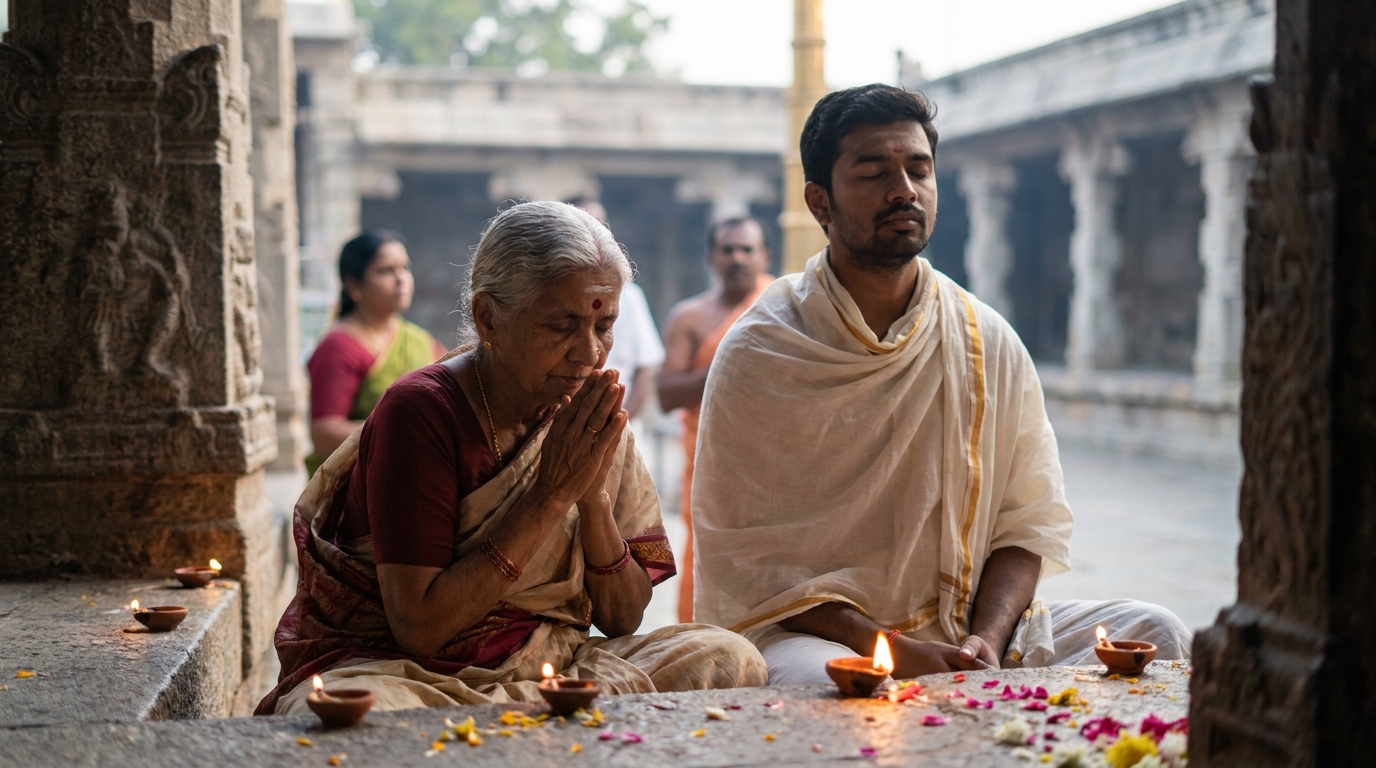
The Sanskrit word sakhya means friendship. In sakhya rasa, the devotee relates to God as a dear friend.
This is a very sweet and intimate mood. It is not casual in a disrespectful way. Rather, it is filled with trust, openness, affection, and companionship.
In friendship with God, the heart feels: “I can be real with You.”
Recognizing Sakhya Rasa in Your Life
You may resonate with sakhya rasa if you naturally talk to God throughout the day.
Perhaps you share your thoughts, fears, humor, confusion, and hopes with the Divine. You may not always pray formally. Instead, your prayer may feel like conversation.
You might say things like:
“Krishna, please walk with me today.”
“God, I do not know what to do. Please guide me.”
“Thank You for staying with me, even when I forget You.”
This mood is warm, honest, and relational.
Arjuna and Krishna: A Sacred Friendship
In the Bhagavad-gita, Arjuna is both Krishna’s friend and student. Before Krishna speaks the Gita, Arjuna turns to Him in vulnerability and says:
“I am Your disciple, and a soul surrendered unto You. Please instruct me.”
— Bhagavad-gita 2.7
Their relationship includes friendship, trust, guidance, and love. Krishna does not reject Arjuna’s confusion. He meets him in it.
This is a beautiful lesson for us. We do not have to be perfect before approaching God. We can come as we are.
Practicing Sakhya Rasa
If friendship with God resonates with you, try:
- Speak to God in your own words every day.
- Take a walk and imagine Krishna walking beside you.
- Journal letters to the Divine.
- Chant as if calling out to a beloved friend.
- Share your joys and struggles honestly in prayer.
- Read stories of Krishna with His cowherd friends in Vrindavan.
The Srimad Bhagavatam describes Krishna’s childhood friends playing with Him, laughing with Him, sharing meals with Him, and loving Him without fear. Their intimacy is pure because it is free from selfishness.
The Gift of Divine Friendship
Sakhya rasa heals loneliness.
Many of us carry the feeling that no one fully understands us. But Bhakti teaches that God is the indwelling witness, the friend in the heart.
Krishna says:
“I am seated in everyone’s heart.”
— Bhagavad-gita 15.15
When this truth becomes personal, the heart begins to feel accompanied. We are never truly alone.
Caring Love, or Vatsalya Rasa
Vatsalya rasa is the mood of parental or caring affection toward God. The word vatsalya is connected to tenderness, nourishment, and protective love.
This can feel surprising at first. Many spiritual traditions teach us to see God only as Father, Mother, Lord, or Creator. But Bhakti reveals something extraordinary: the soul can also love God as one’s own child.
In this mood, God allows Himself to be cared for by His devotee.
Recognizing Vatsalya Rasa in Your Heart
You may resonate with vatsalya rasa if your devotion feels nurturing.
Perhaps you love caring for sacred images, decorating an altar, preparing offerings, singing lullabies or gentle prayers, or creating a beautiful space for God.
You may feel protective of what is sacred. You may be moved by the image of baby Krishna, known as Gopala, being cared for by Mother Yashoda.
This rasa is tender, intimate, and full of sweetness.
Mother Yashoda and Baby Krishna
In the Srimad Bhagavatam, we find beautiful stories of Krishna’s childhood in Vrindavan. Although Krishna is the Supreme Lord, Mother Yashoda loves Him as her little child.
She feeds Him, bathes Him, worries about Him, and sometimes even disciplines Him. Her love is so pure that Krishna, who is worshiped by sages and gods, becomes bound by her affection.
One famous story describes Mother Yashoda trying to tie child Krishna with rope after He mischievously breaks a butter pot. No matter how much rope she adds, it is always two fingers too short—until Krishna allows Himself to be bound by her love.
Devotional teachers explain that the “two fingers” represent our sincere effort and God’s grace. Both are needed.
Practicing Vatsalya Rasa
If caring love speaks to you, consider:
- Create a small altar and care for it daily.
- Offer fresh water, flowers, incense, or food with affection.
- Sing gentle kirtan, bhajans, or lullaby-like prayers.
- Cook for Krishna as you would cook for someone dearly loved.
- Care for children, elders, animals, or vulnerable people as service to God.
- Practice tenderness toward yourself as a soul loved by the Divine.
In Bhakti Yoga, the home can become sacred. A simple shelf with a picture of Krishna, Rama, Radha, or another form of God can become a place of daily loving exchange.
The Gift of Tender Devotion
Vatsalya rasa softens the heart.
It teaches us that God is not only powerful but also lovable. The Infinite becomes close. The Divine accepts our care.
For those who have a naturally nurturing heart, this rasa can transform caregiving into sacred devotion.
Sweet Intimate Love, or Madhurya Rasa
Madhurya rasa is often described as the sweetest and most intimate mood of devotion. The word madhurya means sweetness.
This rasa is the love of God in the mood of divine beloved. It is not ordinary romance or material attraction. It is the soul’s pure longing to love and serve God completely, without selfish desire.
In the Bhakti tradition, the highest example of madhurya rasa is Srimati Radharani’s love for Krishna.
Understanding Madhurya With Respect
Because madhurya rasa is very sacred and intimate, it should be approached with humility. It is not something to imitate externally or reduce to human romance.
The love of Radha and Krishna is spiritual, eternal, and completely pure. It represents the deepest possible union of love between the soul and God.
For beginners, the best way to approach this rasa is through respectful hearing, chanting, and service under guidance.
Recognizing Madhurya Rasa in Your Heart
You may feel drawn toward madhurya rasa if your devotion is marked by longing, beauty, poetry, music, and deep emotional prayer.
Perhaps you feel moved by songs of separation from God. You may experience the Divine as the beloved of your soul. You may feel that no worldly relationship can fully satisfy the heart’s deepest longing.
Your prayer may be simple and intense:
“Please let me love You.”
“Please do not let me forget You.”
“May my heart belong to You.”
Radha’s Love as the Highest Devotion
In the Bhakti tradition, Srimati Radharani is honored as the supreme devotee, the embodiment of pure love for Krishna. Her love is not about taking from God, but giving everything for Krishna’s happiness.
The Srimad Bhagavatam and the poetry of great saints point toward this mystery: the highest love is selfless, total, and ever-fresh.
Madhurya rasa reveals that the soul’s deepest fulfillment is not in being worshiped, admired, or possessed—but in loving God fully.
Practicing Madhurya Rasa Safely and Sincerely
If this rasa draws you, let your practice be grounded:
- Chant the holy names with humility and longing.
- Hear about Radha and Krishna from authentic teachers and texts.
- Sing devotional songs with sincerity.
- Avoid projecting material desire onto spiritual love.
- Serve devotees and cultivate purity of intention.
- Pray to love God without selfish motivation.
A beautiful prayer from the tradition says:
“O Lord, I do not want wealth, followers, or worldly beauty. I only want causeless devotion to You, birth after birth.”
This mood teaches us to seek love itself, not the rewards of love.
The Gift of Divine Sweetness
Madhurya rasa reminds us that God is not only truth, power, and peace. God is beauty. God is sweetness. God is the beloved of the soul.
Even if we are not ready to fully enter this sacred mood, we can be inspired by it. It shows us the destination of Bhakti: pure love.
How to Discover Which Bhakti Rasa Resonates With You
Exploring Bhakti rasa is not about choosing an identity too quickly. It is about listening to your heart with honesty, patience, and prayer.
Your attraction may change as you grow. You may feel connected to more than one rasa. This is natural.
In the beginning stages of Bhakti Yoga, most of us practice the foundational activities of devotion without needing to define our eternal relationship with God. Still, reflecting on rasa can help us understand what kind of devotional practices nourish us most deeply.
Notice What Softens Your Heart
Ask yourself:
- Do I feel closest to God in silence and contemplation?
- Do I feel most alive when I am serving?
- Do I naturally speak to God as a friend?
- Do I feel drawn to care for God through offerings and altar worship?
- Do I feel deep longing for God as the beloved of my soul?
- Which stories of Krishna, Rama, or the saints move me most?
- Which prayers feel most natural in my mouth?
Your heart often reveals its direction through tenderness. Pay attention to what brings tears, peace, joy, humility, or longing.
Observe Your Devotional Energy
Each rasa has a different kind of energy.
Shanta rasa feels peaceful and contemplative.
Dasya rasa feels purposeful and serviceful.
Sakhya rasa feels warm, honest, and relational.
Vatsalya rasa feels tender and nurturing.
Madhurya rasa feels sweet, longing, and intimate.
You may notice that one of these moods feels like home.
Let Practice Reveal the Path
Rather than trying to mentally decide your rasa, live Bhakti sincerely.
Chant. Pray. Serve. Hear sacred stories. Associate with devotees. Offer your food. Practice compassion. Read scripture. Ask God to guide your heart.
Over time, your inner relationship with the Divine becomes clearer.
Bhakti is not a theory to master. It is a relationship to live.
Practical Bhakti Yoga for Every Rasa
No matter which rasa resonates with you, the core practices of Bhakti Yoga are the same. These practices are simple, powerful, and accessible.
They help cleanse the heart and awaken love.
Chanting the Holy Names
Chanting is central to Bhakti Yoga. In Sanskrit, this practice is called nama-sankirtana: singing or chanting the names of God.
Many Bhakti practitioners chant the maha-mantra:
Hare Krishna Hare Krishna
Krishna Krishna Hare Hare
Hare Rama Hare Rama
Rama Rama Hare Hare
“Hare” calls upon the divine energy of love. “Krishna” means the all-attractive One. “Rama” means the source of spiritual joy.
You do not need to understand everything perfectly to begin. Chanting is like calling out to God from the heart.
You can chant softly on your own, sing in community kirtan, or repeat the mantra while walking, cooking, or resting.
Prayer in Your Own Words
Prayer is honest communication with God.
You can pray formally, or you can speak simply:
“Please guide me.”
“Please help me serve.”
“Please teach me to love.”
“Please protect my heart from pride.”
“Please let me remember You.”
In Bhakti, sincerity matters more than eloquence.
Service as Spiritual Practice
Service is love made visible.
You can serve at a temple, yoga center, community kitchen, spiritual gathering, or in your own home. You can serve family, friends, strangers, animals, and the Earth.
When service is offered to God, it purifies the heart.
The Bhagavad-gita encourages us to act without selfish attachment, offering the results to the Divine. This brings freedom even in the middle of worldly duties.
Hearing Sacred Wisdom
In Bhakti Yoga, hearing is itself a sacred practice. Listening to stories of Krishna, Rama, the saints, and the teachings of scripture nourishes devotion.
The Srimad Bhagavatam says that hearing about God cleanses the heart and awakens loving remembrance.
Even a few minutes of daily spiritual listening can shift the atmosphere of your mind.
Community and Association
Bhakti grows in loving company. The Sanskrit word satsanga means association with truth, or the company of spiritually minded people.
When we chant, serve, study, and share meals with others, our devotion becomes supported.
You do not have to walk alone.
Common Misunderstandings About Bhakti Rasa
Because rasa is a deep spiritual subject, it is easy to misunderstand it. Let us approach it carefully.
Rasa Is Not a Personality Test
It can be fun to reflect on which rasa resonates with you, but rasa is not the same as a quiz result.
Your eternal relationship with God is sacred and revealed gradually through purified devotion. We can notice attractions, but we do not need to force conclusions.
Humility protects devotion.
All Rasas Are Beautiful
Sometimes people think one rasa is “better” and the others are less valuable. While Bhakti scriptures describe deeper degrees of intimacy, every genuine relationship with God is perfect for the soul who lives it.
A peaceful devotee, a servant devotee, a friendly devotee, a caring devotee, and a sweetly longing devotee are all held in divine love.
The goal is not comparison. The goal is sincerity.
We Begin Where We Are
You may be new to Bhakti Yoga. You may come from another faith background. You may have doubts, wounds, or questions about God.
That is okay.
Bhakti does not demand that you pretend. It welcomes your real heart.
Start with one practice. Chant one round. Offer one prayer. Read one verse. Serve one person. Light one candle. Take one sincere step.
God sees sincerity.
A Gentle Reflection: Which Rasa Calls You?
Take a quiet moment and read these reflections slowly.
If Peace Calls You
You may feel drawn to shanta rasa.
Let your devotion begin with stillness. Sit with God. Breathe. Watch the mind settle. Let the world become sacred again.
If Service Calls You
You may feel drawn to dasya rasa.
Let your hands become instruments of love. Serve without needing applause. Offer your work and your care to God.
If Friendship Calls You
You may feel drawn to sakhya rasa.
Speak to God honestly. Walk with Krishna in your heart. Trust that the Divine Friend knows you completely and still stays near.
If Tender Care Calls You
You may feel drawn to vatsalya rasa.
Create beauty for God. Offer flowers, food, songs, and protection. Let your nurturing heart become a temple.
If Sweet Longing Calls You
You may feel drawn to madhurya rasa.
Let your longing become prayer. Approach sacred love with humility. Chant with the hope that one day your heart may love without selfishness.
Walking the Path With Humility and Joy
Discovering which Bhakti rasa resonates with you is not about reaching a final answer today. It is about becoming more attentive to the movements of your soul.
Bhakti Yoga is a living path. It grows through practice, grace, and relationship.
Some days you may feel peaceful. Other days you may feel called to serve. Sometimes God may feel like your closest friend. Sometimes you may want to care for the Divine with tenderness. Sometimes you may feel a deep longing that words cannot hold.
All of these can be part of your journey.
The most important thing is to keep turning toward God with sincerity.
The Bhagavad-gita offers a simple and beautiful assurance:
“If one offers Me with love and devotion a leaf, a flower, fruit, or water, I will accept it.”
— Bhagavad-gita 9.26
This verse reveals the heart of Bhakti. God is not asking for grand performance. God is asking for love.
A leaf. A flower. A little water. A sincere heart.
That is enough to begin.
At The Bhakti House, all are welcome—seekers, beginners, longtime practitioners, people of every background, and those simply curious about a life of devotion. You do not need to have everything figured out. You do not need to know your rasa perfectly. You only need a willingness to take one sincere step.
Chant one holy name. Offer one prayer. Serve one person. Read one sacred verse. Sit quietly and remember that you are loved.
Wherever you are, God can meet you there.
And from that place, your unique flavor of love can begin to awaken.
Everyone is welcome to take one sincere step toward God.
FAQs
What is Bhakti Rasa?
Bhakti Rasa refers to the nine different emotional flavors or sentiments that are expressed in devotional poetry, music, and art in Hinduism. These sentiments are love, humor, compassion, anger, courage, terror, disgust, wonder, and peace.
What are the nine Bhakti Rasas?
The nine Bhakti Rasas are love (shringara), humor (hasya), compassion (karuna), anger (raudra), courage (veera), terror (bhayanaka), disgust (bibhatsa), wonder (adbhuta), and peace (shanta).
How do I know which Bhakti Rasa resonates with me?
You can explore the different Bhakti Rasas through various forms of devotional art, music, and literature. Reflect on your own emotions and experiences to see which sentiment resonates with you the most.
Can I resonate with more than one Bhakti Rasa?
Yes, it is possible to resonate with more than one Bhakti Rasa. People may find that they connect with multiple sentiments based on different experiences and emotions in their lives.
How can I incorporate Bhakti Rasas into my spiritual practice?
You can incorporate Bhakti Rasas into your spiritual practice by exploring devotional poetry, music, and art that express the different sentiments. Reflect on how these sentiments relate to your own spiritual journey and use them to deepen your connection with the divine.

