
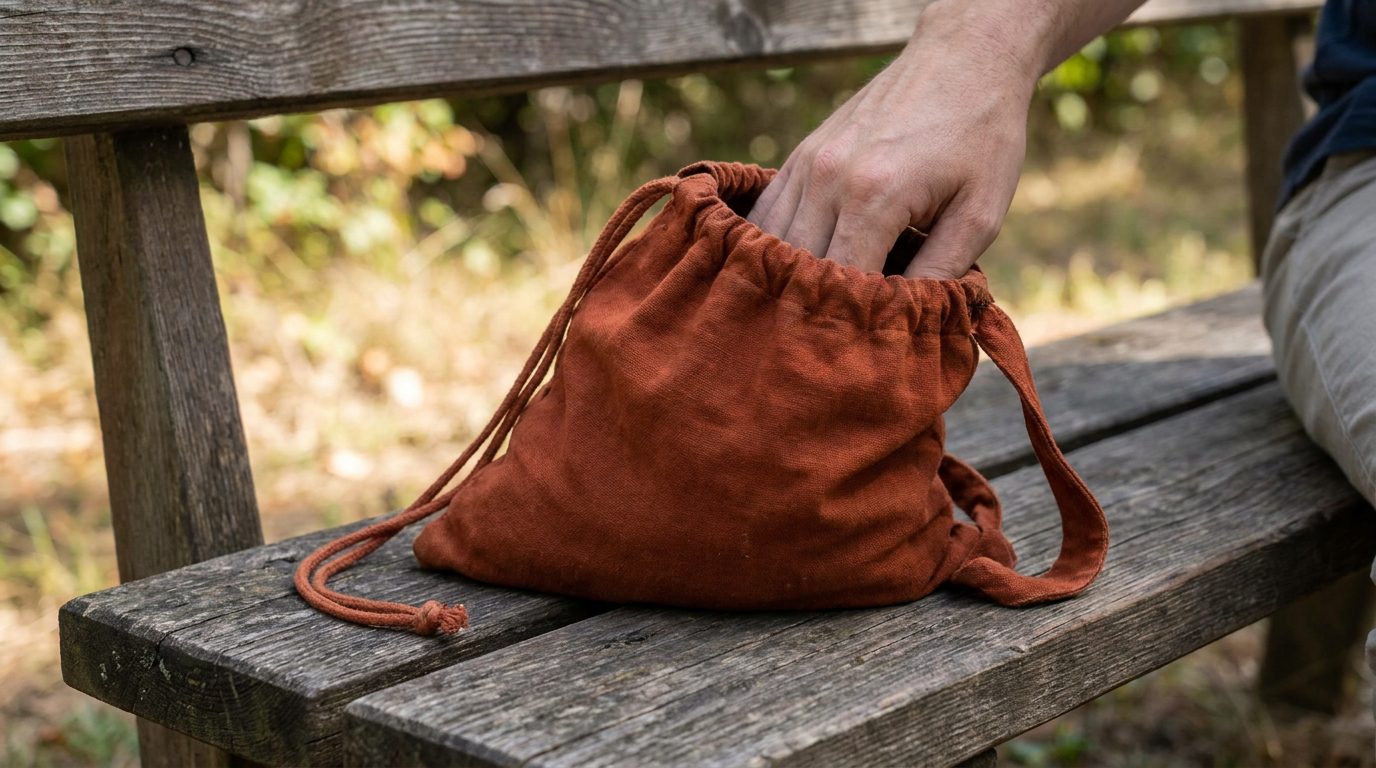
In the gentle practice of Bhakti Yoga, even the simplest items can become sacred companions. A small cloth bag, a strand of beads, a quiet corner, and a sincere heart—these can open the door to a deep and personal relationship with God.
A japa bag is one of those humble devotional tools. It may look ordinary from the outside, but for many practitioners of Bhakti Yoga, it becomes a portable sacred space. It protects your prayer beads, supports your daily chanting, and helps you remember your spiritual intention wherever you go.
Whether you are new to chanting, returning to spiritual practice, or deepening a lifelong path of devotion, this guide is offered with warmth and respect. You do not need to be from any particular background to benefit from japa. The heart’s longing for connection, peace, and love is universal.
A japa bag is a small cloth bag used to hold and protect japa beads while chanting. The Sanskrit word japa means the soft repetition of a sacred mantra, prayer, or name of God. In Bhakti Yoga, japa usually refers to chanting the holy names of the Divine on beads, one mantra at a time.
The bag helps keep the beads clean, private, and protected. It also allows the practitioner to chant while walking, sitting, traveling, or quietly spending time in prayer.
The Meaning of Japa
Japa is not just a mechanical repetition of words. In Bhakti Yoga, japa is an offering of the heart. It is a way of calling out to God with love, humility, and sincerity.
One of the most cherished mantras in the Bhakti tradition is the maha-mantra, meaning “great mantra”:
Hare Krishna Hare Krishna
Krishna Krishna Hare Hare
Hare Rama Hare Rama
Rama Rama Hare Hare
“Hare” calls upon the divine loving energy of God. “Krishna” means the all-attractive Lord, and “Rama” means the source of spiritual joy. In simple terms, this mantra is a prayer asking to be lovingly engaged in divine service.
The Purpose of the Bag
A japa bag serves several practical and spiritual purposes:
It keeps your beads clean.
It prevents your beads from touching the ground.
It allows you to chant respectfully in public or private.
It helps you focus your attention.
It reminds you that your chanting is sacred.
Just as we might use a special cloth for an altar or keep scripture in a clean place, the japa bag helps us treat our prayer practice with care.
A Portable Sacred Space
Life is often busy. Many people are caring for families, working long hours, studying, healing, or navigating uncertainty. A japa bag makes it easier to carry your practice with you.
You can chant in a park, on a lunch break, before beginning work, while traveling, or in the quiet of your home. The bag becomes a small temple for your beads, and your chanting becomes a way of carrying remembrance of God into everyday life.
The Spiritual Significance of Japa Beads and Japa Bags
In Bhakti Yoga, external practices are meant to awaken internal devotion. The beads and bag are not magical objects by themselves. Their power comes from how they help us remember, pray, and serve with sincerity.
Beads as a Support for the Heart
Traditional japa beads, often called mala, usually have 108 beads plus one larger bead known as the Krishna bead, guru bead, or meru bead. A mala helps the practitioner count mantras and remain steady in practice.
The fingers move from bead to bead, and the voice or mind repeats the mantra. This rhythm can calm the nervous system, steady the thoughts, and draw the heart toward devotion.
In the Bhagavad-gita, Krishna says, “Of sacrifices, I am the chanting of the holy names” (Bhagavad-gita 10.25). This beautiful statement reminds us that chanting is not a lesser path. It is a sacred offering accessible to everyone.
Why Protection Matters
Japa beads are usually treated respectfully because they are used in prayer. A japa bag protects them from dirt, damage, and casual handling. This respect is not about fear or rigidity. It is about love.
When we love someone, we naturally care for what connects us to them. If a letter from a dear friend is precious, how much more precious is a practice that connects us with God?
Developing Reverence Without Anxiety
Some beginners worry about doing everything perfectly. It is good to learn proper etiquette, but Bhakti Yoga is not meant to make the heart tense. Reverence should soften us, not frighten us.
A japa bag can help create a sense of sacredness, but God sees the sincerity behind the practice. If you are learning, be patient. If you forget something, gently correct it. Devotional life grows through steady, humble effort.
Different Types of Japa Bags
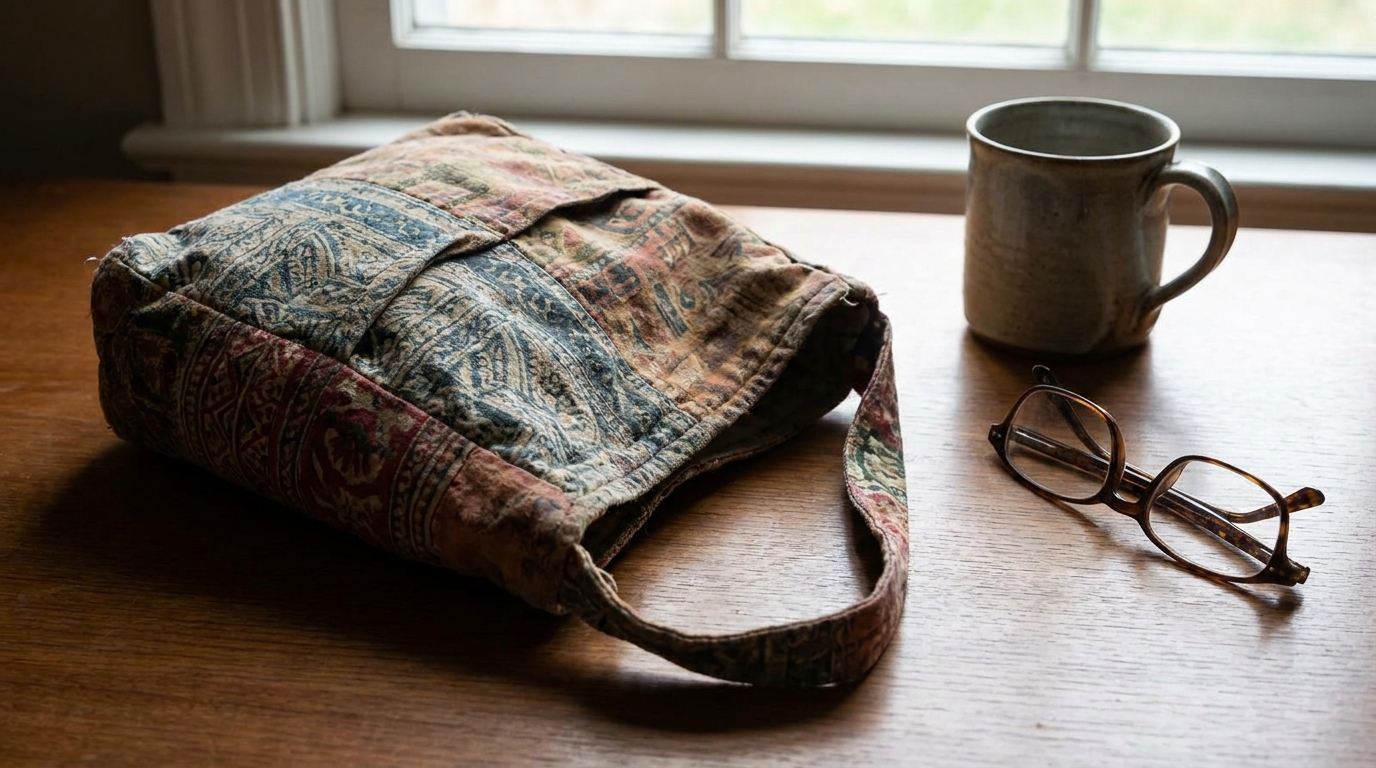
Japa bags come in many styles, fabrics, colors, and sizes. Some are simple and handmade. Others are decorated with sacred symbols, embroidery, or traditional patterns. The best japa bag is one that helps you chant sincerely and comfortably.
Traditional Cloth Japa Bags
Most japa bags are made of cotton or another natural fabric. A traditional bag has a large opening for the hand and a smaller opening at the top where the index finger may rest outside the bag.
In many Bhakti traditions, practitioners avoid using the index finger to touch the beads because it is symbolically associated with ego or pointing in judgment. The beads are usually moved with the thumb and middle finger.
A traditional cloth bag is lightweight, breathable, and easy to carry. Cotton is especially popular because it is simple, natural, and washable.
Decorative and Embroidered Bags
Some japa bags include sacred images, mantras, or symbols such as lotus flowers, peacocks, tilaka markings, or the names of Krishna and Radha. These designs can inspire remembrance and joy.
Still, it is helpful to remember that the purpose of the japa bag is not fashion. Beauty can uplift the mind, but the heart of the practice is chanting with attention and devotion.
Travel Japa Bags
For those who chant while commuting or traveling, a durable travel japa bag may be helpful. These bags may have stronger stitching, thicker fabric, or a secure strap.
A travel bag can be especially useful for people who want to keep a daily spiritual rhythm even when life is unpredictable. It reminds us that Bhakti Yoga is not only for the temple or meditation room. It is for real life.
Simple Handmade Bags
A handmade japa bag can carry a special feeling of devotion, especially if made by someone who values spiritual practice. Some devotees sew bags as a form of service, prayerfully offering their time and care.
If you make your own bag, it can be a beautiful meditation. Each stitch can become an offering. This is the spirit of seva, a Sanskrit word meaning loving service.
Check out our latest articles at https://thebhaktihouse.org/blog.
How to Choose the Right Japa Bag
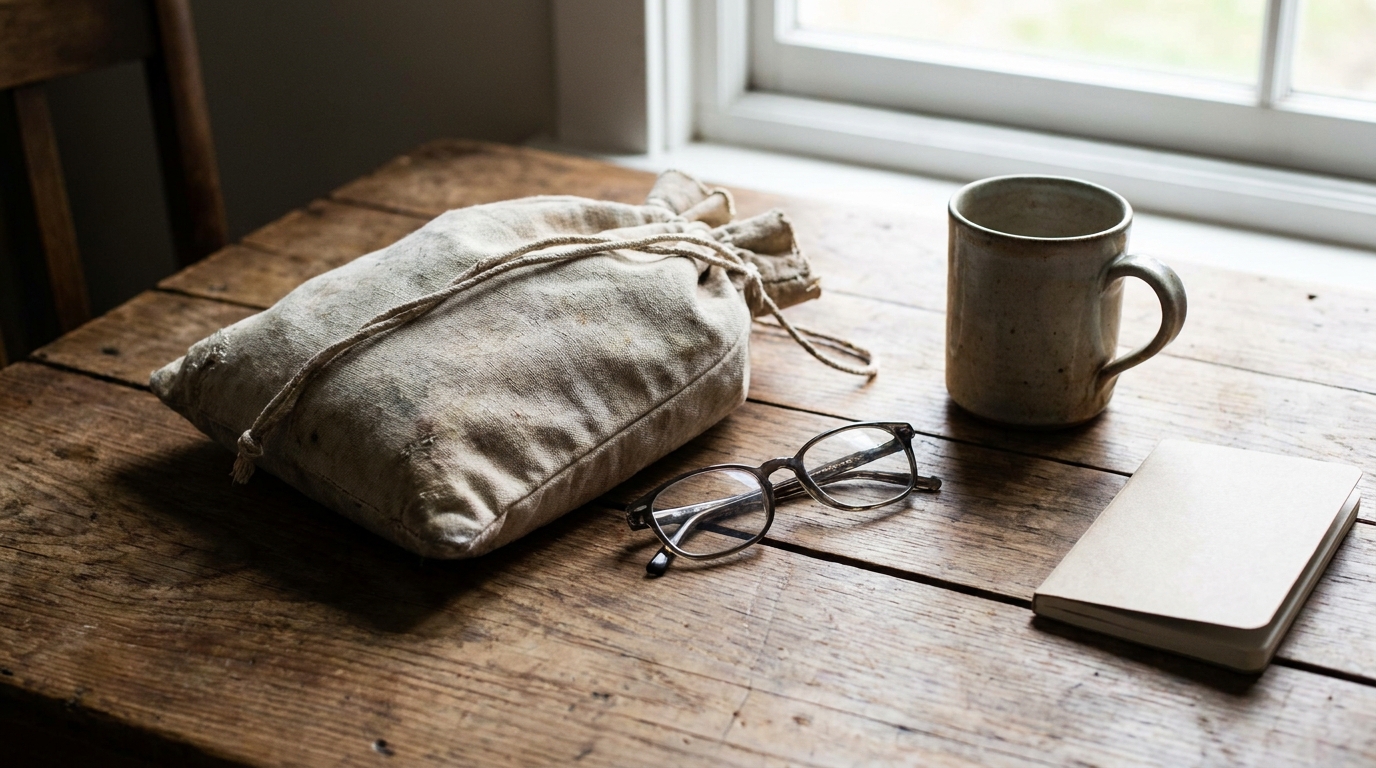
Choosing a japa bag is simple, but a few thoughtful considerations can make your practice more comfortable and sustainable.
Size and Fit
Your japa bag should comfortably fit your beads without being too tight. If the bag is too small, the beads may be difficult to move. If it is too large, the beads may shift too much and feel awkward.
Most standard japa bags are made to fit a traditional 108-bead mala. If your beads are unusually large, such as large tulasi or wooden beads, you may need a larger bag.
Fabric and Comfort
Cotton is a common and practical choice. It is soft, breathable, and easy to clean. Some practitioners prefer thicker fabric for durability, while others prefer a lighter feel.
Since your hand may remain inside the bag for an extended period, comfort matters. The fabric should feel pleasant and not irritate the skin.
Strap or No Strap
Many japa bags come with a strap that can be worn around the neck or wrist. This is useful if you chant while walking or standing. It can also prevent the bag from falling.
Some people prefer a bag without a strap for seated chanting. Both styles are fine. The right choice depends on your daily practice.
Simplicity and Focus
A beautiful japa bag can inspire devotion, but overly flashy designs may distract some practitioners. Ask yourself: “Will this help me remember God? Will it support my chanting?”
Bhakti Yoga encourages us to bring beauty into spiritual life, but always in the service of remembrance, humility, and love.
How to Use a Japa Bag Properly
Using a japa bag is easy once you understand the basic method. More important than perfect technique is the sincere intention to chant with attention and devotion.
Placing the Beads Inside
Place your japa beads inside the bag, keeping the larger guru bead or Krishna bead accessible. Many practitioners begin chanting on the bead next to the guru bead, not on the guru bead itself.
The beads remain inside the bag while you chant. Your hand goes through the main opening, and the beads are moved one by one.
Moving from Bead to Bead
For each bead, chant one full mantra. Then move to the next bead. Continue until you return to the guru bead.
If you are chanting the Hare Krishna maha-mantra, one bead equals one full recitation of the mantra. A complete round traditionally includes 108 repetitions.
When you reach the guru bead, do not cross over it. Instead, turn the beads around and continue in the opposite direction if you are chanting more rounds.
The Position of the Fingers
In many Bhakti traditions, the beads are moved with the thumb and middle finger. The index finger remains outside the bead area, often through the smaller top opening of the bag.
This practice is a gentle reminder to approach chanting with humility. We are not trying to control God. We are praying to be guided, purified, and lovingly connected.
Chanting Aloud, Softly, or Mentally
Japa is often chanted softly enough that you can hear yourself. Hearing is important. The ear receives the sacred sound and helps the mind return when it wanders.
If you are in a public place or need to be quiet, you may chant very softly or internally. Still, when possible, audible chanting is helpful because Bhakti Yoga places great emphasis on hearing sacred sound.
The Srimad-Bhagavatam, a beloved Bhakti scripture, teaches that hearing and chanting about the Lord cleanses the heart. This is not merely poetic. Many practitioners experience that regular chanting gradually brings clarity, peace, and spiritual strength.
Caring for Your Japa Bag and Beads
Caring for your japa bag is a simple way to honor your spiritual practice. It also helps create consistency and cleanliness.
Keeping the Bag Clean
Because your hand goes inside the bag often, it is wise to wash the bag periodically. Cotton bags can usually be hand washed gently and air dried.
Before washing, remove the beads. If your bag has sacred images or delicate embroidery, wash with extra care.
A clean japa bag supports a clean and peaceful mood for chanting.
Where to Store Your Japa Bag
When not in use, keep your japa bag in a clean and respectful place. Many people keep it near their altar, on a shelf with spiritual books, or in a dedicated pouch.
Try not to place it directly on the floor. If you travel with it, you can keep it in a clean section of your bag or backpack.
Respectful Handling
It is generally best not to let others casually handle your japa beads, especially if they are not familiar with their sacred use. This is not about superiority. It is about preserving the prayerful mood connected with them.
If a child or friend is curious, you can explain gently: “These are my prayer beads. I use them for chanting God’s names.” In this way, even a simple question becomes a moment of spiritual sharing.
When a Bag Wears Out
Over time, a japa bag may become worn, faded, or torn. This is natural. A well-used japa bag may carry many hours of prayer.
If it can be repaired, repairing it may be a sweet act of service. If it is no longer usable, you can respectfully retire it. Some practitioners keep old bags in a sacred place, repurpose the cloth respectfully, or dispose of them in a mindful way.
Japa Bag Etiquette in Bhakti Yoga
Etiquette in Bhakti Yoga is meant to support remembrance and respect. It is not meant to create pride or judgment. When practiced with love, simple etiquette helps us become more conscious.
Avoiding the Floor
Traditionally, japa beads and japa bags are not placed directly on the floor. The floor is where feet walk, so placing sacred items there may feel careless.
If you need to set your bag down, place it on a clean cloth, altar, table, or shelf.
Using the Bag for Beads Only
A japa bag is generally used only for japa beads, not for keys, money, snacks, or other items. This helps preserve its sacred purpose.
When we dedicate something to spiritual practice, that dedication shapes our consciousness. The bag becomes a reminder: “This is for my time with God.”
Chanting with Attention
The deepest etiquette is attention. We may have a clean bag, proper beads, and beautiful posture, but the real offering is the heart.
In the Bhagavad-gita 9.26, Krishna says that if one offers Him a leaf, flower, fruit, or water with devotion, He accepts it. The key word is devotion. In the same way, our chanting is accepted when offered sincerely.
Attention grows gradually. If the mind wanders, do not be discouraged. Simply bring it back to the sound of the mantra. Again and again, return with kindness.
Being Gentle with Yourself and Others
It is easy to compare ourselves with others. Someone may chant many rounds. Someone else may chant only a few minutes a day. In Bhakti, sincerity matters deeply.
A japa bag should not become a symbol of spiritual status. It is a servant of the servant. It helps us pray, remember, and grow.
Building a Daily Japa Practice
A japa bag becomes most meaningful when connected with regular practice. Even a small daily commitment can transform the heart over time.
Start Small and Be Steady
If you are new to japa, begin with a realistic goal. You might chant one round a day, ten minutes a day, or even one mantra with full attention each morning.
Small, sincere steps are powerful. Bhakti Yoga is not a race. It is a relationship.
The Bhagavad-gita encourages steady practice and sincere effort. Krishna assures that even a little advancement on this path can protect one from great fear (Bhagavad-gita 2.40). This gives hope to every beginner.
Choose a Sacred Time
Morning is often recommended for japa because the mind is quieter and the day has not yet become full of duties. In Sanskrit, the early morning spiritual time is sometimes called brahma-muhurta, a peaceful period before sunrise.
However, the best time is the time you can actually keep. If morning is difficult, chant in the evening. If evenings are full, chant during a walk or lunch break.
Consistency is more important than an ideal schedule you cannot maintain.
Create a Simple Practice Space
A practice space does not need to be elaborate. A clean corner, a candle, a picture of Krishna, a small altar, or a spiritual book can help create a devotional mood.
Place your japa bag there when not in use. Over time, your heart may begin to associate that space with peace and prayer.
Listen While You Chant
One of the most practical japa tips is simple: hear the mantra.
The mind may wander into plans, worries, memories, or conversations. When you notice this, gently return to hearing. Let the sacred sound be your anchor.
You do not need to force mystical experiences. Just chant and hear. The holy name works deeply, often beyond what we can immediately perceive.
Common Questions About Japa Bags
Many people have practical questions when they begin using a japa bag. These questions are welcome. Bhakti grows through honest inquiry.
Do I Need a Japa Bag to Chant?
No, you can chant anywhere, with or without beads, with or without a bag. God hears the heart.
However, a japa bag is very helpful if you use beads regularly. It protects them and supports focus. For many practitioners, it becomes an important part of daily spiritual discipline.
Can Anyone Use a Japa Bag?
Yes. People of all backgrounds are welcome to chant and use a japa bag respectfully. Bhakti Yoga is a path of love, not a path limited by birth, nationality, language, or past experience.
The holy names of God are open to everyone. The invitation is universal.
What Are Tulasi Beads?
Many Bhakti practitioners chant on beads made from tulasi, a sacred plant beloved in the Krishna tradition. Tulasi is honored as a great devotee of the Lord.
If you use tulasi beads, it is especially important to keep them clean and protected in a japa bag. They are treated with affection and reverence.
Can I Wash My Japa Bag?
Yes, most cloth japa bags can be washed gently. Remove the beads first. Hand washing is often safest.
Let the bag dry completely before placing your beads back inside. Keeping devotional items clean is part of mindful spiritual living.
What If My Mind Wanders During Japa?
This happens to almost everyone. The mind is active by nature. Do not give up.
When the mind wanders, notice it without harshness and return to the mantra. This returning is itself part of the practice. Every return is a small act of devotion.
Japa Bags as a Reminder of Loving Service
A japa bag is not only for meditation. It can remind us to carry the mood of chanting into daily life.
From Chanting to Character
True japa gradually shapes how we live. As we chant the names of God, we may become more patient, compassionate, honest, and grateful.
The goal is not to escape the world in a selfish way. The goal is to remember God and serve others with a softened heart.
Prayer in Motion
When you carry your japa bag, you carry a reminder to pray before reacting, to serve before taking, and to remember before forgetting.
Your japa practice may begin in a quiet room, but its fruits appear in relationships, choices, speech, and service.
Service as Living Bhakti
Bhakti means devotion or loving service. Chanting is central, but it naturally blossoms into seva—acts of kindness offered to God.
This might mean cooking with love, listening to someone who is hurting, helping at a temple or spiritual community, sharing sacred wisdom, caring for the earth, or simply doing your daily work with a prayerful heart.
A japa bag holds beads, but Bhakti holds life itself.
Choosing a Japa Bag as a Gift
A japa bag can be a meaningful gift for someone beginning or deepening a spiritual practice. It is simple, personal, and devotional.
A Thoughtful Gift for a Spiritual Friend
If someone chants regularly, a new japa bag may encourage their practice. You might choose a color or design that reflects their personality while still supporting a sacred mood.
You can also include a handwritten note with a prayer or verse. A gift offered with devotion carries warmth beyond the object itself.
For Beginners
If gifting a japa bag to a beginner, consider including simple instructions on how to chant. You might explain what japa means, how to use the beads, and how to begin with a small daily commitment.
Avoid overwhelming them with too many rules at once. Encourage sincerity first.
Offering With Humility
In Bhakti, even giving a devotional item can be an act of service. Offer it humbly, without pressure. Let the person’s relationship with chanting unfold naturally.
God guides each heart in a personal way.
Practical Tips for Deepening Your Japa
A japa bag supports the outer form of practice, but the inner mood is the heart of japa. Here are some simple ways to deepen your chanting.
Begin With a Prayer
Before chanting, pause for a moment. You might pray:
“Dear Lord, please help me hear Your name. Please help me chant with sincerity. Please guide my heart toward love and service.”
A simple prayer can shift chanting from routine to relationship.
Sit With Good Posture
If possible, sit comfortably with a straight back. This helps alertness. If you are walking, walk gently and keep your attention on the sound.
The body influences the mind. A respectful posture can support a respectful mood.
Reduce Distractions
Try not to check your phone during japa. If possible, place it on silent or in another room.
The world asks for our attention constantly. Japa is a sacred time to give attention back to God.
Chant in Good Association
In Sanskrit, sadhu-sanga means association with spiritually minded people. Chanting with others, or being around people who value devotion, can strengthen your practice.
If you struggle alone, seek community. A Bhakti gathering, kirtan, temple program, study group, or online satsang can nourish the heart.
Read Sacred Wisdom
Reading a few verses from the Bhagavad-gita or Srimad-Bhagavatam before chanting can help focus the mind. Scripture reminds us why we chant.
Bhakti scriptures are not only ancient texts. They are living guides that help us remember our identity as souls and our relationship with God.
The Deeper Gift of the Japa Bag
At its heart, the japa bag is a servant of remembrance. It does not replace devotion; it supports devotion. It does not chant for us; it invites us to chant. It does not make us spiritual; it helps us turn toward the One who is always calling us.
Inside the bag, bead follows bead. Mantra follows mantra. Breath follows breath. Over time, something tender begins to awaken.
We may begin with distracted chanting, restless thoughts, and imperfect habits. Still, the holy name is merciful. The path of Bhakti Yoga welcomes gradual growth. We bring what we have, and God kindly helps us take the next step.
A japa bag may travel with us through seasons of joy and grief, clarity and confusion, faith and questioning. It may be with us in the early morning, on long journeys, in hospital rooms, on city streets, beside a home altar, or in the quiet moments before sleep.
And through it all, the invitation remains simple: chant, hear, remember, serve, and love.
Everyone Is Welcome to Begin
You do not need to be perfect to begin japa. You do not need to know every Sanskrit word, understand every scripture, or have a flawless meditation practice. You only need a sincere desire to turn toward God.
A japa bag can be a beautiful companion on that journey. It can help you protect your beads, steady your chanting, and remember that your spiritual life is precious.
If you are new, begin gently. Chant one mantra. Offer one prayer. Take one moment of gratitude. If you already chant, renew your practice with fresh humility and love.
At The Bhakti House, the path is open to everyone. Whatever your background, wherever you are in life, you are welcome. Take one sincere step toward God today, and trust that divine love will meet you there.
FAQs
What is a Japa bag?
A Japa bag is a small pouch or bag used to store and carry Japa beads, also known as prayer beads, which are used in meditation and prayer in various spiritual traditions.
What are Japa beads used for?
Japa beads are used for meditation and prayer in Hinduism, Buddhism, and other spiritual traditions. They are used to count the repetitions of a mantra or prayer, helping the practitioner to focus and concentrate during meditation.
What are the features of a Japa bag?
A Japa bag typically has a drawstring or zipper closure to keep the beads secure, and may have additional pockets or compartments for storing other meditation accessories. It is often made from fabric such as silk, cotton, or velvet, and may be embellished with embroidery or other decorative elements.
How to use a Japa bag?
To use a Japa bag, simply place the Japa beads inside the bag and secure the closure. When not in use, the bag can be carried or stored in a safe place. When it’s time for meditation or prayer, the practitioner can easily access the beads from the bag.
Where can I purchase a Japa bag?
Japa bags can be purchased from spiritual or religious stores, online retailers, and artisan marketplaces. They are available in a variety of styles, sizes, and materials to suit individual preferences.

