
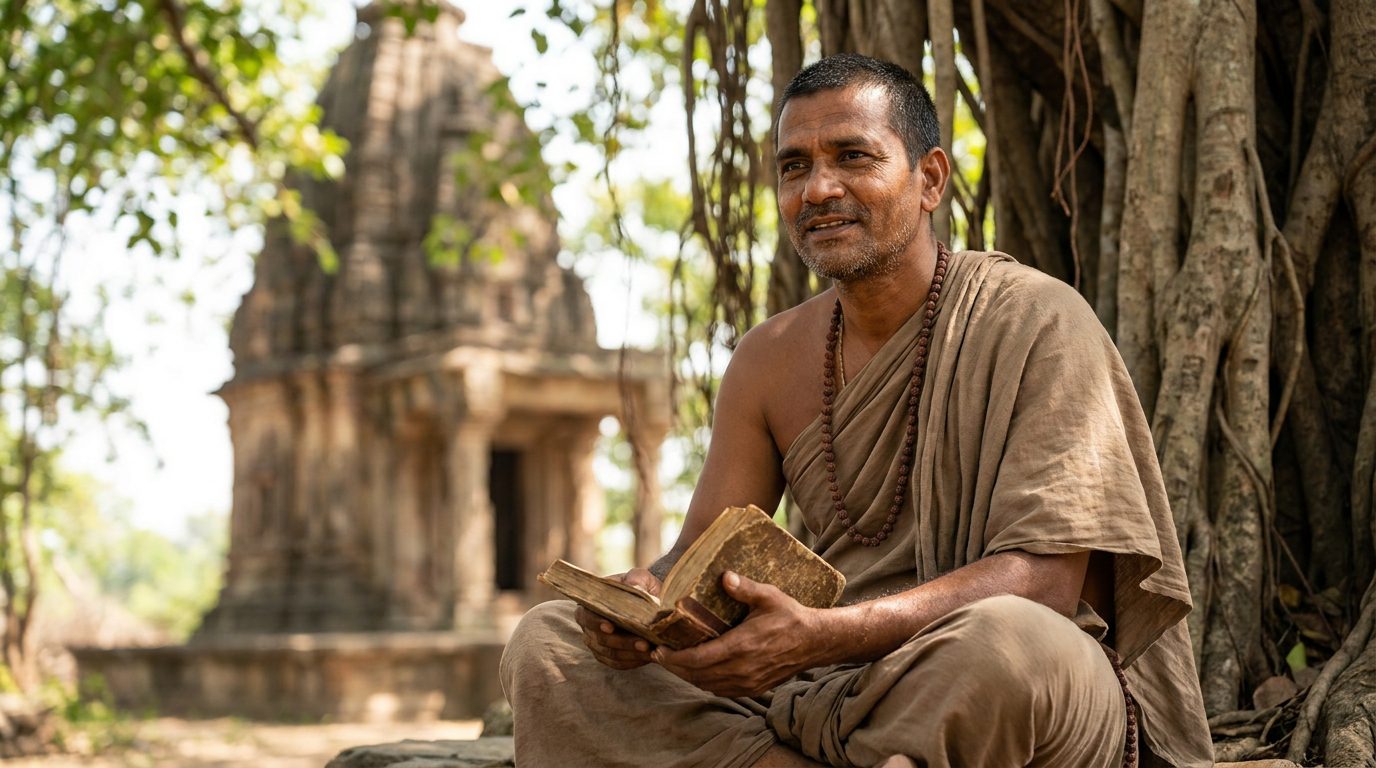
There are some souls who walk through this world and leave behind a trail of light so brilliant that it continues to guide seekers for centuries. Śrīla Rūpa Gosvāmī is one such soul. A poet, a saint, a scholar, and above all, a lover of God — his life and teachings form the very heart of the Bhakti tradition as we know it today.
Whether you’re brand new to the path of devotion or you’ve been chanting and studying for years, the wisdom of Rūpa Gosvāmī has something deeply personal to offer you. His words aren’t dry philosophy locked away in ancient texts. They are living instructions — warm, practical, and overflowing with the sweetness of divine love.
At The Bhakti House, we believe that this wisdom belongs to everyone. You don’t need to be a Sanskrit scholar or a lifelong monk to let these teachings touch your heart. You simply need to be open, sincere, and willing to take one step closer to the Divine.
Let’s explore together who Rūpa Gosvāmī was, what he taught, and how his timeless guidance can transform our everyday lives into something truly sacred.
Rūpa Gosvāmī (1489–1564) was one of the most beloved and influential saints in the Gauḍīya Vaiṣṇava tradition — the lineage of Bhakti Yoga that flows from Śrī Caitanya Mahāprabhu. Before embracing the path of renunciation, Rūpa Gosvāmī and his brother Sanātana Gosvāmī served as high-ranking ministers in the government of Hussain Shah in Bengal, India.
Despite their wealth and status, both brothers felt a deep spiritual calling. When they met Śrī Caitanya Mahāprabhu — whom devotees revere as an incarnation of the Divine who came to spread the chanting of God’s holy names — their lives changed forever.
From Minister to Mystic
Rūpa Gosvāmī gave up everything. His position, his wealth, his comfort — all of it was offered at the feet of the Lord. He and his brother moved to Vṛndāvana, the sacred land associated with Śrī Kṛṣṇa’s pastimes, and lived lives of profound simplicity and devotion. They slept under trees, ate only the simplest food, and dedicated every waking moment to writing, chanting, and worshipping the Lord.
This wasn’t a sacrifice born of obligation. It was love. Pure, joyful, overflowing love. And it is this love that permeates every word Rūpa Gosvāmī ever wrote.
The Leader of the Six Gosvāmīs
Rūpa Gosvāmī is honored as the leader of the Six Gosvāmīs of Vṛndāvana — a group of extraordinary saints who were directly empowered by Śrī Caitanya Mahāprabhu to systematically present the philosophy and practice of Bhakti Yoga. Together, they wrote volumes of literature, rediscovered lost holy sites in Vṛndāvana, and established temples that still stand today.
Śrīla Kṛṣṇadāsa Kavirāja Gosvāmī beautifully describes the Six Gosvāmīs in the Caitanya-caritāmṛta (Madhya 23.105):
> “śrī-rūpa-raghunātha-pade yāra āśa
> caitanya-caritāmṛta kahe kṛṣṇadāsa”
“Praying at the lotus feet of Śrī Rūpa and Śrī Raghunātha, always desiring their mercy, I, Kṛṣṇadāsa, narrate Śrī Caitanya-caritāmṛta, following in their footsteps.”
This verse shows us how deeply revered Rūpa Gosvāmī is within the tradition — the great authors who came after him considered themselves simply servants of his lotus feet.
The Gift of Bhakti-rasāmṛta-sindhu
Perhaps Rūpa Gosvāmī’s greatest literary contribution is the Bhakti-rasāmṛta-sindhu, which translates to “The Ocean of the Nectar of Devotion.” This monumental work is a complete guidebook for the practice and development of Bhakti — devotional love for God.
Śrīla A.C. Bhaktivedanta Swami Prabhupāda, the founder-ācārya of the International Society for Krishna Consciousness (ISKCON), presented a summary study of this work in his beloved book The Nectar of Devotion, making Rūpa Gosvāmī’s teachings accessible to the entire world.
A Map of the Heart’s Journey
In the Bhakti-rasāmṛta-sindhu, Rūpa Gosvāmī doesn’t just tell us what Bhakti is — he shows us how it develops, stage by stage, from the first spark of faith all the way to the highest ecstasies of divine love (prema).
He defines pure devotional service in one of the most important verses in all of Bhakti literature (Bhakti-rasāmṛta-sindhu 1.1.11):
> “anyābhilāṣitā-śūnyaṁ
> jñāna-karmādy-anāvṛtam
> ānukūlyena kṛṣṇānu-
> śīlanaṁ bhaktir uttamā”
“When first-class devotional service develops, one must be devoid of all material desires, knowledge obtained by monistic philosophy, and fruitive action. The devotee must constantly serve Kṛṣṇa favorably, as Kṛṣṇa desires.”
(As cited in Caitanya-caritāmṛta, Madhya 19.167, purport by Śrīla Prabhupāda on Vedabase)
What does this mean for us practically? It means that the highest devotion isn’t about becoming the most knowledgeable person in the room or performing grand rituals for material rewards. It’s about cultivating a sincere, loving desire to serve God — simply because we love Him.
The Stages of Spiritual Growth
Rūpa Gosvāmī outlines a beautiful progression of spiritual development that gives us hope no matter where we are on the path:
- Śraddhā — Faith. The first tender seed of spiritual interest.
- Sādhu-saṅga — Association with devotees. Finding a spiritual community.
- Bhajana-kriyā — Beginning to practice. Chanting, praying, serving.
- Anartha-nivṛtti — Clearing away unwanted habits and obstacles.
- Niṣṭhā — Steadiness in practice.
- Ruci — Genuine taste for devotional life.
- Āsakti — Deep attachment to God.
- Bhāva — The dawning of ecstatic love.
- Prema — Pure, unconditional divine love.
This isn’t meant to intimidate us. It’s meant to encourage us. Wherever you are on this journey — even if you’re just feeling the first flicker of curiosity — you are on the path. Rūpa Gosvāmī is gently saying, “Keep going. It only gets sweeter.”
Practical Instructions for Everyday Devotion
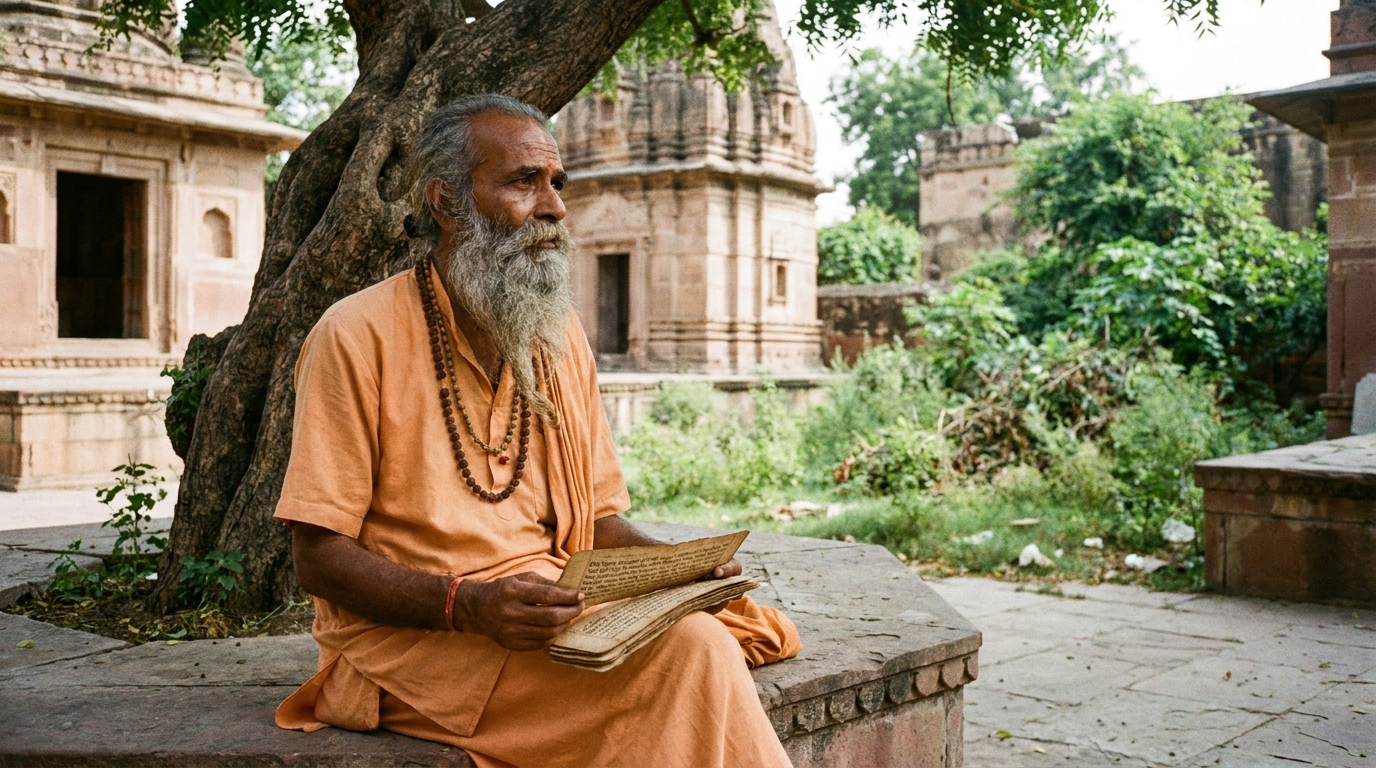
One of the most beautiful things about Rūpa Gosvāmī’s teachings is how practical they are. He didn’t write only for monks living in forests. He wrote for anyone with a beating heart and a longing for something more.
The Nectar of Instruction (Upadeśāmṛta)
Rūpa Gosvāmī composed a small but extraordinarily powerful text called the Upadeśāmṛta — “The Nectar of Instruction.” In just eleven verses, he lays out the essential principles for a successful spiritual life.
The very first verse (Upadeśāmṛta 1) states:
> “vāco vegaṁ manasaḥ krodha-vegaṁ
> jihvā-vegam udaropastha-vegam
> etān vegān yo viṣaheta dhīraḥ
> sarvām apīmāṁ pṛthivīṁ sa śiṣyāt”
“A sober person who can tolerate the urge to speak, the mind’s demands, the actions of anger and the urges of the tongue, belly and genitals is qualified to make disciples all over the world.”
This verse is so refreshingly honest. Rūpa Gosvāmī acknowledges that we all struggle with these urges — the impulse to speak harshly, the restlessness of the mind, the pull of anger and the demands of the senses. He doesn’t shame us for having these challenges. Instead, he gently encourages us to develop the inner strength to manage them.
The Power of Holy Association
In the Upadeśāmṛta (verse 4), Rūpa Gosvāmī also emphasizes the transformative power of spiritual relationships:
> “dadāti pratigṛhṇāti
> guhyam ākhyāti pṛcchati
> bhuṅkte bhojayate caiva
> ṣaḍ-vidhaṁ prīti-lakṣaṇam”
“Offering gifts in charity, accepting charitable gifts, revealing one’s mind in confidence, inquiring confidentially, accepting prasāda and offering prasāda are the six symptoms of love shared by one devotee and another.”
What a tender and practical description of spiritual community! It’s about generosity, vulnerability, trust, and sharing sacred food (prasāda — food offered to God with love). These are things we can practice today, right now, in our own lives.
Sure, here is the sentence with the clickable link:
Check out our website for more articles: more articles.
Rūpa Gosvāmī and the Science of Sacred Emotions (Rasa)
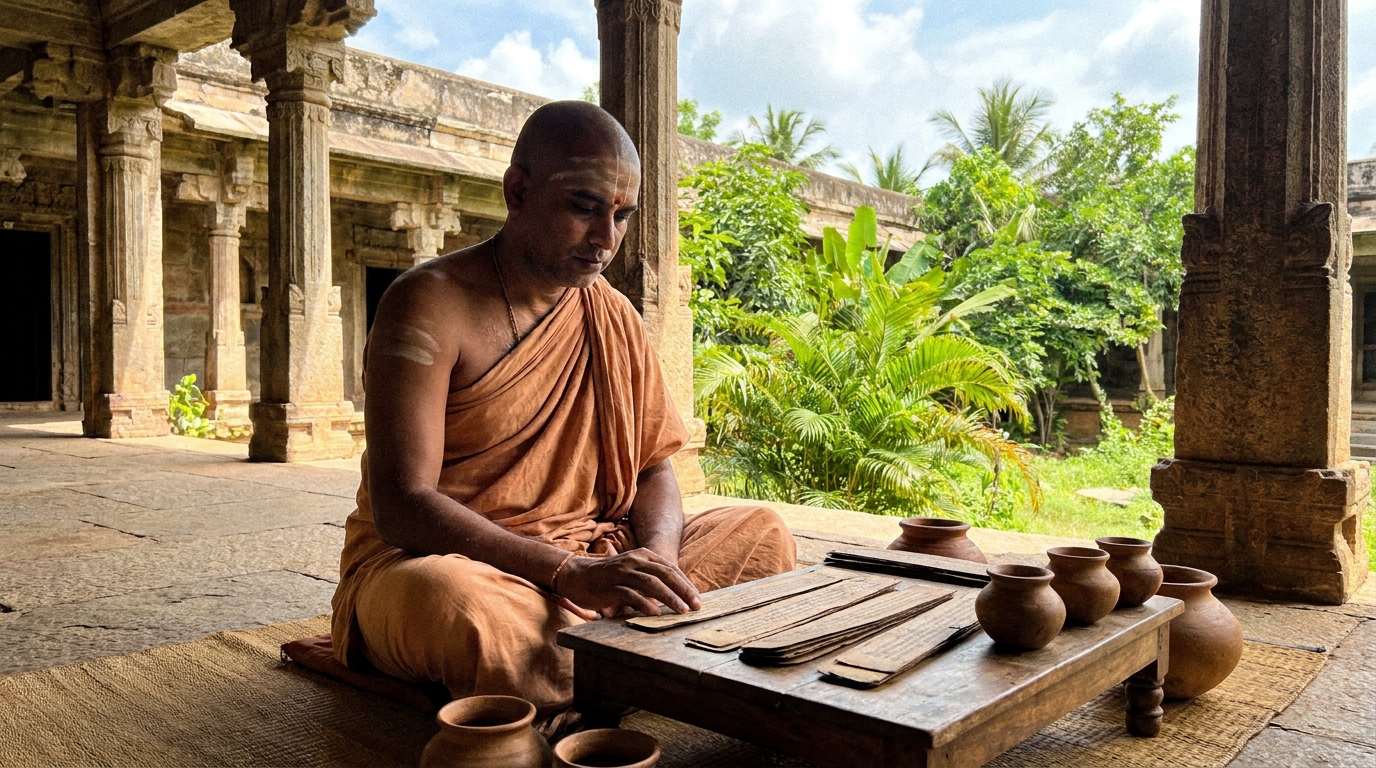
Understanding Rasa
One of Rūpa Gosvāmī’s most revolutionary contributions is his systematic explanation of rasa — the spiritual emotions or “flavors” of our relationship with God. Drawing from both Vedic scripture and the aesthetic traditions of Indian literature, he showed that our love for God isn’t a single, flat experience. It is rich, multilayered, and deeply personal.
He described five primary rasas:
- Śānta — Peaceful reverence and awe
- Dāsya — Loving servitude
- Sakhya — Intimate friendship
- Vātsalya — Parental affection
- Mādhurya — Conjugal, romantic love (the sweetest and most complete)
Each soul has its own unique, eternal relationship with God. Rūpa Gosvāmī’s teaching assures us that the Divine doesn’t relate to us in a one-size-fits-all way. God knows us individually. God loves us personally.
Love Is the Highest Truth
In the Bhakti-rasāmṛta-sindhu, Rūpa Gosvāmī describes the supreme position of devotional love. He shows us, through scripture and through the lived experience of the great saints, that prema — pure love for God — is the ultimate goal of all spiritual endeavor.
This isn’t a love born of need or fear. It is selfless, joyful, and unconditional. And the most wonderful news? It already exists within us. The seed of divine love is planted in every heart. Our practice of Bhakti — chanting God’s names, serving others, praying with sincerity, sharing sacred meals — is simply the watering of that seed.
How Rūpa Gosvāmī’s Wisdom Lives Today
A Living Legacy
Rūpa Gosvāmī’s influence didn’t end in the sixteenth century. His teachings form the philosophical and devotional foundation of the Gauḍīya Vaiṣṇava tradition and have been carried forward by an unbroken chain of teachers. Śrīla Bhaktivinoda Ṭhākura, Śrīla Bhaktisiddhānta Sarasvatī Ṭhākura, and Śrīla A.C. Bhaktivedanta Swami Prabhupāda all drew deeply from Rūpa Gosvāmī’s wellspring of wisdom.
Today, millions of people around the world chant the Hare Kṛṣṇa mahā-mantra, study the Bhakti-rasāmṛta-sindhu, and strive to follow the Upadeśāmṛta. Temples in Vṛndāvana that Rūpa Gosvāmī helped establish, like the Govindadeva temple, continue to be places of deep worship and pilgrimage.
Bringing Ancient Wisdom Into Modern Life
You might be wondering: “This is beautiful, but how does a sixteenth-century saint’s wisdom apply to my life — with its deadlines, bills, and responsibilities?”
Here’s the beautiful truth: Bhakti meets you where you are.
You can chant God’s names while commuting. You can offer your meals to the Lord before eating. You can practice patience and kindness as a form of devotion. You can read even one verse of the Upadeśāmṛta and let it work on your heart throughout the day.
Rūpa Gosvāmī didn’t ask us to be perfect. He asked us to be sincere. And sincerity, dear reader, is something every one of us can offer.
An Invitation to Walk This Path
The wisdom of Rūpa Gosvāmī is not a distant treasure locked in a museum. It is a living stream of grace, flowing freely to anyone who approaches with humility and love.
If something in these words has stirred your heart — even a little — please know that this is the beginning of something sacred. That stirring is śraddhā, faith, the very first step on the beautiful journey Rūpa Gosvāmī mapped out for us.
At The Bhakti House, we welcome you — exactly as you are, from whatever background you come, at whatever stage of your journey. You don’t need to have all the answers. You don’t need to pronounce the Sanskrit perfectly. You just need to take one sincere step toward God.
Chant one round of the Hare Kṛṣṇa mahā-mantra. Read one verse of the Upadeśāmṛta. Offer one prayer from the heart. Share one meal with a fellow seeker. That one step, taken with love, is enough to move the entire universe.
As Rūpa Gosvāmī showed us through his life and his words: love is the way, love is the path, and love is the destination.
You are welcome here. You are loved here. And the journey ahead is sweeter than you can imagine.
FAQs
Who is Rūpa Gosvāmī?
Rūpa Gosvāmī was a 16th-century Indian philosopher, poet, and saint who was a key figure in the Bhakti movement and a leading proponent of the Gaudiya Vaishnavism tradition.
What were Rūpa Gosvāmī’s major contributions?
Rūpa Gosvāmī is known for his extensive writings on devotional service, including his most famous work, the Bhakti-rasāmṛta-sindhu, which outlines the principles and practices of bhakti-yoga.
Where did Rūpa Gosvāmī live and work?
Rūpa Gosvāmī lived and worked primarily in the holy city of Vrindavan, India, where he established temples and wrote many of his important works.
What is Rūpa Gosvāmī’s legacy?
Rūpa Gosvāmī’s legacy includes his profound influence on the development of Gaudiya Vaishnavism, as well as his teachings on the path of devotional service, which continue to inspire and guide followers of the tradition today.
How is Rūpa Gosvāmī honored today?
Rūpa Gosvāmī is honored through various festivals, pilgrimages, and celebrations in Vrindavan and other places associated with his life and teachings. His writings are also studied and revered by followers of Gaudiya Vaishnavism.

