

Ekādaśī is a sacred day of spiritual focus observed in the Bhakti Yoga tradition. The Sanskrit word Ekādaśī means “the eleventh,” because it falls on the eleventh lunar day after both the new moon and the full moon. This means Ekādaśī usually comes twice each month.
For thousands of years, devotees of Krishna, Vishnu, and other forms of the Divine have honored Ekādaśī as a special day for fasting, prayer, chanting, and inner renewal. But Ekādaśī is not only for those born into a certain culture or tradition. It is a compassionate spiritual practice available to everyone.
Whether you are new to Bhakti Yoga, returning to your spiritual life, or simply curious about sacred fasting, Ekādaśī can become a beautiful doorway into deeper love, clarity, and connection with God.
In Bhakti Yoga, fasting is not meant to be harsh or prideful. It is not about punishing the body or proving spiritual strength. Rather, Ekādaśī fasting is a loving offering. We gently reduce worldly distractions so the heart can remember what matters most.
On Ekādaśī, we ask: “How can I make more space for God today?”
What Is Ekādaśī?
Ekādaśī is the eleventh day of the lunar cycle, observed twice a month according to the Vedic calendar. In the Bhakti tradition, it is especially dear to Lord Vishnu and Lord Krishna. Devotees often fast from grains and beans, increase their chanting of God’s names, read sacred texts, offer prayers, and engage in acts of service.
The Meaning of the Word Ekādaśī
The word Ekādaśī comes from Sanskrit:
- Eka means “one”
- Daśa means “ten”
- Together, Ekādaśī means “eleven”
It refers to the eleventh lunar day. In devotional understanding, Ekādaśī is also connected with disciplining the eleven senses: the five working senses, the five knowledge-gathering senses, and the mind. The mind is often called the “eleventh sense” because it coordinates and interprets our experiences.
So Ekādaśī is not only about food. It is about gently guiding the senses toward devotion.
Ekādaśī in the Bhakti Tradition
In Bhakti Yoga, the goal is not simply self-control. The goal is love.
The Sanskrit word bhakti means loving devotion to God. Bhakti Yoga is the path of offering our thoughts, words, actions, talents, and hearts in loving service. Ekādaśī supports this path by helping us step back from excess and come closer to spiritual nourishment.
The Padma Purāṇa, a sacred devotional scripture, describes Ekādaśī as especially powerful for spiritual purification. In many Bhakti communities, devotees consider Ekādaśī to be a blessed opportunity to deepen remembrance of Krishna.
The Bhagavad-gītā also gives a balanced principle for spiritual practice. Krishna says:
“Yoga is not for one who eats too much or eats too little, nor for one who sleeps too much or does not sleep enough.”
— Bhagavad-gītā 6.16
This is important. Ekādaśī fasting should be practiced with sincerity, wisdom, and care for the body God has given us.
Why Do Devotees Fast on Ekādaśī?
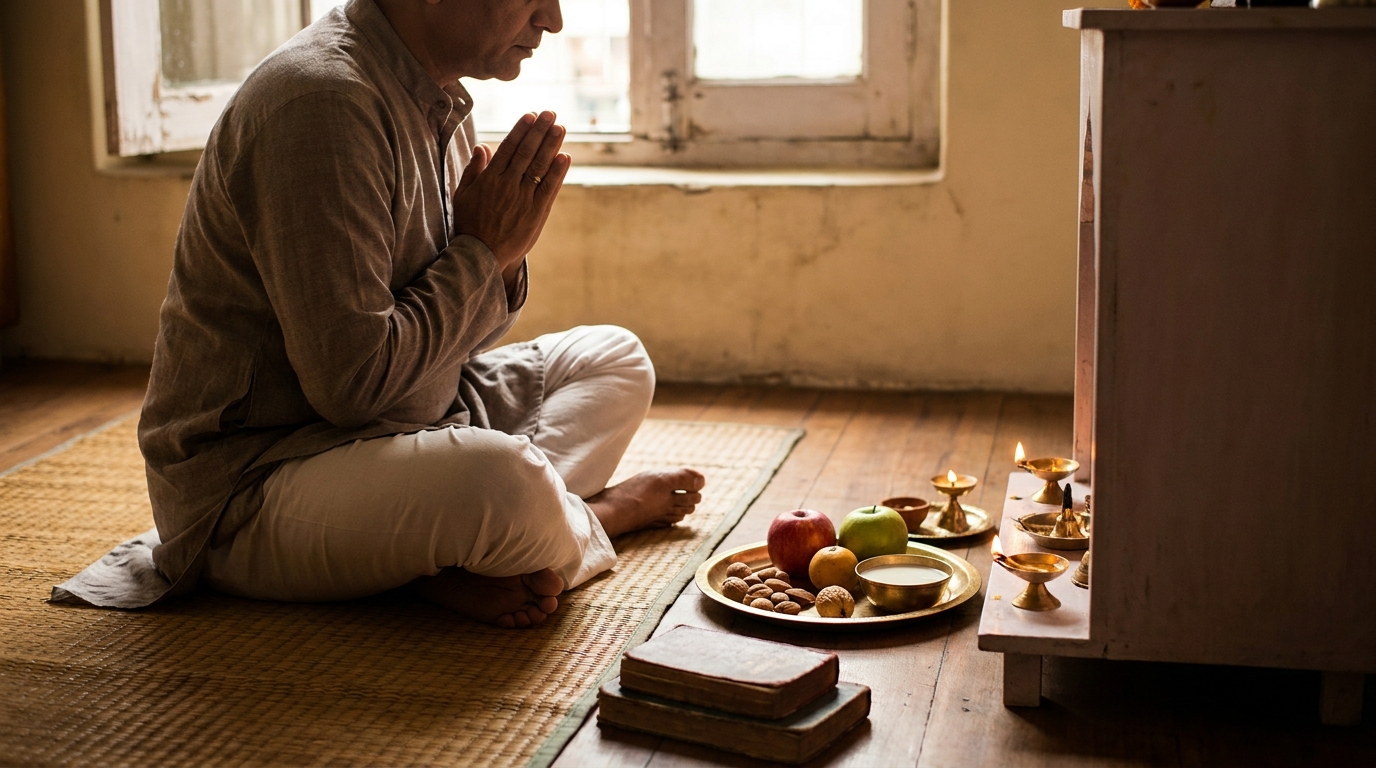
Fasting on Ekādaśī has many layers of meaning. It can support physical simplicity, mental clarity, emotional healing, and spiritual awakening. But the deepest purpose is devotion.
We fast not because food is bad, but because forgetfulness of God is painful. We simplify our eating so we can feast on chanting, prayer, scripture, and service.
Fasting as an Offering of Love
In Bhakti Yoga, intention matters deeply. A simple fast done with humility can be very pleasing to God. A grand austerity done with ego may not nourish the heart.
Ekādaśī invites us to offer something personal. For many people, food is comfort, habit, pleasure, or distraction. By giving up certain foods for one day, we lovingly say, “Dear Lord, I want to remember You more than I want to satisfy every desire.”
This offering can be very simple.
A person may fast from grains and beans. Another may eat only fruit and water. Someone with health concerns may take simple non-grain meals and focus more on chanting and prayer. A beginner may start by avoiding one favorite indulgence and spending extra time with God.
The heart of Ekādaśī is sincerity.
Creating Space for Spiritual Practice
Modern life is full of noise. Notifications, responsibilities, stress, and endless choices can make the mind restless. Ekādaśī gives us a sacred rhythm: twice a month, pause and return.
On Ekādaśī, devotees often increase:
- Chanting the holy names
- Reading sacred texts
- Offering prayers
- Visiting a temple or spiritual gathering
- Serving others
- Reflecting on personal habits
- Practicing gratitude
- Reducing unnecessary media and distractions
This is why Ekādaśī fasting is practical. It is not only a ritual from long ago. It is a living practice for people navigating real life today.
Remembering Our Dependence on Grace
When we fast, we may notice how dependent we are—on food, comfort, routine, and control. This awareness can soften the heart.
Bhakti is not about becoming spiritually independent. It is about becoming lovingly dependent on God’s grace. Ekādaśī teaches us, gently, that our deepest nourishment comes from divine connection.
As Krishna says in the Bhagavad-gītā:
“I am the source of all spiritual and material worlds. Everything comes from Me.”
— Bhagavad-gītā 10.8
Ekādaśī helps us remember this truth not only as philosophy, but as lived experience.
Check out our latest posts at https://thebhaktihouse.org/blog.
Ekādaśī Fasting Rules: What to Eat and What to Avoid
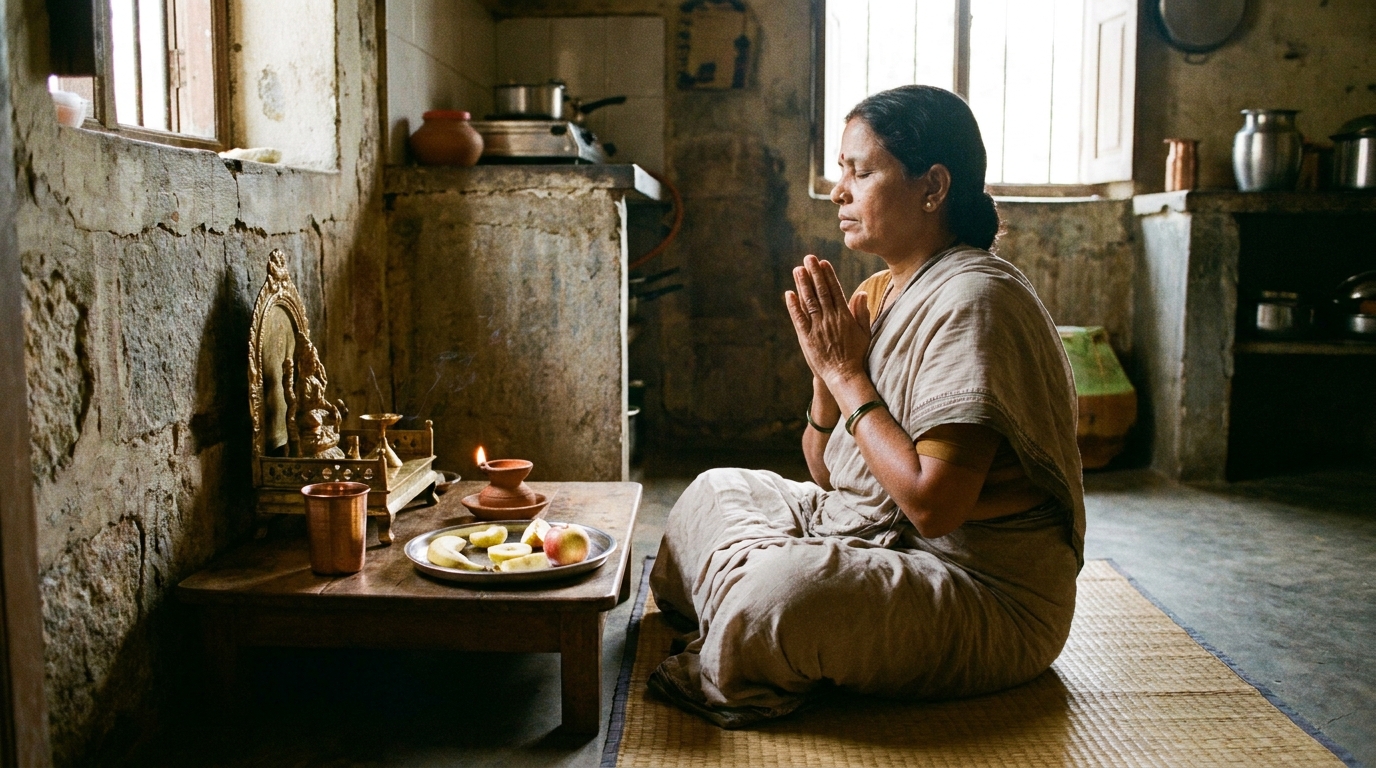
Different Bhakti lineages and communities may follow slightly different Ekādaśī fasting standards. If you are connected to a teacher, temple, or tradition, it is best to follow their guidance. Still, there are common practices that many devotees observe.
Please remember: fasting should be done according to your health, life situation, and capacity. If you are pregnant, nursing, elderly, diabetic, recovering from illness, taking medication, or have a history of eating disorders, please consult a qualified healthcare professional and take a gentle approach.
God sees the heart.
Foods Commonly Avoided on Ekādaśī
Most devotees avoid grains and beans on Ekādaśī. This usually includes:
- Rice
- Wheat
- Barley
- Oats
- Corn
- Lentils
- Chickpeas
- Black beans
- Kidney beans
- Soybeans
- Peas
- Split peas
- Flours made from grains or beans
- Pasta, bread, cakes, and cereals made from grains
Some traditions also avoid certain spices, oils, or processed foods. Many devotees try to keep the diet simple and sattvic. The Sanskrit word sattvic means pure, peaceful, and supportive of clarity.
The main standard in many Bhakti communities is: no grains and no beans.
Foods Commonly Taken on Ekādaśī
Depending on one’s level of fasting, many devotees may take:
- Fresh fruit
- Dried fruit
- Nuts and seeds
- Milk or yogurt, if suitable
- Potatoes
- Sweet potatoes
- Pumpkin
- Squash
- Certain root vegetables
- Buckwheat
- Amaranth
- Quinoa, depending on tradition
- Tapioca
- Water
- Herbal teas
Some prepare simple Ekādaśī-friendly meals, such as potatoes with rock salt and mild spices, fruit salads, milk preparations, or buckwheat pancakes made without grains.
If cooking, it is helpful to check ingredients carefully. Many packaged foods contain hidden grain products, starches, soy, or bean-based additives.
Different Levels of Ekādaśī Fasting
Ekādaśī fasting can be practiced in different ways. It is not one-size-fits-all.
Some common levels include:
- Avoiding grains and beans
This is the most common standard. A person eats simple foods but avoids grains and legumes.
- Eating only fruits, nuts, and roots
This is a lighter fast and may help the mind become more focused.
- Taking only water
Some experienced devotees observe a water fast, but this is not suitable for everyone.
- Complete fasting, even from water
This is called nirjala, meaning “without water.” It is a strong austerity and should only be attempted by those who are healthy, experienced, and guided properly.
- Modified fasting for health needs
Some people take simple non-grain meals, medicine, or whatever is required to remain healthy and steady in devotion.
The purpose is not to imitate others. In Bhakti, humility is more important than display.
What About Children, Elders, and Health Conditions?
Children may observe Ekādaśī in a simple way, such as avoiding grains for part of the day, chanting with family, or offering a small prayer.
Elders and those with medical needs should be honored and supported, not pressured. Someone who must eat regularly can still observe Ekādaśī by avoiding grains and beans if possible, eating simply, chanting more, and dedicating the day to God.
A person taking medication should follow medical instructions. If medicine requires food, take food. If a health condition requires certain nutrition, honor that. The body is a sacred instrument for service.
Bhakti is compassionate.
How to Observe Ekādaśī Practically
Ekādaśī becomes more meaningful when we prepare with care. A little planning can turn the day from stressful to peaceful.
Prepare the Day Before
The day before Ekādaśī, try to eat simply and avoid overeating. If possible, prepare Ekādaśī-friendly foods in advance. This reduces the chance of becoming distracted or frustrated on the fasting day.
You might also decide your spiritual intention. For example:
- “Today I will chant one extra round of the mahā-mantra.”
- “Today I will read one chapter of the Bhagavad-gītā.”
- “Today I will avoid unnecessary social media.”
- “Today I will offer one act of service.”
- “Today I will pray for someone I struggle with.”
The Sanskrit word saṅkalpa means a heartfelt intention or vow. Your Ekādaśī saṅkalpa does not need to be dramatic. It simply needs to be sincere.
Chant the Holy Names
Chanting is central to Bhakti Yoga. The Sanskrit word mantra means a sacred sound that protects and frees the mind. In the Bhakti tradition, the holy names of God are considered spiritually powerful and full of divine presence.
Many devotees chant the Hare Krishna mahā-mantra:
Hare Krishna Hare Krishna
Krishna Krishna Hare Hare
Hare Rama Hare Rama
Rama Rama Hare Hare
Mahā-mantra means “great mantra.” This prayer calls upon the Divine energy of God, addressed as Hare, and the all-attractive Lord, Krishna, and the source of joy, Rama. A simple meaning is: “O Lord, O divine energy of the Lord, please engage me in Your loving service.”
On Ekādaśī, you can chant softly, sing with others, use prayer beads, or simply repeat God’s names with love.
Even a few minutes of sincere chanting can change the atmosphere of the heart.
Read Sacred Scripture
Ekādaśī is a wonderful day to read Bhakti scriptures. You may read from:
- Bhagavad-gītā
- Śrīmad-Bhāgavatam
- Caitanya-caritāmṛta
- Stories of Krishna and His devotees
- Prayers of the saints and ācāryas, or spiritual teachers
The Śrīmad-Bhāgavatam teaches that hearing about God purifies the heart. In the Bhakti tradition, hearing and chanting are considered two of the most important practices.
If you are new, start small. Read one verse. Sit with it. Ask, “How can I live this today?”
Offer Prayer and Service
Ekādaśī fasting should make the heart softer, not harder. If fasting makes us proud, irritated, or judgmental, we may need to adjust our mood.
Offer prayer in your own words:
“Dear Lord, please help me remember You. Please purify my heart. Please guide my actions. Please let this fast become an offering of love.”
Service is also essential. The Sanskrit word sevā means loving service. On Ekādaśī, we may serve by helping at a temple, cooking for devotees, cleaning, calling someone who needs care, offering kindness, donating, or sharing spiritual encouragement.
In Bhakti Yoga, love becomes real through service.
The Spiritual Benefits of Ekādaśī Fasting
The benefits of Ekādaśī are described in many Bhakti scriptures, but they are not merely mystical promises. Many benefits can be experienced practically when we observe the day with sincerity.
Purification of the Heart
The heart often carries layers of fear, desire, resentment, and distraction. Ekādaśī gives us a sacred opportunity to clean the inner room.
By reducing sensory intake and increasing remembrance of God, we begin to see ourselves more clearly. We notice our attachments. We notice our habits. We notice where we seek comfort. This awareness is not meant to discourage us. It is a gift.
When we bring these things to God, purification begins.
In the Bhagavad-gītā, Krishna says:
“Abandon all varieties of separate duty and simply surrender unto Me. I shall deliver you from all sinful reactions. Do not fear.”
— Bhagavad-gītā 18.66
Ekādaśī is a gentle practice of surrender. We do not have to become perfect first. We come as we are.
Greater Mental Clarity
Many people find that fasting from grains and eating simply brings a sense of lightness. The mind may become less dull and more available for prayer, reflection, and meditation.
Of course, some people may feel tired or emotional while fasting. This too can be part of the process. We may discover how much we depend on stimulation. We may see where we are restless.
Rather than becoming discouraged, we can treat the day as a mirror. Ekādaśī reveals what needs compassion and healing.
Strengthening Self-Discipline
Self-discipline in Bhakti Yoga is not dry willpower. It is the ability to choose what helps our love grow.
Every time we say no to a lower habit, we create space to say yes to a higher joy. Ekādaśī strengthens this inner muscle.
This can affect many areas of life:
- Eating habits
- Speech
- Media use
- Emotional reactions
- Spending
- Relationships
- Spiritual consistency
The more we practice offering small choices to God, the more our whole life becomes spiritualized.
Deepening Devotion
The greatest benefit of Ekādaśī is increased devotion. Devotion means a living relationship with God. It is not only belief. It is love expressed through attention, trust, gratitude, and service.
When we fast on Ekādaśī, we are not trying to escape the world. We are learning to see the world in relation to God. Food becomes sacred. Time becomes sacred. The body becomes sacred. The mind becomes a place for remembrance.
Ekādaśī can help us move from spiritual theory to spiritual experience.
The Deeper Meaning of Ekādaśī
Beyond the rules and benefits, Ekādaśī carries a beautiful inner meaning. It reminds us that we are not merely consumers. We are souls.
The Sanskrit word ātman means the eternal self, the soul. Bhakti Yoga teaches that we are spiritual beings, beloved by God, temporarily living in material bodies. Our deepest hunger is not only for food, achievement, pleasure, or approval. Our deepest hunger is for love—divine love.
Ekādaśī helps us listen to that deeper hunger.
Fasting From Forgetfulness
We may think we are fasting from grains, but the real fast is from forgetfulness.
For one day, we try to fast from:
- Forgetting God
- Harsh speech
- Gossip
- Excessive distraction
- Self-centeredness
- Spiritual laziness
- Unnecessary consumption
- Negative thinking
And we try to feast on:
- God’s names
- Sacred stories
- Prayer
- Gratitude
- Service
- Compassion
- Simplicity
- Devotional community
This shift is the heart of Ekādaśī.
Moving From Control to Surrender
Many people approach fasting as a way to gain control. But Bhakti gently transforms fasting into surrender.
Control says, “I will become powerful.”
Surrender says, “Dear Lord, please make me Yours.”
Control can become tense. Surrender becomes sweet. When we observe Ekādaśī with love, the fast becomes less about achievement and more about relationship.
We are not earning God’s love. God’s love is already present. We are opening ourselves to receive it.
A Day to Recenter the Home and Heart
Ekādaśī can also bless family life. A household may choose to simplify meals, chant together, light a candle or lamp, read a verse, or speak about spiritual goals.
For those living alone, Ekādaśī can become a sacred personal retreat. You can create a peaceful space, offer a flower or fruit to God, play kirtan, and spend time in quiet prayer.
The Sanskrit word kīrtan means glorifying God, often through call-and-response singing of divine names. Kirtan is a joyful practice that welcomes all voices. You do not need to be a trained singer. You only need a willing heart.
Common Questions About Ekādaśī Fasting
Many sincere people have practical questions about Ekādaśī. This is natural. Spiritual life grows through honest inquiry.
Do I Have to Fast Completely?
No. Complete fasting is not required for everyone. Many devotees observe Ekādaśī by avoiding grains and beans while taking simple foods. Others do more according to health and experience.
If you are new, begin gently. It is better to practice steadily with humility than to attempt something extreme and become discouraged.
What If I Accidentally Eat Grains?
Do not panic. Do not give up. Offer a prayer, continue the day with sincerity, and learn for next time.
Bhakti is not mechanical. Krishna sees your intention. Mistakes can become opportunities for humility and deeper dependence on grace.
Can I Drink Water?
Yes, most people drink water on Ekādaśī. Some advanced practitioners may do a waterless fast on certain days, especially Nirjala Ekādaśī, but this is not necessary for most people and should be approached carefully.
Staying hydrated is important for many bodies and life situations.
Can I Work on Ekādaśī?
Yes. Most people have jobs, families, and responsibilities. Ekādaśī can be observed within ordinary life.
You may go to work, care for children, study, and fulfill duties. The key is to bring a devotional mood into the day. Eat simply, chant when possible, avoid unnecessary distractions, and remember God in your activities.
The Bhagavad-gītā teaches that work can become worship when offered to the Divine.
When Do I Break the Fast?
The Ekādaśī fast is traditionally broken the next day, called Dvādaśī, which means “the twelfth” lunar day. There is usually a specific window of time for breaking the fast, known as parāṇa. Many devotees check a local Vaishnava calendar for the correct time.
Breaking the fast is often done with grains, such as a small amount of rice or another grain preparation, depending on tradition. The main principle is to break the fast respectfully and not overeat.
If you are unsure, consult a local temple calendar or trusted Bhakti community.
Ekādaśī and the Practice of Bhakti Yoga
Ekādaśī is one part of a larger path. Bhakti Yoga is the yoga of love, the practice of reconnecting with God through devotion.
It includes chanting, prayer, worship, service, scripture, friendship with devotees, and living with compassion. Ekādaśī supports all of these.
Chanting as the Heart of the Day
If you can do only one thing on Ekādaśī, chant. Chanting the holy names is especially recommended for this age by many Bhakti saints.
Śrī Caitanya Mahāprabhu, a great teacher and incarnation of divine love in the Gaudiya Vaishnava tradition, shared the chanting of Krishna’s names freely with everyone, regardless of background, education, nationality, or social position.
This is the spirit of The Bhakti House: everyone is welcome. Come as you are. Sit, chant, listen, serve, ask questions, and grow.
Food as Sacred Offering
In Bhakti Yoga, food becomes spiritual when prepared and offered with love. This sanctified food is called prasādam, meaning “mercy” or “grace.”
On Ekādaśī, devotees often prepare simple non-grain offerings for Krishna and then honor them as prasādam. This changes our relationship with eating. We are not merely feeding the body. We are receiving grace.
A simple plate of fruit offered with love can be deeply sacred.
Community Support
Ekādaśī is easier and sweeter when shared. A community can help us remember the date, exchange recipes, chant together, and encourage one another.
But community should never become a place of judgment. Some may fast strictly. Some may fast gently. Some may be learning. Some may be struggling. The mood of Bhakti is kindness.
We support each other in taking the next sincere step.
A Simple Ekādaśī Plan for Beginners
If you are wondering how to begin, here is a simple and practical Ekādaśī plan.
The Night Before
Check the Ekādaśī date on a reliable Vaishnava calendar. Decide what level of fasting is realistic for you. Prepare simple foods if needed.
Set a devotional intention. Keep it small and meaningful.
You might pray:
“Dear God, please let this Ekādaśī help me remember You with love.”
The Morning of Ekādaśī
Begin the day with prayer or chanting. Even five minutes matters.
If you have an altar or sacred space, offer a flower, fruit, candle, or incense. If you do not have any of these, simply offer your heart.
Read one verse from the Bhagavad-gītā or another sacred text. Carry that thought with you.
During the Day
Avoid grains and beans if you are able. Eat simply. Drink water. Try to reduce unnecessary distractions.
When hunger comes, let it become a bell of remembrance. Instead of thinking only, “I am hungry,” you can think, “May my heart hunger for God.”
Chant while walking, cooking, driving, or resting. Offer kindness to someone. Practice patience.
In the Evening
Spend a little extra time in spiritual practice. Join kirtan if available. Read about Krishna. Reflect on the day.
Ask yourself:
- What did I notice about my mind?
- Where did I feel grace?
- What attachment became visible?
- How can I carry this devotion into tomorrow?
End with gratitude, not self-criticism.
The Next Day
Break the fast during the proper time if possible. Eat respectfully and gently. Avoid overeating.
Offer thanks:
“Dear Lord, whatever I was able to do, I offer to You. Please help me continue growing in love.”
Ekādaśī Recipes and Meal Ideas
Food on Ekādaśī can be simple, nourishing, and devotional. The goal is not luxury, but neither does the day need to feel dry or joyless.
Simple Fruit and Nut Plate
Combine fresh seasonal fruit with a few soaked almonds, walnuts, or dates. Offer to Krishna with a prayer, then honor as prasādam.
This is easy for busy mornings and keeps the body light.
Potato and Yogurt Bowl
Boiled potatoes with rock salt, black pepper, fresh herbs, and a little yogurt can be grounding and satisfying. Traditions differ on spices, so follow your community’s standard.
Offer the meal before eating.
Buckwheat or Amaranth Preparations
Some devotees use buckwheat or amaranth on Ekādaśī because they are not considered grains in many traditions. These can be made into pancakes, porridge, or simple flatbreads.
Always check with your tradition if you are unsure.
Warm Milk With Dates
For those who take dairy, warm milk with dates or a little cardamom can be comforting in the evening. This can be especially helpful for people who need nourishment but still want to keep the day simple.
Avoiding Common Mistakes
Ekādaśī is a gift, but like any spiritual practice, it can be misunderstood. A few gentle reminders can help us keep the right mood.
Do Not Become Proud
If we fast strictly, we should not think we are better than others. Spiritual pride is more harmful than eating a potato.
The real measure of Ekādaśī is not how little we ate, but how much we remembered God and softened our hearts.
Do Not Neglect Health
Please do not harm your body in the name of devotion. Krishna does not need us to become sick. The body is a temple and an instrument for service.
If you need to eat, eat. If you need medicine, take medicine. Offer everything with love.
Do Not Make It Only About Food
Avoiding grains and beans is important in the traditional observance, but Ekādaśī is also about consciousness.
If we avoid grains but spend the whole day angry, distracted, or absorbed in gossip, we may miss the deeper gift. Let the fasting support remembrance, prayer, and service.
Do Not Give Up Because You Are Imperfect
No one begins perfectly. Spiritual life is a path. If your Ekādaśī is messy, distracted, or incomplete, still offer it.
God is not looking for polished performance. He is looking for sincerity.
Ekādaśī as a Doorway to Love
Ekādaśī fasting is a sacred practice that helps us simplify the body, steady the mind, and awaken the heart. Its rules give structure, but its meaning is love. Its benefits include clarity, discipline, purification, and deeper devotion. Yet the greatest blessing is remembrance of God.
In Bhakti Yoga, every practice is meant to bring us closer to loving relationship with the Divine. Ekādaśī reminds us that we are not alone, not forgotten, and not defined by our habits. We are souls, eternally connected to God, and every sincere effort matters.
You may be able to fast fully. You may be able to avoid grains and beans. You may simply be able to chant one mantra with attention. Begin there.
The path of Bhakti is generous. Krishna accepts even a leaf, a flower, a fruit, or water when offered with devotion, as He says in the Bhagavad-gītā 9.26. What matters most is the love behind the offering.
So wherever you are coming from, whatever your background, and whatever your level of practice, you are welcome. Let this next Ekādaśī be an invitation—not to pressure, but to presence. Not to perfection, but to prayer. Not to fear, but to love.
Take one sincere step toward God. Chant one holy name. Offer one prayer. Serve one person. Open the heart just a little.
Everyone is welcome on the path of Bhakti, and every sincere step is seen.
FAQs
What is Ekādaśī fasting?
Ekādaśī fasting is a Hindu tradition of fasting on the 11th day of each lunar fortnight. It is considered a way to purify the mind and body, and to attain spiritual growth.
What are the rules for Ekādaśī fasting?
The rules for Ekādaśī fasting include abstaining from grains, beans, and certain vegetables on the fasting day. Some people also choose to fast completely, consuming only water or milk.
What is the meaning behind Ekādaśī fasting?
The meaning behind Ekādaśī fasting is to purify the body and mind, and to seek spiritual growth and enlightenment. It is also believed to be a way to atone for past sins and to seek the blessings of the divine.
What are the benefits of Ekādaśī fasting?
The benefits of Ekādaśī fasting are believed to include physical detoxification, mental clarity, and spiritual progress. It is also thought to bring blessings and good fortune to those who observe the fast.
How is Ekādaśī fasting observed?
Ekādaśī fasting is observed by abstaining from certain foods, performing prayers and meditation, and engaging in acts of charity and kindness. It is also common to visit temples and participate in religious ceremonies on Ekādaśī fasting days.

