
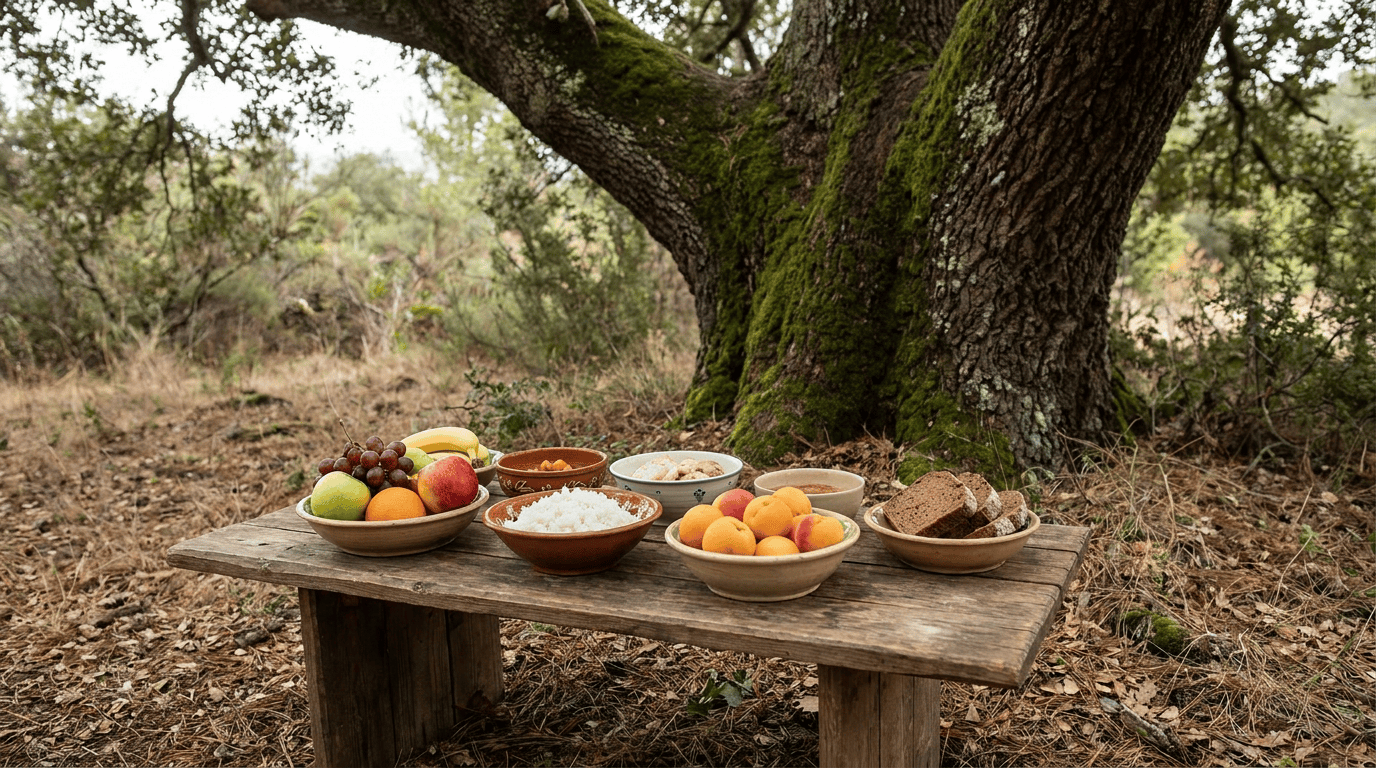
Offering food is one of the most beautiful and practical practices in Bhakti Yoga, the path of loving devotion to God. In Sanskrit, this practice is often called bhoga offering. Bhoga means “enjoyment” or “food prepared for enjoyment,” and when we lovingly offer that food to the Lord, it becomes prasadam—a sacred gift, mercy, or grace.
In simple words, offering food means preparing something with care, placing it before God with love, and asking Him to accept it. After the offering, we honor that food as spiritual nourishment.
This practice is not only for monks, priests, or people who grew up in a particular tradition. It is for everyone. Whether you are new to spiritual life, returning after many years, or already walking a devotional path, offering food can become a daily doorway into gratitude, prayer, and connection with the Divine.
At The Bhakti House, we often remind each other that Bhakti Yoga is not about perfection; it is about sincerity. A simple piece of fruit offered with love can be more spiritually meaningful than a grand feast prepared with pride. God sees the heart.
The Spiritual Meaning of Offering Food
Food Is More Than Fuel
In modern life, food is often treated as fuel, entertainment, or convenience. We eat quickly, sometimes while scrolling, driving, working, or worrying. But in Bhakti Yoga, food is sacred. It carries energy, intention, and consciousness.
The Bhagavad-gita, one of the essential scriptures of Bhakti Yoga, teaches that our consciousness is affected by what we eat and how we eat. Food prepared with compassion, purity, and devotion helps calm the mind and awaken the heart.
When we offer food to God before eating, we remember a simple truth: everything comes from the Divine. The grains, fruits, vegetables, sunlight, rain, soil, and even our ability to cook are gifts. Offering food is a way of saying, “Thank You. Please let this nourish me in a way that brings me closer to You.”
From Bhoga to Prasadam
Before food is offered, it is called bhoga—something meant to be enjoyed. After it is offered with devotion, it becomes prasadam, which means “mercy” or “grace.”
Prasadam is not just blessed food in a symbolic sense. In Bhakti understanding, when God accepts an offering, the food becomes spiritually transformed. It carries divine mercy and helps purify the heart.
This is why devotees honor prasadam rather than simply “eat” it. The word “honor” reminds us to receive it with gratitude. We are not consuming something ordinary; we are receiving a sacred gift.
A Relationship, Not a Ritual Only
It is easy to think of offering food as a religious ritual. And yes, there may be simple steps, prayers, and traditions. But at its heart, offering food is relationship.
If you love someone, you may naturally want to cook for them, serve them, or share something meaningful with them. Bhakti Yoga invites us to develop that same loving mood toward God. We cook for the Lord. We offer with affection. Then we receive His mercy.
This transforms daily life. Cooking becomes meditation. Eating becomes gratitude. Cleaning the kitchen becomes service. A home becomes a sacred place.
Why Offer Food to God?
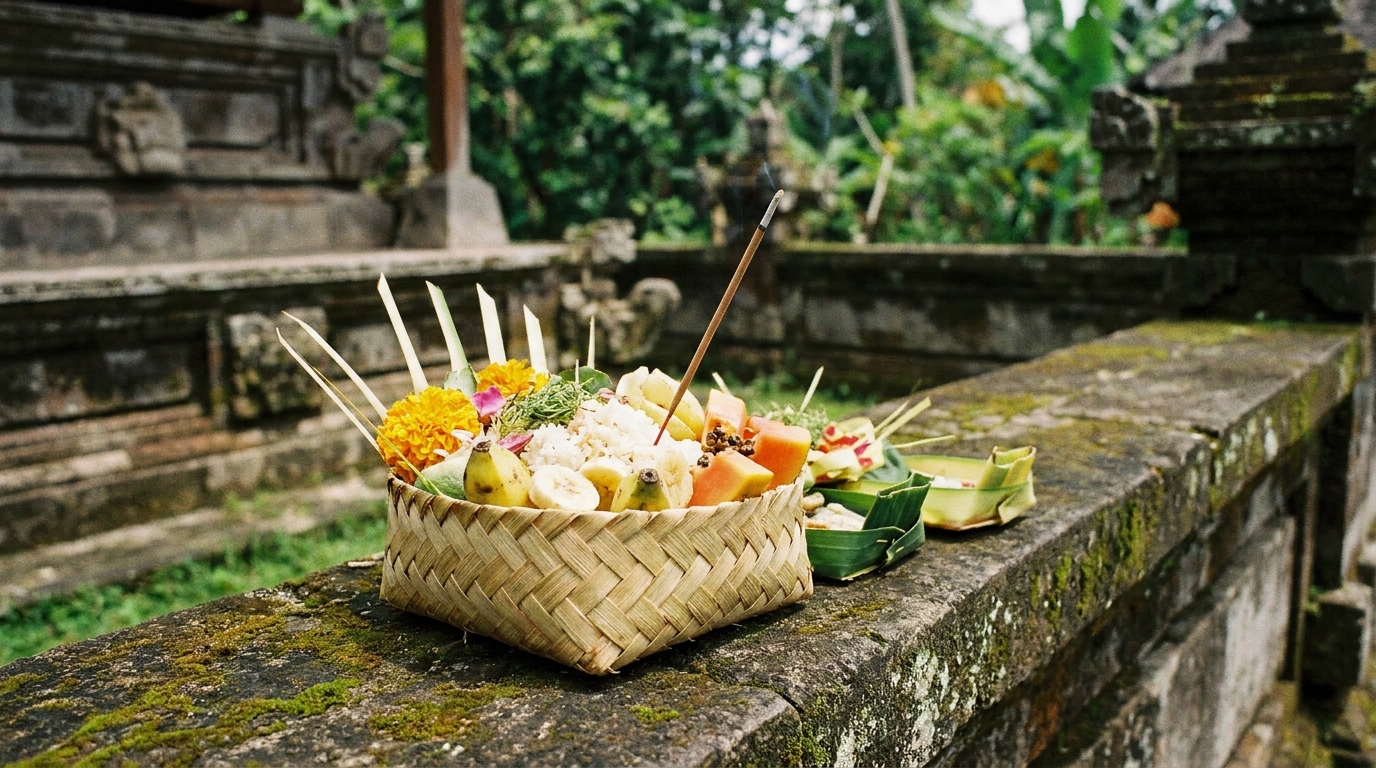
To Practice Gratitude
Offering food helps us slow down and remember that we are not the ultimate controllers. Every meal is a miracle. Someone planted, harvested, transported, stocked, purchased, washed, chopped, cooked, and served. Behind all of that is the mercy of God.
When we offer food, we say, “This is Yours before it is mine.” That one prayer can soften the heart.
Gratitude is not only a feeling; it is a practice. Offering food gives gratitude a form. It turns thankfulness into action.
To Purify Our Consciousness
Bhakti scriptures explain that food affects consciousness. The Bhagavad-gita describes different kinds of foods and how they influence the body and mind. Fresh, wholesome, nourishing foods promote clarity and peace, while foods connected with violence, intoxication, or impurity can disturb the mind.
When food is prepared and offered with devotion, it becomes spiritually purifying. Prasadam helps us remember God. It supports a cleaner, kinder, more prayerful life.
This does not mean we become judgmental toward others. Bhakti is not about feeling superior because of what we eat. Rather, it is about humbly choosing habits that help us love God and serve others better.
To Make the Home Sacred
Many people long for a more peaceful home. Offering food is one simple way to invite sacred energy into daily life.
You do not need a large altar or elaborate ceremony. A clean space, a sincere heart, and a simple prayer are enough to begin. Over time, your kitchen and dining table can become places of devotion.
Children can learn gratitude by helping offer food. Couples can pray together before meals. Friends can share prasadam and meaningful conversation. In this way, spiritual life enters ordinary moments.
To Share Mercy With Others
In Bhakti Yoga, sharing prasadam is a powerful act of compassion. Food offered to God can be shared with family, friends, neighbors, coworkers, and guests.
The great Bhakti saints often taught that prasadam distribution is one of the most merciful services. People may not always be ready for philosophy, but everyone understands kindness, hospitality, and delicious food.
A simple plate of prasadam can carry love. It can open hearts. It can bring comfort to someone who is lonely, grieving, stressed, or spiritually searching.
Please visit our website for more information on our articles: articles.
What Foods Can Be Offered?
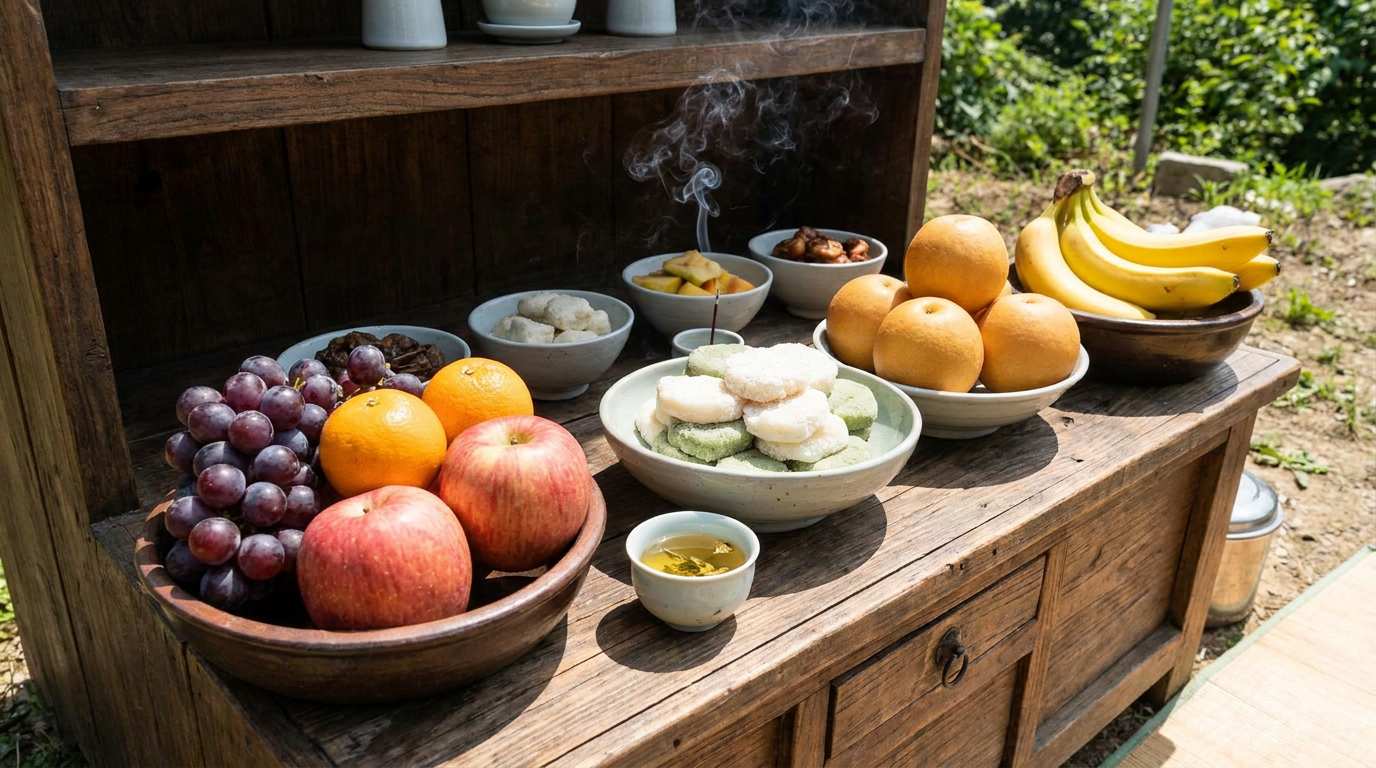
The Principle of Loving Offering
In the Bhagavad-gita 9.26, Lord Krishna says:
“If one offers Me with love and devotion a leaf, a flower, a fruit, or water, I will accept it.”
This verse is very encouraging. Krishna does not demand wealth, luxury, or complexity. He asks for love and devotion. A leaf, a flower, a fruit, or water—simple things—become precious when offered sincerely.
The main ingredient is love.
Vegetarian Offerings
In traditional Bhakti Yoga, food offered to Krishna is vegetarian and prepared without meat, fish, or eggs. This supports the principle of ahimsa, or nonviolence. Ahimsa means avoiding harm as much as possible.
A vegetarian offering can include grains, fruits, vegetables, legumes, nuts, seeds, dairy products, herbs, and spices. Common offerings include rice, dal, chapatis, sabji, salads, soups, pasta, fruit, sweets, and simple drinks.
Many devotees also avoid certain items such as onion, garlic, and mushrooms when cooking for Krishna, because these foods are considered more agitating to the mind in traditional yogic understanding. If you are new, do not feel overwhelmed. Begin where you are and grow gradually.
Vegan Offerings
Many people today follow a vegan diet for ethical, health, or environmental reasons. Vegan offerings can also be made with devotion, using plant-based ingredients such as fruits, vegetables, grains, beans, lentils, nuts, seeds, and plant-based milks.
If you are connected to a specific Bhakti tradition, you may ask a trusted teacher or community leader for guidance on standards. But please remember: God is attracted by sincerity. Offer what you can with love.
Simple Foods Are Wonderful
You do not need to cook an elaborate meal. Some of the most heartfelt offerings are simple:
- A banana
- A cup of water
- A bowl of rice
- Fresh fruit
- Oatmeal
- Soup
- A homemade vegetable dish
- Bread or chapati
- A small sweet
- Herbal tea
If you can cook, cook with love. If you cannot cook, offer something simple. The path is open.
How to Prepare Food for Offering
Begin With Cleanliness
Cleanliness helps create a devotional mood. Before cooking, wash your hands, clean the cooking area, and use clean utensils. If possible, wear clean clothes or at least an apron.
This is not about anxiety or harsh rules. Cleanliness is a way of showing respect. Just as we would prepare carefully for a beloved guest, we prepare carefully for the Lord.
In Bhakti Yoga, God is not distant. He is the most intimate friend. Still, love naturally includes care.
Cook With a Peaceful Mind
The consciousness of the cook enters the food. Try to cook in a prayerful mood. You can chant, listen to kirtan, play soft devotional music, or repeat a simple mantra.
A mantra is a sacred sound vibration that helps focus the mind on God. The most well-known mantra in the Bhakti tradition is the Hare Krishna maha-mantra:
Hare Krishna, Hare Krishna, Krishna Krishna, Hare Hare
Hare Rama, Hare Rama, Rama Rama, Hare Hare
Maha-mantra means “great mantra.” It is a prayer asking to be engaged in divine love and service.
If you are from another faith background, you may pray in the language and form that is natural for you. The heart of the practice is loving remembrance.
Avoid Tasting Before Offering
Traditionally, we do not taste the food before offering it. This may feel unusual at first, especially for cooks who are used to adjusting flavors. But the meaning is sweet: the Lord is the first enjoyer.
We cook for God first, not for ourselves. After the offering, we can honor the prasadam.
Practically, as you become familiar with cooking, you will learn how much salt, spice, and sweetness to use. If something is imperfect, do not worry. Offer it with humility. God accepts love.
Use Fresh and Thoughtful Ingredients
Fresh, wholesome ingredients are ideal. Try to avoid offering food that is stale, overly processed, or prepared carelessly. When possible, choose ingredients that are clean, nourishing, and obtained in a responsible way.
Again, Bhakti is practical. Not everyone has access to organic produce or expensive ingredients. Offer the best you reasonably can. Devotion is not measured by income.
A Step-by-Step Guide to Offering Food
Step 1: Create a Sacred Space
Choose a clean place where you can make the offering. This might be a home altar, a small table, a shelf with a picture of Krishna, or simply a clean spot in your kitchen.
Many Bhakti practitioners keep images of Krishna, Radha-Krishna, Lord Chaitanya, or their spiritual teacher on the altar. If you do not have an altar yet, you can still begin. God hears sincere prayers from anywhere.
Step 2: Place the Food on a Special Plate
If possible, use a plate, bowl, or cup reserved only for offerings. This is a way of honoring the Lord. Place a small portion of each preparation on the offering plate.
You do not need to offer the entire pot. Once a portion is offered, the rest of the food becomes prasadam when it is mixed back or served with the offered portion, according to common household practice.
Try to make the plate attractive. Presentation can be an expression of love.
Step 3: Offer Water
Place a small cup of fresh water with the food. Water is one of the simplest and purest offerings. Krishna specifically mentions water in the Bhagavad-gita as something He accepts when offered with devotion.
Step 4: Pray With Sincerity
Now offer a prayer. You can speak from your heart:
“My dear Lord, everything belongs to You. Please accept this food, prepared with whatever love and devotion I have. Please bless it and bless all who honor it. May this offering help me remember You and serve others with kindness.”
If you know traditional prayers, you may recite them. If not, a heartfelt prayer is enough to begin.
Step 5: Chant or Sit Quietly
You may chant the Hare Krishna mantra, sing a simple devotional song, or sit quietly for a few minutes. Many devotees leave the plate on the altar for about five to ten minutes.
During this time, try to think, “God is present. God is kind. I am offering this with love.”
Step 6: Receive the Prasadam
After the offering, remove the plate. The food is now prasadam. You may transfer it back into the serving dishes or serve it directly.
Before eating, pause again. Offer gratitude. Honor the prasadam slowly and respectfully.
Traditional Prayers for Offering Food
The Mood Behind the Prayers
Traditional Bhakti prayers are not magic formulas. They are expressions of humility, gratitude, and surrender. If you chant them, try to understand their meaning and mood.
The Sanskrit language is sacred and beautiful, but God is not limited by language. A sincere prayer in English, Spanish, Hindi, Arabic, Hebrew, or any language of the heart can be meaningful.
A Simple English Offering Prayer
Here is a beginner-friendly prayer:
“O Lord, this food is Yours. You have kindly given everything. Please accept this offering made with love. Please purify my heart and help me use my life in Your service. May all beings be blessed.”
This prayer can be used daily. You may also adapt it in your own words.
The Hare Krishna Maha-Mantra
Many Bhakti practitioners chant:
Hare Krishna, Hare Krishna, Krishna Krishna, Hare Hare
Hare Rama, Hare Rama, Rama Rama, Hare Hare
“Hare” calls upon the divine energy of the Lord. “Krishna” means the all-attractive Supreme Person. “Rama” means the source of joy and spiritual pleasure. Together, this mantra is a prayer to be engaged in loving service.
You can chant this mantra while cooking, while offering, and before honoring prasadam.
Common Questions About Offering Food
Do I Have to Be Initiated to Offer Food?
No. Anyone can begin offering food with sincerity. Formal initiation, or diksha, is a deeper commitment made with a spiritual teacher, but love does not have to wait.
Start simply. Offer what you can. Chant, pray, and gradually learn from authentic sources and experienced devotees.
What If I Make a Mistake?
Mistakes are part of learning. Maybe you forget an ingredient, burn the rice, taste the soup by habit, or feel distracted while praying. Do not become discouraged.
Bhakti Yoga is a path of grace. Apologize inwardly, learn gently, and continue. The Lord is a loving person, not a harsh examiner waiting for us to fail.
Sincerity is stronger than perfectionism.
Can I Offer Food at Work or While Traveling?
Yes. If you are at work, school, or traveling, you can still offer your food mentally or with a quiet prayer.
For example, before eating, pause and say:
“Dear Lord, please accept this food. Thank You for providing it. May it help me remember You and serve well.”
If the food is suitable to offer according to your practice, offer it with love. If you are still learning or in a difficult circumstance, do your best and keep growing.
Can I Offer Food Cooked by Someone Else?
Ideally, food is cooked in a clean, devotional mood specifically for offering. However, life can be complex. If you are living with family, eating at events, or receiving food from others, you can still pray and ask God to bless you and guide your choices.
As your practice deepens, you may naturally become more mindful about where your food comes from and how it is prepared. Let that growth be steady and compassionate.
What Should I Do With Leftover Prasadam?
Prasadam should be treated respectfully. Store it properly, avoid waste, and honor it later if possible. If food must be discarded, do so respectfully and with gratitude.
Because prasadam is sacred, we try not to throw it away casually. Planning portions carefully is also a devotional skill.
Offering Food as a Daily Spiritual Practice
Morning Offerings
Starting the day with an offering can set a peaceful tone. You might offer fruit, oatmeal, toast, tea, or a simple breakfast. Even if your morning is busy, a short prayer can bring sacred awareness.
Try placing your first meal before God and saying, “Please guide me today. Let my words and actions be offerings too.”
Family Meals
Offering food as a family can be deeply nourishing. Children often love participating. They can help wash fruit, place flowers, ring a bell, or say a prayer.
This teaches them that God is part of daily life, not only something discussed in a temple or church. It also helps create a culture of gratitude at home.
If family members have different beliefs, be gentle. Bhakti should never feel forced. You can quietly offer your own plate or invite others with kindness.
Sharing Prasadam With Guests
Hospitality is a sacred part of Bhakti culture. When guests come, offering them prasadam is a way of serving both them and God.
You do not have to preach or explain too much. A warm plate, a kind smile, and a peaceful atmosphere speak powerfully.
If someone asks, you can simply say, “This food was prepared and offered to God with love. We receive it as a blessing.”
Making Cooking a Meditation
Many people feel they do not have time for spiritual practice. But we all have to eat. Offering food turns cooking into meditation.
While chopping vegetables, chant. While stirring soup, pray for the people who will eat. While washing dishes, remember that service purifies the heart.
This is the beauty of Bhakti Yoga: ordinary actions become spiritual when done with love for God.
The Scriptural Foundation for Offering Food
Bhagavad-gita 9.26: Love Is the Essential Ingredient
Krishna’s famous teaching in Bhagavad-gita 9.26 gives the heart of food offering:
“If one offers Me with love and devotion a leaf, a flower, a fruit, or water, I will accept it.”
This verse shows that God is personal and responsive. He accepts love. The offering may be simple, but devotion makes it complete.
For practical life, this means we do not need to wait until we are wealthy, advanced, or perfectly pure. We can begin now with whatever we have.
Bhagavad-gita 3.13: Eating With Sacred Consciousness
In Bhagavad-gita 3.13, Krishna explains that those who eat food first offered in sacrifice are freed from negative reactions, while those who cook only for themselves eat in a selfish consciousness.
This may sound strong, but the practical message is compassionate: do not live only for yourself. When food is offered, eating becomes connected to gratitude, service, and spiritual responsibility.
Offering food helps shift the heart from “This is mine” to “Everything is God’s mercy.”
Srimad-Bhagavatam: Devotion in Everyday Life
The Srimad-Bhagavatam, another beloved Bhakti scripture, repeatedly celebrates hearing, chanting, remembering, worshiping, serving, and offering everything to the Lord. Bhakti is not separate from life. It embraces life and spiritualizes it.
Food offering is one of the most accessible ways to practice this. Every day, in every home, the heart can turn toward God.
The Inner Mood of a True Offering
Humility
When offering food, we come humbly. We may think, “My devotion is small, my attention is imperfect, but please accept this.”
Humility does not mean feeling worthless. It means recognizing that we are dependent on divine grace. It opens the heart to receive.
Love
Bhakti means devotion, love, and loving service. The external offering matters, but the inner offering matters most.
You may offer a beautiful feast, but also offer your worries, your hopes, your work, your family, and your future. Food offering teaches us how to offer our whole life.
Service
In Sanskrit, seva means service. In Bhakti Yoga, service is not a burden; it is an expression of love. Cooking, offering, serving, cleaning, and sharing prasadam are all forms of seva.
When we serve God and others, the heart becomes joyful.
Remembrance
Offering food helps us remember God several times a day. This remembrance is powerful. A life filled with small moments of prayer becomes spiritually rich.
We may not be able to meditate for hours, but we can pause before meals. We can chant while cooking. We can receive prasadam with gratitude. These small steps matter.
Practical Tips for Beginners
Start Small and Sustainable
Do not feel that you must change everything overnight. Begin with one offering a day, or even one offering a week. Offer fruit in the morning. Offer dinner on Sundays. Offer water and a prayer.
Consistency grows naturally when the practice feels loving rather than pressured.
Keep a Simple Offering Plate
Choose a small plate, bowl, and cup for offerings. Keep them clean and separate if possible. This helps create a sacred rhythm.
Even a simple setup can support devotion.
Learn a Few Favorite Recipes
Build confidence with easy vegetarian or vegan recipes:
- Rice and dal
- Vegetable soup
- Pasta with fresh herbs
- Roasted vegetables
- Kitchari
- Fruit salad
- Homemade bread
- Simple sweets
As you learn, cooking becomes joyful rather than stressful.
Create a Peaceful Kitchen Atmosphere
Try reducing distracting media while cooking. Play kirtan, chant softly, or keep silence. If emotions are high, pause and pray before continuing.
A peaceful kitchen helps create peaceful prasadam.
Share What You Make
If you prepare extra, share prasadam with someone. Bring a small container to a friend, coworker, neighbor, or community gathering.
Sharing deepens the joy of offering. Love expands when it is given.
Offering Food in a World That Needs Healing
Food connects us all. Every culture has sacred meals, family recipes, harvest traditions, and acts of hospitality. Offering food to God adds another layer of meaning: it reconnects eating with reverence.
In a world of loneliness, offering food creates community.
In a world of anxiety, it creates prayer.
In a world of consumption, it teaches gratitude.
In a world of division, prasadam invites everyone to sit together and receive grace.
This is why Bhakti Yoga is so practical. It does not ask us to abandon life. It teaches us how to spiritualize life. We still shop, chop, cook, serve, eat, and clean—but now these acts become part of our relationship with God.
A Simple Daily Food Offering Practice
A Five-Minute Practice
If you are wondering how to begin today, here is a very simple practice:
- Prepare or choose a vegetarian food item, such as fruit, rice, or a simple meal.
- Place a portion on a clean plate with a small cup of water.
- Put it before a picture of Krishna or in a clean, quiet place.
- Pray: “Dear Lord, please accept this offering made with love.”
- Chant the Hare Krishna mantra or sit quietly for a few minutes.
- Receive the food as prasadam and honor it with gratitude.
This small practice can become a powerful anchor in your spiritual life.
A Prayer Before Honoring Prasadam
Before eating, you can say:
“Thank You, Lord, for this prasadam. May it purify my heart, strengthen my body for service, and help me remember You.”
Then eat slowly, with appreciation.
Everyone Is Welcome to Begin
Offering food is a gentle and joyful doorway into Bhakti Yoga. You do not have to be perfect. You do not have to know every mantra. You do not have to have a beautiful altar or advanced knowledge of scripture.
You only need a sincere heart and a willingness to offer.
God is wonderfully kind. He accepts even a leaf, a flower, a fruit, or water when offered with love. So imagine how pleased He is when we offer our time, our cooking, our gratitude, our family meals, and our daily life.
At The Bhakti House, we welcome readers and seekers of all backgrounds. Whether you are just curious, spiritually hungry, or ready to deepen your devotional practice, you are invited to begin with one sincere step.
Offer one fruit. Say one prayer. Chant one mantra. Share one plate of prasadam. Let your kitchen become a place of love, your meals become moments of grace, and your heart move one step closer to God.
Everyone is welcome, and every sincere offering matters.
FAQs
What is the importance of offering food?
Offering food is a way to show hospitality and generosity to others. It can also be a way to share cultural traditions and bring people together.
What are some common types of food offerings?
Common types of food offerings include fruits, sweets, grains, and cooked dishes. The specific types of offerings can vary depending on cultural and religious traditions.
How should food offerings be presented?
Food offerings should be presented in a clean and respectful manner. This may include using clean dishes and utensils, arranging the food neatly, and placing it in a location where it can be easily accessed by others.
Are there any cultural or religious considerations to keep in mind when offering food?
Yes, there are often cultural and religious considerations to keep in mind when offering food. For example, certain foods may be considered sacred or taboo in some cultures, and specific rituals or prayers may be associated with offering food in certain religious traditions.
What are some tips for offering food in a respectful and inclusive manner?
Some tips for offering food in a respectful and inclusive manner include being mindful of dietary restrictions and preferences, being open to learning about different cultural traditions, and being considerate of others’ customs and beliefs.

