
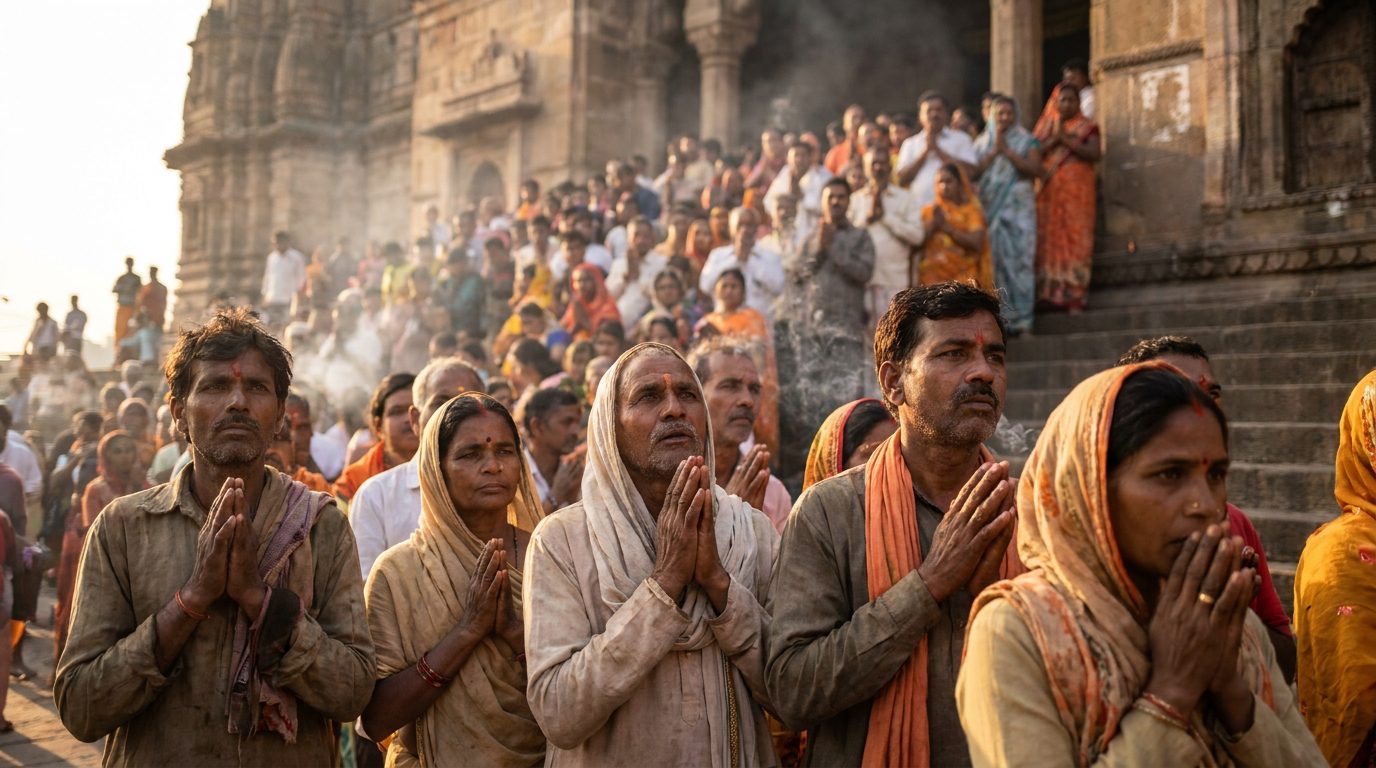
In every spiritual tradition, we find luminous souls who show us what it means to love God with the whole heart. In Bhakti Yoga, these souls are often called great devotees—people whose lives are centered on loving service, prayer, remembrance, humility, and compassion.
A great devotee is not “great” because of social status, scholarship, wealth, or outward power. A great devotee is great because their heart has become soft with love for God and kind toward all living beings.
Bhakti Yoga is the path of devotion. The Sanskrit word bhakti means loving devotion or loving service. It is the simple yet profound path of turning our heart toward the Divine through chanting, prayer, sacred study, community, and service. The lives of great devotees help us understand that spiritual life is not only philosophy—it is something we can live, breathe, and practice every day.
Whether you are new to Bhakti, returning to your spiritual roots, or simply curious about devotional wisdom, this guide is offered with love. May it help you recognize the qualities of great devotees and take inspiration for your own journey toward God.
A great devotee is a person whose life is dedicated to loving God and serving others. In Sanskrit, the word bhakta means “devotee”—one who loves and serves the Supreme. A great devotee is not measured by external appearance but by the depth of their devotion.
In the Bhagavad-gita, one of the most beloved scriptures of Bhakti Yoga, Lord Krishna describes the qualities of a dear devotee:
“He who is not envious but is a kind friend to all living beings, who does not think himself a proprietor, who is free from false ego and equal in happiness and distress… such a devotee is very dear to Me.”
— Bhagavad-gita 12.13–14
This teaching is both beautiful and practical. Krishna does not say that the greatest devotee is the one who can speak perfectly, perform impressive rituals, or defeat others in debate. He praises kindness, humility, steadiness, and love.
A Great Devotee Loves God Personally
In Bhakti Yoga, God is understood as personal and loving. Many traditions use different names for the Divine—Krishna, Rama, Vishnu, Narayana, Radha, Govinda, Allah, Yahweh, Christ, the Divine Mother, the Supreme Lord. Bhakti welcomes sincere seekers from all backgrounds.
The essence is this: the heart longs for a loving relationship with the Source of all life. A great devotee nourishes that relationship daily through remembrance, chanting, prayer, and service.
A Great Devotee Sees Everyone as Sacred
A great devotee does not see people merely by their body, nationality, religion, gender, occupation, or mistakes. They see the soul within.
In Sanskrit, the soul is called atma—the eternal self. Bhakti teaches that every living being is a beloved child of God. When this truth moves from the mind into the heart, compassion naturally awakens.
A great devotee may still be practical and discerning, but they do not cultivate hatred. They try to serve, uplift, and remember that every person is on a journey.
A Great Devotee Is Humble, Not Proud
Humility is one of the great ornaments of devotion. Humility does not mean thinking, “I am worthless.” It means understanding, “Everything I have is a gift from God, and I am here to serve.”
A humble devotee gives credit to grace, teachers, community, and the Divine. They do not seek worship for themselves. Instead, they help others turn toward God.
The Core Qualities of Great Devotees
The lives of great devotees reveal certain qualities again and again. These qualities are not artificial decorations. They grow naturally when someone practices Bhakti sincerely.
Faith That Becomes Trust
Faith in Bhakti is not blind belief. It begins as a gentle openness: “Maybe there is a loving Divine presence. Maybe I can connect. Maybe chanting and prayer can transform me.”
Over time, through practice and experience, faith matures into trust. The great devotee learns to depend on God in joy and sorrow, success and failure, clarity and confusion.
This trust is not passive. It is active and courageous. A devotee still works, serves, makes decisions, and faces life. But beneath everything, there is a deep confidence: “God is with me. I am not alone.”
Compassion for All Beings
A great devotee’s love for God naturally becomes compassion for God’s creation. They care about people, animals, the earth, and the suffering of the world.
In the Srimad Bhagavatam, another foundational Bhakti scripture, saintly persons are described as merciful, peaceful, truthful, and friendly to all. The Sanskrit word sadhu means a holy person or saintly devotee. A true sadhu is not harsh-hearted. They carry kindness like a fragrance.
Compassion may look like feeding others, listening deeply, forgiving, protecting animals, offering spiritual wisdom, or simply treating people with dignity.
Steadiness in Practice
Great devotees are not great because they never struggle. They are great because they keep turning back to God.
They chant when the mind is restless. They pray when life feels uncertain. They serve even when recognition does not come. They study scripture not only for information but for transformation.
This steadiness is called sadhana, a Sanskrit word meaning spiritual practice. Sadhana is the daily structure that helps love grow. Just as a plant needs water, sunlight, and care, the heart needs regular remembrance of God.
Joy in Serving
In ordinary thinking, service may feel like a burden. In Bhakti, service is a doorway to joy.
The Sanskrit word seva means service offered with love. Seva can be as simple as cooking with devotion, cleaning a sacred space, helping a neighbor, caring for family, singing for God, sharing wisdom, or offering one’s talents for a higher purpose.
Great devotees do not ask, “How can I be praised?” They ask, “How can I be useful in God’s service?”
Deep Attachment to the Holy Name
Chanting sacred names is central to Bhakti Yoga. The Sanskrit word nama means name, and in Bhakti, God’s names are understood to carry divine presence.
One of the most widely known mantras in the Bhakti tradition is the Hare Krishna maha-mantra:
Hare Krishna Hare Krishna
Krishna Krishna Hare Hare
Hare Rama Hare Rama
Rama Rama Hare Hare
A mantra is a sacred sound vibration that helps focus the mind and awaken the heart. The word maha means great, so maha-mantra means “great mantra.”
Great devotees often have deep love for chanting. They chant not as a performance, but as a prayer: “Please let me remember You. Please let me serve You. Please awaken love in my heart.”
Great Devotees in Bhakti Scriptures
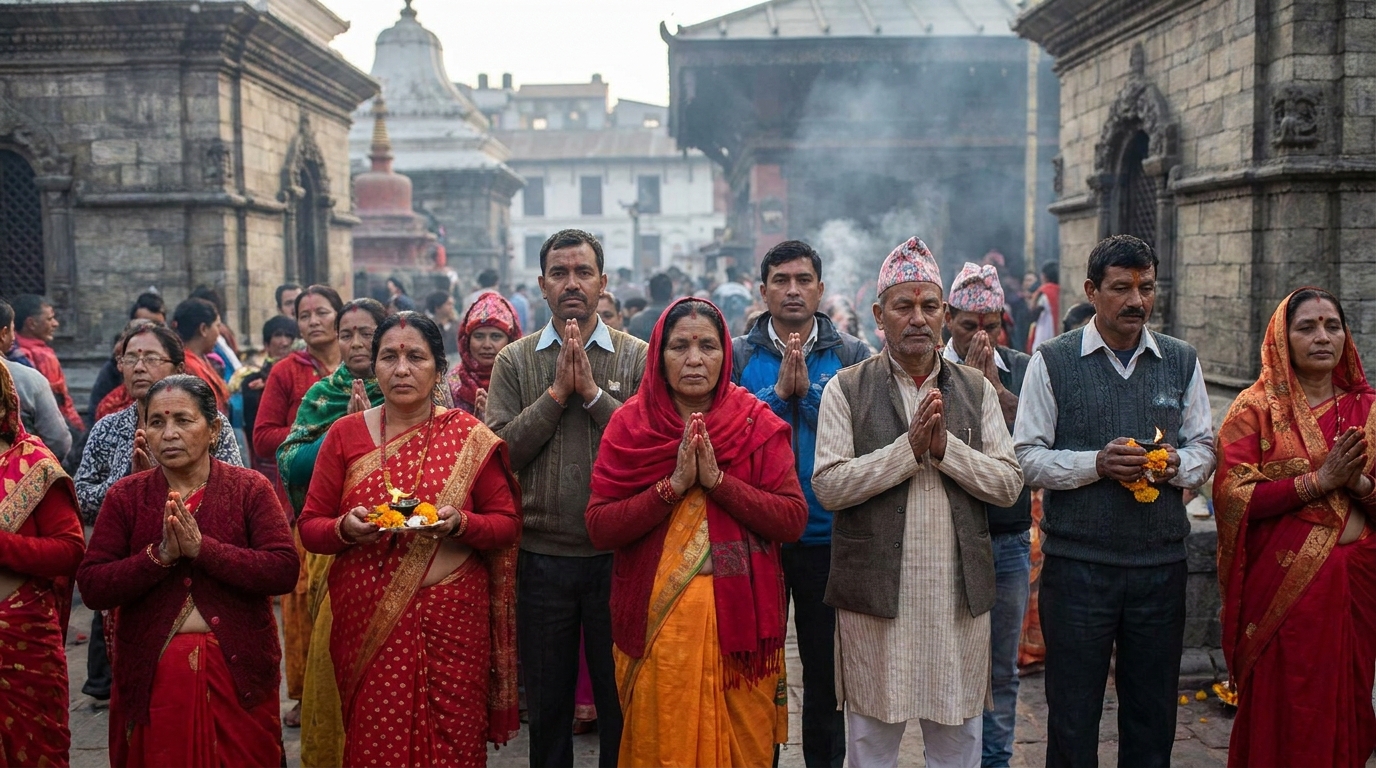
Bhakti scriptures are filled with inspiring examples of devotion. These stories are not meant only for admiration. They are mirrors for our own hearts.
Prahlada: Devotion in the Midst of Difficulty
Prahlada Maharaja was a young devotee described in the Srimad Bhagavatam. Though born in a family that opposed devotion to Vishnu, he remained faithful, peaceful, and compassionate.
His father, Hiranyakashipu, tried to turn him away from God, but Prahlada did not become bitter. He continued to remember the Lord with love.
Prahlada teaches us that devotion is possible even in difficult environments. We may not be able to control every circumstance, but we can choose remembrance. We can pray. We can remain connected inwardly.
His life reminds us that Bhakti is not dependent on age, background, or social approval. Even a child can become a great devotee through sincere love.
Dhruva: From Desire to Pure Devotion
Dhruva Maharaja, also from the Srimad Bhagavatam, began his spiritual journey with a wounded heart. He wanted honor and a kingdom greater than his father’s. Guided by the sage Narada, he performed sincere meditation and worship of the Lord.
When Dhruva finally received the vision of God, his heart changed. He realized that what he had been seeking was small compared to divine love. He famously felt like someone who had been searching for broken glass but found a priceless jewel.
Dhruva’s story is comforting because many of us begin spiritual life with mixed motives. We may pray for relief, healing, success, peace, or protection. Bhakti does not reject us for this. God accepts our beginning and gradually purifies our desires.
Hanuman: The Perfect Servant
Hanuman, beloved throughout the world, is one of the greatest examples of devotion to Lord Rama. In the Ramayana, Hanuman serves with strength, humility, intelligence, and unwavering love.
Though he possesses extraordinary power, he never uses it for ego. His only desire is to serve Rama and Sita. He shows us that true strength is strength offered in love.
Hanuman’s devotion is practical. He leaps across the ocean, searches tirelessly, speaks wisely, comforts the distressed, and acts courageously. His life teaches that Bhakti is not sentimental weakness. It is love in action.
The Gopis: The Height of Loving Devotion
In the Bhakti tradition, the gopis of Vrindavan are honored as the highest examples of pure love for Krishna. The word gopi refers to the cowherd women of Vrindavan, whose hearts were completely absorbed in Krishna.
Their love was not based on profit, fear, or duty alone. It was spontaneous, selfless, and total. They did not love Krishna because He was God; they loved Him because He was their very life.
The Srimad Bhagavatam presents their devotion as the summit of Bhakti. For everyday practitioners, the gopis teach us to move from mechanical spirituality toward heartfelt longing: “May I love God not for what I can get, but simply because God is lovable.”
Srimati Radharani: The Embodiment of Divine Love
In many Bhakti traditions, Srimati Radharani is honored as the greatest devotee of Krishna. She represents the fullest expression of pure love, compassion, and devotion.
Her love is completely selfless. She desires only Krishna’s happiness. For practitioners, remembering Radha softens the heart and teaches us the mood of service.
At The Bhakti House and in many devotional communities, Radha’s example reminds us that the path of Bhakti is not about becoming spiritually proud. It is about becoming more loving, more surrendered, and more eager to serve.
Sure, here is the sentence with the clickable link:
I love to visit The Bhakti House for spiritual inspiration.
Lessons Great Devotees Teach Us Today
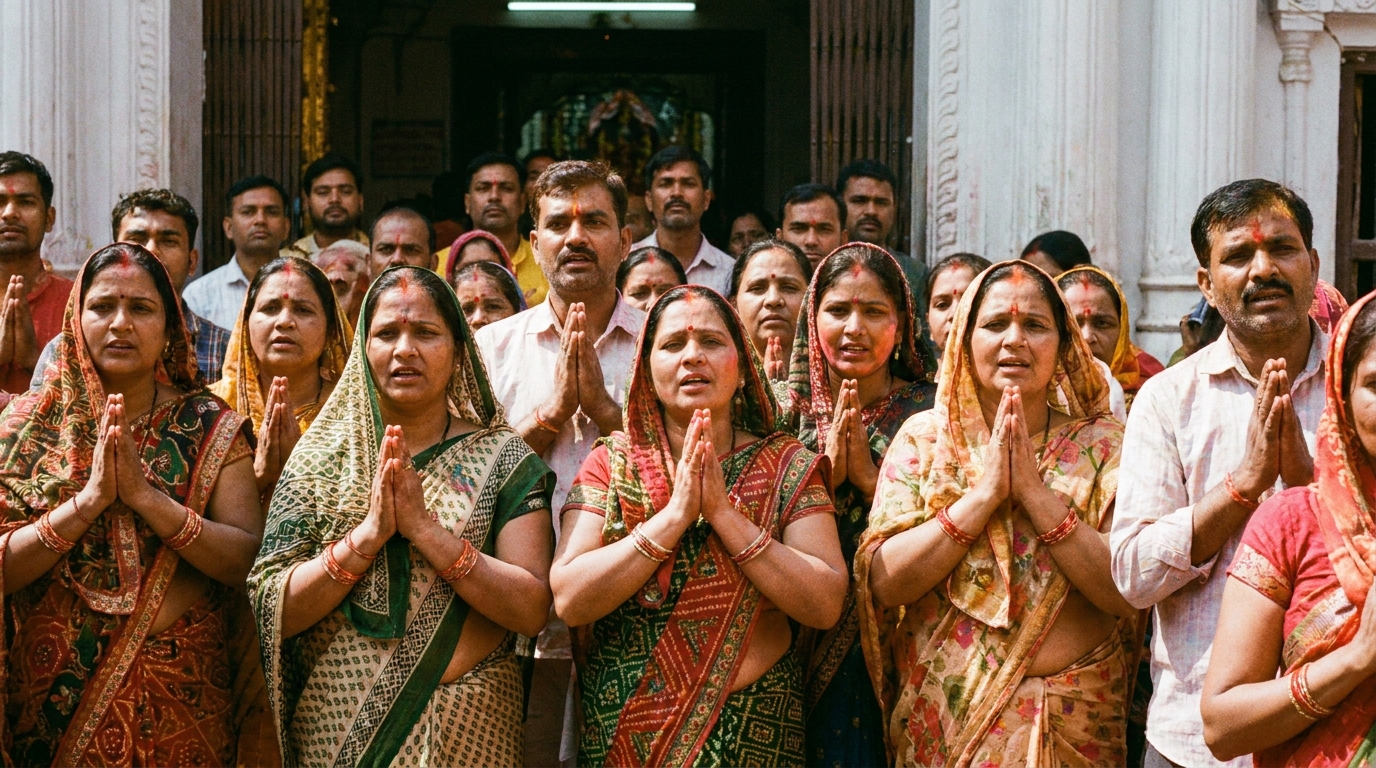
The lives of great devotees are ancient, but their lessons are deeply relevant. We live in a world filled with distraction, loneliness, anxiety, and division. Bhakti offers a way to return to the heart.
Begin Where You Are
Great devotees teach us that we do not need to be perfect to begin. Prahlada began as a child in a hostile environment. Dhruva began with hurt and ambition. Hanuman served in the middle of crisis. The gopis lived ordinary village lives, yet their hearts were extraordinary.
Wherever you are today, you can begin. You can chant one mantra. You can offer one prayer. You can read one verse. You can serve one person with kindness.
Bhakti grows through sincerity, not perfectionism.
Turn Emotion Into Prayer
Human life is full of emotion—joy, grief, longing, fear, gratitude, confusion. Bhakti does not ask us to suppress the heart. It teaches us to offer the heart.
If you are grateful, say, “Thank You.”
If you are afraid, say, “Please guide me.”
If you are grieving, say, “Please hold me.”
If you are confused, say, “Please show me the next step.”
If you feel love, say, “Please let this love become service.”
Great devotees do not hide from God. They bring everything to God.
Serve Without Needing Recognition
One of the greatest spiritual practices is to serve quietly. In a world that often values visibility, Bhakti invites us to value sincerity.
When we cook, clean, care, listen, teach, donate, encourage, or help without needing applause, the heart becomes purified. Service becomes a sacred offering.
Krishna says in the Bhagavad-gita 9.26:
“If one offers Me with love and devotion a leaf, a flower, fruit, or water, I will accept it.”
This verse is very tender. God is not asking for luxury. God is asking for love. Even a simple offering, made with devotion, becomes spiritually powerful.
Keep Company With Devotees
In Bhakti, spiritual community is very important. The Sanskrit word sanga means association or company. The people we spend time with influence our thoughts, desires, and habits.
Keeping company with devotees does not mean judging others or isolating ourselves. It means intentionally nourishing the part of us that wants truth, love, and God.
When we chant together, study together, serve together, and encourage one another, devotion becomes easier and sweeter.
Practice Humility Every Day
Humility can be practiced in simple ways:
Say thank you often.
Ask forgiveness when needed.
Listen before speaking.
Give credit to others.
Remember that every gift comes from God.
Serve even when no one notices.
Be willing to learn.
Great devotees are teachable. Even when they are advanced, they feel themselves to be students of grace.
The Practices That Shape a Great Devotee
Bhakti Yoga is practical. It does not remain only in the mind. It enters our voice, our hands, our relationships, and our daily rhythms.
Chanting the Holy Names
Chanting is one of the most accessible practices of Bhakti. You can chant alone, in a group, softly, loudly, with music, or quietly on beads.
Chanting helps cleanse the mind and awaken love. It brings the heart back from scattered thoughts to sacred remembrance.
You might begin with five minutes a day. Sit comfortably, breathe gently, and repeat a mantra with attention. If the mind wanders, kindly return. The goal is not to force the mind but to offer it.
Prayer as Honest Relationship
Prayer in Bhakti is not only asking for things. It is relationship.
A simple prayer could be:
“Dear Lord, please help me remember You today. Please guide my words and actions. Please let me be of service. Please awaken love in my heart.”
Prayer can be spoken formally or naturally. The important thing is sincerity. God hears the heart, even when our words are imperfect.
Studying Sacred Wisdom
Reading scripture helps us align our thoughts with spiritual truth. The Bhagavad-gita, Srimad Bhagavatam, Ramayana, and writings of great saints offer guidance for the soul.
Study does not need to be rushed. Even one verse, read slowly and applied honestly, can transform the day.
Ask yourself:
What is this teaching showing me?
How can I practice it today?
Where do I need more humility, courage, or compassion?
How does this bring me closer to God?
Offering Food With Love
In Bhakti, food can become sacred through offering. Food offered to God is called prasadam, which means mercy or grace.
The practice is simple. Prepare vegetarian food with care, place it before the Lord, and offer a prayer of gratitude. Then receive it as a blessing.
This transforms eating from consumption into communion. We remember that nourishment is a gift, and we honor God as the source.
Service in Daily Life
Not everyone lives in a temple or ashram, and that is okay. Bhakti can be practiced in homes, workplaces, schools, kitchens, gardens, hospitals, studios, and streets.
Your daily life can become a sacred offering.
A parent caring for a child can serve with devotion.
A teacher can serve through patience.
A doctor can serve through compassion.
An artist can serve through beauty.
A business owner can serve through honesty.
A student can serve through discipline.
A friend can serve through listening.
Great devotees show us that love becomes real through action.
How to Recognize a Great Devotee
It is natural to wonder how we can recognize genuine spiritual advancement. Bhakti scriptures advise us to look beyond charisma and observe character.
They Inspire Remembrance of God
A great devotee does not make people dependent on their personality. They help people remember God.
After being with them, we may feel more peaceful, more prayerful, more honest, or more inspired to serve. Their presence turns us toward the Divine.
They Live What They Teach
No human being in this world is beyond growth, but genuine devotees sincerely try to live by the principles they share. Their words and actions move in the same direction.
They may be simple, quiet, and unassuming. They may not call attention to themselves. But their life carries integrity.
They Are Kind, Even When Correcting
Sometimes love includes guidance or correction. A great devotee may speak truth, but they do not enjoy humiliating others. Their intention is upliftment, not control.
Their kindness does not mean weakness, and their firmness does not mean cruelty. They try to act for the spiritual good of others.
They Do Not Exploit Others
A true devotee does not use spirituality for selfish gain, manipulation, or harm. They respect the dignity and free will of others.
This is important. Bhakti is a path of love, and love never exploits. Healthy devotion includes humility, accountability, and compassion.
Common Misunderstandings About Great Devotees
Sometimes people think great devotees are unreachable, emotionless, or separate from ordinary life. Bhakti gives a more tender and realistic picture.
Great Devotees Still Have Feelings
A devotee may cry, laugh, struggle, grieve, and feel deeply. Spiritual advancement does not make the heart hard. It makes the heart pure.
The difference is that great devotees bring their feelings into relationship with God. Their emotions become fuel for prayer and service.
Great Devotees Are Not Always Famous
Some great devotees are known throughout history. Others are hidden.
A grandmother quietly chanting in her room, a person feeding others without recognition, a caregiver serving with patience, a monk praying for the world, a child singing God’s names with innocence—great devotion may be present in places the world never applauds.
God sees the heart.
Great Devotees Are Not Sectarian
A mature devotee honors sincere love for God wherever it appears. They may be deeply rooted in their own tradition, but they do not need to disrespect others.
Bhakti Yoga invites us to go deep, not narrow. The more we love God, the more we recognize God’s presence in all beings.
Becoming a Devotee in Your Own Life
The purpose of learning about great devotees is not to feel small or discouraged. It is to feel invited.
Bhakti is a path of gradual awakening. Every sincere step matters. The heart changes by practice, grace, and association.
Start With One Daily Practice
Choose one simple practice and keep it steady.
You might chant one round of mantra meditation.
You might read one verse from the Bhagavad-gita.
You might offer your food before eating.
You might say a morning prayer.
You might do one act of service daily.
You might attend kirtan, a devotional gathering where people chant sacred names together.
Small offerings, made consistently, become powerful.
Make Your Home a Place of Remembrance
You can create a small sacred space with a picture, candle, scripture, flowers, or prayer beads. This does not need to be elaborate. It simply gives the mind and heart a place to return.
When your home includes remembrance of God, ordinary life becomes gently spiritualized.
Let Devotion Transform Relationships
Bhakti is tested and expressed in relationships. Can we be more patient? Can we forgive? Can we speak truth with kindness? Can we listen more deeply? Can we see the soul beyond the surface?
Great devotees teach that loving God and loving others are connected. The more we remember that everyone belongs to God, the more carefully we treat them.
Ask for Grace
In Bhakti, grace is central. We practice sincerely, but we also understand that divine love is a gift.
A simple prayer for grace might be:
“Dear Lord, I do not know how to love You fully, but I want to learn. Please guide me. Please place me in good association. Please help me take one sincere step.”
This kind of prayer is very powerful because it is honest.
The Heart of a Great Devotee
At the heart of every great devotee is love. Not love as a passing feeling, but love as a life direction. Love that remembers God. Love that serves. Love that forgives. Love that sings. Love that keeps going.
The great devotee’s life teaches us that Bhakti Yoga is not only for saints in ancient scriptures. It is for all of us here and now.
It is for the person who feels spiritually hungry.
It is for the person who has made mistakes and wants to begin again.
It is for the person who longs for peace.
It is for the person who loves music and chanting.
It is for the person who serves quietly.
It is for the person who is unsure but curious.
It is for the person who simply wants to love God more.
Bhakti does not demand that we arrive perfect. It invites us to come sincerely.
Great devotees are like lamps on the path. They do not walk for us, but they help us see where to place our feet. Through their examples, we learn that spiritual greatness is not far away. It begins with humility, prayer, chanting, service, and the willingness to love.
Wherever you are coming from, whatever your background, you are welcome on this path. Take one sincere step toward God today. Chant one holy name, offer one prayer, serve one person, read one sacred verse, or simply whisper, “Please guide me.” The Divine responds to sincerity, and every loving step matters.
FAQs
What is a devotee?
A devotee is a person who is deeply dedicated and committed to a particular cause, belief, or person. In religious contexts, a devotee is someone who is deeply devoted to a deity or spiritual practice.
What are the qualities of a great devotee?
Great devotees are characterized by their unwavering faith, selfless love, and dedication to their chosen deity or spiritual path. They often demonstrate humility, compassion, and a strong sense of service to others.
How does one become a great devotee?
Becoming a great devotee requires sincere and consistent practice of devotion, such as prayer, meditation, and acts of service. It also involves cultivating qualities such as patience, perseverance, and a deep sense of surrender to the divine.
Are there different types of devotees?
Yes, there are different types of devotees based on their specific spiritual or religious affiliations. For example, in Hinduism, there are devotees of different deities such as Vishnu, Shiva, or Devi. In Christianity, there are devotees of different saints or religious figures.
What is the significance of great devotees in spiritual traditions?
Great devotees are revered in spiritual traditions for their exemplary devotion, which serves as an inspiration for others on the spiritual path. They are often seen as role models for their unwavering faith, love, and dedication to their chosen deity or spiritual practice.

