
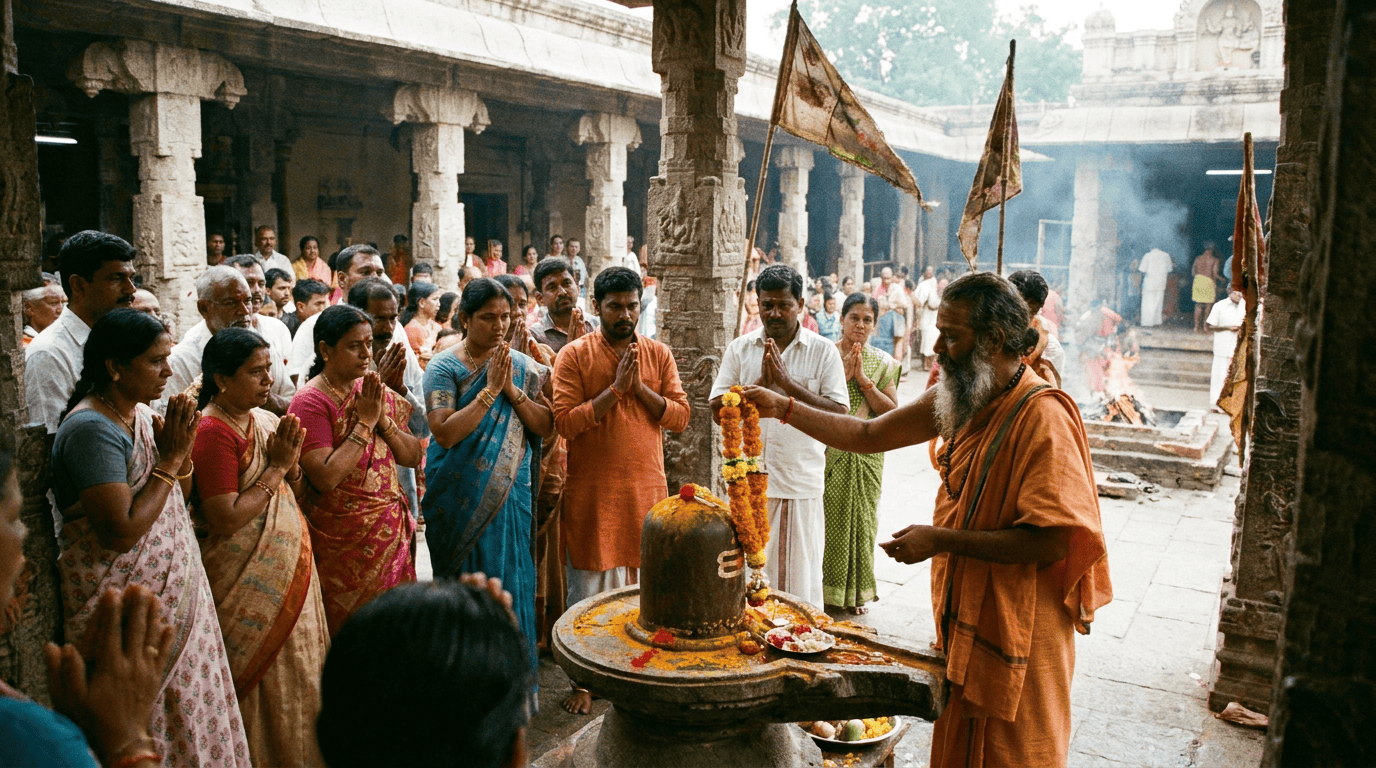
Hinduism is a vast and beautiful spiritual tradition. It is not easily reduced to one book, one prophet, one institution, or one single way of worship. It is more like a sacred river with many streams—philosophy, ritual, meditation, ethics, devotion, art, music, family life, renunciation, and service—all flowing toward the mystery of the Divine.
For many people, this vastness can feel inspiring but also overwhelming. Where do we begin? How do we understand so many deities, scriptures, practices, and paths?
Bhakti offers a simple and heart-centered doorway.
Bhakti means “devotion” or “loving service.” Bhakti Yoga is the path of growing in love for God through chanting, prayer, remembrance, worship, service, and living with compassion. It is a path that welcomes the scholar and the beginner, the saint and the struggling soul, the lifelong Hindu and the curious seeker from any background.
At The Bhakti House, we often describe Bhakti as the yoga of the heart. It does not ask us to become perfect before we begin. It invites us to begin exactly where we are—with one sincere prayer, one sacred name, one act of kindness, one moment of remembering God.
Through Bhakti, Hinduism becomes not only something to study, but something to live.
What Is Hinduism? A Living Spiritual Tradition
Hinduism, often called Sanātana Dharma, is one of the world’s oldest living spiritual traditions. The Sanskrit words Sanātana Dharma can be translated as “the eternal path” or “the eternal duty of the soul.” Sanātana means eternal, and dharma means truth, sacred duty, natural law, or the way of living in harmony with reality.
Rather than being a fixed system of beliefs, Hinduism is a living tradition that helps human beings ask the deepest questions:
Who am I?
Why am I here?
What is the purpose of life?
What happens after death?
How can I live with love, wisdom, and peace?
How can I know God?
Hinduism gives many ways to approach these questions. Some people come through philosophy and meditation. Some through temple worship and ritual. Some through yoga and self-discipline. Some through sacred music and chanting. Some through service to others.
Bhakti is one of the most accessible ways because it begins with the heart.
Many Paths, One Sacred Goal
In the Bhagavad Gītā, one of the most beloved scriptures of Hinduism, Lord Krishna teaches that different people approach the Divine in different ways. The Gītā honors action, knowledge, meditation, and devotion as spiritual paths.
Karma Yoga is the path of selfless action.
Jñāna Yoga is the path of spiritual knowledge and wisdom.
Rāja Yoga is the path of meditation and inner discipline.
Bhakti Yoga is the path of love and devotion to God.
These paths are not always separate. A person may serve with devotion, study with devotion, meditate with devotion, and live family life with devotion. Bhakti can enter every part of life.
One God, Many Names and Forms
One of the beautiful and sometimes misunderstood aspects of Hinduism is its many names and forms of God. Hinduism teaches that the Divine is unlimited. Because God is unlimited, people may relate to the Divine in many ways.
Some worship Krishna, the all-attractive Lord of love and joy.
Some worship Rama, the noble king and embodiment of righteousness.
Some worship Vishnu, the preserver and protector.
Some worship Shiva, the great yogi and transformer.
Some worship Devi, the Divine Mother, as Durga, Lakshmi, Saraswati, Radha, or other sacred forms.
Some meditate on Brahman, the formless Absolute.
For a Bhakti practitioner, these forms are not “many competing gods” in a shallow sense. They are sacred ways the Divine becomes personal and approachable. Just as one person may be called mother, father, friend, teacher, or beloved according to the relationship, the Divine may be approached through many names and relationships.
Bhakti teaches us to honor the sacred wherever it appears and to deepen our own loving relationship with God.
Understanding Bhakti Yoga: The Path of Love
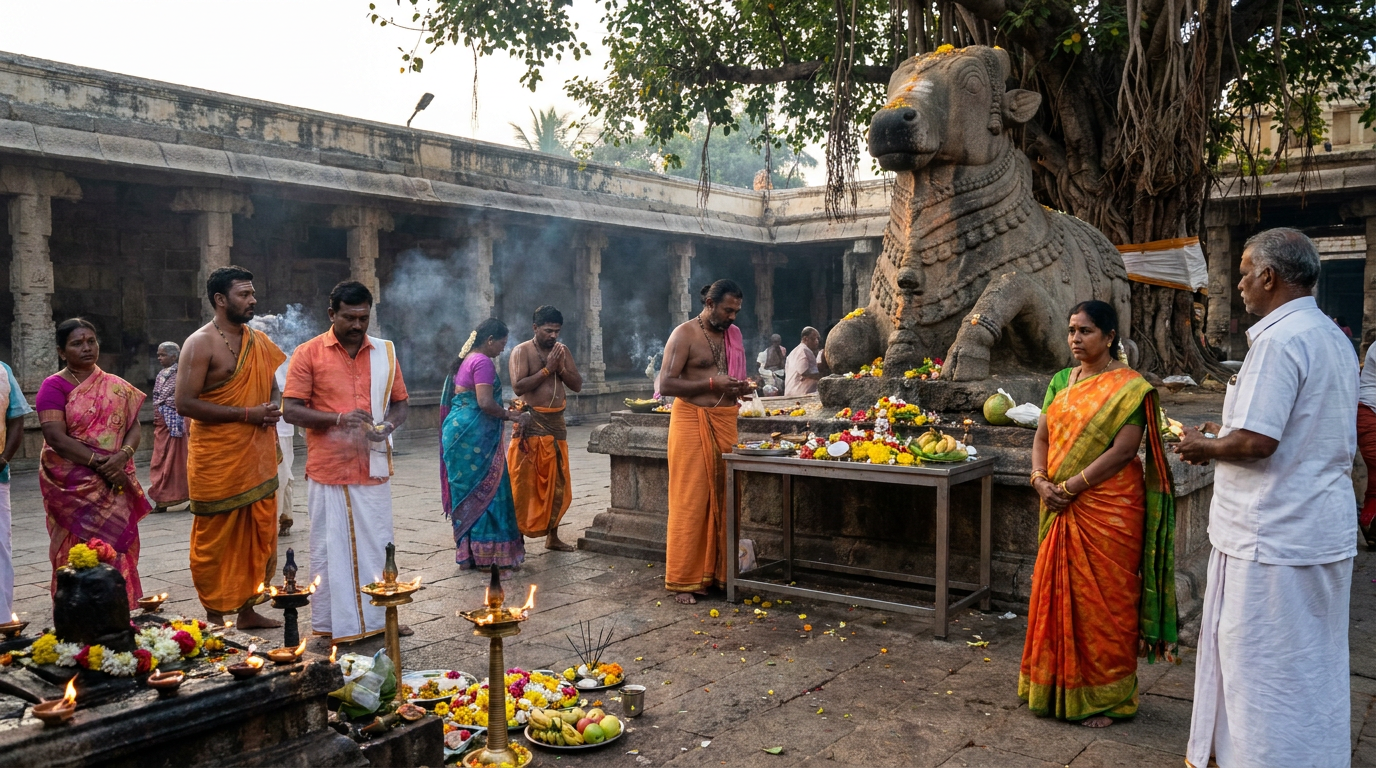
Bhakti Yoga is the practice of turning the heart toward God. It is not merely emotion, though it may include deep feeling. It is not blind belief, though it may include trust. It is a steady cultivation of love, humility, remembrance, and service.
The Sanskrit word yoga means “union” or “connection.” So Bhakti Yoga means connecting with God through love.
In Bhakti, the soul is understood as naturally spiritual, eternal, and meant for loving relationship with the Divine. The problem is forgetfulness. We forget our spiritual nature. We become absorbed in ego, fear, comparison, anxiety, and temporary pleasures. Bhakti gently helps us remember.
Bhakti Begins With the Heart
Bhakti does not demand that we first master complex rituals or Sanskrit grammar. It begins with sincerity.
A person may begin by saying:
“God, I do not fully understand You, but I want to know You.”
“Please guide me.”
“Please help me love more deeply.”
“Please help me serve.”
This humility is powerful. In many Bhakti scriptures, God is described as being deeply moved by sincere devotion. The offering may be simple, but if it is given with love, it becomes spiritually meaningful.
In the Bhagavad Gītā 9.26, Krishna says:
“If one offers Me with love and devotion a leaf, a flower, a fruit, or water, I will accept it.”
This verse is central to Bhakti. God does not need our wealth, our status, or our performance. God receives the love behind the offering.
Bhakti Is Practical, Not Abstract
Bhakti is deeply mystical, but it is also very practical. It can be practiced in daily life through simple actions:
Chanting sacred names.
Offering food with gratitude.
Praying in the morning or evening.
Reading a few verses of scripture.
Serving others without selfishness.
Remembering God while working.
Creating a sacred space at home.
Singing devotional songs.
Practicing forgiveness.
Living with compassion.
Bhakti transforms ordinary life into sacred life. Washing dishes can become service. Cooking can become an offering. Parenting can become devotion. Work can become worship. Friendship can become a place of kindness and truth.
This is why Bhakti is such a generous path. It does not require us to escape life. It teaches us to spiritualize life.
Sure, here is the sentence with the clickable link:
I love to visit The Bhakti House for spiritual inspiration.
Sacred Sound: Chanting as a Doorway to God
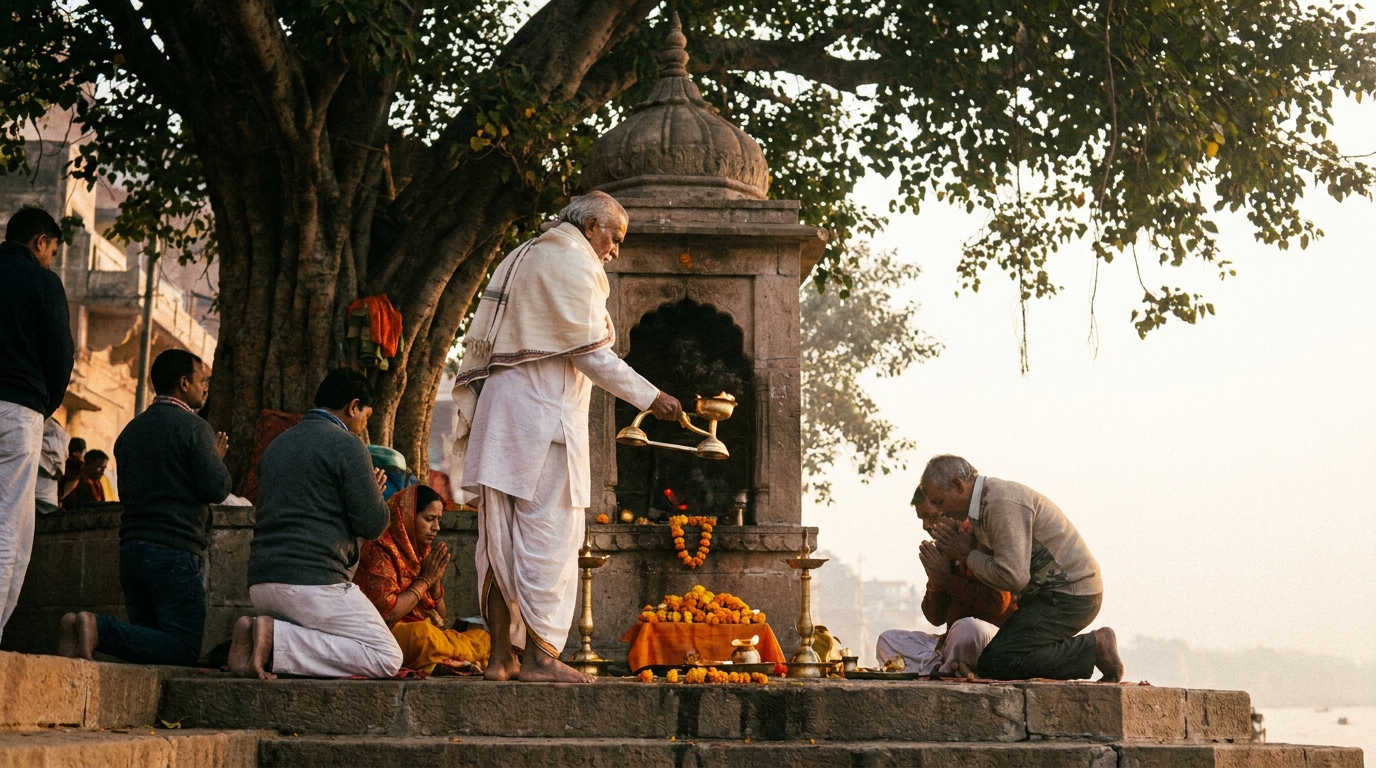
One of the most important practices in Bhakti Yoga is chanting. In Sanskrit, mantra means a sacred sound vibration that helps free the mind. Man means “mind,” and tra means “that which protects or liberates.” A mantra is not just a word; it is a spiritual sound that carries divine presence.
Chanting can be done alone or with others. It can be soft and meditative, or joyful and musical. Many people experience chanting as a way to quiet the mind, soften the heart, and feel connected to God.
The Power of the Divine Name
In Bhakti traditions, the names of God are considered non-different from God’s presence. This means that when we chant sincerely, we are not merely speaking about God—we are reaching toward God directly through sacred sound.
One of the most well-known mantras in the Bhakti tradition is the Hare Krishna Maha Mantra:
Hare Krishna Hare Krishna
Krishna Krishna Hare Hare
Hare Rama Hare Rama
Rama Rama Hare Hare
Maha means “great,” and mantra means sacred sound. So Maha Mantra means “the great mantra.”
Krishna means “the all-attractive one.”
Rama means “the source of joy” or “the reservoir of spiritual pleasure.”
Hare is a call to the divine energy of God, often understood as Radha, the feminine devotional energy of divine love.
A simple meaning of the mantra is: “O Lord, O Divine Energy of the Lord, please engage me in Your loving service.”
This chanting is not limited by background, nationality, caste, gender, or previous religious identity. Anyone can chant. Anyone can listen. Anyone can begin.
Kirtan: Devotion in Community
Kīrtan is the practice of singing or chanting the names of God together, often with musical instruments. In kirtan, one person may lead and others respond. This call-and-response style allows everyone to participate, even if they do not know the words at first.
Kirtan is one of the most joyful expressions of Bhakti. It creates a space where the heart can open. People may clap, sing, close their eyes, cry, smile, or simply listen quietly. All are welcome.
For many people today, kirtan becomes their first living experience of Hindu spirituality. They may not understand all the philosophy yet, but they feel something sacred—peace, belonging, sweetness, and inner healing.
Japa: Personal Meditation With Mantra
Japa is the personal repetition of a mantra, often using prayer beads called mala. A mala traditionally has 108 beads, and the practitioner chants one mantra on each bead.
Japa is a quiet and intimate practice. It can be done in the morning before the day begins, during a walk, or in a peaceful corner of the home. The goal is not mechanical repetition, but heartfelt remembrance.
Even a few minutes of daily mantra meditation can gradually change the mind. Instead of being pulled constantly by worry and distraction, the mind learns to rest in sacred sound.
Hindu Scriptures Through the Lens of Bhakti
Hinduism has a rich library of sacred texts. Some are ancient hymns, some are philosophical dialogues, some are stories of divine incarnations, and some are devotional songs.
Bhakti helps us approach these scriptures not only as literature or history, but as living guidance for the heart.
The Bhagavad Gītā: Love in the Middle of Life
The Bhagavad Gītā, meaning “Song of God,” is a conversation between Lord Krishna and Arjuna on a battlefield. Arjuna is a warrior facing a painful moral crisis. He does not know what to do. He is overwhelmed by grief, duty, fear, and confusion.
This setting is deeply meaningful. Spiritual wisdom is not given in a quiet cave only; it is given in the middle of life’s struggle.
Krishna teaches Arjuna about the soul, duty, karma, meditation, knowledge, and devotion. The heart of the Gītā is surrender to God with love. In Bhagavad Gītā 18.66, Krishna says:
“Abandon all varieties of dharma and simply surrender unto Me. I shall deliver you from all sinful reactions. Do not fear.”
This verse can sound intense at first, but in Bhakti it is understood as God’s loving invitation: “Trust Me. Come to Me. You are not alone.”
Surrender does not mean giving up responsibility. It means giving up the illusion that we are separate from God. It means acting with faith, humility, and love.
The Śrīmad Bhāgavatam: Stories That Awaken Devotion
The Śrīmad Bhāgavatam, also called the Bhāgavata Purāṇa, is one of the most important scriptures for many Bhakti traditions. It contains stories, teachings, prayers, and descriptions of divine love, especially centered on Krishna.
The Bhāgavatam teaches that the highest spiritual goal is prema, pure love of God. Prema is not selfish desire or temporary emotion. It is love that seeks only to please God and serve all beings as connected to God.
The stories of Prahlāda, Dhruva, Ambarīṣa, the gopīs of Vṛndāvana, and many others show different moods of devotion. A child can be a great devotee. A king can be a great devotee. A person in danger can remember God. A person with longing can find God. A person with a simple heart can receive divine grace.
The Rāmāyaṇa: Devotion, Duty, and Sacred Relationship
The Rāmāyaṇa tells the story of Lord Rama, Sita Devi, Lakshmana, Hanuman, and the triumph of dharma over adharma. Dharma means sacred duty, righteousness, and living in harmony with truth. Adharma means that which is against truth, compassion, and divine order.
Through a Bhakti lens, the Rāmāyaṇa is not only an epic story. It is a guide to sacred relationships.
Rama shows integrity and compassion.
Sita shows courage, purity, and devotion.
Lakshmana shows loyal service.
Hanuman shows the perfection of Bhakti—strength, humility, faith, and complete dedication.
Hanuman is especially beloved because he uses everything he has—his body, mind, voice, intelligence, and strength—in service to Rama. He teaches us that real devotion is active. Love serves.
The Many Forms of Devotion in Daily Life
Bhakti Yoga is not limited to temples or festivals. It can be practiced in kitchens, offices, classrooms, cars, gardens, hospitals, and quiet bedrooms. Wherever the heart remembers God, that place becomes sacred.
Prayer: Speaking Honestly With God
Prayer is one of the simplest forms of Bhakti. We do not need poetic language. We can speak to God honestly.
We can pray in gratitude.
We can pray in confusion.
We can pray in grief.
We can pray for strength.
We can pray for forgiveness.
We can pray for others.
In Bhakti, prayer is relational. We are not speaking into emptiness. We are turning toward a loving Divine presence who hears the heart.
A simple daily prayer might be:
“Dear Lord, please guide my thoughts, words, and actions today. Help me remember You. Help me serve with kindness. Please make my heart more loving.”
This kind of prayer slowly reshapes our inner life.
Seva: Service as Worship
Sevā means service. In Bhakti, service is not merely volunteering or being helpful, though it may include those things. Seva means serving with the understanding that God is present in all beings and that our gifts belong to God.
Cooking a meal for others can be seva.
Cleaning a temple or sacred space can be seva.
Helping a neighbor can be seva.
Listening with compassion can be seva.
Supporting a spiritual community can be seva.
Caring for the earth can be seva.
When service is offered without ego—without needing praise or control—it purifies the heart. It helps us move from “What can I get?” to “How can I love?”
Prasād: Receiving Grace Through Food
Prasād means “grace” or “mercy.” In Bhakti traditions, food is prepared with love and offered to God before being eaten. After the offering, the food is received as prasād—sanctified food, or food that carries divine blessing.
This practice teaches gratitude. Instead of consuming unconsciously, we pause and remember: “This food is a gift. My body is a gift. Life is a gift.”
At home, this can be very simple. You can place a small portion of vegetarian food before a picture or symbol of God and offer a prayer:
“Dear Lord, please accept this offering. Thank You for nourishing us. May this food help us serve with love.”
Then the meal becomes not just eating, but communion.
Sacred Space at Home
Many Hindu families keep a home altar or sacred space. This may include images or murtis of God, candles or lamps, flowers, incense, scripture, prayer beads, or items from pilgrimage.
Murti means a sacred form through which the Divine is worshiped. It is not considered an “idol” in the simplistic sense. In Bhakti, a murti is a focus for devotion, a way to honor God’s personal presence through form.
A home altar does not need to be elaborate. A small clean shelf with a picture of Krishna, Rama, Shiva, Devi, or another sacred form can become a place of daily remembrance.
Lighting a lamp, offering a flower, chanting a mantra, or sitting quietly for a few moments can make the home feel spiritually centered.
Bhakti and the Heart of Hindu Theology
Hindu thought is profound and diverse. Different schools explain the relationship between God, the soul, and the world in different ways. Some emphasize oneness, some difference, and some a mysterious unity-in-difference.
Bhakti honors philosophy, but it always brings philosophy back to love.
The Soul: More Than the Body and Mind
A central teaching in Hinduism is that we are not merely the body or the mind. We are ātman, the eternal self or soul.
The body changes from childhood to youth to adulthood to old age. The mind changes constantly. Thoughts come and go. Emotions rise and fall. But the conscious self—the one who experiences these changes—is deeper than the changes.
In the Bhagavad Gītā 2.20, Krishna teaches that the soul is never born and never dies. This does not mean we ignore the body or the world. It means we live with deeper understanding. We care for the body as a sacred instrument, but we do not mistake it for the whole self.
Bhakti adds that the soul’s deepest nature is loving service to God.
Karma: Learning Through Action
Karma means action, and also the results of action. Hinduism teaches that our choices matter. Thoughts, words, and deeds create impressions and consequences.
Karma is not meant to be a system of blame. It is a teaching of responsibility and growth. We are shaped by past actions, but we are not hopelessly trapped. Through spiritual practice, grace, service, and devotion, the heart can be transformed.
Bhakti gives great hope because God’s grace is stronger than our past mistakes. No one is too fallen, too late, or too unworthy to begin.
In the Gītā 9.30–31, Krishna says that even if someone has acted wrongly, if they sincerely turn toward devotion, they should be seen as saintly because they are rightly resolved. This is a deeply compassionate teaching. Bhakti looks at the direction of the heart.
Moksha and Prema: Liberation and Love
Many Hindu traditions speak of moksha, liberation from the cycle of birth and death. Moksha means freedom from ignorance, ego, and bondage.
Bhakti embraces liberation but goes even further into prema, pure love of God. For the devotee, the highest goal is not only to be free from suffering, but to love and serve God eternally.
This is a beautiful shift. Spiritual life is not only escape from pain. It is awakening to relationship, joy, and divine love.
Bhakti as a Universal Invitation
Although Bhakti is deeply rooted in Hindu scriptures and traditions, its essence is universal. Love, prayer, humility, song, service, and remembrance can speak to people from many cultures and backgrounds.
A person does not need to be born into a Hindu family to appreciate Bhakti. A person does not need to know Sanskrit to chant. A person does not need to have all the answers to pray.
Bhakti meets people where they are.
Respecting All Backgrounds
Many people come to Bhakti with different religious histories. Some were raised Christian, Jewish, Muslim, Buddhist, Sikh, Hindu, or with no formal religion. Some carry wounds from past religious experiences. Some are simply spiritually curious.
A Bhakti approach should be gentle and respectful. We do not need to erase someone’s background. We can honor the sincere longing for God wherever it appears.
The heart of Bhakti is not conversion by pressure. It is transformation through love.
If a person feels drawn to Krishna’s names, they can chant. If a person feels drawn to Rama’s example, they can learn. If a person feels devotion to the Divine Mother, they can pray. If a person is unsure what they believe, they can still sit, listen, serve, and ask sincerely.
Devotion Without Judgment
Bhakti teaches humility. This means we should be careful not to use spirituality to feel superior. Devotion is not a competition. The person who chants loudly is not necessarily more advanced than the person who silently weeps in prayer. The person who knows Sanskrit is not necessarily closer to God than the person who offers one flower with love.
The Bhakti scriptures repeatedly remind us that God sees the heart.
A humble person thinks, “How can I serve?” not “How can I prove I am better?”
This humility creates spiritual community where people feel safe to grow.
A Path for the Modern World
Modern life can be fast, noisy, and lonely. Many people are connected online but disconnected in the heart. Anxiety, distraction, and burnout are common.
Bhakti offers simple medicine:
Chant to calm the mind.
Pray to soften the heart.
Serve to reduce selfishness.
Study scripture to gain wisdom.
Eat prasād to remember grace.
Gather in kirtan to feel spiritual community.
These practices are ancient, but they are deeply relevant today.
Common Questions About Hinduism and Bhakti
For those new to Hinduism, questions are natural. In Bhakti, sincere questions are welcome. Asking with humility is part of learning.
Do I Have to Become Hindu to Practice Bhakti?
Bhakti Yoga comes from Hindu tradition, and it is important to respect its roots, teachers, scriptures, and practices. At the same time, the practice of devotion is open-hearted.
You do not have to label yourself immediately. You can begin by chanting, praying, reading, serving, and learning respectfully. Over time, your relationship with the path may become clearer.
The first step is sincerity.
Why Are There So Many Deities?
The many deities in Hinduism express the richness of the Divine. They help people relate to God through different qualities—compassion, strength, beauty, wisdom, protection, motherhood, friendship, and love.
Bhakti practitioners often focus on one chosen form of God, called iṣṭa-devatā, meaning “beloved chosen deity.” This focus helps deepen personal relationship while still honoring other forms.
For example, someone may worship Krishna with full devotion while respecting Shiva, Devi, Rama, and others as sacred.
Is Bhakti Only About Emotion?
No. Bhakti includes emotion, but it is not limited to emotion. Real Bhakti matures into character.
It makes us kinder, more truthful, more patient, more forgiving, and more willing to serve. If our chanting does not help us become more compassionate, we may need to chant with deeper humility.
Bhakti is love in practice.
Can I Practice Bhakti at Home?
Yes. Home practice is very important. You can begin with a few simple steps:
Set aside a clean sacred space.
Chant a mantra for five or ten minutes daily.
Offer your food with gratitude.
Read a verse from the Bhagavad Gītā.
Say a sincere prayer before sleep.
Do one act of service each day.
Small practices, done regularly, create deep transformation.
How to Begin Understanding Hinduism Through Bhakti
The best way to understand Bhakti is to practice it. Study is valuable, but devotion becomes real through experience. Just as reading about honey is different from tasting honey, reading about Bhakti is different from chanting, praying, and serving.
Begin With One Sacred Name
Choose a simple mantra or divine name and chant it daily. You might begin with:
Hare Krishna Hare Krishna
Krishna Krishna Hare Hare
Hare Rama Hare Rama
Rama Rama Hare Hare
Or simply:
Om Namo Bhagavate Vāsudevāya
This mantra means, “I offer my respects to the Lord who dwells in all beings,” often associated with Krishna or Vishnu.
Or:
Śrī Rām Jai Rām Jai Jai Rām
This means, “Glory to Lord Rama.”
Chant gently. Listen to the sound. Let the heart be present.
Read With the Heart
Begin with the Bhagavad Gītā, ideally with guidance from a trusted Bhakti teacher or commentary rooted in an authentic tradition. Read slowly. Do not worry if everything is not clear at first.
Ask:
What is this teaching inviting me to practice?
How can I remember God today?
How can I act with more love?
Scripture is not only information. It is a mirror for the soul.
Seek Satsang
Satsang means “association with truth” or “company of spiritually minded people.” Sangha, community, is very important in spiritual life.
When we spend time with people who chant, pray, serve, and sincerely seek God, our own devotion grows. We remember what matters. We receive encouragement when life is difficult.
Satsang may include kirtan gatherings, scripture study, temple visits, retreats, online classes, or simple friendships centered on spiritual growth.
Offer Your Life, Little by Little
Bhakti does not require dramatic external change overnight. It invites gradual offering.
Offer your morning.
Offer your meals.
Offer your work.
Offer your family responsibilities.
Offer your struggles.
Offer your talents.
Offer your tears.
Offer your joy.
In time, the line between “spiritual life” and “ordinary life” becomes softer. Everything can become part of the path.
The Heart of Hinduism Is Relationship With the Divine
Through Bhakti, Hinduism becomes deeply personal. It is not only about metaphysical concepts, rituals, festivals, or cultural identity—though all of these can be sacred. At its heart, Bhakti reveals Hinduism as a path of relationship.
The soul longs for God.
God responds to love.
Sacred sound awakens remembrance.
Service purifies the heart.
Scripture guides the mind.
Community supports the journey.
Grace carries us forward.
Bhakti teaches that we are not alone in the universe. We are held by divine love, invited into divine relationship, and called to become instruments of compassion in the world.
This does not mean life will always be easy. Devotees also face illness, grief, uncertainty, and failure. But Bhakti gives a way to move through life with meaning. We can bring everything to God. We can chant in joy and in sorrow. We can serve when we feel strong and pray when we feel weak.
Every moment becomes an opportunity to turn toward the Divine.
A Loving Invitation to Take One Step
If you are new to Hinduism, you are welcome.
If you were raised Hindu and are rediscovering your roots, you are welcome.
If you come from another faith tradition, you are welcome.
If you are unsure what you believe, you are welcome.
If your heart is tired, curious, longing, or quietly hopeful, you are welcome.
Bhakti does not ask you to arrive already perfect. It simply invites you to begin sincerely. Chant one name of God. Offer one prayer. Read one verse. Serve one person. Sit for one moment in gratitude. Let the heart turn gently toward the Divine.
God is not far away. The path of love begins right here, with the next sincere step.
FAQs
What is Bhakti in Hinduism?
Bhakti is a concept in Hinduism that refers to devotion, love, and surrender to a personal god. It is considered one of the primary paths to spiritual realization and is characterized by a deep emotional connection to the divine.
How is Bhakti practiced in Hinduism?
Bhakti is practiced through various means such as prayer, chanting of hymns and mantras, participating in religious rituals, pilgrimage to sacred sites, and engaging in acts of selfless service to the community.
What are the key principles of Bhakti in Hinduism?
The key principles of Bhakti in Hinduism include unwavering devotion to the chosen deity, surrendering to the will of the divine, cultivating love and compassion towards all beings, and recognizing the presence of the divine in every aspect of life.
Which deities are commonly worshipped in Bhakti traditions?
In Bhakti traditions, deities such as Lord Krishna, Lord Rama, Goddess Lakshmi, Lord Shiva, and Goddess Durga are commonly worshipped. Each deity represents different aspects of the divine and devotees choose the deity they feel most connected to.
What is the significance of Bhakti in Hinduism?
Bhakti is significant in Hinduism as it provides a direct and personal way for individuals to connect with the divine, transcending the boundaries of caste, creed, and social status. It emphasizes the importance of love, devotion, and selfless service as a means to attain spiritual liberation.

