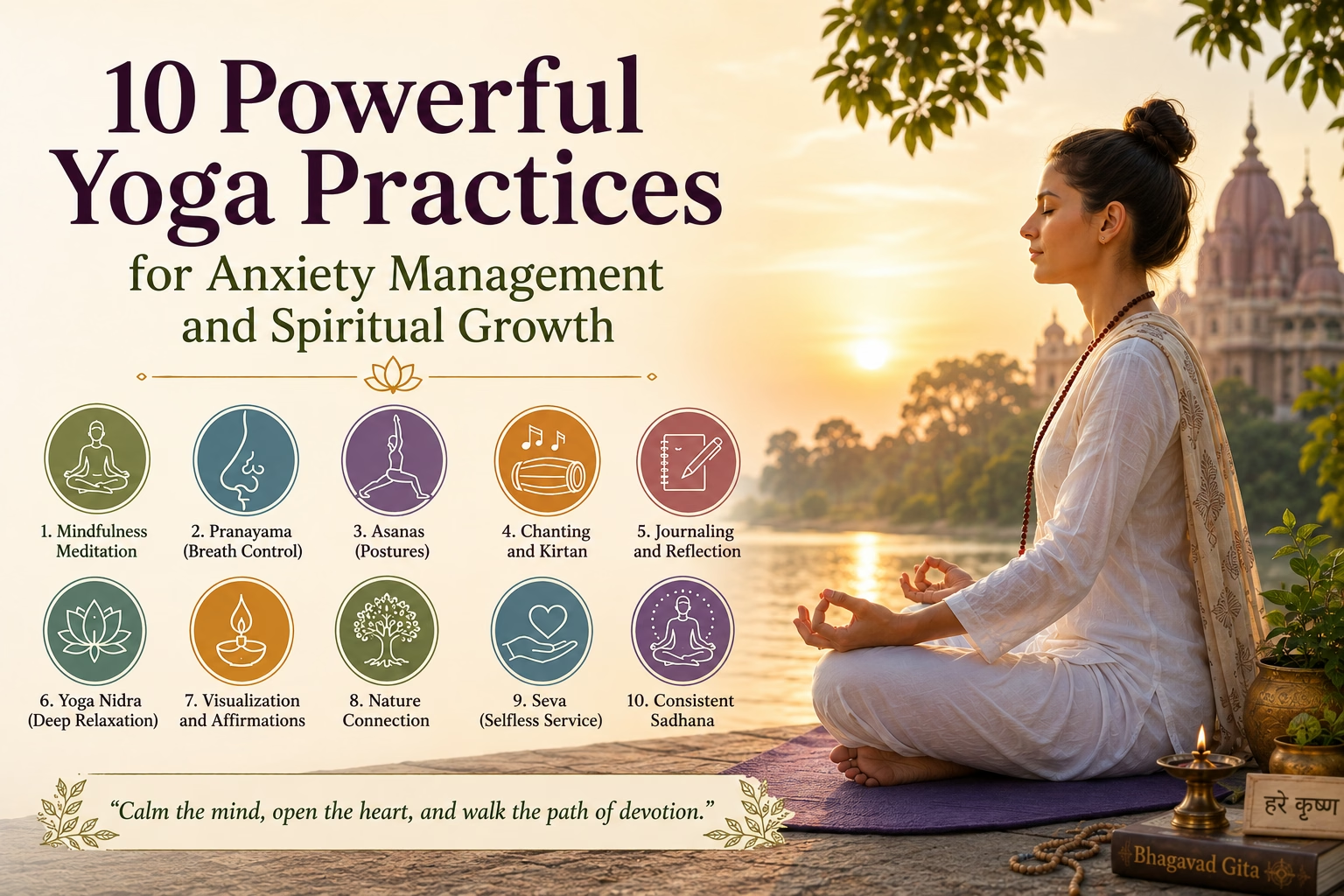
Anxiety, a pervasive challenge in today’s fast-paced world, often disrupts the spiritual journeys of many devoted seekers. For those engaged in Bhakti Yoga, the path of devotion, the weight of anxiety can hinder the pursuit of inner peace and connection with the divine. Recognizing this, it becomes essential to explore holistic practices that can effectively bridge the gap between mental well-being and spiritual growth.
Yoga for anxiety management offers a profound avenue for alleviating stress while simultaneously nurturing one’s spiritual development. Through the integration of mindfulness, breath control, and movement, these practices can cultivate a serene mental state, allowing practitioners to deepen their devotion and enhance their connection to the divine. By engaging in intentional yoga practices, individuals not only address the roots of anxiety but also foster a fertile environment for spiritual awakening and growth. Ultimately, the journey through anxiety leads to a more enriched and fulfilling spiritual experience.
1. Mindfulness Meditation
Mindfulness meditation serves as a cornerstone for managing anxiety while deepening spiritual awareness. By focusing on the present moment, practitioners can cultivate a state of calm that alleviates racing thoughts and emotional turmoil. To incorporate mindfulness into daily life, set aside a few minutes each day for seated meditation, concentrating on your breath or a mantra. Srila Prabhupada emphasized the importance of staying present, noting that mindfulness helps individuals connect more deeply with the divine. This connection becomes particularly profound when chanting, as remaining focused enhances both the practice and the spiritual experience. Engaging in mindfulness not only mitigates anxiety but also fosters a heightened sense of spiritual presence, making it an invaluable tool in the journey of yoga for anxiety management.
2. Pranayama (Breath Control)
Pranayama, or breath control, serves as a cornerstone in yoga for anxiety management, offering techniques that regulate breathing patterns and foster a deeper connection with oneself. Simple exercises such as Nadi Shodhana (Alternate Nostril Breathing) and Ujjayi (Victorious Breath) are particularly effective for beginners. Nadi Shodhana calms the nervous system by balancing the left and right hemispheres of the brain, while Ujjayi promotes a soothing rhythm, enhancing mindfulness.
The physiological benefits of pranayama are profound, especially when integrated with Bhakti practices. Regulated breathing not only lowers heart rate and blood pressure but also activates parasympathetic responses, which are essential for reducing anxiety. Additionally, breath control amplifies focus during mantra recitation, allowing practitioners to immerse themselves fully in their spiritual practice. This heightened concentration not only alleviates anxiety but also deepens the sense of connection to the divine, enriching the overall spiritual journey.
3. Asanas (Postures)
Specific yoga asanas play a crucial role in alleviating anxiety and fostering spiritual grounding. Poses such as Child’s Pose (Balasana) and Legs-Up-the-Wall Pose (Viparita Karani) create a sense of calm, allowing practitioners to release tension and reconnect with their bodies. Devotees often share transformative experiences; for instance, one practitioner noted that integrating Warrior II (Virabhadrasana II) into her daily routine not only helped manage her anxiety but also instilled a profound sense of strength and clarity.
Physical postures in bhakti practices serve to enhance awareness and presence, aligning the body with the spirit. The grounding nature of Downward-Facing Dog (Adho Mukha Svanasana) encourages practitioners to remain present, creating a bridge between physical sensations and spiritual insights. By cultivating this awareness through asanas, individuals can navigate their emotional landscapes with greater ease, making yoga for anxiety management a powerful avenue for spiritual growth.
4. Chanting and Kirtan
Chanting mantras and participating in kirtan serve as profound practices within Bhakti Yoga, offering a pathway to both anxiety management and spiritual upliftment. The power of sound vibrations has been shown to calm the mind, creating a resonant frequency that can dissolve stress and anxiety. When individuals engage in communal chanting, they not only connect with the divine but also with one another, fostering a sense of belonging and support.
Many practitioners have shared transformative experiences through communal chanting, where they felt an overwhelming release of anxiety and an influx of joy. This collective energy amplifies the effects of the practice, reinforcing the notion that spiritual growth flourishes in community. As highlighted in discussions on the transforming power of constant chanting, regular engagement in these practices nurtures a deeper connection to oneself and the universe.
Ultimately, chanting and kirtan become invaluable tools in the journey of yoga for anxiety management, bridging the gap between emotional healing and spiritual enrichment. For those seeking to delve deeper into the nuances of these practices, exploring the difference between japa and kīrtan can provide further insights into their unique roles in personal and communal spiritual expression.
5. Journaling and Reflection
Journaling serves as a profound reflective practice that enables devotees to process emotions and cultivate self-awareness, essential components of both anxiety management and spiritual growth. By regularly documenting experiences and feelings, individuals can simplify complex emotions, transforming nebulous thoughts into articulate insights. For instance, prompts such as “What moments today brought me closer to the divine?” or “How did I respond to anxiety in my spiritual practice?” encourage deep reflection on one’s spiritual journey.
Incorporating teachings from scriptures can further enrich this process. For example, reflecting on verses that emphasize surrender and trust can provide clarity during moments of distress. By integrating these spiritual insights into journaling, practitioners not only gain a clearer understanding of their emotional landscape but also deepen their connection to their spiritual path, thereby enhancing their overall yoga practice for anxiety management.
6. Nature Connection
The restorative power of nature plays a pivotal role in both anxiety relief and spiritual growth, a concept deeply rooted in Vedic philosophy. The natural world is not merely a backdrop for our lives; it is a sacred space that fosters tranquility and connection to the divine. Activities such as walking in a park, meditating by a river, or simply sitting beneath a tree can significantly reduce anxiety levels, allowing individuals to reconnect with their inner selves.
Incorporating nature into daily practices can be as simple as dedicating a few moments each day to step outside. Consider establishing a routine that includes mindful walks where practitioners focus on the sensations of the earth beneath their feet or the sounds of birds chirping. Such practices create a sensory bridge between the external environment and internal calm, enhancing the overall yoga for anxiety management.
Personal experiences from devotees highlight the profound peace found in natural settings. Many have reported transformative moments during outdoor meditation, where the serenity of the landscape allowed them to release pent-up anxiety and gain clarity on their spiritual journeys. By embracing nature as an integral aspect of their practices, individuals can cultivate a deeper sense of belonging and harmony with the world around them.
7. Community Engagement
Engagement within a community, or Sangha, plays a pivotal role in Bhakti Yoga, offering essential spiritual companionship that significantly reduces anxiety. The shared experiences and mutual support among devotees create a nurturing environment where individuals feel understood and less isolated. Participating in group activities—such as communal chanting, service projects, or discussion circles—fosters a sense of belonging and collective purpose.
For instance, a local Bhakti group may organize service initiatives that not only aid the community but also strengthen the bonds among participants. Stories of members supporting each other during challenging times exemplify the profound impact of these connections. One devotee shared how the encouragement from fellow practitioners helped them navigate a particularly anxious period, reinforcing the idea that spiritual growth is often best experienced in the company of others.
Integrating Yoga Practices into Daily Life
In conclusion, integrating the ten effective yoga practices for anxiety management into your daily life can significantly enhance both your emotional well-being and spiritual growth. Consistency is paramount; dedicating time each day to these practices will build resilience against anxiety while nurturing a deeper connection to the divine. Each individual’s journey through Bhakti Yoga is unique, and exploring this path allows for personal expression and discovery.
As you embark on this transformative journey, remember that every small step contributes to your overall progress. Whether it’s through mindfulness, breath control, or communal support, each practice offers an avenue for healing and enlightenment. Embrace the hope that with determination, you can navigate the complexities of anxiety and cultivate a fulfilling spiritual experience. By training the mind through devotional discipline, you not only mitigate anxiety but also pave the way for profound spiritual insights.