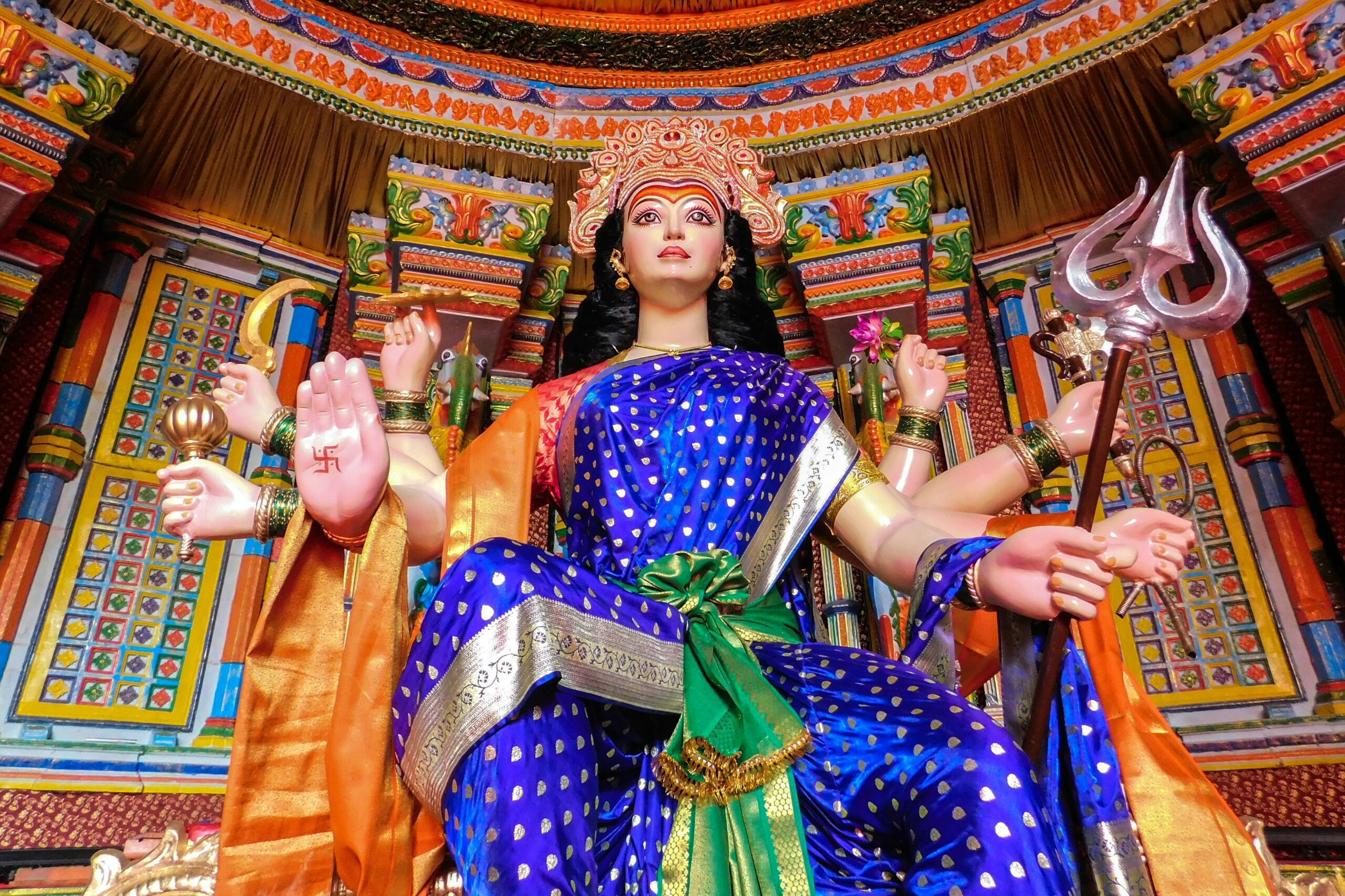
Let’s dive into the vibrant world of Hindi culture. Think of it as a fascinating tapestry woven with threads of history, tradition, art, and everyday life. What makes it so special? It’s a blend of ancient wisdom and modern expressions, a place where music, literature, food, and festivals all come together to create something truly unique and engaging. This isn’t just about reciting facts; it’s about understanding the spirit and soul of a culture that has shaped a significant part of the world.
Hindi literature is a treasure trove, a testament to centuries of creative thought and storytelling. It’s not just about dusty old books; it’s about stories that have resonated with millions, ideas that have sparked revolutions, and emotions that have been captured in words with incredible beauty.
प्राचीन और मध्ययुगीन काव्य (Ancient and Medieval Poetry)
Long before modern novels, poetry was the primary way stories and emotions were expressed. Think of the epic poems that laid foundations for narrative, or the devotional verses that stirred the hearts of the masses.
वीर गाथा काल (The Age of Heroic Ballads)
This period is filled with tales of valor and chivalry. Poets sang of brave warriors, epic battles, and the ideals of Rajput kings. These weren’t just poems; they were oral histories, passed down through generations, keeping alive the spirit of courage and patriotism. Imagine listening to a bards reciting these verses, the rhythm and passion captivating the audience – that’s the raw power of this era.
भक्ति काल (The Bhakti Movement)
This was a period of immense spiritual and poetic outpouring. Saints and poets like Kabir, Meerabai, and Tulsidas used simple language and relatable metaphors to express their devotion to God. Their songs and poems weren’t just religious texts; they were social commentaries, challenging caste systems and promoting equality. The emphasis was on direct experience and love for the divine, making spirituality accessible to all.
रीतिकाल (The Riti Era)
While the Bhakti period focused on devotion, the Riti period saw a rise in poetry that celebrated beauty, love, and courtly life. Poets focused on refining poetic techniques and exploring themes of romance and aesthetics. It’s a period that showcases the refined artistry and intellectual depth of Hindi poetry, moving from spiritual to the aesthetic.
आधुनिक हिंदी साहित्य (Modern Hindi Literature)
The arrival of modernity brought new forms and ideas to Hindi literature, reflecting the changing social and political landscape.
छायावाद (Chhayavad – Romanticism)
This was a significant literary movement that emerged in the early 20th century. It was characterized by its emphasis on individualism, romanticism, and emotional expression. Poets were inspired by nature, beauty, and subtle emotions, moving away from the more traditional and social themes. Think of the lyrical beauty and the exploration of the inner self.
प्रगतिवाद और प्रयोगवाद (Pragativad and Prayogvad – Progressivism and Experimentalism)
As India moved towards independence, literature reflected a growing social conscience. Pragativad, or progressivism, brought themes of social justice, poverty, and revolution into focus. Prayogvad, or experimentalism, pushed the boundaries of poetic form and language, seeking new ways to express modern sensibilities. This era saw literature becoming a tool for social change and artistic innovation.
समकालीन साहित्य (Contemporary Literature)
Today, Hindi literature is incredibly diverse. Novels, short stories, poetry, and plays continue to explore a vast range of themes, from personal struggles and urban life to historical narratives and global issues. The influence of Hindi cinema also adds a unique flavor, with many writers drawing inspiration from and influencing the storylines we see on screen.
हिंदी कला और स्थापत्य (Hindi Art and Architecture)
Hindi art and architecture are incredibly diverse, reflecting the historical epochs and cultural influences that have shaped the region. They are not just about aesthetics; they tell stories of faith, power, and daily life.
प्राचीन और मध्यकालीन कला (Ancient and Medieval Art)
From intricate sculptures in caves to grand temple complexes, art played a vital role in expressing religious beliefs and royal patronage.
अजंता और एलोरा की गुफाएँ (The Caves of Ajanta and Ellora)
These UNESCO World Heritage sites are breathtaking examples of ancient rock-cut architecture and art. The Ajanta caves are famous for their Buddhist murals depicting Jataka tales and scenes from Buddha’s life. The Ellora caves showcase a harmonious blend of Buddhist, Hindu, and Jain rock-cut temples, including the magnificent Kailasa Temple, a monolithic structure carved from a single rock.
मंदिर स्थापत्य (Temple Architecture)
India boasts a rich tradition of temple architecture, with distinct styles emerging across different regions. You have the Nagara style in North India, characterized by its curvilinear shikhara (spire), and the Dravidian style in South India, known for its towering gopurams (gateways). These temples are not just places of worship but also artistic masterpieces, adorned with intricate carvings, sculptures, and paintings.
मुगल और राजपूत शैलियाँ (Mughal and Rajput Styles)
The Mughal era brought a new wave of architectural and artistic innovation, blending Persian, Turkish, and Indian elements. Rajput art, on the other hand, is known for its vibrant miniature paintings and distinct fort architecture.
मुगल वास्तुकला (Mughal Architecture)
Think of iconic structures like the Taj Mahal, Humayun’s Tomb, and the Red Fort. Mughal architecture is characterized by its symmetry, geometric patterns, gardens, domes, and minarets. The use of marble, red sandstone, and intricate inlay work is a hallmark of this period.
राजपूत चित्रकला (Rajput Miniature Painting)
These miniature paintings are known for their vibrant colors, intricate details, and storytelling. Themes often include courtly life, mythology, and romantic tales. Each stroke is a testament to the artist’s skill and patience.
लोक कला और शिल्प (Folk Art and Crafts)
Beyond monumental structures, Hindi culture thrives on vibrant folk art. These traditional art forms are passed down through generations, often connected to local traditions and beliefs.
मधुबनी चित्रकला (Madhubani Painting)
Originating from the Mithila region of Bihar, Madhubani art is known for its intricate geometric patterns, vibrant colors, and depictions of nature, mythology, and daily life. Traditionally created by women, it’s a celebration of creativity and cultural identity.
पॉटरी और टेराकोटा (Pottery and Terracotta)
Across different regions, you’ll find skilled artisans creating beautiful pottery and terracotta items. From functional earthenware to decorative figurines, these crafts showcase the ingenuity and artistic sensibility of local communities.
हिंदी का संगीत और नृत्य (Hindi Music and Dance)
Music and dance are the lifeblood of Hindi culture. They are not just forms of entertainment but also powerful mediums for storytelling, expressing emotions, and celebrating life.
शास्त्रीय संगीत (Classical Music)
Indian classical music is a sophisticated art form with ancient roots, divided into two main traditions: Hindustani classical music prevalent in the North, and Carnatic classical music in the South. Hindi culture is deeply intertwined with the Hindustani tradition.
हिंदुस्तानी शास्त्रीय संगीत (Hindustani Classical Music)
This tradition is characterized by its emphasis on melody, rhythm, and improvisation. It’s structured around ragas (melodic frameworks) and talas (rhythmic cycles). The performance is often a journey, where the artist explores the nuances of the raga, creating a deeply meditative and emotive experience.
घराना (Gharana)
A gharana is a lineage or school of music, where teaching and performance styles are passed down from guru to disciple. These gharanas, like Gwalior, Agra, Kirana, and Jaipur-Atrauli, have distinct characteristics and have contributed immensely to the richness of Hindustani music.
वाद्य यंत्र (Musical Instruments)
The soundscape of Hindi classical music is enriched by a variety of traditional instruments. The sitar, sarod, tabla, bansuri (bamboo flute), and sarangi are just a few examples, each with its unique timbre and role in creating mesmerizing melodies and rhythms.
लोक संगीत (Folk Music)
Folk music is the voice of the common people, reflecting their joys, sorrows, and everyday lives. It’s often community-based and performed during festivals, weddings, and other social gatherings.
विभिन्न प्रदेशों के लोक गीत (Folk Songs of Different Regions)
From the lively Bhangra of Punjab to the soulful Lavani of Maharashtra, and the devotional Haryanvi folk songs, each region has its unique musical traditions. These songs are often sung in local dialects and accompanied by traditional percussion instruments and lively dances.
लोक नृत्य (Folk Dances)
Folk dances are an integral part of Indian festivals and celebrations. They are vibrant, energetic, and often tell stories through rhythmic movements and expressive gestures.
गरबा और डांडिया (Garba and Dandiya)
These are perhaps the most popular folk dances originating from Gujarat but widely celebrated across India, especially during Navratri. Garba involves graceful circular movements, while Dandiya is played with sticks, creating a lively and energetic performance.
भांगड़ा (Bhangra)
Hailing from Punjab, Bhangra is a high-energy dance form performed to the beat of the dhol (drum). It’s characterized by enthusiastic jumps, footwork, and vigorous movements, embodying the spirit of celebration and harvest.
कथक (Kathak)
While often considered a classical dance form, Kathak has deep roots in folk traditions. It’s known for its intricate footwork, storytelling through mime and gesture, and graceful spins.
हिंदी की भोजन संस्कृति (Hindi Food Culture)
Hindi cuisine is a delicious exploration of flavors, aromas, and textures. It’s a culinary journey that’s as diverse as the landscapes and people of India. It’s more than just food; it’s about hospitality, tradition, and communal dining.
उत्तर भारतीय व्यंजन (North Indian Cuisine)
This is perhaps the most widely recognized form of Hindi cuisine globally, characterized by its rich gravies, use of dairy products, and tandoori preparations.
रोटी और चावल (Breads and Rice)
The staple diet in North India revolves around various types of bread like roti (flatbread), naan (leavened flatbread), and paratha (layered flatbread), often made from wheat flour. Rice is also a significant part of the diet, especially in states like Uttar Pradesh.
मसालेदार करी (Spicy Curries)
The heart of North Indian cuisine lies in its diverse range of curries. Think of popular dishes like Butter Chicken, Paneer Tikka Masala, Dal Makhani, and various vegetable curries (sabzi). These are prepared using a complex blend of spices, often slow-cooked to perfection.
डेयरी उत्पाद (Dairy Products)
Dairy plays a crucial role, with ingredients like ghee (clarified butter), yogurt, and paneer (Indian cottage cheese) being central to many dishes. Desserts also heavily feature dairy, like Gulab Jamun and Kheer.
क्षेत्रीय भिन्नताएँ (Regional Variations)
Even within North India, there are distinct culinary differences.
उत्तर प्रदेश (Uttar Pradesh)
Known for its rich Mughlai-influenced dishes, it’s famous for its kebabs, biryanis, and decadent sweets like Petha.
पंजाब (Punjab)
Celebrated for its hearty dishes like Sarson ka Saag (mustard greens), Maki di Roti (corn flatbread), and rich lentil dishes. The emphasis here is often on robust flavors.
राजस्थान (Rajasthan)
This desert state offers unique cuisine adapted to its climate, with dishes like Dal Baati Churma, Gatte ki Sabzi, and the fiery Laal Maas.
स्ट्रीट फूड (Street Food)
No exploration of Hindi food is complete without mentioning its vibrant street food culture. It’s an affordable and delicious way to experience local flavors.
चाट (Chaat)
A broad category of savory snacks, chaat is a medley of textures and flavors. Popular examples include pani puri (hollow crispy puris filled with spiced water), sev puri (crispy puris topped with potatoes, onions, and chutneys), and aloo tikki (spiced potato patties).
समोसे और कचौरी (Samosas and Kachoris)
These deep-fried pastries, filled with spiced potatoes or lentils, are ubiquitous street food snacks. They are often enjoyed with various chutneys.
मिठाइयाँ (Sweets)
Hindi culture has a profound love for sweets, consumed during festivals, celebrations, or simply as a daily indulgence.
गुलाब जामुन (Gulab Jamun)
Deep-fried milk-solid balls soaked in a rose-scented sugar syrup.
जलेबी (Jalebi)
Crispy, coiled fried batter soaked in sugar syrup.
बर्फी (Barfi)
Dense milk-based sweets in various flavors like pistachio, almond, and coconut.
हिंदी का रंगमंच और सिनेमा (Hindi Theatre and Cinema)
Hindi theatre and cinema are powerful mediums that have not only entertained but also reflected and shaped societal values, ideas, and aspirations.
पारंपरिक रंगमंच (Traditional Theatre)
Before the advent of cinema, traditional folk theatre forms were the primary source of visual storytelling and entertainment.
नौटंकी (Nautanki)
A popular folk theatre form from North India, known for its dramatic storytelling, music, dance, and often satirical commentary on social issues. Performances can be elaborate, involving a troupe of actors and musicians.
रामलीला (Ramlila)
Though primarily a religious performance enacting the story of Lord Rama, Ramlila also has strong theatrical elements. It is performed in various forms across North India, especially during Dussehra, and involves elaborate costumes, sets, and dramatic dialogues.
आधुनिक रंगमंच (Modern Theatre)
The development of modern theatre in India has seen the emergence of professional theatre groups and playwrights who address contemporary themes.
प्रयोजनवादी रंगमंच (Purposeful Theatre)
Many theatre groups focus on social issues, political commentary, and exploring the human condition. They often experiment with different staging techniques and performance styles to engage audiences on a deeper level.
हिंदी सिनेमा – बॉलीवुड (Hindi Cinema – Bollywood)
Bollywood, as it’s popularly known, is the Hindi film industry based in Mumbai. It’s one of the largest film producers in the world, known for its musical numbers, dramatic narratives, and wide appeal.
संगीत और नृत्य (Music and Dance)
The integration of song and dance is a defining characteristic of Bollywood. These lavishly choreographed musical numbers are not just interludes but often integral to the storytelling, conveying emotions and driving the plot forward.
शैलियाँ और विषय (Genres and Themes)
Bollywood explores a wide range of genres, from romance and drama to action, comedy, and historical epics. While often known for its escapist entertainment, the industry has also produced films that tackle social issues, political concerns, and explore the complexities of Indian identity.
उभरते हुए विषय (Emerging Themes)
In recent years, Bollywood has seen a trend towards more realistic storytelling, challenging traditional tropes, and exploring diverse characters and narratives. This includes a greater focus on women-centric stories, explorations of mental health, and diverse representation.
हिंदी की सामाजिक संरचना और रीति-रिवाज (Hindi Social Structure and Customs)
Understanding Hindi culture means delving into its social fabric and the customs that bind communities together. These traditions, passed down through generations, provide a framework for life, relationships, and social order.
परिवार और सामुदायिक जीवन (Family and Community Life)
The family is the cornerstone of Hindi society. The concept of family often extends beyond the nuclear unit, encompassing a broader network of relatives.
संयुक्त परिवार (Joint Family System)
Historically, the joint family system, where multiple generations live together, was prevalent. While nuclear families are more common now, the idea of strong familial bonds and mutual support remains. Elders are highly respected, and decisions are often made collectively.
विवाह (Marriage)
Marriage is a significant social and religious institution in Hindi culture. Arranged marriages are still common, with families playing a crucial role in finding suitable partners. The wedding ceremony itself is a grand affair, steeped in rituals and traditions.
उत्सव और त्यौहार (Festivals and Celebrations)
Festivals are an integral part of life, marked by vibrant celebrations, religious observances, and social gatherings.
धार्मिक त्यौहार (Religious Festivals)
Many festivals are rooted in religion and mythology.
दिवाली (Diwali – Festival of Lights)
Celebrated with immense fervor, Diwali symbolizes the victory of light over darkness, good over evil. Homes are decorated, lamps are lit, and families exchange gifts and sweets.
होली (Holi – Festival of Colors)
This vibrant festival celebrates the arrival of spring and is characterized by people smearing each other with colored powders and water, symbolizing joy and the breaking down of social barriers.
दशहरा (Dussehra)
This festival marks the victory of Lord Rama over the demon king Ravana. It is celebrated by burning effigies of Ravana and is followed by Diwali.
सांस्कृतिक त्यौहार (Cultural Festivals)
Beyond religious observance, many festivals have strong cultural and social significance.
मकर संक्रांति (Makar Sankranti)
This harvest festival marks the sun’s transition into the Capricorn zodiac sign. It is celebrated with kite flying, special sweets like til ladoo, and various regional customs.
सामाजिक शिष्टाचार (Social Etiquette)
Respect for elders, hospitality, and politeness are highly valued in Hindi culture.
अतिथि देवो भव (Atithi Devo Bhava – The Guest is God)
This ancient Indian principle emphasizes treating guests with the utmost respect and hospitality. Offering food and drink to visitors is a common gesture.
अभिवादन (Greetings)
The traditional greeting is Namaste or Namaskar, often accompanied by joining the palms together. This gesture signifies respect and a recognition of the divine in the other person.
पहनावा (Attire)
Traditional Indian attire like the sari, salwar kameez, and kurta are part of the cultural landscape, though Western wear is also common, especially in urban areas. The choice of clothing often reflects the occasion and personal preference.
Hindi culture is a dynamic entity, constantly evolving while holding onto its rich heritage. It’s a culture that invites exploration, engagement, and most importantly, appreciation. The “adbhut vishwa” (wondrous world) of Hindi culture is indeed vast and endlessly fascinating, offering something for everyone.
FAQs
1. Kya Hindi culture ka itihas kya hai?
Hindi culture ka itihas bohot purana hai, aur yeh Bharat ke alag-alag rajyon aur sampradayon se prabhavit hai.
2. Kya Hindi culture mein kya khas hai?
Hindi culture mein parampara, bhasha, kala, sahitya, aur paramparik veshbhusha khas hai.
3. Kya Hindi culture mein kya khaas khaane hote hain?
Hindi culture mein khaas khaane hote hain jaise ki dal, roti, sabzi, chawal, aur mithaiyan.
4. Kya Hindi culture mein kya khaas tyohar manaye jaate hain?
Hindi culture mein kai tyohar manaye jaate hain jaise Diwali, Holi, Raksha Bandhan, aur Navratri.
5. Kya Hindi culture mein kya khaas kala aur sahitya hai?
Hindi culture mein kala aur sahitya ka bohot mahatva hai. Yahaan ke kavi aur kalakar duniya bhar mein prasiddh hain.