Many people searching for Hindu spirituality hesitate because they believe a temple is required.
They wonder:
- Do I need a temple to practice Hinduism?
- What if there’s no Hindu temple near me?
- Can I practice Hindu spirituality at home or in a small community?
The answer—both historically and practically—is yes.
Hinduism Has Never Required a Temple
While temples are beautiful and important, Hinduism has never depended on them.
For most of its history, Hindu spiritual life was practiced through:
- home worship
- chanting and prayer
- study of sacred texts
- devotion within family life
- small community gatherings
- teacher-student relationships
Temples support practice—but they are not the source of it.
Bhakti Is Especially Suited to Temple-Free Practice
Bhakti Yoga, the path of devotion, is uniquely adaptable.
It emphasizes:
- remembrance of the Divine
- chanting of sacred names
- offering food with gratitude
- cultivating love and humility
- daily practice in ordinary life
These practices were designed to be lived wherever people are.
Krishna Devotion Beyond Temples
Devotion to Krishna has always flourished outside formal institutions.
Saints, teachers, and householders practiced Bhakti:
- in villages
- in homes
- while traveling
- within small groups
- in everyday life
The teachings of the Bhagavad Gita specifically emphasize living spiritual life amid work, family, and responsibility—not withdrawal from society.
Home Practice Is Fully Authentic
Practicing Hindu spirituality at home may include:
- chanting the Hare Krishna mantra
- keeping a small altar or sacred space
- reading a few verses daily
- offering vegetarian food before eating
- reflecting on spiritual teachings
- gathering occasionally with others
None of this requires a temple, priest, or formal initiation.
Community Still Matters
While solo practice is valuable, Hinduism has always emphasized sanga—spiritual association.
Even without a large temple, people benefit from:
- chanting together
- shared learning
- encouragement and accountability
- celebrating festivals together
- asking questions and growing gradually
This is where small Bhakti communities naturally emerge.
The Role of The Bhakti House
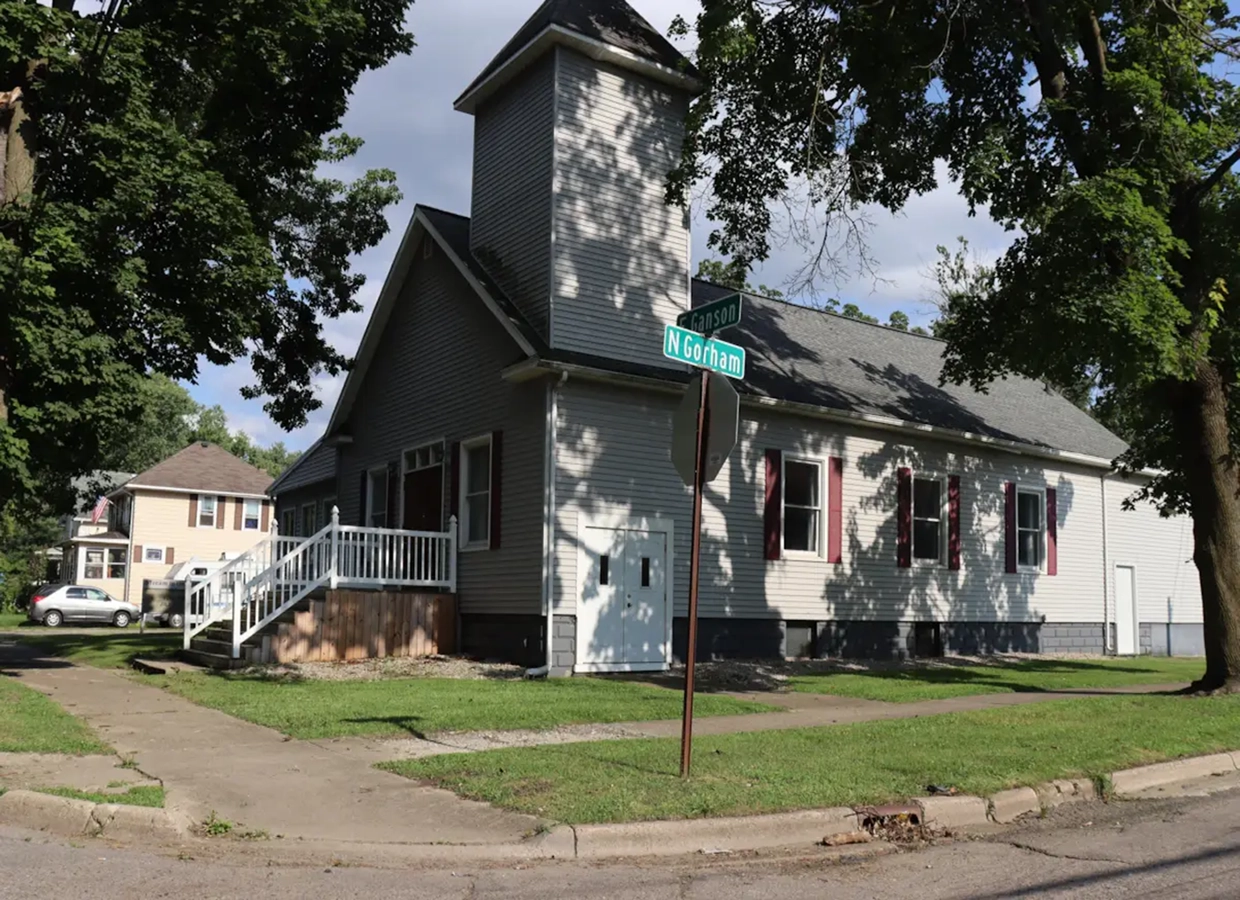
In Jackson, Michigan, The Bhakti House exists precisely to support people practicing Hindu Bhakti without needing a traditional temple.
It provides:
- community-based devotional gatherings
- chanting and meditation
- study of Hindu Bhakti texts
- shared prasadam
- spiritual guidance without pressure
- a welcoming environment for beginners
For many people locally, this bridges the gap between solitary home practice and large temples far away.
You Don’t Need to “Know Everything” to Begin
Hindu spirituality—and Bhakti in particular—is not about mastery.
You do not need to:
- know Sanskrit
- understand every philosophy
- follow complex rituals
- adopt a cultural identity
- commit to rigid rules immediately
You begin where you are, and practice grows naturally.
Why This Matters for Seekers Today
Modern life is busy, fragmented, and often isolating.
Bhakti offers:
- simple daily anchors
- emotional grounding
- meaningful connection
- spiritual depth without overwhelm
- community without pressure
This is why Bhakti has continued to grow globally—even outside traditional temple structures.
A Simple Way to Understand It
Temples support Hindu spirituality.
Bhakti sustains it.
If you don’t have a temple nearby, you are not missing your opportunity—you are simply practicing the way millions have always practiced.
A Final Summary
Hindu spirituality does not begin or end at a temple door.
It lives in:
- daily life
- loving remembrance
- shared devotion
- sincere practice
For those in Jackson, The Bhakti House offers a place to practice Hindu Bhakti together, without needing a traditional temple structure.