

Understanding Anartha-nivritti: The Heart of Spiritual Cleansing
Every sincere spiritual path invites us to look within. Not with shame, not with harshness, but with courage, honesty, and hope. In Bhakti Yoga, this inner cleansing is called anartha-nivritti.
The Sanskrit word anartha means “unwanted things” or “that which has no real value.” These are the habits, fears, attachments, distractions, and misconceptions that keep the heart from fully experiencing love of God. Nivritti means “removal” or “freedom from.” So, anartha-nivritti means the gradual removal of unwanted things from the heart.
This is not about becoming perfect overnight. It is not about judging ourselves or others. It is a tender, lifelong process of spiritual cleansing and growth. Through chanting, prayer, service, sacred study, and loving association, the heart becomes clearer. We begin to remember who we truly are: spiritual beings, beloved by God, meant to live in love and service.
In the Bhakti tradition, spiritual growth is often described as a journey from faith to love. Anartha-nivritti is a very important stage on that journey. It is where our spiritual practice begins to reveal what needs healing, what needs surrender, and what needs to be offered back to the Divine.
This process is deeply practical. It touches how we speak, how we eat, how we use our time, how we respond to others, how we pray, and how we see ourselves. It is not separate from daily life. Rather, daily life becomes the sacred place where God helps us grow.
Whether you are new to Bhakti Yoga, returning to spiritual practice, or seeking a deeper understanding of your inner life, anartha-nivritti offers a beautiful map for transformation.
The Place of Anartha-nivritti in the Bhakti Yoga Journey

Bhakti Yoga is the path of devotion, or loving connection with God. The word bhakti means devotion, love, and heartfelt service. It is a path for everyone—people of all backgrounds, cultures, ages, and life experiences.
In Bhakti scriptures, the growth of devotion is often described in stages. One famous outline comes from Bhakti-rasamrita-sindhu, a devotional text by Srila Rupa Goswami, a great teacher in the Gaudiya Vaishnava tradition.
The stages are commonly listed as:
- Shraddha – initial faith or spiritual curiosity
- Sadhu-sanga – association with sincere spiritual people
- Bhajana-kriya – beginning regular spiritual practice
- Anartha-nivritti – cleansing of unwanted habits and obstacles
- Nishtha – steadiness
- Ruchi – spiritual taste
- Asakti – deep attachment to God
- Bhava – spiritual emotion
- Prema – pure love of God
Anartha-nivritti comes after we begin spiritual practice. This is very meaningful. Often, when we first come to a spiritual path, we may feel inspired and peaceful. We may enjoy chanting, reading, visiting temples, attending gatherings, or praying in a new way.
Then, after some time, we may notice our inner challenges more clearly. Old habits may rise up. Pride may appear. Doubt may come. Impatience may become obvious. We may see how much we seek approval, comfort, control, or recognition.
This does not mean we are failing. In many ways, it means the process is working.
When sunlight enters a room, it reveals the dust. The sunlight did not create the dust. It simply made it visible. In the same way, Bhakti practice gently reveals what is already within the heart so it can be healed.
Anartha-nivritti is the stage where we learn to keep going with humility.
Spiritual cleansing is a sign of grace
Sometimes people become discouraged when they notice their faults more clearly. They may think, “I started chanting and praying, but now I see how distracted and selfish I can be. Am I going backward?”
In Bhakti, we understand this differently. Seeing our inner obstacles is part of God’s kindness. Awareness is the beginning of freedom. When we can see something honestly, we can bring it into prayer. We can ask for help. We can make better choices.
The Bhagavad-gita teaches that spiritual life is a gradual practice. Krishna says in the Gita that even a little advancement on this path can protect one from great fear. This reminds us that no sincere effort is wasted. Every chant, every prayer, every act of service has value.
Anartha-nivritti is not punishment. It is purification. It is the loving work of grace within the heart.
What Are Anarthas? Recognizing the Unwanted Things in the Heart
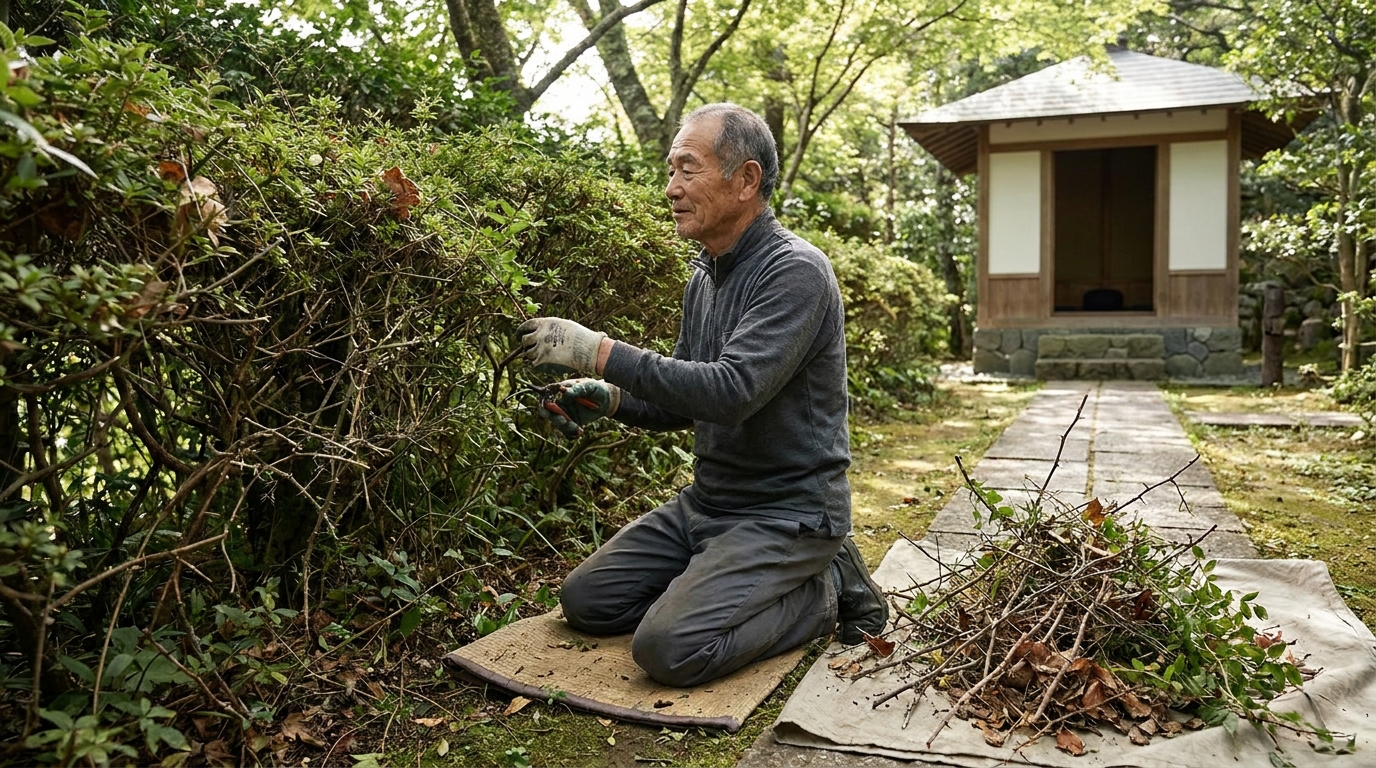
Anarthas are the inner obstacles that keep us from living in our true spiritual identity. They are not the essence of who we are. In Bhakti Yoga, we understand that the soul is pure, eternal, and naturally loving. The anarthas are coverings, like clouds passing over the sun.
Different Bhakti teachers explain anarthas in different ways, but they often include tendencies such as lust, anger, greed, envy, pride, illusion, laziness, distraction, and selfish desire. These are not mentioned so that we can feel hopeless. They are named so we can become honest and begin the work of healing.
The anartha of forgetfulness
At the root of all anarthas is forgetfulness of our relationship with God. When we forget that we are beloved souls, we try to find lasting happiness in temporary things. We may place all our hope in possessions, status, romance, success, appearance, or control.
These things may have a place in life, but they cannot satisfy the soul completely. The heart longs for eternal love. When that longing is misdirected, anarthas grow.
Bhakti Yoga gently redirects the heart toward God through loving practices. Chanting the holy names, offering food with gratitude, serving others, and hearing sacred wisdom all help us remember.
The anartha of false identity
Another anartha is identifying only with the body, mind, job, nationality, social role, or life story. These identities may be part of our human experience, but they are not the deepest truth of who we are.
The Bhagavad-gita teaches that the soul is eternal and cannot be destroyed. Krishna explains that the wise do not lament for the temporary body because the true self continues beyond birth and death.
This teaching is not meant to make us cold or detached from life. Rather, it helps us live with deeper compassion. When we see ourselves and others as souls, we become less trapped by comparison, prejudice, and fear.
The anartha of seeking honor
Many seekers discover that even spiritual life can become mixed with the desire for recognition. We may want to be seen as advanced, pure, knowledgeable, or devoted. This is a subtle anartha.
Bhakti invites us into humility. Humility does not mean thinking we are worthless. It means understanding that everything good in us is a gift from God. It means being willing to serve without needing applause.
Sri Chaitanya Mahaprabhu, a great saint and teacher of divine love, offered a famous instruction:
“One should chant the holy name of the Lord in a humble state of mind, thinking oneself lower than a blade of grass, more tolerant than a tree, free from the desire for honor, and ready to offer respect to others.”
This verse is deeply connected to anartha-nivritti. It shows that the heart becomes clean through humility, tolerance, respect, and sincere chanting.
Discover a wide range of insightful articles that delve into various spiritual topics. These articles provide guidance and inspiration for your personal growth journey. Stay updated with the latest articles to enhance your understanding of spiritual practices.
How Bhakti Practices Cleanse the Heart
Anartha-nivritti does not happen simply by thinking about our faults. It happens through positive spiritual engagement. In Bhakti Yoga, we do not only “remove” unwanted things. We fill the heart with something higher: remembrance of God, loving service, sacred sound, and devotion.
The heart cannot remain empty. If we try to give up unhealthy habits without nourishing the soul, we may become dry or discouraged. Bhakti offers living nourishment.
Chanting the holy names
The central practice of Bhakti Yoga is chanting the holy names of God. In the Hare Krishna tradition, devotees chant the maha-mantra:
Hare Krishna Hare Krishna
Krishna Krishna Hare Hare
Hare Rama Hare Rama
Rama Rama Hare Hare
The word mantra means a sacred sound that frees the mind. Maha means great. So the maha-mantra is the great prayer for awakening love of God.
“Krishna” means the all-attractive Lord. “Rama” means the source of spiritual joy. “Hare” calls upon the divine energy of the Lord, often understood as the compassionate energy that engages us in service.
Chanting is both simple and profound. Anyone can chant. You do not need to be born in a certain tradition or have advanced knowledge. You can begin softly, sincerely, and with an open heart.
The Srimad-Bhagavatam, one of the most treasured Bhakti scriptures, teaches that hearing and chanting about God cleanses the heart. It explains that as we regularly hear divine sound, the unwanted things in the heart are gradually reduced, and devotion becomes firmly established.
This is the essence of anartha-nivritti: the heart is cleansed by contact with the Divine.
Prayer as honest relationship
Prayer is not performance. It is relationship.
In anartha-nivritti, prayer becomes very real. We may pray, “Dear Lord, I see this anger in me. Please help me.” Or, “I am attached to praise. Please teach me to serve.” Or, “I feel far from You, but I want to come closer.”
These prayers are powerful because they are honest.
God does not need us to pretend. Bhakti is a path of bringing the whole heart—joy, confusion, longing, weakness, gratitude—into loving connection. In prayer, we learn dependence on divine grace.
Service that softens the ego
Service is called seva in Sanskrit. Seva means loving service offered for the pleasure of God and the benefit of others.
Service cleanses the heart because it shifts us from “What can I get?” to “How can I offer?” This simple shift is life-changing.
Service can be temple worship, cooking, cleaning, teaching, singing, gardening, welcoming guests, caring for family, helping a neighbor, or offering one’s professional skills with devotion. When done with sincerity, ordinary actions become sacred.
In the Bhagavad-gita, Krishna teaches that whatever we do, whatever we eat, whatever we offer or give away, and whatever austerity we perform can be offered to Him. This means spiritual life is not limited to a temple or meditation space. Our whole life can become an offering.
Sacred study and reflection
Reading Bhakti scriptures gives the mind spiritual direction. Texts like the Bhagavad-gita, Srimad-Bhagavatam, and the teachings of saints help us understand the purpose of life and the nature of the heart.
Sacred study also protects us from misunderstanding spiritual cleansing. Without guidance, we may become overly harsh with ourselves or overly casual about our habits. Scripture gives balance. It teaches compassion, responsibility, surrender, and hope.
When we read, we can ask: “How does this apply to my life today? What is Krishna inviting me to see? What small change can I make?”
This turns study into transformation.
Common Obstacles During Anartha-nivritti
Because anartha-nivritti is a real inner cleansing, it can feel uncomfortable at times. Knowing the common obstacles helps us continue with patience.
Discouragement when progress feels slow
Many people begin spiritual life with enthusiasm and then become discouraged when old patterns remain. We may think, “I have been chanting for months, but I still get angry,” or “I still compare myself to others,” or “My mind is still restless.”
Growth takes time.
A garden does not bloom the same day seeds are planted. The gardener waters, protects, weeds, and waits. Similarly, the heart blooms through steady practice.
In Bhakti, patience is not passive. It means continuing to show up. We chant again. We pray again. We serve again. We apologize when needed. We begin again.
Pride in spiritual practice
Another obstacle is becoming proud of our discipline, knowledge, or community role. The ego can take even good things and use them for self-importance.
This is why humility is essential. Whatever strength we have comes from grace. If we chant, it is by grace. If we serve, it is by grace. If we understand something, it is by grace.
A humble practitioner does not think, “I am better than others.” Instead, they think, “I have been given so much. How can I use it in service?”
Avoiding the heart through external religion
Sometimes we may become busy with outer forms of spirituality while avoiding inner transformation. We may attend programs, wear devotional clothing, learn songs, or speak philosophy—but still resist forgiving, changing, or becoming gentle.
External practices are beautiful when they are connected to the heart. They become transformative when they help us remember God and serve others with love.
Anartha-nivritti asks us to let the practices go deep.
Isolation from supportive association
Spiritual cleansing is difficult alone. We need community, encouragement, and guidance. In Sanskrit, uplifting spiritual association is called sadhu-sanga. A sadhu is a sincere spiritual person, and sanga means association or company.
Sadhu-sanga helps us stay inspired and accountable. We see examples of people who are also practicing, also struggling, also growing. We learn that spiritual life is not about pretending to be advanced. It is about sincerely walking together toward God.
The Role of Mercy and Personal Effort
Anartha-nivritti includes both personal effort and divine mercy. We do our part, and we depend on God’s grace.
This balance is very important. If we think everything depends only on our effort, we may become proud or exhausted. If we think everything depends only on grace while we make no effort, we may become lazy or careless.
Bhakti teaches a loving partnership. We take sincere steps, and Krishna carries us in ways we cannot carry ourselves.
Our effort opens the door
Our daily choices matter. We can choose to chant with attention. We can choose to pause before speaking harshly. We can choose to read a verse instead of scrolling endlessly. We can choose to serve even when no one notices.
These small choices open the door of the heart.
Anartha-nivritti often happens through repeated small acts of devotion. One sincere mantra. One moment of forgiveness. One honest prayer. One plate of food offered to God. One kind word. One step away from harmful habits.
Over time, these small offerings shape the heart.
Grace does what effort cannot
At the same time, there are deep patterns we cannot remove by willpower alone. Some attachments are ancient. Some wounds are tender. Some fears feel larger than us.
This is where mercy enters.
In Bhakti, God is not distant or indifferent. Krishna is described as the dear friend of every living being, present in the heart as the Supersoul, guiding and witnessing. When we turn toward Him sincerely, He helps from within and without.
Grace may come as strength, insight, a teacher, a friend, a scripture verse, a moment of repentance, or a sudden taste for chanting. Sometimes grace feels like comfort. Sometimes it feels like being lovingly challenged.
Both are gifts.
Practical Ways to Support Anartha-nivritti in Daily Life
Spiritual cleansing becomes more stable when we create simple, realistic rhythms. Bhakti Yoga is not meant to be separate from everyday living. It can be woven into the morning, meals, work, family, rest, and relationships.
Begin the day with sacred sound
Morning is a powerful time for spiritual practice. Even a few minutes of chanting can set the tone for the day.
You might begin with the maha-mantra, a simple prayer, or reading a verse from the Bhagavad-gita. If your mind wanders, gently bring it back. The goal is not to perform perfectly. The goal is to turn toward God sincerely.
A simple morning prayer could be:
“Dear Lord, please guide my thoughts, words, and actions today. Help me remember You and serve with love.”
This kind of prayer invites divine presence into ordinary life.
Offer your food with gratitude
Food is central to daily life, and in Bhakti it becomes a beautiful practice of devotion. Before eating, we can pause and offer our food to God with gratitude.
In the Bhakti tradition, food offered to Krishna with love is called prasadam, which means mercy. The practice reminds us that life is a gift and that nourishment comes from divine kindness.
You can begin simply. Place your meal before God in your heart and say, “Please accept this offering.” Then eat with gratitude.
This practice cleanses the consciousness because it transforms eating from consumption into relationship.
Watch the quality of your inputs
The heart is influenced by what we hear, watch, read, and discuss. If we constantly absorb anger, gossip, lust, fear, or cynicism, those impressions affect the mind.
Anartha-nivritti includes becoming mindful of our environment. This does not mean becoming rigid or fearful. It means lovingly asking, “Is this helping my heart remember God? Is this nourishing compassion, clarity, and devotion?”
Try adding more sacred sound, uplifting music, spiritual talks, scripture, and meaningful conversation. What we take in shapes what grows within.
Practice sincere self-examination
At the end of the day, take a few quiet moments to reflect. Not with self-hatred, but with humility.
You may ask:
- Where did I remember God today?
- Where did I act from ego or fear?
- Did I hurt anyone with my words?
- What am I grateful for?
- What can I offer in prayer tonight?
This simple practice keeps the heart soft and honest. It also helps us notice patterns without becoming overwhelmed by them.
Serve someone without seeking credit
Choose one act of service each day that does not bring recognition. Clean something. Encourage someone. Make an offering. Help quietly. Pray for someone. Give without announcing it.
Hidden service is powerful medicine for the ego. It teaches the heart that love itself is the reward.
Anartha-nivritti and Emotional Healing
Spiritual cleansing is not only about giving up obvious bad habits. It also includes the healing of deep emotional patterns that keep us from receiving and giving love.
Some people carry shame. Others carry grief, resentment, anxiety, or fear of abandonment. These wounds can shape how we relate to God and others. Bhakti does not ignore this human reality. Rather, it invites healing through divine relationship, community, and compassionate self-awareness.
Bringing wounds into prayer
Sometimes we hide our pain from God, thinking it is not spiritual. But the Lord already knows the heart. Prayer becomes healing when we bring our wounds honestly.
We may say, “Krishna, I do not know how to trust. Please help me.” Or, “I feel unworthy of love. Please show me who I am.” Or, “I am holding resentment. Please teach me forgiveness.”
Such prayers are not weakness. They are devotion.
In Bhakti, dependence on God is a strength. It softens the heart and allows grace to enter places we have kept closed.
Compassion for ourselves and others
As anarthas become visible, we learn compassion. We see our own struggles and become less quick to judge others. We understand that everyone is carrying something. Everyone is trying to find happiness. Everyone needs mercy.
This does not mean we ignore harmful behavior. Healthy boundaries can be part of spiritual life. But even with boundaries, we can cultivate a prayerful heart: “May this person be healed. May I be healed. May we all move closer to God.”
Anartha-nivritti helps us become more human in the deepest sense—more honest, more kind, more humble, and more loving.
Signs of Progress in Spiritual Cleansing
Progress in anartha-nivritti may be subtle. It may not always look dramatic. Often, it appears as small shifts in consciousness.
You may notice that you recover more quickly after making a mistake. You may feel less interested in gossip. You may become more willing to apologize. You may find joy in chanting that once felt mechanical. You may feel gratitude more often. You may become softer toward people you used to judge.
These are beautiful signs.
Increased humility
One sign of progress is humility. We become more aware of our dependence on grace and less interested in proving ourselves. We can accept correction more easily. We can honor others without feeling diminished.
Humility brings peace because we no longer have to maintain a false image.
Greater steadiness in practice
Another sign is steadiness. We may still have distractions, but we continue practicing. We do not abandon chanting because of a difficult day. We do not give up prayer because the mind wandered. We keep returning.
This steadiness gradually leads to nishtha, or firm faith and stability.
A growing taste for devotion
As unwanted things are reduced, the natural taste of the soul begins to awaken. Chanting becomes sweeter. Service feels meaningful. Scripture feels alive. Association with devotees becomes nourishing.
This taste is called ruchi in Sanskrit. It is not forced. It arises naturally as the heart becomes cleaner.
More love in relationships
True spiritual growth shows in how we treat others. If our practice makes us proud, harsh, or dismissive, something needs adjustment. But when Bhakti deepens, we become more compassionate, patient, truthful, and service-minded.
Anartha-nivritti is not only an inner process. It bears fruit in daily relationships.
Guidance from Bhakti Scriptures
Authentic Bhakti scriptures offer wisdom that is both timeless and practical. They help us understand that spiritual cleansing is natural, necessary, and full of hope.
The mirror of the heart
Sri Chaitanya Mahaprabhu begins His famous Shikshashtakam prayers by glorifying the chanting of God’s names. He says that chanting cleanses the mirror of the heart.
This image is very helpful. The heart is like a mirror meant to reflect our true identity and our relationship with God. But when covered by dust, the reflection becomes unclear. Chanting removes the dust.
We do not have to create purity artificially. The purity is already there beneath the covering. The holy name reveals it.
The cleansing power of hearing
The Srimad-Bhagavatam explains that by regularly hearing about the Lord, the unwanted things in the heart are almost completely destroyed, and loving devotion becomes established.
This shows the importance of consistent hearing. Spiritual sound enters the heart in ways ordinary sound cannot. Even if we do not understand everything intellectually, sincere hearing purifies.
This is why Bhakti communities gather to chant, read scripture, discuss spiritual topics, and honor prasadam together. These practices create an atmosphere where the heart can heal.
The promise of the Bhagavad-gita
In the Bhagavad-gita, Krishna lovingly assures that those who take shelter of Him can cross beyond illusion. He also promises that He preserves what His devotees have and carries what they lack.
These teachings give courage during anartha-nivritti. We are not cleansing the heart alone. God is present, guiding, protecting, and inviting us deeper into love.
Walking the Path with Patience, Hope, and Love
Anartha-nivritti is a sacred stage of spiritual growth. It may reveal uncomfortable truths, but it also reveals God’s kindness. The Lord is helping us become free—not free from personality, feeling, or humanity, but free from the coverings that block love.
The Bhakti path is not about rejecting the world with bitterness. It is about learning to see everything in relation to God. Our work, home, meals, friendships, challenges, and talents can all become part of our offering.
Spiritual cleansing does not make the heart empty. It makes room for devotion.
As the unwanted things gradually fade, love becomes more natural. Chanting becomes more sincere. Prayer becomes more personal. Service becomes more joyful. We begin to live less from fear and more from faith.
Please remember: everyone is welcome on this path. You do not need to be perfect to begin. You do not need to understand every Sanskrit word or follow everything at once. Begin where you are. Bring your real heart. Take one sincere step.
Chant one mantra. Offer one prayer. Read one verse. Serve one person. Ask God for guidance.
The path of Bhakti Yoga is a path of love, and love grows by sincere offering. May your heart be gently cleansed, deeply nourished, and steadily drawn toward the all-loving Lord.
Everyone is welcome to take one sincere step toward God today.
FAQs
What is Anartha-nivritti?
Anartha-nivritti is a term derived from Sanskrit that refers to the process of eliminating unwanted desires or distractions that hinder spiritual progress. It is often associated with the practice of devotional service in various spiritual traditions, particularly within Hinduism, where the focus is on purifying the heart and mind to attain a higher state of consciousness.
How does Anartha-nivritti relate to spiritual practice?
Anartha-nivritti is considered a crucial step in spiritual practice as it helps practitioners identify and remove obstacles that prevent them from experiencing deeper spiritual truths. By engaging in practices such as meditation, chanting, and self-reflection, individuals can work towards overcoming these unwanted tendencies and cultivate a more focused and devoted mindset.
What are some common anarthas that practitioners face?
Common anarthas include desires for material possessions, ego-driven ambitions, negative emotions such as anger and jealousy, and distractions from spiritual goals. These unwanted tendencies can manifest in various ways, affecting one’s relationships, mental clarity, and overall spiritual growth.
What techniques can be used for Anartha-nivritti?
Techniques for Anartha-nivritti often involve a combination of self-discipline, devotional practices, and community support. Some effective methods include regular meditation, chanting mantras, studying sacred texts, engaging in selfless service (seva), and seeking guidance from spiritual mentors or communities.
Is Anartha-nivritti a one-time process or ongoing?
Anartha-nivritti is generally viewed as an ongoing process rather than a one-time event. As individuals progress on their spiritual journey, new anarthas may arise, requiring continuous self-awareness and effort to address. This lifelong commitment to purification is essential for sustained spiritual growth and development.

