
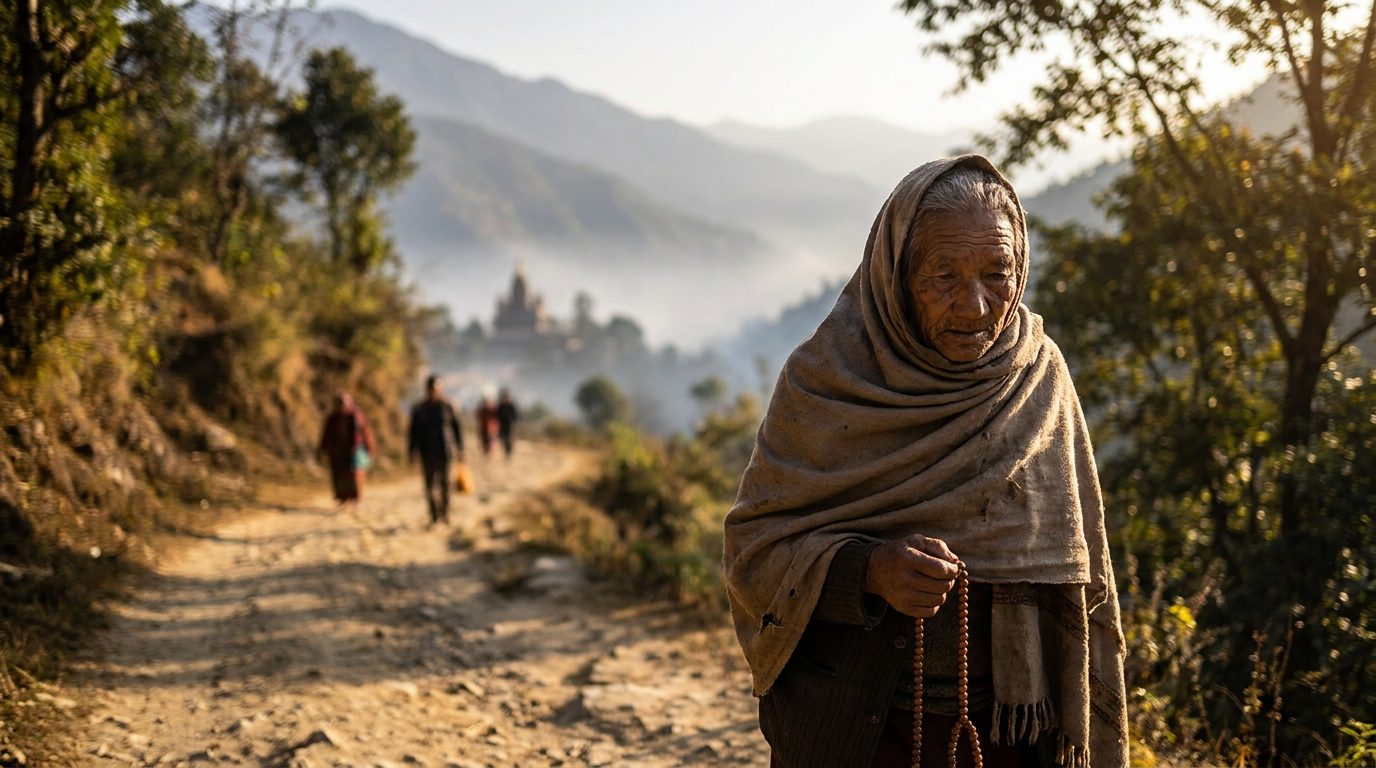
The Path of Bhakti Begins Wherever We Are
Bhakti Yoga is often described as the yoga of love and devotion. The Sanskrit word bhakti comes from a root meaning “to share,” “to serve,” or “to love with devotion.” In simple words, Bhakti is the heartfelt practice of turning toward God with sincerity.
This path does not require us to be perfect before we begin. We do not need to have every answer, understand every scripture, or feel spiritually advanced. Bhakti begins exactly where we are—with our questions, our struggles, our hopes, and our longing for something deeper.
In many spiritual traditions, people imagine the goal as something far away: enlightenment, liberation, heaven, peace, or divine union. Bhakti honors these sacred destinations, but it gently reminds us that devotion is not only about arriving somewhere. It is about learning to walk with God, moment by moment.
The journey itself becomes holy.
Every prayer, every chant, every act of kindness, every tear, every offering, every moment of remembrance becomes part of the path. In Bhakti Yoga, spiritual life is not separate from daily life. The kitchen, the workplace, the car, the temple, the yoga mat, and the quiet corner of the heart can all become sacred spaces when they are touched by devotion.
Bhakti is not a race. It is not a performance. It is not about proving that we are spiritual enough. It is a living relationship with the Divine, and like all loving relationships, it grows through time, honesty, patience, and care.
Devotion Is a Relationship, Not a Spiritual Achievement
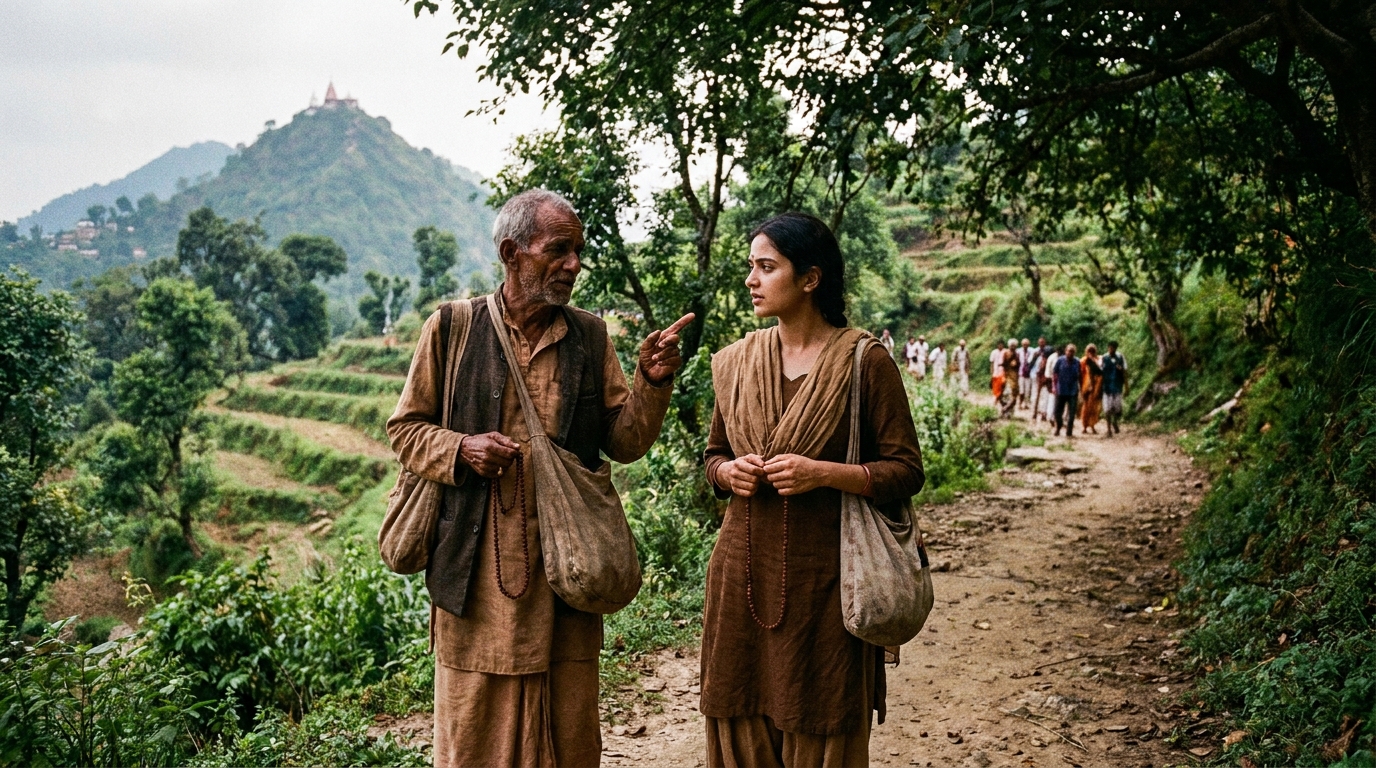
Many of us have been trained to measure progress through results. We ask: How much have I accomplished? How far have I come? What level have I reached?
But Bhakti invites a different question: How sincerely am I turning toward God today?
In the Bhagavad Gita, one of the most beloved scriptures of Bhakti Yoga, Lord Krishna says:
“Offer Me with love and devotion a leaf, a flower, fruit, or water, and I will accept it.”
Bhagavad Gita 9.26
This verse is deeply comforting. Krishna does not ask for wealth, status, scholarship, or perfection. He asks for love. Even the simplest offering becomes spiritually powerful when given with devotion.
A leaf, a flower, a piece of fruit, or a little water may seem small. But when offered from the heart, it becomes a bridge between the soul and God.
Love Grows Through Daily Turning
A relationship does not deepen only through grand gestures. It grows through small, steady acts of attention.
In the same way, Bhakti grows when we remember God in the ordinary moments of life. We may chant while walking. We may offer our food before eating. We may whisper a prayer before beginning work. We may pause before speaking and ask, “How can I respond with love?”
These simple practices are not small in the spiritual sense. They slowly reshape the heart.
Bhakti is a journey because love is always growing. There is no final point where we say, “Now I have loved enough.” Divine love is unlimited, and the soul’s capacity to receive and share that love can expand endlessly.
Progress May Feel Quiet
Sometimes spiritual growth is not dramatic. We may not have mystical visions or overwhelming experiences. We may simply notice that we are a little more patient than before. A little more grateful. A little less controlled by fear. A little more willing to forgive.
These are sacred signs of the journey.
In Bhakti, transformation often happens gently, like sunrise. The light does not appear all at once, but gradually the darkness begins to lift.
Chanting as a Companion on the Road
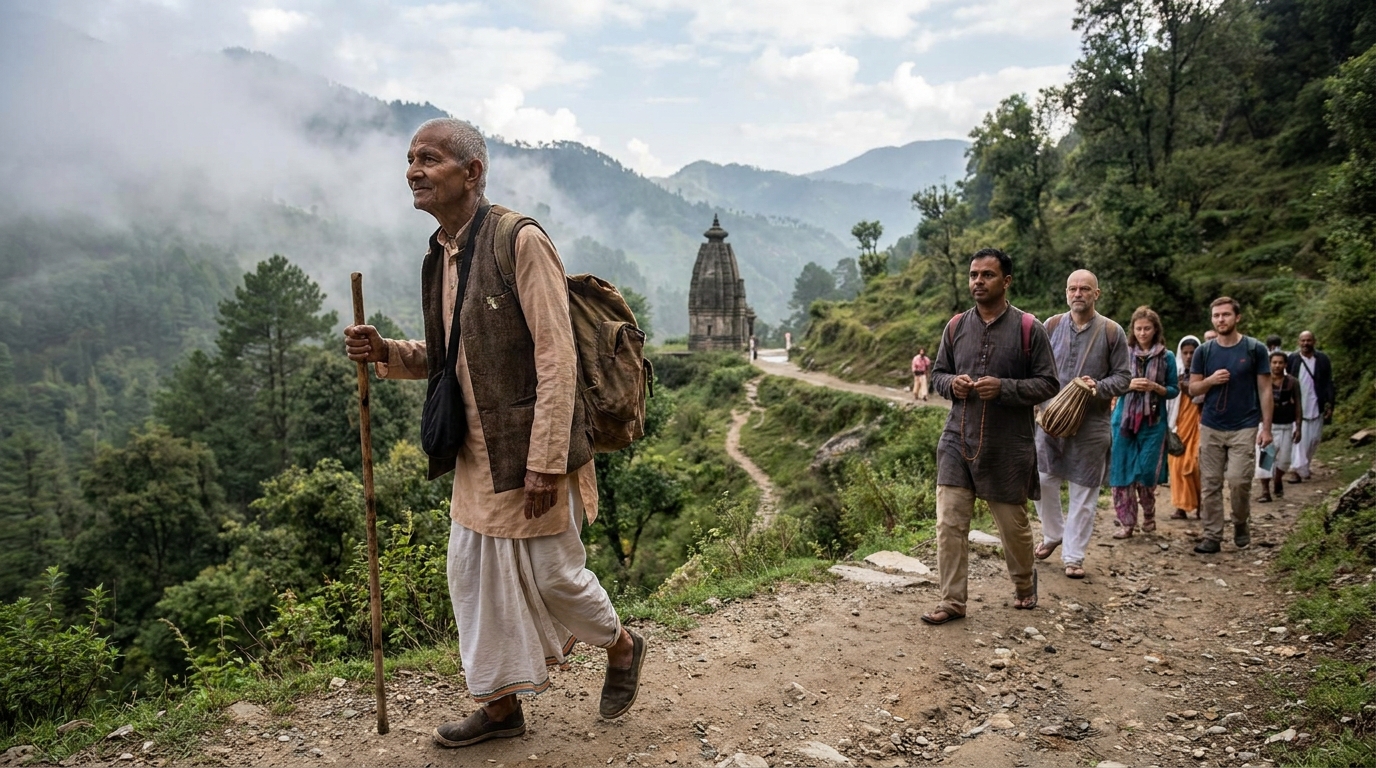
One of the central practices of Bhakti Yoga is chanting sacred names of God, often called kirtan or japa.
Kirtan is devotional singing, usually done together in call and response. Japa is the quiet repetition of a mantra, often practiced with prayer beads. A mantra is a sacred sound or phrase that helps focus the mind and awaken the heart.
The most well-known mantra in many Bhakti traditions is the Maha Mantra, meaning “the great mantra”:
Hare Krishna Hare Krishna
Krishna Krishna Hare Hare
Hare Rama Hare Rama
Rama Rama Hare Hare
In simple terms, this mantra is a prayer asking to be reconnected with divine love. “Hare” calls upon the energy of God, while “Krishna” and “Rama” are names of the Divine meaning “the all-attractive one” and “the source of joy.”
Chanting is not limited to one background, culture, or level of belief. Anyone can chant. Anyone can listen. Anyone can allow sacred sound to soften the heart.
Sacred Sound Meets Us Gently
The mind is often restless. It moves quickly from one thought to another. We may sit to pray and suddenly remember a task, a worry, or an old conversation. This is normal. Bhakti does not shame us for having a human mind.
Chanting gives the mind something holy to rest upon.
When we repeat the names of God, we are not forcing the heart to feel something artificial. We are placing ourselves in the presence of divine sound. Over time, the sound works on us. It cleanses, steadies, comforts, and awakens.
Some days chanting feels joyful. Some days it feels dry. Some days we may chant with full attention, and other days we may struggle. Still, the practice carries us.
The journey of Bhakti is not about always feeling inspired. It is about continuing to show up with sincerity.
Community Chanting Helps Us Remember
When we gather with others for kirtan, something beautiful happens. Voices blend. Differences soften. People from many backgrounds can sit together and sing the names of God.
In a world that often divides people by belief, identity, status, or opinion, kirtan reminds us that we are all souls longing for love.
The Sanskrit word sanga means spiritual association or uplifting company. In Bhakti, good association is considered essential because the heart is influenced by what it spends time with. When we spend time with people who are trying to live with devotion, humility, and compassion, our own spiritual life becomes nourished.
We do not walk this path alone.
Discover a wide range of insightful articles that delve into spirituality and personal growth. These articles offer guidance and inspiration for those on a spiritual journey. Stay updated with the latest articles to enhance your understanding and practice.
Prayer Turns the Heart Toward Grace
Prayer is one of the most natural expressions of Bhakti. It does not need to be formal or poetic. It can be as simple as, “Dear God, please guide me,” or “Help me love You,” or “I do not know what to do, but I am here.”
Prayer is the language of dependence, trust, and relationship.
Sometimes we pray with gratitude. Sometimes we pray in pain. Sometimes we pray because we feel lost. Sometimes we pray because beauty overwhelms us and we need to say thank you.
All of it can become Bhakti.
Honest Prayer Is Sacred
Many people feel they must hide their doubts, anger, grief, or confusion from God. But Bhakti teaches us to bring the whole heart. The Divine is not surprised by our humanity.
In the Srimad Bhagavatam, a treasured Bhakti scripture filled with stories of devotion, we meet many devotees who approach God in different moods—friendship, longing, surrender, wonder, even distress. Their devotion is not always neat or predictable. It is alive.
This gives us permission to pray honestly.
We can say, “I want to trust, but I am afraid.”
We can say, “I feel distant, but I want to come closer.”
We can say, “I do not understand, but I am willing to listen.”
Such prayers are not failures. They are sincere steps on the path.
Prayer Changes How We See
Bhakti prayer does not always change our outer circumstances immediately. Sometimes it changes our inner vision.
We begin to see challenges as opportunities for growth. We begin to notice blessings we previously overlooked. We begin to feel that we are being held, even when life is uncertain.
Prayer opens the heart to grace. Grace means divine help that comes beyond what we can earn or control. In Bhakti, effort and grace work together. We take small steps toward God, and God lovingly responds in ways seen and unseen.
Service Makes Love Practical
Bhakti is not only something we feel. It is something we live.
The Sanskrit word seva means service offered with devotion. Seva is the practice of using our time, energy, talents, and resources in a spirit of love. It may be service in a temple, helping at a community meal, singing in kirtan, cleaning, teaching, cooking, listening, encouraging someone, caring for family, or working honestly in the world.
When service is offered to God and for the welfare of others, ordinary action becomes sacred.
Offering Our Work
The Bhagavad Gita teaches the importance of offering our actions to the Divine. Krishna says:
“Whatever you do, whatever you eat, whatever you offer or give away, and whatever austerities you perform—do that as an offering to Me.”
Bhagavad Gita 9.27
This teaching is incredibly practical. It means Bhakti can enter every part of life.
We can offer our work.
We can offer our parenting.
We can offer our studies.
We can offer our art.
We can offer our cooking.
We can offer our rest.
We can offer our struggles and healing.
The point is not to escape life, but to spiritualize life through loving intention.
Service Purifies the Ego
The ego often asks, “What will I get?” Bhakti gently teaches us to ask, “How can I serve?”
This does not mean neglecting our health, boundaries, or responsibilities. True service is not self-hatred. It is love expressed wisely. Bhakti does not ask us to become empty in a harmful way; it invites us to become full of divine purpose.
When we serve, we remember that we are part of something greater than ourselves. We learn humility. We learn cooperation. We learn to see God in others.
Service also reveals our inner attachments. We may notice that we want recognition, control, or appreciation. This awareness is not a reason to feel discouraged. It is part of the journey. Bhakti gives us a safe and loving way to grow.
We serve, we learn, we offer again.
Spiritual Growth Includes Seasons of Struggle
Every sincere spiritual path includes challenges. Bhakti is no exception.
There may be times when our chanting feels distracted, our prayer feels quiet, or our faith feels fragile. We may compare ourselves to others and think they are more devoted. We may feel unworthy. We may wonder if we are making any progress at all.
These experiences are not signs that we should leave the path. They may be invitations to go deeper.
Dry Seasons Can Deepen Sincerity
In any relationship, love matures when it is not dependent only on pleasant feelings. If devotion were always emotionally sweet, we might mistake feeling good for loving God.
But when we continue to chant, pray, serve, and remember even during dry seasons, devotion becomes more steady. It becomes less about spiritual excitement and more about faithful love.
This is a tender and important part of the Bhakti journey.
The saints of the Bhakti tradition often speak of longing. Longing is not emptiness without meaning. It is the soul remembering its need for God. Even the feeling of distance can become sacred when it turns us toward prayer.
We Are Not Disqualified by Imperfection
One of the greatest obstacles in spiritual life is the belief that we are not worthy to approach God.
Bhakti offers another message: come anyway.
Come with a distracted mind.
Come with a tired heart.
Come with mixed motives.
Come with hope.
Come with doubt.
Come with your real self.
The path itself purifies. We do not become pure first and then practice Bhakti. We practice Bhakti, and by grace, the heart becomes purified.
In the Bhagavad Gita, Krishna promises that even if a person has made mistakes, if they sincerely turn toward Him, they should be regarded as saintly because they are rightly resolved. This teaching is full of mercy. It reminds us that direction matters. Turning toward God matters.
Bhakti is a journey because transformation happens step by step.
The Goal Is Love, and Love Has No Limit
If Bhakti is a journey, does it have a destination?
Yes and no.
The destination is loving relationship with God. The destination is awakening our eternal identity as servants and lovers of the Divine. The destination is to live in remembrance, surrender, joy, and compassion.
But because divine love is unlimited, there is always more depth to enter. Love does not become boring when it matures. It becomes richer. It becomes more intimate, more selfless, more beautiful.
In Bhakti, the “goal” is not a cold finish line. It is a living ocean.
Surrender Is a Daily Practice
The Sanskrit word sharanagati means surrender or taking shelter. In Bhakti, surrender does not mean giving up in despair. It means placing our trust in God’s loving care.
This happens gradually.
We may surrender one worry today. One habit tomorrow. One relationship. One ambition. One fear. One hidden part of the heart.
Sometimes we take it back. Then we offer it again.
This is why Bhakti is a journey. Surrender is not usually completed in one dramatic moment. It is practiced in daily life, through real choices.
When we forgive, we surrender.
When we pray before reacting, we surrender.
When we choose service over pride, we surrender.
When we trust God’s timing, we surrender.
When we keep chanting despite distraction, we surrender.
Each moment becomes an opportunity to take shelter.
Love Expands Beyond the Self
As devotion grows, it naturally expands into compassion. We begin to see others not as objects for our enjoyment or obstacles to our plans, but as sacred beings—souls beloved by God.
This vision changes how we live.
We become more mindful with our words. We become more generous. We become more concerned with the suffering of others. We begin to understand that loving God and caring for God’s children are connected.
Bhakti is deeply personal, but it is never selfish. It softens the heart so that love can flow outward.
Practical Ways to Walk the Bhakti Journey Today
Bhakti Yoga is beautiful because it is both profound and practical. We do not need to wait for a perfect life situation. We can begin with simple devotional practices today.
The key is sincerity, not quantity. A small practice done with love is powerful.
Begin With Sacred Sound
Set aside a few minutes each day to chant or listen to a mantra. You may chant the Maha Mantra softly, sing along with kirtan, or simply listen with an open heart.
If your mind wanders, gently return to the sound. Do not be harsh with yourself. Each return is part of the practice.
You might begin with five minutes daily. Over time, let the practice grow naturally.
Offer Your Food With Gratitude
Before eating, pause and offer your meal to God. You can use your own words:
“Dear Lord, thank You for this food. May it nourish my body and help me live in service and love.”
In Bhakti traditions, food offered to God with devotion is called prasadam, meaning mercy or grace. The practice reminds us that life is a gift and that even eating can become sacred.
Create a Simple Prayer Space
A prayer space does not need to be elaborate. It may include a candle, sacred image, scripture, flowers, or beads. The purpose is to create a place that reminds your heart to turn toward God.
Visit this space daily, even briefly. Sit, breathe, chant, read, or speak honestly to the Divine.
Over time, this place becomes a quiet anchor in your life.
Read a Little Scripture With Reflection
Bhakti scriptures such as the Bhagavad Gita and Srimad Bhagavatam offer wisdom, stories, and guidance for spiritual growth.
You do not need to read large amounts at once. Read a few verses slowly. Ask:
What is this teaching me about God?
What is this teaching me about the soul?
How can I live this today?
Scripture becomes alive when we bring it into practice.
Serve Someone With Devotion
Choose one act of service and offer it consciously. Help someone without needing praise. Cook for someone. Listen deeply. Volunteer. Clean a shared space. Encourage a friend.
Before serving, pray: “May this be pleasing to You.”
This simple intention transforms action into Bhakti.
Walking Together in Humility and Hope
No one walks the Bhakti path perfectly. We are all learning how to love.
Some days we feel close to God. Some days we feel far away. Some days we are generous and patient. Other days we see how much growth remains. But through it all, the path continues to welcome us.
Bhakti is a journey because God is personal, love is alive, and the heart unfolds gradually. There is always another opportunity to remember, another chance to serve, another prayer to offer, another name of God to chant.
The beauty of this path is that every sincere step matters.
If you are new to Bhakti Yoga, you are welcome. If you come from another faith tradition, you are welcome. If you are unsure what you believe, you are welcome. If you have practiced for many years, you are welcome. If you are returning after a long time away, you are welcome.
The Divine heart is vast, compassionate, and patient.
You do not need to reach the destination today. Simply take one sincere step. Chant one holy name. Offer one prayer. Serve one person. Read one verse. Sit quietly and turn your heart toward God.
On the path of Bhakti, every loving step is part of the sacred journey home.

