

Understanding Tolerance as a Sacred Practice
Tolerance is more than “putting up with” people who are different from us. At its deepest level, tolerance is the willingness to honor the dignity, story, and spiritual journey of every person. It is the quiet strength to remain respectful when we disagree, the humility to listen before judging, and the courage to love beyond the borders of our own comfort.
In a diverse world, tolerance is not optional. We live among people of many cultures, faiths, languages, backgrounds, abilities, identities, and life experiences. Every family, workplace, neighborhood, and spiritual community becomes healthier when people feel safe, seen, and respected.
From the perspective of Bhakti Yoga, tolerance is also a devotional quality. Bhakti means loving devotion to God. Yoga means connection. So Bhakti Yoga is the path of reconnecting with the Divine through love, prayer, chanting, service, and a sincere heart.
When we practice tolerance, we are not simply practicing good manners. We are learning to see others with softer eyes. We are training the heart to recognize that every living being is beloved by God.
Tolerance Is Not Weakness
Sometimes people misunderstand tolerance as passivity. They may think it means allowing harm, avoiding truth, or pretending that all behavior is healthy. But true tolerance is not weakness. It is inner steadiness.
Tolerance does not mean we must agree with every idea. It does not mean we remain silent in the face of injustice. It does not mean we abandon our values or spiritual convictions.
Rather, tolerance means we hold our convictions with humility instead of arrogance. We can speak truth without cruelty. We can set boundaries without hatred. We can disagree without dehumanizing another person.
This is a powerful spiritual discipline. It requires patience, self-awareness, and prayerful dependence on divine grace.
Diversity Is Part of Divine Design
The world is full of variety. There are countless flowers, birds, rivers, languages, traditions, and personalities. Diversity is woven into creation.
In Bhakti wisdom, this variety is not meaningless. It reflects the richness of the Divine. God is not limited, and therefore creation is not flat or uniform. Every person carries a unique combination of gifts, struggles, insights, and experiences.
When we welcome diversity with reverence, we begin to see life as sacred. We stop asking, “Why are they not like me?” and begin asking, “What can I learn from this soul?”
That simple shift can transform the way we relate to everyone around us.
The Spiritual Foundation of Tolerance in Bhakti Yoga

Bhakti Yoga teaches that every living being is an eternal soul, known in Sanskrit as atma. The atma is the spiritual self beyond the temporary body, mind, nationality, social status, and external identity. This does not erase our lived experiences, but it helps us remember that beneath all differences, there is a deeper unity.
The Bhagavad Gita, one of the most beloved scriptures in the Bhakti tradition, offers a beautiful vision of spiritual equality. In Bhagavad Gita 5.18, Sri Krishna explains that a wise person sees with equal vision a learned scholar, a cow, an elephant, a dog, and a person considered outcast by society. This does not mean the wise person ignores practical differences. It means they recognize the same sacred spiritual essence within all.
This equal vision is a foundation for real tolerance.
Seeing the Soul Beyond the Surface
It is easy to judge people by what we first see: clothing, accent, skin color, religion, political view, lifestyle, education, or social role. But Bhakti invites us to look deeper.
The body and mind are real parts of our earthly experience, but they are not the whole of who we are. Every person has an inner life. Every person has fears, hopes, pain, memories, and longing. Every person wants to be loved.
When we remember this, our hearts soften.
A practical Bhakti meditation is to silently think when meeting someone, “Here is a soul loved by God.” This small practice can interrupt our tendency to label others too quickly. It helps us respond with respect rather than reaction.
Humility as the Doorway to Love
One of the most cherished teachings in the Bhakti tradition comes from Sri Chaitanya Mahaprabhu, a great saint who shared the practice of chanting God’s names with everyone. He taught:
“One should chant the holy name of the Lord in a humble state of mind, thinking oneself lower than a blade of grass, more tolerant than a tree, free from false pride, and ready to offer respect to all.”
This verse is often remembered by its Sanskrit phrase: trinad api sunichena. It means becoming humbler than grass and more tolerant than a tree.
A tree gives shade even to someone who cuts its branches. It stands through heat, cold, wind, and rain. This does not mean we should allow abuse. It means we cultivate deep inner steadiness and generosity of heart.
Humility does not mean thinking we are worthless. It means we do not place ourselves above others. Humility allows us to learn, apologize, listen, and serve.
Love Is the Heart of the Path
Bhakti Yoga is not merely a philosophy. It is a lived path of love. The practices of chanting, prayer, service, sacred study, and community are meant to awaken the heart.
Tolerance naturally grows when love grows. When the heart becomes connected to God, it becomes less threatened by difference. We begin to understand that God can work in many lives in many ways.
This does not mean all paths are the same in practice or theology. It means we can honor the sincere search for truth wherever we find it. We can be rooted in our own devotion while showing respect to others.
Why Tolerance Matters in a Diverse World
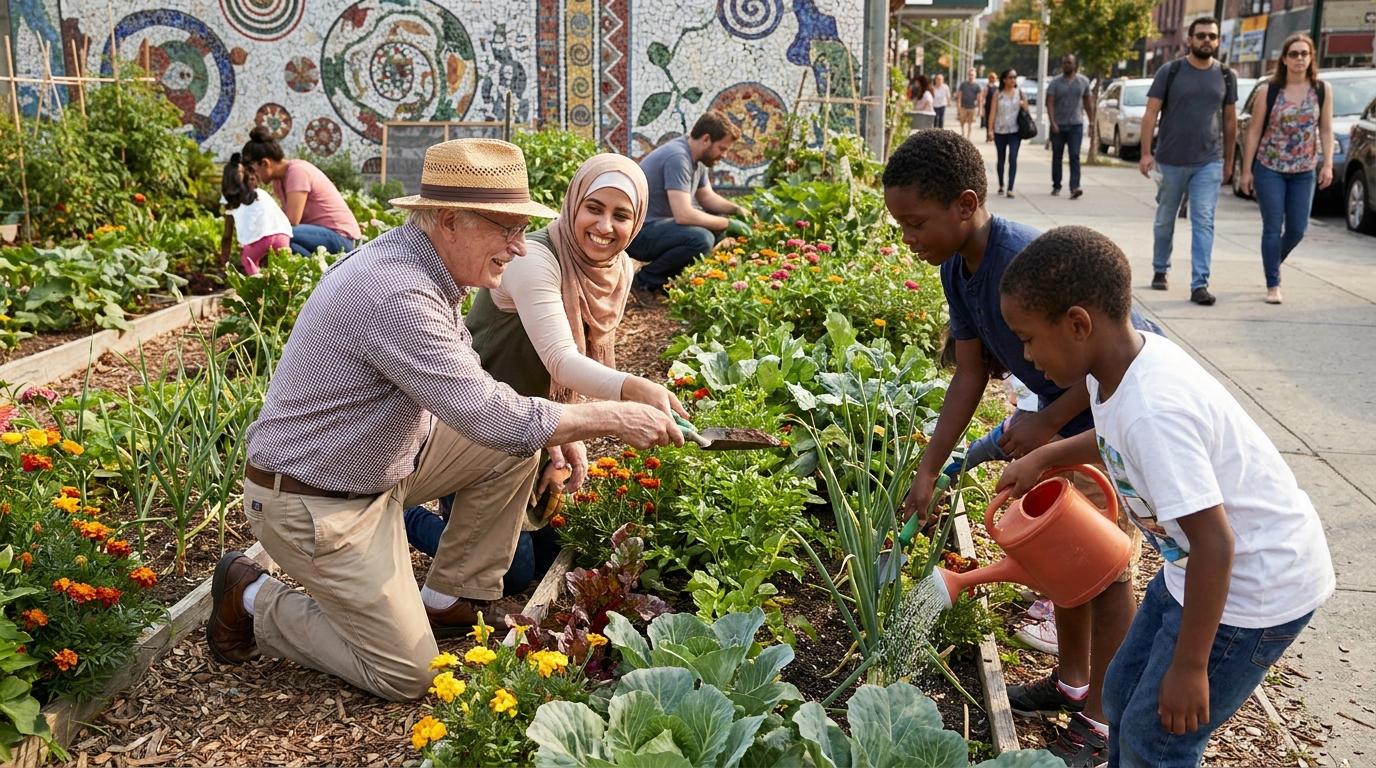
Tolerance is essential for building peaceful relationships and healthy communities. Without tolerance, diversity becomes a source of fear. With tolerance, diversity becomes an opportunity for learning, compassion, and collective growth.
We are living in a time when many people feel divided. Differences in religion, race, politics, culture, and values can quickly become sources of suspicion. Social media often encourages quick judgment and harsh words. Many people feel unheard or misunderstood.
In this environment, tolerance is not simply a personal virtue. It is a form of healing.
Tolerance Builds Trust
Trust grows when people feel respected. When we listen carefully, speak kindly, and treat others fairly, we create emotional safety. People become more willing to share honestly and work together.
In families, tolerance helps relatives remain connected even when they think differently. In workplaces, it supports collaboration among people with different backgrounds and communication styles. In spiritual communities, it helps seekers feel welcome rather than judged.
At The Bhakti House, this spirit is essential. People may come from different religious backgrounds or no religious background at all. Some may be new to Sanskrit words, chanting, meditation, or devotional practices. A tolerant community creates space for each person to grow at their own pace.
Tolerance Reduces Fear
Much intolerance comes from fear: fear of losing identity, fear of being wrong, fear of change, fear of people we do not understand. When we make space to learn, fear begins to soften.
We may discover that someone we once viewed as “other” has many of the same concerns we do. They love their family. They want meaning. They carry wounds. They hope for peace.
This does not erase real differences, but it humanizes them.
Bhakti teaches that fear decreases when we take shelter in God. Taking shelter means turning toward the Divine for guidance, strength, and protection. When we feel spiritually grounded, we do not need to defend our ego so fiercely. We can meet others with greater openness.
Tolerance Supports Justice and Compassion
True tolerance does not ignore suffering. It helps us respond to suffering wisely.
If a group of people is mistreated because of race, religion, gender, caste, disability, poverty, or any other aspect of identity, tolerance calls us to stand with compassion. Respect for diversity includes caring when others are harmed.
In the Bhagavata Purana, another treasured Bhakti scripture, saintly people are described as compassionate toward all living beings. Compassion is not selective. It expands outward.
A tolerant heart asks, “How can I reduce harm? How can I serve? How can I help create a world where more people feel safe and honored?”
If you’re looking for insightful spiritual guidance, check out the latest articles on Bhakti House. The articles cover a wide range of topics to deepen your understanding. Stay updated with new articles that inspire and enlighten.
Common Barriers to Tolerance
If tolerance is so beautiful, why is it often difficult? The honest answer is that the human heart carries conditioning. We inherit assumptions from family, society, media, history, and personal pain. Sometimes we do not even realize how deeply these impressions shape our reactions.
Bhakti Yoga encourages gentle but sincere self-examination. We do not need to drown in guilt. But we do need to become honest. Growth begins when we are willing to see what is happening inside us.
Ego and the Need to Be Right
In Sanskrit, ahankara means false ego, or the mistaken identification of the self with temporary labels and pride. The ego says, “My way is the only way. My group is superior. My comfort matters more than your dignity.”
When ego dominates, difference feels like a threat. We may become defensive, dismissive, or harsh. We may listen only to reply, not to understand.
Bhakti practices soften the ego by reminding us that we are servants of God, not controllers of the world. The Sanskrit word seva means service. When we serve, we practice placing love above pride.
Service teaches us to ask, “How can I be useful?” instead of “How can I prove I am better?”
Unhealed Pain and Projection
Sometimes intolerance grows from pain. A person who has been hurt may become guarded. A community that has experienced trauma may fear outsiders. Someone who feels powerless may look for someone else to blame.
This does not excuse harmful behavior, but it helps us understand it.
Healing requires compassion and accountability together. We can acknowledge pain while also choosing not to pass that pain on to others.
Prayer can be deeply helpful here. A simple prayer might be: “Dear God, please help me see clearly. Heal what is wounded in me, and do not let my pain become cruelty.”
Limited Exposure and Stereotypes
When we do not know people from a certain background, we may rely on stereotypes. Stereotypes flatten people into categories. They prevent us from seeing the full person.
One of the simplest ways to grow in tolerance is to build real relationships. Share meals. Ask respectful questions. Listen to stories. Read books by people from different communities. Attend cultural or spiritual gatherings with humility.
In Bhakti, hearing is a sacred practice. The Sanskrit word shravanam means hearing, especially hearing about God and spiritual truth. But the spirit of sacred listening can also guide how we hear one another. Listening with care is an act of love.
Practical Ways to Embrace Diversity Every Day
Tolerance becomes meaningful when it is practiced in daily life. It is not enough to admire the idea of diversity. We must train our words, choices, and habits.
The good news is that small sincere steps matter. Bhakti Yoga is practical. It teaches us that every action can become an offering when done with love.
Practice Respectful Listening
Respectful listening means giving another person room to speak without immediately correcting, debating, or comparing. It does not mean you must accept everything as true. It means you honor the person enough to understand what they are trying to communicate.
Try listening with these questions in your heart:
What is this person feeling?
What experience shaped their view?
What can I learn here?
Where is God inviting me to become more humble?
This kind of listening can change relationships. People often soften when they feel genuinely heard.
Use Words That Heal
Words carry energy. They can wound or bless. In devotional life, speech is considered sacred because it can be used to chant God’s names, offer prayer, speak truth, and encourage others.
Before speaking about someone different from you, pause and ask:
Is it true?
Is it kind?
Is it necessary?
Is it respectful?
Will it bring me closer to love?
This does not mean avoiding difficult conversations. It means having them with care. Truth spoken with compassion has a different quality than truth spoken with contempt.
Learn Without Appropriating
Embracing diversity includes learning from other cultures and traditions respectfully. Appreciation is different from appropriation. Appreciation includes humility, context, gratitude, and honoring the people who carry the tradition.
For example, if someone is new to Bhakti Yoga, it is beautiful to learn about kirtan, mantra meditation, prasadam, and sacred texts. Kirtan means devotional chanting, often done together with music. Mantra means a sacred sound or prayer that helps focus the mind on God. Prasadam means food offered to God with love and then shared as grace.
Learning these practices with respect means recognizing that they come from a living spiritual tradition, not merely a trend. We receive them with gratitude.
Serve People Outside Your Usual Circle
Service expands the heart. When we serve people who are different from us, our assumptions begin to dissolve.
You might volunteer at a community kitchen, support refugees, visit the elderly, help a neighbor, join an interfaith service project, or simply make time for someone who feels lonely.
In Bhakti, service is not only charity. It is a way of honoring God in the heart of another. When we serve with humility, we are served in return by the lessons we receive.
Make Your Community Welcoming
Tolerance is not only personal. It is also communal. A welcoming community pays attention to who feels included and who may feel invisible.
Are newcomers greeted warmly?
Are spiritual terms explained simply?
Are people of different backgrounds represented and respected?
Is there room for questions?
Do we make assumptions about someone’s knowledge, identity, or life story?
A Bhakti community should feel like a spiritual home where people are invited, not pressured; guided, not judged; nourished, not shamed.
Tolerance in Bhakti Scriptures and Sacred Teachings
The Bhakti tradition offers many teachings that support tolerance, compassion, and spiritual equality. These teachings are not abstract ideals. They are meant to be lived in our homes, relationships, communities, and inner conversations.
Scripture gives us a higher vision when our own mind becomes narrow. It reminds us who we are and how we are called to treat one another.
The Bhagavad Gita and Equal Vision
As mentioned earlier, Bhagavad Gita 5.18 describes the wise person as one who sees all beings with equal vision. This equal vision is not sentimental. It comes from spiritual realization.
The Gita teaches that the soul is eternal and that God is present in the heart of all beings. In Bhagavad Gita 18.61, Krishna says that the Lord is situated in the hearts of all living beings.
If God is present in every heart, then every interaction becomes sacred. The person in front of us is not merely a stranger, opponent, customer, relative, or coworker. They are a soul accompanied by God.
This vision can transform ordinary life into devotion.
The Bhagavata Purana and Compassion for All
The Bhagavata Purana repeatedly praises compassion, humility, and devotion. A true devotee is not recognized merely by external symbols but by qualities of heart.
A devotional person becomes softer, kinder, more truthful, and more concerned for the welfare of others. If our spirituality makes us proud or dismissive, we may need to return to the basics: chanting, prayer, service, and humility.
Bhakti is meant to melt the heart. It does not make us indifferent to others’ pain. It makes us more sensitive.
Sri Chaitanya’s Example of Radical Welcome
Sri Chaitanya Mahaprabhu shared divine love through the chanting of God’s names. His movement welcomed people across social boundaries. He emphasized that the holy name of God is not limited by birth, status, wealth, education, or background.
The practice of chanting, especially the maha-mantra—Hare Krishna, Hare Krishna, Krishna Krishna, Hare Hare / Hare Rama, Hare Rama, Rama Rama, Hare Hare—is a prayer of the heart. “Hare” calls upon the divine energy of God. “Krishna” means the all-attractive Lord. “Rama” means the source of spiritual joy.
Anyone can chant. One does not need to be perfect, scholarly, or born into a certain culture. The holy name is a gift of grace.
When we chant sincerely, we ask to be reconnected with God in love. Over time, chanting can cleanse envy, fear, anger, and prejudice from the heart.
How Tolerance Supports Personal Spiritual Growth
Tolerance does not only improve the world around us. It also deepens our own spiritual life. Every difficult relationship can become a mirror. Every difference can become a doorway to humility. Every moment of irritation can become an invitation to pray.
In Bhakti Yoga, spiritual growth is not measured only by how much we know. It is measured by how much our heart is becoming loving.
Tolerance Reveals What Is Inside Us
When someone disagrees with us, interrupts our plans, or expresses a worldview different from ours, our inner state becomes visible. Do we become angry? Afraid? Curious? Compassionate? Defensive?
These reactions are not failures. They are information. They show us where healing and growth are needed.
A sincere practitioner might pray, “Dear Lord, please help me understand why I am reacting this way. Please guide me toward patience and wisdom.”
This kind of prayer turns daily life into spiritual practice.
Tolerance Helps Us Let Go of Control
Much of our frustration comes from wanting others to think, behave, or grow exactly as we prefer. But every soul has a journey. We can encourage, guide, and serve, but we cannot control another person’s heart.
Bhakti teaches surrender. The Sanskrit word sharanagati means taking shelter or surrendering to God. Surrender does not mean giving up responsibility. It means trusting that God is the ultimate guide of every soul.
When we surrender, we become more patient. We stop trying to force transformation. We focus on becoming instruments of kindness and truth.
Tolerance Makes Chanting Deeper
Chanting God’s names is central to Bhakti Yoga. But chanting is not separate from how we treat others. If we chant with our lips but hold bitterness in our hearts, we may feel disconnected.
Tolerance helps prepare the heart for deeper chanting. When we forgive, listen, serve, and release pride, the holy name can enter more fully.
This does not mean we must be perfect before we chant. Quite the opposite: we chant because we need help. We chant with honesty, bringing our impatience and prejudice before God and asking for purification.
Healthy Boundaries and the Limits of Tolerance
A complete guide to tolerance must include boundaries. Tolerance does not mean accepting abuse, enabling violence, or allowing harmful behavior to continue unchecked. Love must be guided by wisdom.
Bhakti Yoga honors compassion, but it also honors truth and responsibility. We can respect the soul while refusing destructive actions. We can pray for someone while also stepping away from harm.
Respecting the Person While Challenging the Behavior
Every person has spiritual worth, but not every behavior is acceptable. This distinction is important.
If someone speaks with hatred, exploits others, or causes harm, tolerance does not require silence. We can address the behavior firmly while still remembering that the person is more than their worst action.
This is difficult, but it is spiritually mature. It prevents us from becoming hateful in response to hate.
A helpful prayer in conflict is: “May I be truthful without being cruel. May I be compassionate without being weak. May I protect what is sacred without losing love.”
Creating Safe Spaces for Growth
A tolerant community must also be a safe community. People should not be asked to endure discrimination, bullying, harassment, or spiritual manipulation in the name of patience.
Safety allows genuine diversity to flourish. When people know that dignity is protected, they can participate more fully.
Spiritual leaders, families, and communities should take concerns seriously, listen to those who have been hurt, and create clear standards of respectful conduct.
Tolerance and accountability belong together.
Teaching Tolerance to Children and Future Generations
Children learn tolerance not only from what we say, but from how we live. They notice how we speak about people who are different. They observe who we welcome, who we avoid, and how we respond to disagreement.
If we want the next generation to embrace diversity, we must model humility and kindness.
Begin With the Language of the Heart
Children can understand profound truths when explained simply. We can teach them: “Every person is special to God.” “People may look different or pray differently, but everyone deserves kindness.” “We can be curious instead of unkind.”
These small teachings plant seeds.
In a Bhakti home, children can learn to offer food to God, chant, pray, and serve others. They can also learn that devotion should make us gentle and respectful.
Expose Children to Loving Diversity
Families can read stories from different cultures, attend community events, learn greetings in other languages, and build friendships with people from varied backgrounds.
Children who experience diversity in loving settings are less likely to fear it. They learn that difference can be beautiful.
In devotional life, they can also learn about saints from many backgrounds who expressed love for God in unique ways. Bhakti history is filled with poets, teachers, servants, kings, villagers, women, men, scholars, and simple-hearted devotees. Divine love is not limited by social category.
Teach Apology and Repair
No one practices tolerance perfectly. Children and adults will make mistakes. We may say something insensitive, assume wrongly, or react impatiently.
One of the greatest lessons we can teach is how to repair harm.
“I am sorry.”
“I did not understand.”
“Thank you for telling me.”
“I will try to do better.”
These words are humble and healing. They show that relationships matter more than pride.
Living Tolerance Through Chanting, Prayer, and Service
Tolerance becomes steady when it is nourished by spiritual practice. Without inner nourishment, we may become tired, reactive, or discouraged. Bhakti Yoga offers practical tools to help us return to love again and again.
These practices are open to sincere seekers of all backgrounds. You do not need to have everything figured out. You can begin where you are.
Chanting to Cleanse the Heart
Chanting is one of the most accessible practices of Bhakti Yoga. You can chant softly at home, sing in community kirtan, or repeat a mantra on beads.
The maha-mantra is especially cherished:
Hare Krishna, Hare Krishna, Krishna Krishna, Hare Hare
Hare Rama, Hare Rama, Rama Rama, Hare Hare
This mantra is a prayer asking to be engaged in divine love. When chanted sincerely, it gradually cleanses the heart of envy, fear, anger, and selfishness.
If you are new, you might begin with five minutes a day. Sit comfortably. Breathe. Chant with attention. When the mind wanders, gently return to the sound.
Prayer for a Wider Heart
Prayer is honest conversation with God. You can pray in your own words. You can pray formally or simply. The heart matters more than eloquence.
A prayer for tolerance might be:
“Dear Lord, please help me see others as Your beloved children. Please remove pride, fear, and prejudice from my heart. Teach me to listen, to serve, and to love with wisdom.”
Prayer opens us to grace. It reminds us that we do not transform ourselves alone.
Service as Love in Action
Service turns spiritual intention into practical compassion. It may be as simple as cooking for someone, cleaning a shared space, offering encouragement, donating resources, or volunteering time.
In Bhakti, service is sacred because it is offered to God and God’s children. Service helps us move from theory to love.
When we serve diverse communities, we learn that every person has something to teach us. We discover that humility grows through contact, not isolation.
Embracing Diversity Without Losing Your Spiritual Roots
Some people worry that embracing diversity means losing their own tradition or values. But genuine tolerance does not require spiritual vagueness. In fact, the more deeply rooted we are in love, the more generously we can meet others.
A tree with deep roots can offer wide shade.
Bhakti Yoga invites us to be both rooted and open: rooted in devotion to God, open in kindness toward all. We can chant our mantras, honor our scriptures, follow our practices, and still treat others with respect.
Conviction With Compassion
Strong faith does not need to be harsh. If our faith is secure, we do not need to mock or belittle others. We can share what is precious to us with humility.
The best spiritual sharing is invitational, not forceful. It says, “Here is something beautiful that has helped my heart. You are welcome.”
This mood reflects the essence of Bhakti.
Learning From Others With Discernment
Tolerance includes openness, but also discernment. Discernment means thoughtful spiritual judgment. We can learn from others without accepting every idea. We can appreciate goodness wherever it appears while remaining faithful to our path.
The Bhagavad Gita encourages wisdom, self-control, and devotion. These qualities help us engage diversity without confusion or fear.
A mature heart can say, “I honor you, even where we differ. I will listen. I will learn. And I will remain sincere in my devotion.”
A Gentle Daily Practice for Growing in Tolerance
Spiritual growth happens through repeated small choices. If you want to become more tolerant, more compassionate, and more welcoming, begin with a simple daily practice.
In the morning, offer a prayer: “May I see each person today with respect.”
During the day, pause before reacting to difference. Take one breath. Remember, “This is a soul loved by God.”
When conflict arises, listen first. Speak truth with kindness.
In the evening, reflect gently. Where did I show patience? Where did I struggle? What can I offer to God? Whom do I need to forgive? To whom do I need to apologize?
Then chant or pray, even for a few minutes. Let the day return to the Divine.
This practice is simple, but powerful. Over time, it can reshape the heart.
Everyone Is Welcome to Take One Sincere Step
Tolerance is a complete spiritual practice because it touches how we see, speak, listen, serve, and love. It helps us embrace diversity without fear. It teaches us to honor the soul beyond the surface. It calls us to build communities where people of all backgrounds can feel respected and spiritually nourished.
Bhakti Yoga offers a beautiful path for this transformation. Through chanting, prayer, service, sacred study, and humble association, the heart becomes more spacious. We become less controlled by pride and more guided by love.
You do not have to be perfect to begin. You do not have to know Sanskrit, understand every scripture, or have a certain background. God sees sincerity. A single honest prayer, one kind word, one moment of listening, one act of service, or one heartfelt mantra can open the door.
Wherever you come from, whatever your story, you are welcome. May we each take one sincere step toward God today, and may that step make us more tolerant, more compassionate, and more loving toward every soul we meet.
FAQs
What is tolerance?
Tolerance is the ability to accept and respect the beliefs, practices, and opinions of others, even if they differ from your own.
Why is tolerance important in society?
Tolerance is important in society because it promotes understanding, harmony, and peaceful coexistence among individuals with diverse backgrounds, beliefs, and cultures.
How can one practice tolerance in daily life?
One can practice tolerance in daily life by being open-minded, listening actively to others, avoiding judgment, and showing empathy towards different perspectives.
What are the benefits of promoting tolerance in communities?
Promoting tolerance in communities can lead to reduced conflicts, increased cooperation, improved communication, and a more inclusive and diverse environment where everyone feels respected and valued.
Can tolerance be taught and learned?
Yes, tolerance can be taught and learned through education, exposure to diverse cultures, fostering empathy, and promoting dialogue and understanding among individuals with different viewpoints.

