

The Timeless Question of Prema in a Modern World
Many sincere seekers wonder: can prema be achieved today?
The question is natural. We live in a fast-moving world filled with notifications, responsibilities, uncertainty, and distraction. Many people feel spiritually hungry, yet also overwhelmed. We may hear about saints of the past who wept while chanting God’s names, served with pure hearts, and lived in deep union with the Divine. Then we look at our own restless minds and ask, “Is that kind of love still possible for someone like me?”
The Bhakti tradition answers with hope: yes, prema is possible today.
Prema is a Sanskrit word meaning pure divine love—love for God that is free from selfishness, fear, and bargaining. It is not ordinary emotion, although it may include deep feeling. It is not simply religious sentiment, although it may be expressed through prayer, song, and devotion. Prema is the soul’s natural love awakened and offered fully to the Supreme.
In Bhakti Yoga, the path of loving devotion, prema is not reserved for a few rare mystics in ancient times. It is the birthright of every soul. It may awaken gradually through sincere practice, humble service, chanting, prayer, and grace. It may begin as a small spark—a moment of peace while chanting, a tear during prayer, a desire to serve others, or a quiet feeling that God is near.
Modern life may be complicated, but the heart’s deepest need has not changed. We are still longing to love and be loved completely. Bhakti teaches that this longing finds its true home in loving relationship with God.
Understanding Prema: Divine Love Beyond Sentiment

To explore whether prema can be achieved today, we first need to understand what prema is—and what it is not.
In everyday language, we often use the word “love” for many different experiences. We say we love our family, our friends, our favorite food, a song, a place, or even an idea. These forms of love may be meaningful, but they are often mixed with personal need, expectation, fear, and change.
Prema is different. It is love that flows from the soul toward God without selfish motivation. It is love that desires only to please the Beloved.
Prema as the Soul’s Natural State
The Bhakti scriptures explain that we are not merely bodies or minds. We are spiritual beings, eternal souls. The Bhagavad-gita, one of the most beloved texts of Yoga wisdom, teaches that the soul is eternal and cannot be destroyed by the changes of the body.
From the Bhakti perspective, the soul’s deepest nature is loving service. We are made for relationship—with God, with others, and with all living beings. When that love is directed toward the Supreme, it becomes purified, expanded, and fulfilled.
Prema is not something artificial that we force upon ourselves. It is something awakened. Like the sun hidden behind clouds, divine love is already within the heart. Spiritual practice helps remove the coverings.
The Difference Between Emotion and Devotion
Prema can include emotion, but emotion alone is not prema.
Sometimes we may feel inspired during a kirtan, moved during prayer, or peaceful after reading scripture. These moments are beautiful and valuable. But Bhakti Yoga gently teaches us not to measure spiritual life only by intense feelings.
Devotion is shown in faithfulness. It grows through daily practice, humility, and service. Sometimes love is joyful singing. Sometimes love is showing up even when the mind is restless. Sometimes love is choosing compassion when irritation arises. Sometimes love is quietly offering the day to God.
Prema is mature love. It is steady, deep, and selfless.
Prema and the Grace of God
In Bhakti, we practice sincerely, but we do not claim divine love as something we can manufacture by our own power. Prema is both cultivated and received. It grows through practice, yet it descends by grace.
This balance is important. We do our part: chanting, praying, serving, learning, and trying to live with integrity. But we also remain humble, knowing that the awakening of pure love is ultimately a gift.
This humility protects us from pride and despair. We do not think, “I have achieved everything.” Nor do we think, “I am too fallen; there is no hope.” Instead, we pray, “Please help me take one sincere step closer.”
Why Modern Life Makes Love Feel Difficult
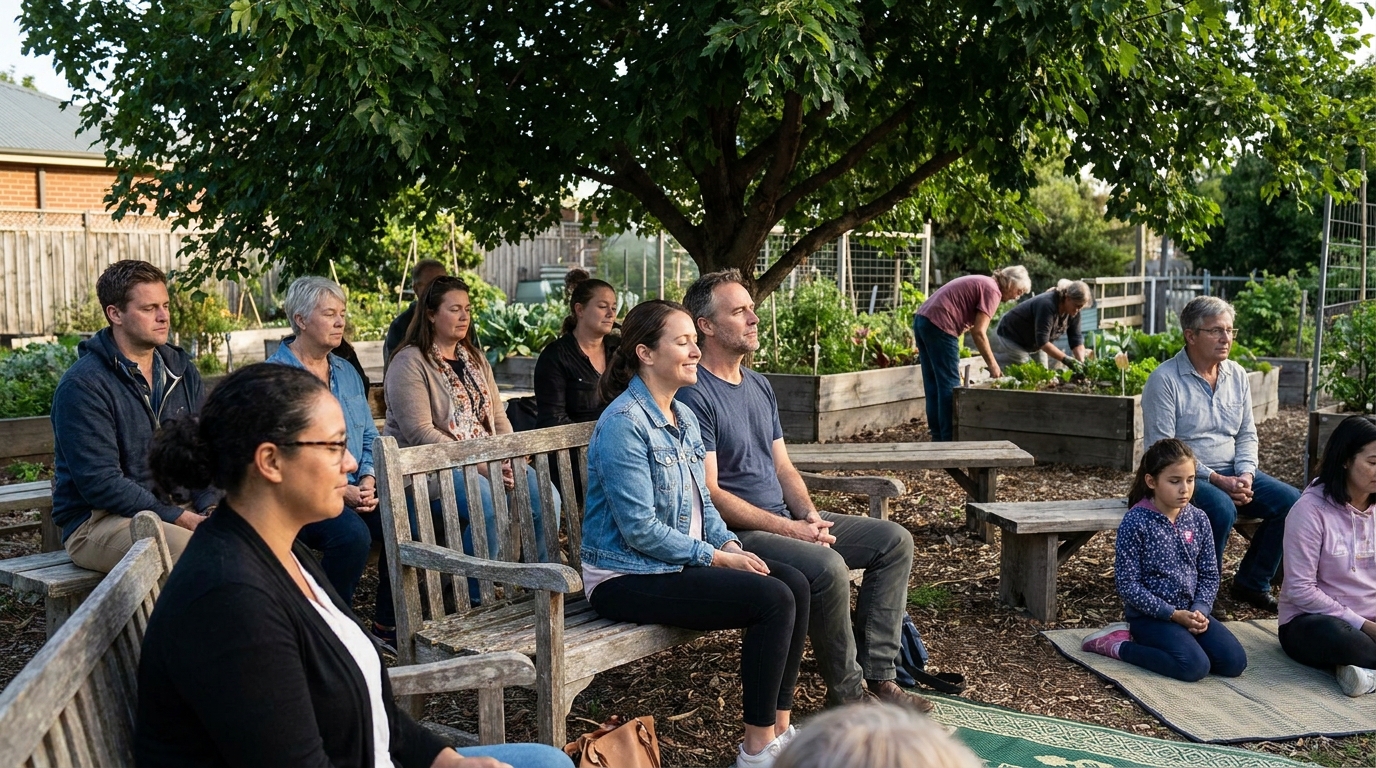
If prema is natural to the soul, why does it feel so far away for many of us?
Modern life often pulls the heart outward. We are trained to seek happiness through consumption, achievement, recognition, and constant stimulation. None of these are inherently evil, but when they become the center of life, they leave us spiritually dry.
Distraction and the Scattered Mind
One of the greatest challenges today is distraction. The mind is constantly invited to jump from one thing to another. We may check messages while eating, scroll through social media before sleeping, and carry unprocessed thoughts from morning to night.
Bhakti Yoga invites us into sacred attention.
Chanting the names of God, even for a few minutes, gathers the scattered mind. Prayer softens the heart. Scripture gives direction. Service turns our focus from “What can I get?” to “How can I offer?”
Prema requires presence. Love grows where attention is given.
Loneliness in a Connected Age
Many people today are digitally connected but emotionally lonely. We may have hundreds of contacts and still feel unseen. The heart longs for real belonging.
Bhakti offers both personal connection with God and spiritual community. In the company of sincere people, the heart becomes nourished. We remember that we are not walking alone.
The Sanskrit word sanga means association or company. In Bhakti, good association is essential. When we spend time with people who value devotion, kindness, chanting, and service, our own faith becomes strengthened.
This does not mean we reject the world. It means we seek nourishment that helps us love the world more purely.
The Pressure to Perform
Modern culture often teaches us to build an image. We may feel pressure to appear successful, spiritual, attractive, productive, or happy. Even spiritual life can become another performance if we are not careful.
Prema cannot grow well in the soil of pretending.
God does not need our performance. God wants our heart.
Bhakti invites honesty. We can come as we are—with faith, doubt, joy, grief, confusion, longing, and weakness. A humble prayer offered sincerely is more valuable than an impressive outer display.
In the Bhagavad-gita 9.26, Krishna says that if one offers Him a leaf, a flower, fruit, or water with love and devotion, He accepts it. The offering itself may be simple. The love behind it is what matters.
Discover a wealth of knowledge by exploring our insightful articles. Our articles cover a wide range of topics to enhance your understanding. Stay informed and inspired by reading our latest articles.
The Bhakti Path: Practical Ways Prema Awakens
Bhakti Yoga is not only a philosophy. It is a practical path of living love. Its practices are simple enough for anyone to begin, yet deep enough to transform the heart over a lifetime.
We do not have to wait for perfect circumstances. We can begin where we are.
Chanting the Holy Names
Chanting is central in Bhakti Yoga. In Sanskrit, this is called nama-sankirtana or japa. Nama means name, sankirtana means congregational chanting, and japa means personal, meditative repetition of sacred names.
The names of God are understood to be spiritually powerful and non-different from God. When we chant sincerely, we are not merely making sound. We are calling out to the Divine.
The Hare Krishna maha-mantra is one widely practiced mantra in the Bhakti tradition:
Hare Krishna Hare Krishna
Krishna Krishna Hare Hare
Hare Rama Hare Rama
Rama Rama Hare Hare
“Hare” calls upon the divine energy of the Lord. “Krishna” means the all-attractive Supreme Person. “Rama” means the source of spiritual joy. The mantra is a prayer: “O Lord, O divine energy of the Lord, please engage me in loving service.”
Chanting can be done softly, loudly, alone, or with others. It can be sung with instruments in kirtan or repeated quietly on beads. Even a few minutes a day can begin to cleanse the heart.
Prayer as Honest Relationship
Prayer in Bhakti is not only asking for things. It is relationship.
We can pray with gratitude, repentance, longing, surrender, and love. We can speak to God in formal words or simple language. We can say, “I do not know how to love You, but I want to learn.” Such a prayer is deeply beautiful.
The saints of the Bhakti tradition often prayed with great humility. They did not approach God as customers demanding service, but as souls longing to serve and remember.
A simple daily prayer might be:
“Dear Lord, please help me remember You today. Please guide my thoughts, words, and actions. Please help me serve others with kindness. Please awaken real love in my heart.”
This kind of prayer gradually reshapes the inner life.
Service as Love in Action
The Sanskrit word seva means service. In Bhakti, service is not merely duty. It is love expressed through action.
We can serve in many ways: cooking and offering food to God, helping in a temple or spiritual community, caring for family with devotion, supporting someone in pain, sharing wisdom kindly, cleaning a sacred space, singing, teaching, listening, or giving resources for spiritual work.
When service is offered to God, ordinary actions become sacred.
Even work, parenting, study, or daily responsibilities can be spiritualized when done with devotion. The Bhagavad-gita teaches that we can offer the fruits of our work to God. This means we do our best, release possessiveness, and remember that our talents and opportunities are gifts meant for service.
Hearing Sacred Wisdom
Another essential practice is sravanam, hearing about God. This includes reading or listening to scriptures such as the Bhagavad-gita, Srimad-Bhagavatam, and writings of great Bhakti saints.
Hearing sacred wisdom gives the mind a higher taste. It reminds us who we are, who God is, and what life is meant for.
The Srimad-Bhagavatam describes hearing and chanting about the Lord as purifying to the heart. In practical terms, when we regularly hear spiritual truth, our desires become refined. We begin to see beyond temporary pleasures and anxieties.
Even ten minutes of daily reading can become a lamp for the heart.
Can Prema Truly Be Achieved Today?
The honest answer is yes—but we must understand what “achieved” means in Bhakti.
Prema is not an achievement like earning a degree, winning an award, or reaching a fitness goal. It is not something we control, possess, or display. It is awakened through surrender and bestowed by grace.
Still, sincere practice matters. Bhakti scriptures and saints repeatedly affirm that anyone can progress, regardless of background, nationality, gender, age, social status, past mistakes, or current struggles.
The Door Is Open to Everyone
One of the most beautiful qualities of Bhakti Yoga is its openness. The holy name can be chanted by anyone. Prayer can be offered by anyone. Service can be done by anyone. God’s love is not limited by birth, education, wealth, or external identity.
In the Bhagavad-gita 9.32, Krishna teaches that all who take shelter in Him can attain the supreme destination. This verse has brought hope to countless people because it shows that divine grace is not exclusive.
The Bhakti path welcomes the scholar and the simple-hearted, the lifelong practitioner and the newcomer, the confident believer and the questioning seeker.
What is required is sincerity.
Progress May Look Quiet
Sometimes we imagine spiritual progress as dramatic visions, constant bliss, or visible signs of holiness. But often, real progress is quiet.
We may notice that we become a little more patient. We forgive more easily. We feel less attracted to harmful habits. We remember God during difficulty. We become more grateful. We want to serve rather than dominate. We feel compassion where we once felt judgment.
These are signs that the heart is softening.
Prema is the full flowering of devotion, but the early buds are also precious. We should not dismiss small growth. A seed becomes a tree through steady care.
The Role of Spiritual Guidance
In Bhakti, guidance is very helpful. A teacher, mentor, or advanced practitioner can help us understand scripture, avoid confusion, and stay encouraged.
The Sanskrit word guru means spiritual teacher—one who helps remove darkness by giving divine knowledge. A genuine guide does not exploit or control. They help the seeker develop sincere devotion to God.
Spiritual community also protects us from isolation. When practice becomes difficult, the encouragement of others can keep us steady.
Of course, seekers should use wisdom and discernment. Authentic Bhakti is marked by humility, compassion, scriptural integrity, and service—not manipulation or pride.
Love in Modern Relationships and Spiritual Growth
Prema is love for God, but it does not make us cold toward others. Rather, it teaches us to love others more deeply and rightly.
When the heart becomes connected to God, relationships can become more compassionate, honest, and sacred.
From Possessiveness to Care
Material love often becomes possessive. We may think, “This person is mine. They must fulfill me. They must behave according to my expectations.” This creates fear and conflict.
Bhakti teaches that every living being belongs to God. We are caretakers, not owners.
This vision changes relationships. We begin to ask, “How can I serve this soul? How can I encourage their spiritual welfare? How can I love without trying to control?”
This does not mean tolerating abuse or neglecting healthy boundaries. Bhakti is not passivity. Real love includes wisdom. But it helps us release the heavy burden of possessiveness.
Seeing Others as Souls
A simple but powerful Bhakti practice is to remember: “This person is a soul, loved by God.”
This can transform daily life. The cashier, the coworker, the child, the elder, the stranger online, even the difficult person—each is more than their behavior, role, or opinion. Each is a spiritual being on a journey.
Seeing others as souls does not mean we agree with everything they do. It means we try to respond with dignity and compassion.
Prema for God naturally overflows as kindness toward God’s creation.
Healing the Heart Through Devotion
Many people come to spiritual life carrying wounds. Some have experienced betrayal, loss, family pain, religious trauma, or deep disappointment. The idea of love may feel unsafe.
Bhakti does not demand that we pretend to be healed overnight. It offers a gentle path.
Chanting can soothe the nervous heart. Prayer can create space for honesty. Service can reconnect us with purpose. Sacred community can help rebuild trust. Scripture can give meaning and hope.
God’s love is not like worldly love that may abandon or exploit. Divine love is the soul’s shelter. As we experience even a glimpse of that shelter, the heart begins to heal.
Obstacles on the Path to Prema
Because prema is so precious, we should not be surprised that obstacles arise. The Bhakti tradition speaks honestly about the challenges within the heart.
These obstacles are not reasons to quit. They are invitations to grow.
Pride and Spiritual Ego
One obstacle is pride. We may become proud of our knowledge, practices, community, discipline, or spiritual identity. This pride hardens the heart.
Prema grows in humility.
Humility does not mean hating ourselves. It means seeing clearly: everything we have is a gift. Our ability to chant, serve, understand, or seek God comes by grace.
A humble person can learn from everyone. They are grateful rather than entitled.
Mechanical Practice
Another obstacle is mechanical practice. We may chant, pray, or serve externally while the mind is elsewhere. This happens to everyone at times.
The solution is not discouragement, but renewed sincerity.
Before chanting, we can pause and pray: “Please help me hear. Please help me be present.” Before service, we can remember: “This is for You.” Small moments of intention can bring life back into practice.
Even if the mind wanders, the holy name is powerful. We simply return again and again.
Impatience and Comparison
Modern culture trains us to want quick results. But spiritual growth is organic. A fruit ripens in time.
We may also compare ourselves to others. Someone else may seem more peaceful, knowledgeable, or devoted. Comparison can lead to pride or discouragement.
Bhakti invites us to walk our own sincere path. God sees the heart. A small offering made with sincerity is spiritually significant.
Instead of asking, “Am I ahead or behind?” we can ask, “Am I becoming more sincere?”
Practices for Awakening Love Today
For those wondering how to begin, Bhakti Yoga offers simple and practical steps. You do not need to change your whole life overnight. Start with what is real and sustainable.
Begin the Day With Remembrance
Before reaching for your phone, take a moment to remember God. Offer a short prayer. Chant one mantra. Read one verse. Place the day in divine hands.
A morning practice sets the direction of the heart.
Even three minutes can matter when done sincerely.
Chant Daily, Even a Little
Choose a daily amount of chanting that you can maintain. It may be one round on beads, five minutes of kirtan, or softly repeating God’s names during a walk.
Regularity is powerful. The heart responds to steady nourishment.
If you miss a day, do not fall into guilt. Begin again.
Offer Your Food With Gratitude
In Bhakti, food can become sacred when offered to God with love. This is called prasadam, meaning mercy or grace.
You can prepare vegetarian food and offer it with a simple prayer: “Dear Lord, please accept this offering.” After offering, receive it with gratitude.
This practice brings devotion into daily life. Eating becomes not only nourishment for the body, but also a reminder of dependence and grace.
Serve Someone Without Expectation
Each day, try to serve someone without needing recognition. Speak kindly. Help quietly. Encourage someone. Give your time. Clean a space. Listen deeply.
Service softens the heart and reduces self-centeredness.
When offered to God, even small acts become part of the path to prema.
Keep Sacred Company
Seek the association of people who inspire your devotion. Attend kirtan, join a study group, visit a temple, connect with a Bhakti community, or listen to classes from sincere teachers.
If you do not have local community, begin online with discernment. Let your heart be nourished by voices that increase humility, compassion, and love for God.
The Hope of the Bhakti Scriptures
The Bhakti scriptures are filled with hope for the modern seeker. They do not deny the difficulty of spiritual life in this age, but they also give a merciful solution.
The current age is often described in Sanskrit as Kali-yuga, an age marked by quarrel, confusion, and spiritual forgetfulness. Yet the Bhakti tradition teaches that this age has a special blessing: the chanting of the holy names is especially powerful and accessible.
The Gift of the Holy Name
The Srimad-Bhagavatam praises the chanting of God’s names as the recommended spiritual practice for this age. Why? Because chanting can be done anywhere, by anyone, in almost any condition.
You do not need wealth to chant. You do not need advanced education. You do not need a perfect past. You only need a willingness to turn toward God.
The holy name meets us where we are and gradually carries us deeper.
The Example of the Saints
Great Bhakti saints such as Sri Chaitanya Mahaprabhu emphasized the chanting of Krishna’s names as the path of divine love. Sri Chaitanya taught not only philosophy, but also lived the mood of intense love for God.
His teachings show that prema is the highest goal, and the way is humility, chanting, service, and compassion.
One famous instruction attributed to Sri Chaitanya says that one should chant the holy name with humility, tolerance, and respect for others. This is deeply practical. It means that chanting is not separate from character. The more we chant sincerely, the more we are invited to become kind, patient, and respectful.
Scripture as a Mirror and Map
Sacred texts serve as both mirror and map. They reveal the condition of our heart, and they show the path forward.
When we read about pure devotees, we may feel humbled. But we should not become discouraged. Their lives are not meant to make us feel excluded. They are meant to awaken longing.
If they loved God so deeply, perhaps we can take one step in that direction too.
Prema Begins With One Sincere Step
So, can prema be achieved today?
Yes. Not through spiritual pride, not through external show, and not by forcing emotion. Prema awakens through sincere devotion and divine grace. It is cultivated through chanting, prayer, service, hearing sacred wisdom, honoring prasadam, keeping good association, and living with humility.
Modern life brings real challenges, but it also brings real opportunities. A busy parent can chant while cooking. A student can offer study as service. A worker can practice honesty and compassion. A lonely person can find shelter in prayer. A wounded heart can begin healing through the holy name. A curious seeker can read one verse and ask one sincere question.
No one is disqualified from Bhakti.
You do not need to be perfect to begin. You do not need to have all the answers. You do not need to belong to a certain culture or background. The path of Bhakti is open to every soul because every soul is meant for love.
Prema is the full blossoming of divine love, but the journey begins simply: hear, chant, pray, serve, and remember. Offer what you can. Bring your real heart. Ask for grace.
At The Bhakti House, all are welcome—wherever you are in life, whatever your background, and however near or far God may feel right now. Take one sincere step toward God today. Chant one name, offer one prayer, serve one person, read one sacred passage, or simply whisper, “Please guide me.” No sincere step is ever wasted.
FAQs
What is prema?
Prema is a Sanskrit word that translates to “divine love” or “pure love” in English. It is a deep, unconditional, and selfless love that is often associated with spiritual or religious practices.
Can prema be achieved today?
While achieving the highest form of prema may be challenging, individuals can still cultivate love, compassion, and kindness in their daily lives. By practicing empathy, forgiveness, and selflessness, one can come closer to experiencing prema in their interactions with others.
Are there any spiritual practices that can help in achieving prema?
Various spiritual practices such as meditation, prayer, mindfulness, and self-reflection can help individuals cultivate love and compassion towards themselves and others. These practices can deepen one’s understanding of the interconnectedness of all beings and foster a sense of universal love.
What are the benefits of striving for prema in today’s world?
Striving for prema can lead to greater emotional well-being, improved relationships, and a sense of inner peace. By embodying love and compassion, individuals can contribute to creating a more harmonious and compassionate society.
How can one start their journey towards achieving prema?
One can start their journey towards achieving prema by practicing kindness, empathy, and forgiveness in their daily interactions. Engaging in selfless service, cultivating gratitude, and developing a deeper connection with one’s spiritual beliefs can also help in nurturing a more loving and compassionate heart.

