
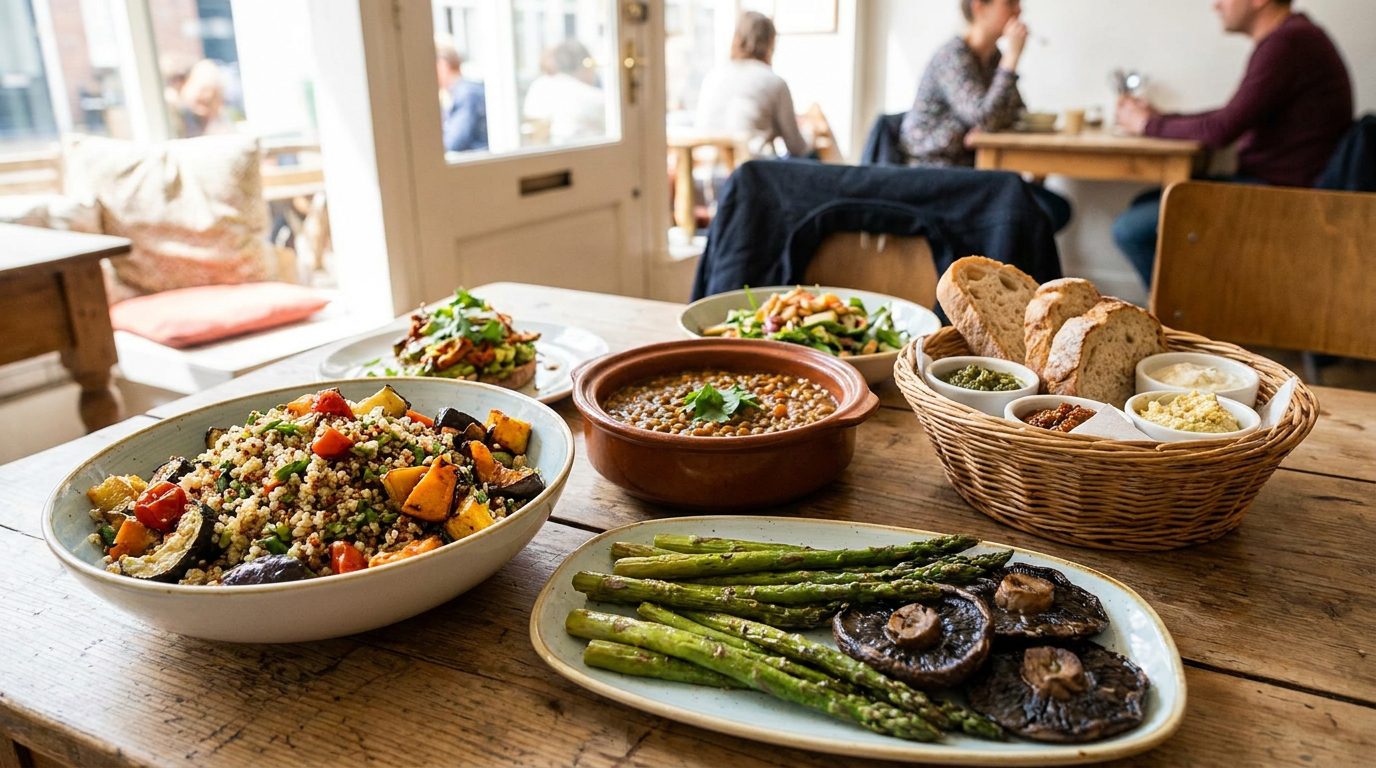
In Bhakti Yoga, the path of devotion, food is more than nourishment for the body. It can become a prayer, a gift, and a bridge between the heart and God. A vegetarian offering is a simple act of love: preparing food with care, offering it to the Divine, and receiving it back as mercy.
In Sanskrit, the food before offering is often called bhoga, which means “enjoyment” or “that which is offered for enjoyment.” After it is offered to God with devotion, it is called prasadam, meaning “grace” or “mercy.” This transformation is not only about ritual. It is about consciousness. We learn to cook, serve, and eat with gratitude.
The Bhagavad Gita gives a beautiful and accessible teaching on this practice. Sri Krishna says:
“If one offers Me with love and devotion a leaf, a flower, fruit, or water, I will accept it.”
— Bhagavad Gita 9.26
This verse is deeply encouraging. Krishna does not ask for wealth, status, perfection, or complicated rituals. He asks for love. A leaf, a flower, a fruit, or water—when offered with sincerity—becomes spiritually powerful.
Vegetarian offerings are a practical way to bring devotion into daily life. Whether you are new to Bhakti Yoga, returning to spiritual practice, or simply exploring a more conscious relationship with food, this guide is for you.
Why Vegetarian Offerings Matter
Food Carries Consciousness
In Bhakti tradition, we understand that food carries energy. The consciousness of the person who grows, prepares, serves, and eats the food matters. When we cook in anger, hurry, or distraction, that mood can enter the meal. When we cook with prayer, cleanliness, patience, and love, the meal becomes uplifting.
This is not meant to make anyone feel guilty. It is an invitation. Every meal can become a small altar. Every kitchen can become a sacred space. Every act of chopping vegetables, washing rice, stirring soup, or placing fruit on a plate can become an offering of the heart.
Offering Food Softens the Heart
Bhakti Yoga means “the yoga of devotion” or “union through love.” The practice is not only meditation on a mat or worship in a temple. It is also found in everyday acts done for God’s pleasure.
When we offer vegetarian food, we practice humility. Instead of thinking, “This is mine,” we gently remember, “Everything comes from the Divine. Let me offer it back with gratitude.”
This softens the heart. It helps us move from taking to serving, from consumption to appreciation, from forgetfulness to remembrance.
Eating Becomes Sacred
Many people feel disconnected from food. We may eat too quickly, emotionally, or without awareness. Prasadam changes the experience. When food has been offered with devotion, eating becomes an act of receiving grace.
We slow down. We say thank you. We remember that the body is a gift and that life is meant for spiritual growth.
In this way, vegetarian offerings help us live with more peace, compassion, and God-centered awareness.
What Makes an Offering Acceptable?
The Heart Is the Main Ingredient
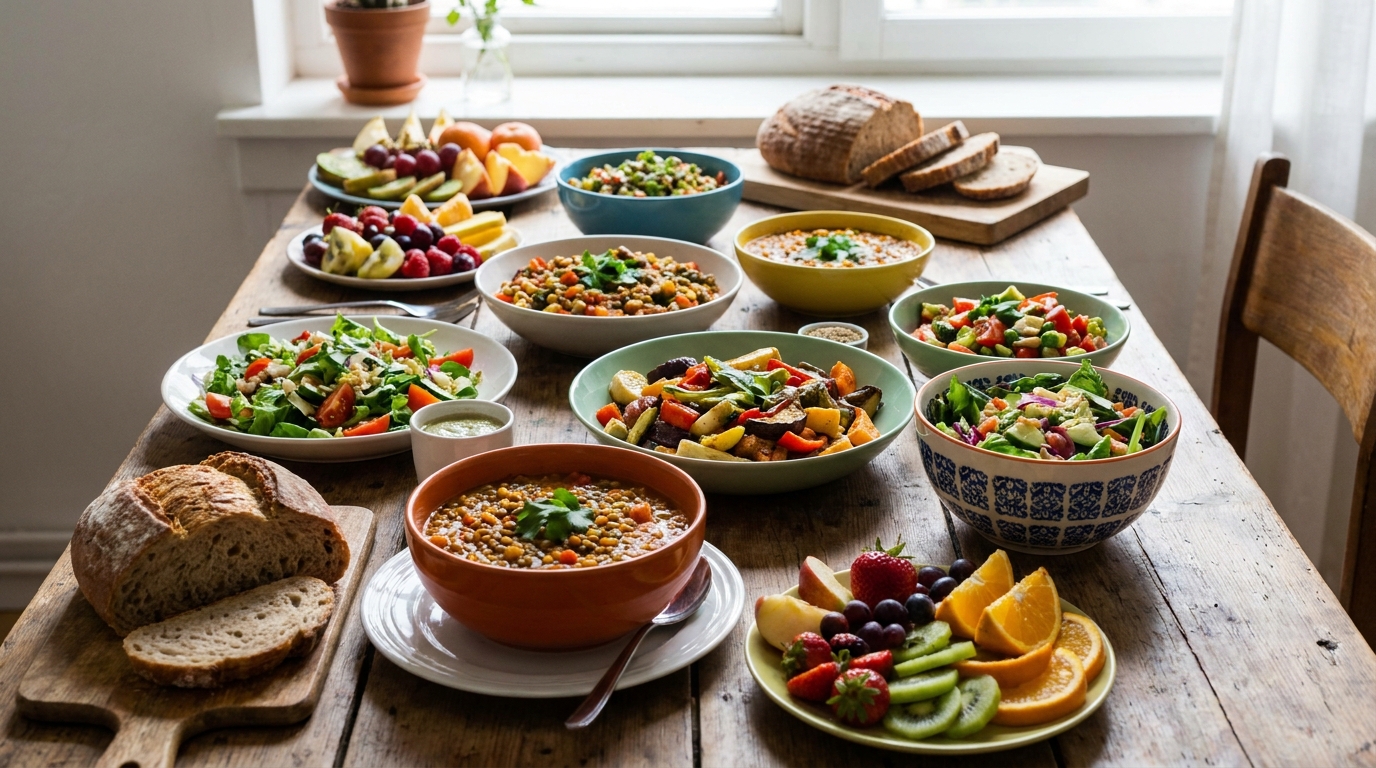
The most important ingredient in any offering is devotion. In Sanskrit, devotion is called bhakti. Bhakti is loving service to God. It is the sincere mood of the soul reaching toward the Divine.
A simple apple offered with love may be more pleasing to God than a grand feast prepared with pride. The external arrangement has value, but the inner intention is essential.
This is why anyone can begin. You do not need to know every mantra perfectly. You do not need a large altar. You do not need to be an expert cook. You can begin with sincerity, humility, and a desire to offer love.
Vegetarian Means Compassionate
In the Bhakti tradition, vegetarian offerings usually include grains, fruits, vegetables, legumes, nuts, seeds, dairy, herbs, spices, and natural sweeteners. The foundation is nonviolence, or ahimsa, which means “not causing harm.”
A vegetarian diet supports compassion toward animals and helps cultivate a more peaceful consciousness. Because Bhakti Yoga is a path of love, what we offer should reflect kindness.
Many Bhakti practitioners also avoid onions, garlic, mushrooms, alcohol, caffeine, and highly processed foods when making traditional offerings, especially in lineages connected to Krishna devotion. These foods are often considered less favorable for meditation because they may agitate the mind or dull spiritual awareness. If this is new to you, do not feel overwhelmed. Begin where you are, and grow gently.
Freshness and Cleanliness
Offerings are traditionally fresh, clean, and prepared with care. Cleanliness in Bhakti is not only physical; it is also mental and spiritual.
Before cooking, it is helpful to wash your hands, clean the kitchen space, and gather ingredients thoughtfully. Some people like to play sacred music, chant, or silently pray while cooking.
Try not to taste the food before offering it. This may feel unfamiliar at first, but it teaches us a beautiful principle: God is the first enjoyer. After the offering is made, we receive prasadam with gratitude.
Avoiding Harmful Ingredients
Vegetarian offerings should not include meat, fish, eggs, or products made from them. In many Bhakti communities, eggs are avoided because they are connected with potential life and are not considered suitable for offering.
Alcohol and intoxicants are also not offered. Bhakti Yoga encourages clarity, remembrance, and loving awareness. Foods and drinks that cloud consciousness are avoided so the mind can become peaceful and receptive to spiritual growth.
If you are unsure about an ingredient, keep it simple. Fruit, rice, vegetables, lentils, milk, yogurt, ghee, nuts, and fresh herbs are wonderful places to start.
Check out our latest articles at https://thebhaktihouse.org/blog.
Essential Ingredients for Vegetarian Offerings
Grains and Staples
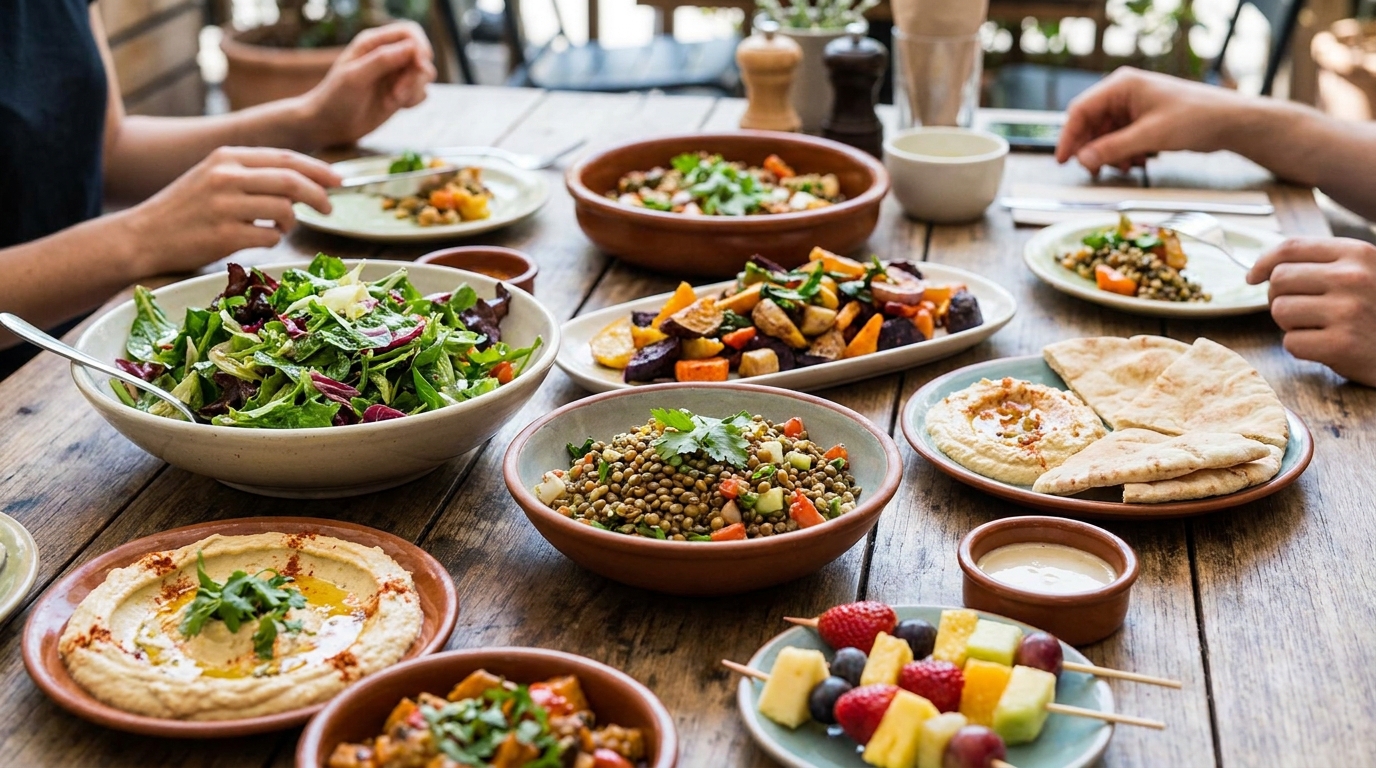
Grains are a comforting foundation for many offerings. Rice, wheat, oats, barley, quinoa, and millet can all be used. In traditional Bhakti kitchens, rice and wheat preparations are especially common.
Simple offerings may include:
- Steamed basmati rice
- Chapati or flatbread
- Vegetable pulao
- Khichari, a nourishing dish of rice and lentils
- Sweet rice cooked with milk, sugar, and cardamom
Grains remind us of the Earth’s generosity. They are humble, nourishing, and easy to prepare.
Fruits and Natural Sweets
Fruit is one of the simplest and most beautiful offerings. If you are new to the practice, begin with fruit. Wash it, place it on a clean plate, and offer it with a prayer.
Bananas, apples, oranges, berries, grapes, mangoes, pears, and melons are all lovely choices. Seasonal fruit is especially wonderful because it connects us to the rhythm of nature.
Natural sweets may include dates, raisins, honey, jaggery, maple syrup, or raw sugar, depending on your tradition and personal practice.
Vegetables and Legumes
Vegetables offer color, variety, and nourishment. Leafy greens, carrots, potatoes, squash, peas, beans, cauliflower, broccoli, zucchini, and many other vegetables can be prepared in devotion.
Legumes such as lentils, mung beans, chickpeas, and split peas are also deeply nourishing. Dal, a simple lentil soup, is a beloved preparation in many devotional kitchens.
A simple meal of rice, dal, and vegetables can be a complete and satisfying offering.
Dairy in Bhakti Tradition
In many Bhakti traditions, dairy is considered sacred when obtained responsibly and used with reverence. Milk, yogurt, butter, paneer, and ghee are often used in offerings, especially in worship of Krishna, who is lovingly known as a cowherd boy.
At the same time, many sincere practitioners today are mindful of modern dairy industry concerns. Some choose ethically sourced dairy, protected-cow dairy, or plant-based alternatives. If you are vegan, you can still make beautiful offerings with plant-based foods. The heart of the practice is devotion.
The Bhakti House welcomes people with different dietary needs and life circumstances. The goal is to offer with love and grow in compassion.
Herbs, Spices, and Flavor
Spices can make vegetarian offerings vibrant and joyful. Cumin, coriander, turmeric, ginger, black pepper, cardamom, cinnamon, fennel, mustard seeds, and fresh herbs can be used to create beautiful flavors.
Flavor is not separate from devotion. Cooking with care means we prepare food that is pleasing, nourishing, and thoughtful.
Just remember: we cook not for our own tongue first, but as a gift for God. That small shift in intention changes everything.
How to Prepare a Vegetarian Offering at Home
Begin With a Clean Space
Before cooking, take a moment to clean your kitchen counter, stove, and utensils. Wash your hands and, if possible, wear clean clothes or an apron. These small acts help settle the mind.
You may wish to light a candle, place fresh flowers nearby, or play kirtan, which is devotional chanting. Kirtan usually includes sacred names of God sung with music. The sound creates a prayerful atmosphere and reminds the heart why we are cooking.
Set Your Intention
Before you begin, pause and pray in your own words. You might say:
“Dear Lord, please accept this offering. May it be prepared with love. May all who receive it be blessed.”
If you relate to Krishna, you may pray directly to Krishna. If you come from another spiritual background, you can offer to God in the name and form most meaningful to you. Bhakti Yoga is deeply personal. It honors sincere devotion.
Cook Without Tasting
Traditionally, the cook does not taste the food before offering. This practice can feel challenging, especially when learning recipes. Over time, you become familiar with measurements, aromas, textures, and timing.
If you are worried about salt or spices, use recipes at first. Keep seasonings moderate. After the offering, you can adjust the prasadam if needed before serving others, depending on your tradition.
The principle is simple: the first enjoyment belongs to God.
Plate the Offering Beautifully
When the food is ready, place a small portion of each preparation on a clean plate or bowl reserved for offerings if possible. You do not need a large amount. Even a little is enough when offered with love.
You may include water, fruit, flowers, or a small sweet. Arrange the plate with care. Beauty is part of devotion.
Offer With Prayer or Mantra
Place the offering before a picture, deity, sacred symbol, or simply in a clean peaceful space. Sit or stand quietly and offer the food.
You may chant a mantra, such as the Hare Krishna maha-mantra:
Hare Krishna Hare Krishna
Krishna Krishna Hare Hare
Hare Rama Hare Rama
Rama Rama Hare Hare
“Maha-mantra” means “great mantra.” A mantra is sacred sound that helps the mind connect with God. “Hare” calls upon the divine energy of the Lord, and “Krishna” and “Rama” are names of God meaning the all-attractive one and the source of spiritual joy.
If you do not know a mantra, offer a heartfelt prayer. God receives sincerity.
Wait and Receive
Allow the offering to sit for a few minutes. This is a time of quiet remembrance. You can chant, pray, or simply be still.
Afterward, remove the plate. The food is now prasadam—grace. Mix the offered portions back into the main preparations if appropriate, or serve them respectfully.
Then eat with gratitude.
Simple Vegetarian Offering Ideas
A Beginner’s Fruit Offering
If you are just beginning, start here. Wash fresh fruit and place it on a clean plate. Add a cup of water. Offer with a short prayer.
This practice may take only five minutes, but it can transform your day. It teaches the heart to pause, remember, and give thanks.
Rice, Dal, and Vegetables
A classic vegetarian offering is rice, dal, and vegetables. It is balanced, nourishing, and easy to prepare.
You can make steamed rice, a simple mung dal with turmeric and cumin, and a vegetable dish with seasonal produce. Add a little ghee or oil, fresh herbs, and mild spices.
Offer everything with love. This meal is comforting for families, guests, and community gatherings.
Khichari: A Healing Offering
Khichari is a soft, nourishing preparation usually made with rice and split mung beans. It is often used for healing, simplicity, and digestion.
To make a basic khichari, cook rice and mung dal together with turmeric, cumin, ginger, and vegetables. It can be thin like soup or thick like porridge.
Khichari is a wonderful offering when you are tired, recovering, or caring for others. It reminds us that devotional food can be both simple and deeply restorative.
Sweet Rice or Kheer
Sweet rice, also called kheer, is a beloved offering made with milk, rice, sugar, and spices like cardamom. It can be garnished with raisins, almonds, pistachios, or saffron.
This preparation is often offered on festival days or special occasions. It carries a mood of celebration and sweetness.
For a vegan version, you can use coconut milk, almond milk, or oat milk. Offer with the same devotion.
Simple Salad and Bread
A fresh salad with homemade flatbread can also be a beautiful offering. Use clean, fresh vegetables, herbs, lemon, and a simple dressing.
Bread can be as simple as chapati made from flour, water, and a little salt, cooked on a skillet. The warmth of fresh bread offered with love is deeply satisfying.
Devotion does not have to be complicated. It has to be sincere.
The Spiritual Meaning of Prasadam
Prasadam Means Mercy
The word prasadam means mercy, grace, or kindness. When we receive prasadam, we are not merely eating food. We are receiving something touched by divine love.
This does not mean we must force ourselves to feel something dramatic. Sometimes prasadam feels peaceful. Sometimes it feels joyful. Sometimes we may simply feel thankful. All of this is welcome.
Spiritual life grows through repeated sincere practice. Every offering plants a seed.
Prasadam Purifies Consciousness
Bhakti scriptures teach that prasadam helps purify the heart. The Bhagavad Gita explains that when we offer our actions to God, we become freed from selfish attachment. Food offered in devotion helps us remember our true nature as souls, beloved parts of the Divine.
This purification is practical. We may become more mindful, less greedy, more compassionate, and more grateful. We begin to see eating not as an isolated personal act, but as part of our relationship with God, other beings, and the Earth.
Sharing Prasadam Is Service
In Sanskrit, service is called seva. Seva means loving service offered without selfish expectation. Sharing prasadam is one of the most joyful forms of seva.
When we feed others with prasadam, we offer nourishment to the body and kindness to the soul. This can happen in temples, homes, yoga studios, community centers, parks, hospitals, schools, or anywhere people gather.
At The Bhakti House, we honor the spirit of welcoming everyone. Prasadam is not only for people who know the philosophy. It is for anyone who is hungry, curious, tired, grateful, searching, or simply open.
A plate of prasadam can say: “You are cared for. You are welcome. God’s love is for you.”
Vegetarian Offerings for Daily Life
Morning Offerings
Morning is a beautiful time to begin the day with devotion. You might offer fruit, warm milk or plant-based milk, oatmeal, toast, or a simple breakfast.
Even if your morning is busy, you can pause for one minute and offer water or fruit. Small, consistent practices are powerful.
Try beginning the day with the thought: “May my words, work, and meals today be offered in love.”
Family Meals
Offering food before a family meal can bring peace into the home. Children often love participating. They can help wash fruit, place flowers, ring a bell, or say a prayer.
This teaches gratitude in a natural way. It also helps create a spiritual rhythm in daily family life.
You do not need to make it heavy or formal. A simple prayer before eating can awaken devotion in everyone present.
Hosting Guests
When guests come, prasadam becomes hospitality with spiritual depth. Prepare vegetarian food with care, offer it, and serve it warmly.
Not everyone may understand the practice at first. You can explain simply: “We offer the food to God with gratitude before we eat. In our tradition, this makes the meal sacred.”
Most people appreciate sincerity and kindness. Let the food speak through love.
Work and School
You can pack prasadam for lunch. Cook and offer at home, then bring it with you. Eating prasadam during a busy day can help you feel grounded and spiritually connected.
Before opening your lunch, pause and remember the offering. Take one grateful breath. That moment can become a small sanctuary.
Festivals and Special Days
Bhakti traditions include many festivals where offerings are central. Janmashtami, the appearance day of Sri Krishna, often includes elaborate vegetarian offerings. Govardhan Puja celebrates Krishna’s loving protection and is honored with mountains of food offerings. Ekadashi, a sacred fasting day observed twice a month, often includes offerings made without grains and beans.
Festivals help us celebrate God with community, music, chanting, service, and prasadam. But even if you cannot attend a temple, you can honor sacred days at home with a simple offering and prayer.
Common Questions About Vegetarian Offerings
Do I Have to Be Hindu to Make an Offering?
No. Bhakti Yoga welcomes sincere seekers of all backgrounds. You do not have to identify with a particular culture or label to offer food with love.
The heart of the practice is universal: gratitude, devotion, humility, and service. If you believe in God, or if you are simply beginning to seek the Divine, you can start with sincerity.
What If I Make a Mistake?
Mistakes happen. Maybe you forget an ingredient, taste the food by habit, burn something, or feel distracted. Do not be discouraged.
Bhakti is a path of relationship. In a loving relationship, sincerity matters more than flawless performance. Learn gently and keep going.
You can pray, “Please forgive my shortcomings. Please accept my intention.” Then continue.
Can I Offer Store-Bought Food?
Freshly prepared homemade food is ideal, but there may be times when store-bought items are what you have. Fruits, nuts, packaged grains, bread, or sweets may be offered if they are vegetarian and contain suitable ingredients.
Read labels carefully. Avoid meat, fish, eggs, alcohol, and ingredients that do not align with your practice.
If possible, place the item on a clean plate and offer it prayerfully rather than eating directly from packaging.
Can Vegan Food Be Offered?
Yes, vegan vegetarian offerings can be made with devotion. Many people today choose vegan options out of compassion for animals or health reasons.
Traditional Bhakti kitchens may use dairy, especially in Krishna worship, but the principle of loving offering remains. If you use plant-based milk, coconut yogurt, vegan butter, or other alternatives, offer them sincerely.
Let your choices be guided by compassion, humility, and honest spiritual intention.
What Should I Do With Leftovers?
Prasadam should be treated respectfully. Store leftovers cleanly and eat them with gratitude. Avoid wasting food.
If there is extra, share with family, friends, neighbors, or those in need. Sharing prasadam extends the blessing.
If food spoils, dispose of it respectfully. The broader lesson is to cook thoughtfully and avoid unnecessary waste.
Creating a Devotional Kitchen
Keep the Kitchen Peaceful
A devotional kitchen does not have to be perfect, expensive, or large. It simply needs to be cared for.
Try to avoid arguments, harsh speech, or distracting media while cooking. If possible, play soft kirtan, recite prayers, or chant quietly.
The kitchen can become a place of meditation.
Cook as Service, Not Performance
It is easy to become proud of our cooking or anxious about impressing others. Bhakti gently redirects us: “This is for God. This is service.”
If the meal turns out beautifully, offer gratitude. If it turns out simply, offer that too. The goal is not ego. The goal is love.
Use Recipes as Training Wheels
If you are new to devotional cooking, recipes are very helpful. Start with simple dishes and repeat them until you feel comfortable.
Over time, you will learn how spices bloom, how grains cook, how vegetables soften, and how to balance flavor without tasting before offering.
Cooking becomes both art and prayer.
Invite Others In
Devotional cooking is wonderful to share. Invite a friend to chop vegetables, chant with you, or help serve prasadam.
Community is central to Bhakti Yoga. In Sanskrit, spiritual association is called sanga. Good sanga nourishes the heart and strengthens our practice.
Even one shared meal can create connection.
Scriptural Foundations for Offering Food
Bhagavad Gita: Offering With Love
As mentioned earlier, Bhagavad Gita 9.26 teaches that Krishna accepts even a simple offering when given with love and devotion. This verse is foundational because it reveals God’s heart.
The Divine is not hungry for our food in the way we are. God is complete. Yet God lovingly accepts our offering because it carries our devotion. Like a parent receiving a child’s handmade gift, the love is what gives it beauty.
Bhagavad Gita: Offering Our Actions
In Bhagavad Gita 9.27, Krishna also says:
“Whatever you do, whatever you eat, whatever you offer or give away, and whatever austerities you perform—do that as an offering to Me.”
This expands the practice. Food offering is not isolated. It trains us to offer our whole life—our work, relationships, creativity, challenges, and hopes.
The kitchen becomes a doorway into full-life devotion.
Srimad Bhagavatam: Hearing, Chanting, Remembering
The Srimad Bhagavatam, a cherished Bhakti scripture, emphasizes hearing and chanting about God as central practices of devotion. Vegetarian offerings naturally connect with these practices.
We can cook while hearing sacred songs. We can offer while chanting. We can eat while remembering God’s kindness.
In this way, prasadam is connected to the larger life of Bhakti: chanting, prayer, service, study, community, and spiritual growth.
A Simple Step-by-Step Offering Practice
Step 1: Choose a Vegetarian Preparation
Begin with fruit, rice, dal, vegetables, or another simple vegetarian dish. Keep it manageable.
Step 2: Prepare With Cleanliness
Wash hands, clean the space, and cook with care. Try to keep a peaceful mood.
Step 3: Set Aside a Portion
Place a portion on a clean plate. Add water if you like. Make it beautiful in a simple way.
Step 4: Offer With Prayer
Place the plate before God, a sacred image, or in a peaceful space. Pray sincerely. You may chant the Hare Krishna mantra or speak from the heart.
Step 5: Receive as Prasadam
After a few minutes, receive the food as grace. Eat with gratitude and share if possible.
This practice can take only a few minutes, but it can change the atmosphere of your home and the direction of your heart.
Living the Deeper Lesson
Vegetarian offerings are not only about what we eat. They teach us how to live.
They teach us gratitude: “Everything I have is a gift.”
They teach us humility: “I am not the ultimate enjoyer.”
They teach us compassion: “May my choices reduce harm.”
They teach us service: “May others be nourished.”
They teach us remembrance: “God is present in my daily life.”
In Bhakti Yoga, spiritual growth is not separate from ordinary life. The ordinary becomes sacred when offered with love. A pot of soup, a bowl of rice, a sliced mango, a cup of water—each can become a prayer.
You are welcome to begin exactly where you are. Whether you know many scriptures or none, whether your kitchen is busy or quiet, whether your faith feels strong or tender, the path of Bhakti is open.
Take one sincere step. Offer one piece of fruit. Chant one sacred name. Say one honest prayer. Serve one person with kindness. God sees the heart, and every loving offering matters.
Everyone is welcome to take one sincere step toward God.
FAQs
What are the different types of vegetarian diets?
There are several types of vegetarian diets, including lacto-vegetarian (includes dairy but not eggs), ovo-vegetarian (includes eggs but not dairy), lacto-ovo vegetarian (includes both dairy and eggs), and vegan (excludes all animal products).
What are some common vegetarian protein sources?
Common vegetarian protein sources include beans, lentils, chickpeas, tofu, tempeh, seitan, quinoa, nuts, seeds, and dairy products (for lacto-vegetarians).
How can restaurants cater to vegetarian customers?
Restaurants can cater to vegetarian customers by offering a variety of plant-based options, clearly labeling vegetarian dishes on the menu, avoiding cross-contamination with meat products, and being knowledgeable about vegetarian dietary restrictions.
What are some popular vegetarian dishes from different cuisines?
Popular vegetarian dishes from different cuisines include falafel and hummus from Middle Eastern cuisine, vegetable curry from Indian cuisine, caprese salad from Italian cuisine, tofu stir-fry from Chinese cuisine, and black bean tacos from Mexican cuisine.
What are the health benefits of a vegetarian diet?
A vegetarian diet can provide numerous health benefits, including lower risk of heart disease, lower blood pressure, lower risk of certain types of cancer, improved digestion, and potential weight management.

